Roof Rats in Cape Coral, why they love palm trees, signs in the attic, and the fastest way to stop repeat visits
If you've heard scratching above the ceiling at night, you're not alone. Roof rats Cape Coral homeowners deal with aren't just passing through. They're looking for safe cover, easy food, and a quick route to your attic.
Palm trees often give them all three. Add a warm attic and a few small gaps along the roofline, and your house can start to feel like part of their territory.
This guide explains why palms are such a magnet, what attic signs matter most, and the fastest way to stop repeat visits without turning your home into a long-term project.
Why roof rats love palm trees in Cape Coral neighborhoods
Roof rats are climbers first and "ground rodents" second. In Cape Coral, palms give them a built-in ladder and a place to hide. Think of a palm like a parking garage with dozens of ramps and ledges.
Here's what makes palms so attractive:
- Fast roof access. Palm fronds often hang near eaves and gutters. If fronds touch the roof, rats can cross in seconds.
- Safe nesting spots. Old frond "boots" and dense crowns hold heat and block wind. That shelter matters during storms and cool snaps.
- Steady food nearby. Fallen fruit, seeds, and even insects around palms can support rats. So can unsecured trash and outdoor pet food.
- Protected travel routes. Palms connect to fences, pool cages, and other trees. Rats prefer moving overhead where cats and people aren't.
Once a rat uses a palm as a launch point, it tends to repeat the route. That's why trimming and cleanup help, but they won't solve an attic issue by themselves. If the animal already found a gap into the home, it'll keep testing that same entry until you block it.
Signs of roof rats in the attic (and what they usually mean)
Roof rats are light on their feet, but they leave patterns. The earlier you spot them, the less damage you'll have to repair.
Noises and timing that point to roof rats
Most activity happens after dark. You might hear:
- Light scurrying or quick footsteps
- Scratching along rafters or the attic hatch
- Thumps that sound like something jumped, then paused
Squirrels tend to be loud in daylight. Roof rats usually stay busy at night, especially a few hours after sunset.
Physical clues to look for in Cape Coral attics
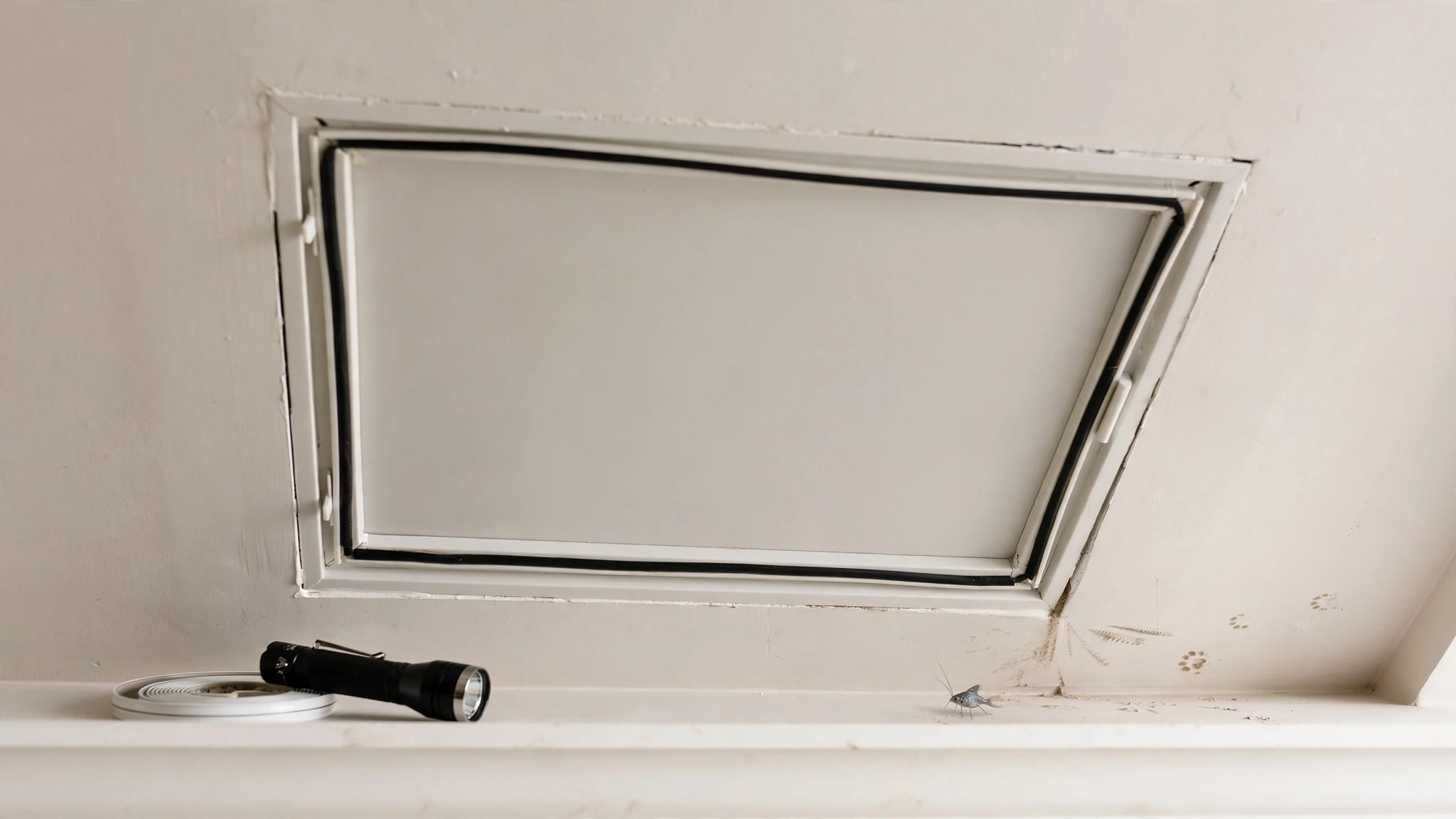
A quick attic check can tell you a lot. Use a bright flashlight, move slowly, and don't step off joists.
Common signs include:
- Droppings. Roof rat droppings are small and dark, often scattered along travel paths.
- Grease rub marks. Repeated runs along beams can leave dark smudges.
- Shredded nesting material. Insulation, paper, and fabric scraps piled in one spot.
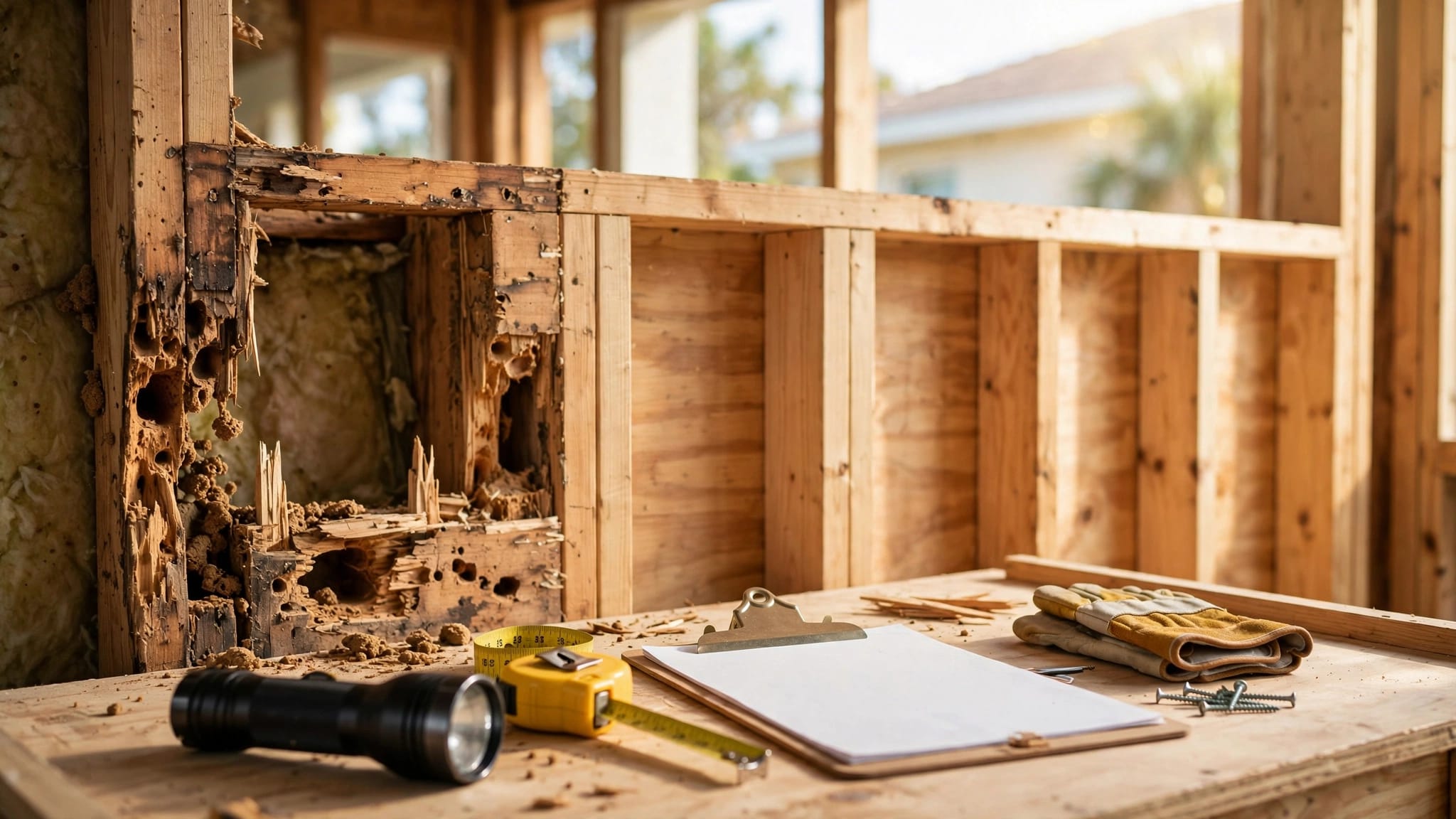
- Chew damage. Gnawed wiring, ducting, or stored boxes. This is a big fire risk.
- Strong ammonia-like odor. Heavy urine smell usually means ongoing activity.
Outside, also check for oily streaks near soffits, damaged roof vents, and frayed screening. Rats don't need much space. A gap about the size of a quarter can be enough for a smaller roof rat.
If you only trap without sealing, you're treating symptoms. The entry point is the reason the problem keeps coming back.
The fastest way to stop repeat visits (the order matters)
Speed comes from doing the steps in the right sequence. If you skip around, you can end up chasing the same rodents for weeks.
1) Confirm current activity
First, make sure you're dealing with an active problem, not an old one.
Fresh signs include new droppings, recent scratching at night, and newly disturbed insulation. If you're unsure, a licensed pro can confirm the pest and the travel routes during an inspection.
2) Identify entry points along the roofline
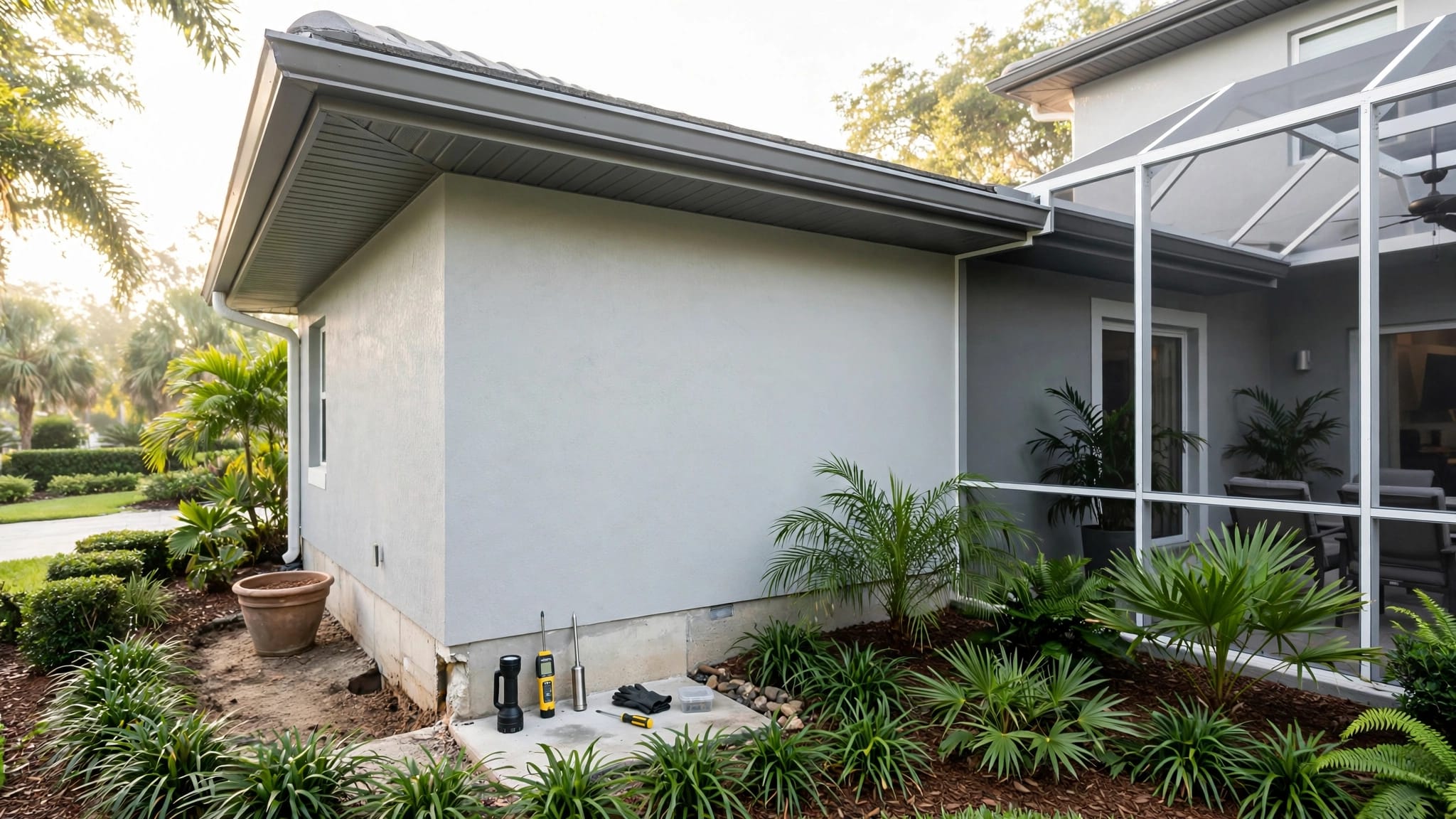
Next, find how they're getting in. In Cape Coral, common access spots include roof vents, soffit gaps, gable vents, pipe penetrations, and damaged screens.
This is where a careful inspection pays off, because rats often have more than one option. A professional plan should map out the main entry and any "backup doors."
If you want a local option that focuses on trapping plus exclusion, see rodent removal services Cape Coral.
3) Immediate knockdown (targeted traps or bait where legal and safe)
Once you know the likely travel path, you can reduce the active population quickly. Traps are usually the first choice for attics because they give you clear results and avoid hidden carcasses.
Bait can be appropriate in some situations, but it needs strict placement and label-following to reduce risk. When in doubt, bring in a licensed Florida wildlife or pest professional.
Avoid tossing poison into an attic. It can lead to dead rats in walls, long-lasting odor, flies, and secondary poisoning risks for pets and wildlife.
4) Seal and exclude (this is the long-term fix)
After knockdown begins, move fast on exclusion. Sealing too early can trap rodents inside. Sealing too late invites the next wave.
A strong exclusion plan usually includes:
- Hardware cloth vent screening (properly secured, not loose mesh)
- Sealing gaps at roof returns, soffits, and pipe penetrations
- Repairing damaged vents and replacing brittle screens
- Closing construction gaps with rodent-resistant materials
If you want a poison-free approach designed for Southwest Florida conditions, consider eco-friendly rodent control Cape Coral.
5) Palm and yard changes that break the "roof route"
Now remove the easy access that palms provide.
Focus on the rat's commute:
- Trim palm fronds back so they don't touch the roof or overhang it
- Remove fallen fruit and seed debris, especially near fences and pool cages
- Keep trash lids tight, and rinse containers that held food
- Manage bird feeders carefully, spilled seed feeds rats fast
6) Monitoring so small problems don't restart
Finally, keep a simple monitoring routine. A few minutes each week beats a surprise infestation later.
If you'd like broader prevention tips that pair well with exclusion, read effective rodent control strategies.
A simple Cape Coral action plan (today, this week, this month)
Use this as a quick schedule so the problem doesn't stall halfway.
| Timeframe | What to do | Why it helps |
|---|---|---|
| Do this today | Listen at night, check attic for fresh droppings, move bird seed and pet food indoors | Confirms activity and removes easy food |
| This week | Inspect roofline and vents, start targeted trapping, schedule a licensed inspection if needed | Cuts the current population and finds the true entry |
| This month | Complete exclusion work, trim palms away from roof, set a monitoring routine | Stops repeat visits and prevents seasonal returns |
The takeaway: trapping helps fast, but exclusion is what keeps them from coming back.
Quick checklist for roof rat prevention
Keep this short list handy once the immediate issue is under control:
- Palm fronds trimmed at least several feet away from the roof
- Vents screened with sturdy, secured material
- Soffits repaired and gaps sealed around pipes and cables
- No outdoor food sources (pet bowls, open trash, spilled seed)
- Monthly attic glance for new droppings or disturbed insulation
Conclusion
Roof rats don't love Cape Coral homes by accident. Palm trees give them cover and a direct path to the roof, and a small opening is all they need. The fastest results come from a calm, ordered plan: confirm activity, find entry points, knock down the active rats, then exclude and change the yard routes that feed repeat visits.
If the attic signs keep showing up, or you can't safely access the roofline, contact a licensed local rodent professional and get the entry points handled right the first time.
Schedule a Free Inspection: