Trap-Jaw Ants in Cape Coral Mulch Beds and Door Thresholds
A few ants at a door threshold can be easy to dismiss until they keep coming back. In Cape Coral, trap-jaw ants often show up where mulch stays damp, where landscaping presses close to the house, and where small gaps give them a path inside.
That is why these ants can feel harder to solve than they look. The problem often starts outside, then shows up at the doorway as a trail on tile, a few strays near trim, or a line moving under a weatherstrip.
If you know where to look, you can catch the issue early and avoid the wrong fix. The first step is understanding why mulch beds and entry points matter so much.
Why mulch beds and thresholds draw them in
Mulch holds moisture after rain and irrigation, which makes it useful for plants and comfortable for ants. It also hides small voids, roots, and bits of decaying wood that offer shelter.
In Cape Coral, that matters even more because warm weather keeps ant activity going for long stretches. When mulch sits tight against a slab or stucco wall, it creates a shaded edge that can work like a bridge to the home.
Door thresholds are attractive for a different reason. They are narrow, protected, and often have tiny cracks, worn caulk, or gaps under the sweep. A few crumbs, pet food bits, or a little condensation near the door can keep ants returning.
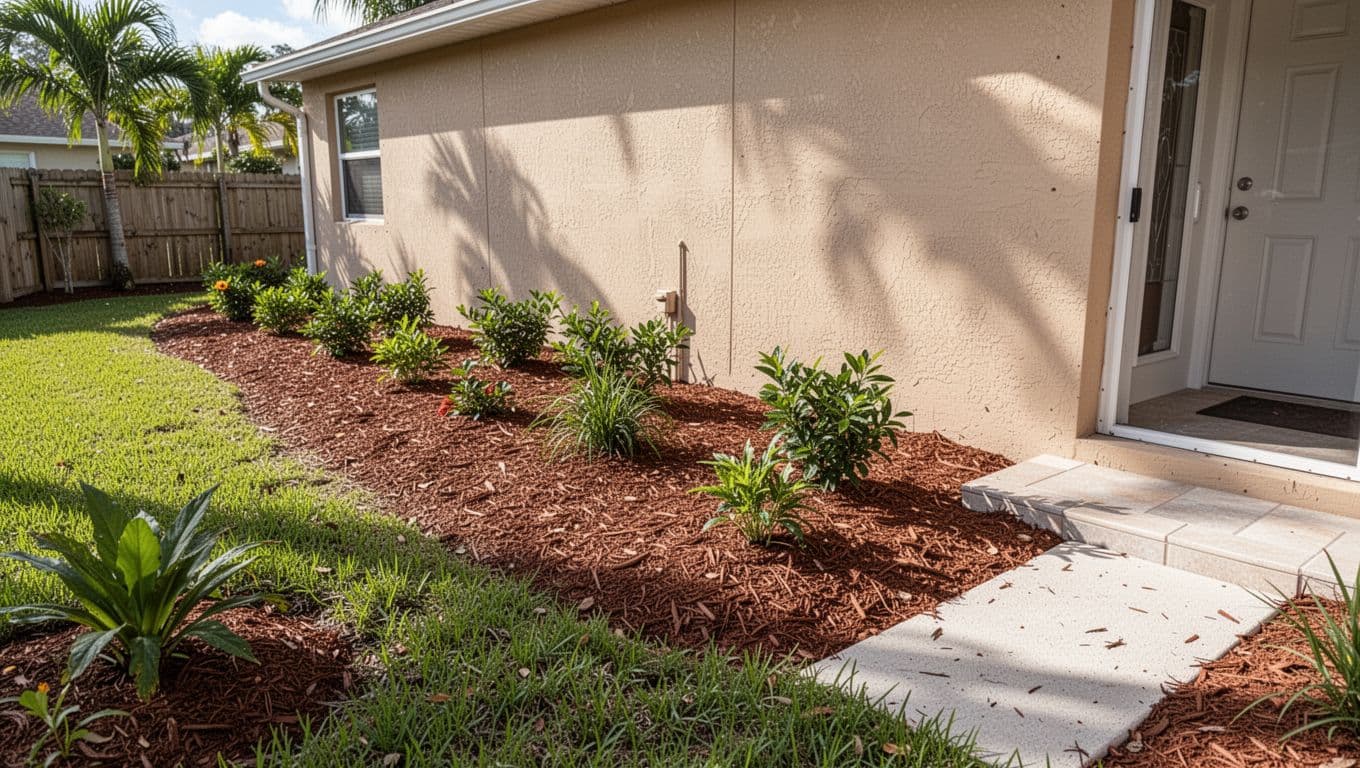
The result is a simple pattern. The colony stays outside, while workers use the mulch edge and threshold as a travel route. If the route stays stable, the ants do too.
How to tell trap-jaw ants from other small ants
Accurate identification matters because ants near a doorway are easy to misread. Homeowners often assume every small ant is the same, but that can lead to the wrong treatment.
Trap-jaw ants have a striking jaw shape, and that is the clue people miss most often. They can move fast, they may look dark or reddish-brown, and they often appear in small foraging groups rather than a huge swarm.
A quick look at the details can help you sort out what you are seeing:
| Clue | What you may see | Why it matters |
|---|---|---|
| Jaw shape | Long jaws that snap shut | Helps separate them from common house ants |
| Behavior | Quick, scattered movement near mulch or cracks | Points to a foraging trail, not a one-time visitor |
| Nest location | Activity starts near soil, mulch, or landscape edges | Suggests the source is outside the door |
| Doorway pattern | Ants appear at the same threshold after rain or watering | Often means moisture is part of the problem |
Color alone is not enough. Some Cape Coral homeowners mistake trap-jaw ants for ghost ants, pavement ants, or small dark house ants. The trail location and jaw shape tell a better story.
If you can, take a close photo near the door and another near the mulch line. That simple step can help narrow the species before anyone starts treating the wrong target.
What to inspect around your entry points
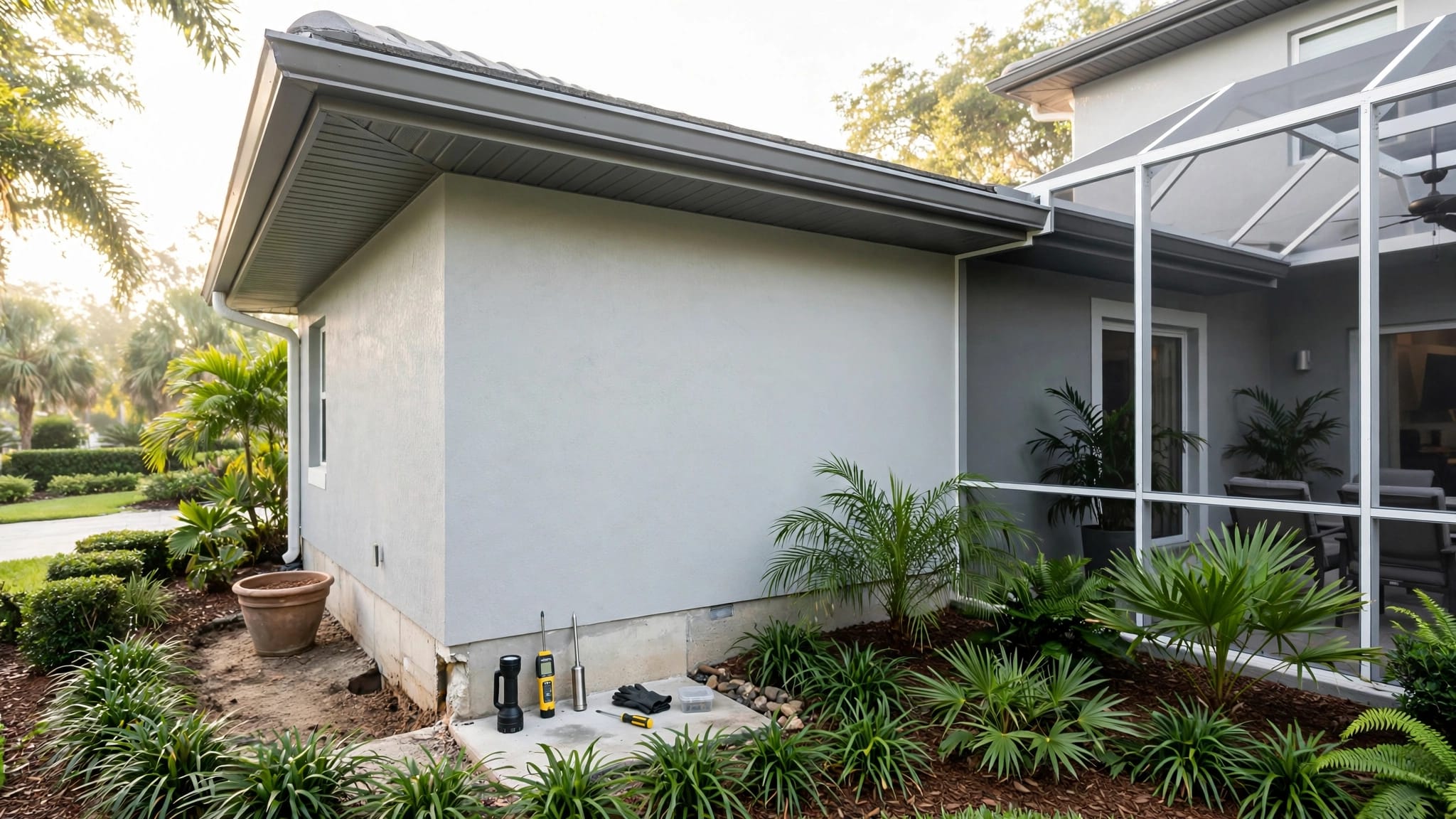
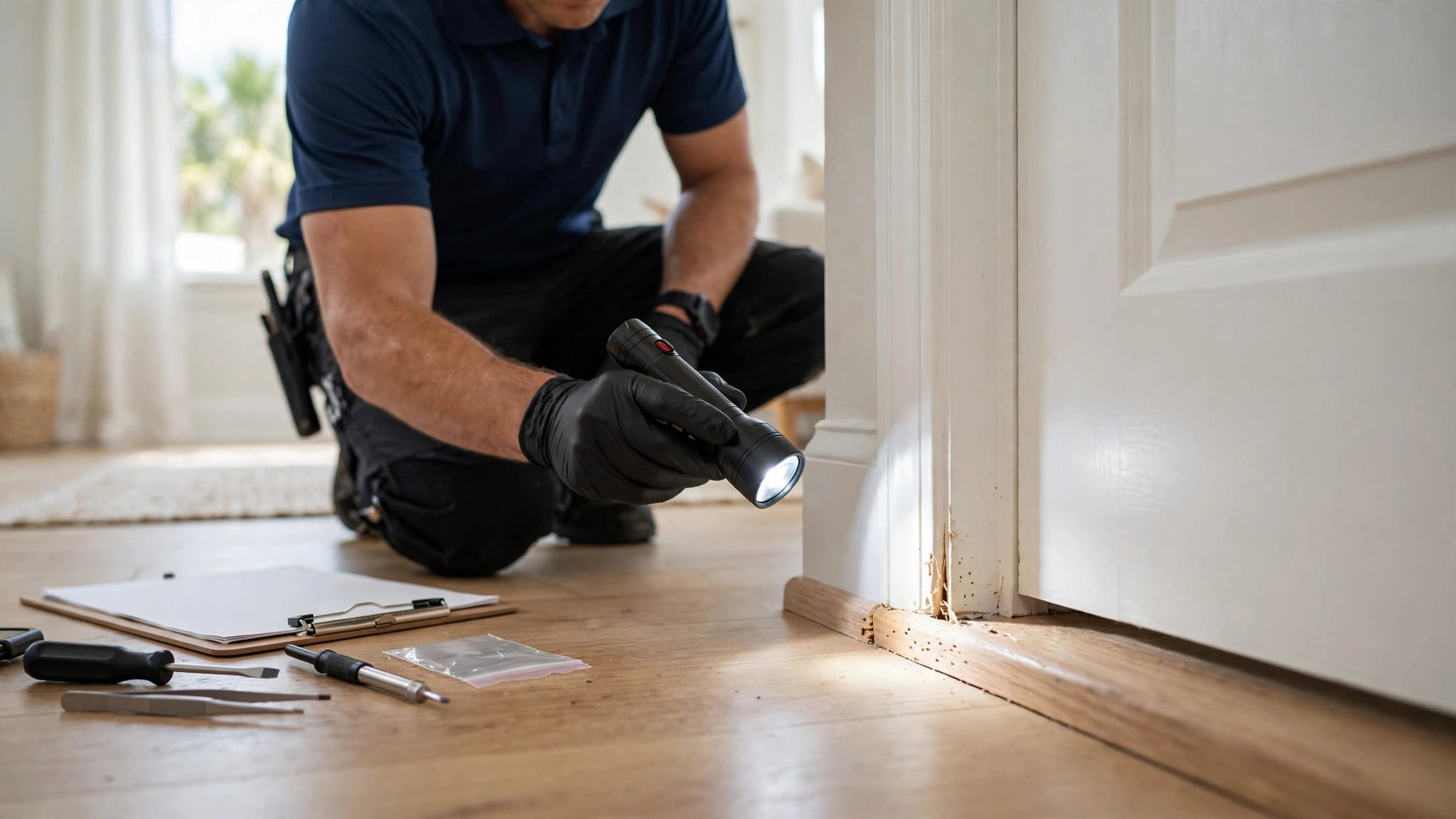
A good inspection starts at the outside edge of the home and moves inward. Begin with the mulch bed nearest the doorway, then check the wall, slab edge, and threshold.
Look for mulch piled against the house, damp soil, and heavy shade from plants that trap moisture. Also check whether irrigation heads spray the wall or the walkway. A wet corner near a door can keep ants active long after the rain stops.
Inside and out, pay attention to these areas:
- Cracks in the slab, pavers, or step joints
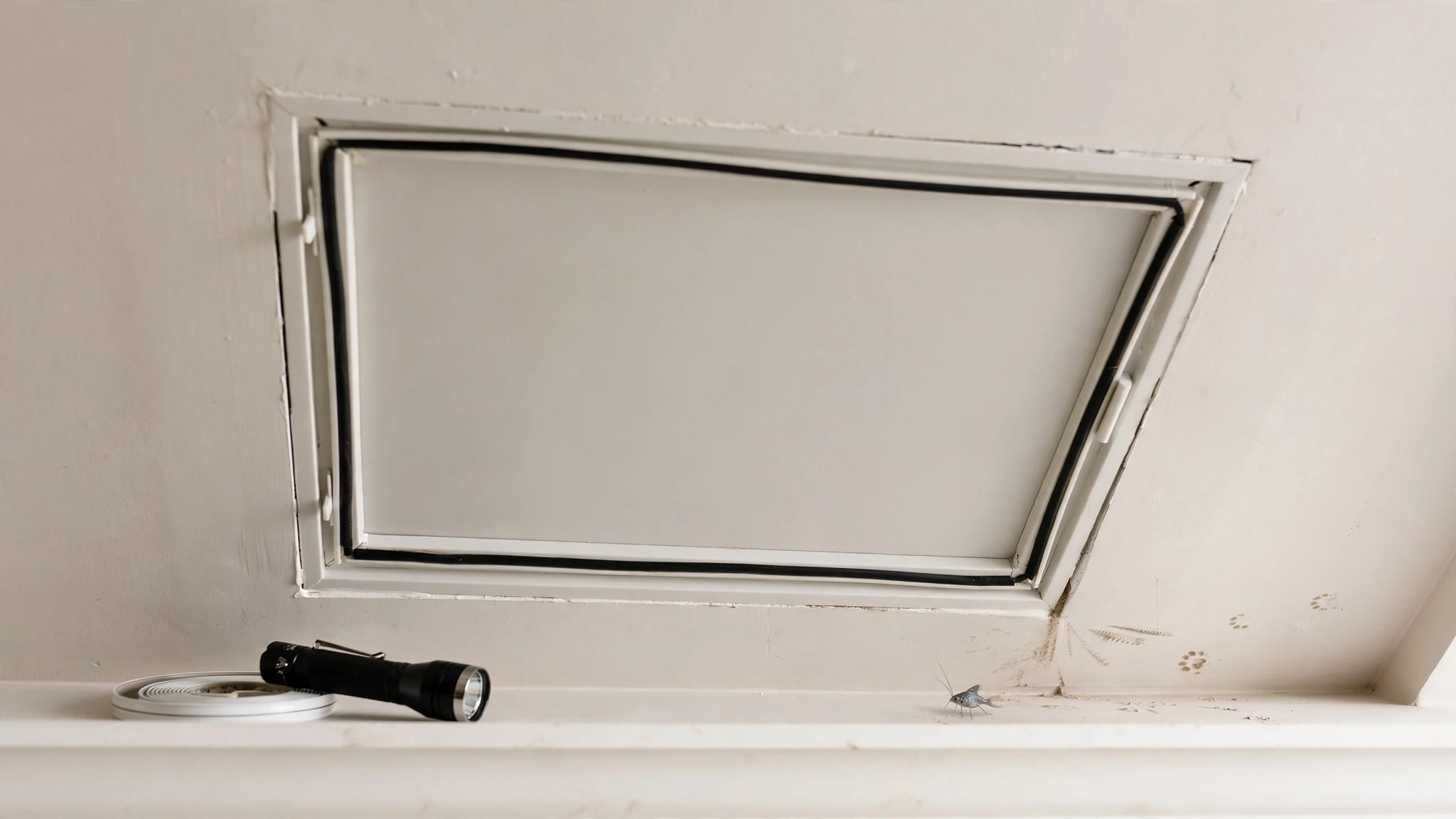
- Gaps around door sweeps and weatherstripping
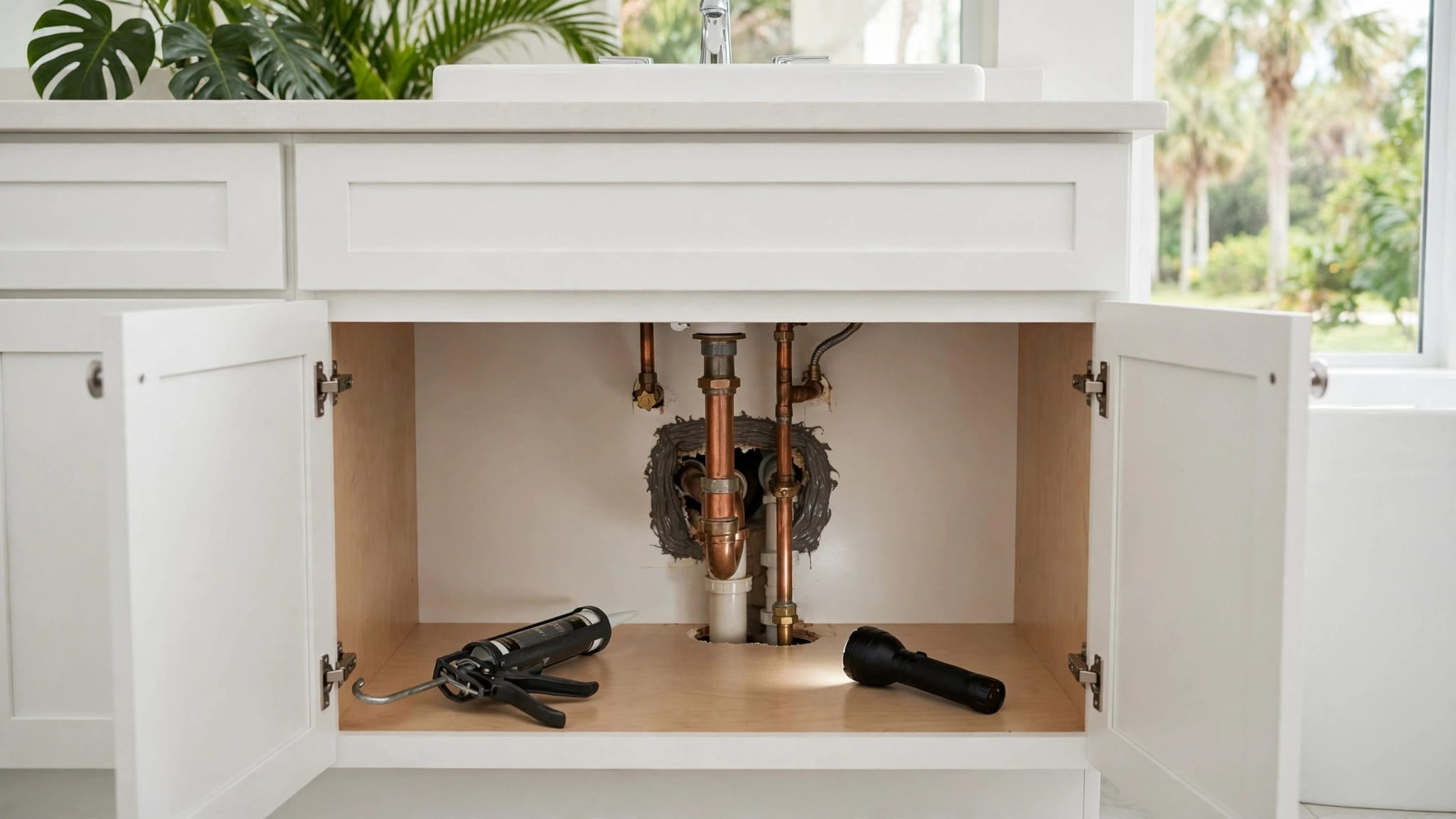
- Openings around utility lines or hose bibs
- Worn caulk at trim, baseboards, and threshold edges
- Pet food bowls, crumbs, or sugar spills near the door
A clean threshold helps, but a damp threshold keeps the problem alive.
If you see a trail, avoid crushing it and moving on. That trail can show the path back to the nest or to the entry crack. Watch where the ants come from, then where they disappear.
That small bit of patience can save time later. It also helps you explain the issue clearly if you decide to get help.
Simple prevention steps that fit Cape Coral homes
Prevention works best when it changes the conditions ants like. You do not need a big project, but you do need consistent upkeep.
Start with the mulch bed. Keep it pulled back from the foundation, and avoid building it high against siding or stucco. If the area stays wet, thin it out and check the irrigation schedule.
Then tighten the doorway. Clean the threshold often, replace damaged sweeps, and seal visible gaps with a suitable exterior caulk. If the door does not close snugly, ants will keep testing that opening.
A few small habits also help a lot:
- Keep landscape plants trimmed away from the wall
- Fix leaks near hose bibs, AC drains, and irrigation lines
- Sweep crumbs and pet food from entry areas
- Dry standing water near the door after rain
- Check thresholds again after heavy watering or storms
If the ant activity is tied to more than one pest issue, broader treatment may be needed. In those cases, professional pest control services can address the entry points, the exterior habitat, and any other pests using the same path.
The main goal is simple. Make the door less attractive, make the wall drier, and make the entry point harder to use.
When recurring activity calls for a professional
A few ants after a storm can happen. Repeated activity at the same threshold is a different story.
If you keep seeing the same trail after cleaning, sealing, and adjusting moisture, the source is probably hidden in the landscape or wall edge. That can happen with mulch beds, buried debris, or a nest just beyond the slab.
This is where species ID matters most. Trap-jaw ants need a different response than many other small ants, and a quick spray at the door usually misses the real source. A focused inspection can find the nest zone, the travel route, and the exact crack or gap they are using.
For homeowners who want a clear plan, residential pest control in Cape Coral is the better next step. A local technician can inspect the mulch bed, threshold, and nearby landscaping, then place treatment where the ants are active instead of treating the whole house blindly.
That approach is cleaner, faster, and easier to maintain. It also gives you a better chance of stopping the same line from returning after the next rain.
Conclusion
Cape Coral trap-jaw ants often start in the yard, not inside the house. Mulch beds, moisture, and small threshold gaps give them the path they need.
When you focus on inspection, moisture control, and entry-point repair , the problem gets easier to manage. If the same trail keeps coming back, a professional inspection is the most practical next move.
Schedule a Free Inspection: