Puss Caterpillars in Cape Coral Oaks and Patio Cushions
A soft-looking caterpillar can cause a painful problem fast. In Cape Coral, that matters when oak trees hang over patios, lanais, and pool decks.
If you've found puss caterpillars in Cape Coral around your outdoor seating, the real issue is often where they land, not where they started. Cushions, chair backs, and shaded corners can pick up hidden caterpillars or their irritating hairs before you notice a thing.
The good news is that a few simple habits can lower the risk. Safe identification, careful cleanup, and a closer look at the trees above your seating area go a long way.
Why Cape Coral oaks and patios attract them
Oak-shaded patios create the kind of calm, cool space people love. They also create cover for caterpillars and a clear path to cushions below.
Puss caterpillars feed on tree leaves, and oaks are a common place to find them in Southwest Florida. When they hang from branches or cling to bark and leaves, they can end up on patio furniture, outdoor rugs, and lanai screens. Wind, branches, and even routine movement around the yard can knock them loose.
That makes the area under a tree canopy more than a seating spot. It becomes a landing zone.
Homeowners often notice the problem after moving cushions or brushing off a chair. Sometimes the caterpillar is gone, but the tiny hairs or spines it leaves behind still cause skin reactions. That's why the spot where you sit matters as much as the tree above you.
If the issue keeps showing up near your home, a local inspection can help. Cape Coral pest control solutions can help find where the activity starts and what nearby areas need attention.
How to spot a puss caterpillar without touching it
A puss caterpillar can look harmless at first glance. That's part of the problem. It often appears as a small, fuzzy clump, almost like lint or a bit of fallen fur.
Look closer, and you may notice a teardrop shape and a dense coat of hair-like spines. The color can vary, so don't rely on color alone. Size and shape matter more than a quick glance.
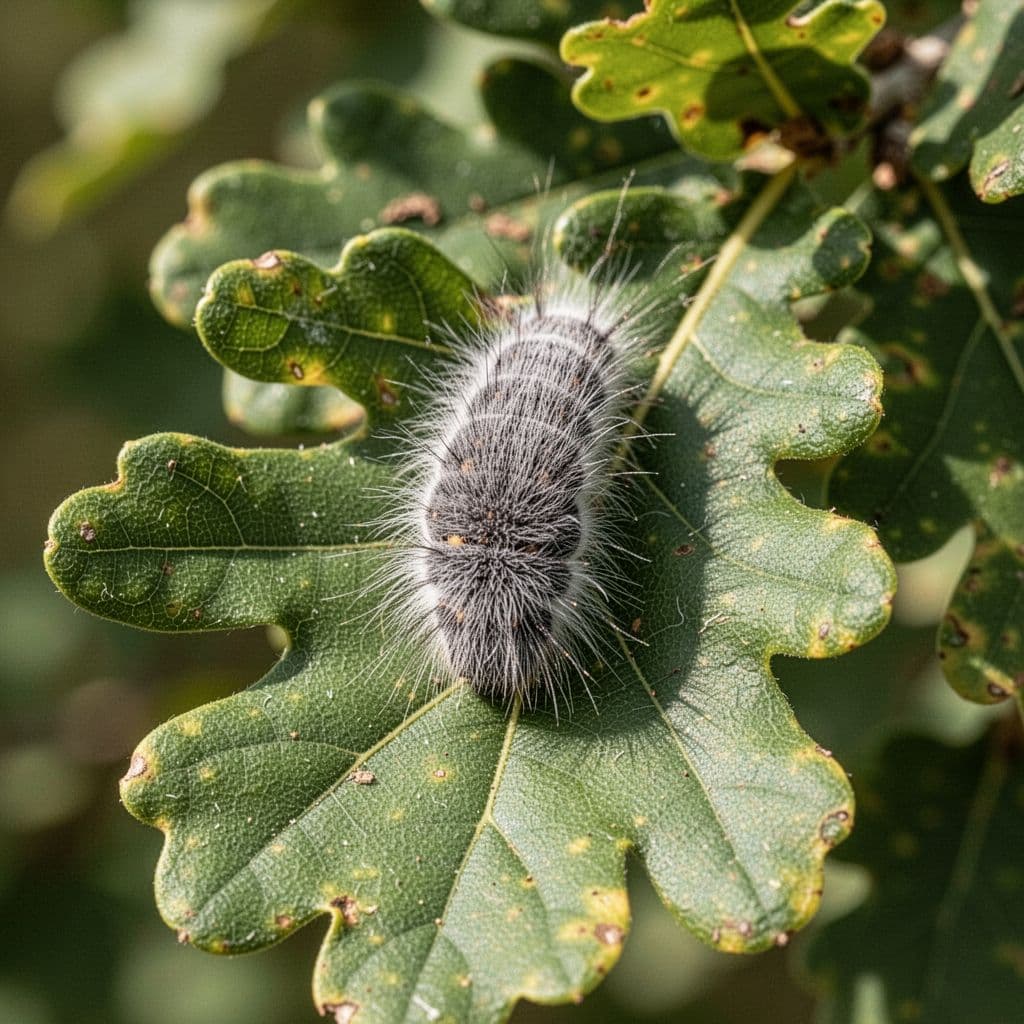
The safest rule is simple, if you're not sure what it is, don't touch it. That goes for insects on cushions, chairs, screens, and tree bark.
If it looks fuzzy and you can't identify it fast, keep your hands off and move the area out of use.
On patio furniture, they may blend in with outdoor fabric or sit inside seams. On tree trunks, they can look like a tiny patch of fluff stuck to the bark. On cushions, they may roll or flatten into a shape that feels easy to ignore. Don't trust a glance. Use a careful inspection instead.
What to do when they show up on cushions or furniture
When you find one on a cushion, the first move is to stop people and pets from using that spot. Then keep the response calm and careful.
Start with gloves if you need to move anything. Avoid bare hands, and don't press down on the caterpillar or brush it away with your palm. Squeezing can spread irritating hairs.
A simple approach works best:
- Keep the cushion or chair out of use.
- Check seams, corners, undersides, and nearby fabric.
- Move cushions away from the tree line before handling them.
- Shake fabrics out carefully, outdoors, and away from your body.
- Bag or seal anything that clearly needs disposal.
- Wash or clean removable covers after you've checked them well.
Patio furniture gets overlooked because people see the top surface first. However, the underside of a chair or the crease in a cushion often hides the real problem. That's where a careful inspection pays off.
Outdoor laundry deserves the same attention. Towels, throw pillows, and seat covers can collect hairs even when the caterpillar itself is gone. Shake them out before bringing them inside.
If you keep finding them on furniture or around the same oak, the source is probably nearby. In that case, professional pest control and rodent removal services can help inspect the yard, canopy, and surrounding outdoor spaces.
How to make oak-shaded seating less inviting
Good prevention starts above the patio, not on the cushions.
If oak branches hang over your lanai or seating area, trimming them back where appropriate can help cut down on drops from the canopy. That doesn't mean stripping the tree bare. It means reducing direct contact between the branches and the space where people sit.
You can also make small changes to the seating area itself:
- Store cushions indoors when they're not in use.
- Shake out all fabrics before setting them on chairs.
- Keep extra cushions in sealed bins or lidded storage.
- Avoid leaving soft items under oak branches for long periods.
- Move chairs, loungers, and pet beds out from under heavy canopy when possible.
- Keep the area clear of clutter so pests have fewer hiding spots.
Screens and lanai enclosures help, but they don't fix everything. Caterpillars can still fall onto furniture, cling to edges, or arrive on items brought in from outside. A quick check before sitting down is often the easiest habit to build.
Dry weather doesn't eliminate the risk, either. In Cape Coral, outdoor living spaces stay active most of the year. That means cushions, covers, and storage bins need regular attention, not a one-time sweep.
If you want a simple routine, inspect first, shake second, and store after use. That three-step habit can save a lot of trouble.
When a skin reaction needs medical help
The hairs and spines on a puss caterpillar can cause painful skin reactions. Some people get redness, swelling, itching, or a burning feeling. Others react more strongly.
If symptoms spread fast, become severe, involve the eyes, or affect breathing, get medical help right away. Children and anyone with a known allergy should be watched closely.
Severe swelling, eye exposure, or trouble breathing needs prompt medical attention.
Do not wait and hope it passes if the reaction is getting worse. A medical professional can tell you what care is needed next.
Keeping your patio usable in the long run
The best defense is a patio that gets checked before it gets used. That sounds small, but it matters in a place like Cape Coral, where oak shade and outdoor seating often sit close together.
A clean cushion, a quick shake-out, and a better look at the tree above you can prevent most surprises. Add branch trimming where it fits, plus smarter storage for outdoor fabrics, and you lower the odds even more.
When the problem keeps coming back, the source is usually close by. That's when a targeted inspection makes sense, especially around oak trees, lanais, and seating areas that stay in use all year.
Conclusion
Puss caterpillars around Cape Coral patios are a small problem that can cause a big reaction. The safest approach is simple, watch the oak canopy, inspect cushions before use, and keep outdoor fabrics out of easy drop zones.
When you combine that with careful cleanup and a closer look at the trees above your seating area, your lanai stays far more usable. If the caterpillars keep showing up, the source is probably nearby and worth a closer inspection.
Schedule a Free Inspection: