Clover Mites in Cape Coral: Window Sills and Stucco Walls
Tiny red bugs on a window sill can cause a big headache. In Cape Coral, clover mites often show up on sunny stucco walls, painted trim, and windowsills, where they leave people wondering if they've found a real pest problem.
The good news is simple. Clover mites are nuisance pests, not dangerous pests. They don't bite people or pets, but if you crush them, they can leave red stains that look worse than the insects themselves.
If you've spotted them around your home, the next step is to figure out why they're there and how to keep them off your walls.
Why clover mites show up on Cape Coral homes
Clover mites feed on plants, especially grass, weeds, and ornamental landscaping. That means your yard is usually the starting point, not the inside of your home. When the plants around the house stay lush and touch the structure, mites can move onto stucco, concrete, and window frames.
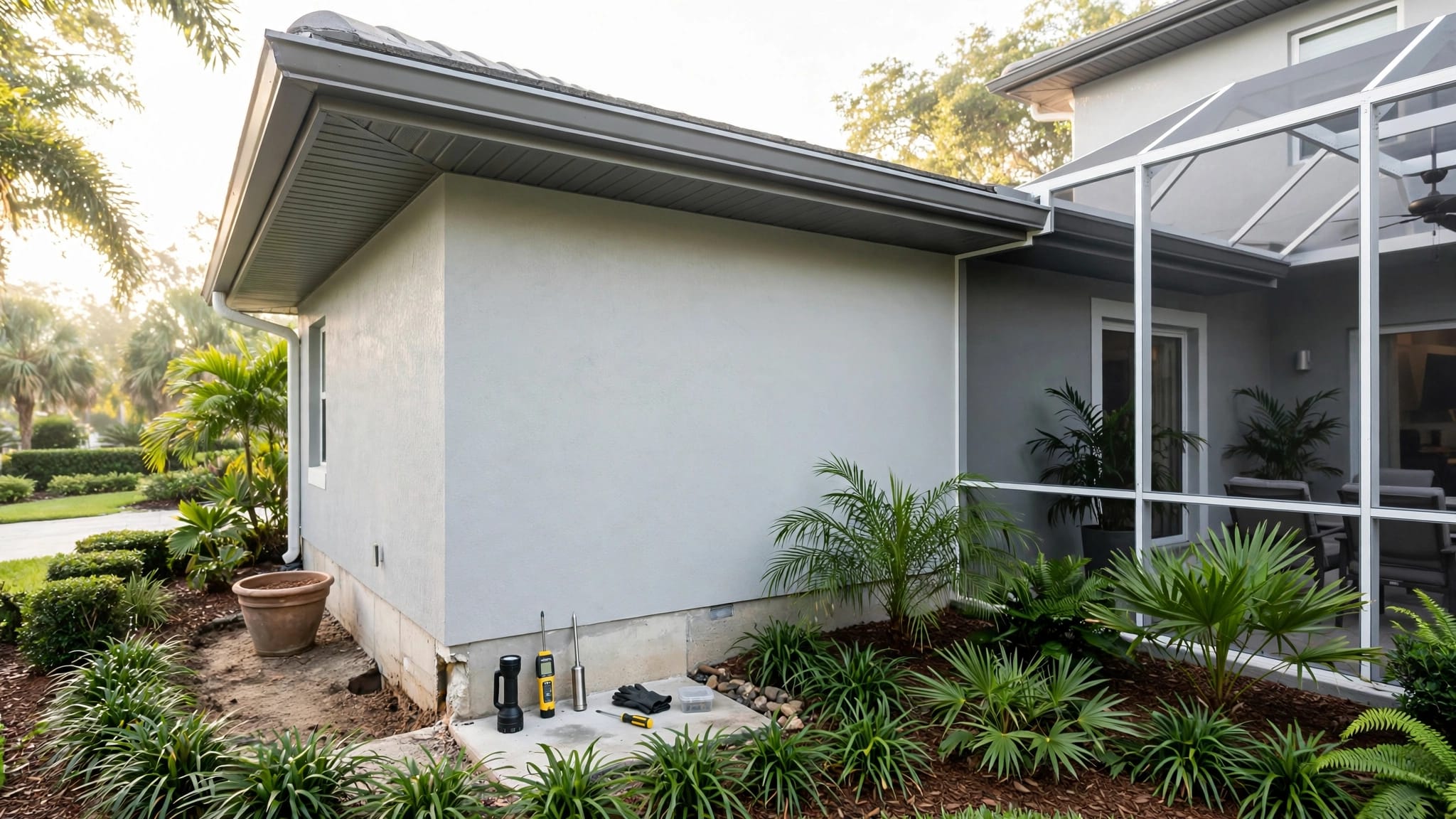
Cape Coral homes give them plenty of places to travel. Stucco walls have texture and small gaps. Foundations collect heat. Window sills catch sunlight and dust. Put all of that together, and you get a surface that helps these mites stand out.
They often appear in clusters near sunny spots. You may see them on the south or west side of the home, around windows, or along the base of the wall. They can also drift inside through tiny openings around screens, windows, and door frames.
What makes them so frustrating is how obvious they are. A few mites can make a clean wall look dirty. A few crushed ones can leave a red smear that looks like a stain. That's why many homeowners mistake them for a more serious infestation.
The important thing to remember is that clover mites are a sign of outdoor pressure. They usually mean the yard, the foundation line, or the plantings near the house need attention.
How to spot them on stucco walls and window sills
Clover mites are very small, so they're easy to miss at first. Under close look, they appear reddish-brown or brick red, and they move slowly compared with ants. They often gather in thin lines, around cracks, or near warm surfaces that get direct light.
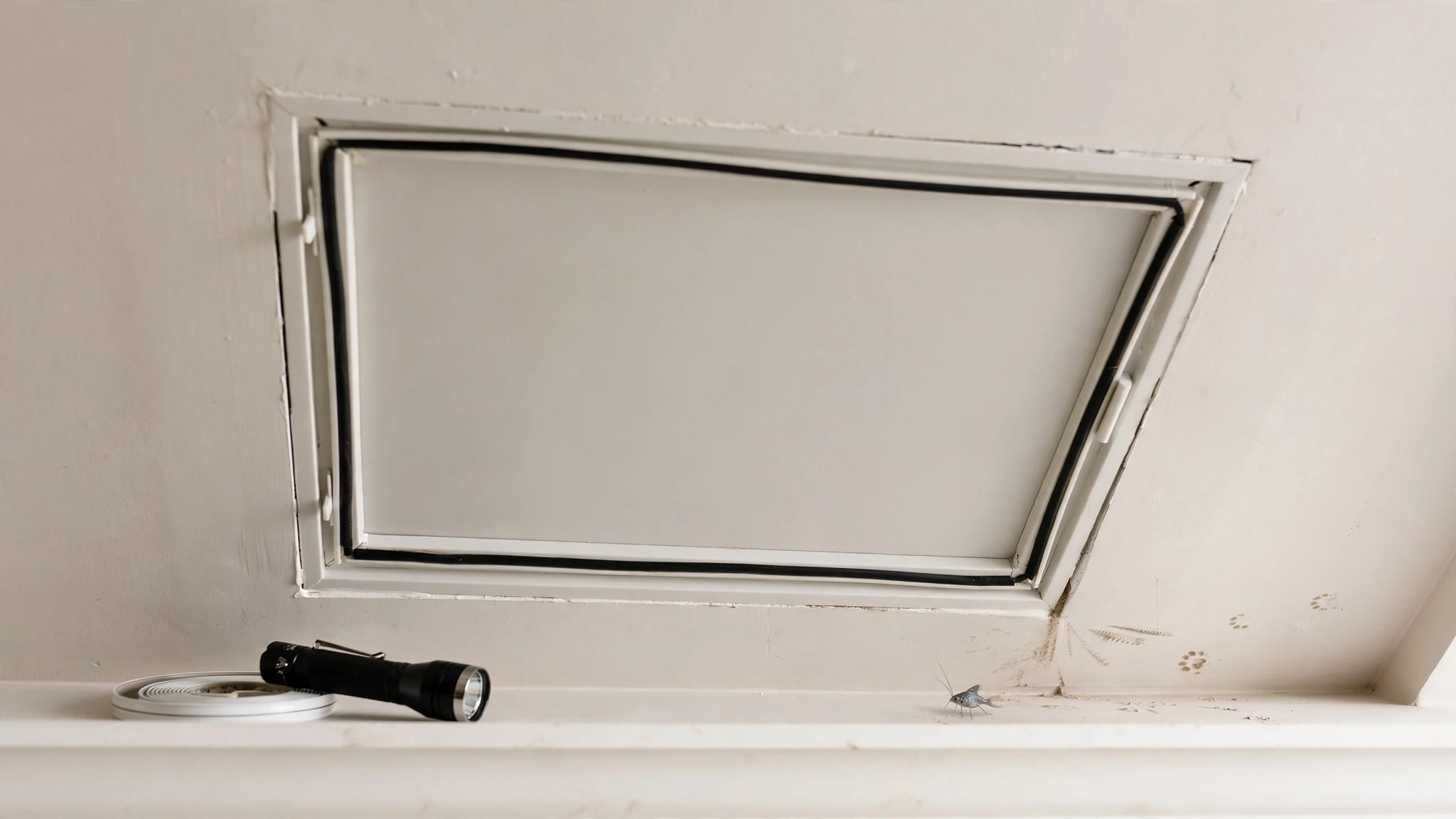
On stucco, they can blend into the texture. On a white sill, they stand out fast. If you see tiny red dots crawling near the edge of a window, along a sill track, or where the wall meets the frame, clover mites should be on your list.
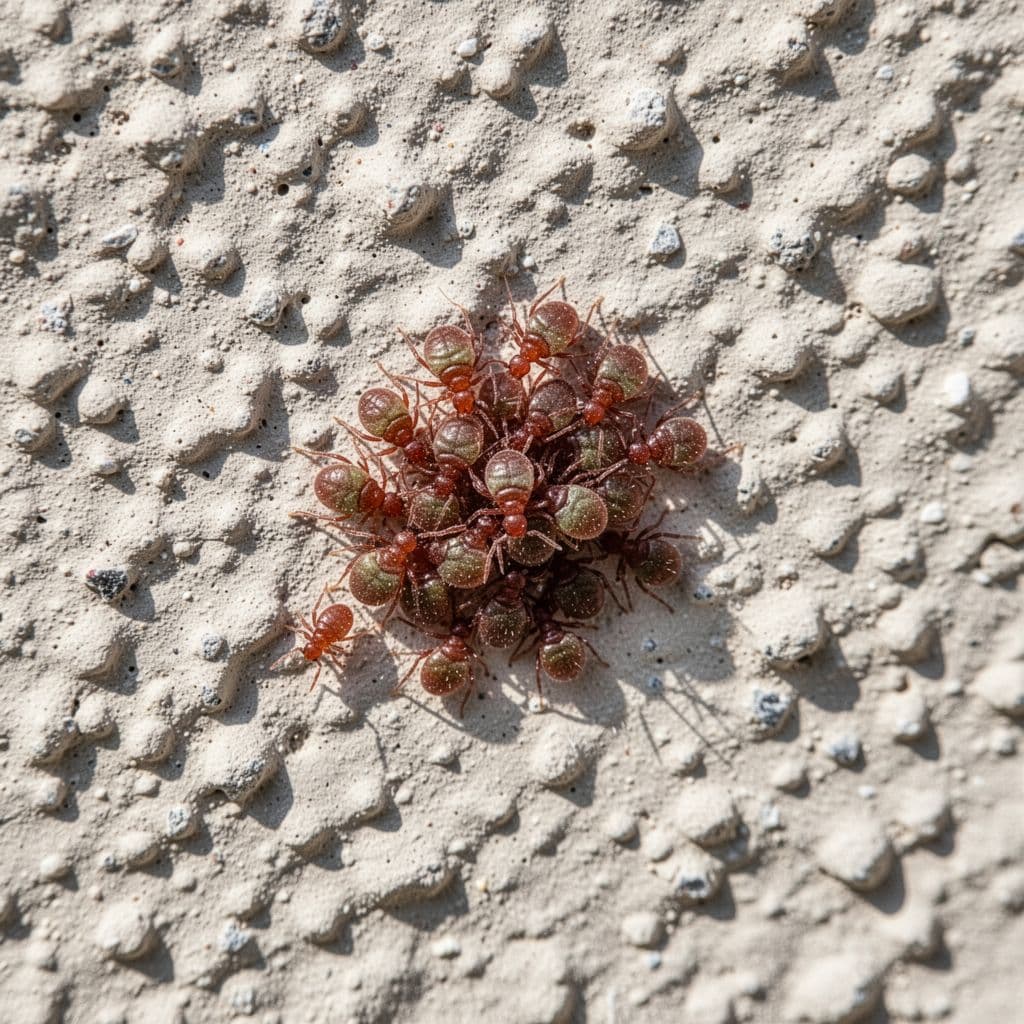
It helps to check the home when the sun hits the exterior. That's when these pests are easiest to see. Wipe a sill with a damp white cloth and look at the color. If the cloth picks up red streaks, avoid rubbing the mites with your fingers or a dry paper towel. That only spreads the stain.
Crushing clover mites on painted trim can leave a red mark that looks like a bigger problem than it is.
You can also tell clover mites apart from other tiny pests by where they show up. They tend to stay near windows, walls, and plant-covered areas outside. They are not usually found running through food cabinets or hiding in damp indoor spaces.
That pattern matters. It points to an exterior issue, not an indoor infestation.
Yard and foundation changes that cut down activity
The best control starts outside, because that's where clover mites live and feed. In Cape Coral, the goal is to make the area around the house less inviting without turning your yard into a bare patch.
Start with the foundation line. Keep grass, weeds, and groundcover from pressing against the home. When plants touch stucco or concrete, mites can move straight onto the wall. A small buffer zone helps break that path.
Mulch needs attention too. Thick mulch packed tight against the foundation can hold moisture and create a protected edge for plant-feeding pests. If you use mulch, keep it pulled back from the wall and avoid piling it high against stucco. Rock beds can help in some yards, but only if they don't collect debris or hold too much heat near the house.
Ornamental plants also matter. Shrubs, vines, and low hedges that brush against windows or walls give mites a bridge into the home. Trim them back so air can move between the plant and the structure. The same goes for branches that hang over sills or screens.
Irrigation is another big one. Overspray on stucco or the foundation can keep plant growth dense near the house, and that gives clover mites more food and cover. Adjust sprinkler heads so they water the lawn, not the siding. If a sprinkler soaks the same wall every day, fix it.
A quick home checklist can help:
- Trim grass and weeds away from the foundation.
- Pull mulch back from stucco and concrete edges.
- Prune shrubs and vines so they don't touch the house.
- Check sprinklers for overspray on walls and windows.
- Seal visible gaps around windows, screens, and entry points.
- Clean window sills often, especially on sunny sides of the home.
These changes won't make every mite vanish overnight, but they can cut the pressure down a lot. The less plant contact you have near the house, the fewer mites will wander onto the walls.
What to do when you find them indoors
When clover mites get inside, speed matters more than force. A vacuum works better than a broom, and a damp cloth works better than a dry one. Dry wiping can smear the red pigment and spread the mess across the sill or trim.
If you find a line of mites around a window, clean the area gently and check the screen, frame, and caulking. Many indoor sightings start with a small gap that goes unnoticed for months. A cracked seal or loose screen corner can be enough.
It also helps to close the loop on the outdoor source. If you only clean inside, the mites may keep coming back from the same wall, bed, or strip of grass. That's why inside cleanup and outside prevention should happen together.
Avoid spraying random indoor products around the room. Clover mites are usually not an indoor breeding pest, so broad indoor spraying often creates more cleanup than relief. A targeted approach works better.
If you keep seeing them on the same windowsills each week, pay attention to the pattern. That repeat appearance tells you where the entry point or outdoor source likely sits.
When local pest help makes sense
A few clover mites near a window can be handled with cleaning and yard changes. A steady stream of them, though, usually means the outside pressure is still there. That's when a close inspection helps.
Local pest control can look at the full picture, from the foundation line to the stucco seams and plant beds. The right service checks where pests are getting close to the house, then focuses on those entry and travel points. If you want help with that kind of problem, professional pest control services can give you a clearer plan for the home and yard.
That matters in Cape Coral, where landscaping, irrigation, and stucco exteriors all create the same kind of edge. A quick fix inside rarely solves the root of the issue. A focused exterior treatment and a few home changes usually do more.
It also helps to work with a company that understands how to keep indoor chemical use low. Most homeowners want the problem solved without turning the house upside down. Targeting the source is the smarter path.
If mites keep returning after you've cleaned the sills, trimmed plants, and adjusted watering, the home may need a more detailed look at cracks, gaps, and exterior hot spots.
Conclusion
Clover mites are common nuisance pests in Cape Coral, especially around window sills and stucco walls . They don't pose the same risk as biting or disease-carrying pests, but the red stains they leave behind can make them feel like a bigger issue than they are.
The best control is usually outside the home. Keep plants off the walls, manage mulch and irrigation, and watch the foundation line for easy access points. When those areas stay under control, the mites lose the easiest path to your home.
A small red bug problem often starts with the yard, not the room inside.
Schedule a Free Inspection: