Foreign Grain Beetles in Cape Coral New Construction Homes
A brand-new Cape Coral home can still come with tiny brown beetles on the windowsill. When that happens, most homeowners assume the kitchen is the problem, or that the builder missed something obvious.
With foreign grain beetles , the issue is usually moisture, not messy cabinets. In Southwest Florida, new homes can hold damp materials longer than people expect, and that gives these pests a place to show up.
Why foreign grain beetles show up in new construction
Foreign grain beetles are small nuisance pests that feed on fungi, not your food supply. That matters, because the beetles are often drawn to damp wood, drywall, insulation, or trim that still has moisture in it.
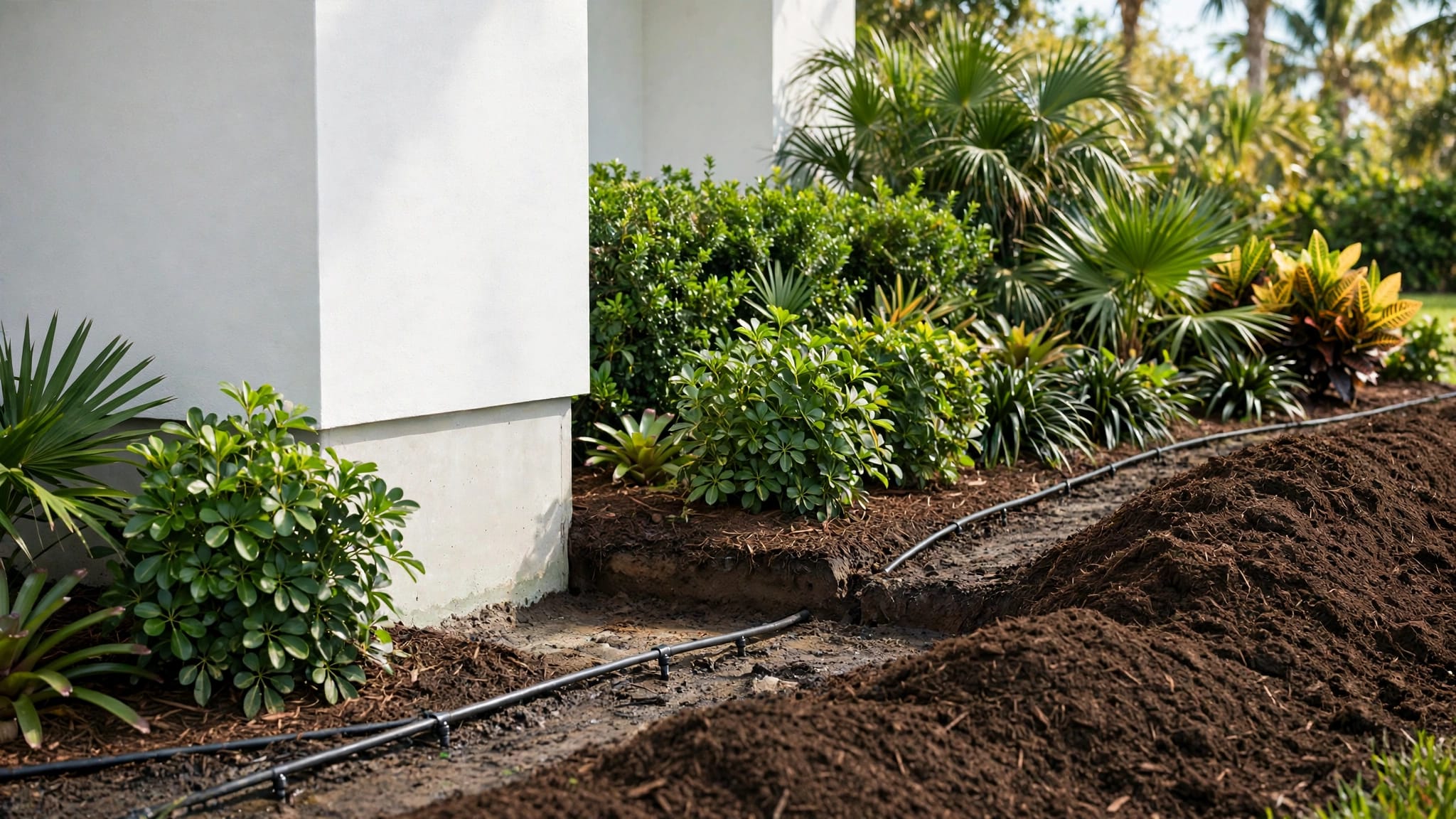
New construction homes in Cape Coral can stay humid inside the walls and framing for a while. Even after the house looks finished, a few things can keep materials damp:
- recent rain during construction
- slow-drying lumber or drywall
- AC systems that have not balanced indoor humidity yet
- small plumbing leaks
- moisture trapped near windows, bathrooms, or garages

A new home can look spotless and still have the right conditions for these beetles. The beetles are not a sign of poor housekeeping by itself. They are a sign to check for moisture.
If the beetles are showing up in a new build, start by looking for a damp source.
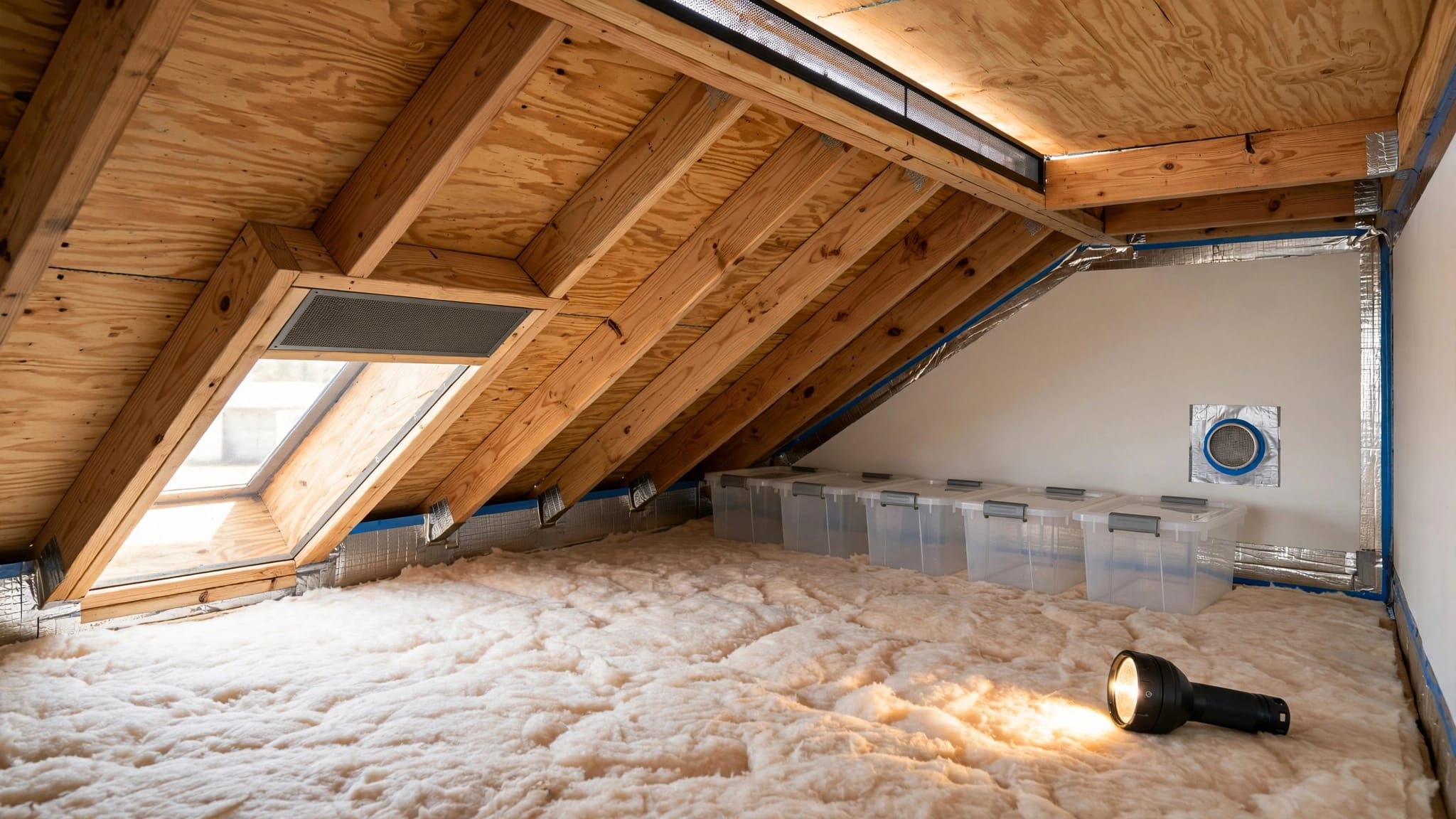
That source is often hidden. It may sit behind baseboards, near a bathroom wall, under a window frame, or around an air handler closet.
How to tell foreign grain beetles apart from pantry pests
Many homeowners see a tiny brown beetle and think it came from cereal, rice, or pet food. That can happen with pantry pests, but foreign grain beetles usually tell a different story.
Here's a quick comparison.
| Trait | Foreign grain beetles | Pantry pests |
|---|---|---|
| Main food source | Fungi on damp materials | Stored food products |
| Common location | Windows, bathrooms, trim, walls | Cabinets, pantry shelves, food containers |
| Main cause | Moisture and hidden dampness | Opened food or contaminated dry goods |
| What you may see | Small beetles near light or windows | Beetles in food packages or shelves |
| Best first step | Find and dry the moisture source | Inspect and discard infested food |
The table helps narrow things down fast. If the beetles are clustering near windows, baseboards, or a recently finished room, moisture is the better lead.
If you do find them in a pantry, don't assume the pantry is the root of the issue. In many homes, the pantry is simply the closest dry, warm spot where adults end up. The real source may still be a wet wall, a leak, or a damp cabinet back.
What to inspect first in a Cape Coral new home
The best inspection starts with the places that trap moisture. In a Cape Coral home, that often means areas where warm air, plumbing, and new building materials all meet.
Begin with the rooms most likely to hold humidity:
- Bathrooms : Check around tubs, showers, toilets, and exhaust fans.
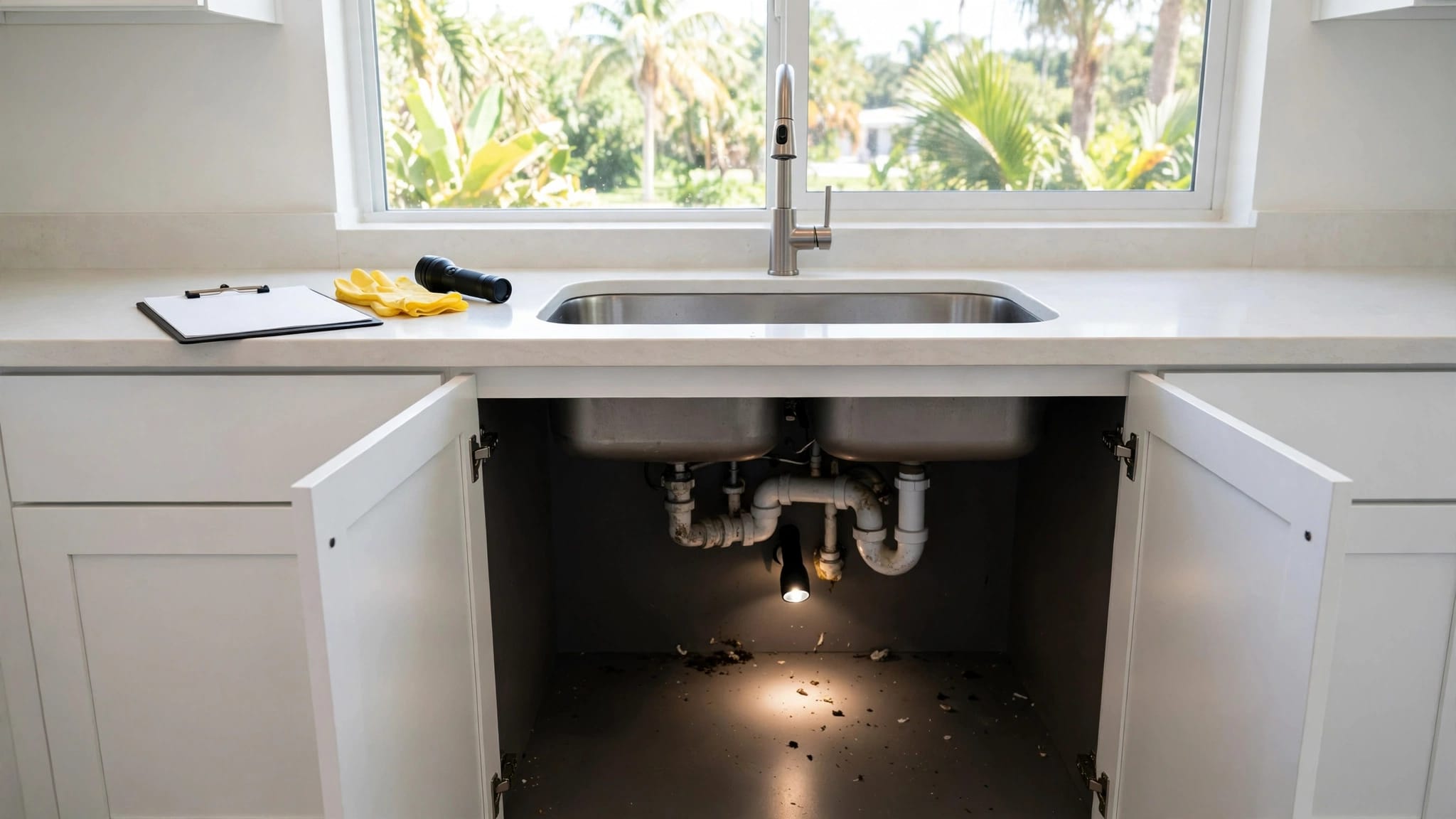
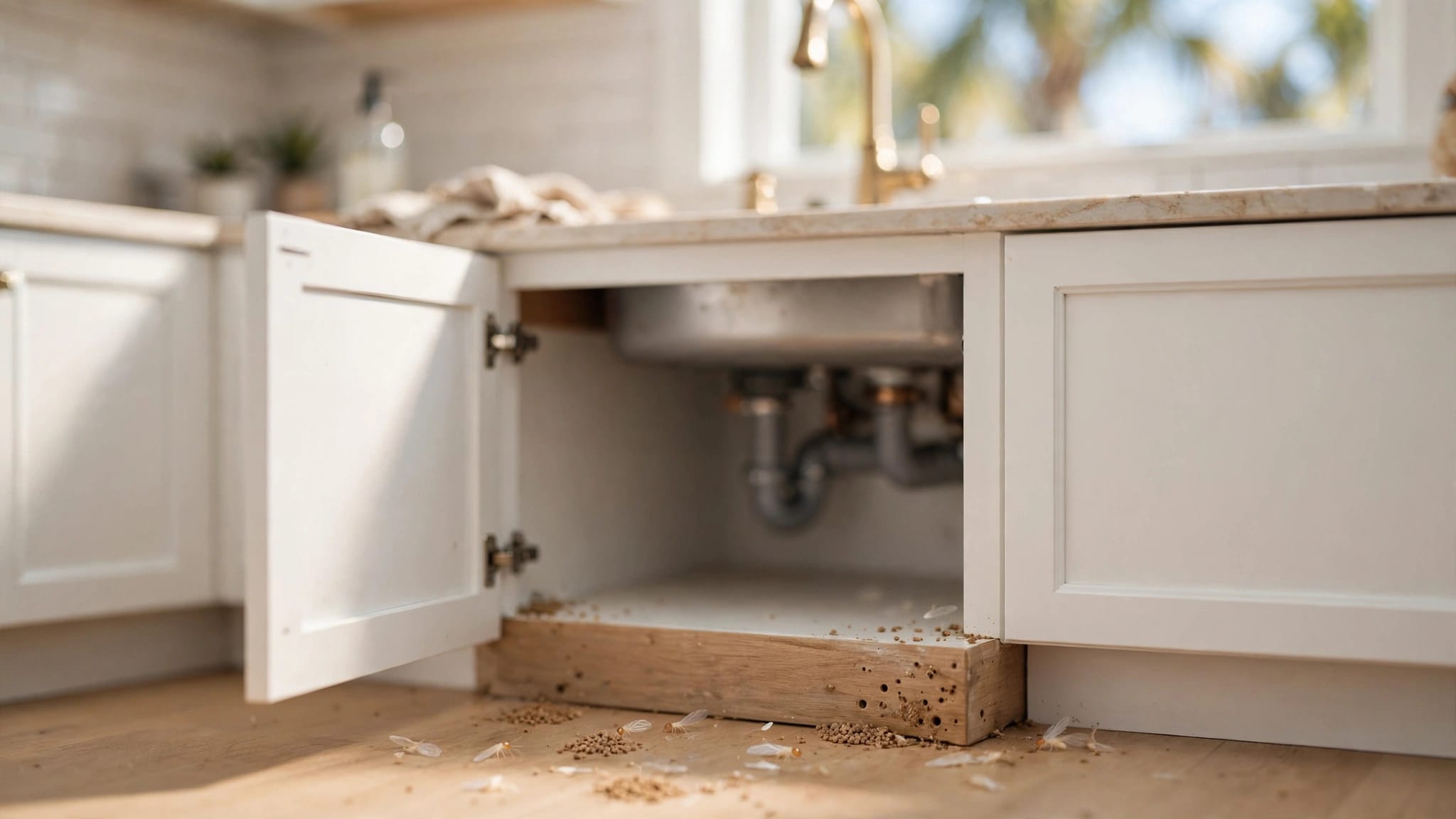
- Kitchens : Look under sinks, behind dishwashers, and around the refrigerator water line.
- Laundry rooms : Watch for damp floors, hose leaks, and poor venting.
- AC closets or air handler areas : Look for condensation, rust, or damp drywall.
- Windows and baseboards : Check for staining, swelling, or soft trim.
If you see live beetles, note exactly where they show up. That pattern matters. A few on one window and none anywhere else points to a different source than beetles scattered through several rooms.
It also helps to inspect after rain or after the AC has run hard for a day. That's when hidden moisture tends to show itself. A musty smell, bubbling paint, or soft trim gives you another clue.
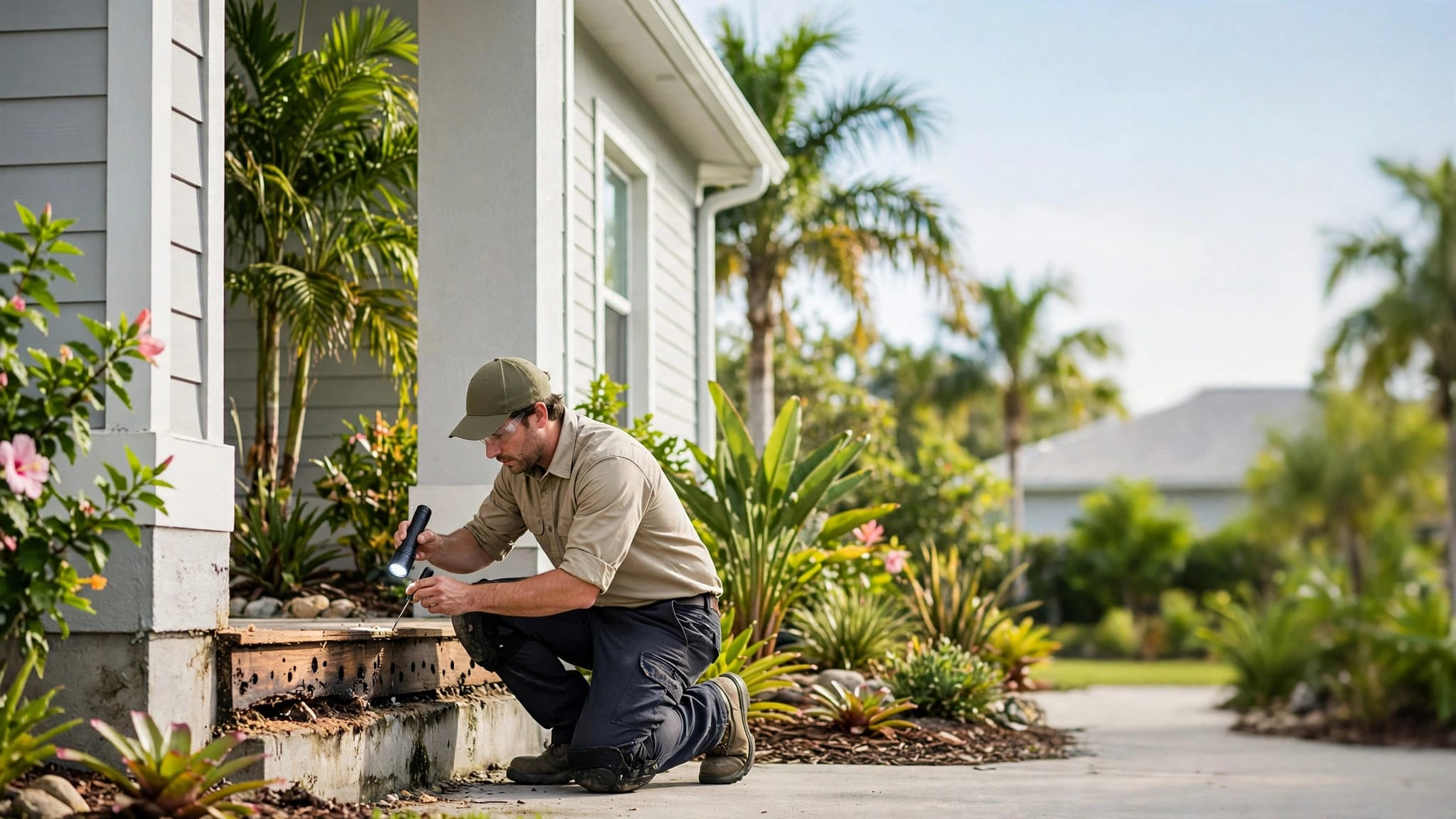
A flashlight and a close look are often enough to spot the early signs. The goal is not to panic. The goal is to find the damp spot before it becomes a larger repair.
Moisture control does the heavy lifting
Foreign grain beetles don't stick around when the moisture goes away. That is why sprays alone rarely solve the problem for long.
Start with the basics:
- Run bathroom and laundry exhaust fans.
- Keep the AC system serviced and draining properly.
- Use a dehumidifier in rooms that stay damp.
- Fix plumbing leaks right away.
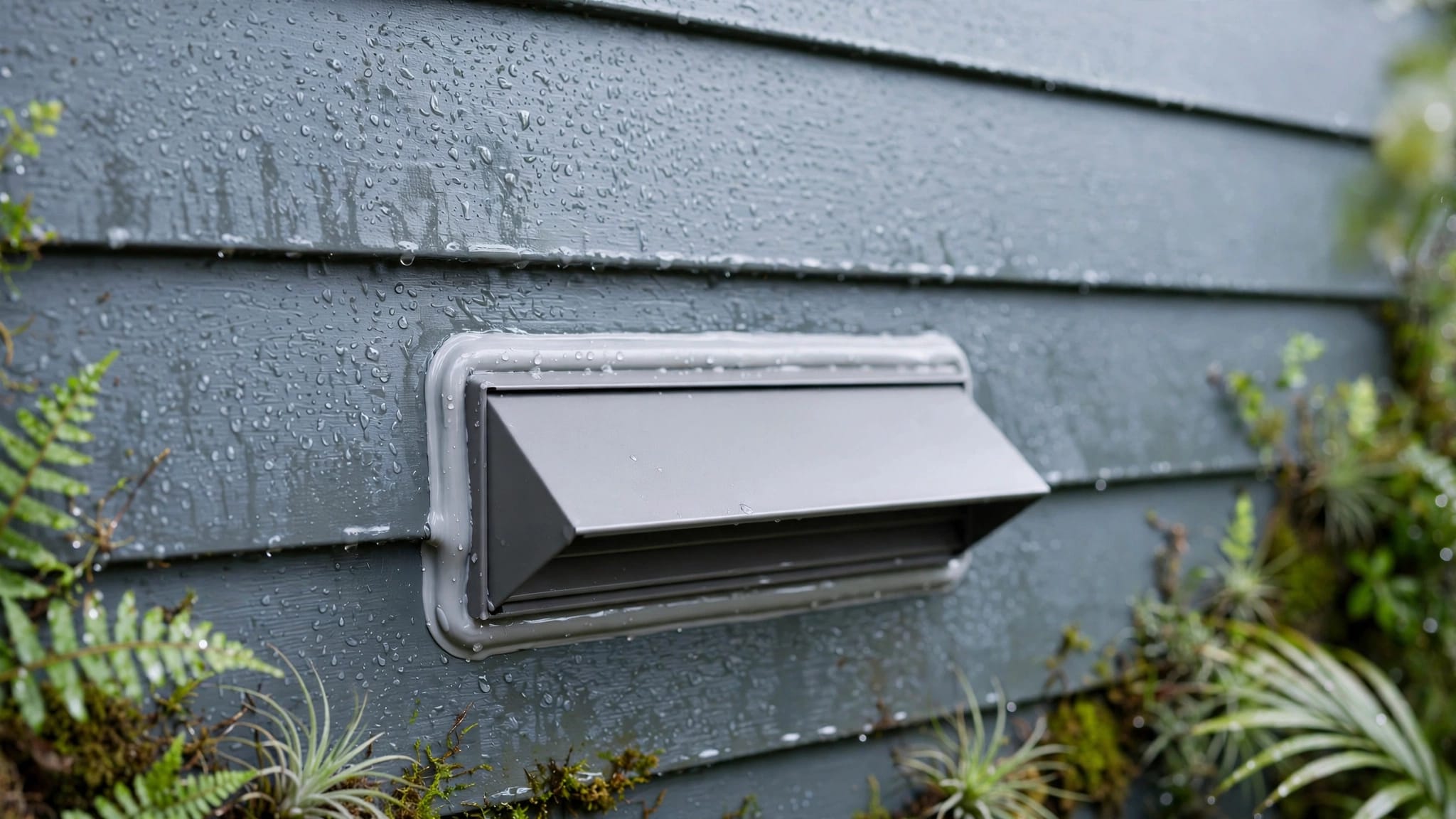
- Seal gaps around windows, doors, and utility openings.
- Remove wet cardboard, padding, or building debris.
- Keep storage off the floor in garages and closets.
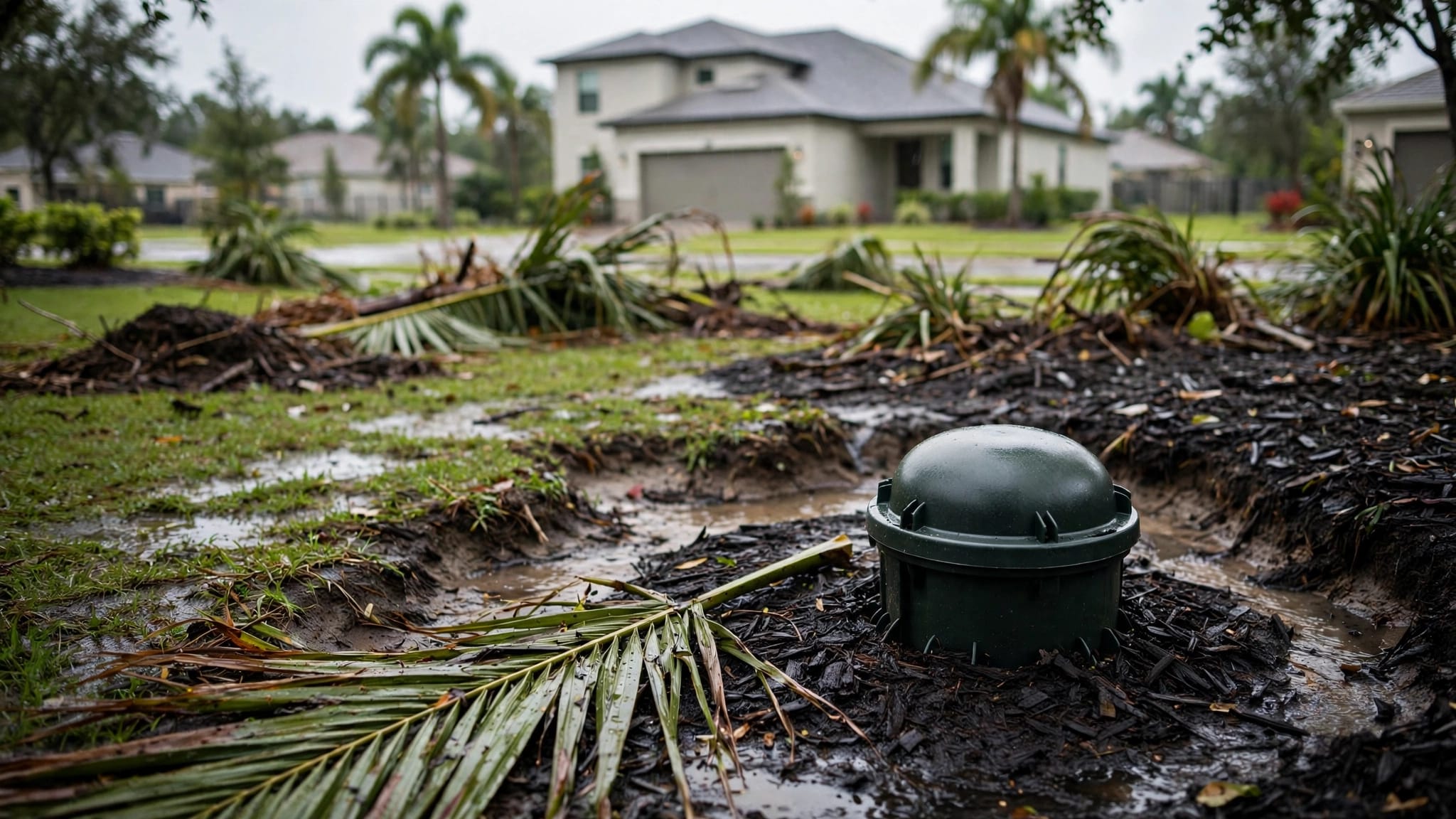
In Southwest Florida, indoor humidity can climb fast, especially in a new build. If a room feels clammy or smells slightly musty, it needs attention. Dry air makes a big difference.
If your builder is still working on punch-list items, document the problem. Take photos of beetles, stains, and any damp areas. Then share that information before the home gets patched over. A small moisture issue can hide behind fresh paint and trim.
Dry the source first, then treat the pests. That order matters.
Foreign grain beetles feed where fungi grow, so anything that keeps surfaces damp can keep the problem alive. That includes a slow leak under a sink, a missed AC condensate issue, or a window that lets in humidity after summer storms.
What pest control can do when the beetles keep coming back
A good pest control visit should start with an inspection, not a spray can. The technician needs to see where the beetles are active, check likely moisture spots, and decide whether the source is inside a wall, near trim, or in another hidden area.
Targeted treatment can help in the short term. Vacuuming visible beetles, treating cracks and crevices, and addressing the source area can reduce what you see right away. However, if the damp material stays damp, the beetles can return.
That's why a service visit works best when it focuses on the problem area instead of treating the whole house like every room has the same issue. For homeowners who want a local inspection, Cape Coral residential pest control can help identify where the activity starts.
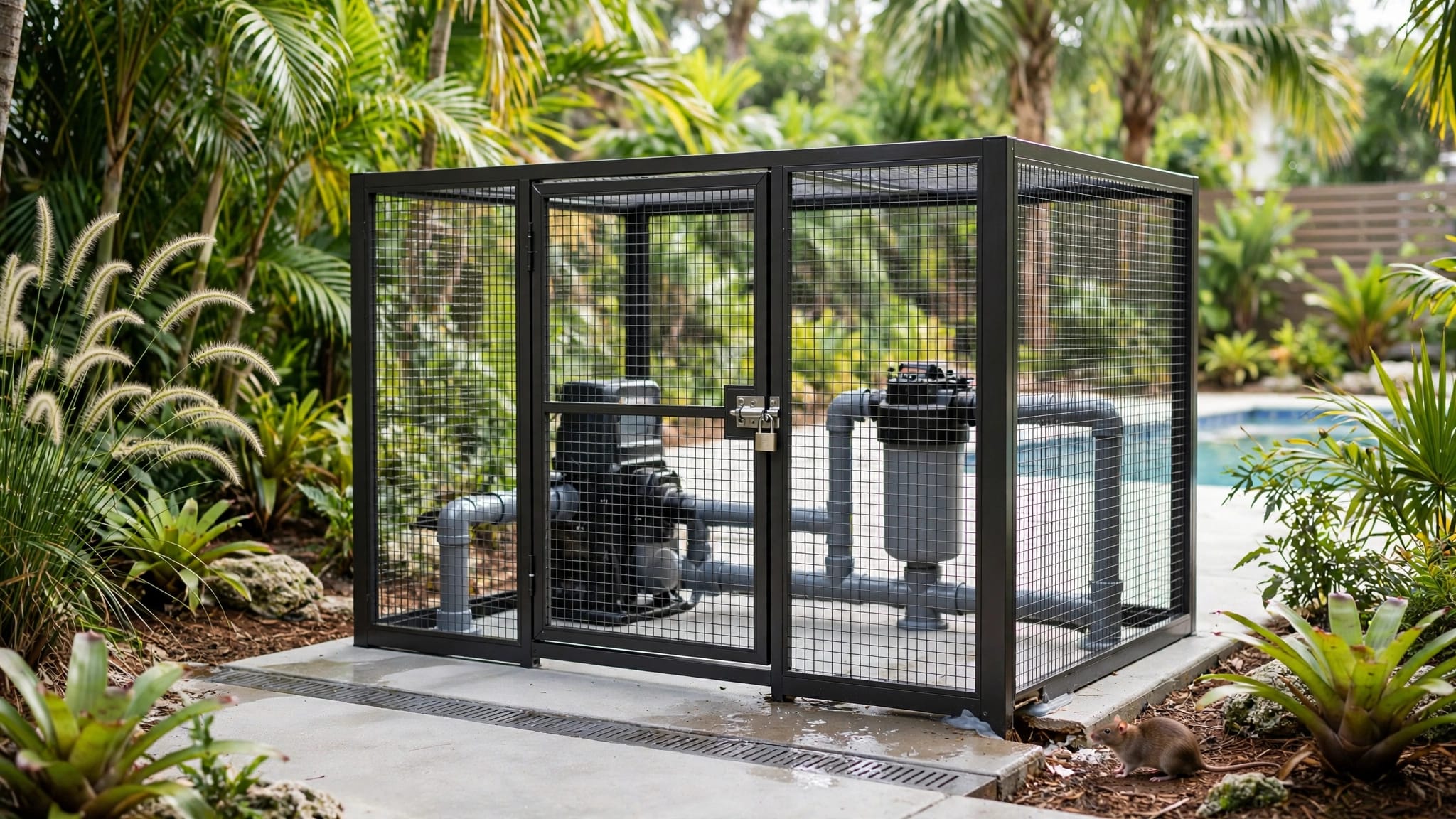
If the home has more going on than beetles, a broader visit may make sense too. Some new builds also have ants, roaches, or even rodent entry points around the same time. In that case, professional pest control services can give you a fuller look at the home.
The key is matching the response to the source. Foreign grain beetles are a moisture story first, and a pest story second.
When a new build needs a closer look
If the beetles keep appearing after you've cleaned, dried, and inspected the obvious areas, the house needs a closer look. Repeated activity in the same room often means there's still a hidden moisture source nearby.
Pay extra attention if you notice any of these:
- a musty smell that won't go away
- soft or swollen trim
- recurring beetles in one room
- visible condensation around windows or vents
- paint that bubbles or peels near baseboards
A new home should settle, but it should not keep feeding a pest problem. When the beetles return again and again, the building materials may still be drying out, or there may be a leak that hasn't been found yet.
The fix usually comes from a mix of drying, repair, and targeted pest control. That combination gives the best chance of stopping the cycle for good.
Conclusion
Foreign grain beetles in Cape Coral new construction homes usually point to hidden moisture , not bad cleaning habits. That makes them frustrating, but it also makes them manageable once the source is found.
The best approach is simple. Inspect damp areas, control indoor humidity, and treat the beetles only after you address the wet spot that brought them in. When you do that, the problem usually fades along with the moisture.
Schedule a Free Inspection: