Spider Beetles in Cape Coral Pantries and Pet Food Containers
Tiny beetles in a bag of kibble can turn a normal kitchen check into a frustrating mess. In Cape Coral, warm air and steady humidity help spider beetles in the pantry hang around longer than many homeowners expect.
They often show up in dry pet food, bird seed, spices, and other stored goods. They also get mistaken for bed bugs or ticks, which sends people looking in the wrong place. The sections below explain what they are, where they hide, and how to keep them out.
What spider beetles are and how they get into food storage
Spider beetles are small stored-product pests with round bodies and long legs. That shape is why people think they look like tiny spiders. They are beetles, though, and they usually show up near food, dust, and other dry organic material.
Most homeowners first notice them in dark storage areas. They may come from infested packages, old food residue, or hidden spots near pantry shelves. In a warm place like Cape Coral, they can stay active through much of the year, especially when humidity rises.
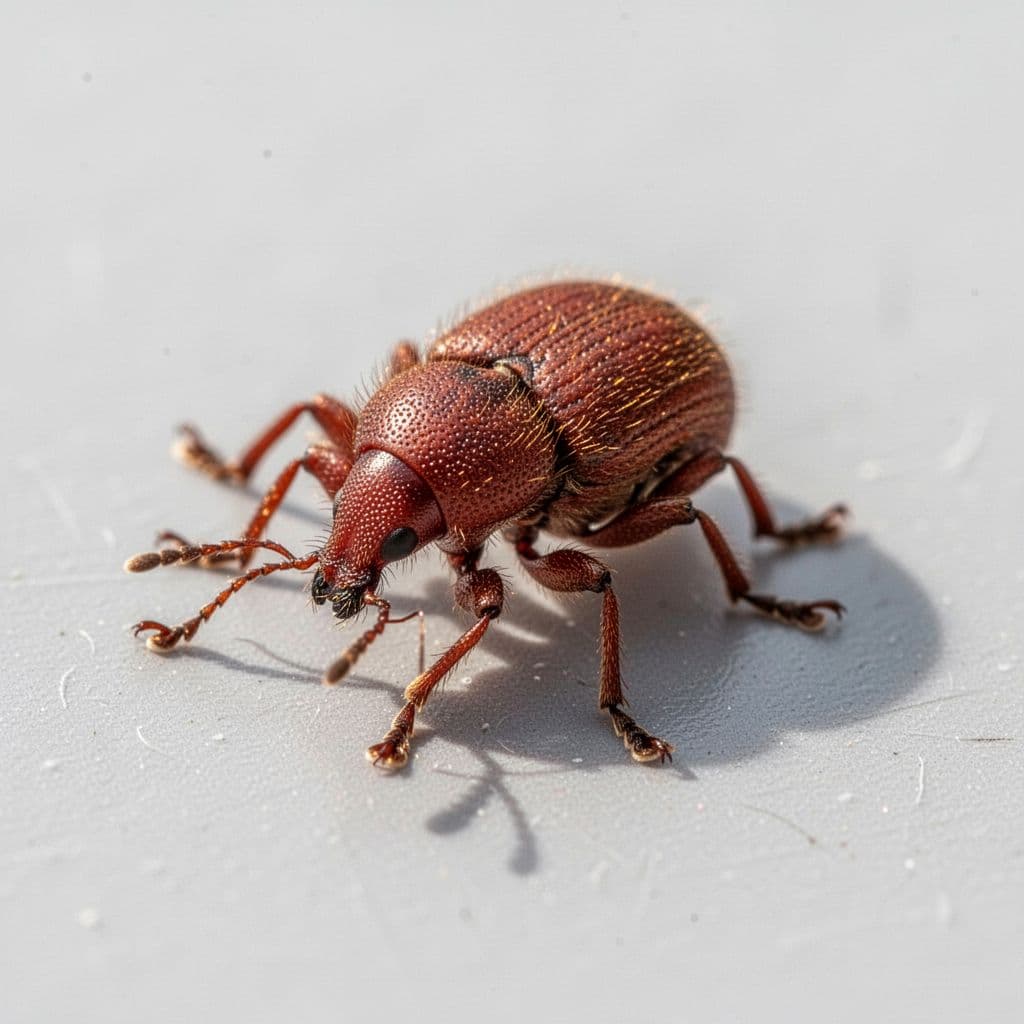
Spider beetles feed on dry goods and scraps that collect in storage areas. That includes flour, cereal, spices, dried pet food, bird seed, and crumbs under containers. They may also feed on old debris in hidden corners.
If you have already dealt with sawtoothed grain beetles in Cape Coral pantries, the setup may look familiar. Several pantry pests thrive in the same warm, cluttered spaces.
Accurate identification matters here. Spider beetles are often confused with bed bugs or ticks because of their shape and small size. The clue is usually where they appear. Spider beetles stick close to stored food and dry debris, not beds or skin.
Why pet food, bird seed, and spices draw them in
Dry food gives spider beetles everything they need in one place. It offers food, shelter, and plenty of small gaps to hide in. Pet food bags, cardboard boxes, and partly used containers are easy targets.
Open kibble bags are especially appealing because crumbs fall into seams and folds. Once a bag sits in a pantry or garage for a while, beetles can move into the package edge or the container lid. Bird seed can do the same thing, especially when bags are stored for long periods.
Spices can also become part of the problem. Fine powders cling to jar lids and shelf corners. If you want a deeper look at another spice-focused pest, see drugstore beetles in Cape Coral spices.
A simple comparison helps make the pattern clear.
| Food or item | Why spider beetles like it | Where to check first |
|---|---|---|
| Dry pet food | Crumbs, oils, and bag seams give them easy access | Bag folds, scoop area, plastic bin corners |
| Bird seed | Grain mix sits for a long time and sheds dust | Garage shelves, seed bins, floor edges |
| Spices | Fine powders spill and settle into cracks | Jar lids, drawer seams, shelf corners |
| Stored pantry goods | Cardboard and old packages can hide pests | Back rows, damaged boxes, forgotten containers |
The takeaway is simple. Spider beetles are drawn to food that sits too long, spills easily, or gets stored in weak packaging.
Cape Coral humidity makes that problem worse. A pantry that feels dry to you may still hold enough moisture for pests to stay active. That is why pet food should go into a sealed container right away, not sit open in the bag for days.
A clean pantry helps, but airtight storage does most of the work.
Signs you may have spider beetles in the pantry
The first sign is often movement near the pantry at night. Spider beetles are small, so they can be easy to miss during the day. When lights come on, they may scatter into cracks or behind containers.
Look for these clues:
- Tiny reddish-brown beetles near shelves, bins, or pet food containers
- Holes, tears, or loose seams in dry food bags
- Fine dust or crumbs at the bottom of containers
- Insects around bird seed, spices, or old dry goods
- Small beetles coming from behind storage boxes or shelf corners
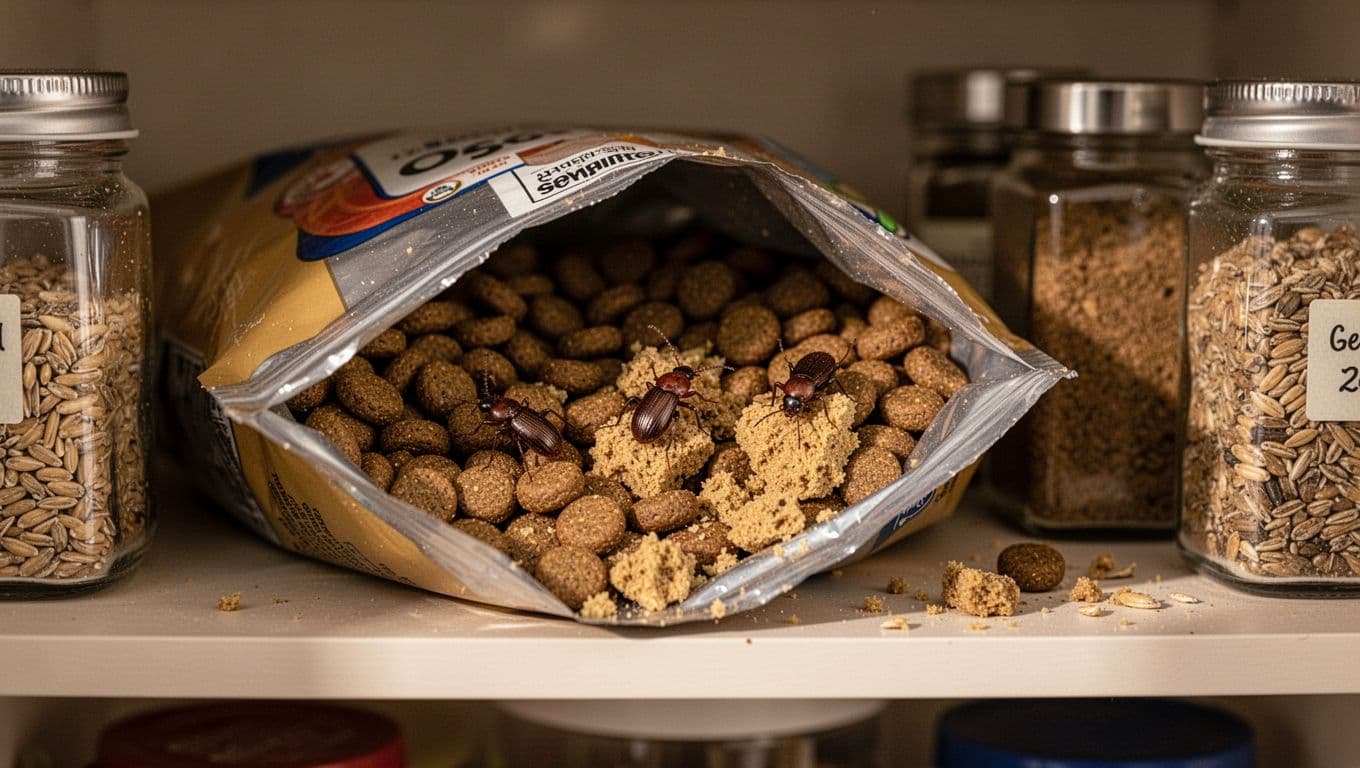
If you keep finding bugs in more than one container, the source may be larger than one bad bag. Pantry moths can create a similar headache, and pantry moths in Cape Coral kitchens often spread through the same storage zones.
Spider beetles can also show up in pet areas, especially if food spills on the floor. That does not mean the problem started with the pet food itself. It may have started with a shelf, a crack, or an old item tucked in back.
The main thing to watch for is a pattern. One stray beetle can be random. Repeated sightings in the same pantry, on the same shelf, or in the same bin usually point to an active source.
Practical prevention for Cape Coral homes
The best defense is boring, but it works. Seal food, clean crumbs, and remove easy hiding spots before spider beetles settle in. In Cape Coral, that routine matters even more because warm, damp air helps stored-food pests last longer.
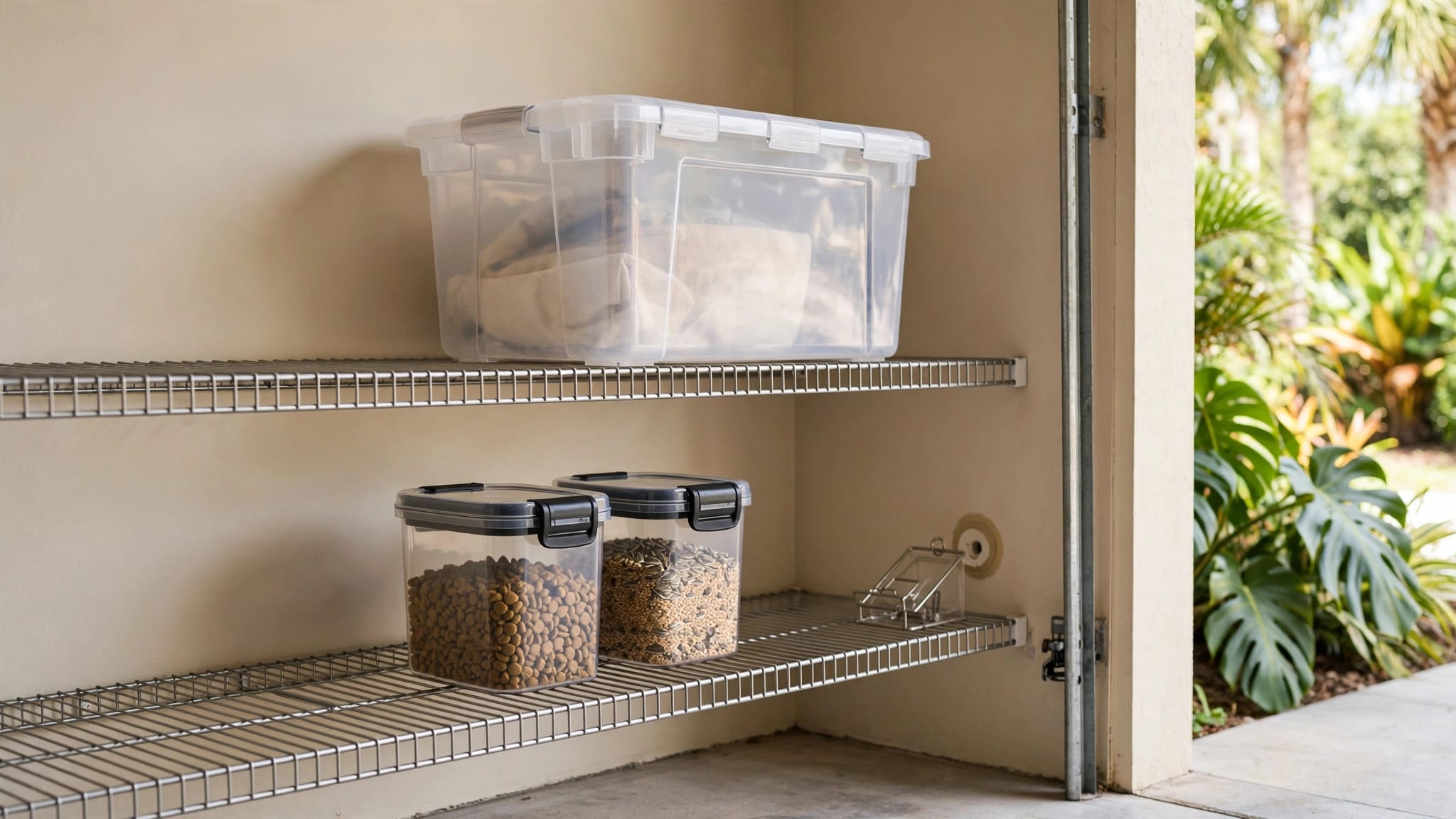
Start with airtight storage. Move dry goods into glass, metal, or heavy plastic containers with tight lids. Do the same for pet food, bird seed, and treats. If a bag has tears, weak seams, or pinholes, do not store it loose for long.
Rotate pantry goods too. Old boxes and bags should move to the front so they get used first. That keeps food from sitting long enough to become a target.
A few habits make a big difference:
- Inspect pet food bags before you put them away.
- Wipe shelves after spills, then vacuum crumbs from corners.
- Keep bird seed sealed, even if it stays in the garage.
- Check spices, baking mixes, and other dry goods for dust or tiny holes.
- Wash and dry pet food bins before refilling them.
- Seal gaps around pipes, trim, and baseboards.
For gaps and entry points, How to Spider-Proof Your Cape Coral Home gives a helpful look at the places pests use to move inside.
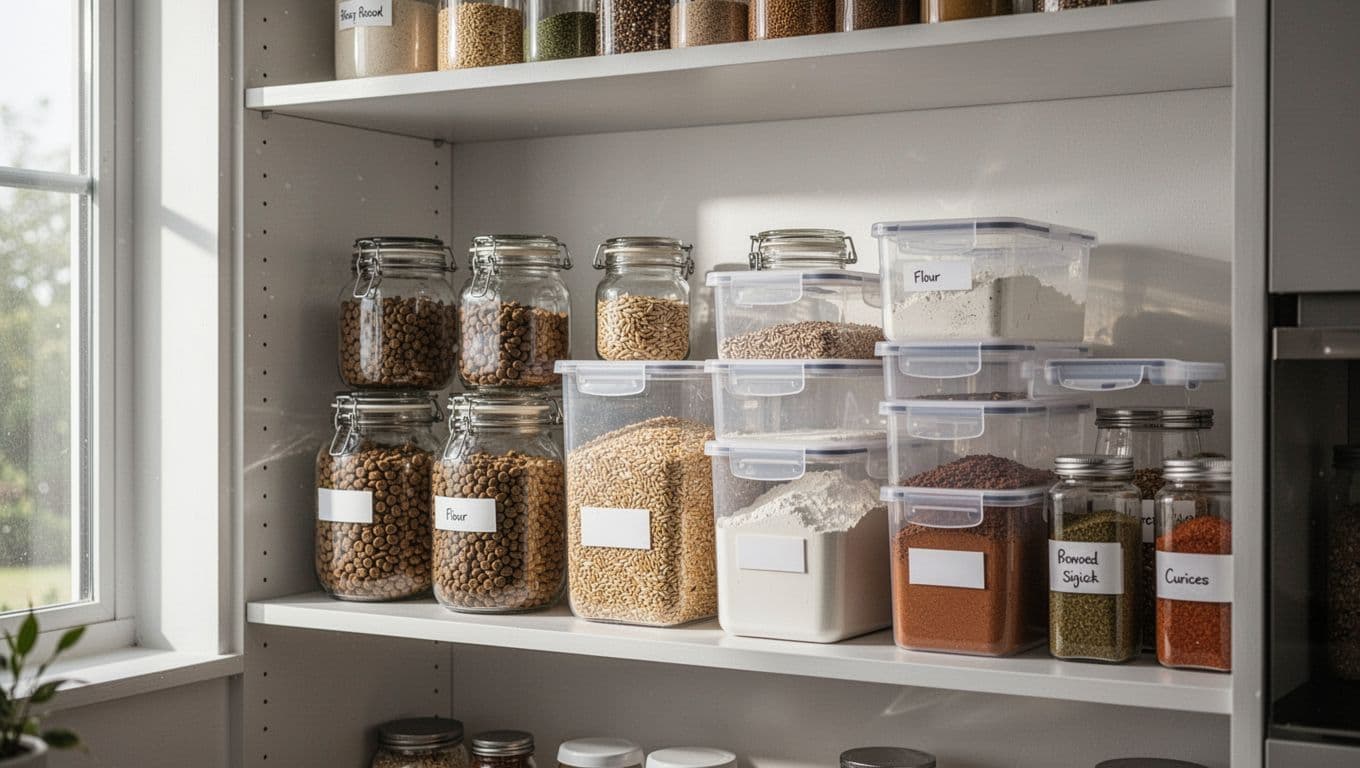
Moisture control helps too. Fix leaks quickly, keep pantry floors dry, and avoid storing food near damp walls or messy garage corners. Spider beetles like quiet, hidden spaces, so the less clutter you keep, the fewer places they have to settle in.
When a professional inspection makes sense
A single beetle is one thing. A repeat problem is different. If you keep seeing spider beetles after cleaning and discarding food, the source may be hidden in a wall void, storage room, or forgotten container.
That's also true when you find bugs in several places at once. Pantry shelves, pet food bins, bird seed bags, and garage storage can all connect to the same issue. In some homes, the problem also points to rodent activity, since spider beetles can feed on droppings and other debris.
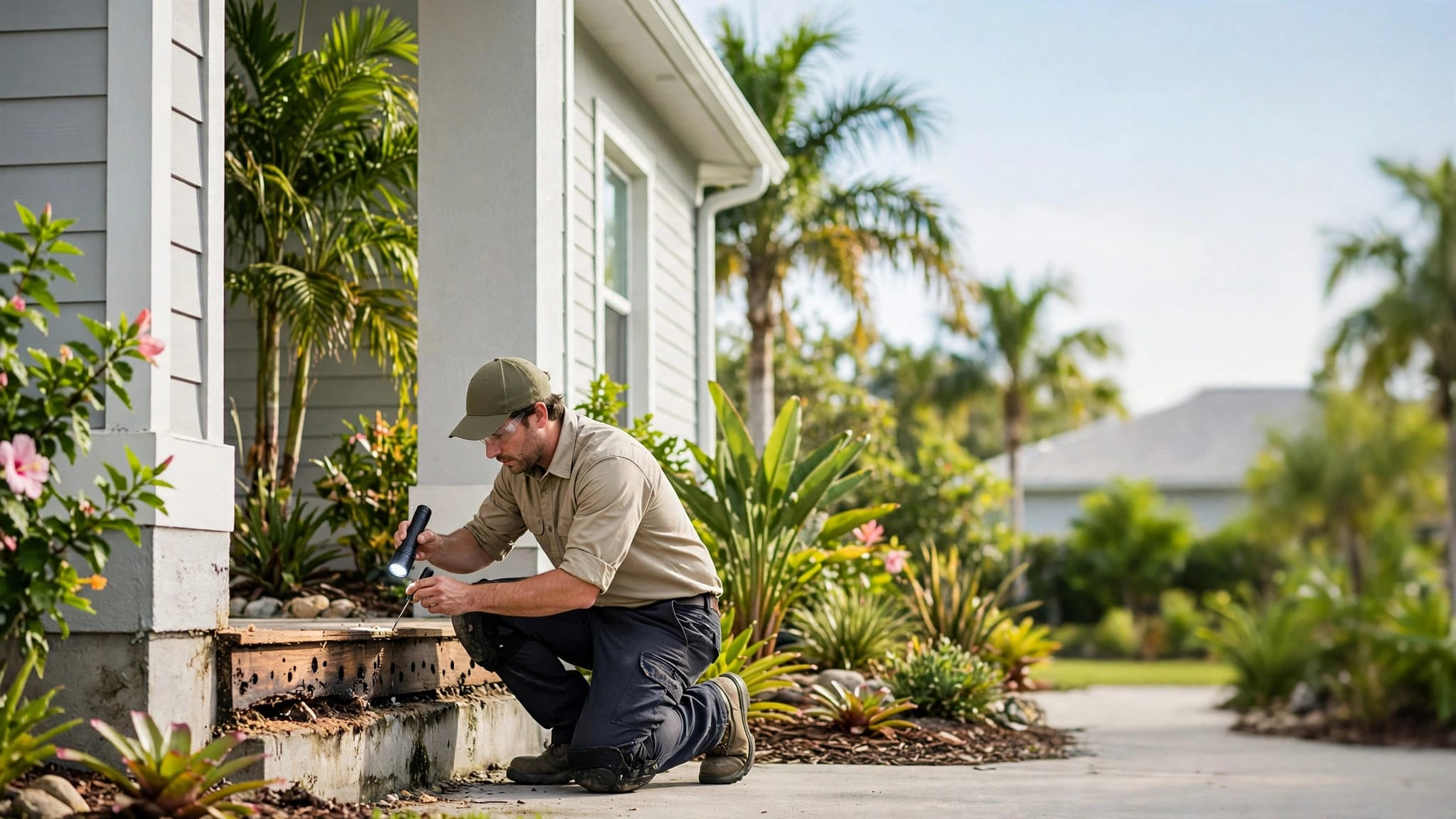
A professional inspection helps when the source is hard to trace. It also helps when you want a clear plan instead of trial and error. A local pest pro can check the pantry, nearby storage, and entry points, then focus treatment where the pests actually live.
Conclusion
Spider beetles in Cape Coral homes usually start in the same places, dry food, crumbs, and storage areas that sit too long. Pet food containers, bird seed, spices, and pantry boxes all give them a place to feed and hide.
The fix starts with airtight storage and a clean shelf. It gets stronger when you inspect new packages, rotate old food, and seal the gaps that let pests move around the house. If the same bugs keep coming back, the source is probably hidden deeper than the pantry surface.
Schedule a Free Inspection: