Horse Flies in Cape Coral Pool Areas and Dog Runs
Horse flies can turn a sunny Cape Coral afternoon into a swatting match fast. Around pools and dog runs, they show up where shade, moisture, and movement meet. Their bites hurt, and once a yard gives them the right conditions, they tend to return.
The good news is that you can make those spaces less appealing without turning your patio into a chemical zone. Start with the right pest, then fix the parts of the yard that attract it.
Why Horse Flies Show Up Around Cape Coral Water and Shade
Horse flies are active in warm weather, and May is already part of their busy season in Southwest Florida. They hunt during the day, so a bright pool deck does not stop them. In fact, glare, motion, and damp edges can help them find a target.
Around Cape Coral homes, the problem usually starts near the pool, not in it. Low spots, clogged drains, thick mulch, planter saucers, wet grass, and shady fence lines hold water longer than they should. Those spots act like a welcome mat.
A pool itself is often not the source. The trouble is the ring of damp soil, stacked toys, irrigation overspray, and leaf piles around it. After an afternoon storm, that moisture can hang around longer than you expect. When the sun returns, flies stay close to the wet zone.
Homes that already need mosquito control for Cape Coral pools often need the same kind of cleanup for horse flies. Remove standing water, trim growth, and keep air moving so the yard dries faster. If your property borders a canal, retention pond, or heavy irrigation area, that moisture control matters even more.
Spot the Difference: Horse Flies vs. Other Biting Flies
The wrong fly leads to the wrong fix.
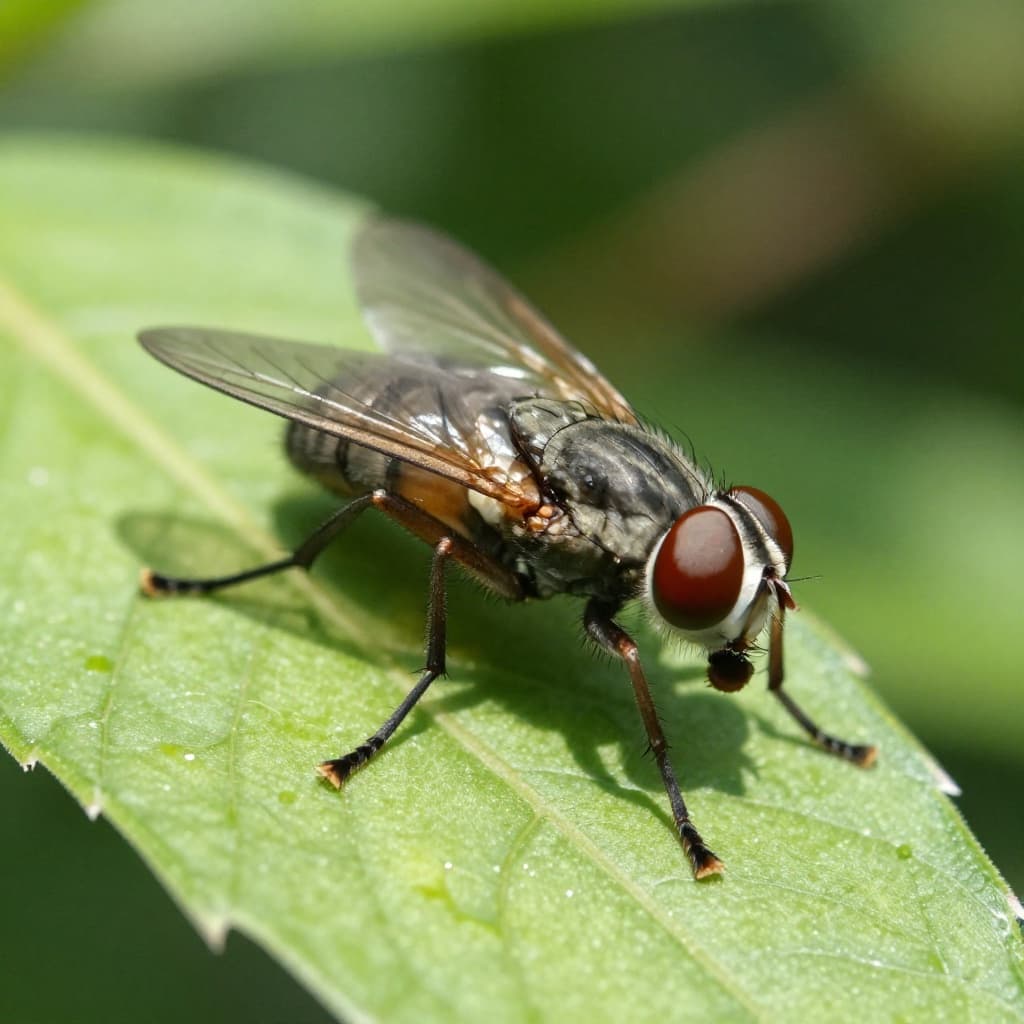
A quick comparison helps before you treat the yard.
| Fly type | Common clue | Typical place to look |
|---|---|---|
| Horse fly | Large, loud, painful bite in daylight | Wet edges, shade, and moving targets |
| Stable fly | Bites ankles and lower legs | Damp organic material, fence lines, shady edges |
| No-see-um | Tiny bites, often near dusk | Screen gaps, patios, and lanais |
Horse flies are bigger than most yard flies, and they often make a loud pass before they bite. The bite feels sharp, and the fly may leave just as fast as it came in. That quick hit makes people think a spray failed, when the real issue is usually the yard itself.
Stable flies are smaller, but they still bite, and they show up around wet organic material. If the bites land low on the legs, the problem may be stable flies in Cape Coral yards. Their habits point to damp mulch, shady edges, and dirty buildup near the ground.
No-see-ums are different again. They are tiny, they work at dusk, and they can slip through larger screens. If the bite pattern shows up near sunset, check no-see-ums around patios and lanais before you treat the yard like a horse fly site.
A fly problem gets easier once you name the fly. The wrong fix wastes time, money, and patience.
Make Pool Areas Less Inviting
The best horse fly control around a pool starts with small changes that dry the space out.
Keep these spots in mind:
- Empty buckets, toys, and planter saucers after rain.
- Clean gutters and downspouts so water does not sit near the cage.
- Trim hedges and lower branches to improve airflow.
- Cut back thick mulch where it stays damp.
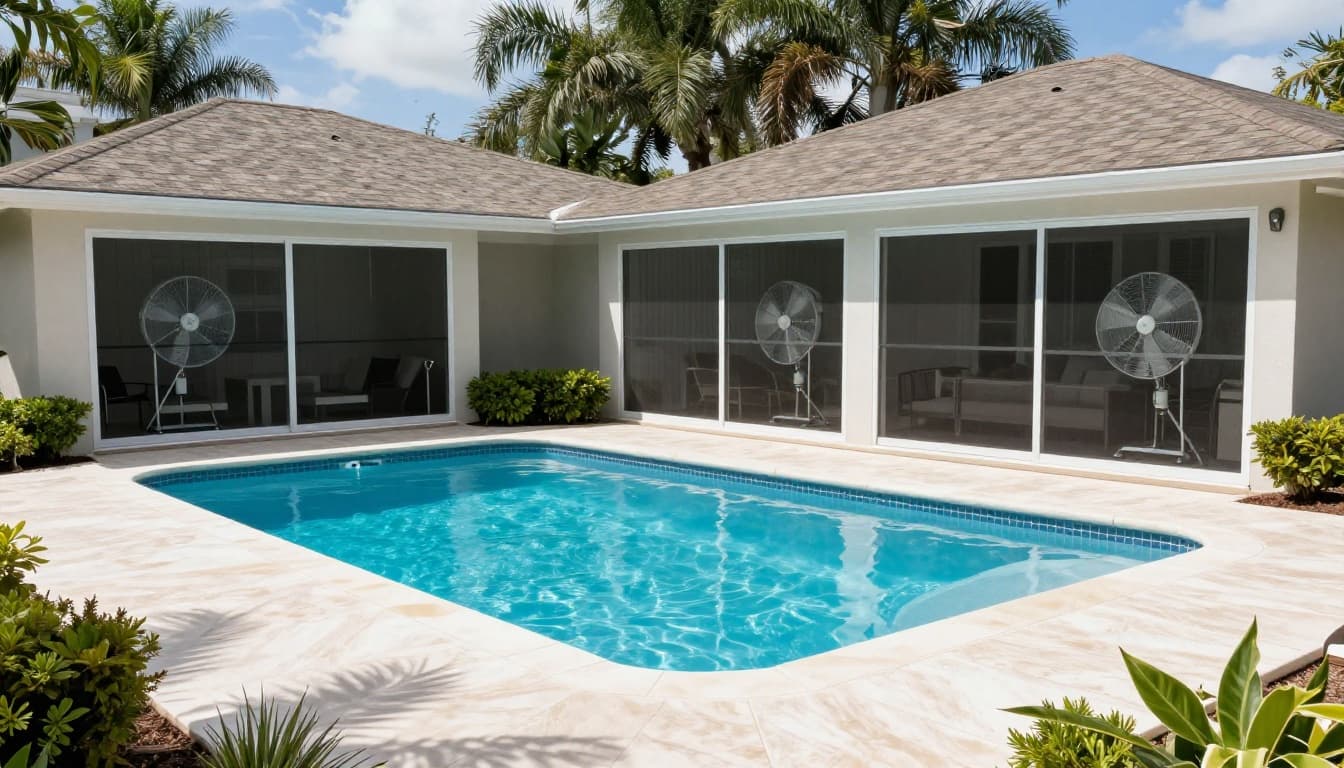
- Run fans on calm days, since moving air makes it harder for flies to settle.
Fans and screens help because horse flies are poor fliers in moving air. The same idea supports a cleaner pool setup and works well with mosquito control for Cape Coral pools too. If you have a screened lanai, keep the lower edge clean and check for tears or gaps where flies can sneak in.
Traps can help in some yards, but place them away from seating areas, pool steps, and pet paths. Otherwise, you may pull flies toward the places you want to protect. That mistake is easy to make, and it can make the problem feel worse before it feels better.
If you use any product near the deck, check the label for poolside use. Do the same for pet areas. Never assume a spray is safe just because it is sold for outdoor use. Some products can stain surfaces, irritate skin, or create risk around water.
Keep Dog Runs Safer for Pets
Dogs bring heat, motion, and scent, which can draw biting flies fast. A dog run needs the same moisture control as a pool deck, plus extra care for pet safety.
Dry footing helps a lot. Gravel or another well-drained surface cuts down on damp spots where flies linger. Pick up waste often, keep water bowls clean, and move them if they spill into one place. If irrigation sprays the run, adjust the heads so the fence line does not stay wet.
Shade is helpful, but shade plus soggy soil is a problem. Cut back thick grass, remove leaf piles, and keep the run open to breeze where you can. A covered run with air moving through it usually works better than a dense corner packed with shrubs.
Fans can help in enclosed or screened runs. They make it harder for biting flies to land and stay put. Avoid guessing with sprays around bedding, bowls, or kennels. Read the label first, and keep dogs away until the area is dry and approved for pets.
Watch the bite pattern too. If the irritation clusters around the lower legs or the fence line, stable flies may be part of the problem. That small detail helps you choose a fix that matches the pest.
When Horse Flies Keep Coming Back
If you keep seeing horse flies around your Cape Coral pool or dog run, one product usually will not solve it. The better answer is a mix of drainage cleanup, better airflow, smarter landscaping, and pet-safe choices.
Persistent infestations often point to a nearby breeding source or a moisture issue you cannot see from the deck. In that case, a local pest professional can inspect the yard and suggest a treatment plan that fits poolside and pet areas.
A calmer yard starts with dry edges, open air, and fewer places for flies to hide. That gives your family and your dogs a much better shot at enjoying the season.
Schedule a Free Inspection: