Cigarette Beetles in Cape Coral Spice Drawers and Potpourri
You open your spice drawer in Cape Coral. Fine powder coats the bottom. Tiny beetles scurry away. Cigarette beetles in Cape Coral homes often show up this way. They love dried goods like spices and potpourri. Our humid climate makes it easy for them.
These pests don't bite or spread disease. Still, they ruin food and decor fast. You can spot and stop them with basic steps. Let's walk through what to watch for and how to keep them out.
Spotting Cigarette Beetles in Your Home
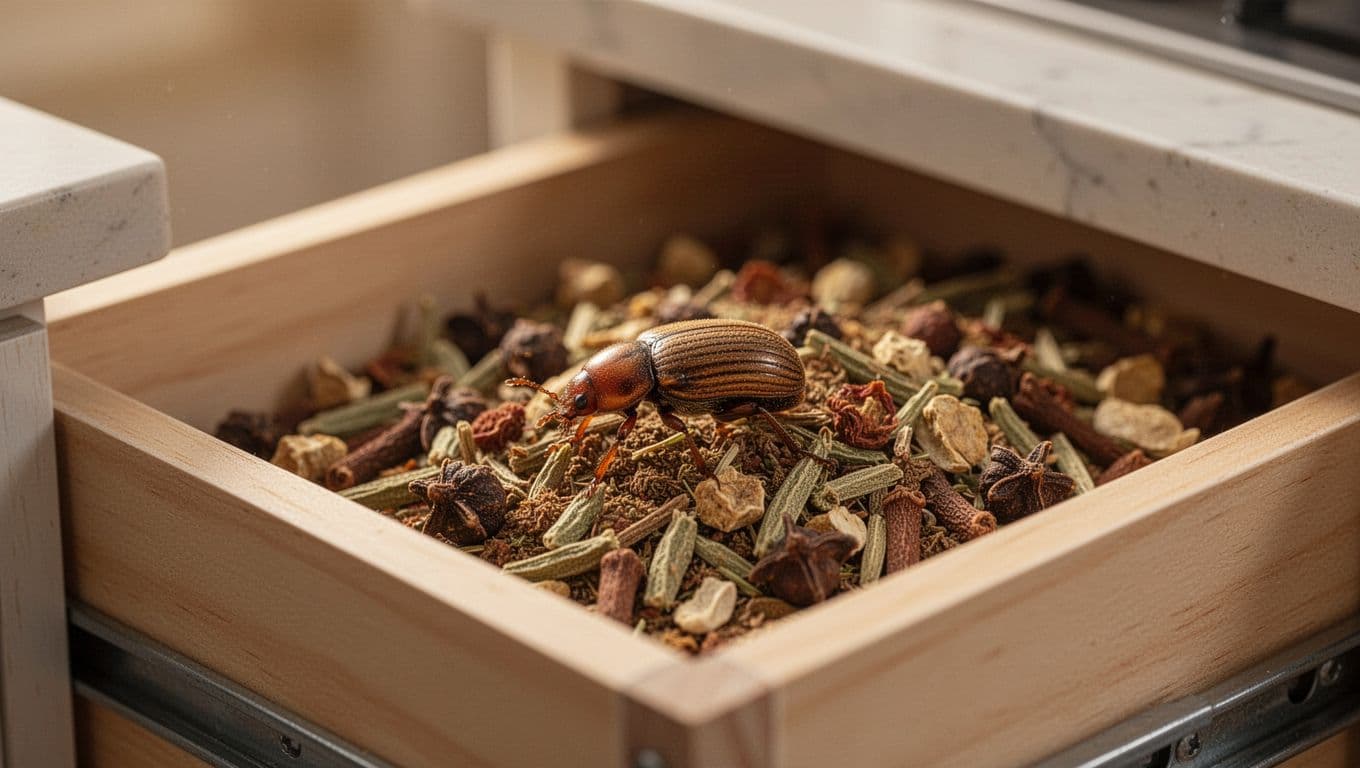
Cigarette beetles measure about 1/8 inch long. Their bodies look reddish-brown and oval. They have a humpbacked shape, like a tiny camel. Adults fly well, especially at night toward lights.
Females lay up to 100 eggs near food sources. Larvae hatch in days and chew through dried plants. They grow fast in warm spots. Adults live a month or two. One pair starts a big problem quick.
In Florida, they hit pantries hard. Spices top the list: paprika, chili powder, and cumin draw them most. Potpourri sits pretty on shelves but feeds them too. Dried flowers and herbs work the same.
Check old packages first. Beetles hitchhike in from stores. Cape Coral's warmth speeds their life cycle to four weeks.
Why Cape Coral Kitchens Attract These Pests
Our Southwest Florida weather helps cigarette beetles thrive. Average humidity stays above 70 percent year-round. They need over 60 percent to breed.
Summers push temps to 90 degrees. Inside, pantries trap heat. No central AC reaches every drawer. Beetles multiply before you notice.
Hurricanes stock homes with dry goods. Boxes sit unused. Spices age in cabinets. Potpourri gathers dust on dressers.
Open windows let them in. Screens have tiny tears from storms. Adults fly from neighbor yards. Dried pet food or birdseed adds risk.
Local stores sell bulk spices cheap. But packages tear easy. One infested bag spreads to your whole kitchen.
Where They Hide in Spice Drawers and Potpourri
Spice drawers top the trouble spots. Beetles burrow into ground powders. Paprika clumps hide eggs best. Whole spices crack open for larvae.
Potpourri bowls collect in bathrooms or bedrooms. Scented sachets in closets feed them too. Dried lavender and rose petals make perfect homes.
Kitchen cabinets hold extras. Back corners stay dark and dry. Unused herb jars sit forgotten.
Bathroom vanities store potpourri fresheners. Warm showers raise moisture just right.
Garages pack holiday spices. Heat builds fast there.
Signs Your Spices or Potpourri Have Cigarette Beetles
Look for fine, powdery frass. It's like sawdust from larvae tunnels. Spices clump or smell off.
Tiny holes appear in packages. Beetles chew out as adults.
Beetles cluster near lights at night. Check ceilings or windows.
Potpourri loses color. Pieces look chewed or webbed.
Shake jars over white paper. Watch for movement.
Empty drawers fully. Wipe with vinegar. Bugs hate it. Repeat weekly.
How to Remove an Infestation Step by Step
Toss infested items right away. Seal in bags outside. Don't compost; eggs survive.
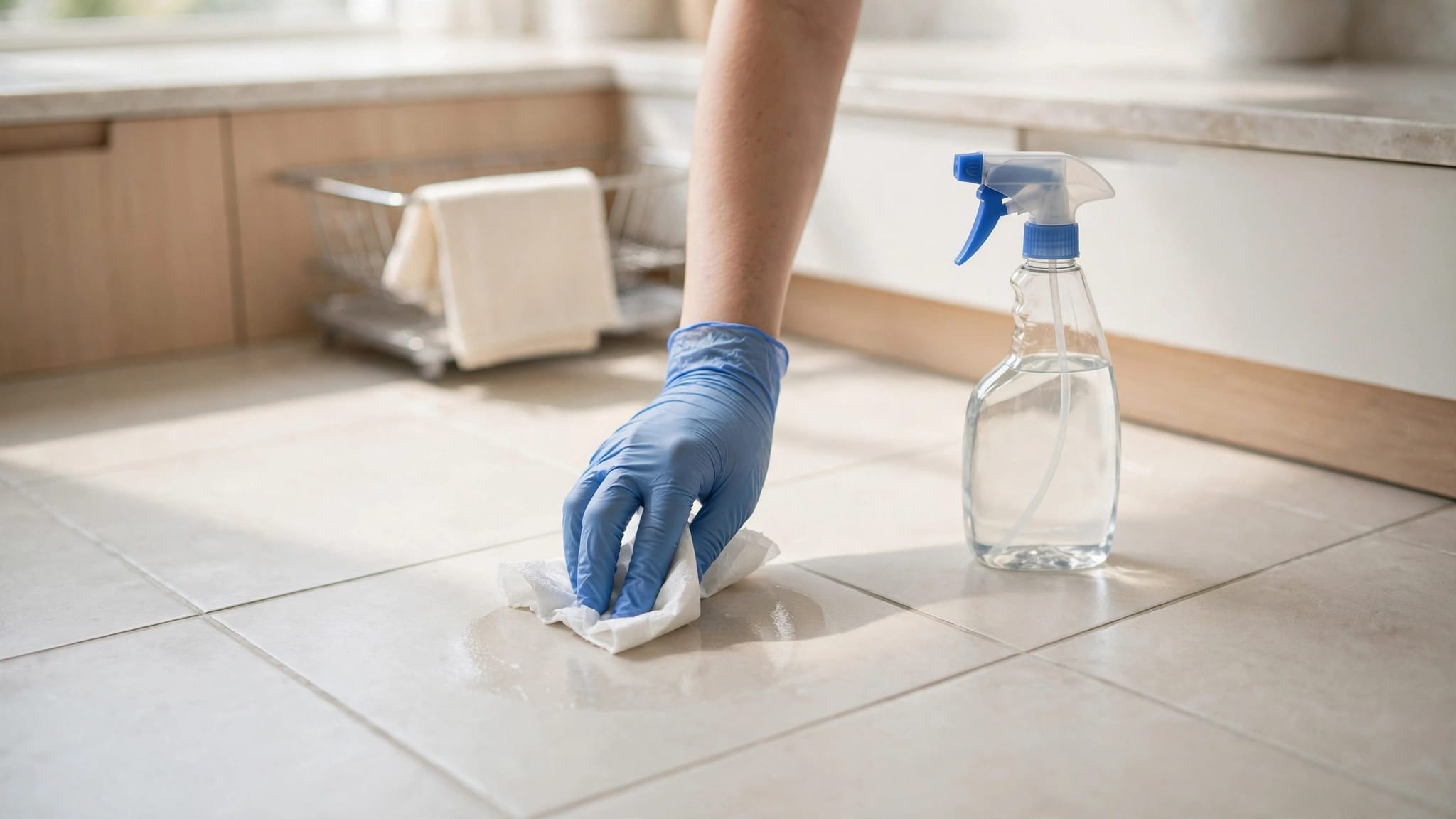
Vacuum drawers and shelves. Empty the bag outdoors. Wipe surfaces with soapy water.
Freeze unopened spices 48 hours. Kills eggs inside.
Dry clean potpourri in sun. Or discard if heavy damage shows.
Use bay leaves in clean drawers. They repel but don't kill.
Set pheromone traps. They catch adults without chemicals. Check pantry pests like sawtoothed grain beetles in Cape Coral pantries for similar tips.
Run dehumidifiers. Aim below 60 percent humidity. Fans help air flow.
Prevention Tips for Humid Cape Coral Homes
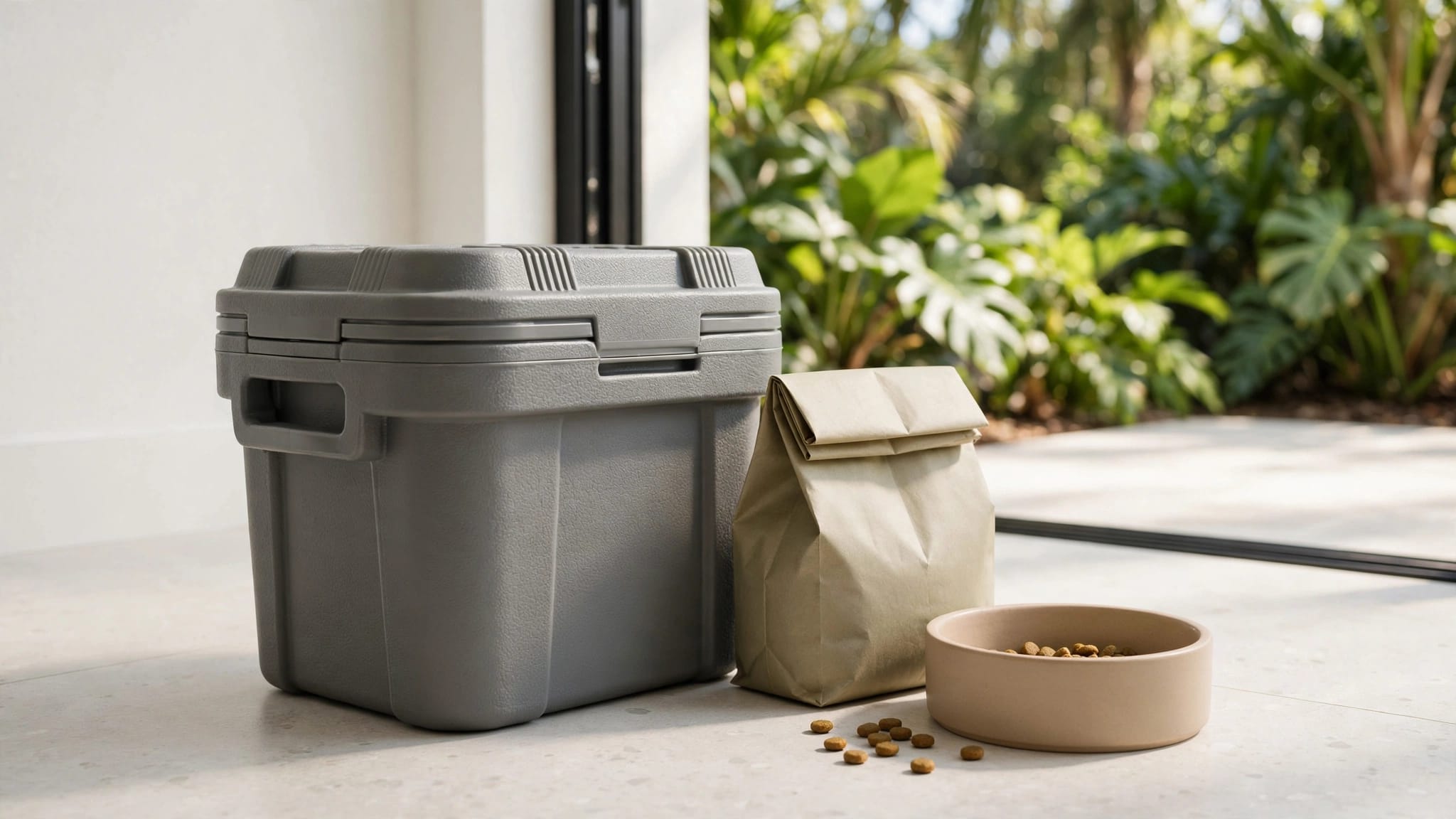
Store spices in glass jars. Screw tops seal tight. Label dates; use oldest first.
Buy small amounts. Fresh spices spoil less.
Freeze bulk buys short-term. Thaw in fridge before pantry.
Potpourri goes in sealed bins. Refresh only what you use.
Clean monthly. Empty drawers. Wipe cracks.
Keep humidity low. AC filters trap eggs. Ventilate garages.

Inspect groceries. Shake bags over counters.
When Professionals Step In
DIY works for small cases. But heavy infestations need help. Pros find hidden spots.
They use targeted treatments. Safe for homes and pets.
In Cape Coral, call for residential pest control services. Free inspections spot sources fast.
Skip foggers. They scatter bugs.
Key Takeaways
Cigarette beetles target your spices and potpourri in Cape Coral's humid air. Spot frass and holes early. Toss bad items, clean well, and seal storage.
These steps keep kitchens clear. Stay vigilant with monthly checks.
Your home stays pest-free with simple habits. Act quick next time you see powder in that drawer.
Schedule a Free Inspection: