Bat Bugs in Cape Coral Bedrooms After Attic Bat Removal
You evict bats from your attic in Cape Coral. Relief sets in. Then itchy bites appear at night. Bat bugs Cape Coral homeowners face this issue often. These pests lose their bat hosts after removal. They seek new blood meals. Your bedroom becomes the target.
Bats thrive in Southwest Florida attics. Warm weather draws them year-round. But once excluded, their parasites scatter. Don't panic. Professionals spot and stop them fast. This guide explains what happens next.
What Causes Bat Bugs to Appear After Removal?
Bats roost in attics. They carry bat bugs, close cousins to bed bugs. These insects feed on bat blood. Exclusion works well. One-way devices let bats leave. Seals block return.
However, bugs remain behind. No bats mean no food. Bugs drop from roosts. They crawl through gaps. Rooms below attics suffer first. In Cape Coral homes, this pattern repeats after spring removals. Maternity season ends mid-April. Homeowners act then.
Debris piles up too. Guano and nesting matter hold bugs. Stirring it during cleanup spreads them. Always confirm full exclusion first. Then clean safely. Wear masks for dust. Histoplasmosis risks exist from guano spores.
Local experts handle this sequence. They check bats gone. Then address bugs. Rushing skips steps. Bugs rebound.
Key Differences Between Bat Bugs and Bed Bugs
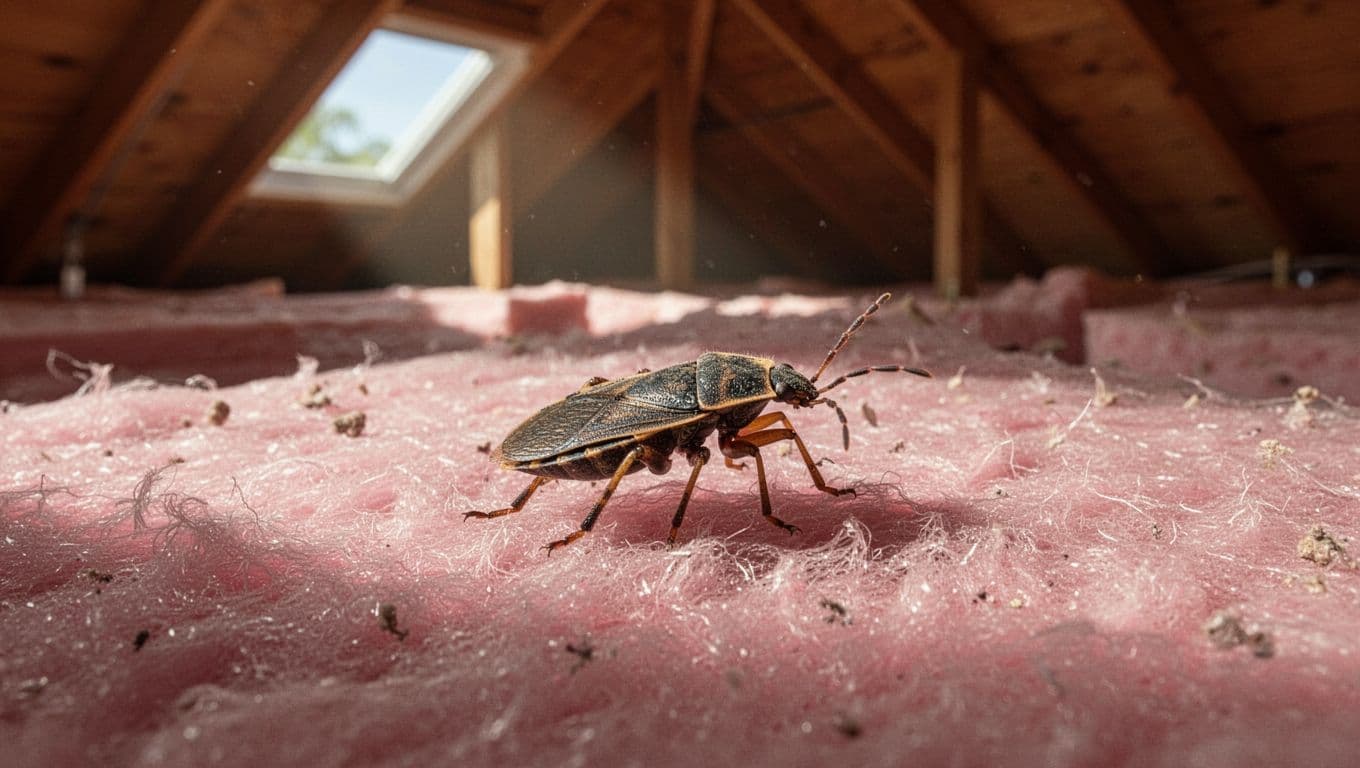
Bat bugs look like bed bugs. Both flat, oval, reddish-brown. Sizes match too. About apple seed length. But hosts differ. Bat bugs prefer bats. Bed bugs target humans.
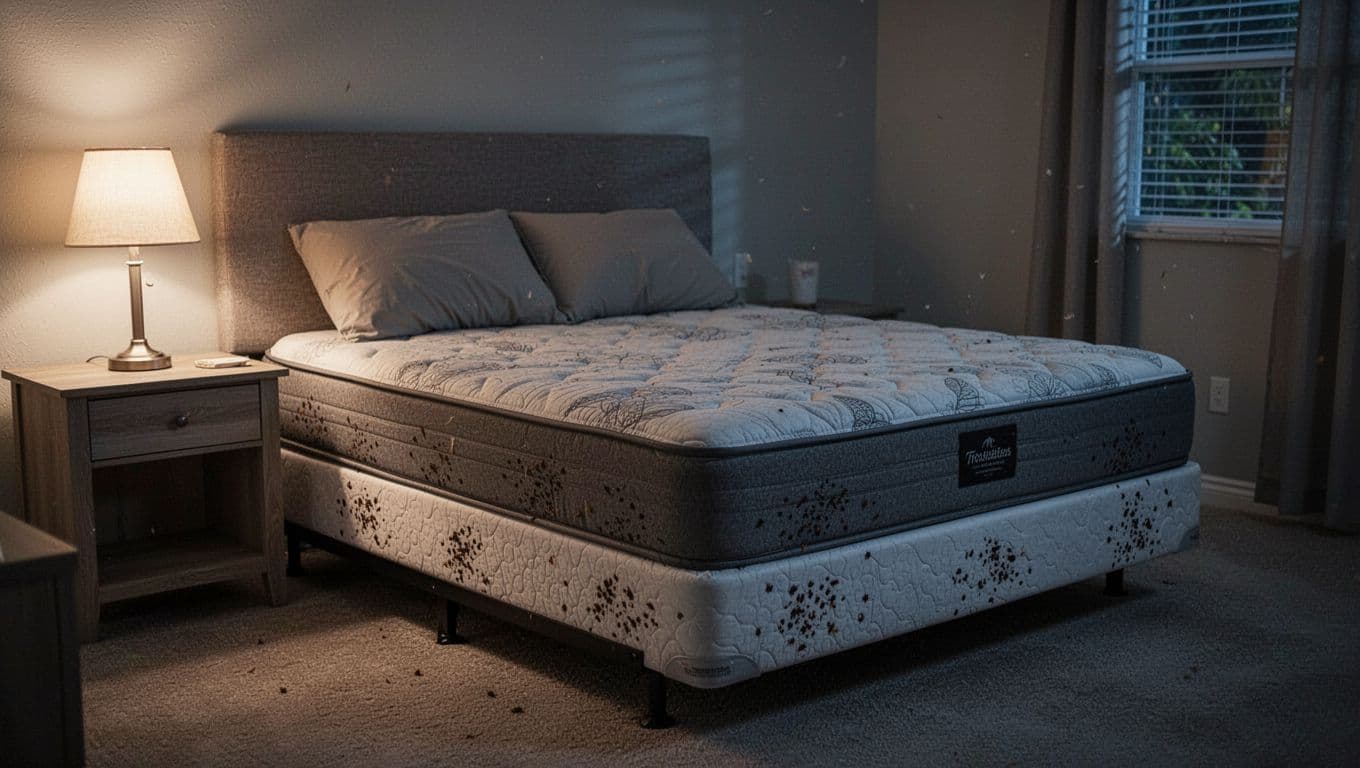
Wings set them apart. Bat bugs have tiny wing pads. Bed bugs lack them. Eggs and fecal spots similar. Dark specks on fabrics. Bites cluster on skin. Arms, neck common.
Don't self-diagnose. Pros use microscopes or traps. In Cape Coral, mix-ups happen. Bat bugs bite less often. They starve without hosts. Still, they irritate.
Bed bugs spread via travel. Bat bugs follow evictions. Treatment overlaps. Heat kills both. But source matters. Ignore attic, bugs persist.
For similar issues, see our guide on bed bug treatment in Cape Coral. It covers shared tactics.
Where Bat Bugs Hide in Cape Coral Homes
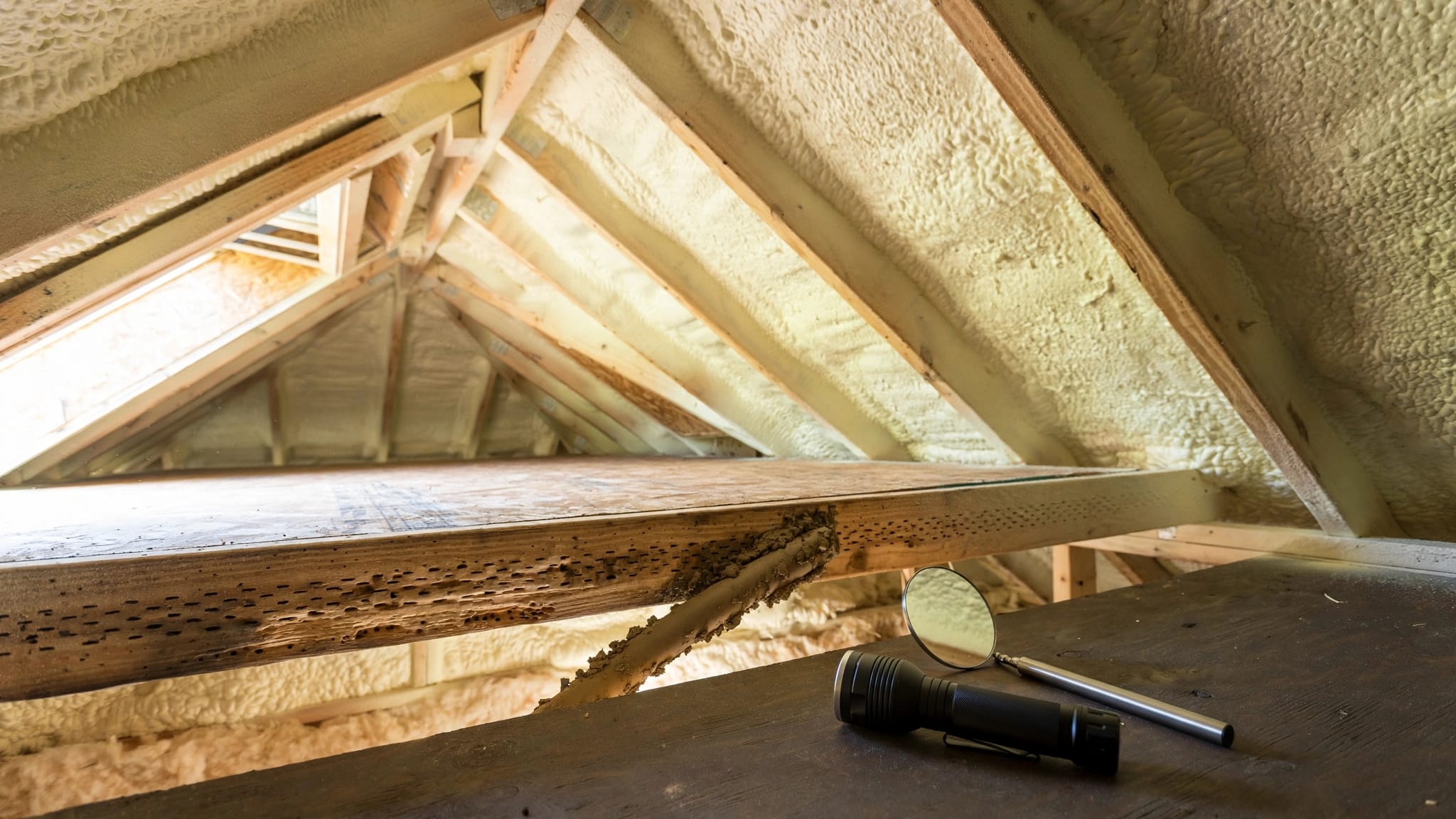
Attics hold most. Pink fiberglass insulation harbors them. Bugs burrow deep. Ceiling penetrations next. Lights, vents, fans. Gaps let them drop.
Wall voids follow. Behind outlets, switches. Rooms directly below roosts suffer. Master bedrooms often first. Baseboards, mattress seams.
Southwest Florida humidity helps. Bugs last months without food. They cluster near former entry points. Roof soffits, eaves.
Inspect there first. Flashlight reveals spots. Shed skins too. Tiny, pale. Vacuum carefully. Seal bags outside.
Spotting Early Signs of Bat Bug Activity
Bites wake you. Red welts itch. Check sheets for spots. Dark fecal marks dry fast.
Shed skins scatter. Near beds, walls. Musty odor grows. Like coriander seeds.
In Cape Coral bedrooms, signs mimic bed bugs. Dim lights hide them. Night active mostly.
Catch early. Less spread. Pros confirm with sticky traps. Counts guide treatment.
Steps to Eliminate Bat Bugs for Good
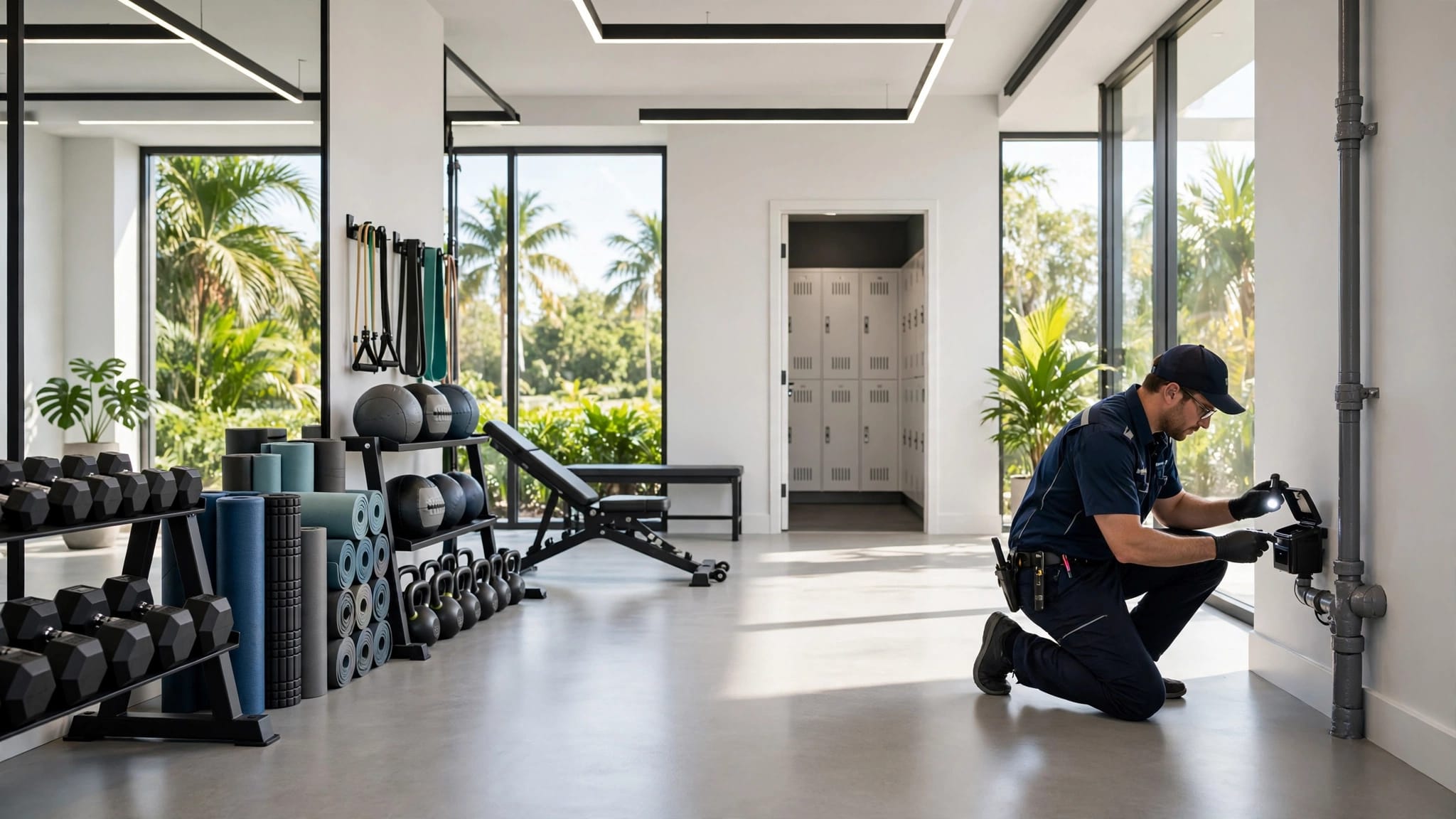
Start with inspection. Pros scan attics, voids. Confirm no bats return. Florida rules protect them. Humane exclusion only.
Remove debris next. Guano cleanup needs care. HEPA vacuums, pros best. Then treat bugs.
Heat works well. 120 degrees kills all stages. Steam seams too. Residual sprays for cracks. Follow labels.
Seal everything. Caulk gaps. Screen vents. Mesh soffits.
Follow-up matters. Traps check progress. Two weeks apart.
For full service, contact pest control services in Cape Coral. They cover bats to bugs.
Prevention Tips Tailored to Southwest Florida
Screen attic vents. Tight mesh stops bats. Trim trees near roof. Less access.
Annual checks help. Spring before maternity. Clean eaves yearly.
Reduce humidity. Dehumidifiers in attics. Bugs dry out faster.
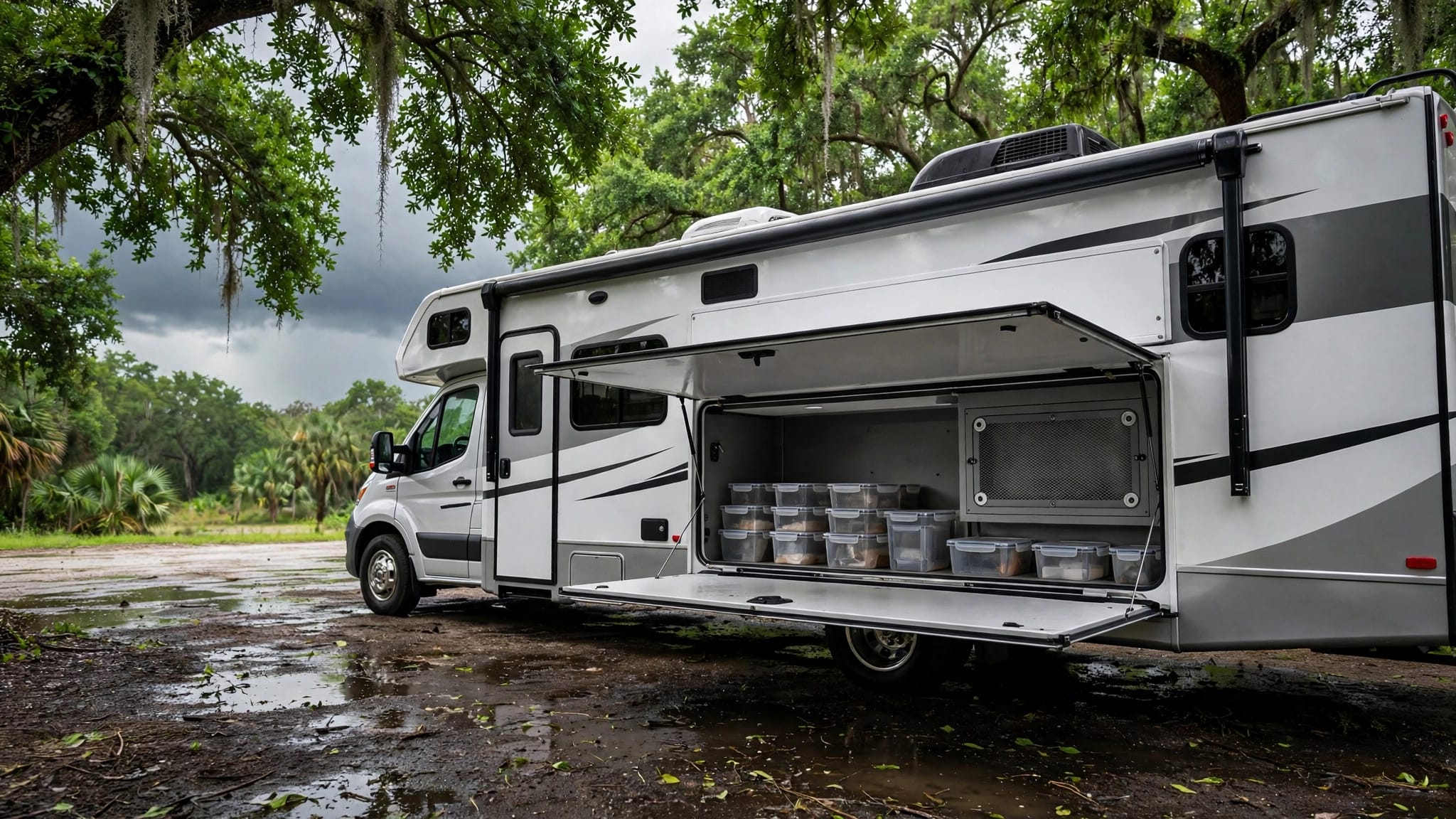
Store attic items sealed. No cardboard. Plastic bins.
Yard maintenance counts. Clear debris piles. Bats avoid open areas.
Residential pest control in Cape Coral includes these steps. Keeps homes shielded.
Bats left your attic. Bat bugs followed to bedrooms. Quick action stops them. Distinguish from bed bugs. Treat source and signs. Seal tight.
Cape Coral homes stay pest-free this way. Pros make it simple. Sleep easy again.
Schedule a Free Inspection: