How Hide Beetles Get Into Cape Coral Garages and Bird Seed Bags
A few tiny beetles in a garage can point to a storage problem you don't want to ignore. In Cape Coral, warm garages, pet food, old bird seed, and dusty shelves give hide beetles an easy foothold.
They often show up where people keep boxes, bags, and old materials for months. If you've seen small beetles around seed sacks or along baseboards, the source may be closer than you think.
The good news is that most problems can be cut down with a sharp inspection and a few storage changes. Start with the spaces these beetles like most.
Why Cape Coral garages attract hide beetles
Hide beetles are part of the dermestid family. They feed on dry animal-based material, dead insects, feathers, hair, and similar debris. That makes a garage a fine buffet when it holds pet food, bird seed, old cleaning rags, or forgotten boxes.
Cape Coral heat adds another layer. A closed garage can stay warm for long stretches, and warmth helps beetle activity move along faster. Add humidity, clutter, and a few dark corners, and you get a place they can hide without much trouble.
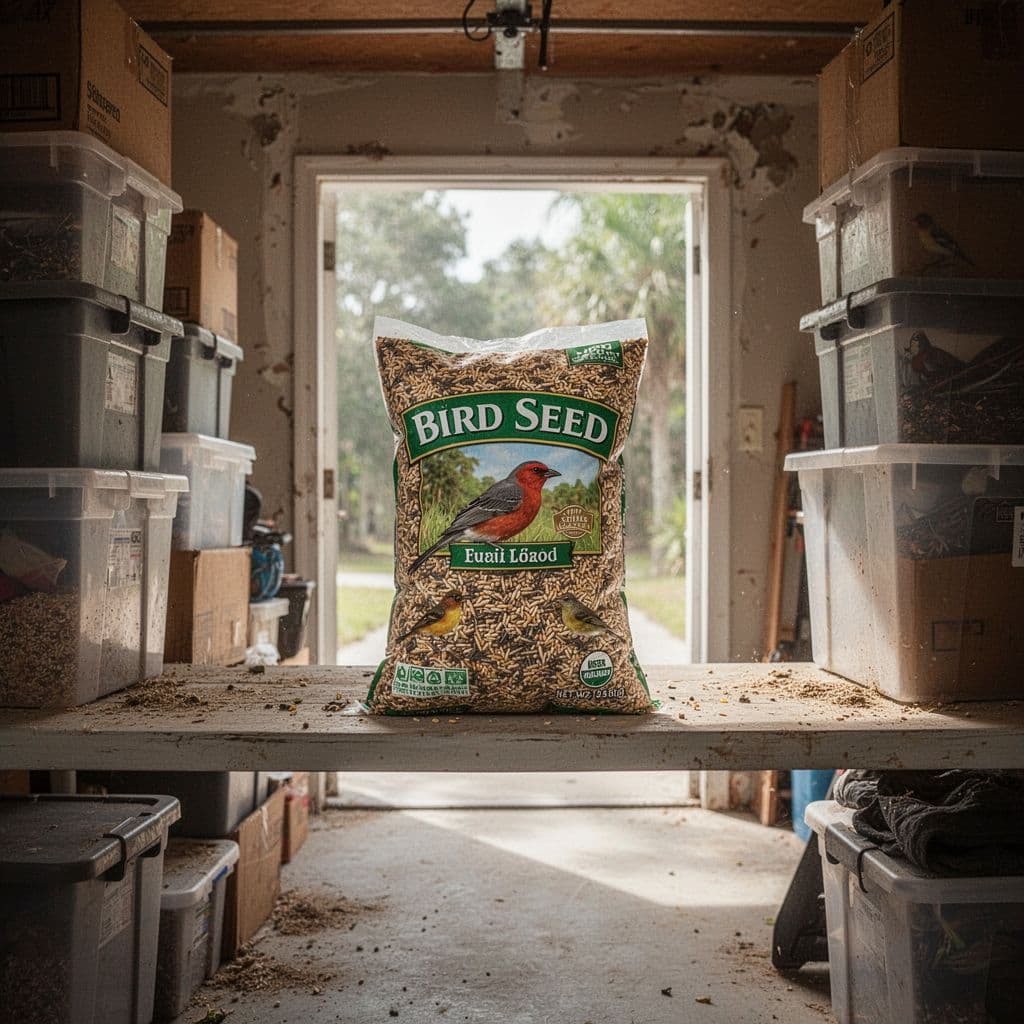
The biggest attractants are simple. Bird seed bags, pet food, dead insects, and animal material like feathers or fur give them food. Dust and clutter give them cover. Cardboard also helps, because it holds crumbs, oils, and fine debris.
A garage door that opens often can make things worse. Flying beetles and other insects get in, die, and then become food. That is one reason a hide beetle issue can start small and keep building.
Warning signs in seed bags, shelves, and storage bins
The first sign is often movement near light. Tiny brown or black beetles may show up around windows, ceiling fixtures, or the garage door opening. You may also spot them on shelving where seed or pet food sits.
Larvae are another clue. They often look like small, bristly, brown worms. They may crawl under bags, behind bins, or inside folds of cardboard. Shed skins and tiny bits of debris can pile up near the source.
Keep an eye out for these signs:
- Adult beetles near light and windows : They often gather where they can fly toward brightness.
- Larvae in dusty corners : These hide in cracks, shelf edges, and storage clutter.
- Chewed or damaged seed bags : Small holes, weak seams, and loose grain are red flags.
- Powder, skins, or shed bristles : These can collect under shelves and along baseboards.
- Dead insects or animal material nearby : Beetles often stay close to their food source.
A bag that looks fine from the front can still hide a problem along the seams or bottom edge.
If you keep finding beetles in the same spot, look past the beetles themselves. The real issue is often the material they found first. Seed dust, spilled kibble, and dead bugs can keep a population going even after the visible insects disappear.
How to inspect a garage before the problem spreads
Start with the bird seed and pet food. Pull each bag out of the rack or bin and check it in good light. Look at the seams, corners, and the underside of the bag. If the bag feels soft in one area, has fine dust, or shows tiny holes, treat it as suspect.
Next, clear one shelf at a time. Do not move everything at once unless you have the time to clean the whole space. It helps to work in sections, because that makes it easier to spot the source.
Use this order for a quick garage check:
- Remove bags, boxes, and loose items from one shelf or corner.
- Inspect the shelf surface for dead insects, seed spill, fur, feathers, or lint.
- Check under storage bins, along the back wall, and inside cardboard boxes.
- Look near pet food containers, bird seed, and anything made from animal material.
- Vacuum the area, then seal and remove the vacuum contents right away.
After that, wipe hard surfaces with soap and water. Pay close attention to shelf edges and floor cracks. Those narrow spaces hold crumbs that are easy to miss.
If you find beetles in more than one area, inspect the whole garage, not just the bag you opened first. A spill near the floor can send pests under a workbench, behind a cooler, or into a pile of old holiday bins.
Storage habits that keep beetles out
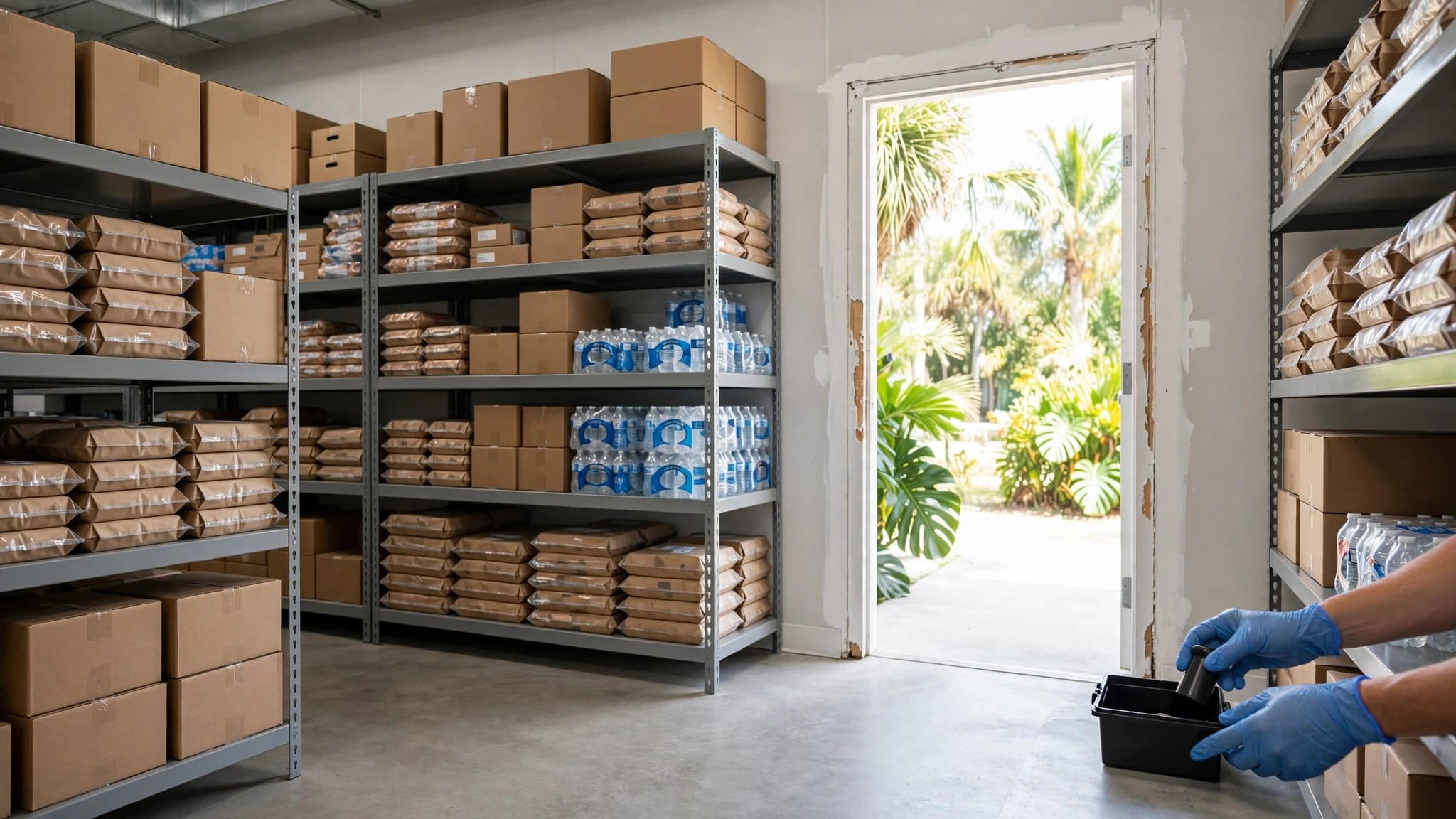
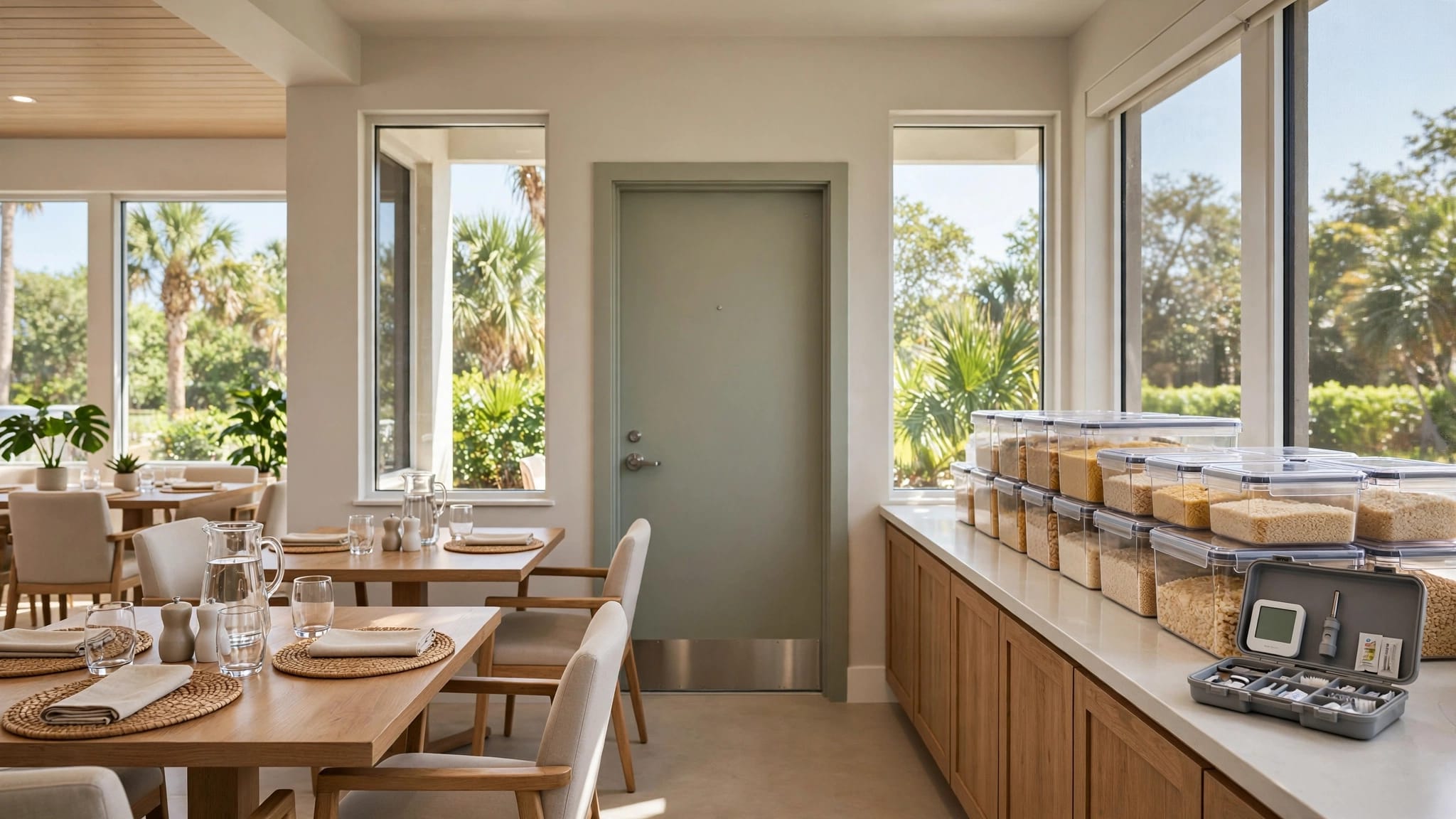
The best defense is sealed storage. Bird seed and pet food should go into hard plastic or metal containers with tight lids. Cardboard boxes are too easy for pests to use, and thin bags do not hold up well in a humid garage.
It also helps to keep storage off the floor. A shelf or raised rack gives you a better view and makes it easier to spot spills or damage. When bags sit against a concrete slab, moisture can build up and make the contents break down faster.
Here is a simple way to sort your garage storage:
| Item | Better storage choice | Why it helps |
|---|---|---|
| Bird seed | Tight-lid plastic bin | Blocks pests and keeps you from missing bag damage |
| Pet food | Sealed container | Reduces access to food and crumbs |
| Cardboard boxes | Hard plastic tote | Removes a common hiding place |
| Natural fabrics or animal-based items | Closed indoor bin | Cuts off food sources for hide beetles |
The main idea is simple. Less clutter means fewer hiding spots, and better containers mean fewer chances for beetles to feed. Rotate older seed first, and do not keep extra bags longer than needed.
Sweep the garage often, especially around the shelves where you keep feed and supplies. Even a small spill can feed pests for weeks. A clean floor matters more than most people think.
When a garage infestation needs help
Some problems keep coming back because the food source is hidden. That may mean a bag of seed was left open, but it can also mean dead insects inside a wall gap, old nesting material, or animal debris behind stacked items. When the beetles return after a full cleanup, something in the space is still feeding them.
That is when a deeper inspection helps. A trained technician can check storage zones, entry points, and the places homeowners usually miss. For repeated garage issues, residential pest control in Cape Coral can help track down the source and treat the areas where pests are entering and living.
This matters most when beetles show up with other pest signs. Rodent nesting debris, dead insects, or bird activity near vents can create the kind of hidden mess that keeps dermestid beetles in place. If the source stays active, the beetles will keep coming back.
Final takeaways for a cleaner garage
Hide beetles in Cape Coral garages usually show up because food and shelter are easy to find. Bird seed bags, pet food, dead insects, dust, and clutter give them everything they need.
A solid cleanup, sealed storage, and regular inspection will stop most problems before they spread. If your garage keeps producing beetles after you clean it, the space is telling you something important. The fastest fix starts with finding what they are feeding on and removing it for good.
Schedule a Free Inspection: