Florida WDO Inspections vs. Home Inspections
A clean home inspection report doesn't prove a Florida property is free of termites or wood decay. Florida WDO inspections and general home inspections examine different risks, so many buyers need both before closing.
A home inspector evaluates the home's condition and systems. A licensed pest control professional looks for visible evidence of organisms that damage wood. Knowing the difference helps you avoid missed repairs, surprise treatment costs, and delays during a real estate transaction.
Key Takeaways
- A general home inspection reviews the home's structure, systems, safety, and visible defects.
- A Florida WDO inspection focuses on termites, wood-destroying insects, and wood-decay fungi.
- Neither inspection provides a complete rodent, mold, or hidden-defect investigation.
- Buyers should review both reports before inspection deadlines and ask for documentation about prior termite treatments.
- WDO inspections are especially important in Southwest Florida, where warm, humid conditions support termite activity year-round.
What a General Home Inspection Covers
A general home inspection gives you a broad look at the property's condition. The inspector typically reviews accessible areas of the roof, attic, foundation, exterior, interior, plumbing, electrical system, heating, cooling, and major built-in appliances.
The inspection focuses on visible conditions. For example, the inspector may identify a roof leak, an aging air conditioner, damaged wiring, a plumbing leak, or poor drainage near the foundation. The report usually describes the condition and recommends further evaluation when a licensed contractor should investigate.
General inspectors also look for signs that may suggest pest activity. They might mention small holes in wood, damaged trim, droppings, or conditions that could attract termites. However, identifying a possible pest issue doesn't replace a formal WDO report.
Florida's home inspection standards also limit what inspectors can determine. They generally don't move furniture, open finished walls, remove flooring, dismantle equipment, or disturb insulation to search for hidden damage. A blocked crawl space or sealed attic can prevent access to areas where pests may be active.
The general inspection answers a broad question: What condition is the home and its major components in today?
It may recommend a termite inspection, structural evaluation, mold assessment, or other specialized service. That recommendation matters because home inspectors aren't automatically qualified or licensed to issue a Florida WDO report.
What Florida WDO Inspections Look For
A WDO inspection centers on organisms that damage wood. In Florida, the inspection commonly considers subterranean termites, drywood termites, wood-destroying beetles, carpenter ants, carpenter bees, and wood-decay fungi.
The inspector examines accessible wood in areas such as:
- Attics, garages, crawl spaces, and basements where present
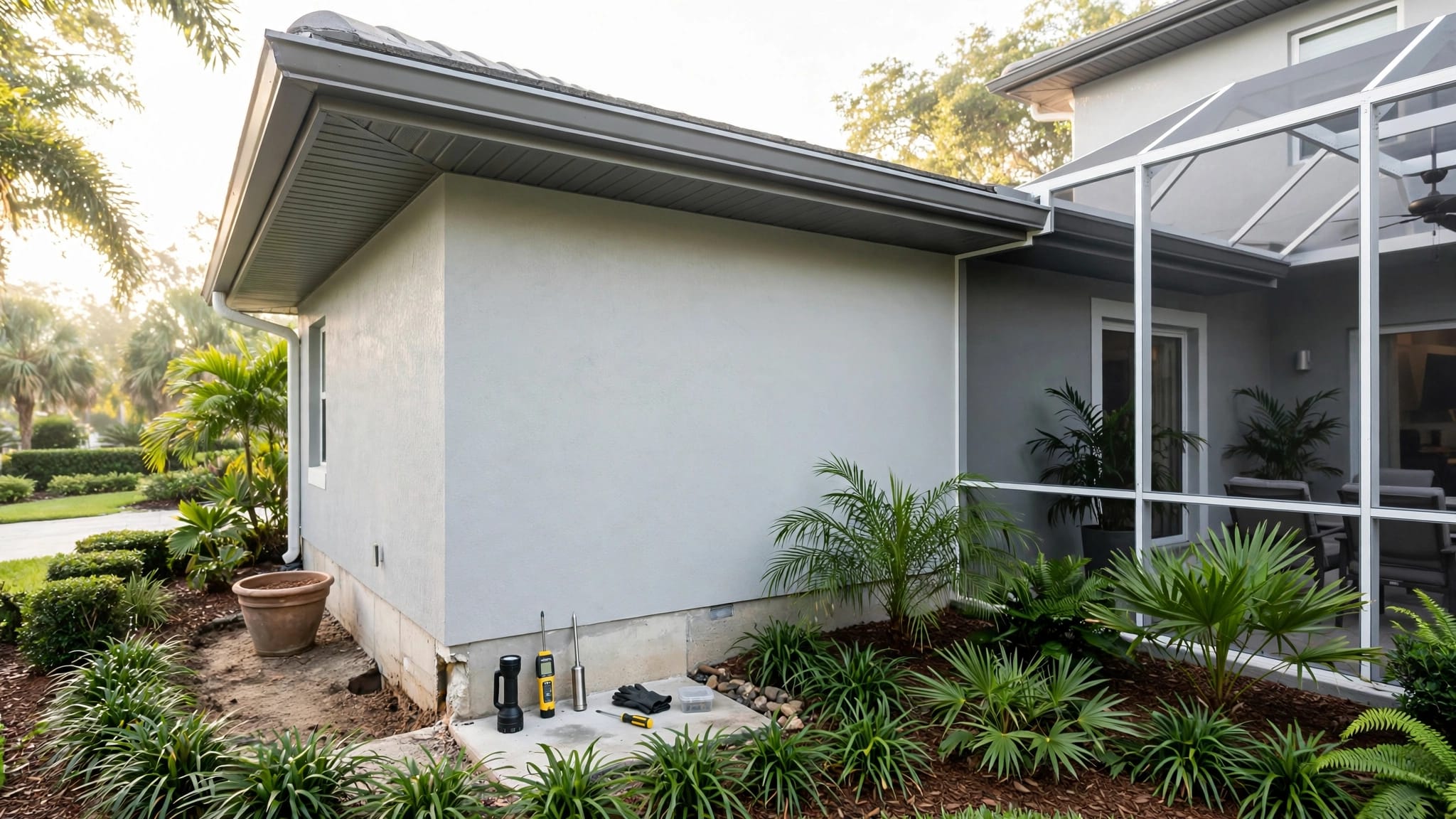
- Foundation walls, slab edges, porches, and patios
- Window frames, door frames, baseboards, and exposed trim
- Roof framing, floor framing, trusses, and visible sheathing
- Utility penetrations, plumbing areas, and moisture-damaged materials
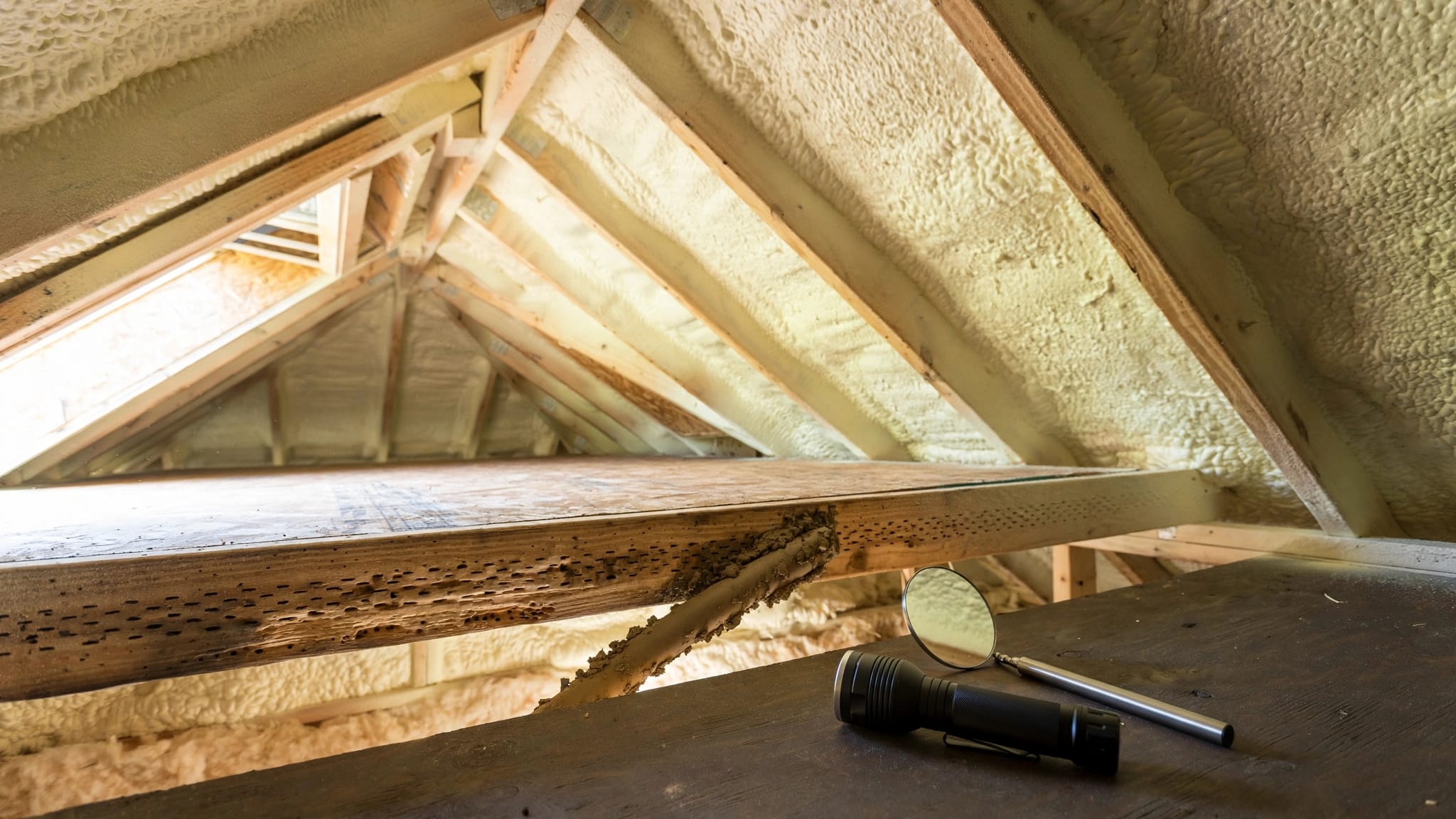
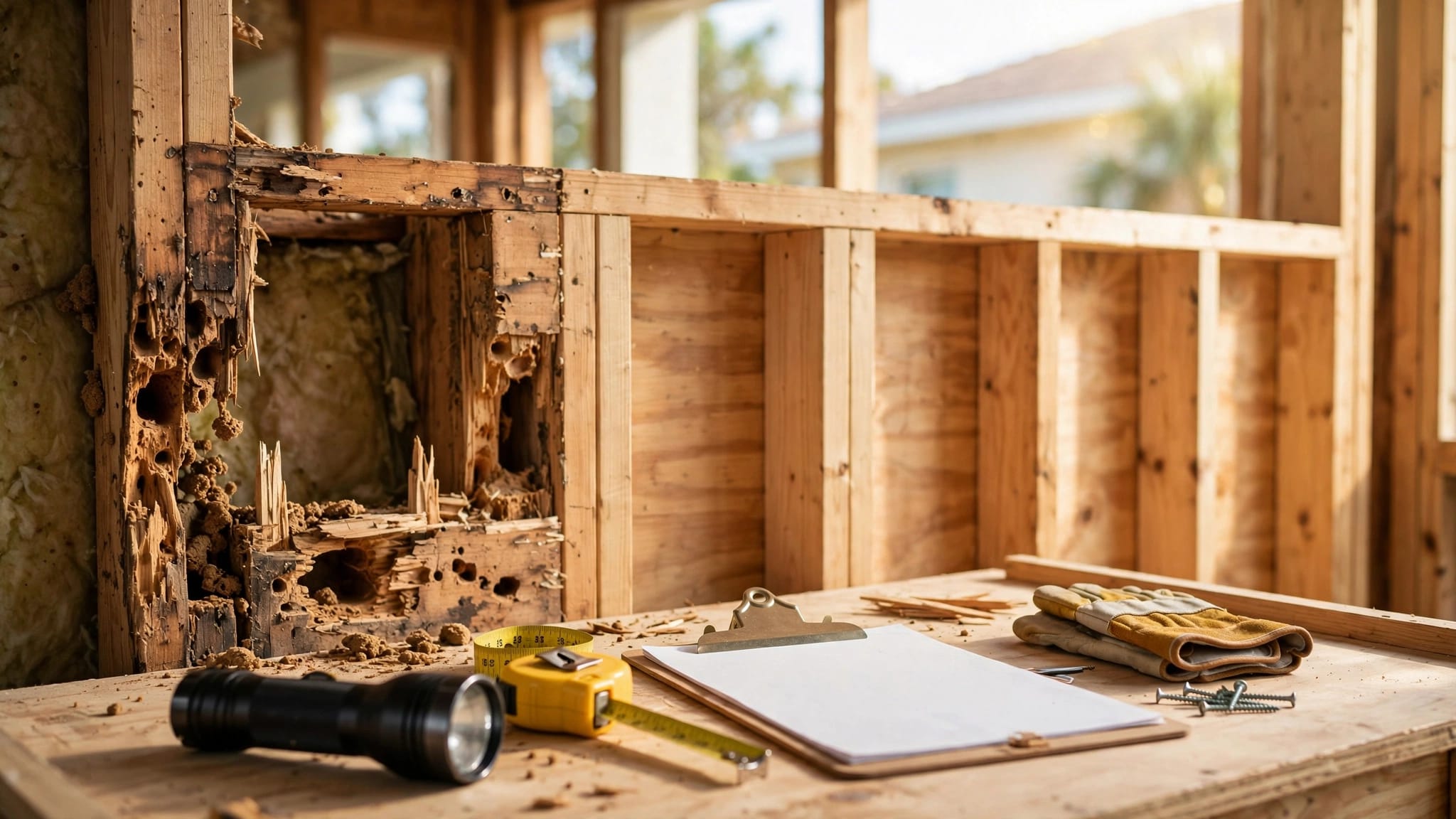
The inspection looks for live insects, wings, droppings, exit holes, mud tubes, galleries, weakened wood, fungal growth, and old treatment evidence. Termite swarmers or discarded wings near windows can indicate a reproductive flight. Mud tubes along a foundation can suggest subterranean termite activity.
Drywood termites deserve special attention in coastal areas. They can infest roof framing, attic members, furniture, door frames, and other dry wood without direct soil contact. Subterranean termites usually depend on moisture and soil access, so drainage problems, plumbing leaks, and damp foundation areas can increase risk.
Florida WDO inspections use the state's Wood-Destroying Organisms Inspection Report. A licensed pest control company documents visible evidence and conditions that could support an infestation. The report may identify active evidence, previous damage, previous treatment, or inaccessible areas.
A WDO inspection doesn't promise that the house contains no termites. Finished walls, concealed framing, stored belongings, and inaccessible crawl spaces can hide activity. The report describes what the inspector could observe during the appointment.
It also doesn't automatically include treatment. If the inspector finds evidence, you'll need a separate discussion about treatment options, repair needs, warranties, and follow-up inspections.
WDO Inspection vs. General Home Inspection
The clearest difference involves scope, licensing, and purpose . This side-by-side comparison shows how the services differ.
| Inspection type | Main focus | Typical professional | Common findings | What it doesn't provide |
|---|---|---|---|---|
| General home inspection | Overall condition of accessible systems and components | Licensed home inspector | Roof, plumbing, electrical, HVAC, structure, safety concerns | A formal termite or WDO determination |
| Florida WDO inspection | Wood-destroying organisms and related damage | Licensed pest control operator or company | Termites, wood-destroying insects, fungi, damage, treatment evidence | Full review of home systems or hidden construction defects |
| Rodent inspection or pest assessment | Rodents and other pest activity | Pest control professional | Droppings, entry points, nesting, gnaw marks, pest conditions | A complete home condition report |
Both inspections are visual and depend on access. A general inspection may flag moisture that could lead to wood decay. A WDO professional may report damaged framing but won't evaluate the entire electrical or HVAC system.
The reports also serve different purposes. A general inspection helps you understand repair priorities. A WDO report gives buyers, sellers, lenders, and real estate professionals a documented record of visible wood-destroying organism evidence.
A general home inspection can reveal conditions that attract termites, while a WDO inspection determines whether wood-destroying organisms have left evidence behind.
Why Florida Buyers Often Need Both
Florida's climate creates conditions that support termite activity in every season. Warm temperatures, humidity, irrigation, heavy rain, and moisture around slabs or foundations can all affect pest pressure. Homes in Cape Coral, Fort Myers, Punta Gorda, Bonita Springs, and Sanibel may also have building features that deserve careful review, including slab foundations, enclosed patios, lanais, attached garages, and attic trusses.
A buyer may skip a WDO inspection because the home looks well maintained. That approach can miss activity behind trim, near plumbing penetrations, or in roof framing. Fresh paint can also hide old repairs without explaining why the repairs were needed.
The reverse problem occurs when a buyer orders only a WDO inspection. Termites may be absent, yet the home could still have a failing air conditioner, unsafe electrical work, roof damage, or drainage problems. A pest report cannot replace a general evaluation of the property.
You should schedule both inspections early enough to meet the purchase contract's inspection period. Ask your real estate agent whether the lender, insurer, or contract requires a WDO report. Requirements vary by transaction, lender, property type, and loan program, so buyers should confirm them before the deadline.
A previous termite treatment also deserves careful review. Ask for:
- The date and scope of the treatment
- The pest company that performed the work
- The treatment method and areas covered
- Any warranty or renewal terms
- Repair invoices for damaged wood
- Follow-up inspection records
A treatment history doesn't prove that a new infestation is present, but it gives you useful context. It also helps the inspector compare current evidence with older repairs.
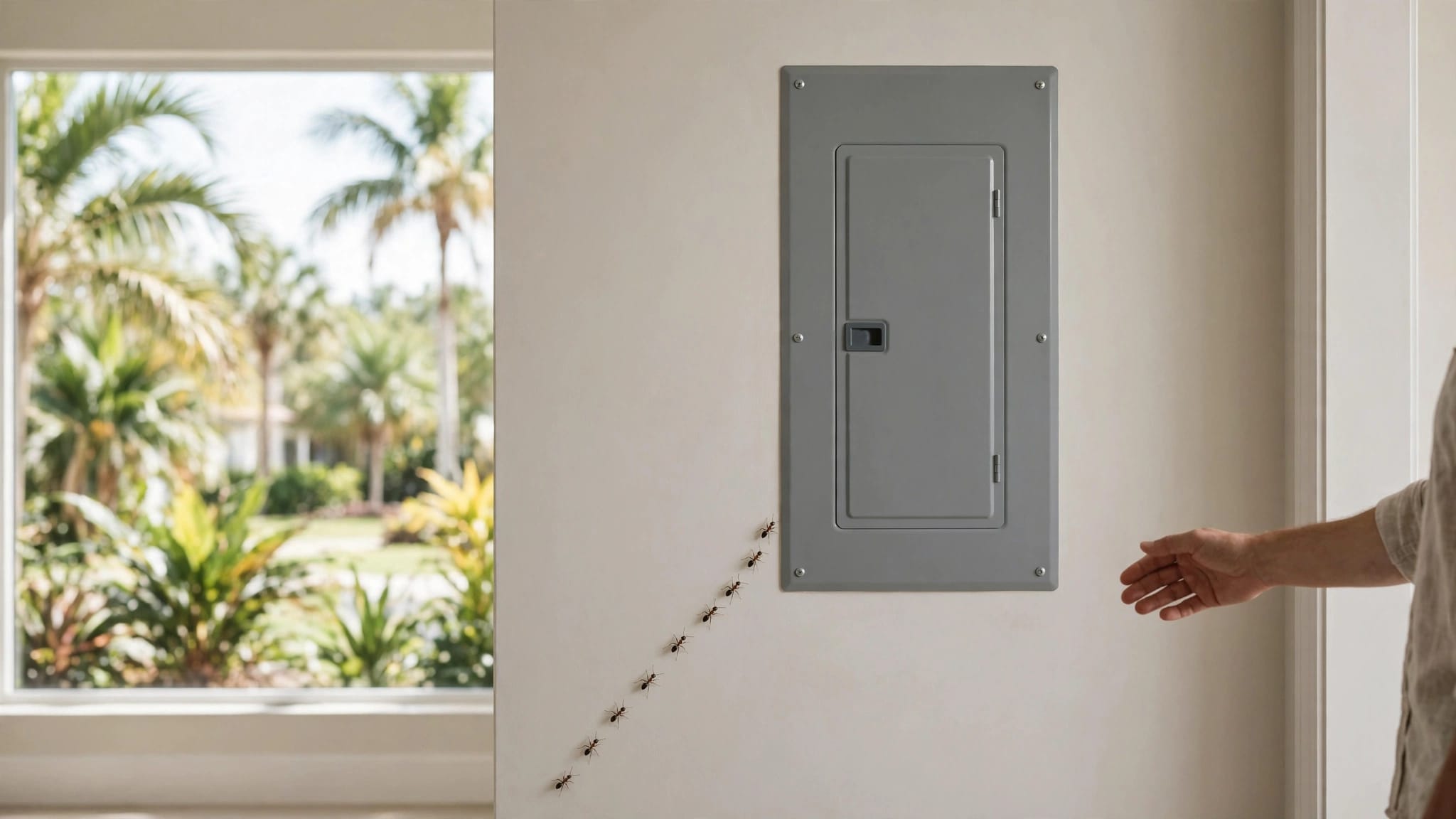
Rodent concerns require a separate conversation. Droppings in an attic, gnaw marks near wiring, nesting material, or gaps around utility lines may call for a rodent inspection and exclusion plan. A WDO report is not designed to confirm or rule out rats, mice, raccoons, or other wildlife.
How to Read Both Reports Before Closing
Start with the report's scope and limitations. Look for areas the inspector couldn't access, such as a blocked attic, finished wall, stored garage, low crawl space, or enclosed porch. An inaccessible area isn't proof of damage, but it leaves an important question unanswered.
Next, separate active evidence from old damage. A report may describe prior treatment, old holes, repaired framing, or conditions that support future activity. Ask the pest professional to explain which findings suggest current activity and which appear inactive.
Pay close attention to moisture-related observations. Leaking plumbing, poor grading, clogged gutters, damaged screens, and standing water can increase pest risk. Correcting those conditions often forms part of a lasting pest management plan.
If the WDO report identifies damaged structural wood, obtain a qualified contractor's evaluation. Pest professionals can document insect evidence and recommend treatment, but a licensed contractor or structural engineer may need to determine whether framing can support the building.
Don't rely on a verbal summary when the report contains a serious finding. Request written treatment recommendations, repair estimates, warranty terms, and follow-up requirements. Compare the documents with seller disclosures and records from previous owners.
When choosing a provider, confirm that the company is licensed to perform WDO inspections in Florida. Ask whether the inspection includes the entire property, what areas require access, and whether the company will explain the report after delivery. A clear answer about limitations is a good sign.
Which Inspection Should You Schedule First?
In most purchase transactions, schedule the general home inspection and WDO inspection close together. The home inspector may identify moisture, damaged wood, or construction conditions that the pest professional should examine. The WDO inspector may find evidence that calls for a closer structural review.
Some buyers schedule the general inspection first because it covers more systems. Others book both on the same day to reduce scheduling delays. The best choice depends on your contract deadline and the availability of qualified inspectors.
Sellers can benefit from an inspection before listing as well. Early findings give you time to repair a leak, correct drainage, remove stored items from an attic, or obtain treatment records. Buyers then receive clearer information during negotiations.
For homeowners outside a sale, a WDO inspection makes sense when you notice swarmers, wings, mud tubes, hollow-sounding wood, blistered flooring, or unexplained damage. Schedule a pest assessment after repeated rodent evidence, too. Quick identification can limit repairs, but treatment should follow a professional evaluation rather than a guess based on one insect.
Conclusion
A general home inspection reviews the property's condition, while a Florida WDO inspection searches for evidence of organisms that damage wood. Each report answers a different question, and neither one can substitute for the other.
For a Florida purchase, reviewing both reports gives you a clearer view of repair needs, pest risks, treatment history, and inaccessible areas. The strongest protection comes from understanding the limits of each inspection and following up on every finding before closing.
Schedule a Free Inspection: