Dry Season Pest Checklist for Southwest Florida Homes
Dry season in Southwest Florida feels like a break from the rain, but pests often see it as an invitation. When outdoor water dries up, ants, roaches, rodents, and mosquitoes head toward homes for shade, moisture, and easy food.
If you have a lanai, pool cage, stucco exterior, sliding doors, or a garage that gets daily use, your home already has the features pests look for. A Southwest Florida pest checklist helps you catch trouble before a few scouts turn into a bigger infestation. The goal is simple, find the weak spots while the weather is dry and the activity is easier to spot.
Key Takeaways
- Dry weather pushes pests toward water, food, and shelter inside and around your home.
- Lanais, pool cages, sliding doors, garages, and stucco seams are common entry points.
- Small leaks, standing water, and clutter give pests the conditions they need to stay.
- Droppings, gnaw marks, trails, egg cases, and scratching noises are warning signs.
- A professional inspection makes sense when pests keep returning after cleanup and sealing.
Why dry season pushes pests indoors
Florida pests do not disappear when the rain slows down. They change their habits. Ants follow moisture, roaches hide where it stays cool and damp, and rodents move closer to kitchens, garages, and attic spaces where they can stay hidden.
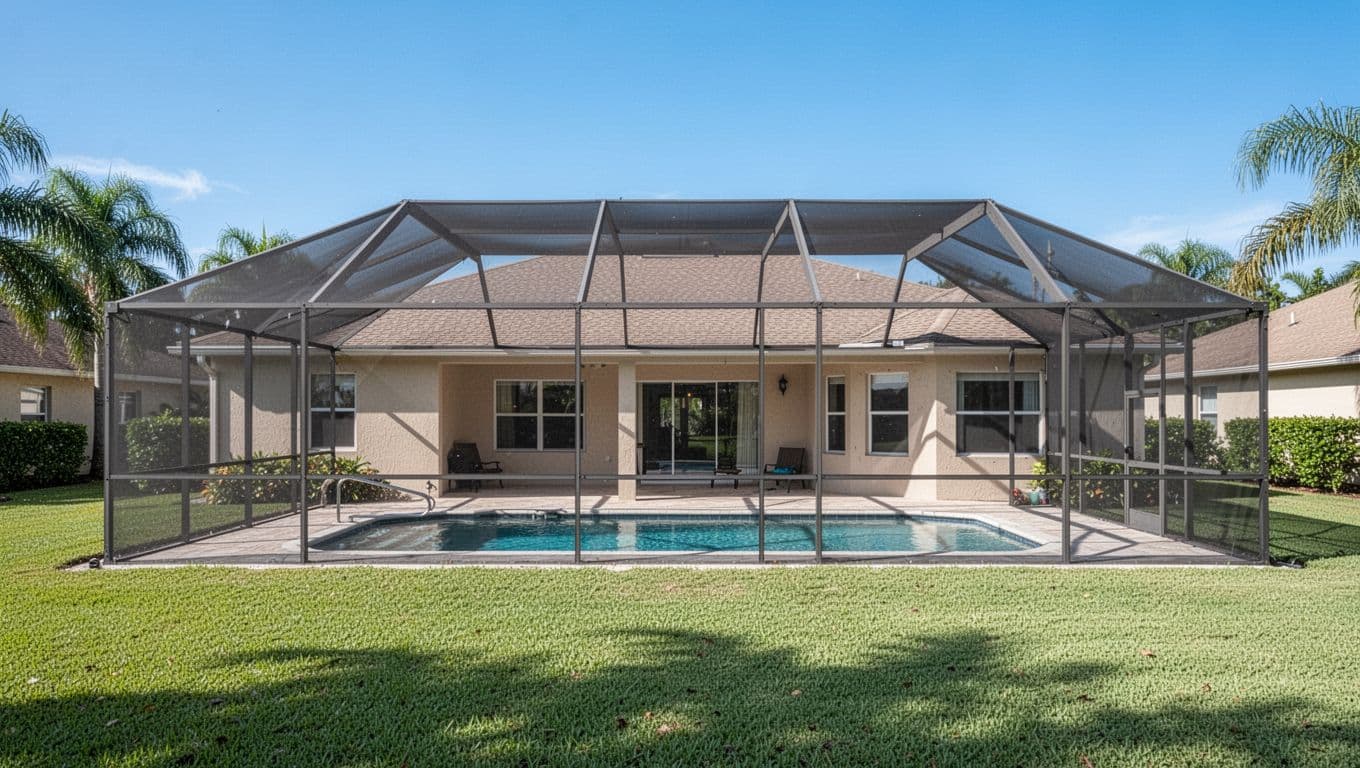
A home does not have to be messy to attract pests. A leaking valve, a pet bowl left outside, a damp garage corner, or a screen tear near the lanai can be enough. Once pests find a reliable source of water, they usually keep returning.
When water gets scarce outside, the smallest drip inside can bring pests back again and again.
Dry season also makes some hiding places more attractive. Pool cages, shaded patios, and storage areas stay cooler than open yards. Meanwhile, irrigation systems can create wet pockets in one part of the property while the rest of the yard looks dry. That contrast pulls pests toward the house line.
Common pests to watch during the dry months
Certain pests show up more often when the ground dries out and homes offer better conditions. The table below gives a quick way to spot the usual troublemakers.
| Pest | Where it often appears | Warning signs | What to check |
|---|---|---|---|
| Ants | Kitchen counters, window tracks, stucco seams, bathrooms | Trails, tiny piles of debris, repeat visits near sinks | Crumbs, leaks, cracked caulk, and entry gaps |
| Roaches | Under sinks, behind appliances, garages, lanai storage | Droppings, egg cases, musty odor | Cardboard, clutter, drains, and dark corners |
| Rodents | Attics, garages, around garage doors, wall voids | Scratching, droppings, gnaw marks | Door seals, roof gaps, stored items, and food access |
| Mosquitoes | Lanais, pool cages, shaded plants, drains | Bites at dusk, insects resting on screens, larvae in water | Standing water, clogged gutters, and overwatered spots |
If you see the same pest more than once, treat that as a pattern, not a one-time event. Repeated sightings usually mean the source is still there.
A dry season pest checklist for Southwest Florida homes
A good dry season checklist works best when you focus on the spots pests use every day. Start at the edge of the home, then move inside. The weak points are often small, but pests do not need much space.
Seal the gaps pests use first
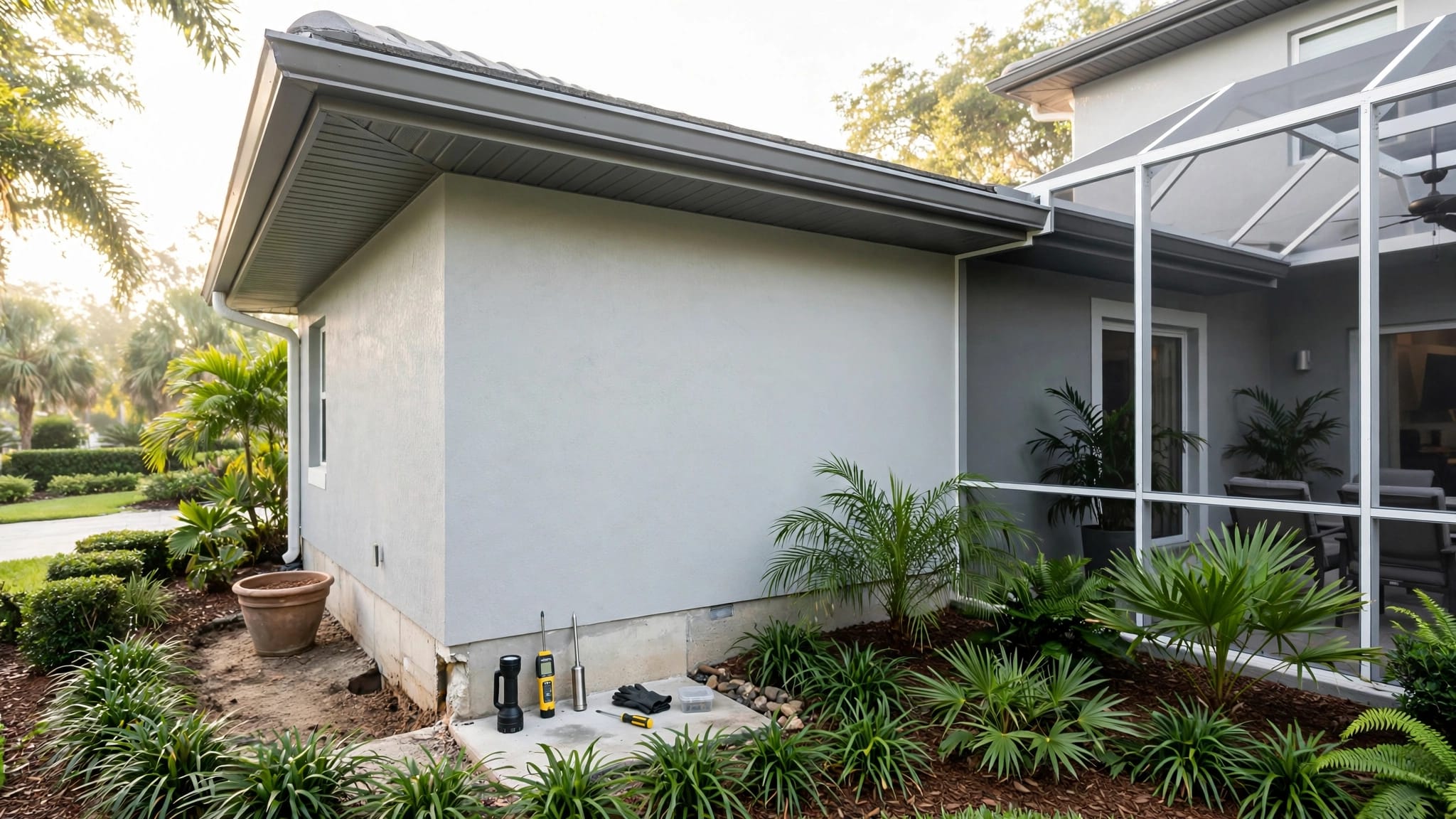
Walk the outside of the house and look closely at sliding doors, garage doors, pipe openings, and the edges where stucco meets trim. Weather stripping wears down, door sweeps flatten out, and screen frames loosen over time. Even a narrow gap can let in ants, roaches, or mice.
Pay extra attention to utility lines, AC penetrations, and areas where the stucco has hairline cracks. Those tiny openings may look harmless, but they give pests a direct path into wall voids. If you hear scratching at night or notice droppings near a door, check those entry points first.
Cut off water sources indoors and out
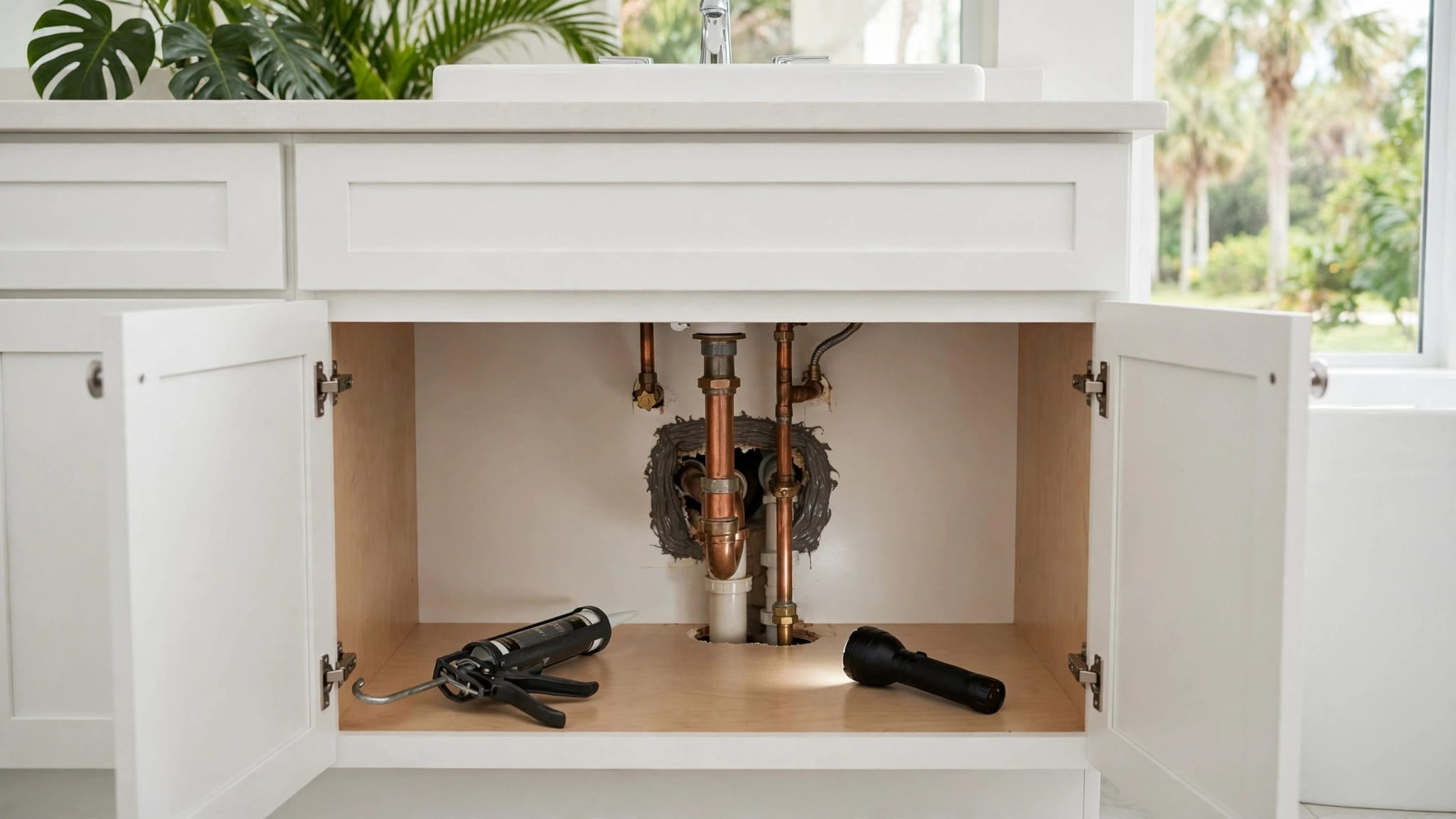
Dry season pests look for moisture before almost anything else. Check under sinks, around toilets, behind the fridge, and near the washing machine. A slow drip or a damp cabinet floor can keep ants and roaches active even when the rest of the house feels dry.
Outside, look at irrigation heads, plant saucers, lanai drains, and areas where runoff collects near the slab. Pool cages and screened patios can also hide wet corners after watering or cleaning. If pests keep appearing near the same wet spot, fix the water source before you chase the insects. For repeated activity, professional pest control services can help pinpoint where the moisture problem is drawing them in.
Keep food, trash, and pet items tight
Pests do not need a full pantry to settle in. A few crumbs under the toaster, an open pet food bag in the garage, or a trash bin that does not seal well can be enough. Roaches love grease and leftovers. Rodents go after dry goods, bird seed, and pet food.
Store food in sealed containers, wipe counters nightly, and rinse recycling before it sits indoors. If you feed pets on a lanai or back patio, bring bowls in after meals. A few small habits make the home far less inviting.
Watch for droppings near cabinets, chewed packaging, or a sour smell around trash storage. Those signs often show up before you see the pest itself.
Check lanais, pool cages, and garages
Southwest Florida homes give pests several semi-outdoor spaces to hide in. Lanais, pool cages, and garages stay quiet for long stretches, which makes them ideal hiding spots. That is why these areas deserve a weekly look during dry season.
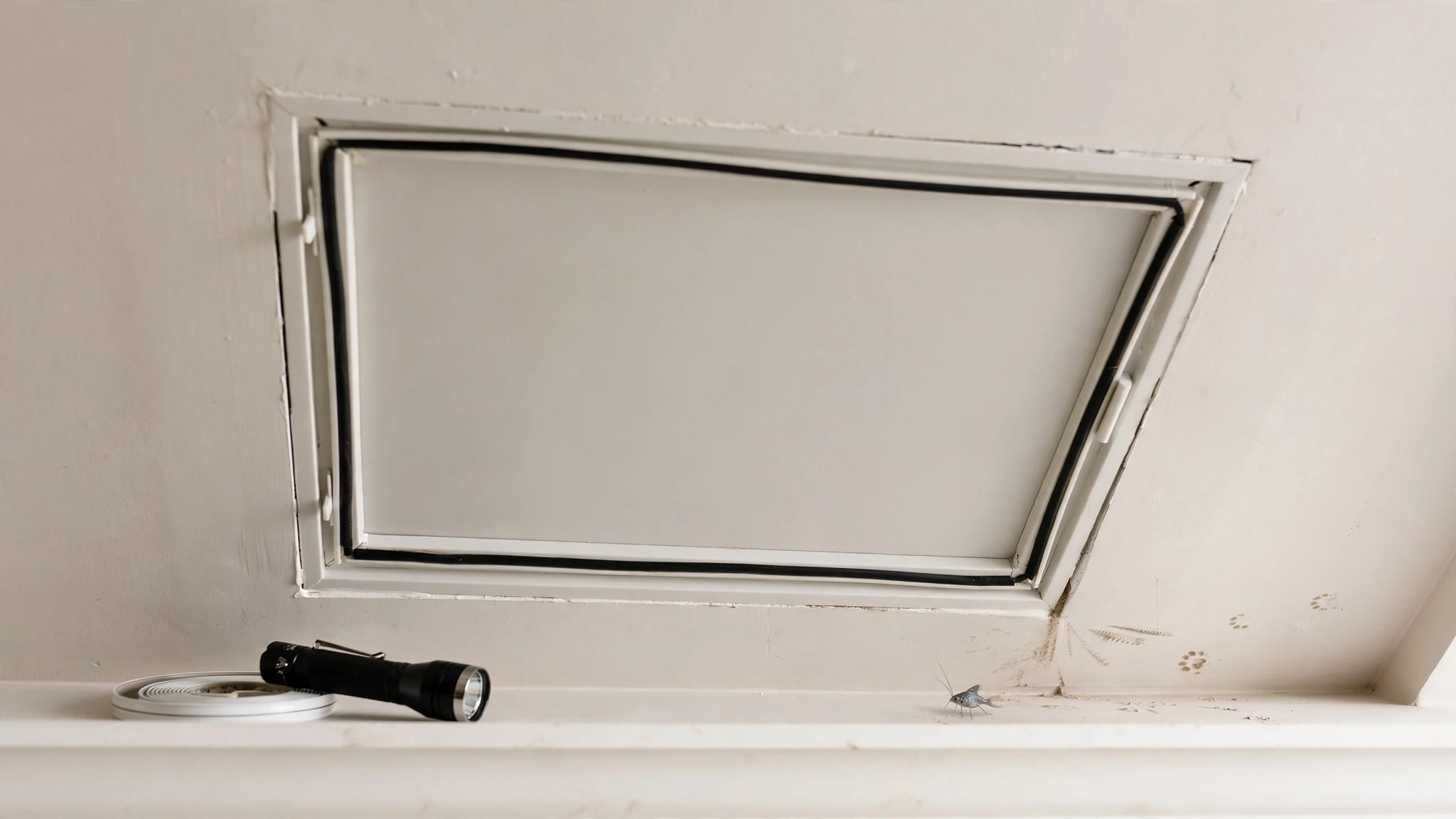
Inspect screen tears, door bottoms, stored furniture, and shelves that sit against the wall. Cardboard boxes, beach gear, and holiday bins can hide insects and nesting material. In garages, check around water heaters, washer hookups, and the top corners near the door tracks.
If you notice spider webs coming back fast, dead roaches near the baseboard, or small piles of debris in corners, pests are using those areas as shelter. The faster you clear clutter, the easier it is to spot new activity.
Watch the yard, irrigation, and exterior lighting
The yard can feed an indoor problem without ever looking messy. Overwatered spots, thick mulch against stucco, stacked firewood, and shrubs touching the house all give pests a place to hide before they move inside. In dry weather, irrigation schedules matter even more because a few wet zones can attract insects across the whole property.
Trim back plants that brush the walls, and keep mulch a little away from the foundation. Clean up palm fronds, fallen fruit, and damp landscape debris. Also check outside lights near entry doors, because bright fixtures can draw insects toward sliding doors and lanai openings.
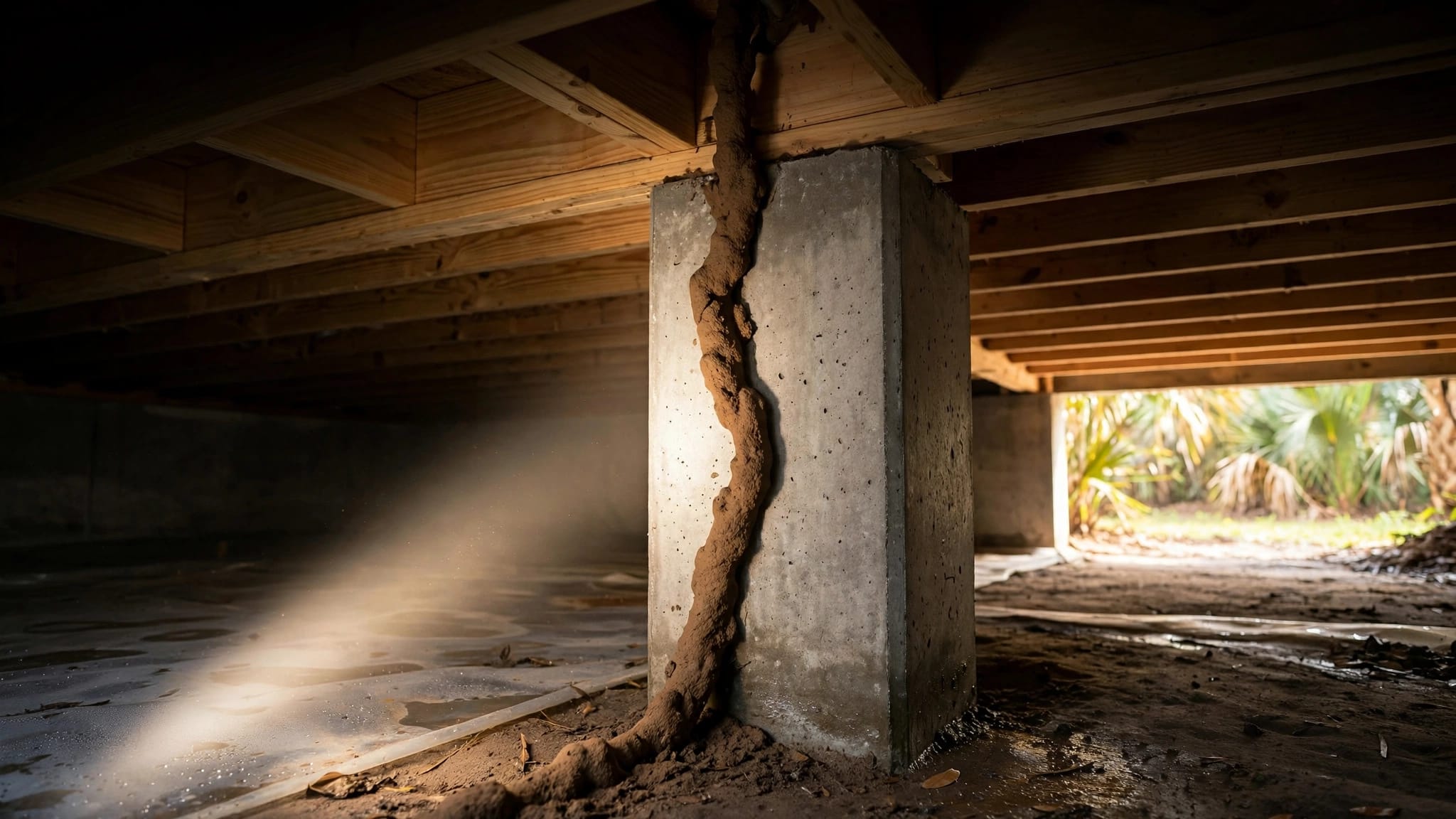
Look for ant mounds, mosquito activity near dusk, and rodent paths along fence lines or storage areas. If you see mud tubes on stucco or around garage edges, that needs attention fast.
When to schedule a professional pest inspection
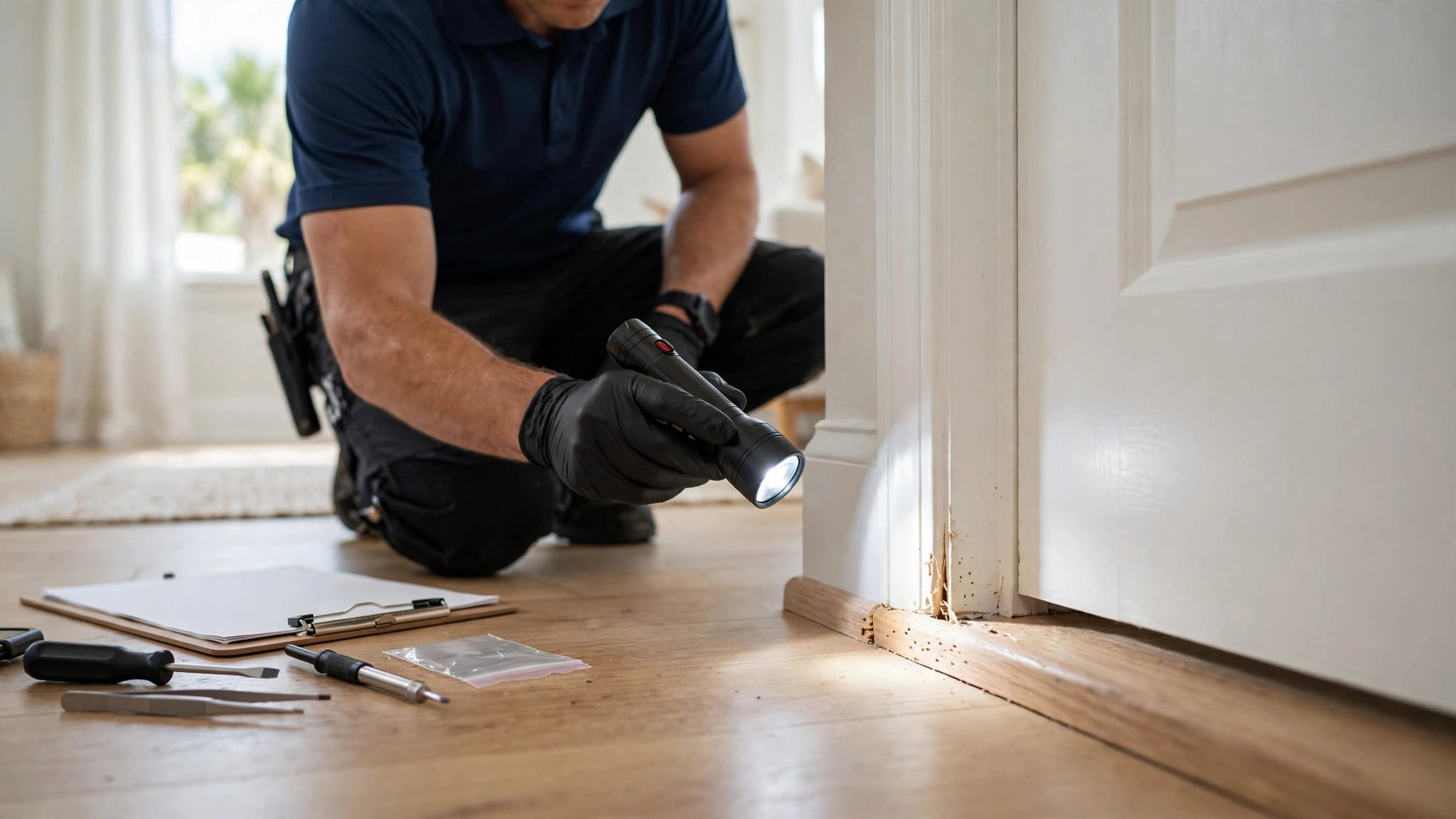
Some pest problems settle down after a homeowner seals gaps and removes food and water. Others keep coming back because the nest, entry point, or hidden moisture source is still active. That is the point where an inspection saves time.
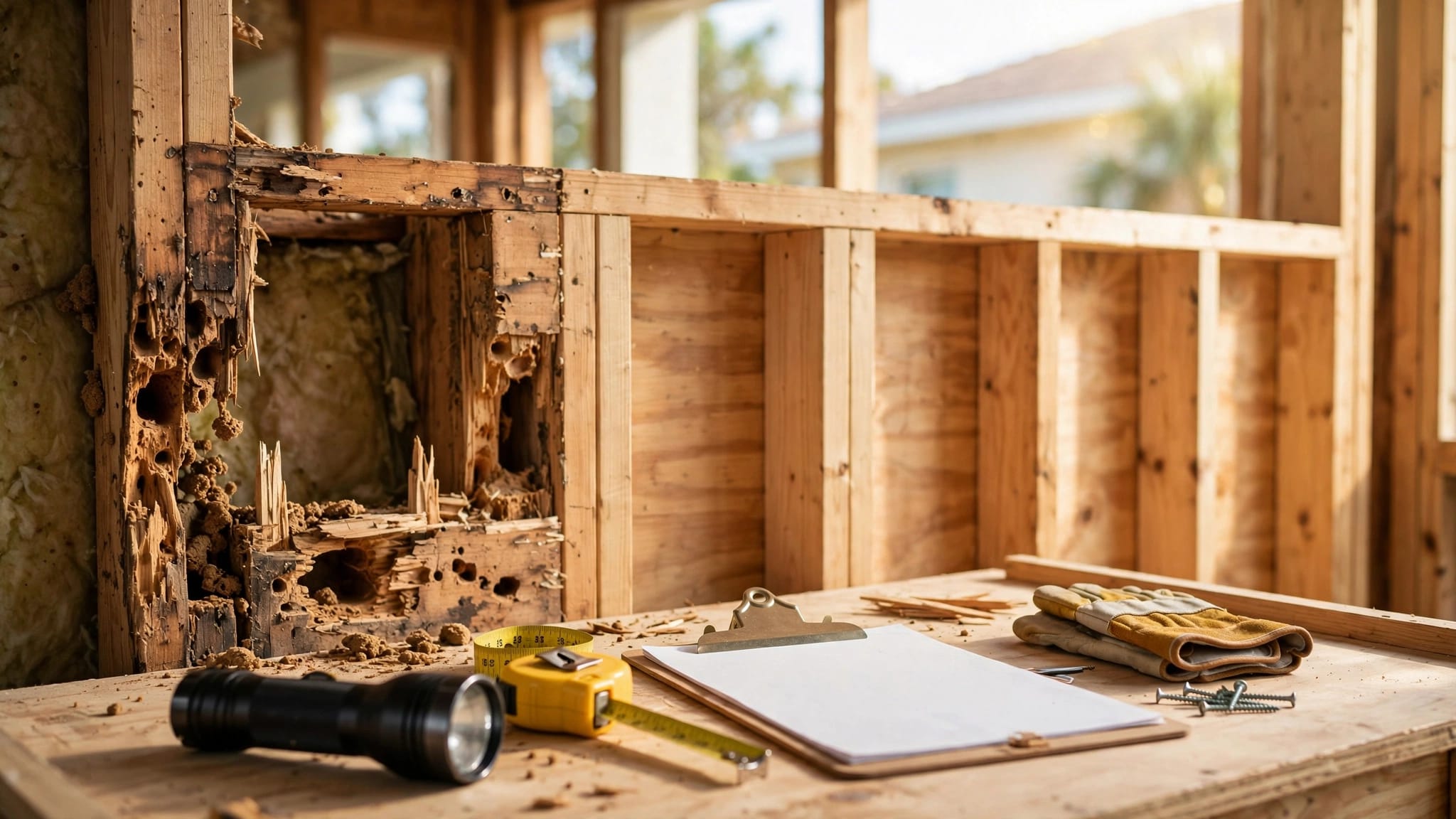
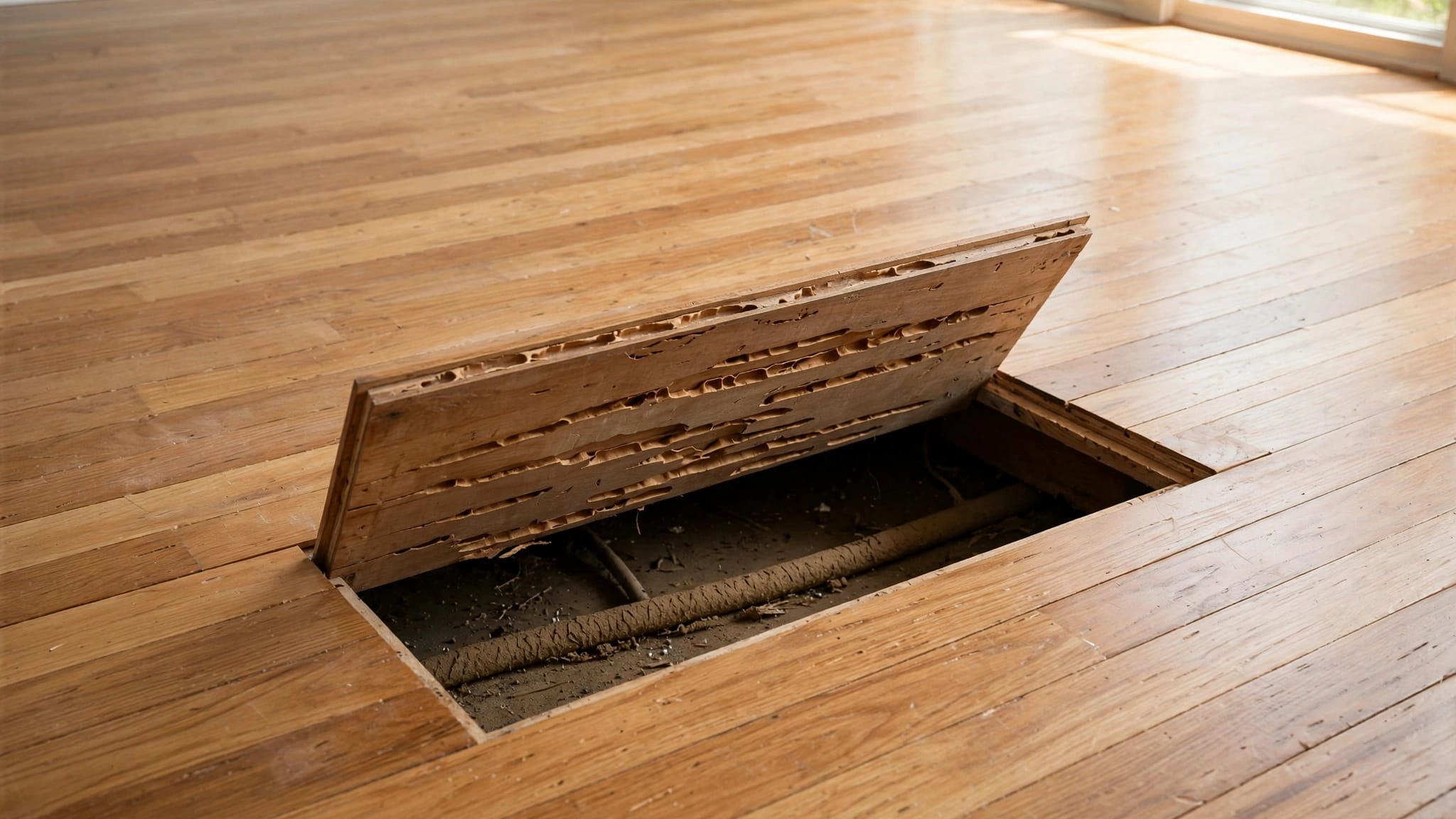
Schedule one when you see repeat ant trails, rodent scratching in the attic or garage, roaches after dark, or any sign of termites on stucco, baseboards, or garage framing. It also makes sense before seasonal guests arrive, after vacation rental turnover, or when you want a fresh check of sliding doors, pool cages, and irrigation trouble spots.
For homeowners in Cape Coral and nearby communities, a local inspection can narrow the problem fast and point to the right fix. If the pests keep returning, residential pest control in Cape Coral can give you a clearer look at what is happening and what needs to happen next.
Schedule a Free Inspection: