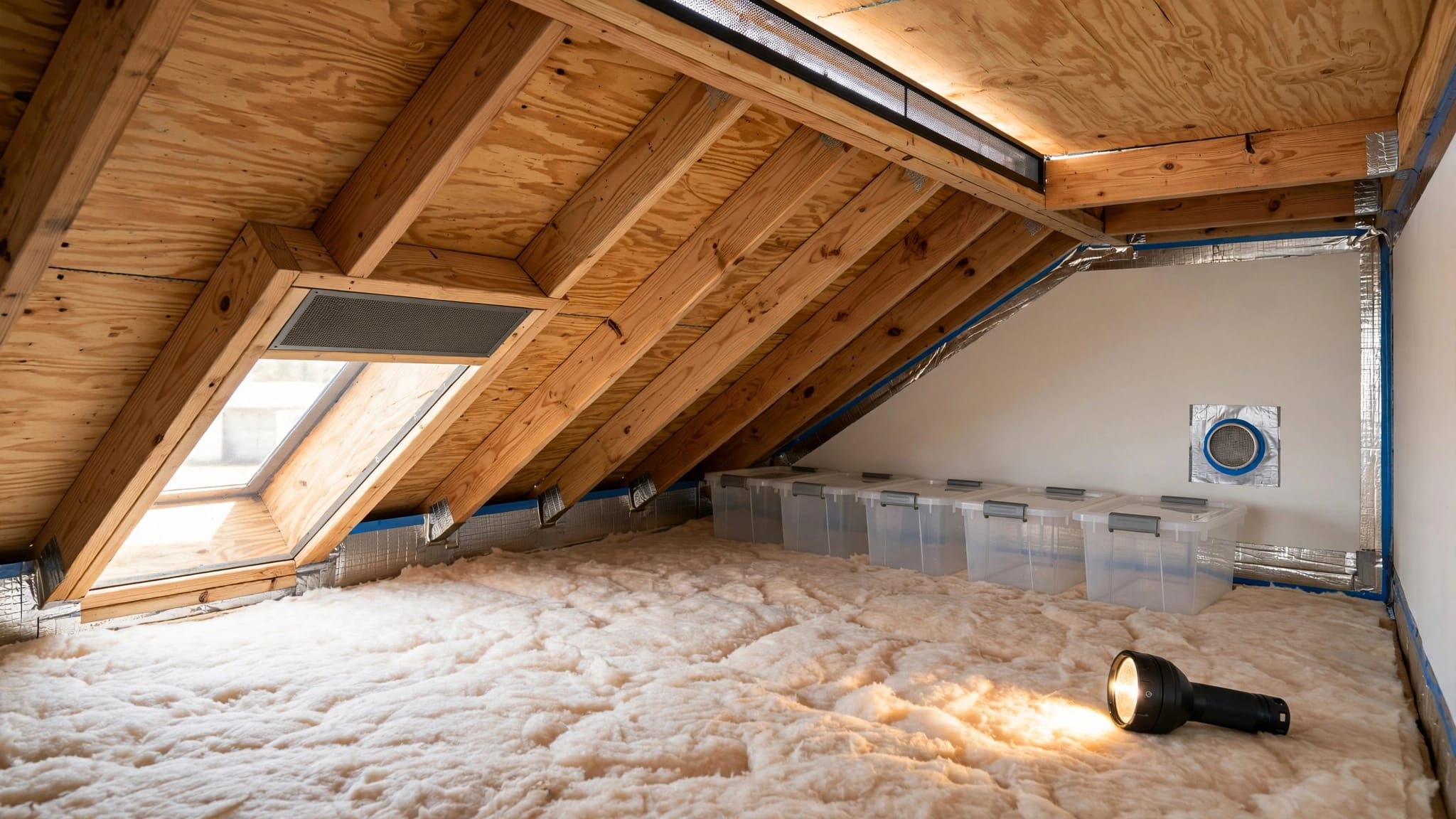
Do Mosquito Misting Systems Work in Southwest Florida?
One rainy week can turn a comfortable Southwest Florida yard into a mosquito hotspot. Mosquito misting systems can reduce adult mosquito activity around a property, but they don't remove breeding sites or guarantee disease prevention.
The honest answer is that these systems work best as one part of a larger mosquito control plan. Results depend on nozzle placement, weather, maintenance, and the amount of standing water nearby. Before you invest, it helps to understand what the equipment can do and where it falls short.
The short answer: useful, but not complete control
Mosquito misting systems release small amounts of insecticide through nozzles placed around a home's yard, patio, pool area, or property perimeter. The treatment can kill exposed adult mosquitoes and reduce activity near the treated areas.
Florida-specific research cited in pest-control industry materials reported mosquito reductions of 71% to 98% in treated yards compared with untreated yards. Those numbers show that a properly installed system can make outdoor spaces more comfortable.
However, the U.S. Environmental Protection Agency takes a more cautious position. The EPA says outdoor residential misting systems haven't been studied enough to document their effectiveness fully. The agency also says these systems haven't been scientifically proven to control mosquitoes or prevent West Nile virus transmission.
That distinction matters. A misting system may reduce bites around your lanai, pool, or backyard. It doesn't provide a medical guarantee, and it won't stop every mosquito from entering the property.
A misting system can suppress mosquitoes in a defined area, but it can't replace standing-water control, personal protection, or professional inspections.
The equipment also targets adult mosquitoes. Larvae living in buckets, clogged gutters, plant saucers, and other water sources remain in place unless someone treats or removes those breeding areas.
How mosquito misting systems work in Southwest Florida
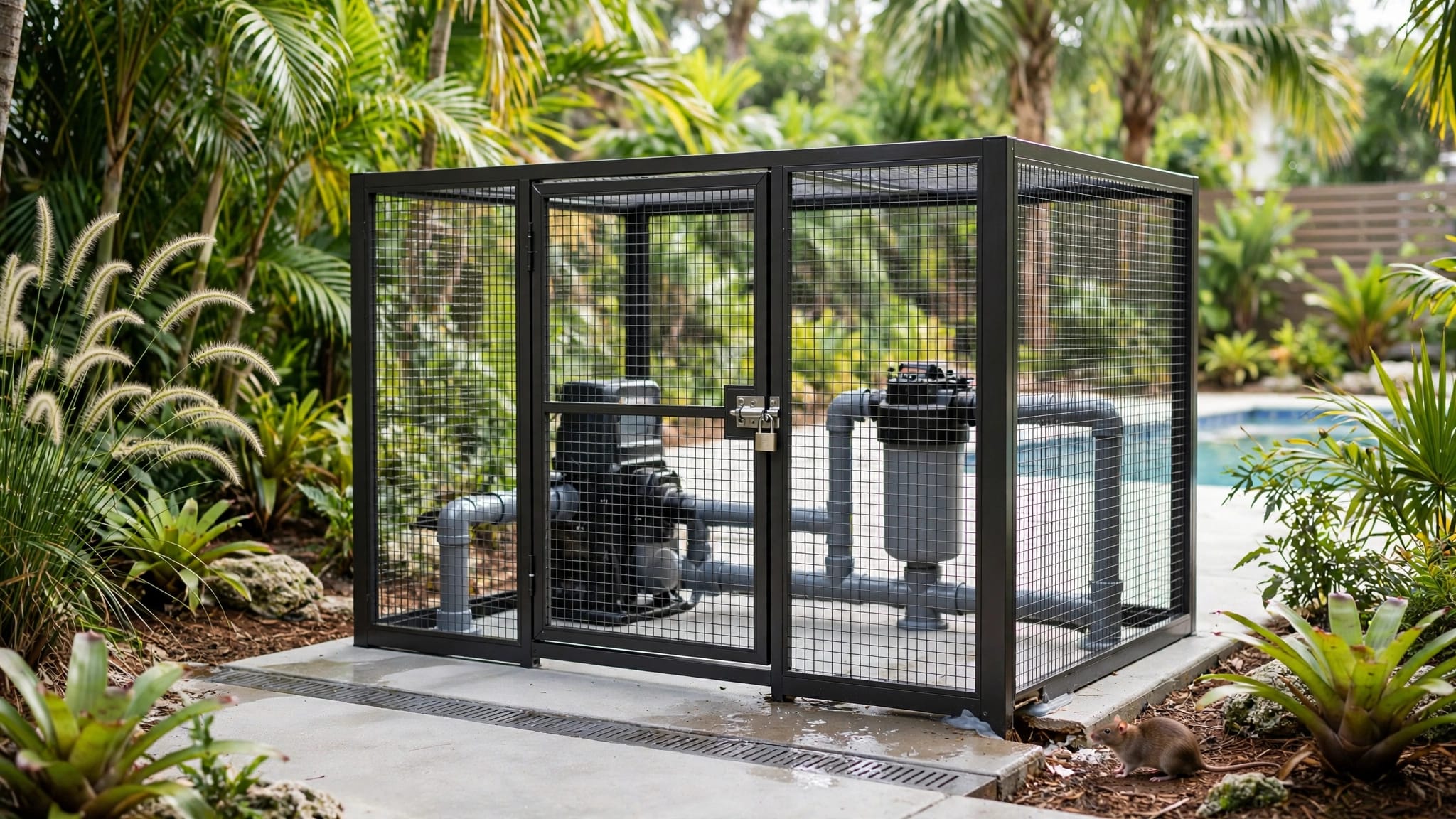
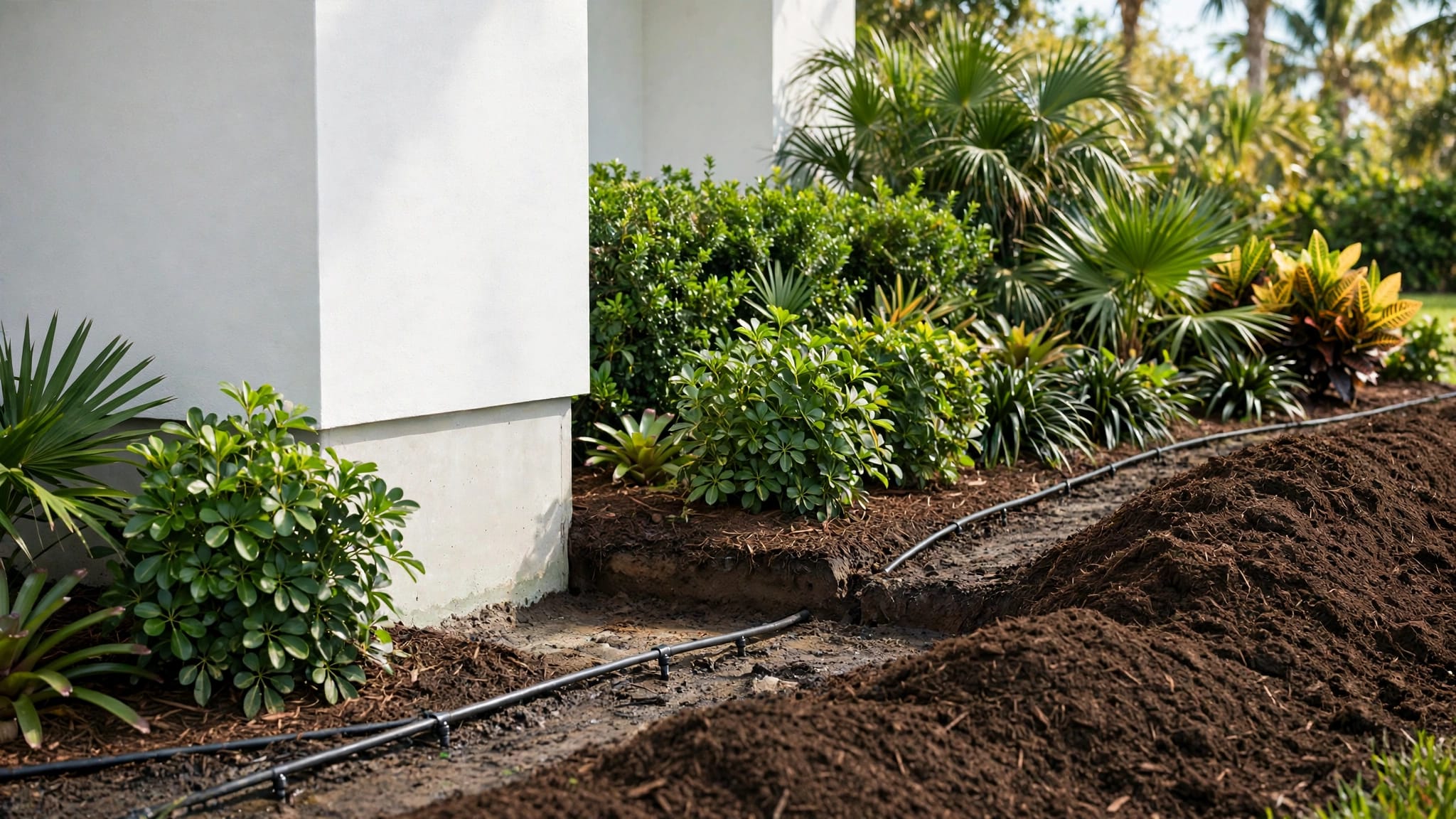
Most systems include a chemical reservoir, pump, timer, tubing, and a series of small spray nozzles. A technician installs the nozzles along fence lines, landscaping, pool enclosures, patios, and other areas where mosquitoes rest or travel.
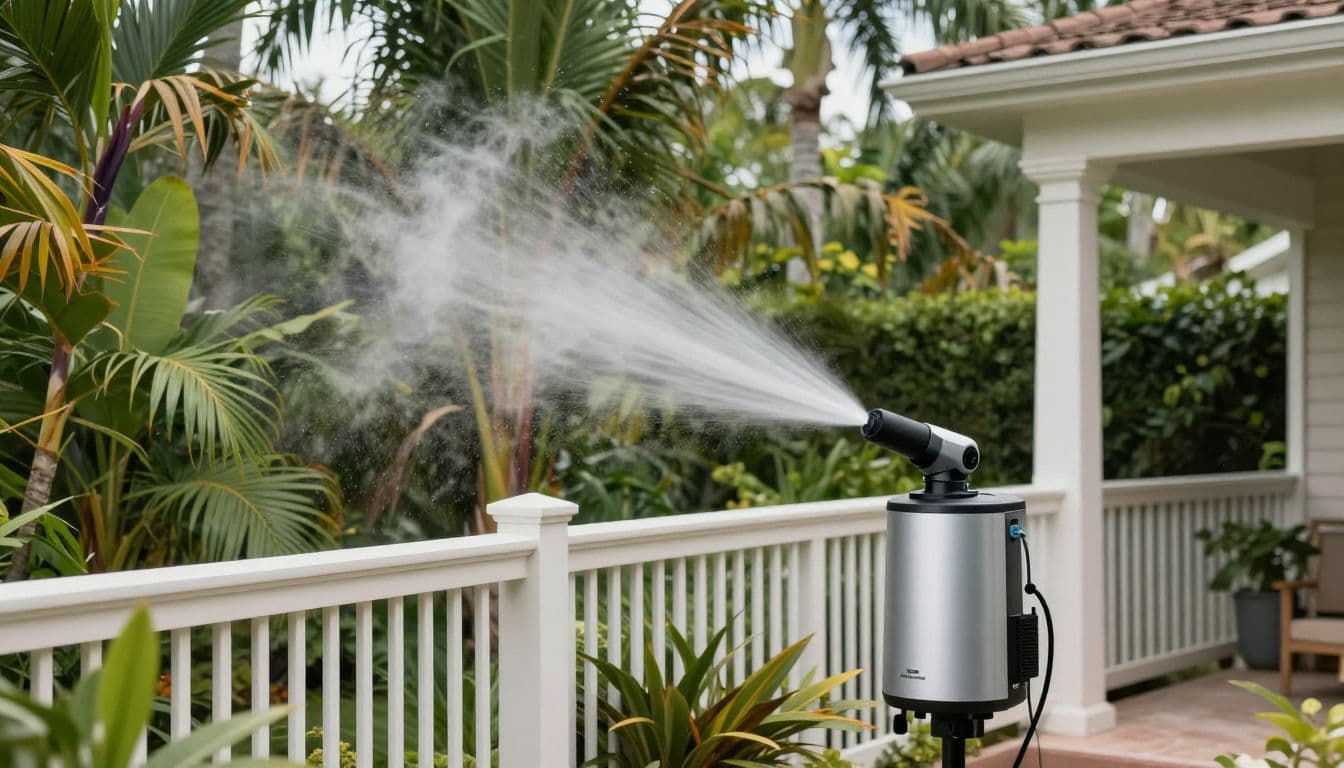
The timer activates the pump at programmed intervals. The system then sends insecticide through the tubing and releases a fine mist around the selected areas. Depending on the product, the insecticide may kill mosquitoes on contact or leave a residue on nearby foliage and surfaces.
Mosquitoes often rest in shaded vegetation during the day. That makes nozzle placement important. A system with poor coverage may mist an open stretch of lawn while missing dense shrubs, fence corners, or damp areas where mosquitoes gather.
Installation quality also affects results. The technician needs to account for:
- The size and shape of the property
- Dense landscaping and shaded areas
- Pool screens and lanais
- Fences, walls, and outdoor structures
- Wind exposure
- Access to electrical power
- The number and spacing of nozzles
A large lot may need 15 to 30 nozzles, while a smaller property may need fewer. Tubing must reach each nozzle without leaks or sharp bends that reduce pressure.
The system doesn't create an invisible barrier across the entire neighborhood. Mosquitoes can still enter from canals, drainage areas, vacant lots, wetlands, or a nearby property. Therefore, the goal is local suppression around the areas where people spend time.
Why Southwest Florida weather changes the results
Southwest Florida gives mosquitoes nearly everything they need. Warm temperatures support activity throughout much of the year. Heavy rain creates new breeding water, while humidity helps mosquitoes remain active after treatment.
Rain is one of the biggest challenges for an automated misting setup. Frequent rainfall can wash insecticide residue from leaves and outdoor surfaces. A storm can also fill containers and low spots with fresh water, creating new breeding sites shortly after the system runs.
Wind creates another problem. Fine droplets may drift away from the intended treatment area before they settle. Strong wind can also make coverage uneven along open fences, docks, and waterfront properties.
The system may still reduce activity after a rainy period, but its effect can fade faster. Some South Florida pest-control guidance warns that mosquitoes may return within hours after a mist cycle when rain or humidity weakens the treatment.
That doesn't mean the system has failed. It means the equipment needs a realistic service plan. A technician may need to inspect nozzles, adjust coverage, change the timing, or schedule additional treatments after severe weather.
Homeowners should also avoid judging performance by one afternoon. Look at mosquito activity over several weeks, including periods with heavy rain. If bites continue in one part of the yard, the issue may involve a missed breeding site or a coverage problem rather than a defective pump.
For Cape Coral homeowners, identifying mosquito breeding sites is especially important because canals, drainage features, irrigation, and stormwater can create many nearby water sources.
What mosquito misting systems cost in Southwest Florida
Permanent systems usually require a mid-thousands investment. MistAway lists a representative installation for a quarter-acre property at about $2,800 to $4,000 , depending on the equipment and installation details.
A South Florida Mosquito Shield provider lists typical installation costs of roughly $3,000 to $5,000 or more for a single-family property measuring about one-quarter to one-half acre. That provider also lists recurring service at approximately $125 to $175 per month .
A Homestead pest-control company gives another local example, with installation prices starting around $2,000 and reaching about $4,000 for larger or more complex systems.
These figures are examples, not guaranteed quotes. Your price may change based on the following factors:
- Property size and lot shape
- Number of nozzles required
- Trenching beneath walkways or landscaping
- Pool cages, fences, and outdoor kitchens
- Reservoir size and placement
- Existing electrical access
- Repair and monitoring needs
Recurring costs cover pesticide refills, inspections, repairs, and system adjustments. One South Florida estimate places yearly operating costs around $600 to $1,400 , although larger properties and frequent rainfall can push costs higher.
Ask for the full 12-month cost before signing an agreement. The initial installation price tells only part of the story. Find out how often the tank needs refilling, whether service visits are included, what happens after a storm, and who repairs clogged nozzles or leaking tubing.
A system may make financial sense for a large yard, vacation rental, outdoor event property, or home where people spend many evenings outside. Smaller properties may receive better value from targeted barrier treatments and regular source reduction.
Better results require more than the equipment
The strongest mosquito programs combine adult control with breeding-site management. Removing water reduces the number of mosquitoes that can develop near your home, while targeted treatments address adults that are already active.
Start with a walk around the property after rain. Empty plant saucers, children's toys, buckets, wheelbarrows, and outdoor containers. Clean clogged gutters and check pool covers for puddles. Also inspect irrigation low spots, discarded tires, drains, and areas beneath outdoor furniture.
Cape Coral residents can review these Cape Coral mosquito control strategies when planning routine yard inspections. Even a small amount of stagnant water can support mosquito larvae.
Pair misting with targeted treatments
Misting equipment may work well alongside other services, especially when a property has heavy vegetation or repeated mosquito activity. A professional may recommend barrier applications to shaded resting areas, larvicide treatment for water that cannot be drained, or seasonal adjustments to the treatment schedule.
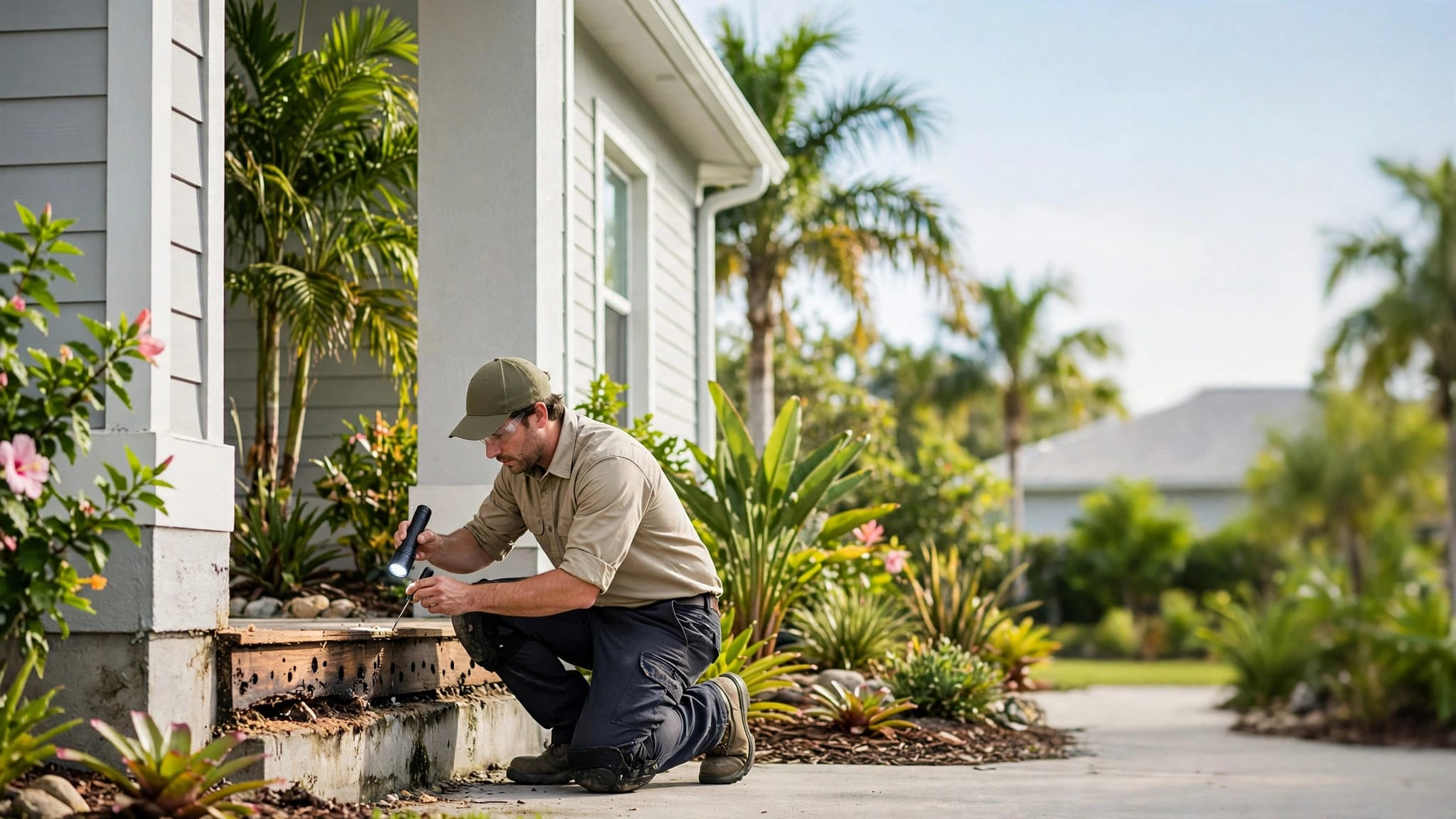
A technician should inspect the system regularly. Common maintenance tasks include checking pump pressure, clearing blocked nozzles, inspecting tubing, confirming timer settings, and monitoring the reservoir. A broken nozzle can leave an entire section of the yard untreated.
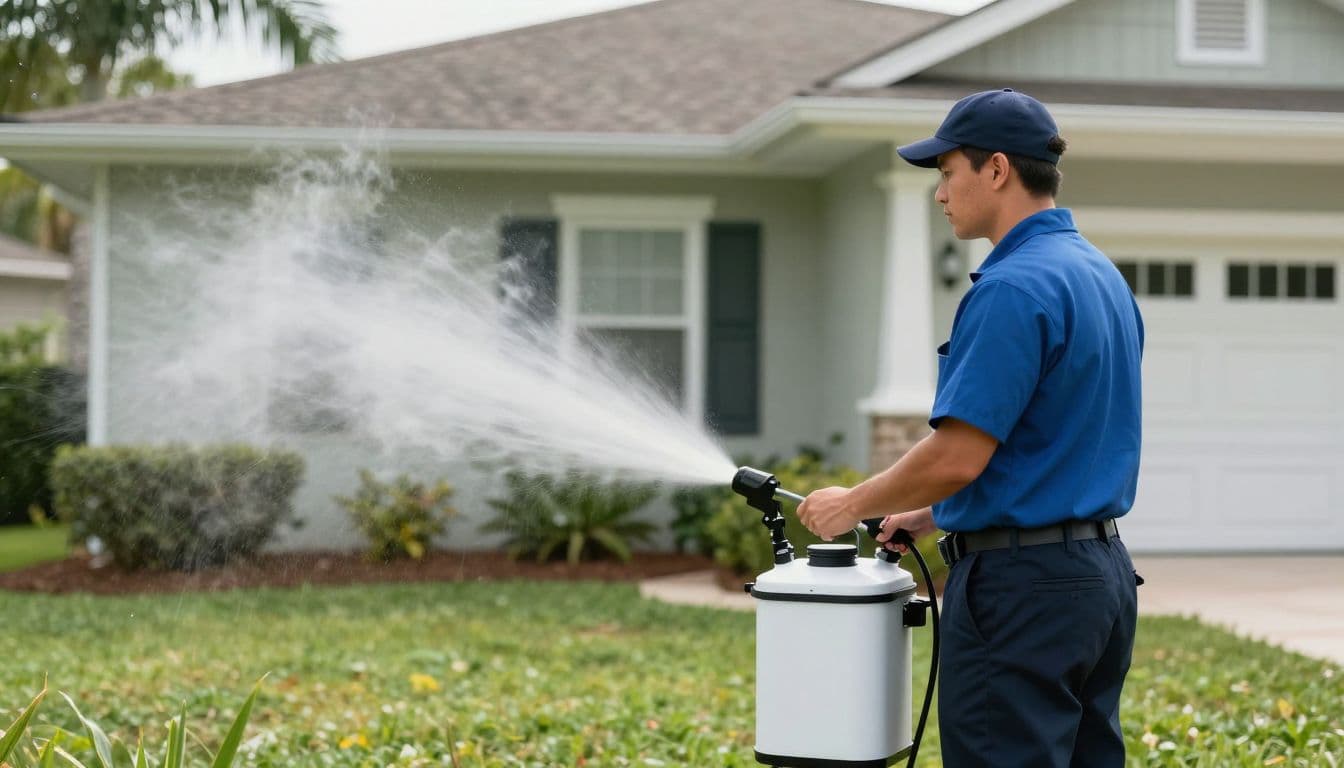
Product selection and application also matter. The company should use an EPA-registered product according to its label. Ask how technicians protect people, pets, ornamental ponds, edible gardens, and pollinators during service.
Screened lanais need their own inspection. Torn screens, gaps around doors, standing water inside the enclosure, and nearby vegetation can all contribute to bites. These pool cage mosquito prevention methods can reduce pressure inside the enclosure, where a perimeter misting system may have limited reach.
Is a misting system worth it for your home?
A permanent system is more likely to be worthwhile when your property has a large outdoor living area, dense landscaping, frequent gatherings, or regular vacation-rental use. It can provide repeated treatment without requiring someone to schedule a visit every time mosquito activity increases.
The investment may be harder to justify when the yard is small, standing water remains untreated, or most mosquito activity comes from outside the system's coverage area. Properties beside canals, wetlands, or undeveloped land may continue to receive new mosquitoes even with good equipment.
Before choosing a system, request an inspection rather than buying based on nozzle count alone. The provider should identify breeding sources, explain the proposed coverage, disclose the product used, and give you installation and ongoing service costs in writing.
A useful comparison includes three questions:
- How much mosquito activity exists now, and where is it concentrated?
- Can the main breeding sources be removed or treated?
- Would scheduled misting cost less than the other services needed for the property?
If the answer to the second question is no, misting may still improve comfort, but it won't solve the cause of the problem. The best plan matches the treatment to the property instead of relying on one device.
Conclusion: Use misting as one layer of protection
Mosquito misting systems can reduce adult mosquito activity in Southwest Florida, especially when technicians place and maintain the equipment correctly. Research has reported substantial reductions, but the EPA says the systems aren't proven to prevent mosquito-borne disease.
Heavy rain, humidity, wind, nearby water, and poor maintenance can shorten the results. For lasting relief, combine misting with standing-water removal, targeted treatments, and routine inspections. That layered approach gives your yard a better chance of staying comfortable when mosquitoes are most active.
Schedule a Free Inspection: