Exterior Pest Control After Heavy Rain in Florida
Heavy rain can complicate exterior pest control in Florida by creating new sources of water, shelter, and entry points around your home. Even if you had a recent service, a storm can change conditions in the yard and bring pests closer to the house.
A post-storm inspection helps you spot those changes and give your pest control provider useful information. Start with the areas where water and debris collected.
Why pests become more noticeable after a storm
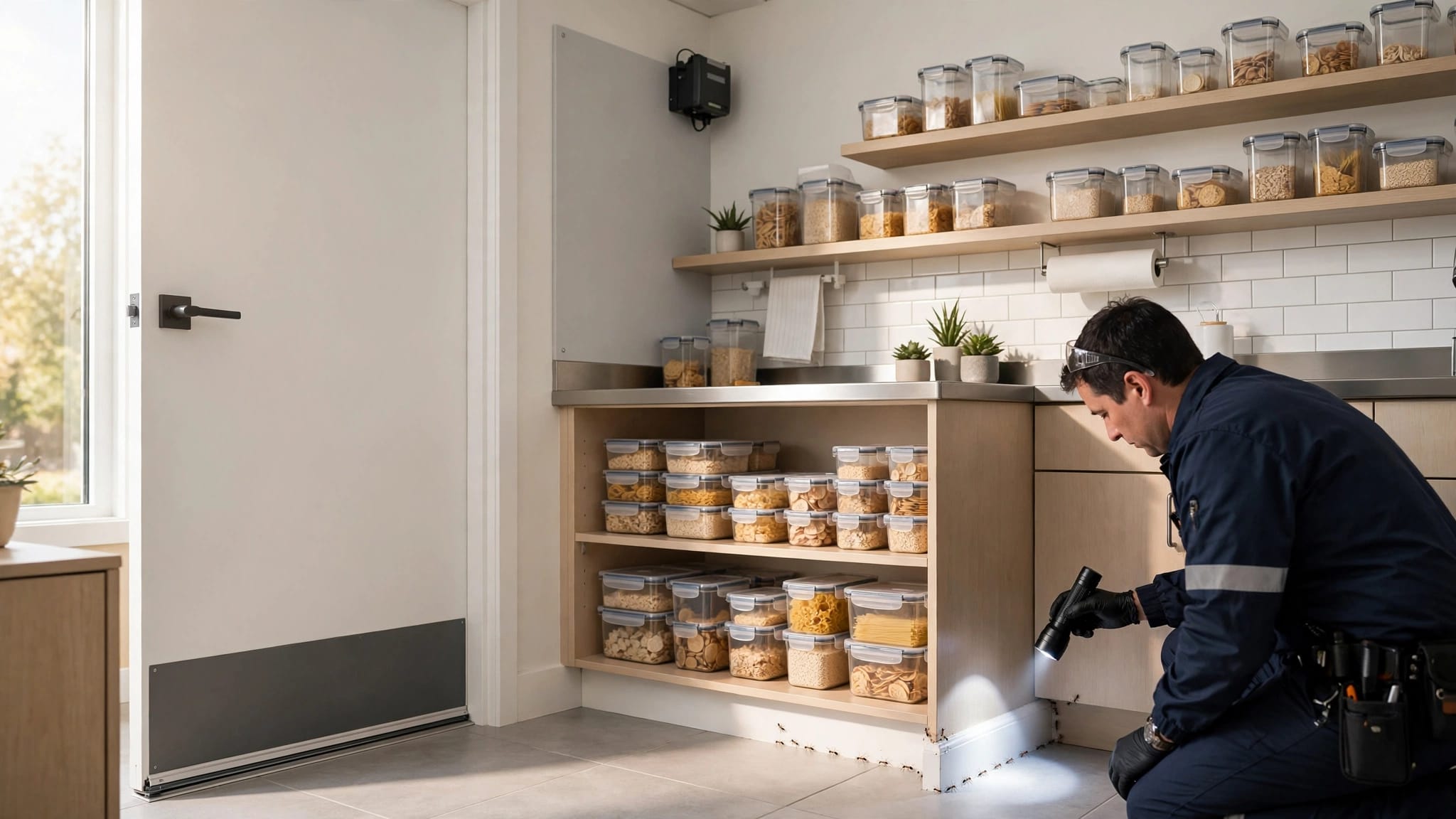
Heavy rain can disturb outdoor nesting areas. Ants may move to higher ground, while cockroaches and rodents look for dry places around garages, attics, and stored items.
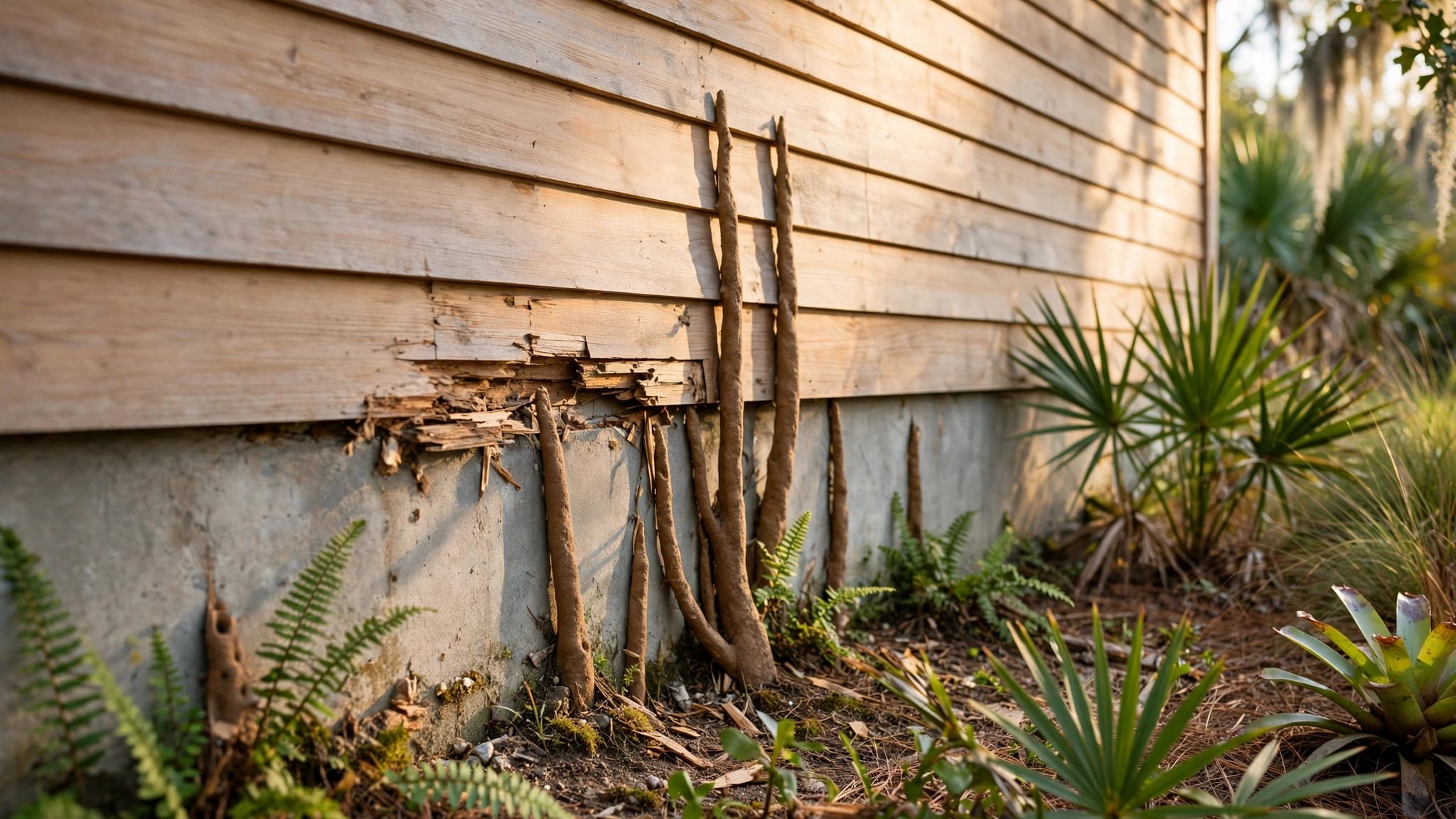
Storm damage can also create openings. A torn lanai screen, loose soffit, or damaged garage seal gives pests another way inside. Meanwhile, wet leaves and yard debris provide shelter near the house.
Mosquitoes present a separate problem. Rain can fill planters, gutters, pool covers, and other containers with water. A broken sprinkler head or a low spot that stays wet can add to the problem after the storm passes. Our guide to mosquito prevention around irrigation covers common sources in Florida yards.
Seeing pests after a storm doesn't by itself tell you what happened to a treatment. It does give you a reason to look for damaged entry points and new sources of moisture.
Where exterior pest treatments are placed
Different parts of your property face different conditions during a storm. A provider can use that information, along with the service record, to assess the areas that need attention.
Foundations and landscaping
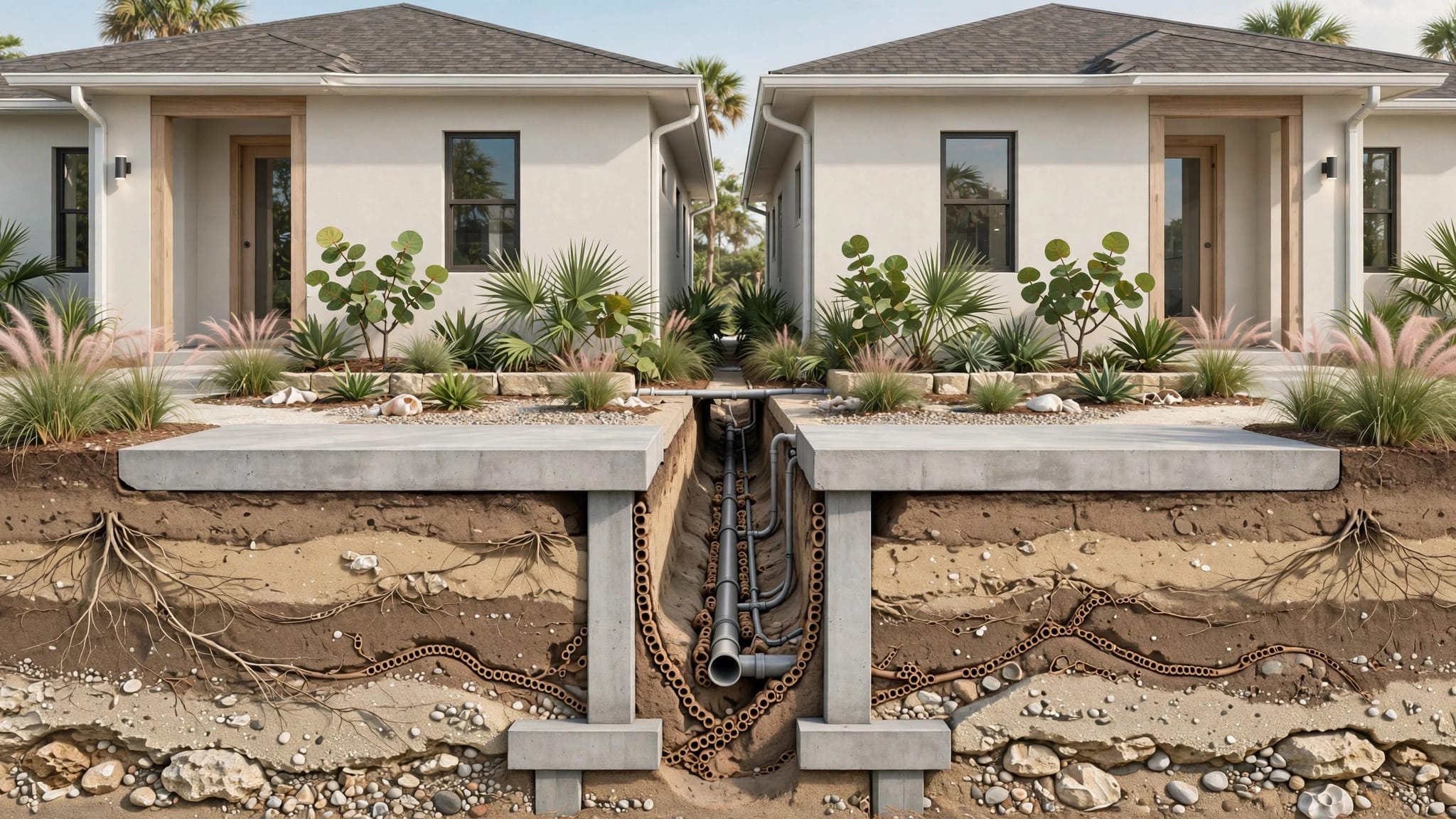
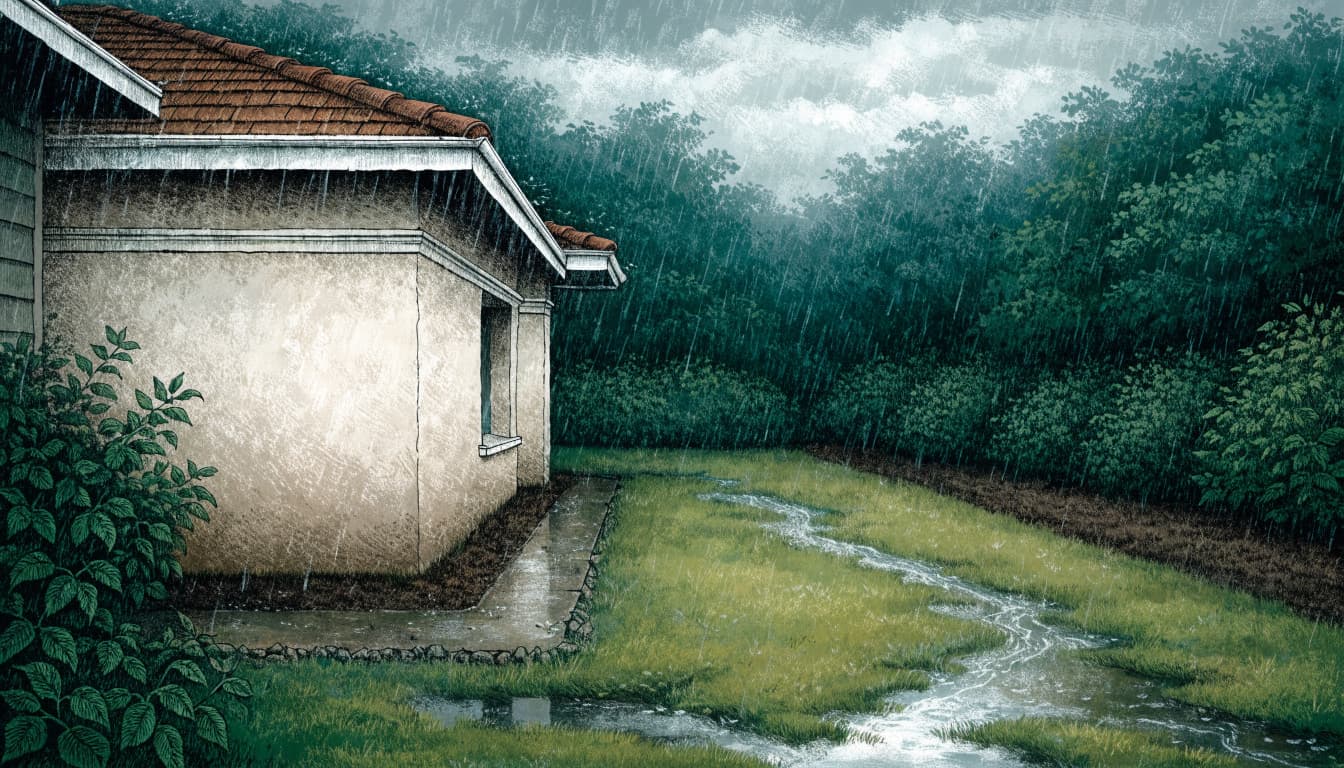
The ground around a foundation can collect runoff, displaced mulch, and fallen branches. After a major storm, look for soil that has shifted and places where water pools against the house.
Walkways and planting beds also deserve attention. New debris can cover pest hiding places or make it harder to see activity along the perimeter.
Doors, windows, and sheltered areas
Door frames, window frames, and areas under eaves may be more sheltered than open ground. Still, wind-driven rain and storm damage can reach areas that normally stay dry.
Our exterior pest treatments for Cape Coral homes can include the property perimeter, entry points, outdoor living spaces, and landscaping. The areas treated depend on the home's needs.
How pest control product types differ
A pest control plan may use different products for different pests and locations. The service record helps identify what was applied and where.
Surface treatments and granules
Some exterior services use liquid products on suitable surfaces. Other products come as granules intended for labeled outdoor sites. These are different formulations, so their directions aren't interchangeable.
If you know when the service took place, share that date with your provider along with what you observed after the storm. Don't add another pesticide over a professionally treated area on your own.
Baits and stations
Ant baits and rodent bait stations have different purposes from surface treatments. Their placement depends on the pest and the property. After a storm, a station may be displaced, damaged, or covered by debris.
Leave damaged or loose bait alone , and keep children and pets away from it. Let your provider handle the material and assess the station.
What to do after a major storm
Wait until conditions are safe before walking around your property. Avoid floodwater, downed power lines, unstable trees, and damaged structures.
Inspect the perimeter
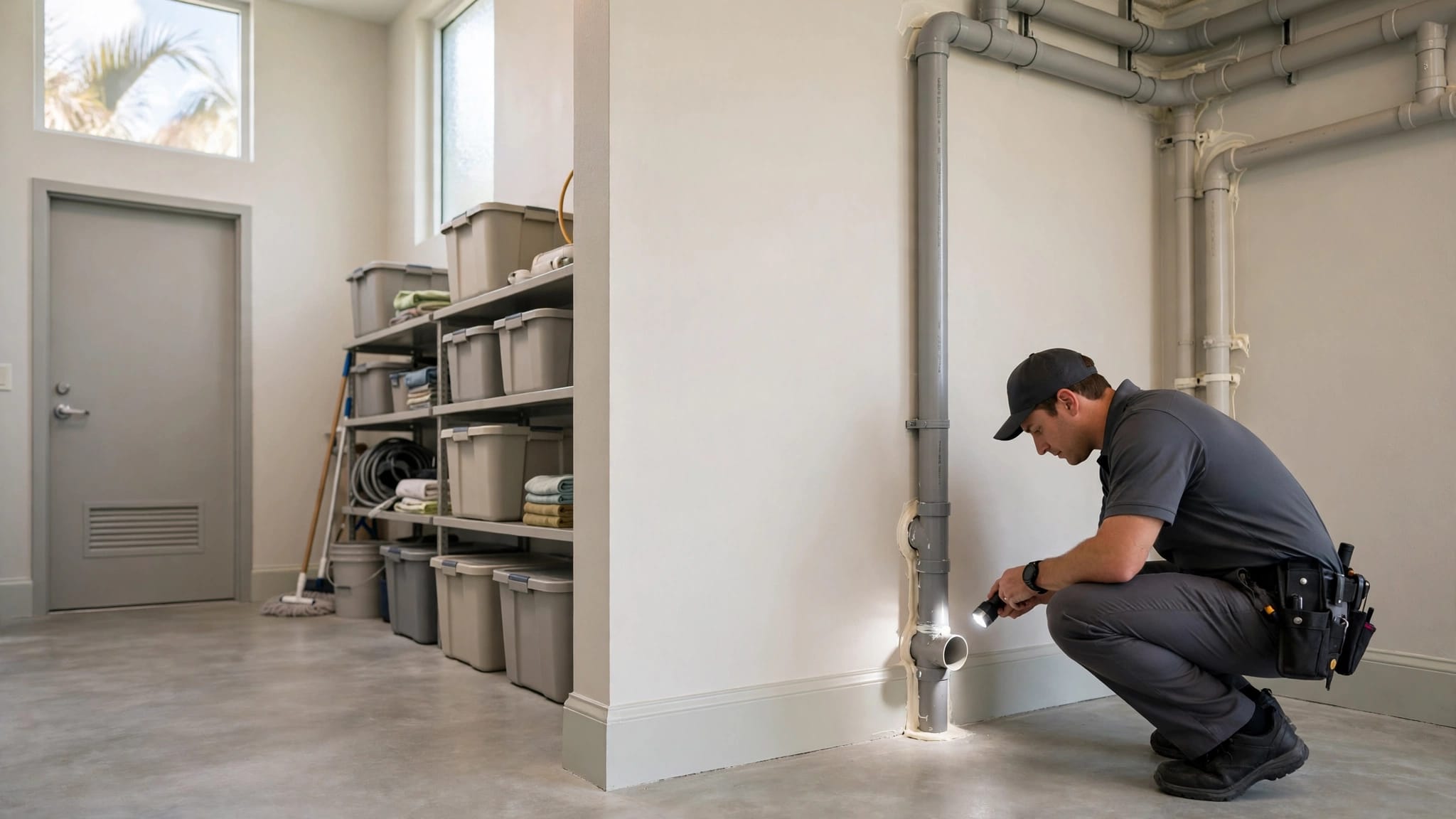
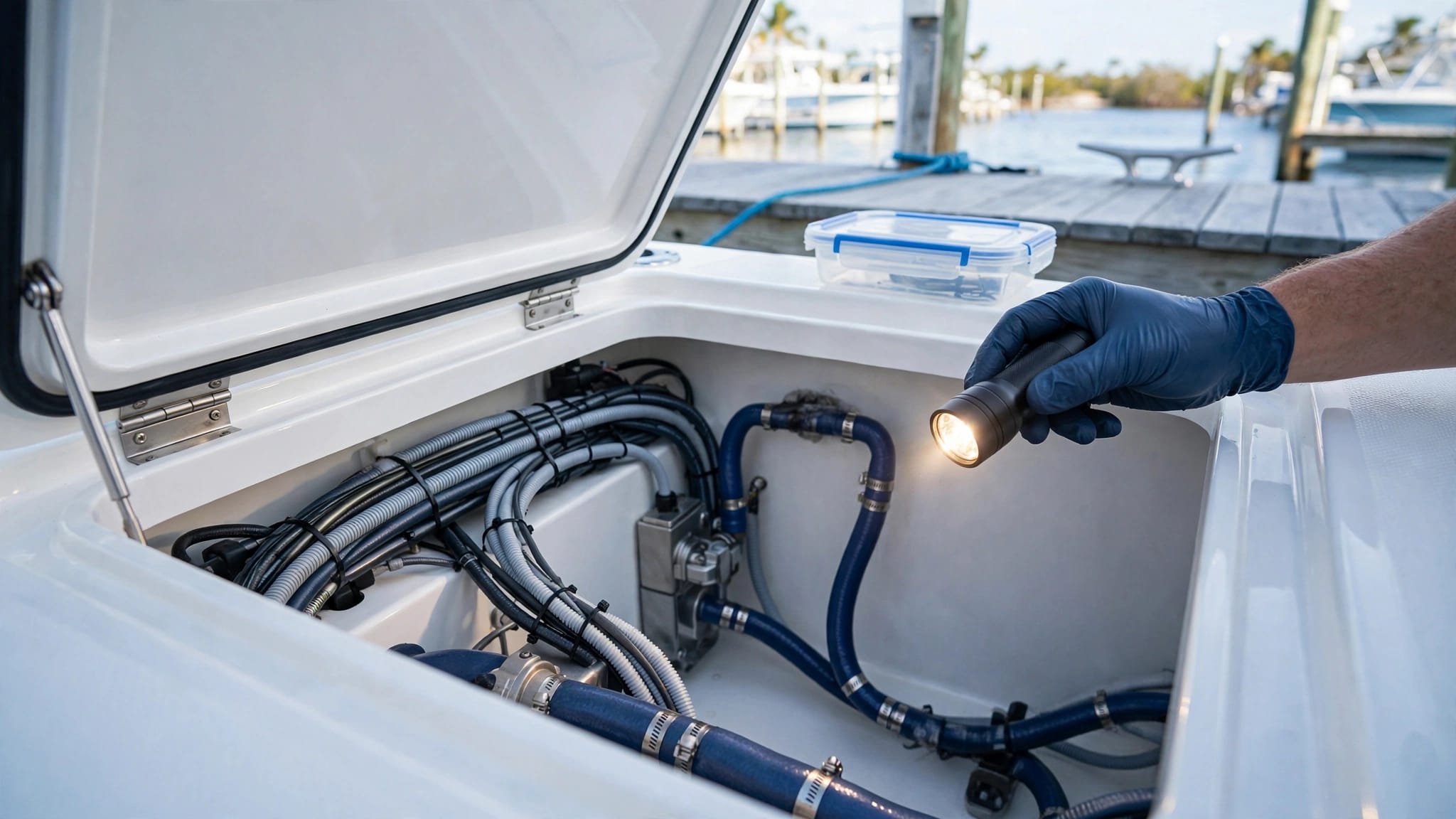
Look at the foundation, doorways, garage, lanai, and other areas included in your service. Note standing water, displaced soil, damaged screens, and gaps around pipes or doors.
Take photos of damaged areas and any displaced pest control equipment. You don't need to touch a treated surface to document what you see. Also, record where you've noticed ants, roaches, droppings, or other signs.
Remove water and debris
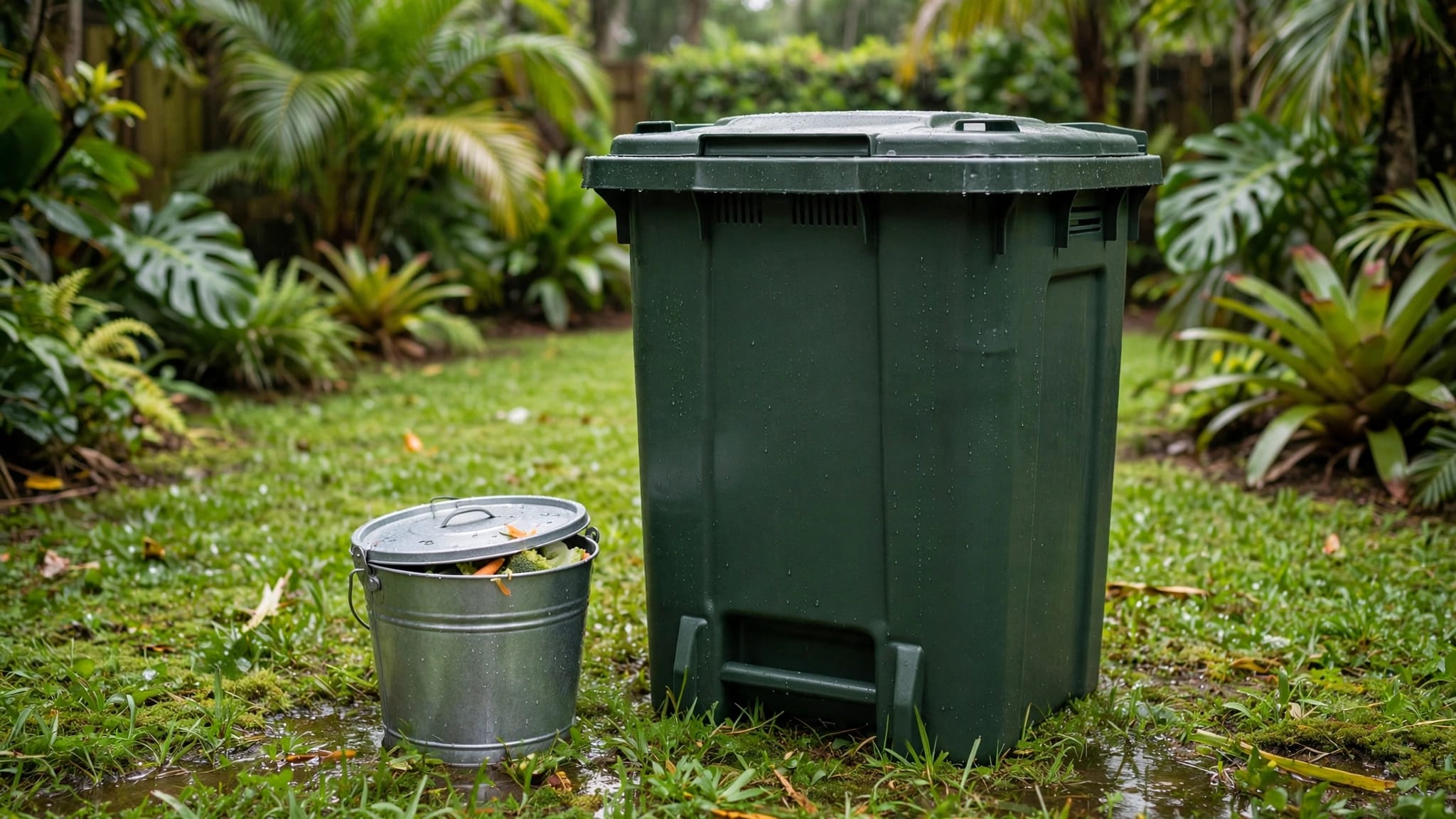
Empty water from small containers when you can do so safely. Clear wet leaves from accessible gutters and remove debris piled against the house. Repair torn screens and damaged seals once storm cleanup allows.
For rain barrels that collect water, our guide to mosquito control in rain barrels covers options for managing larvae. Remember to look beyond the barrel, since mosquitoes can breed in other water sources nearby.
When to contact your pest control provider
Contact your provider if a storm flooded treated areas, displaced a station, or left you with repeated pest activity. Share the service date, the areas affected, and any photos. Ask about the product's rain instructions and your service policy for a post-storm visit.
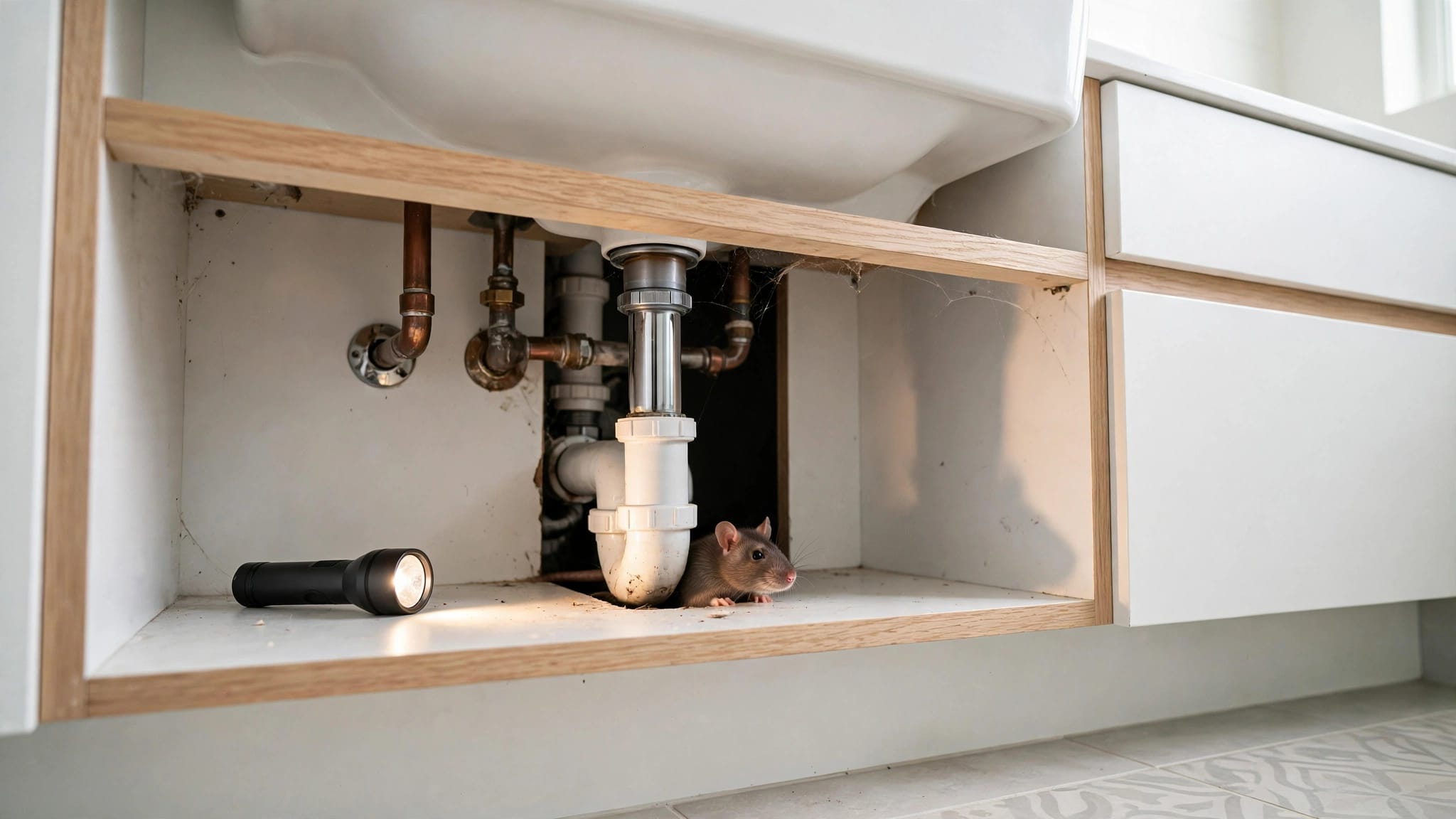
For rodent signs, mention where you found droppings or chew marks. If rodents may be inside, a professional can inspect the activity before entry points are sealed.
At Shield Home & Pest Control Services, we offer free inspections for homes in Southwest Florida. An inspection can identify storm damage and pest activity that need attention.
Keep your home protected after the rain
A storm can create pest problems even after a recent exterior service. Focus on safe cleanup and the conditions around your home rather than assuming every sighting has the same cause.
If activity continues or storm damage concerns you, contact us for a free inspection .
Schedule a Free Inspection: