Do Mosquito Dunks Work in Florida Rain Barrels?
The mosquito dunks Florida homeowners place in rain barrels can control larvae, but heavy storms may change how long they work. A dunk can stop mosquitoes from developing in stored water, yet it won't remove adult mosquitoes already resting around your patio or yard.
Florida's warm weather gives mosquitoes plenty of chances to breed. Rain barrels, clogged gutters, plant saucers, and toys can all hold enough water for larvae. The results depend on how you use the dunk, how much water the barrel holds, and whether storms wash the treatment away.
How mosquito dunks Florida homeowners place in rain barrels work
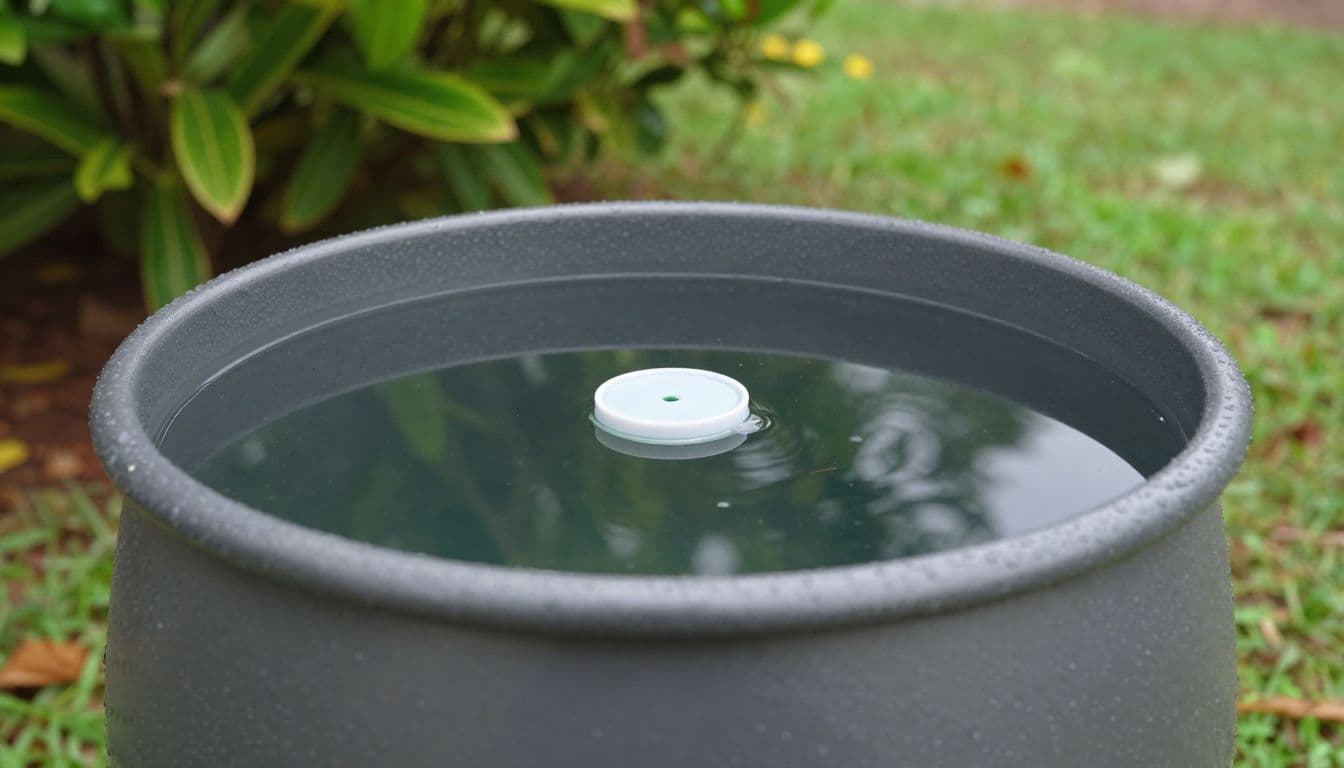
Mosquito dunks are larvicides made with Bacillus thuringiensis israelensis , commonly called Bti. This naturally occurring bacterium produces toxins that affect mosquito larvae when they feed in treated water. The larvae die before they become flying adults.
The dunk floats on the water and releases the active ingredient over time. Because mosquito larvae live near the water's surface, the floating design helps keep the treatment where it can work. A properly placed dunk can remain effective in a rain barrel for an extended period, but the exact duration depends on the product label and the water conditions.
The important limitation is that Bti targets mosquito larvae, not adult mosquitoes. It also won't give your property a protective barrier or stop mosquitoes from breeding in other containers. That distinction matters when you compare mosquito dunks Florida residents use with whole-yard mosquito treatments.
What a dunk can and cannot do
A dunk can help when:
- The rain barrel holds water for more than a few days.
- Mosquito larvae have access to the treated water.
- The dunk remains in the barrel.
- You use the amount and placement listed on the label.
A dunk won't solve the problem if the barrel has an open top, nearby containers collect water, or adult mosquitoes enter from other breeding sites. It also won't make untreated water around the home safe from mosquito development.
A mosquito dunk treats the water inside the barrel. It doesn't treat the yard around it.
Why Florida rain can reduce a dunk's effectiveness
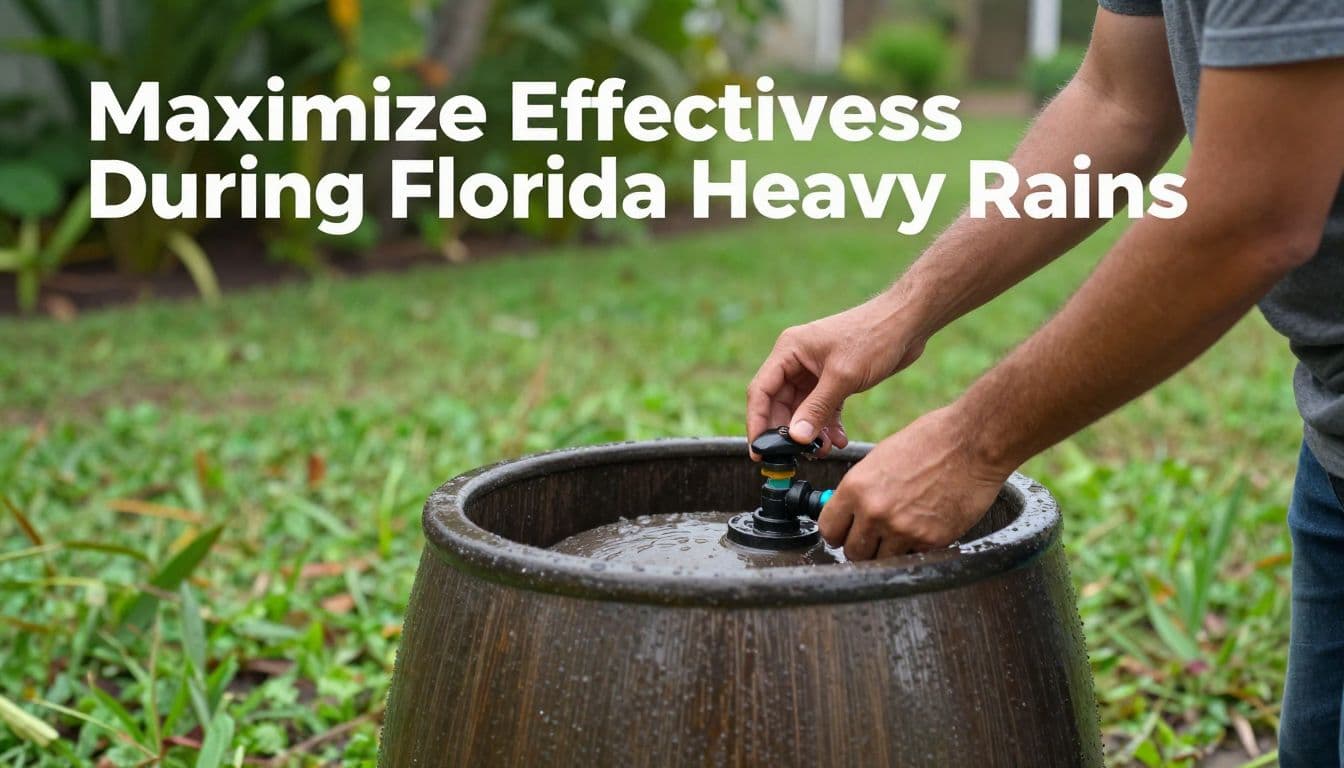
Rain itself doesn't automatically deactivate a mosquito dunk. In fact, a rain barrel that fills gradually can continue holding the dunk and its active ingredient. The bigger concern is water movement .
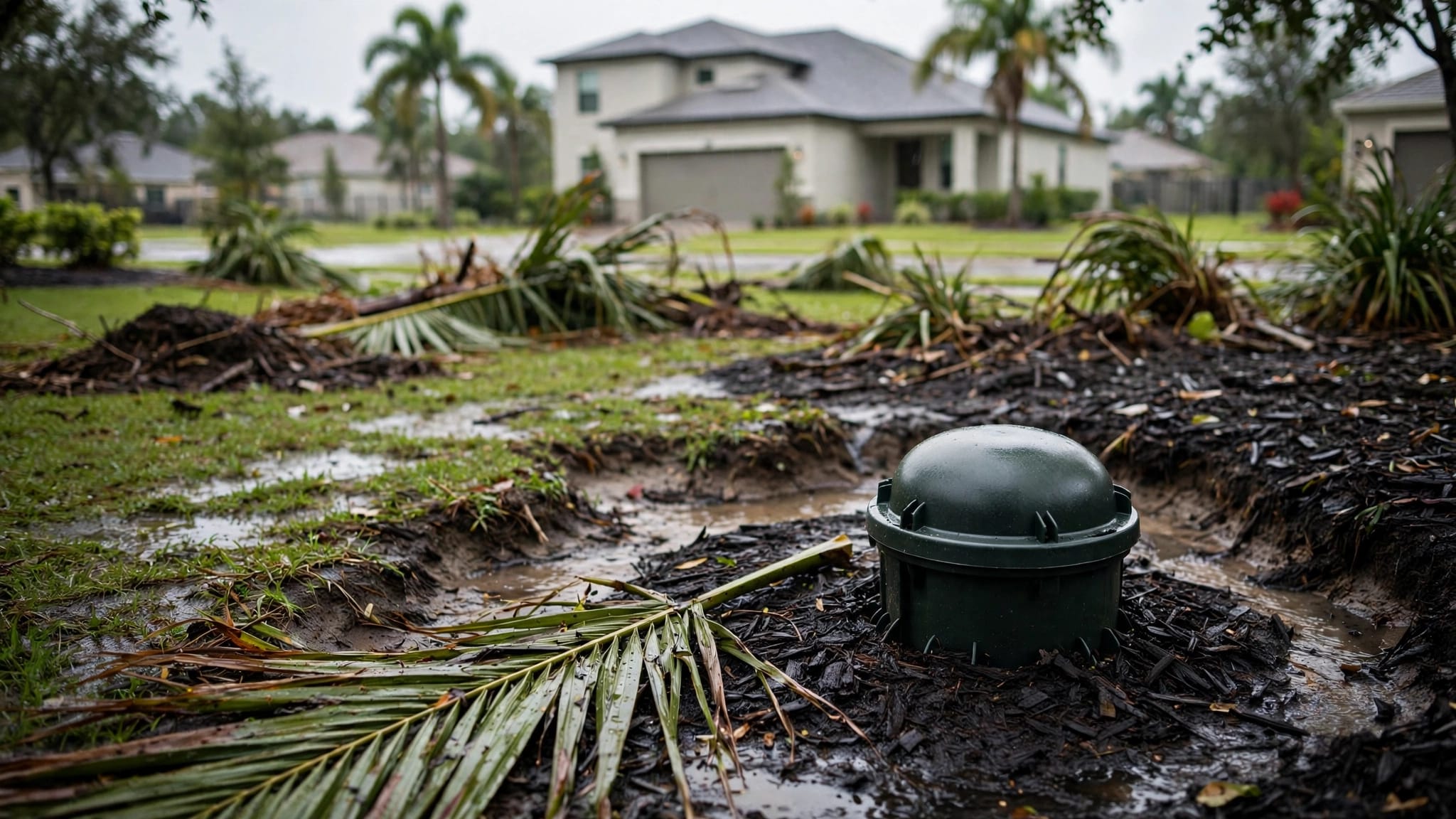
During a heavy Southwest Florida storm, the barrel may fill quickly and overflow. Water can carry the dunk out through an overflow opening, especially when the container has no secured screen. Strong wind can also shift or remove a loose cover. Once the dunk leaves the barrel, newly collected water no longer receives the same treatment.
Heavy rainfall can also replace much of the water in the barrel. If the product has released its active ingredient into the old water and that water flows out, the remaining concentration may change. A fresh dunk may be needed after the barrel empties or experiences substantial turnover, but always follow the product label rather than adding extra pieces by guesswork.
The barrel's design matters as well. A tight-fitting lid or fine mesh screen keeps adult mosquitoes from reaching the water and laying eggs. The screen must cover openings around the inlet and overflow, not only the main opening. Leaves and sediment can also interfere with drainage, causing water to remain in connected gutters or downspouts.
In Cape Coral, Fort Myers, and nearby communities, summer storms can change conditions within hours. Check the barrel after intense rainfall instead of assuming the previous treatment is still in place.
How to use mosquito dunks in a rain barrel
The label is the final authority because coverage rates and replacement schedules vary among products. Before using a dunk, confirm that the label permits use in rain barrels or the type of non-drinking water your barrel stores.
A practical routine includes these steps:
- Inspect the barrel first. Remove leaves, mud, and standing water from the lid, inlet, overflow, and nearby gutter connection. A dunk won't correct a blocked drainage path.
- Use the labeled amount. Product directions may depend on the barrel's water volume. Don't assume that one full dunk fits every container, and don't cut one unless the label gives instructions for doing so.
- Place it where it can float freely. Avoid burying the dunk under leaves or wedging it into a corner. If the label calls for a cord or holder, use that method.
- Secure the barrel opening. Install a tight lid or fine screen over every opening. The goal is to keep adult mosquitoes out while allowing rainwater to enter.
- Check after major storms. Look for overflow, a missing dunk, a damaged screen, or a barrel that has drained completely. Replace or reset the treatment according to the label.
- Keep the water for its intended use. Rain barrel water is generally collected for landscape watering, not drinking. Never use a mosquito product in water intended for people or animals unless the label clearly allows it.
Many mosquito dunks Florida homeowners buy are easy to use, but convenience doesn't replace inspection. A quick check each week can reveal whether the dunk is still floating and whether mosquitoes are breeding in another part of the system.
What to do after a heavy storm
Florida rain often arrives in short, intense bursts. A barrel can look normal from the outside while its treatment has washed through the overflow. Checking the system after the storm gives you a more reliable answer than judging by the water level alone.
| Rain barrel condition | What may happen | Practical response |
|---|---|---|
| Light rain with no overflow | The dunk stays in place and continues releasing Bti | Check the dunk during your normal inspection |
| Heavy rain with visible overflow | Water may carry the dunk out of the barrel | Confirm that the dunk remains and follow the replacement label |
| The barrel drains or empties | Treated water leaves the container | Add treatment only after refilling, using label directions |
| The lid or screen is loose | Adult mosquitoes can enter and lay eggs | Repair or secure the opening before relying on treatment |
| Leaves block the inlet or overflow | Water may pool in connected areas | Clear debris and inspect gutters and downspouts |
A rain barrel should never become a sealed pressure vessel during a storm, so it needs a working overflow route. That route also needs mosquito protection. A screen that allows water to escape but blocks adult mosquitoes is better than an uncovered pipe.
If you use the collected water soon after a storm, the barrel may not hold water long enough for mosquitoes to complete their life cycle. However, repeated rainfall can refill it before you notice. A weekly inspection remains useful, especially during Florida's wet season.
When a mosquito dunk isn't enough
A rain barrel is only one possible breeding site. The Asian tiger mosquito, Aedes albopictus , and the yellow fever mosquito, Aedes aegypti , can develop in small amounts of water around homes. A bottle cap, plant saucer, clogged gutter, or discarded tire may hold enough water for eggs and larvae.
That is why you should inspect the entire property after rain. Look at:
- Plant saucers, buckets, toys, and outdoor furniture.
- Pool covers, drains, and low areas that stay wet.
- Gutters and downspouts filled with leaves or roof debris.
- Unused pots, wheelbarrows, trash cans, and recycling containers.
- Decorative items that hold water between cleanings.
You can review these common mosquito breeding grounds for a broader inspection around the home. Removing small water sources often matters as much as treating the rain barrel.
Mosquito dunks also have no effect on adult mosquitoes that already hide in shaded vegetation. If mosquitoes remain active near doors, patios, or outdoor seating, the source may be elsewhere on your property or a neighboring property. A local pest professional can inspect hidden water sources and recommend larval control or an exterior mosquito treatment when needed.
For homeowners who want a wider prevention plan, this homeowner guide to mosquito control covers standing water reduction and professional treatment options. Persistent activity deserves a property-wide assessment, especially when the rain barrel is covered and maintained but mosquitoes continue to appear.
The bottom line for Florida rain barrels
Mosquito dunks can work in Florida rain barrels when the product is labeled for that use, the dunk stays in the water, and the barrel remains protected from adult mosquitoes. Florida's rain doesn't make the treatment useless, but overflow and water replacement can reduce its protection.
Use the labeled amount, keep every opening screened, and inspect the barrel after strong storms. If mosquito activity continues, check gutters, planters, pool covers, and other containers before adding more product.
A dunk is a useful tool for one water source. It isn't a substitute for controlling all breeding sites around the property.
Schedule a Free Inspection: