Do Paver Patios Increase Termite Risk in Florida?
A paver patio usually doesn't attract termites, but it can hide the route they use to reach a Florida slab. That is why homeowners asking about paver patios termite risk should focus less on the pavers and more on moisture, soil height, drainage, and foundation access.
Pavers don't feed termites, and a properly built patio doesn't automatically cause an infestation. However, a high or damp installation can conceal entry points and make early warning signs harder to spot. The first step is separating the patio material from the conditions around it.
Understanding paver patios termite risk around Florida slabs
Termites don't eat concrete, brick, or stone pavers. They need cellulose, so wood framing, paper products, cardboard, roots, stumps, and landscape timbers are the materials that support feeding activity.
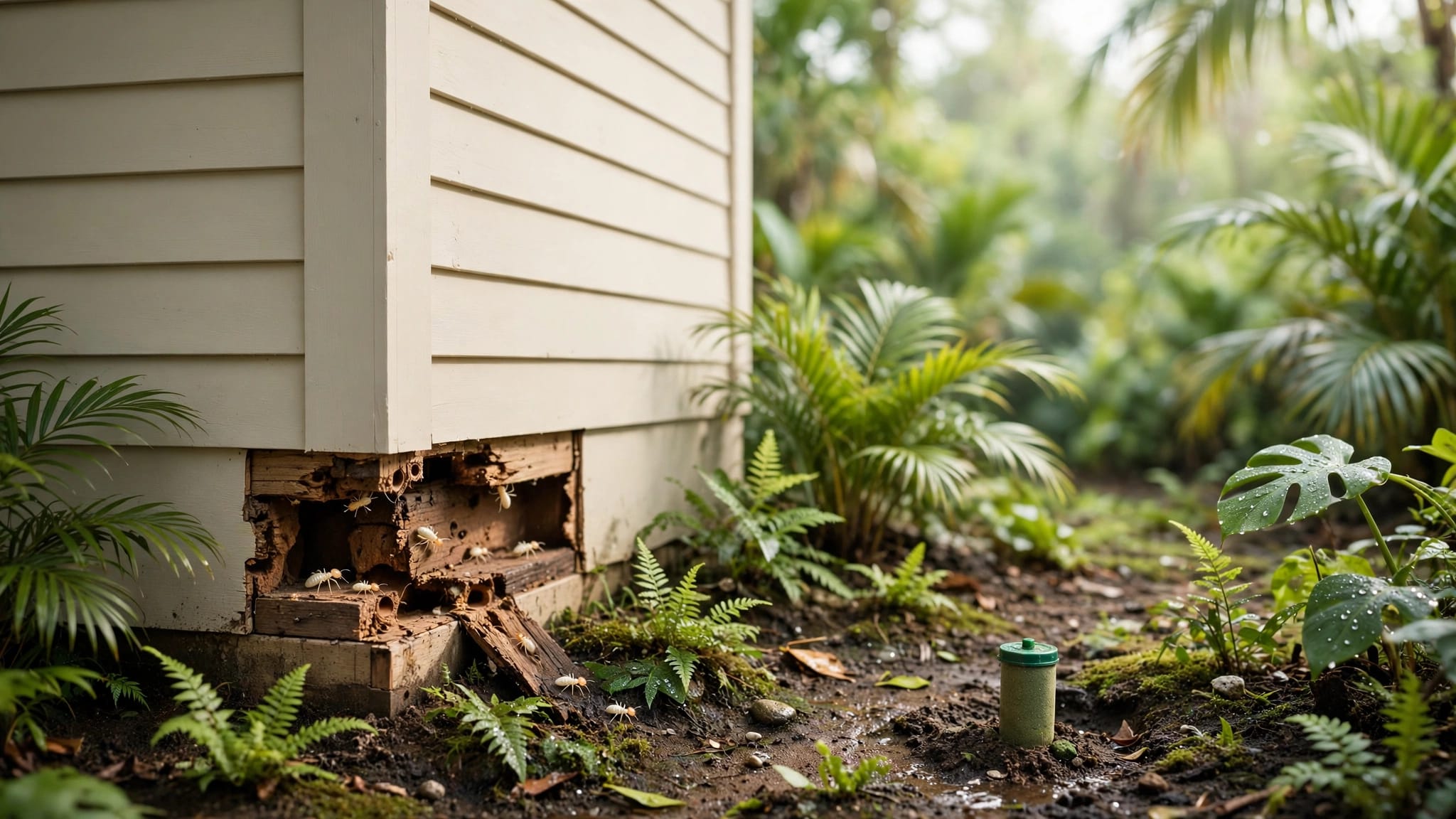
Subterranean termites live in soil and travel through protected paths toward wood. Drywood termites usually infest dry wood above ground and can enter through rooflines, eaves, or other openings. A patio can affect inspection access for either type, but it doesn't create food by itself.
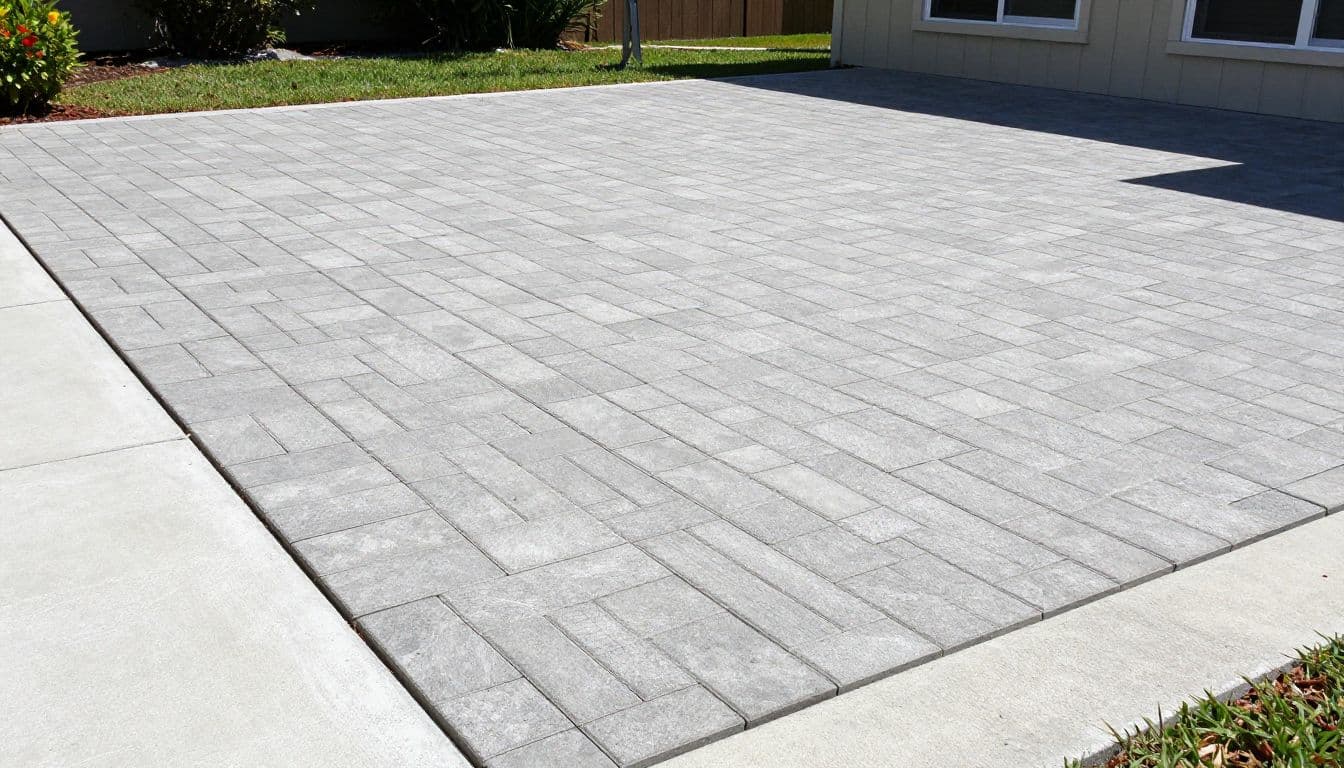
Before pavers go down, the slab edge and wall-to-slab area may be easier to view. Afterward, a setting bed, compacted base, sand, and the paver edge can cover that boundary. A technician may have fewer chances to see a mud tube or an opening near a control joint, plumbing penetration, or foundation crack.
That distinction answers much of the paver patios termite risk question. Concern increases when a patio hides evidence, holds water, raises the finished grade, or blocks access to an existing treatment point.
If the surface slopes away from the home, drains well, and leaves practical access around the foundation, the added risk is lower.
How patio design can hide termite entry points
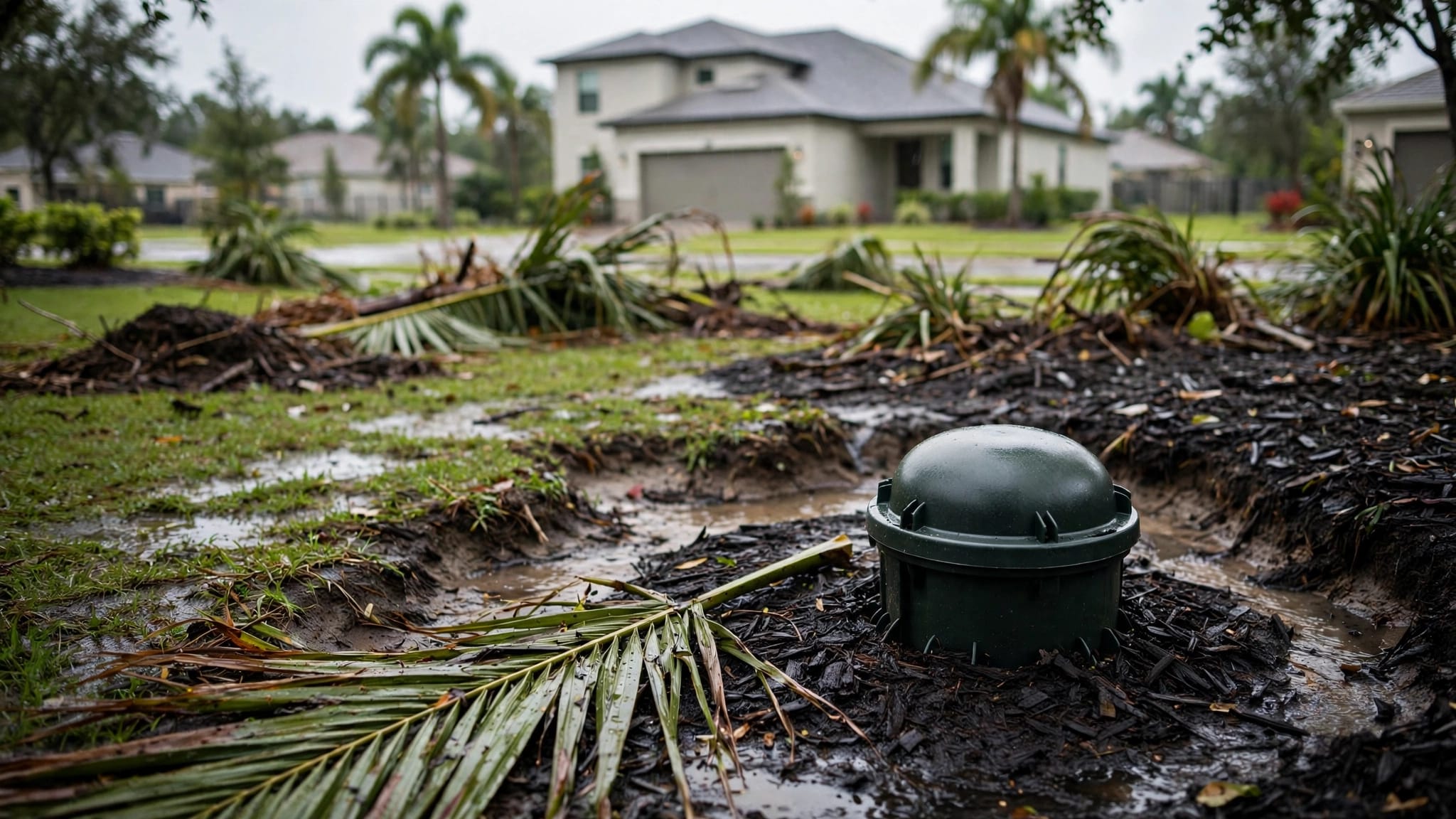
Moisture is the first factor to review. Poor grading can send rainwater toward the slab. Leaking hose bibs, clogged gutters, downspouts that discharge beside the wall, and sprinkler heads aimed at the patio can keep soil and joints damp.
Subterranean termites depend on moisture as they travel through soil. A damp strip beside the slab can therefore make the area more favorable for activity, even though the pavers themselves aren't attractive food.
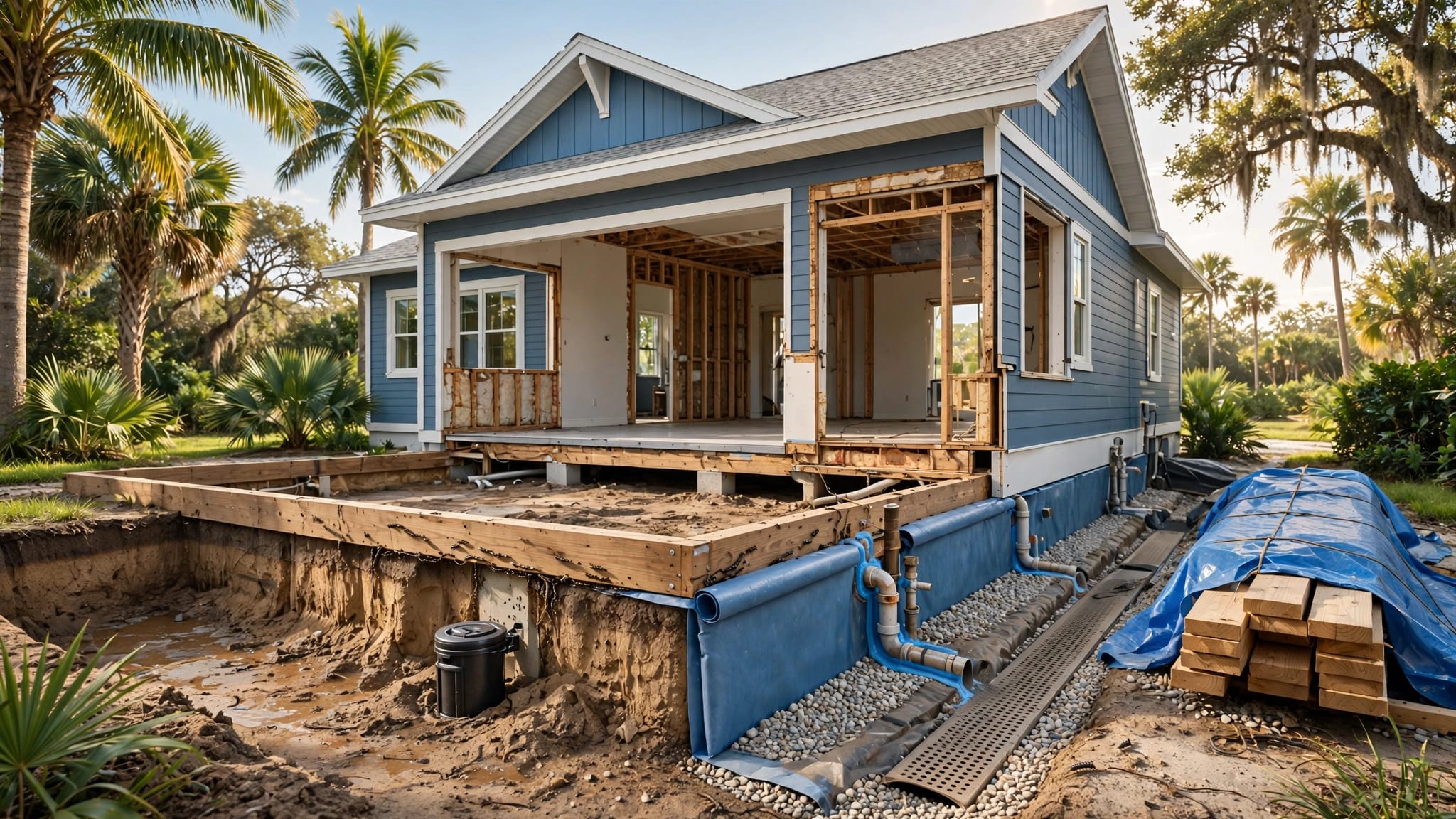
Height matters too. When a patio sits high against the home, it can cover the visible slab edge or create a hidden transition between soil, base material, and the wall. That makes it harder to confirm whether the foundation has a clear inspection area.
Landscaping adds another concern. Mulch, dead roots, old stumps, firewood, and untreated landscape timbers place cellulose close to the structure. Dense plants can also block a technician's view, even when the pavers are installed correctly.
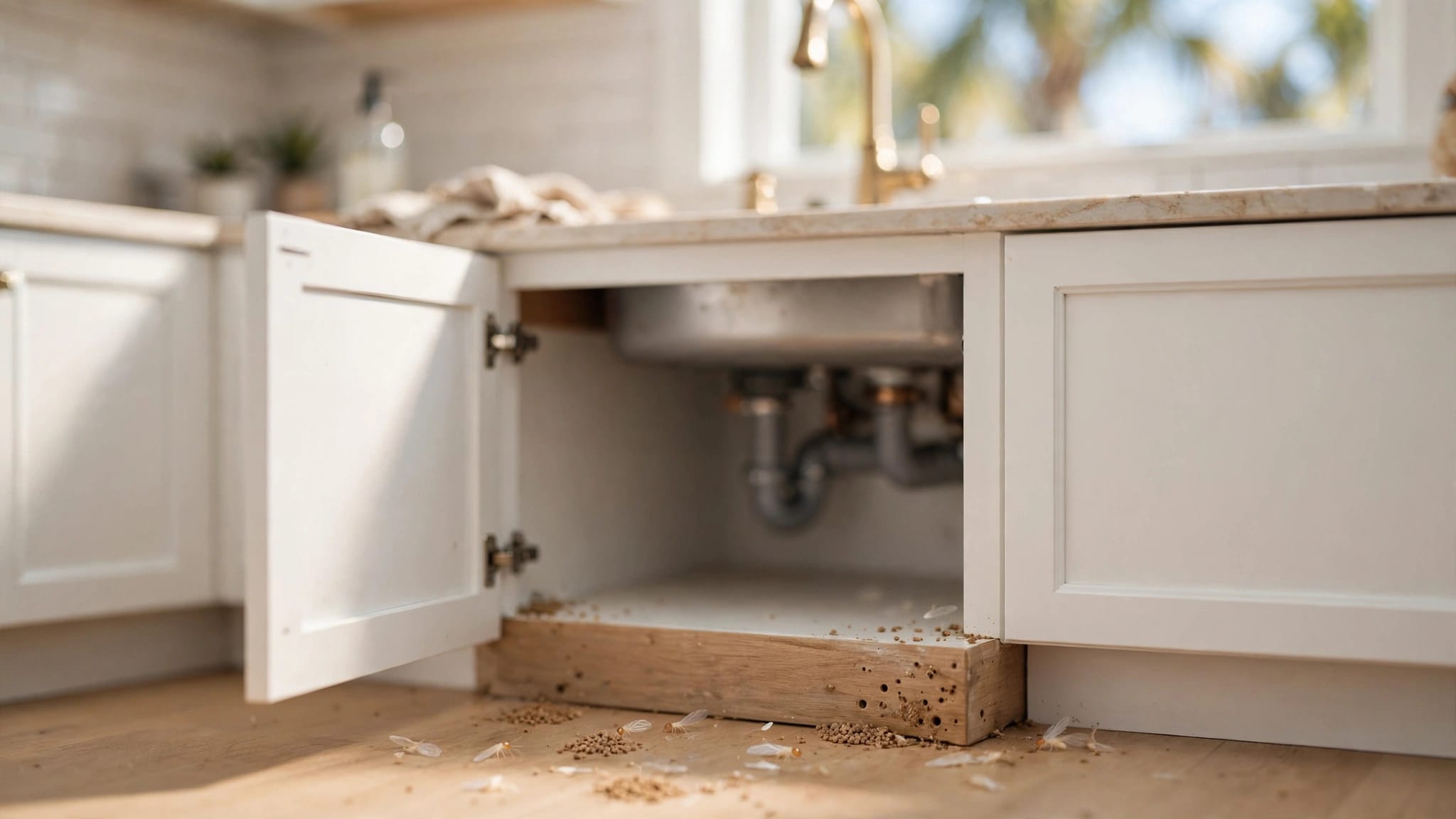
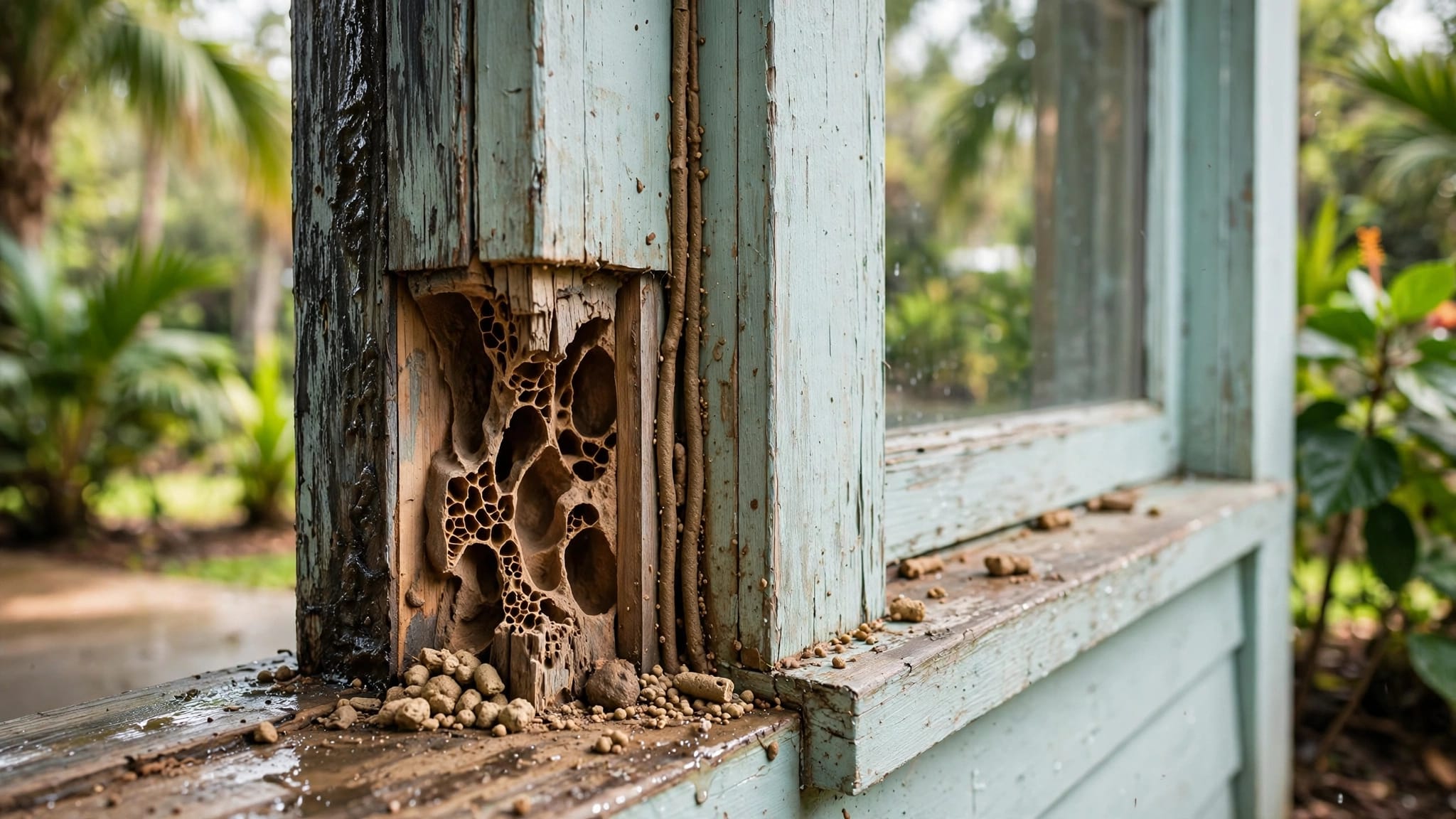
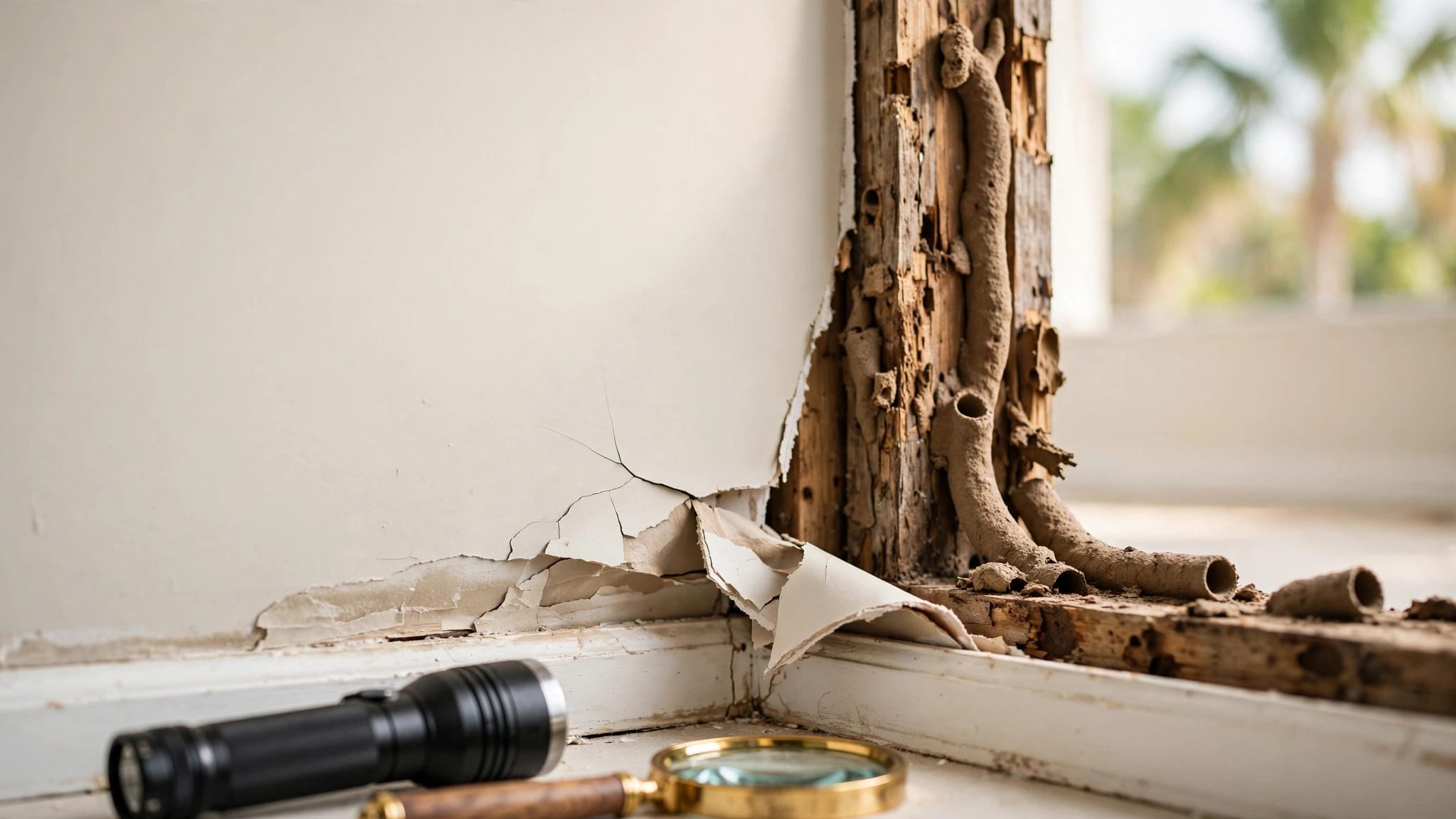
After installation, watch for mud tubes along the foundation, wings near windows or doors, hollow-sounding wood, blistered paint, or small piles of dry pellets. Mud tubes point more often to subterranean termites, while dry pellets can be associated with drywood termites. Professional identification matters because ants and other insects can create similar signs.
A patio may reduce visibility without increasing the amount of termite food on your property. That difference affects how the foundation should be inspected.
Warm weather allows termite activity in Southwest Florida during every season. A patio isn't a reason to panic, but it is a reason to keep the foundation visible and dry.
Safer patio planning for a Florida home
Discuss the patio layout with both the installer and your pest professional before construction begins. This is especially important if the property already has termite bait stations, a liquid treatment, or an active protection warranty.
Use this planning guide when reviewing the design:
| Patio detail | Why it matters | Practical response |
|---|---|---|
| Pavers sit high against the wall | The slab edge becomes harder to inspect | Confirm the final elevation and preserve practical foundation access |
| Water drains toward the house | The base and nearby soil can stay damp | Slope water away and direct downspouts away from the slab |
| A bait station sits in the patio path | Future monitoring may be blocked | Map stations before work and coordinate relocation |
| Wood or mulch borders the patio | Cellulose stays close to the structure | Remove debris and avoid placing untreated wood beside the wall |
Don't cover utility cleanouts, drainage features, or other access points with pavers. Ask the installer how the patio will handle heavy Florida rain, especially where the surface meets the home.
Irrigation also deserves attention. Adjust sprinkler heads so they don't spray the wall, foundation edge, or patio joints every day. Fix hose bib leaks quickly, and keep leaves from collecting in corners where they can retain moisture.
These steps reduce conditions that support termite activity, but they don't replace an inspection. A patio can hide a problem that existed before construction.
What to do if you see termite signs
Start with a careful exterior check along the slab edge, patio perimeter, doors, windows, garage, plumbing penetrations, and areas near landscaping. Don't break open a mud tube before taking a photo. The tube's location and condition can help a technician determine whether activity may be current.
A qualified inspection should identify the termite type, signs of active activity, accessible entry points, moisture sources, and any wood damage. It should also account for the patio's construction, because pavers may limit access to soil or treatment zones.
Shield's termite prevention and control guide covers common sources of risk around Southwest Florida homes, including wood debris and treatment choices.
When activity is confirmed, treatment depends on the property. Liquid perimeter treatments may fit areas with accessible soil, while bait systems can provide scheduled monitoring around the structure. Your technician should compare termite bait stations and liquid treatments based on species, activity, construction, access, and any existing warranty.
Don't pour store-bought chemicals into patio joints or drill into the slab without professional guidance. Those actions can damage the surface, miss the colony, or interfere with a treatment plan.
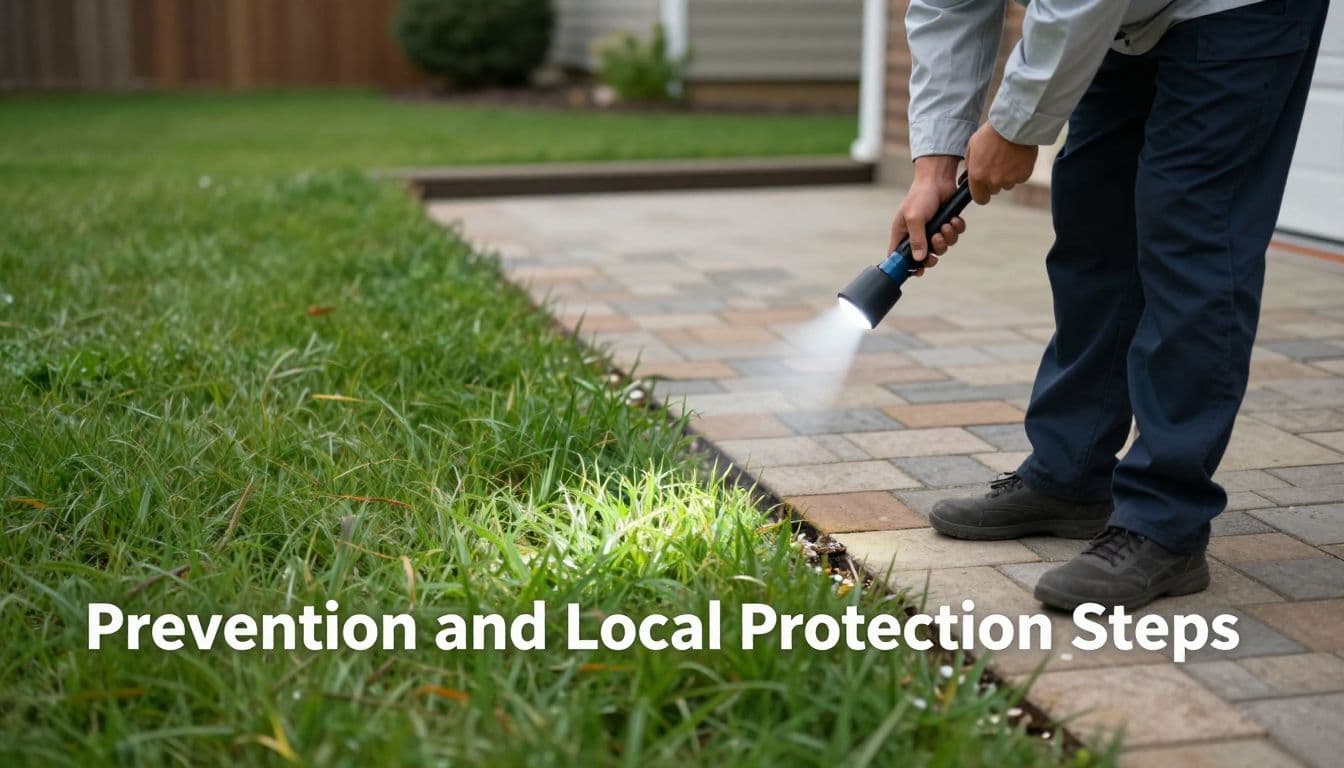
For homes in Cape Coral, Fort Myers, Punta Gorda, Bonita Springs, and Sanibel, a local inspection can account for the property's drainage, patio layout, landscaping, and slab construction.
Conclusion
Paver patios don't cause termites because pavers aren't a food source. However, a patio can raise practical paver patios termite risk when it hides the slab edge, traps moisture, raises the grade, or blocks bait stations and inspection areas.
Keep water moving away from the home, avoid wood debris near the foundation, and coordinate patio work with termite protection already in place. When signs appear, an inspection can determine whether the patio is only hiding evidence or whether termites are active around the slab.
Schedule a Free Inspection: