No-See-Ums vs Mosquitoes Around Florida Patios
When a Florida patio suddenly turns into a biting zone, the question is no-see-ums vs mosquitoes . Both pests can ruin dinner outdoors, but they behave differently and require different control steps.
Mosquitoes often point to standing water close to the home. No-see-ums may come from damp soil, wet vegetation, marshes, or mangrove areas nearby. Learning which insect is active helps you focus your response instead of spraying every surface around the patio.
No-see-ums vs mosquitoes: What Is Biting You?
No-see-ums are tiny biting midges in the Culicoides group. Many measure less than one-eighth of an inch, which explains their name. You may feel the bite before you ever spot the insect.
Mosquitoes are larger and easier to recognize. Their long legs and narrow bodies are often visible when they land on skin or rest on a nearby wall. Female mosquitoes bite because they need blood to produce eggs. Male mosquitoes feed on plant fluids and don't bite people.
The bites can also feel different. No-see-um bites often cause small, intensely itchy red spots that may appear in clusters. Some people develop swelling that lasts for several days. Mosquito bites commonly form raised, itchy welts, although reactions vary from person to person.
Timing offers another clue. Both pests can feed around dawn and dusk, but no-see-ums often become especially bothersome near sunset. Mosquito activity depends on the species, temperature, humidity, and nearby breeding sites. In Southwest Florida, warm weather can support mosquito activity through much of the year.
| Feature | No-see-ums | Mosquitoes |
|---|---|---|
| Appearance | Tiny, difficult to spot | Larger and usually visible |
| Common source | Damp soil, wet organic areas, coastal wetlands | Standing water |
| Screen concern | May pass through standard mesh | Usually blocked by intact standard screens |
| Bite pattern | Small, clustered, intensely itchy spots | Raised, itchy welts |
| Patio timing | Often worse around dawn and dusk | Varies by species and weather |
Bite marks alone can't confirm the insect. A pest professional can inspect the patio, screens, drainage, landscaping, and nearby water sources for stronger evidence.
Where Each Pest Hides Around a Florida Patio
Mosquitoes usually need water during their immature stages. The water doesn't have to be deep. A clogged gutter, flowerpot saucer, overturned toy, bucket, or pool cover can hold enough water for mosquito development.
Some Florida mosquito species stay close to homes. Aedes aegypti, for example, often uses small containers around patios and yards rather than large ponds. Checking planters, gutters, and outdoor containers is an important part of managing Aedes aegypti in planters and gutters.
After emerging, adult mosquitoes rest in shaded, humid areas. Dense shrubs, tall grass, spaces beneath decks, and vegetation along fence lines can provide shelter. They may fly only a short distance to reach people sitting outside.
No-see-ums use different breeding areas. Their larvae can develop in moist soil, mud, decaying plant material, and wet areas near marshes or mangroves. A patio may be the place where you notice the bites, even when the source sits beyond the screen enclosure.
That distinction matters around coastal Southwest Florida homes. Properties near canals, salt marshes, mangroves, retention areas, and wet landscaping may experience no-see-um pressure without having an obvious breeding spot beside the lanai.
Moisture still matters around the patio. Leaking irrigation, poor drainage, wet mulch, and thick organic debris can create conditions that support small biting midges. Removing those conditions may reduce activity, although it may not eliminate insects coming from nearby natural areas.
Why Screened Patios Still Get Bites
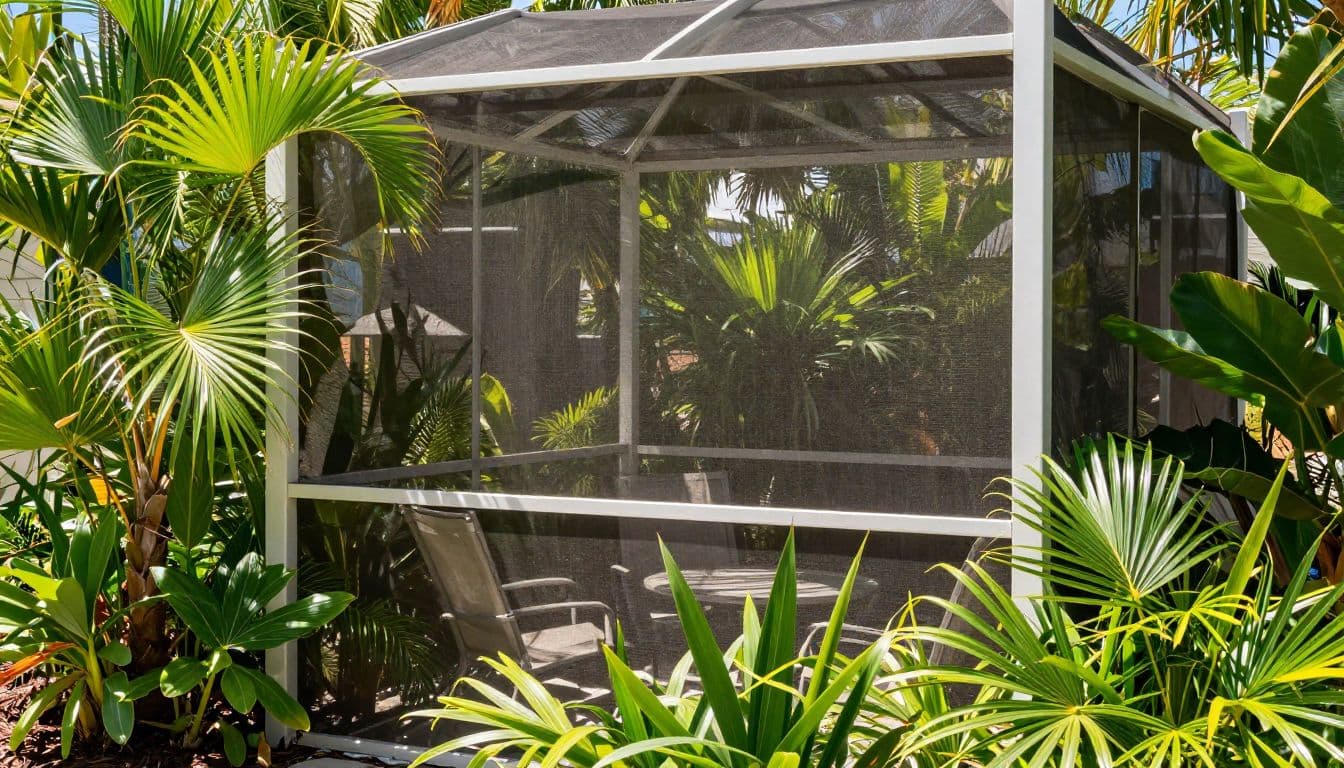
A pool cage or screened lanai can reduce mosquito contact, but ordinary screen mesh may not stop no-see-ums. Many standard patio screens have openings that are large enough for these tiny midges to pass through.
Fine no-see-um mesh can provide better protection. The exact choice depends on the enclosure, frame, ventilation needs, and local conditions. Tighter mesh may reduce airflow and collect more dust, so it needs regular cleaning and inspection.
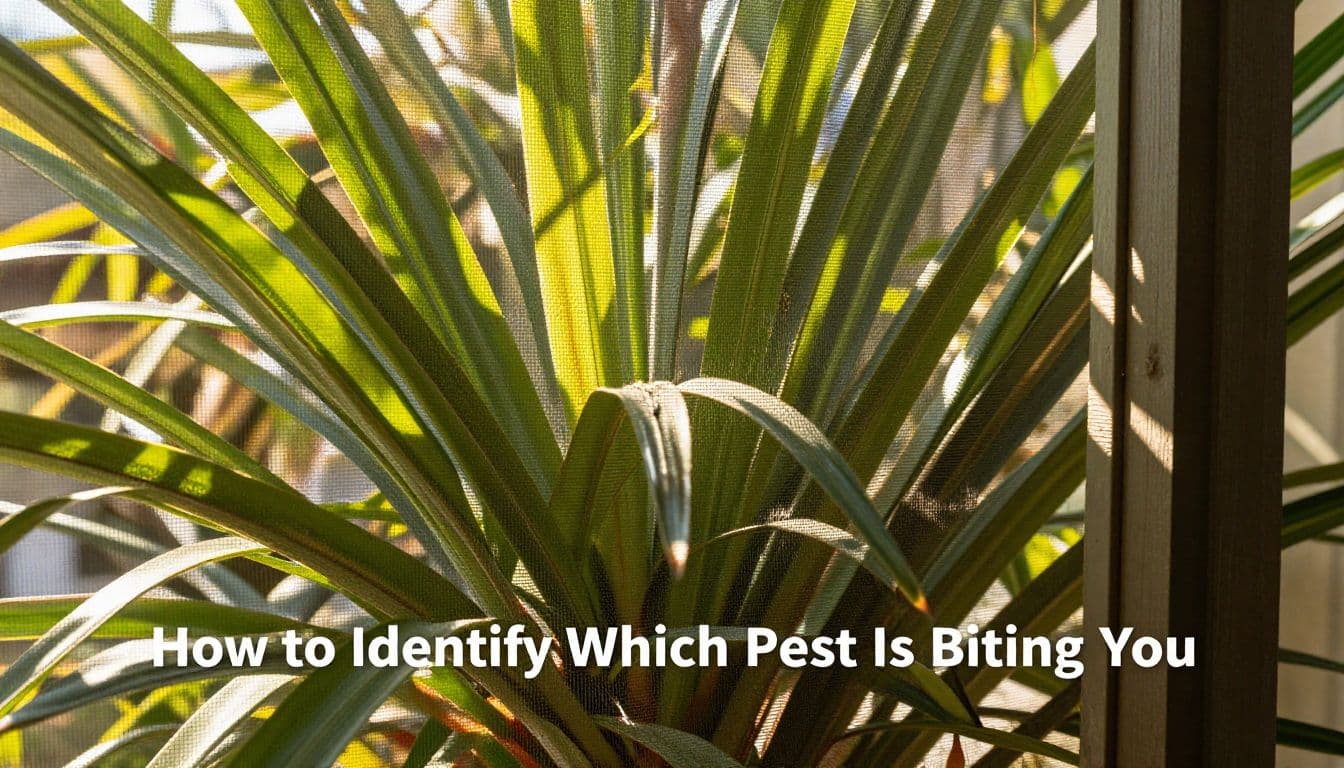
Even a screened patio won't work well when the door doesn't close tightly. Look for gaps around the frame, loose spline, small tears, worn seals, and openings near the bottom of screen panels. A single damaged section can give mosquitoes and no-see-ums a direct route inside.
A screen enclosure can block larger mosquitoes while allowing no-see-ums through its mesh openings.
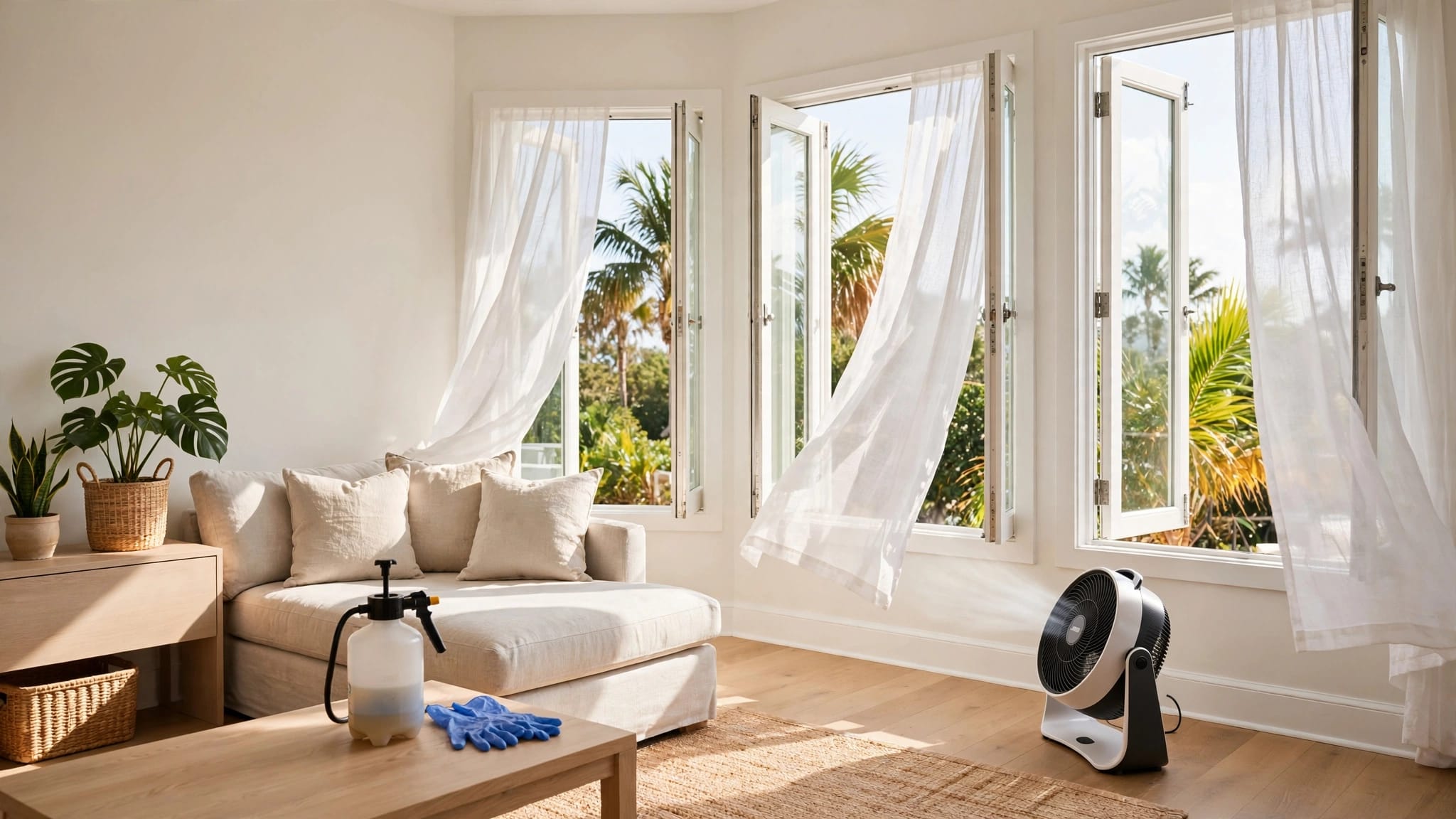
Air movement may also help. Mosquitoes are weak fliers, so a ceiling fan or box fan directed across seating areas can make landing harder. Fans won't correct damaged screening or remove a breeding source, but they can improve comfort during outdoor meals.
Lighting deserves attention, too. Bright lights near doors can attract flying insects to patio entry points. Warmer outdoor bulbs may reduce attraction compared with bright white lighting, although lighting changes won't solve an active infestation by themselves.
Patio Control That Matches the Pest
The best response depends on whether water, damp habitat, or access through screens is driving the problem.
Start with mosquito breeding sites
Inspect the property after rainfall and once each week during wet weather. Empty plant saucers, buckets, toys, birdbaths, and other containers that collect water. Clean gutters so water can drain, and remove puddles from pool covers.
Water that must remain in a container needs proper care. Follow the product label for any larvicide or mosquito dunk, and never add a treatment to water used for drinking. Pools and decorative water features also need regular maintenance and circulation.
Trim vegetation that touches the enclosure and remove shaded clutter near doors. These steps won't eliminate every mosquito, especially when nearby properties or natural areas contribute to the activity. They can lower the number of resting and breeding opportunities on your property.
For additional guidance, review this homeowner guide to mosquito control, which covers standing water, screens, fans, and common yard conditions.
Reduce no-see-um exposure
Begin with the enclosure. Repair tears, replace loose screen sections, and check whether the existing mesh is fine enough for no-see-ums. Keep doors closed and avoid leaving the entry open during peak activity near sunset.
Reduce wet organic material around the patio. Move damp leaf piles, correct irrigation overspray, and improve drainage where practical. Keep shrubs from pressing against screens, but don't assume that trimming alone will solve the problem if the source is a marsh or mangrove nearby.
Personal protection can help during outdoor use. Wear long sleeves and pants when practical, and apply an EPA-registered insect repellent according to its label. Products containing DEET or picaridin can protect exposed skin when used as directed. Avoid applying repellents to damaged skin or using them around children without following the product instructions.
Know when to call for pest control
Persistent bites often need a property inspection rather than another store-bought spray. A technician can look for standing water, drainage problems, dense vegetation, screen damage, and conditions beyond the patio itself.
Professional mosquito treatments may target resting areas around vegetation and the patio perimeter. No-see-um control requires a more careful assessment because the breeding habitat may be moist soil or coastal vegetation that cannot be treated broadly.
A local company can also adjust service recommendations for screened lanais, pool decks, vacation rentals, and homes near wetland areas. Mosquito control for screened lanais should account for both the enclosure and the surrounding property.
How to Tell Which Pest Is Causing the Problem
The pattern of activity can help narrow the possibilities:
- Bites that begin around sunset and affect ankles, wrists, or other exposed areas may point toward no-see-ums.
- Mosquitoes are more likely when you find larvae or wrigglers in stagnant water around the property.
- Tiny insects gathering near screens, lights, or shaded foliage may be biting midges, especially if they pass through regular mesh.
- Bites that continue indoors suggest open doors, damaged screens, or mosquitoes entering before the enclosure is closed.
- Activity that remains heavy after you remove patio water may come from nearby wet soil, marshland, mangroves, or unmanaged vegetation.
These clues aren't a medical diagnosis. Wash irritated skin, avoid scratching, and seek medical care for severe swelling, breathing problems, signs of infection, or a reaction that concerns you.
The most useful observation is location. Record when the bites start, where you sit, whether fans change the activity, and whether it follows rain or irrigation. Those details help a pest professional identify the source faster.
A Practical Plan for a More Comfortable Patio
Start with a short property check. Empty standing water, clean gutters, inspect the screen enclosure, close gaps, and move damp debris away from seating areas.
Next, track the timing. Mosquitoes often follow nearby water sources, while no-see-ums may remain active around sunset even when the patio looks dry. If a fan helps but doesn't stop the bites, airflow is reducing contact without addressing the source.
When the problem continues, schedule an inspection before applying repeated outdoor pesticides. A technician can determine whether the patio needs mosquito source reduction, fine-mesh repairs, targeted treatment, or a combination of measures.
Conclusion
The difference between no-see-ums and mosquitoes matters because the insects use different habitats and may get through different barriers. Mosquito control starts with standing water, while no-see-um relief often depends on fine screening, moisture management, and protection from nearby coastal habitat.
If your patio remains unusable after basic cleanup, don't keep guessing based on bite marks alone. A detailed inspection can identify the conditions bringing pests close to your home and point you toward targeted control instead of repeated, unfocused spraying.
Schedule a Free Inspection: