Rats Near Florida Plumbing: Finding the Entry Point
A rat near your toilet or sink doesn't establish that it entered through a sewer lateral. The immediate priorities are identifying rodent activity, finding an actual opening, and separating plumbing defects from pest entry points.
Bathrooms contain pipes, wall openings, and hidden spaces, so location alone can mislead you. Focus on physical evidence before choosing repairs or treatment, starting with the difference between a wastewater pipe and a gap around it.
Key Takeaways
- Rodent activity near plumbing doesn't identify a sewer-lateral entry route.
- Gaps around pipes, damaged screens, roof vents, and soffits deserve attention during an inspection.
- Plumbing repairs and rodent exclusion address different problems, so some homes need both.
- Expanding foam alone isn't a dependable barrier against chewing rodents.
Sewer Laterals, Plumbing Traps, and Pipe Openings
A sewer lateral connects a property's wastewater plumbing to the public sewer. That underground connection differs from the opening where a pipe passes through a wall, cabinet, or floor.
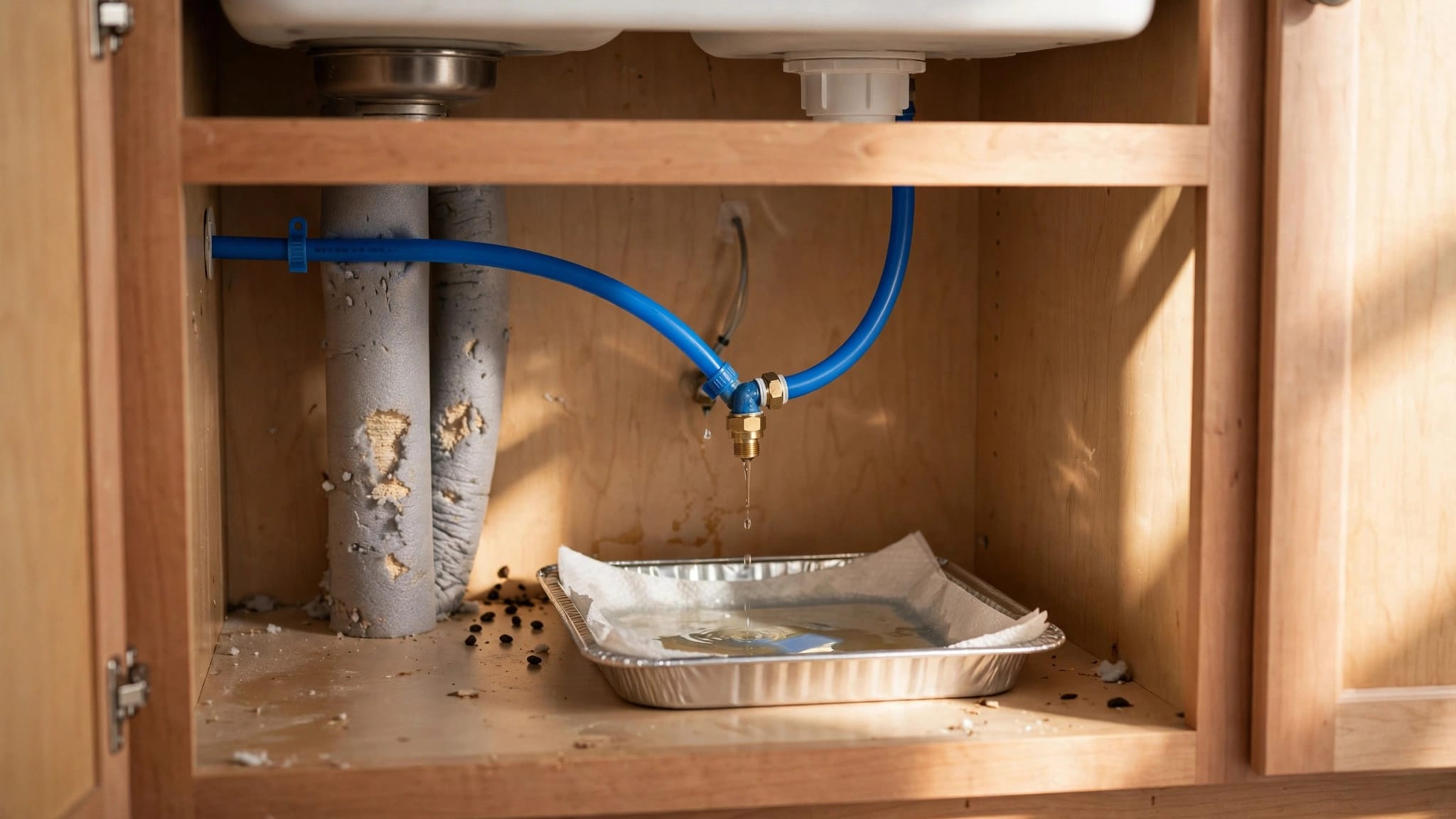
For example, a drainpipe beneath a sink may pass through an oversized wall opening. That surrounding gap can connect the cabinet to a wall cavity, even when the pipe itself remains intact.
Plumbing traps have another job. The curved section beneath many sinks holds water that blocks sewer gases. A dry trap can explain an odor, but that odor doesn't identify a rodent's entry route.
Damaged pipes, loose connections, and improperly closed plumbing openings need a licensed plumber. Meanwhile, gaps around the outside of pipes need suitable exclusion materials. Keep those repairs separate: sealing a wall penetration doesn't repair a leaking drain.
Warning Signs: Rodent Evidence Versus Plumbing Trouble
Look for a pattern of rodent activity
Droppings, gnawed packaging, shredded nesting material, and greasy marks along edges support a rodent investigation. Scratching in walls or ceilings, especially at night, adds another clue.
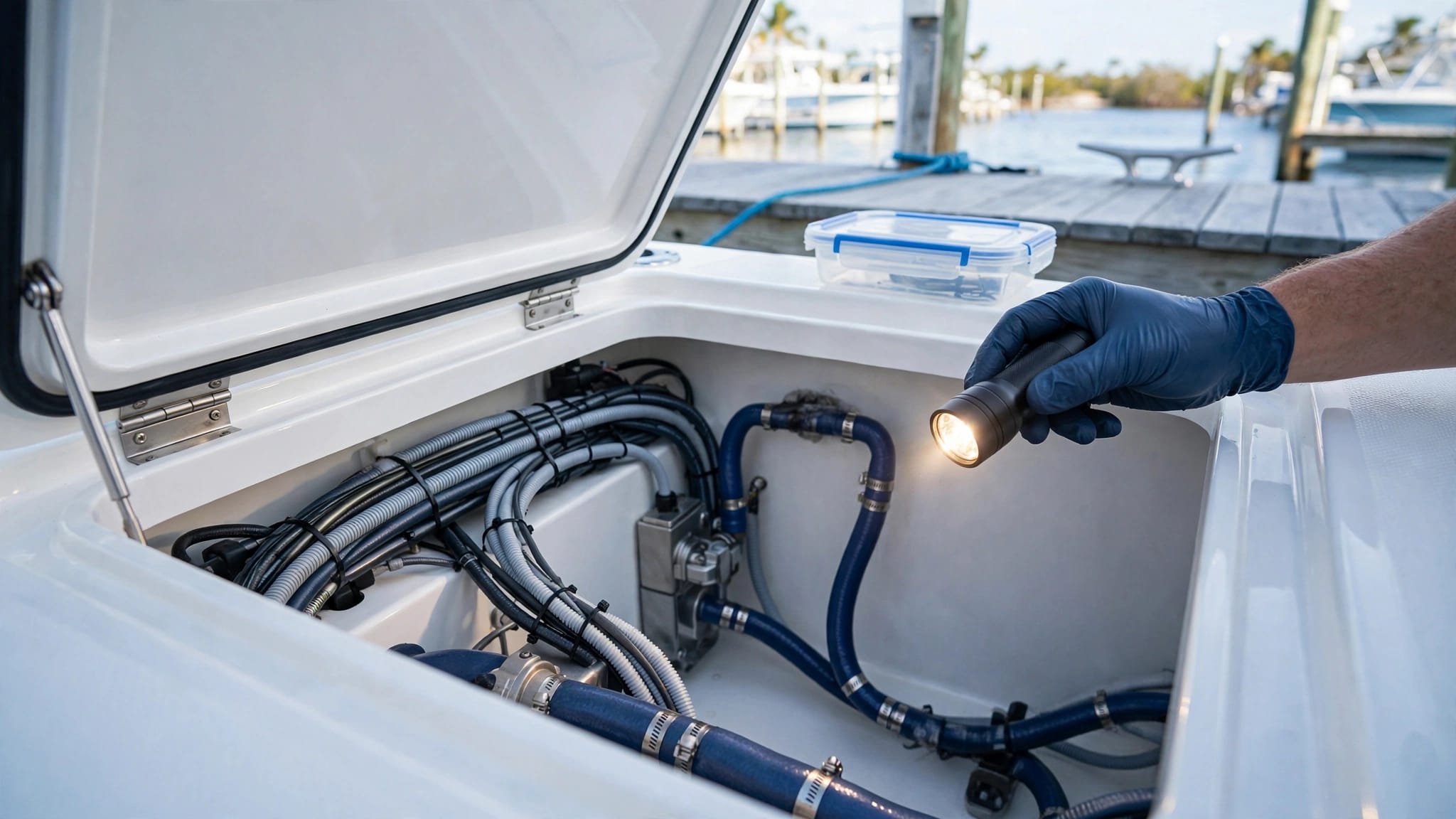
Inspect accessible areas beneath sinks and around utility closets without disturbing waste or damaged wiring. Note where signs appear and whether they extend beyond the bathroom.
If you're unsure what left the waste, our guide to identifying rodent droppings in Florida homes explains what supporting evidence matters. A single dropping shouldn't determine an entire treatment plan.
Separate drainage symptoms from animal signs
Slow drainage, recurring leaks, sewer odors, and wastewater backups need plumbing attention. They don't establish how a rat entered.
Likewise, attic noises warrant an inspection of the upper structure, even when you also have bathroom plumbing trouble. Our guide to signs of attic rodent activity covers scratching, gnawing, rub marks, and nesting material.
Record the location of each symptom. This helps a plumber and pest professional investigate the right areas without treating unrelated problems as one diagnosis.
Practical Prevention Around Plumbing and the Home
Seal surrounding gaps and remove moisture
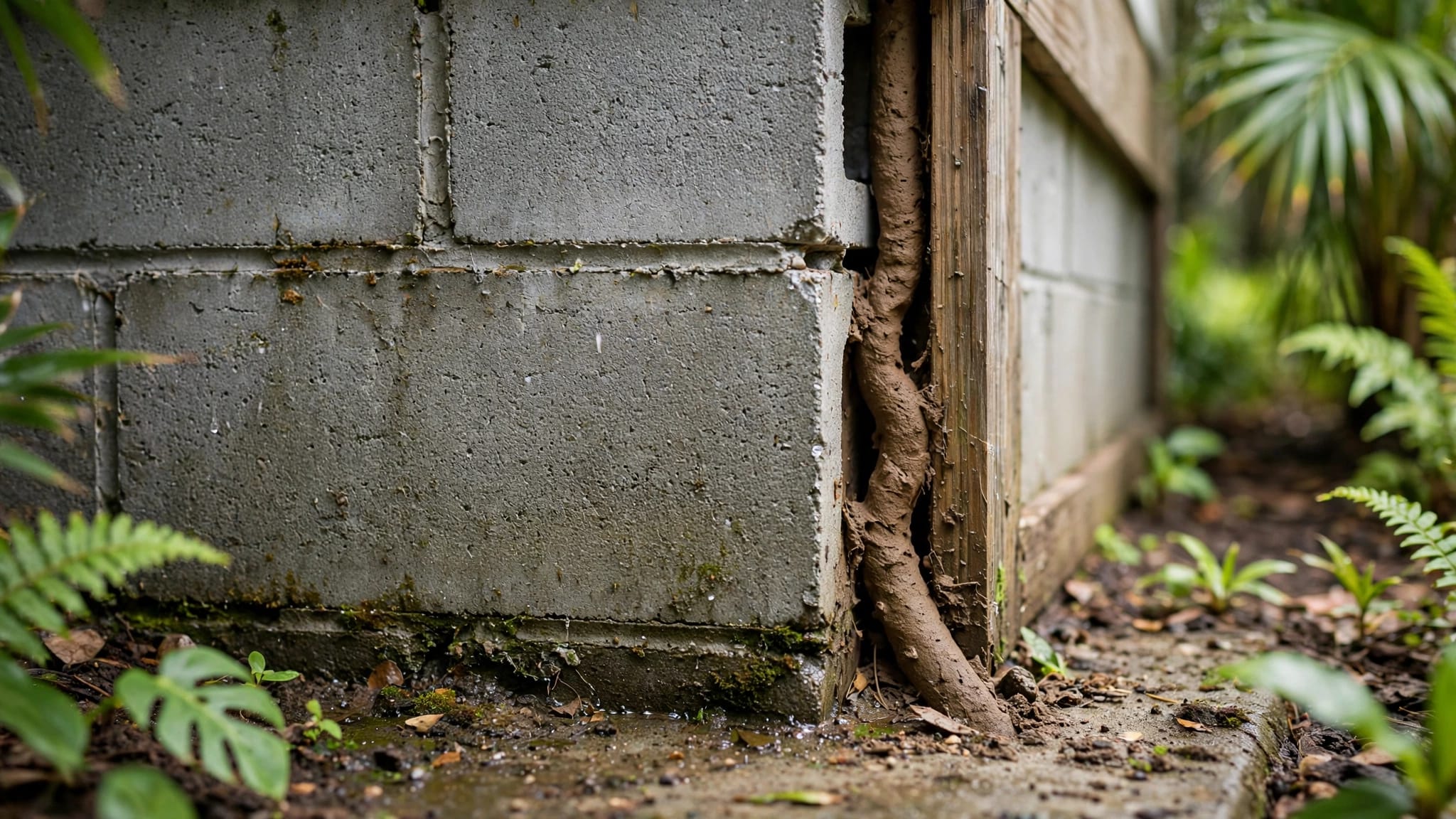
Inspect visible openings around drainpipes, supply lines, and other utility penetrations. Cracked sealant, chewed material, or daylight around a pipe deserves attention.
Use durable materials suited to the opening and building surface. Larger gaps may require corrosion-resistant metal mesh beneath an appropriate sealant. Because rodents can chew soft foam, foam alone shouldn't be the finished barrier.
Keep exclusion materials outside functioning pipes and drains. Never fill a drain opening with mesh or sealant.
Also repair dripping faucets, damaged supply hoses, and slow leaks. Moisture can continue attracting pests after surrounding gaps have been closed.
Inspect beyond the bathroom
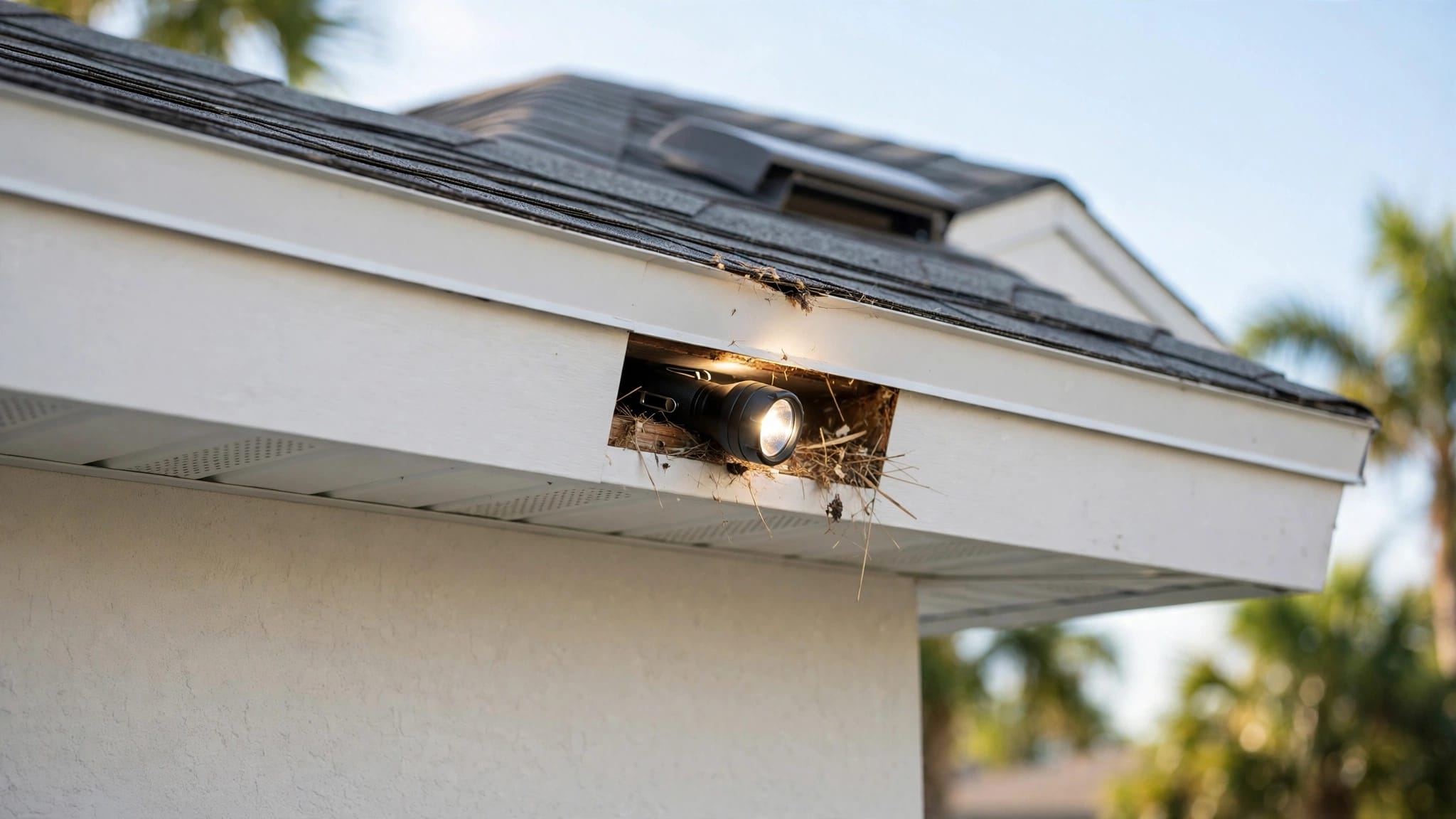
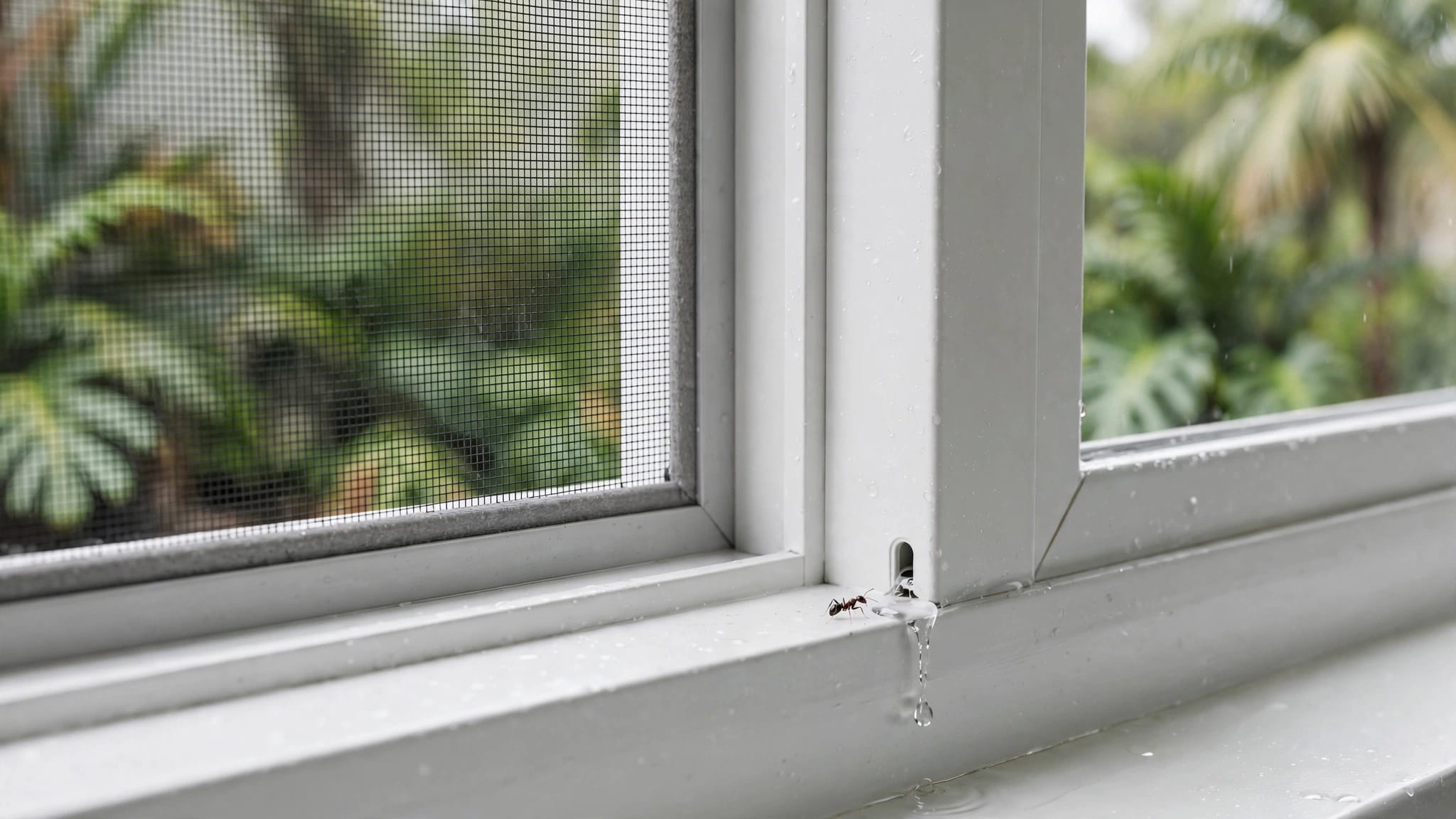
In Cape Coral, roof vents, soffit gaps, gable vents, and damaged screens are documented rodent access points. Our explanation of how roof rats enter homes covers these routes.
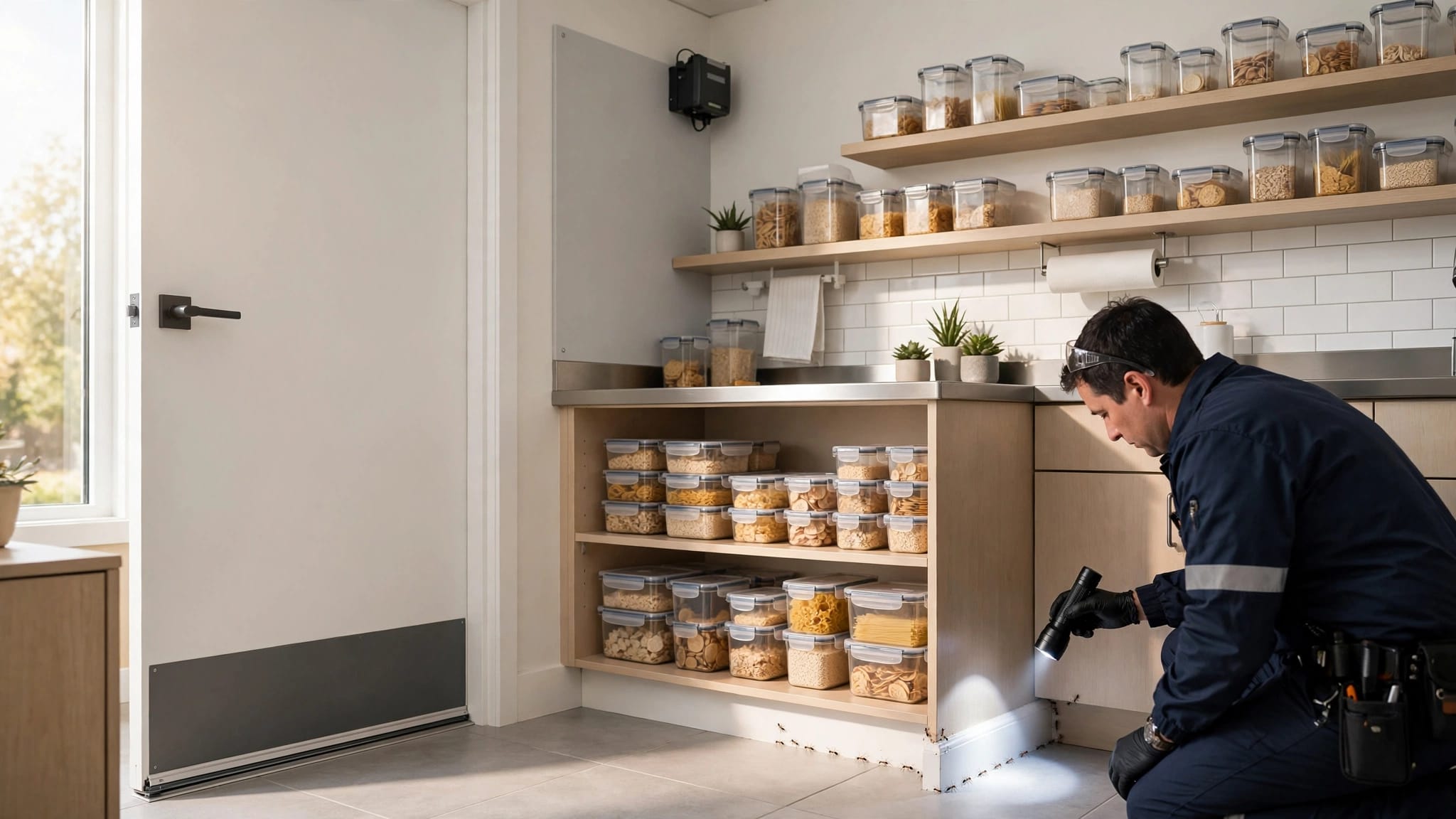
Inspect accessible exterior utility openings and door sweeps as well. Don't remove electrical covers or disturb wiring to reach a suspected gap.
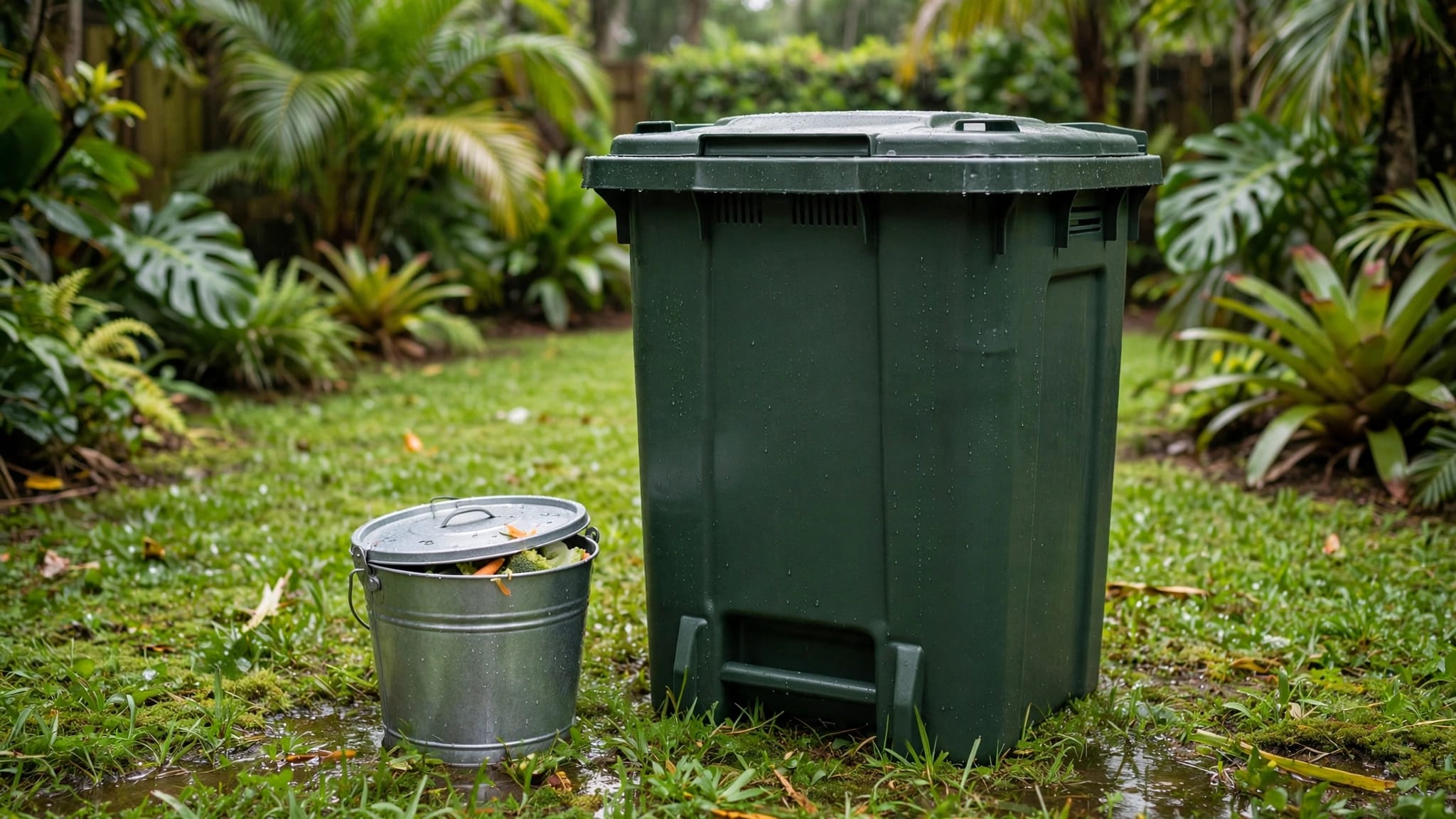
Outside, keep trash lids fully closed and clean spilled food beneath carts. Waterfront properties also need attention around docks and building perimeters. Our guidance on Norway rat activity near seawalls explains how sanitation and exclusion work together.
When to Bring in Pest Control and a Plumber
Repeated droppings, fresh chewing, or continued scratching call for a rodent inspection. The inspection should consider accessible plumbing penetrations alongside roof, wall, and door openings.
A licensed plumber should handle damaged wastewater pipes, recurring backups, and suspected concealed leaks. Pest treatment won't repair those defects, while plumbing work alone won't address rodents already inside.
Avoid dry sweeping or vacuuming rodent waste because that can send contaminated particles into the air. Keep children and pets away from affected areas until cleanup can proceed safely.
We offer free inspections in Cape Coral and nearby Southwest Florida communities. An inspection can help identify rodent evidence and accessible entry points that need attention.
Frequently Asked Questions
What should I do if I find a rat in the toilet?
Keep children and pets away, close the bathroom door, and contact a pest professional. Don't handle the animal or pour chemicals into the bowl. The animal's location deserves investigation without assuming that every nearby plumbing component needs replacement.
Should I seal a suspected entry hole immediately?
If rodents are active inside, coordinate exclusion with removal. Closing an opening without a plan can leave animals inside the structure. However, active leaks and exposed electrical hazards need prompt professional attention regardless of the rodent investigation.
Address the Opening You Can Identify
Rodent control works best when evidence guides the repair . A bathroom sighting warrants attention, but it doesn't identify a sewer lateral as the source.
Address plumbing defects with a licensed plumber and coordinate rodent removal with durable exclusion. That keeps the response focused on the problems actually present in your home.
Schedule a Free Inspection: