Can Termites Use Shared Utility Lines Between Florida Homes?
Yes, subterranean termites can reach adjoining Florida homes through connected soil or concealed gaps around shared utility routes. They don't typically travel inside intact utility lines; the concern is the space around those lines.
Finding termites near a pipe doesn't establish where they came from or whether neighboring units are affected. The important distinction is the entry route , which a licensed pest professional can investigate before recommending treatment.
Key Takeaways
- Subterranean termites may reach multiple attached homes through soil, foundation openings, or concealed construction gaps.
- Shared utility routes, shared walls, and shared soil are different possible pathways.
- Mud tubes near plumbing deserve inspection, but they don't prove termites traveled from a neighboring unit.
- Coordinated inspection helps identify activity that extends beyond one home.
How Termites Move Around Shared Utility Routes
Connected soil can provide access to both homes
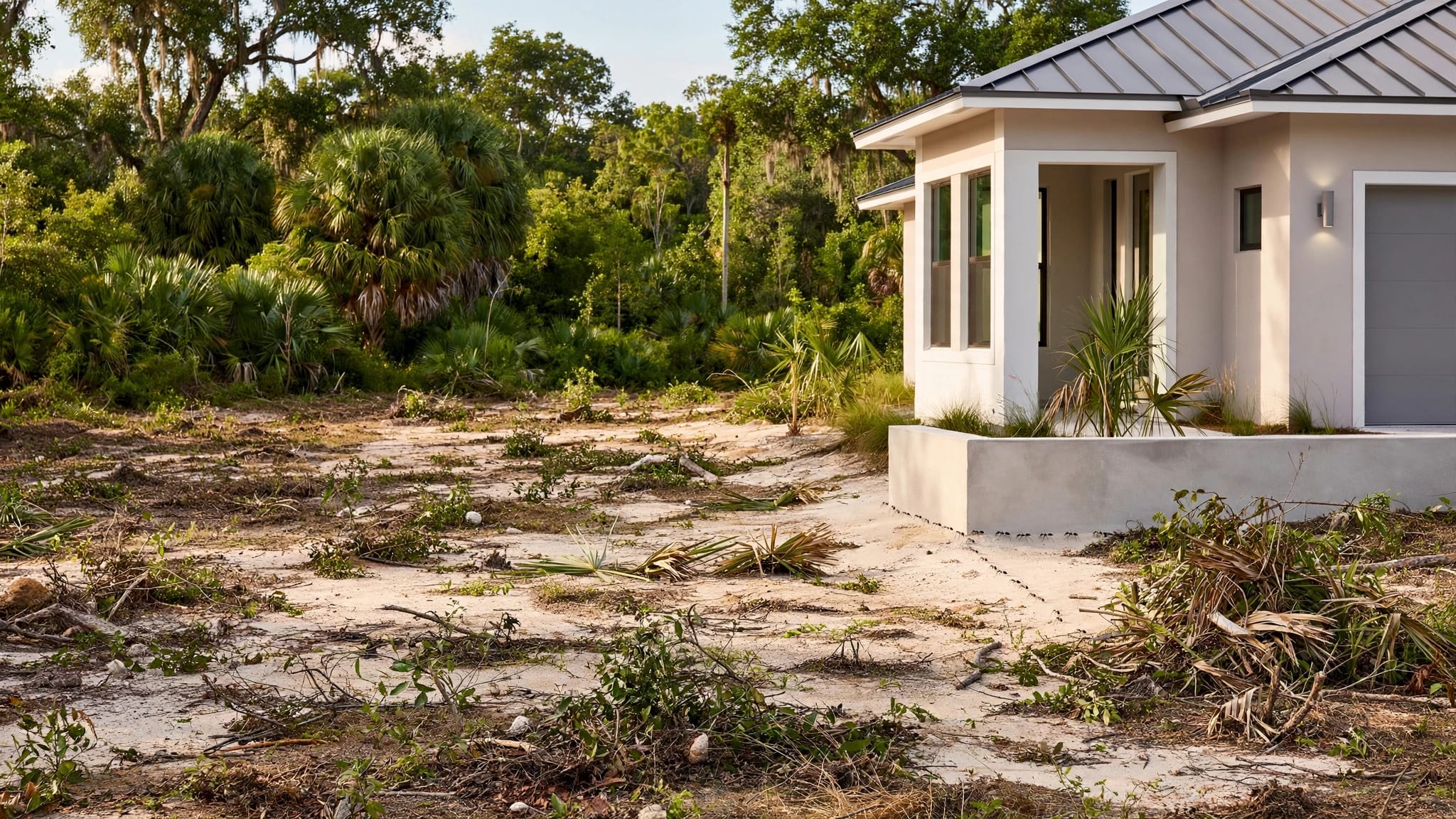
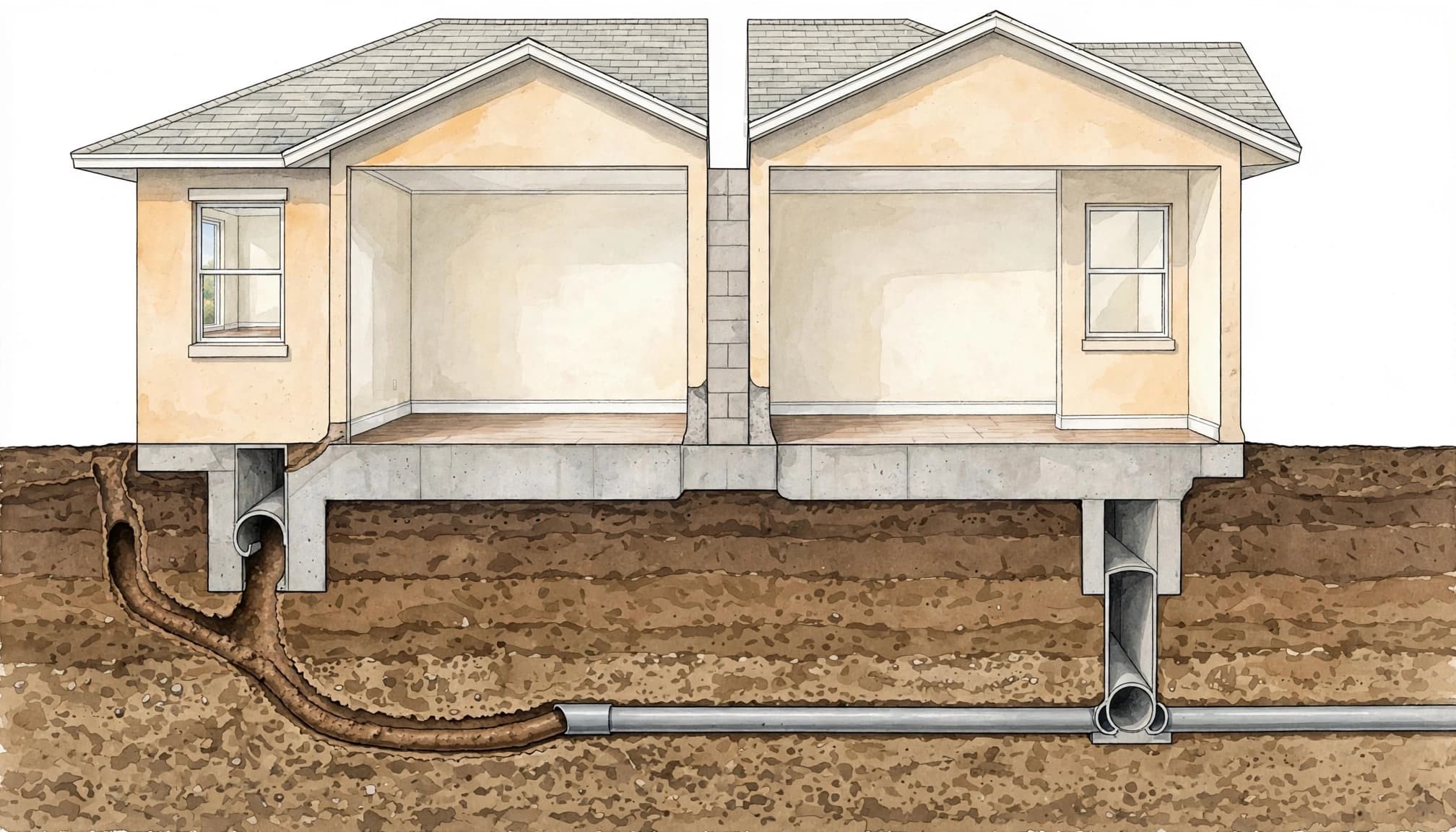
Subterranean termites travel through soil and build protective shelter tubes to reach wood. Attached homes may sit over connected ground, allowing termites to approach different units without entering a utility pipe.
A utility trench can overlap with this underground environment. However, the presence of buried utilities alone doesn't establish the termites' route. Foundation cracks, construction joints, and slab openings may also provide access.
Florida's warmth and moisture can support termite activity for much of the year. Still, construction details and conditions around each building determine where entry is possible.
Gaps around pipes differ from the pipes themselves
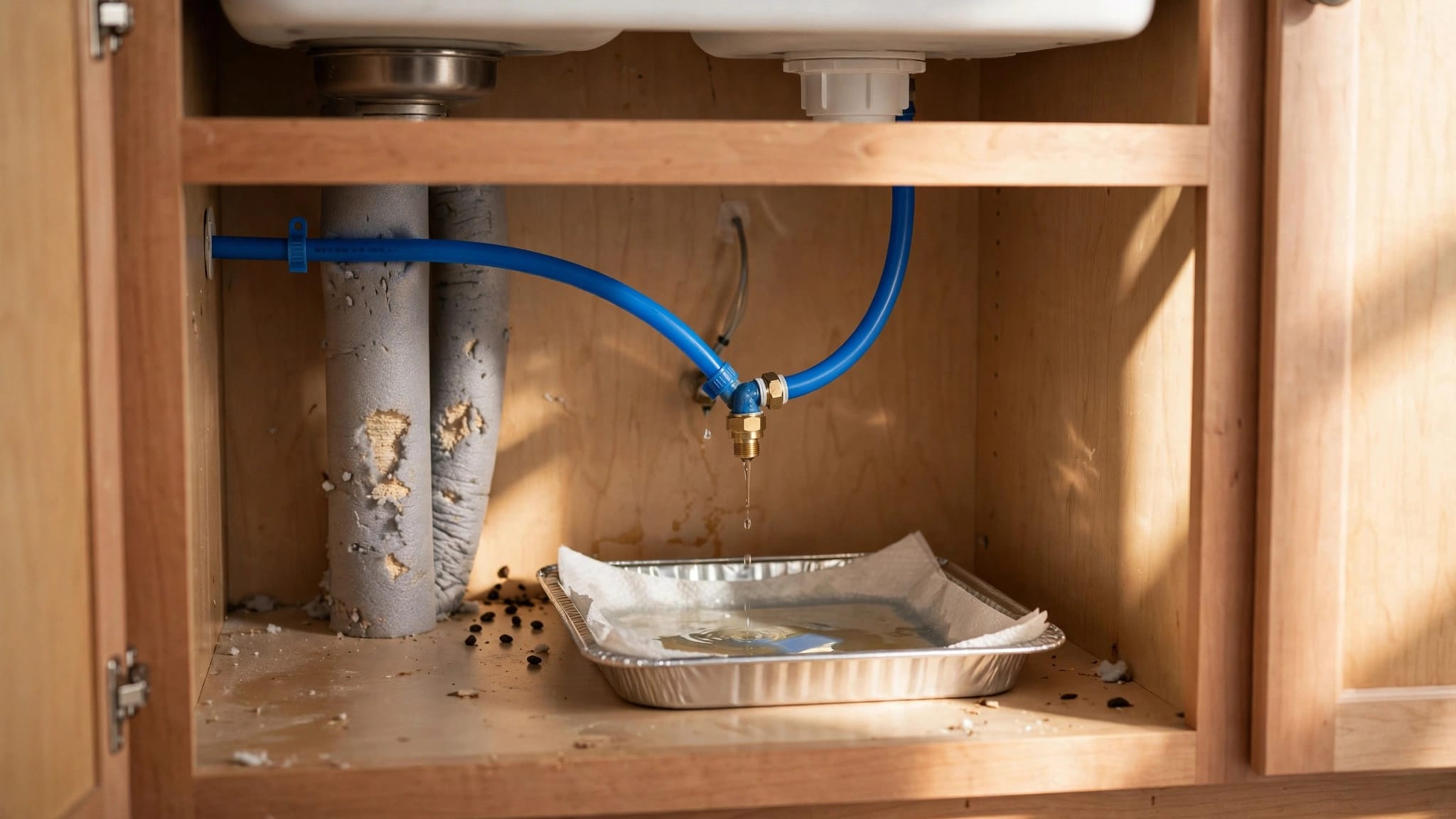
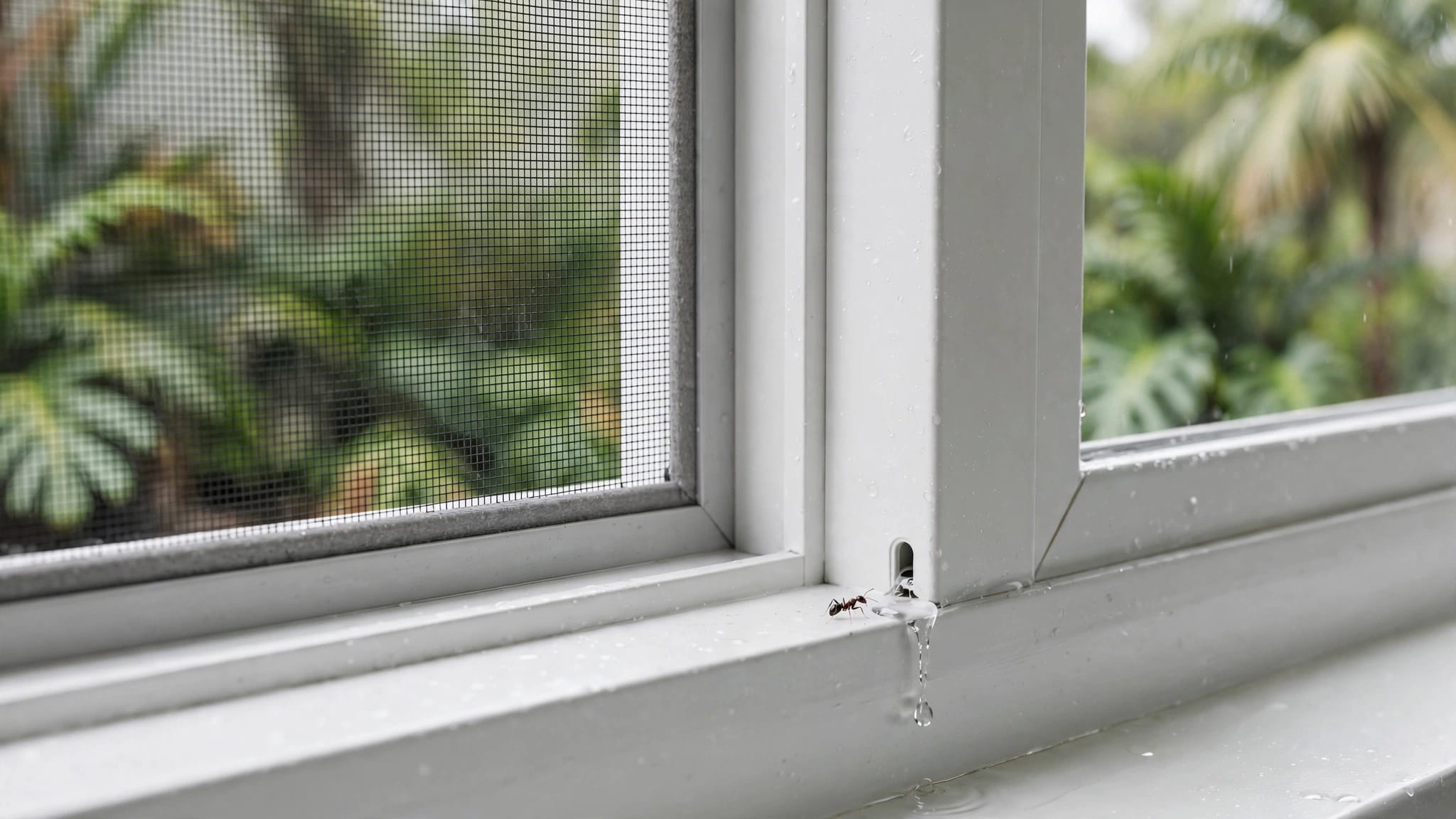
Where plumbing or conduit passes through concrete or framing, surrounding gaps may create concealed access. Termites can build shelter tubes along nearby surfaces or through openings around these penetrations.
A utility chase is also different from a utility line. It's the construction space that houses pipes, wiring, or other services. Depending on the building, that space may connect concealed areas.
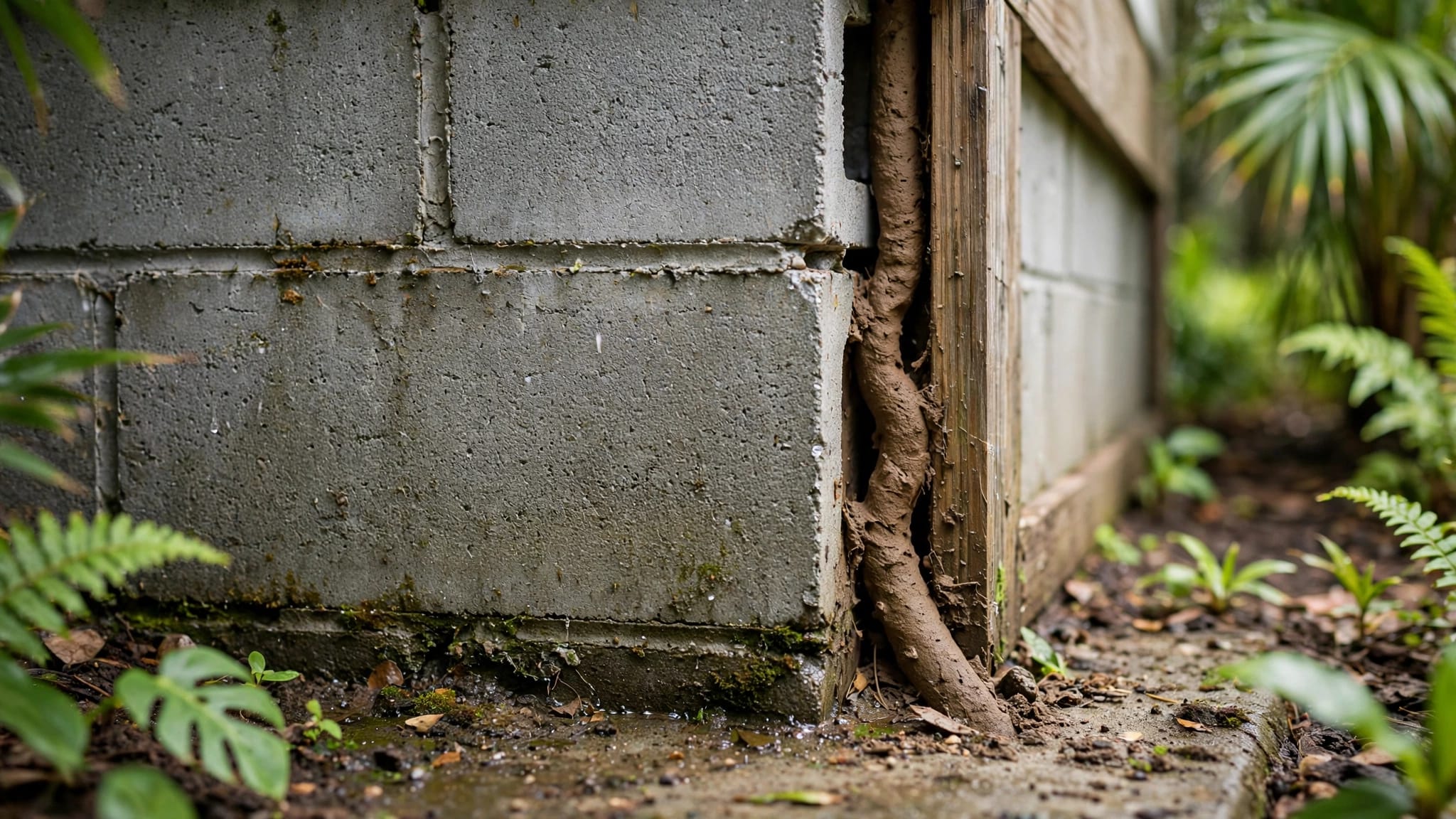
For example, mud tubing beside a plumbing sleeve indicates a possible access point. It doesn't show that termites moved through the water supply or followed the pipe from another unit.
What Shared Walls and Warning Signs Reveal
Shared walls are a separate inspection concern
A shared wall may contain framing, sheathing, plumbing openings, and other components. Its layout may conceal termite activity, but a shared wall doesn't automatically mean both homes are infested.
Likewise, termites found in neighboring units may have separate entry points from the soil. Determining whether activity is connected requires more evidence than proximity.
Our guide to termite activity across adjoining townhome units covers why adjoining areas may need attention. Ownership boundaries don't prevent termites from reaching accessible wood.
Mud tubes and pellets suggest different termite problems
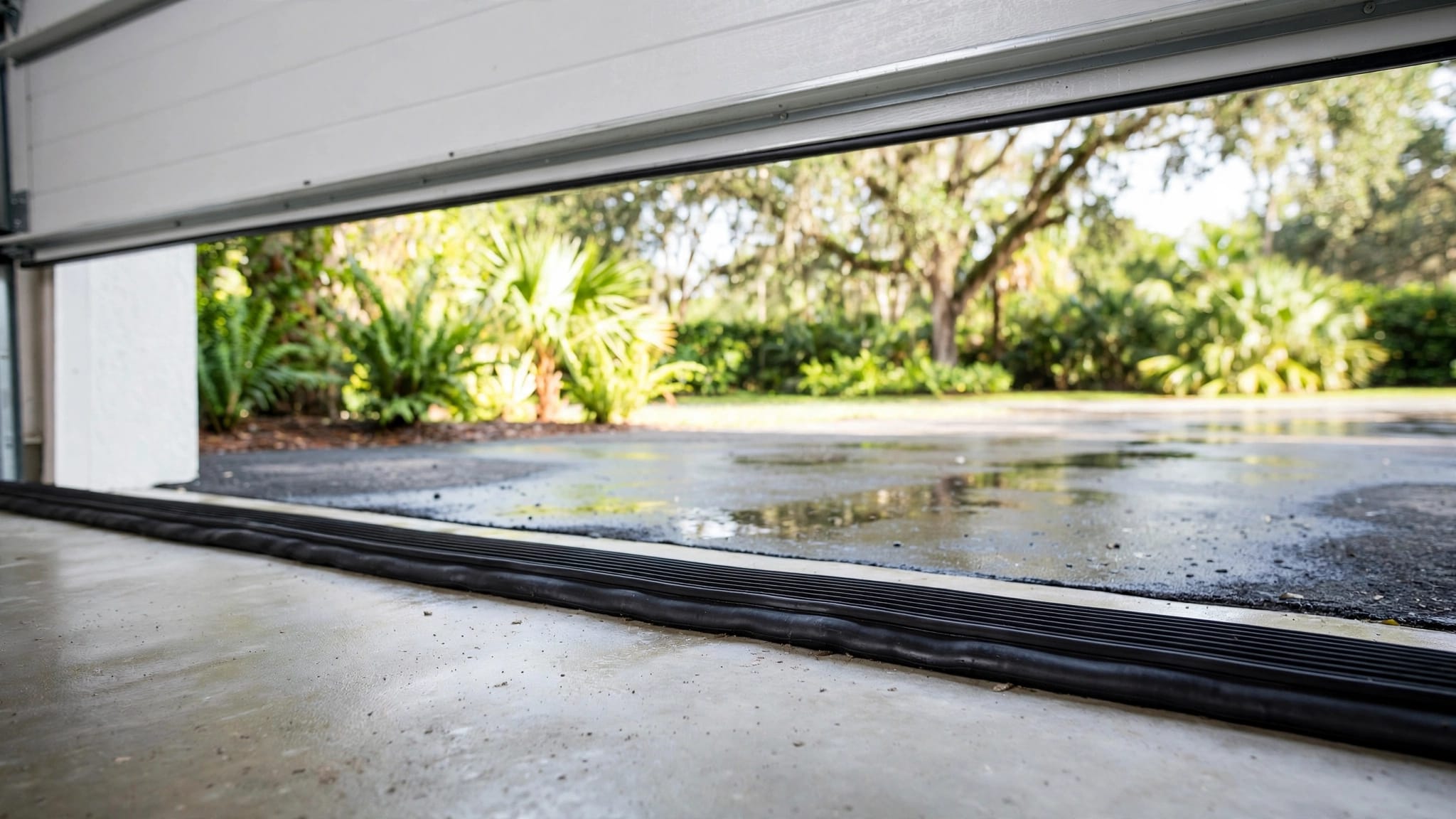
Subterranean termite shelter tubes often appear as narrow, dirt-like lines along foundation edges, garage walls, or plumbing penetrations. They protect termites traveling between sheltered areas and food.
Drywood termites follow a different pattern. They live inside wood without needing direct soil contact and may leave hard, granular pellets beneath small openings.
Discarded wings, weakened trim, and hollow-sounding wood also warrant attention. However, water damage can resemble termite damage. These common termite warning signs help you recognize evidence without assuming every damaged surface has the same cause.
What to Do Before Treating an Attached Home
Photograph suspicious tubes, insects, pellets, or damage before disturbing them. Record the location, including whether it's near a shared wall, plumbing opening, or exterior slab edge.
Then arrange an inspection with a licensed Florida pest professional . Accessible foundation areas, garages, plumbing penetrations, attic wood, and nearby moisture sources may all matter. Enclosed wall spaces can limit what a visual inspection reveals.
Notify the neighboring owner or association when evidence appears near shared construction. Coordinating access can help the inspector assess adjoining areas rather than treating one visible spot in isolation.
Repair plumbing leaks and redirect irrigation that keeps foundations wet. Our guidance on irrigation leaks and termite risk explains why persistent moisture deserves attention alongside termite treatment.
Don't inject household pesticides into utility openings or use foggers inside walls. Also, avoid covering suspicious tubes with foam or caulk before inspection. Sealing can conceal evidence without addressing the infestation.
Treatment depends on the termite type, access, construction, and findings. Subterranean termite plans may involve baiting or liquid soil treatments. General household insect spraying doesn't replace termite-specific control.
Frequently Asked Questions
Can concrete-block attached homes still have termites?
Yes. Concrete-block construction doesn't remove the wood in roof framing, trim, cabinets, or other components. Subterranean termites may reach that wood through foundation openings, joints, or concealed gaps. A masonry exterior alone doesn't establish whether the home is protected.
Does a neighbor's infestation mean my home needs treatment?
Not automatically. It means adjoining areas deserve inspection, especially where construction or entry routes may connect. A professional should identify evidence and access conditions before recommending treatment. Activity next door doesn't establish the extent of any infestation inside your home.
Protect the Building by Identifying the Route
Termites near shared utilities call for attention to surrounding soil, openings, and concealed construction. The pipe itself usually isn't the travel route, and evidence in one unit doesn't establish activity throughout the building.
Inspection comes before treatment. We offer free inspections in Cape Coral and Fort Myers to help homeowners understand termite concerns and choose an appropriate next step.
Schedule a Free Inspection: