Florida townhome termites: Who handles shared walls?
When Florida townhome termites appear near a shared wall, the first concern is usually damage. The next question is harder: does the homeowner, neighbor, or homeowners association handle the inspection and treatment?
There isn't one answer for every community. Your declaration, CC&Rs, bylaws, association rules, lease, maintenance chart, and insurance policy may divide responsibility differently. Still, prompt professional inspections and clear communication can prevent a small termite issue from spreading into a larger dispute.
Key Takeaways
- Shared walls can contain connected framing, wall voids, slabs, utility openings, or other pathways.
- Your HOA documents often determine who maintains and treats common elements.
- Homeowners usually need to report suspected activity quickly, even when the source may be outside their unit.
- A licensed termite professional should inspect affected and adjoining areas before anyone chooses treatment.
- Coordinated treatment matters when termites may cross property lines or enter through shared construction.
What Florida townhome termites mean for shared walls
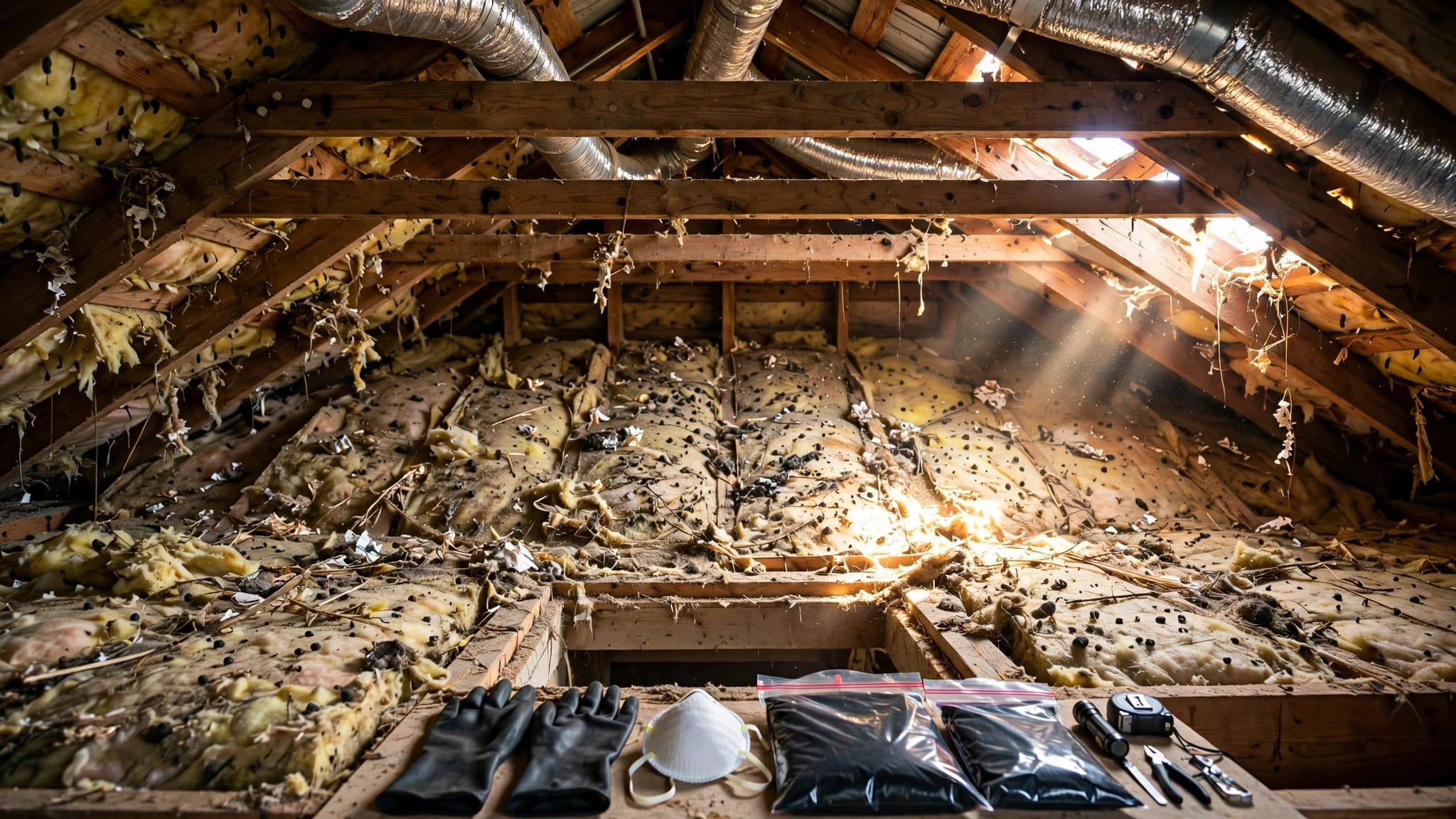
Termites don't follow ownership boundaries. Subterranean termites can move through soil, cracks, foundation areas, and concealed entry points. Drywood termites may live inside wooden framing, roof components, attic materials, or furniture. In a connected townhome, activity found on one side of a shared wall may involve more than one unit.
A shared wall can include framing, sheathing, insulation, fire-resistant materials, plumbing penetrations, electrical openings, and other construction components. The exact design depends on the building. A visible swarm, damaged trim, or shelter tube may reveal only the nearest accessible point, not the original entry location.
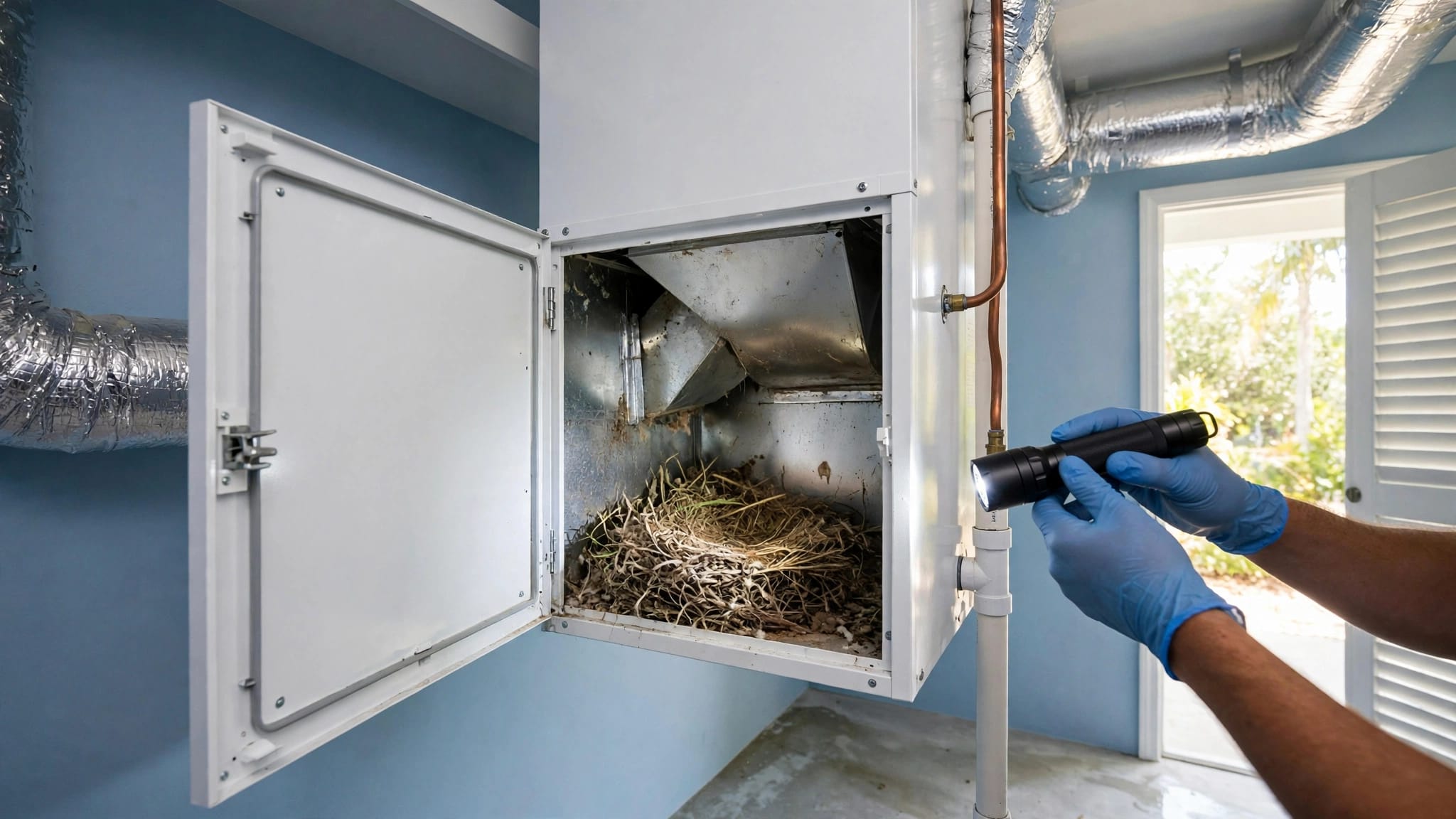
That makes a quick spray or isolated repair risky. A technician needs to determine whether the signs show active termites, old damage, another wood-destroying insect, or moisture-related deterioration. The inspection should cover accessible interior areas, the exterior foundation, garages, attic spaces, utility penetrations, and nearby common elements when available.
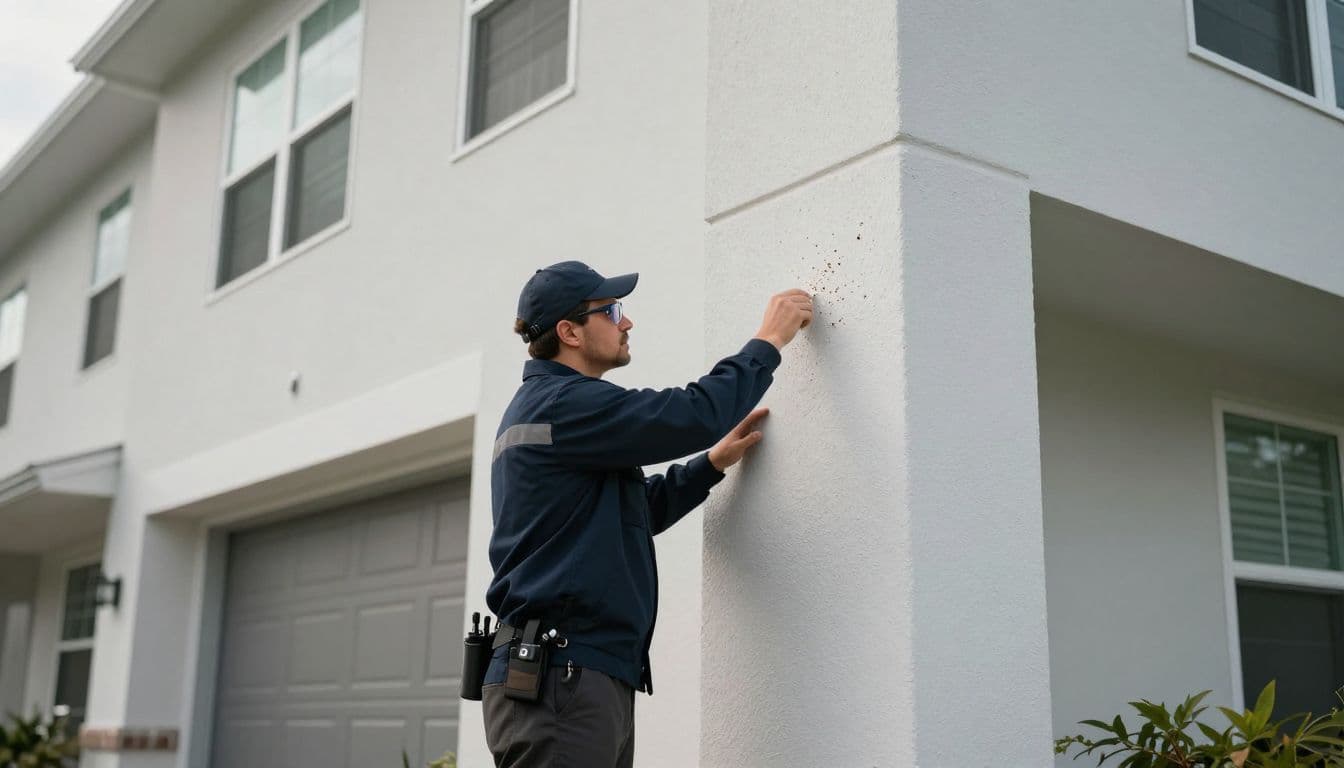
The association may control exterior walls, roofs, landscaping, foundations, or other common property. However, some townhome documents assign portions of those areas to individual owners. A maintenance chart may even separate repair duties from pest-control duties.
Read the documents before assuming who must pay. If you rent the townhome, notify the owner or property manager as well as the association when permitted by the lease and community rules.
A termite report identifies conditions and activity. It does not decide legal responsibility by itself.
Who should be contacted first?
Contact the HOA or property manager in writing as soon as you notice possible termite activity. Include the location, date, photos, and a short description of what you found. Ask whether the community has a termite contract, recent inspection records, treatment warranty, or reporting process for common walls.
Next, arrange a licensed termite inspection for your unit. The association may send its own provider, but an individual inspection can still help document what is inside your home. Ask the inspector to identify the likely species, areas inspected, evidence of active activity, accessible limitations, and recommended next steps.
Keep the communication factual. State that you found suspected termite signs and want the appropriate parties to coordinate an evaluation. Avoid accusing a neighbor or declaring that the HOA is responsible before reviewing the governing documents.
Access can become a practical problem. A technician may need to inspect the adjoining unit, a shared attic, a garage, landscaping, or a wall from both sides. Ask the association or property manager to coordinate entry rather than attempting to enter another unit or alter a common area yourself.
For residents in Cape Coral and nearby communities, this homeowner termite prevention guide covers inspection timing and warning signs that can help you prepare for a professional visit.
How responsibility may be divided
The responsible party often depends on where the termites are found, what caused access, and how the community documents divide maintenance. These are common patterns, not automatic legal rules.
| Area or situation | Party that may handle it | What to verify |
|---|---|---|
| Interior trim, cabinets, or finishes | Individual homeowner or landlord | Lease, declaration, and repair provisions |
| Exterior walls or foundation areas | HOA, owner, or shared responsibility | Maintenance chart and common-element definitions |
| Landscaping, soil, or irrigation near the building | HOA or owner | Landscape and watering duties |
| Termite contract for the community | HOA or contracted provider | Coverage, exclusions, and warranty terms |
| Damage caused by a private alteration or neglected leak | Party identified by the documents | Evidence, repair history, and insurance language |
| Treatment inside multiple connected units | Coordinated parties | Written scope, access, and payment agreement |
The association may arrange treatment of common areas while each homeowner handles interior repairs. In another community, the declaration may assign pest control to individual owners, even when termites travel through connected construction.
Leases add another layer. A tenant should report signs immediately to the landlord or manager and follow the lease's maintenance procedure. Tenants shouldn't pay for structural treatment or authorize invasive work without clear written direction.
Insurance also varies. Many property policies treat termite damage differently from sudden covered losses. An insurance adjuster can explain policy terms, but an adjuster doesn't replace a termite inspection. Keep the inspection report, photos, invoices, notices, and treatment records together.
When the documents are unclear, ask the association for a written explanation and the specific provision supporting its position. If a serious payment or repair dispute remains, a Florida attorney who handles community-association or real-estate matters can review the documents.
Why coordinated termite treatment matters
Treating one room without checking connected areas may leave the source untouched. For example, a colony could enter near a slab edge, move through a wall void, and appear inside a baseboard several feet away. Drywood termites can also remain hidden in framing until the colony produces visible evidence.
A licensed professional should choose treatment based on the termite species, activity level, building access, construction, and location. Possible approaches include localized drywood treatment, whole-structure treatment in suitable cases, liquid soil or foundation treatments, and bait systems. Each method has limits, and the inspection findings should guide the choice.
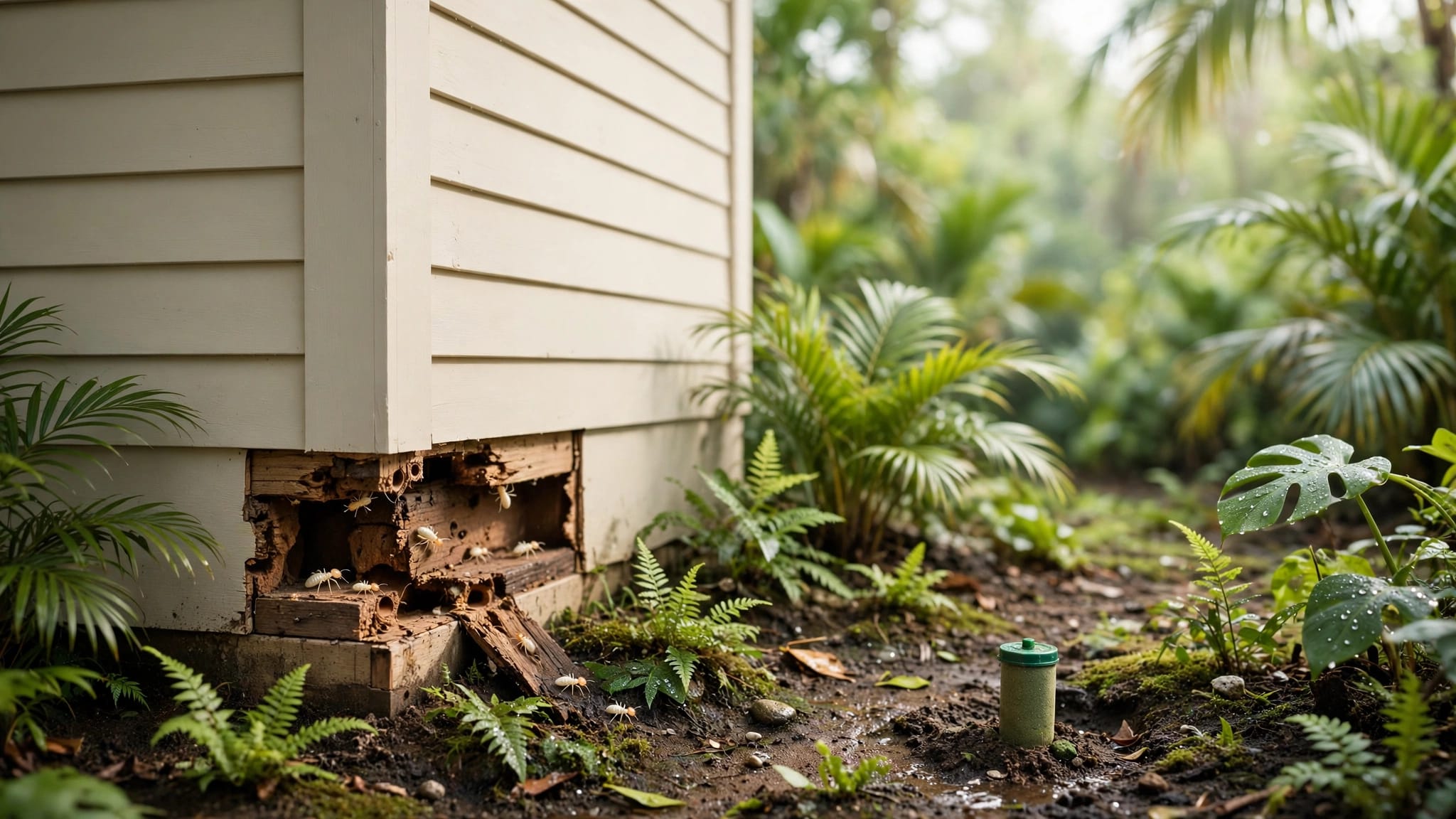
You can compare Florida termite treatment options after the technician confirms what is happening. Bait stations and liquid treatments address different conditions. A professional may recommend one method, a combination, or further inspection when the evidence is incomplete.
Ask for a written treatment plan that explains:
- The suspected termite species and evidence of current activity
- The areas included and areas the technician couldn't access
- Whether adjoining units or common elements need inspection
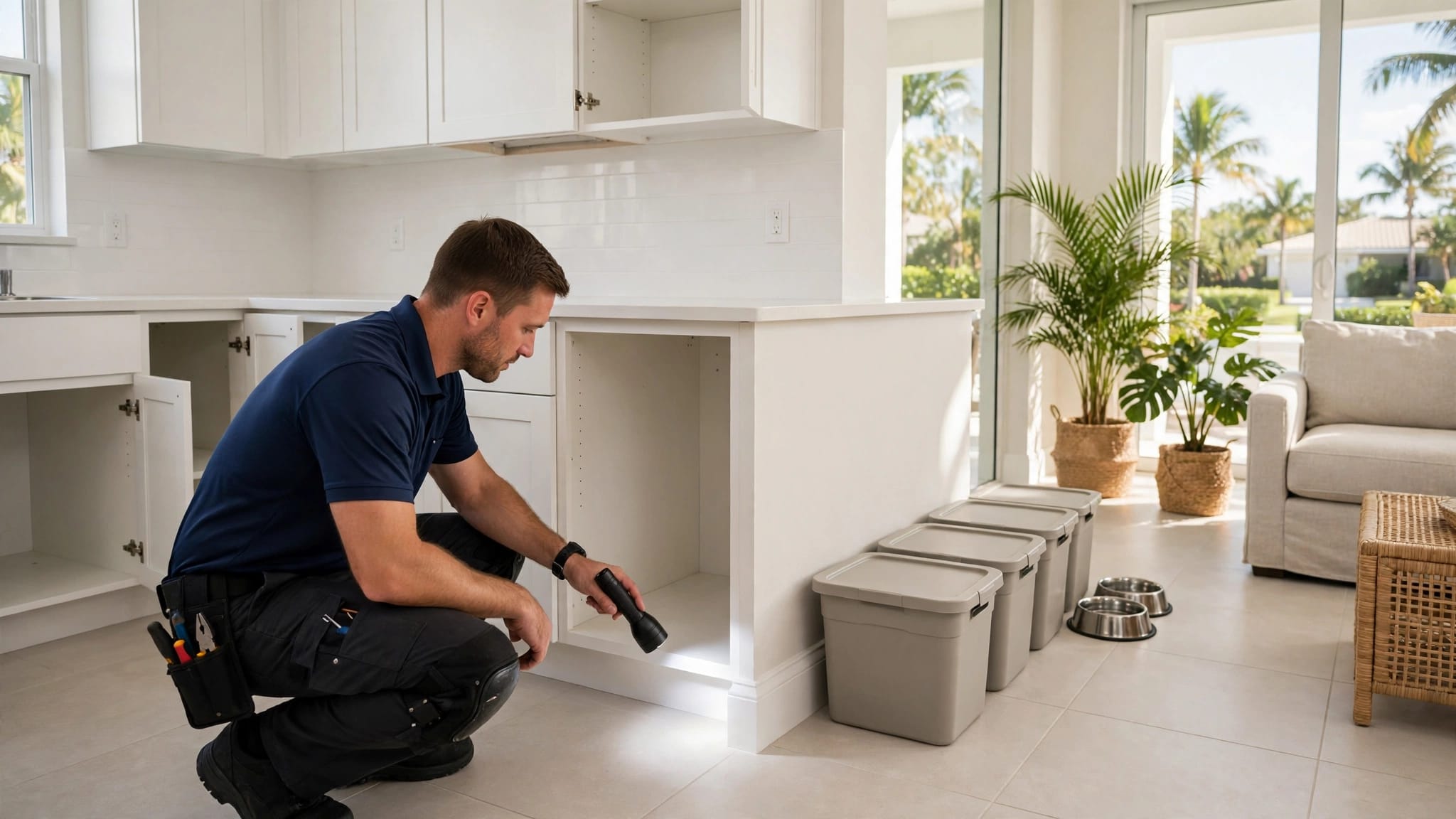
- Preparation requirements for residents and pets
- Follow-up visits, monitoring, warranty terms, and exclusions
- Which repairs must happen before or after treatment
Treatment may require cooperation among the owner, HOA, landlord, neighbor, and pest-control company. The association may need to approve drilling, trenching, landscape disturbance, wall access, or work near shared utilities. Written coordination helps prevent one party from treating an isolated symptom while another affected area remains untreated.
Signs residents shouldn't ignore
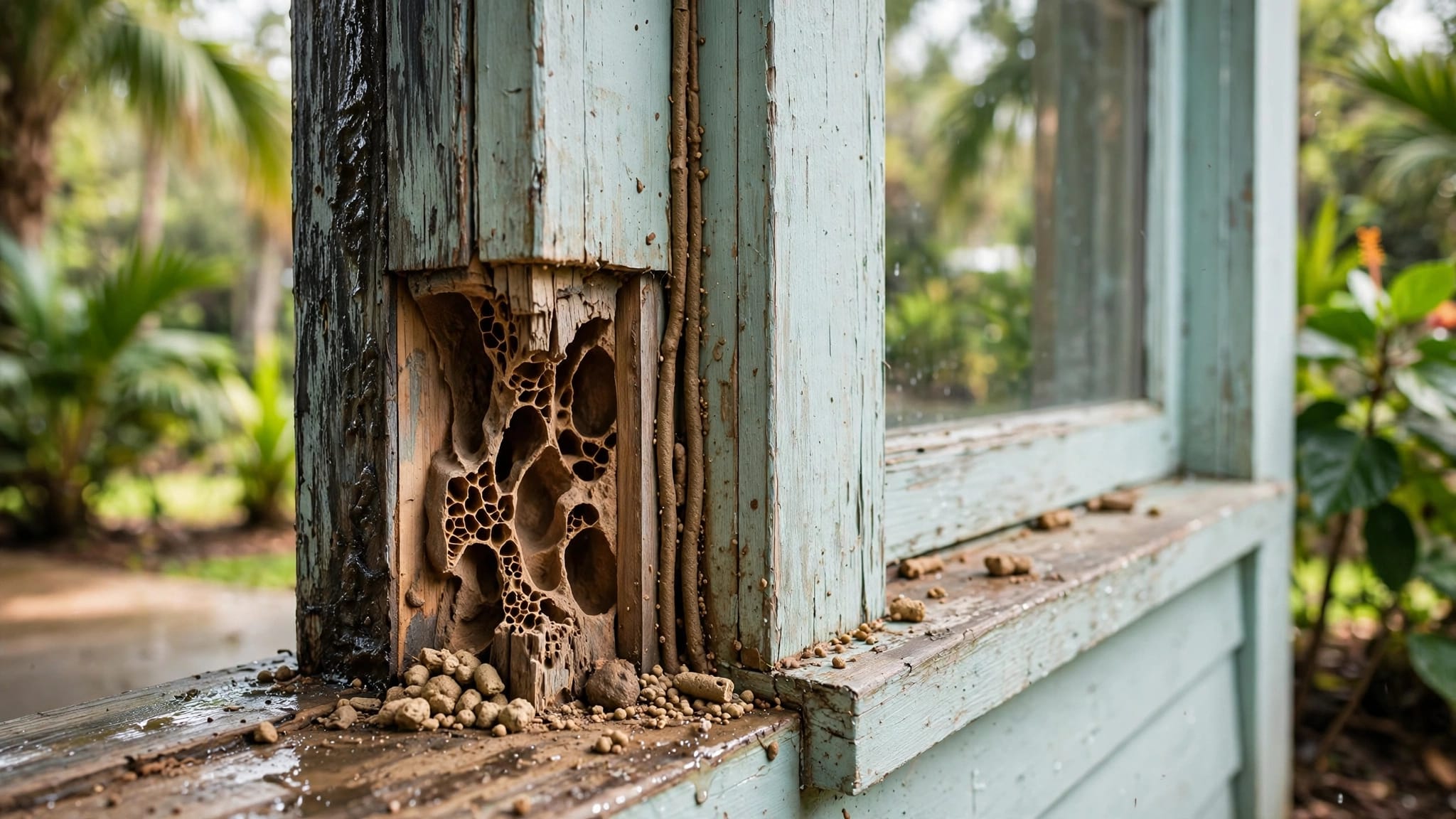
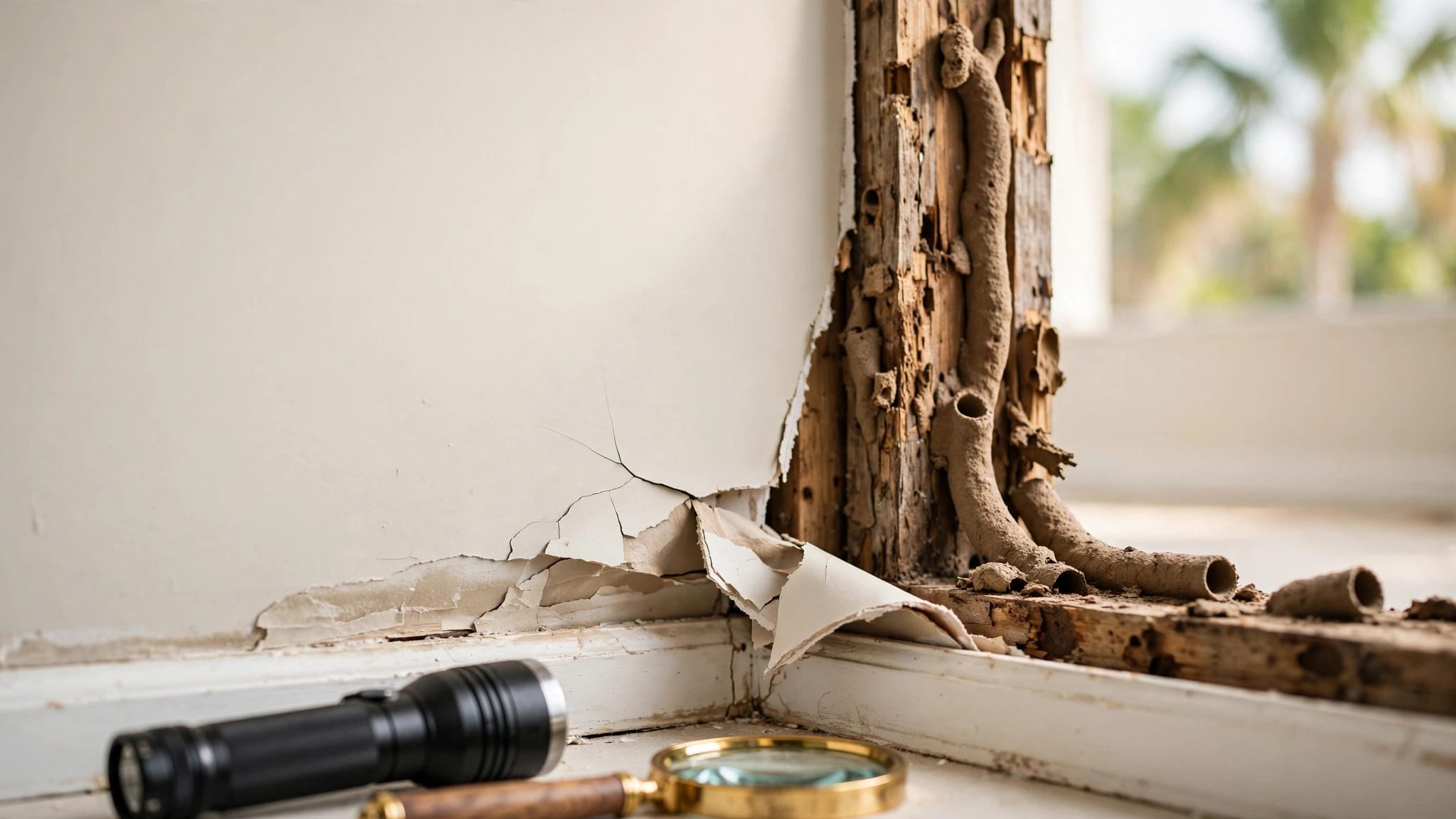
Termites often stay hidden, so visible evidence deserves attention even when damage appears minor. Watch for discarded wings near windows or light fixtures, hollow-sounding wood, blistered or buckled flooring, pin-sized openings, mud tubes, sagging trim, and doors or windows that suddenly stick.
Swarmers are especially important. Finding winged insects indoors or piles of shed wings doesn't prove a current colony in the wall, but it gives a technician useful information about timing and location. Don't sweep away the evidence before taking clear photos. If possible, save a few insects in a sealed container for identification.
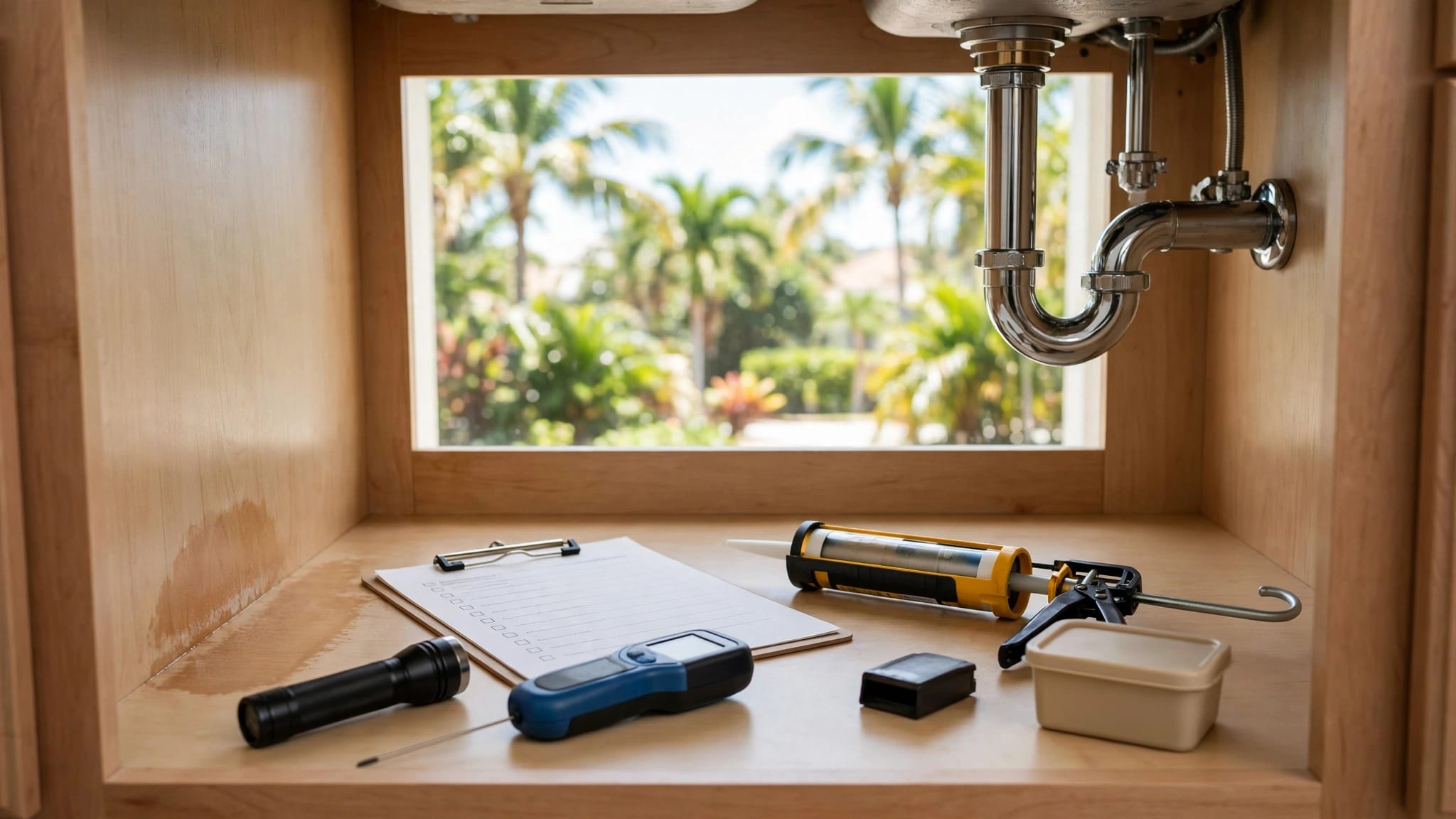
Moisture can increase risk around plumbing leaks, poor drainage, irrigation overspray, air-conditioning equipment, and roof or balcony problems. Fixing moisture doesn't eliminate termites, but it can remove conditions that make wood more vulnerable and help prevent repeated issues.
Use this resource on warning signs of termites when checking your unit. Pay close attention to areas where the home meets soil, concrete, landscaping, garages, and neighboring structures.
Don't drill into a wall, remove trim, spray household insecticide into openings, or tear out damaged materials before the inspection. Those actions can hide evidence, spread dust or chemicals, or create repair issues in a shared structure.
A practical response plan for townhome residents
Start with documentation. Photograph the signs from several angles, record the room or exterior location, and note when you first noticed them. Keep copies of all emails and inspection reports.
Then follow these steps:
- Notify the HOA, property manager, landlord, and adjoining owner when appropriate.
- Request the community's termite contract, warranty information, and maintenance responsibility chart.
- Schedule a licensed termite inspection for your unit and ask whether connected areas require review.
- Share the report with the parties responsible for access, treatment, or repairs.
- Get the treatment scope and payment responsibilities in writing before work begins.
- Complete recommended repairs, such as fixing leaks or improving drainage, after confirming who controls the area.
If an association refuses access or dismisses a report, keep communication calm and written. Ask what inspection has occurred, which document supports the decision, and what event would trigger further review. A second professional opinion may help clarify the condition without turning the issue into a personal conflict.
Conclusion
Florida townhome termites create a building-wide concern because termites can move through areas that don't match property lines. The correct response is to report signs quickly, inspect the affected unit and connected areas, and review the documents that assign maintenance and treatment duties.
An HOA may handle common elements, while an owner or landlord may handle interior areas, but the exact split depends on the declaration, CC&Rs, bylaws, lease, rules, contracts, and insurance language. Early coordination gives every party a better chance to stop active termites before hidden damage spreads through the shared structure.
Schedule a Free Inspection: