What to Expect During a Florida Rodent Exclusion Inspection
A rodent exclusion inspection looks for signs of activity and the openings rodents may use to enter your home. In Florida, those checks often include the attic, roofline, soffits, vents, garage, and gaps around pipes or other exterior penetrations.
The inspection helps connect what you've noticed indoors with possible access points outside. The exact areas a technician can assess depend on the home, access, and visible conditions, but you can prepare by noting where and when you've seen or heard activity.
Key Takeaways
- An inspection looks for both rodent activity and possible routes into the home.
- Scratching, droppings, gnaw marks, rub marks, and nesting material are clues, not a guaranteed identification.
- Attic and exterior checks may focus on roof edges, soffits, vents, openings around utilities, and door gaps.
- Inspection and exclusion are separate steps. The inspection identifies concerns; exclusion work addresses selected openings.
- Avoid sealing a suspected entry point before the inspection if an animal may still be inside.
What a Rodent Exclusion Inspection Checks
An inspection is meant to build a useful picture of the problem: what signs are present, where they appear, and whether the home has openings that could explain them. A single clue rarely tells the whole story, so the technician may compare indoor evidence with exterior conditions.
Activity and access are assessed together
Droppings in an attic, for example, suggest activity in that space, while a damaged vent screen or lifted soffit panel could point to a possible route. Neither finding automatically proves that the opening caused the activity. A technician considers the location, condition, and pattern of evidence before discussing likely explanations.
The assessment may include accessible interior areas, the attic, and the outside of the structure. However, each home differs. Limited access, stored items, insulation, or other conditions can affect what a technician can see.
The inspection is not automatically repair work
A rodent exclusion inspection does not mean every gap will be sealed during the appointment. Inspection findings help identify what needs attention and whether there may be animals inside. That distinction matters because closing an active route too soon can trap an animal indoors.
Signs That May Point to Rodent Activity
Homeowners often notice a sound or smell before they find a clear sign. During an inspection, those reports help direct attention, but they need to be considered alongside physical evidence.
Droppings, gnaw marks, and nesting material
Rodent droppings may appear in clusters near a travel route or nesting area. Fresh droppings can look darker and slightly shiny, while older ones may appear dry. Their appearance can change with age and conditions, so it shouldn't be used alone to identify an animal.
Inspectors may also look for gnaw marks on stored items, wood, ducting, or wiring. Shredded paper, fabric, or insulation can indicate nesting activity. Dark rub marks along a beam or opening may form where an animal repeatedly travels.
For more examples of signs of rodents in the attic, look at the areas where signs cluster, not just one isolated mark.
Sounds and odors need context
Scratching or movement after dusk can be a useful detail to share. Heavier sounds may suggest a larger animal, but sound alone can't confirm a species. An ammonia-like odor may come from accumulated urine, yet smell by itself doesn't identify the animal or its location.
Tell the technician when the sound occurs and which room or ceiling area it seems to come from. Also mention any ceiling stains, damaged wiring, or activity in the garage. Those details can help determine whether the signs appear confined to one area or extend through the home.
What Happens During the Attic Inspection
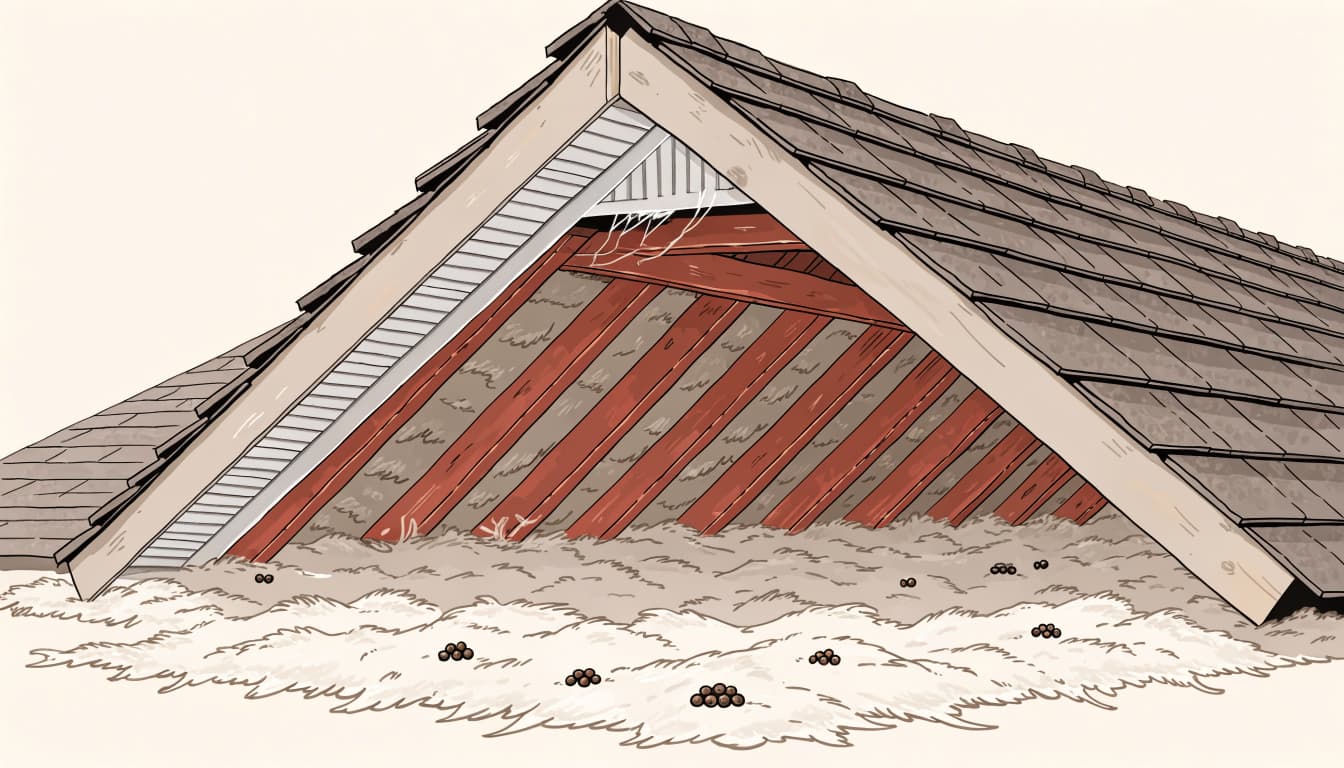
Attics can reveal activity that isn't visible from living areas. If attic access is available and conditions allow, the technician may inspect accessible sections for droppings, nesting material, gnawing, rub marks, and possible routes near roof edges.
Areas around the attic access and roofline
The attic hatch or access point can show whether activity is present near the entry into the living space. From there, an inspection may follow accessible trusses or rafters toward the eaves, where gaps, damaged screening, or lifted soffit sections could be present.
The technician may also note how far visible signs extend. Droppings near one edge tell a different story from evidence spread across several areas. Still, insulation can hide signs, and some attic sections may be difficult or unsafe to reach.
Insulation, wiring, and other visible concerns
Rodents may disturb insulation or leave nesting material among stored belongings. Chewed wiring deserves attention because damaged electrical components can create a safety concern. Don't remove electrical covers or enter an unsafe area to expose a suspected opening. A licensed electrician should handle electrical repairs.
An attic inspection also has limits. Dense insulation, low clearance, stored items, or unsafe conditions may prevent a close look at every section. The technician can explain which areas were accessible and what remains out of view.
Exterior Checks and Common Entry Points
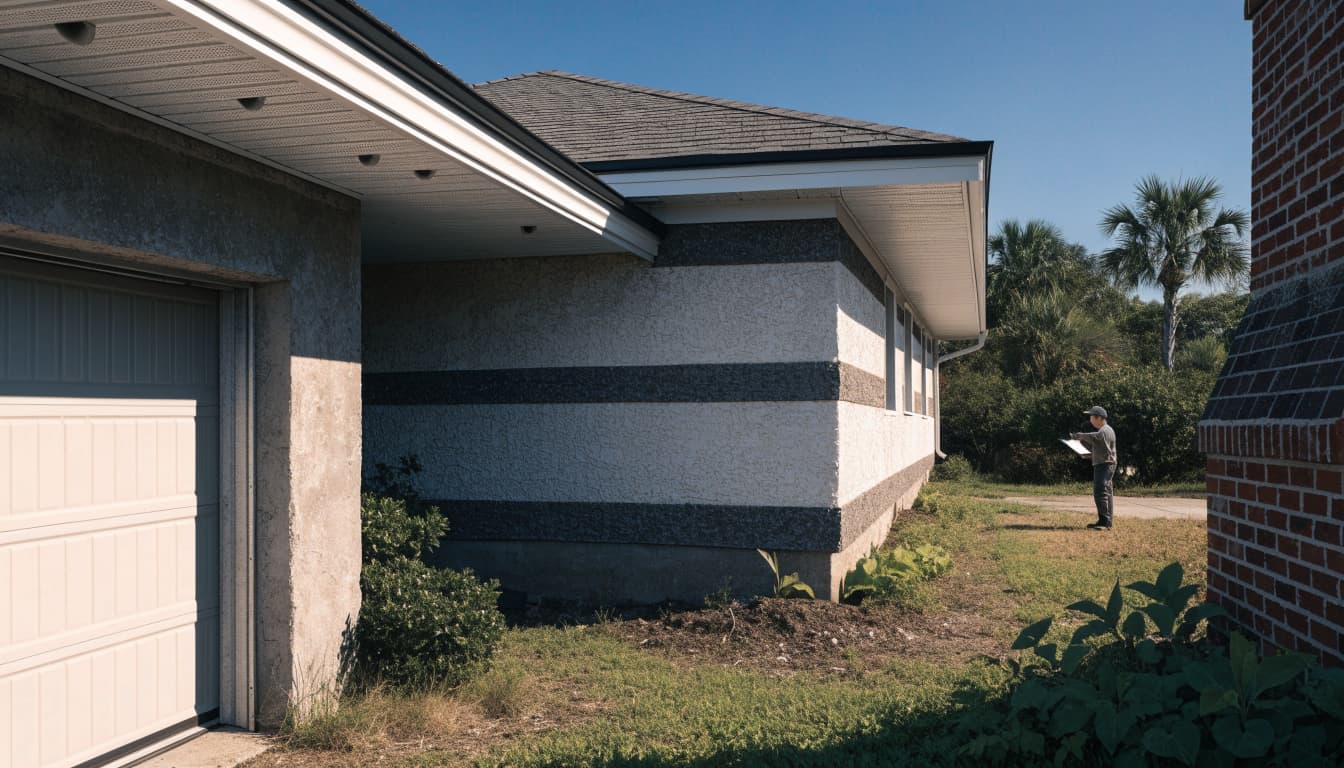
Outside, the technician looks for openings that could provide access, as well as conditions that may make them easier to reach. A Florida home can have a solid slab and still have gaps at the roofline, around utilities, or beneath doors.
Roof edges, vents, and utility openings
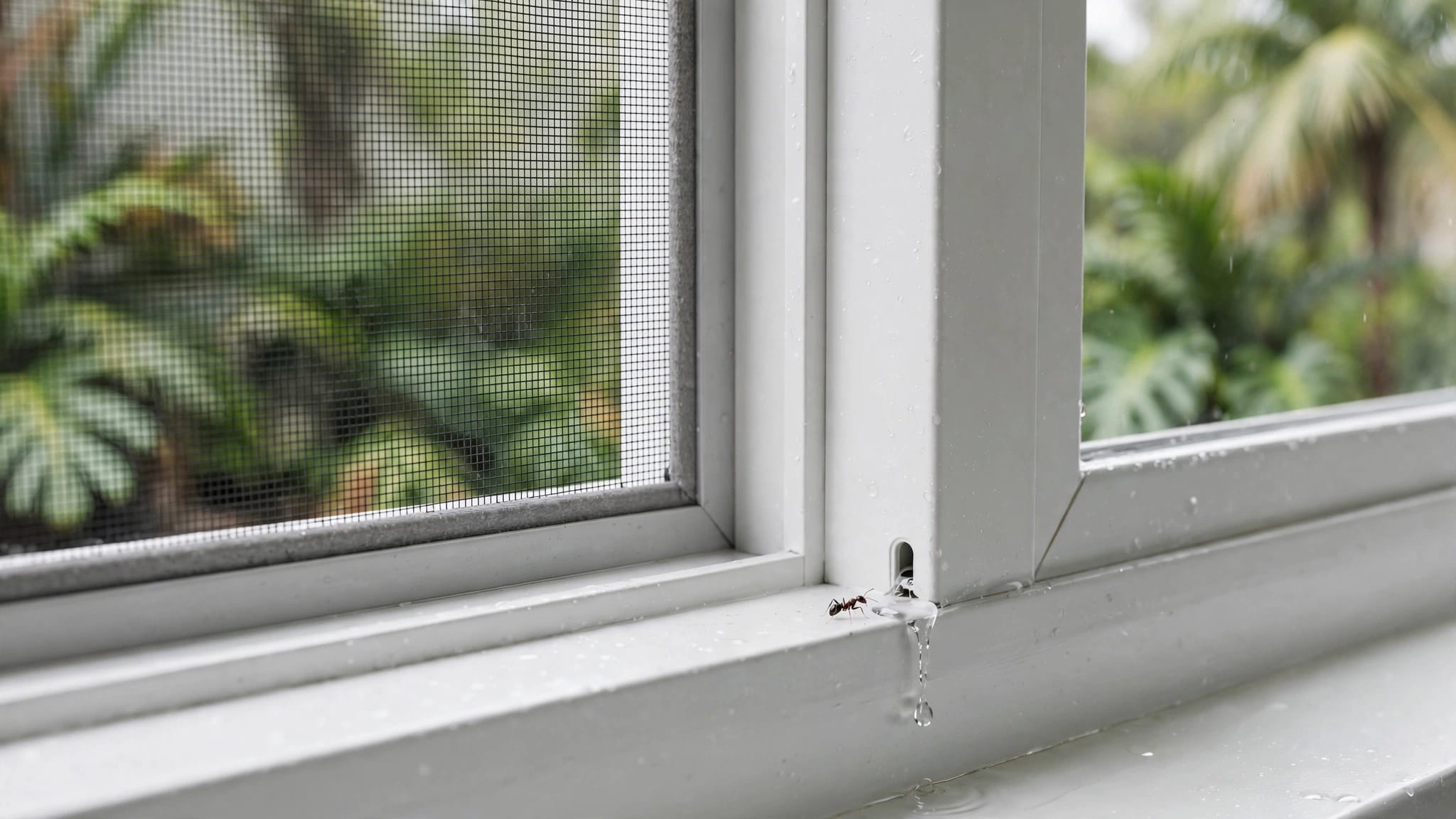
Common areas to assess include soffit corners, roof penetrations, vent screens, and openings around pipes or cables. Lifted panels, torn screening, or gaps beneath eaves may offer clues. The technician may also look for staining or damaged materials that suggest a problem needs further attention.
A possible opening is not always a rodent route. Its size, location, and relationship to indoor signs matter. For more detail on identifying pest openings before sealing, see the discussion of Florida home entry points and ventilation.
Foundation edges, doors, and nearby landscaping
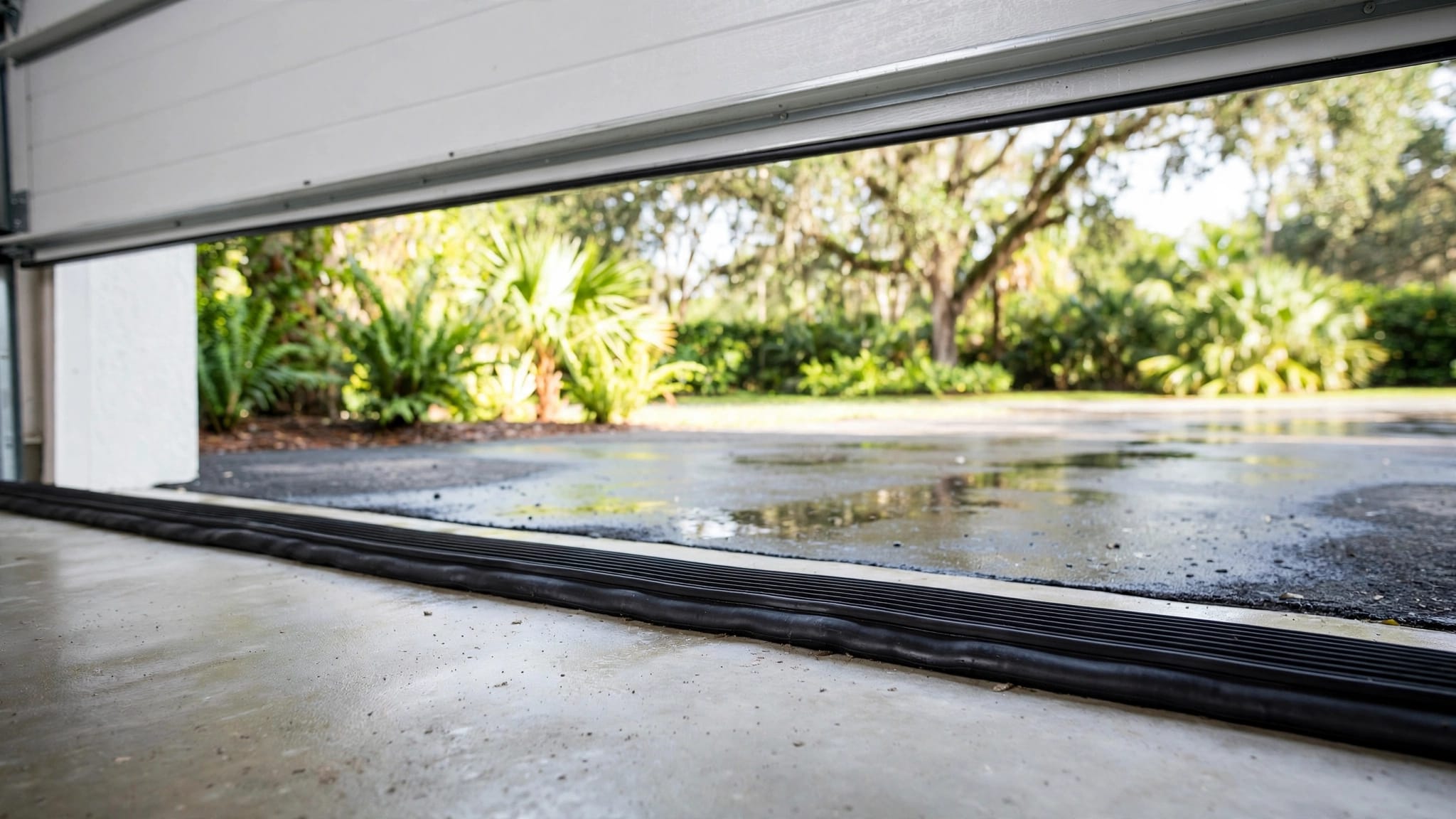
The exterior review may include the foundation edge, garage door seal, and gaps around doors. Vegetation touching the home can provide access to elevated openings, so branches or vines near roof edges may also be noted.
Repairs should preserve necessary airflow. Blocking soffit or ridge ventilation can create moisture and heat problems in an attic. A recommendation should account for the opening's purpose, not only the visible gap.
Why Inspection Comes Before Exclusion Work
Inspection and exclusion work have different purposes. First, the technician looks for activity and possible access points. Then, recommendations can address the conditions found, with the approach depending on whether rodents may still be inside.
Sealing too soon can cause another problem
Closing every visible gap before an inspection may trap an animal or push it into a less accessible part of the structure. That can complicate removal and create odor or damage concerns. The rodent entry-point checks for attic removal explain why identifying the animal and its route matters before openings are closed.
It's also possible that the animal making noise isn't a rat or mouse. Bats, birds, squirrels, and other wildlife need different handling. Sounds, droppings, and opening size may offer clues, but a technician should assess the evidence before treatment or sealing is planned.
Repairs depend on the opening and its purpose
After activity and routes are assessed, the technician can discuss which openings may need repair. Material choice depends on the location and the surface. Durable screening, flashing, mortar, or exterior-rated sealant may suit some repairs, while foam alone can be vulnerable to chewing or weather outdoors.
A door sweep also needs to close the gap without preventing the door from opening and shutting properly. For all repairs, ventilation openings must remain functional.
How to Prepare for the Inspection
A few simple steps can help the technician reach relevant areas and understand what you've observed. You don't need to clean the entire home or dismantle anything.
Share what you've noticed
Before the appointment, make a brief note of where you heard sounds, when they occurred, and where you found droppings or damage. If you took photos, keep them available. Mention changes such as a new odor, activity in a different room, or signs around the garage.
If you know where the attic access is, point it out. Clear a safe path to that area and to any rooms or storage spaces where you've found evidence. Don't climb onto the roof or enter an unsafe attic to collect more clues.
Leave suspected openings as they are
Avoid filling gaps or blocking vents before the inspection if rodents may still be inside. Also, don't remove electrical covers or appliance panels to expose openings. Those steps can create safety issues or make it harder to understand the original condition.
Keep pets and children away from areas with droppings or suspected nesting material. If you've already attempted a repair or placed traps, tell the technician where and when. That information can help explain why signs appear in certain locations.
How Findings and Recommendations Are Discussed
After the inspection, the technician should explain what was observed, which areas were accessible, and what the evidence may mean. Useful findings connect a sign inside the home with a possible route or repair need, while distinguishing observed facts from likely explanations.
Expect recommendations to reflect the home
A recommendation may involve monitoring activity, addressing a route, planning removal, or arranging repairs. Not every home needs the same combination of steps. A vent screen, door gap, roof opening, or suspected wildlife entry each calls for a different assessment.
Ask which findings were directly observed and which remain uncertain. It's also reasonable to ask what work is part of a recommended exclusion and what would be a separate repair. If the technician couldn't access an area, that limitation should be clear.
Exclusion aims to reduce future access
Exclusion work addresses openings identified during the assessment. It may be paired with rodent removal or control, because sealing entry points alone may not resolve activity already inside. The plan depends on the evidence and the structure.
Our rodent control and exclusion services in Southwest Florida include trapping, baiting, and exclusion through Rodent Shield. The inspection helps determine which services may fit the conditions at a particular property.
Frequently Asked Questions
Does every inspection include the attic?
No. Attic access and conditions vary by home. If the space is inaccessible or unsafe, the technician may focus on other areas and explain the limits of the inspection.
Should I seal a gap before the appointment?
Avoid sealing a suspected route if rodents may still be inside. An inspection can help assess activity and identify which openings should be addressed.
Can droppings confirm that the animal is a rat or mouse?
Droppings are a clue, but they don't always establish the species on their own. The technician considers their location and appearance alongside other signs and possible entry points.
A Clear First Step Toward Rodent Exclusion
A Florida rodent exclusion inspection connects visible signs with potential access points, while accounting for the home's layout and what can be safely reached. The findings help guide decisions about removal and repairs without assuming every property needs the same work.
Before anything is sealed, make sure the activity and likely routes have been assessed. That gives exclusion work a better chance of addressing how rodents got in, not only the gap you can see.
Schedule a Free Inspection: