Food Bank Pest Control for Florida Nonprofits
A pest problem can turn donated food into waste when your community needs every available meal. Effective food bank pest control starts with daily prevention , supported by monitoring, building repairs, and targeted professional treatment.
Florida's warmth and humidity put pressure on receiving areas, storage rooms, and community kitchens throughout the year. With rotating volunteers and unpredictable donations, you need routines that stay consistent through busy distribution days. Start by identifying where pests find food, water, shelter, and a route inside.
Why Florida Food Operations Need Year-Round Prevention
Florida's warm conditions allow many pests to remain active beyond the summer months. Meanwhile, humidity, plumbing leaks, and condensation can supply moisture around sinks, refrigeration equipment, and storage areas.
Food banks face another challenge: inventory arrives through multiple donation channels. Cardboard cartons, bulk dry goods, and produce deliveries can bring insects into an otherwise clean building. Frequent loading activity also gives pests opportunities to enter through open doors.
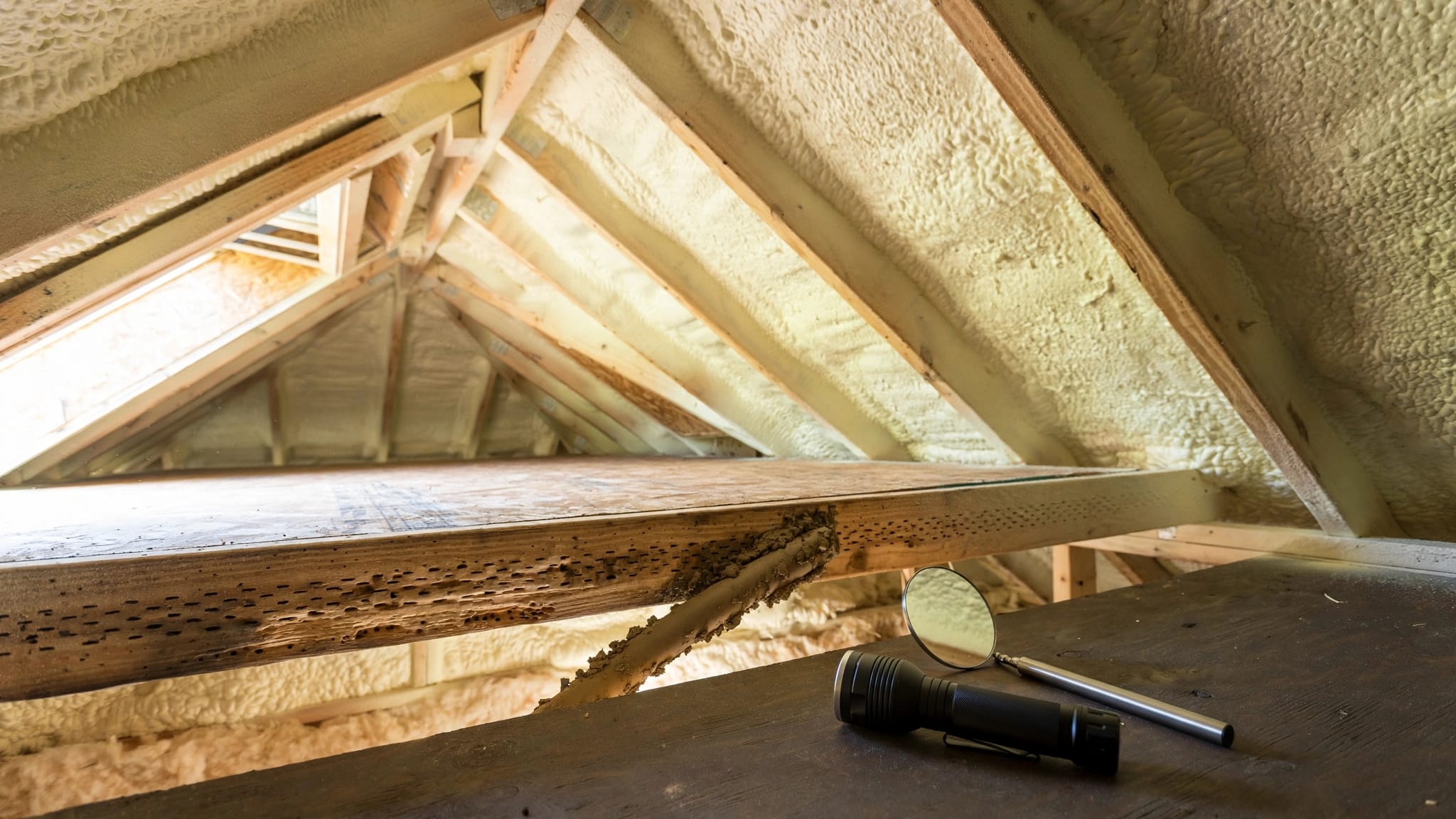
Different pests require different responses. Cockroaches may hide near warm equipment, while stored-product insects can develop inside flour, cereal, or other dry goods. Rodents can damage packaging and contaminate food-storage areas.
A clean-looking room doesn't tell you what's happening behind shelving or beneath equipment. Because food distribution often concentrates around certain days, inspections should also cover quiet periods between events. Closed buildings can still provide pests with food residue, shelter, and undisturbed hiding places.
Build a Food Bank Pest Control Plan Around IPM
Integrated pest management, or IPM, combines inspection, prevention, monitoring, and targeted control. Its goal is to address the conditions supporting pests while limiting unnecessary pesticide use.
Inspect the places that support activity
Walk through receiving areas, dry storage, cooking spaces, restrooms, utility rooms, and exterior waste areas. Look beneath equipment and around plumbing penetrations, rather than inspecting only visible counters.
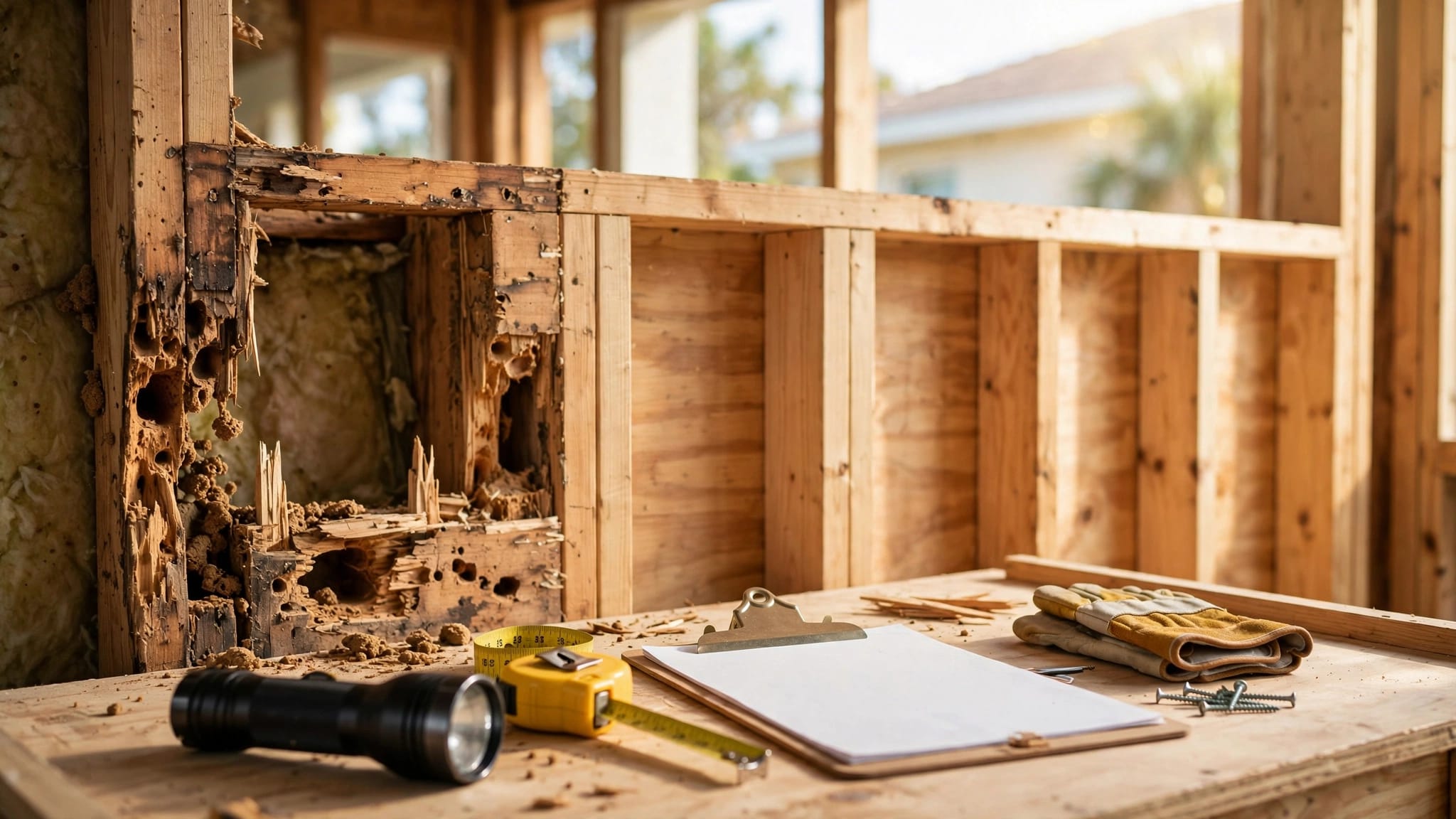
Record sightings, damaged packaging, droppings, leaks, and door defects. Include the date and exact location so a professional can distinguish an isolated delivery problem from activity spreading through the building.
Monitoring devices can help identify patterns. However, a licensed pest professional should select and position them where they won't contaminate food or interfere with volunteers.
Turn findings into assigned actions
A useful plan connects each finding to a person responsible for correcting it. A leaking sink needs maintenance; accumulated crumbs need cleaning; recurring cockroach activity needs professional assessment.
Keep one pest log accessible to the site manager and shift leaders. Then review it alongside service records and repair work.
For nonprofit teams, this prevents problems from disappearing between volunteer shifts. It also directs limited resources toward documented needs instead of routine spraying without a clear reason.
Stop Pests at the Receiving Area
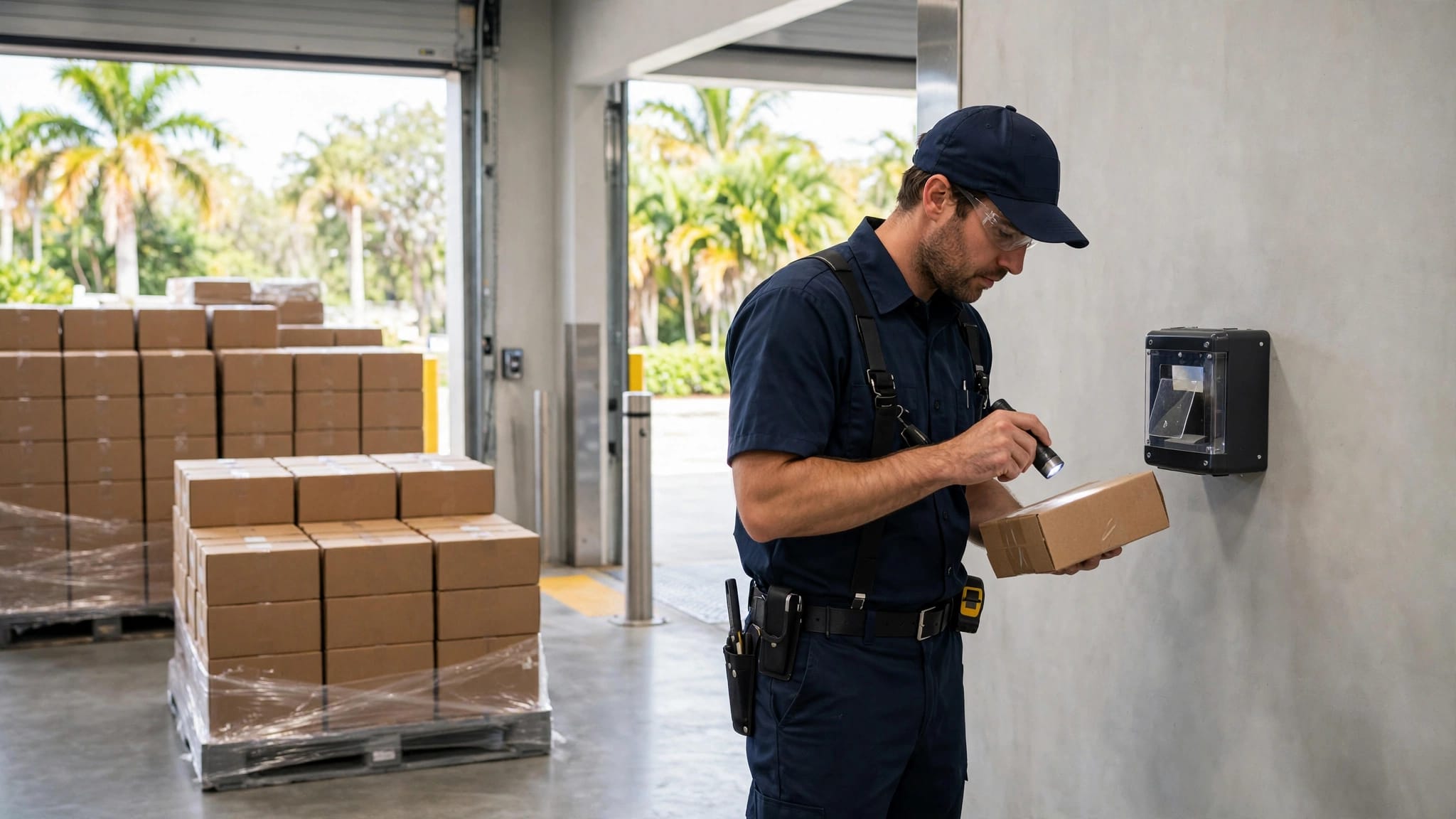
Incoming food deserves attention before it joins clean inventory. Build inspection into unloading, even when donations arrive during a busy distribution shift.
Inspect cartons before shelving them
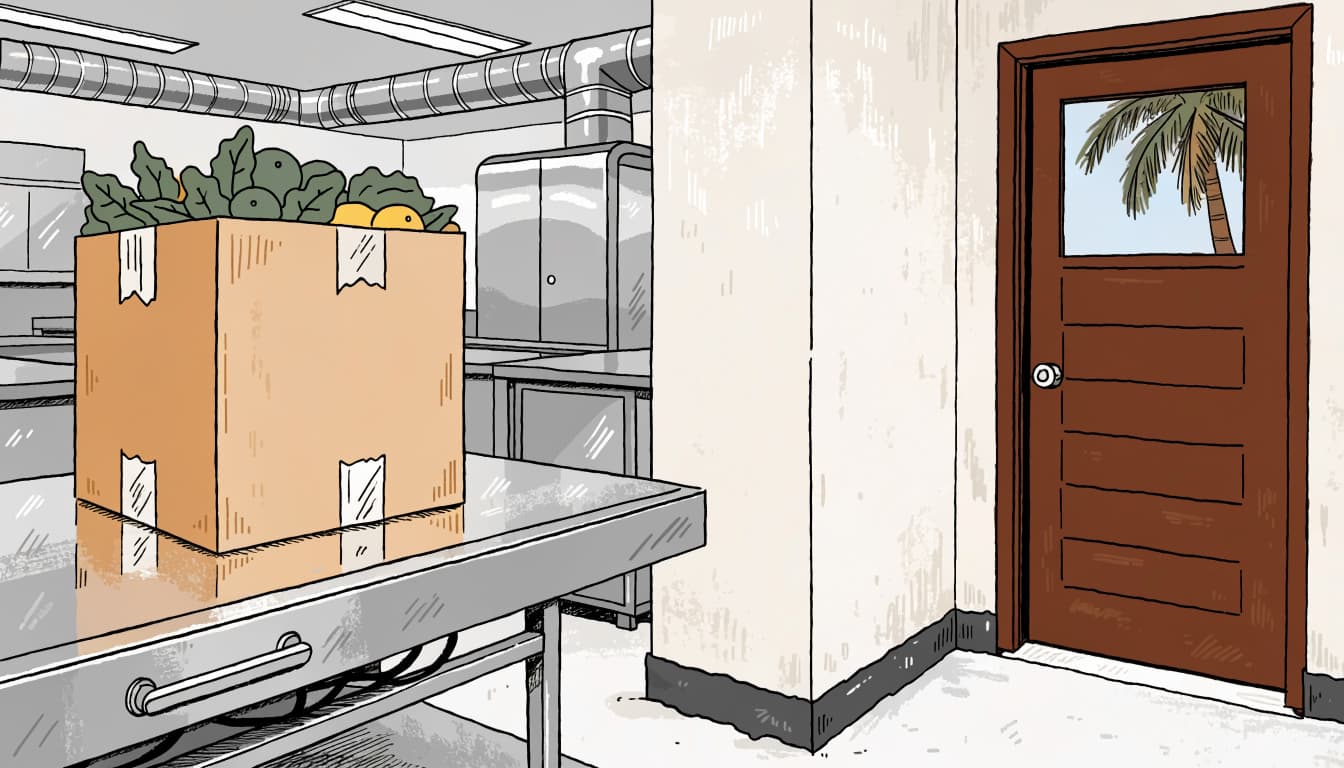
Examine cartons for insects, droppings, gnaw marks, unusual holes, webbing, and damaged seals. Look along folded cardboard edges and beneath stacked packages, where evidence can be easy to miss.
Check dry goods as well as produce. Flour beetles and other pantry pests may already be inside packages, so exterior cleaning alone won't resolve an infestation. Our guide to identifying flour beetles in pantry goods describes warning signs relevant to donated baking supplies.
Also separate damaged packaging from pest evidence. Neither should pass unnoticed, but each may require a different food-safety decision.
Isolate suspect donations immediately
Keep questionable items away from usable stock while the designated manager assesses them. Don't place visibly contaminated food on distribution shelves or mix it with another shipment.
If insects appear in a delivery, inspect nearby packages and document which items arrived together. This helps identify the affected stock without automatically discarding unrelated donations.
Remove empty shipping cartons promptly when they're no longer needed. However, preserve useful delivery information in the receiving record so the team can trace recurring problems.
Make Food Storage and Cleaning Pest-Resistant
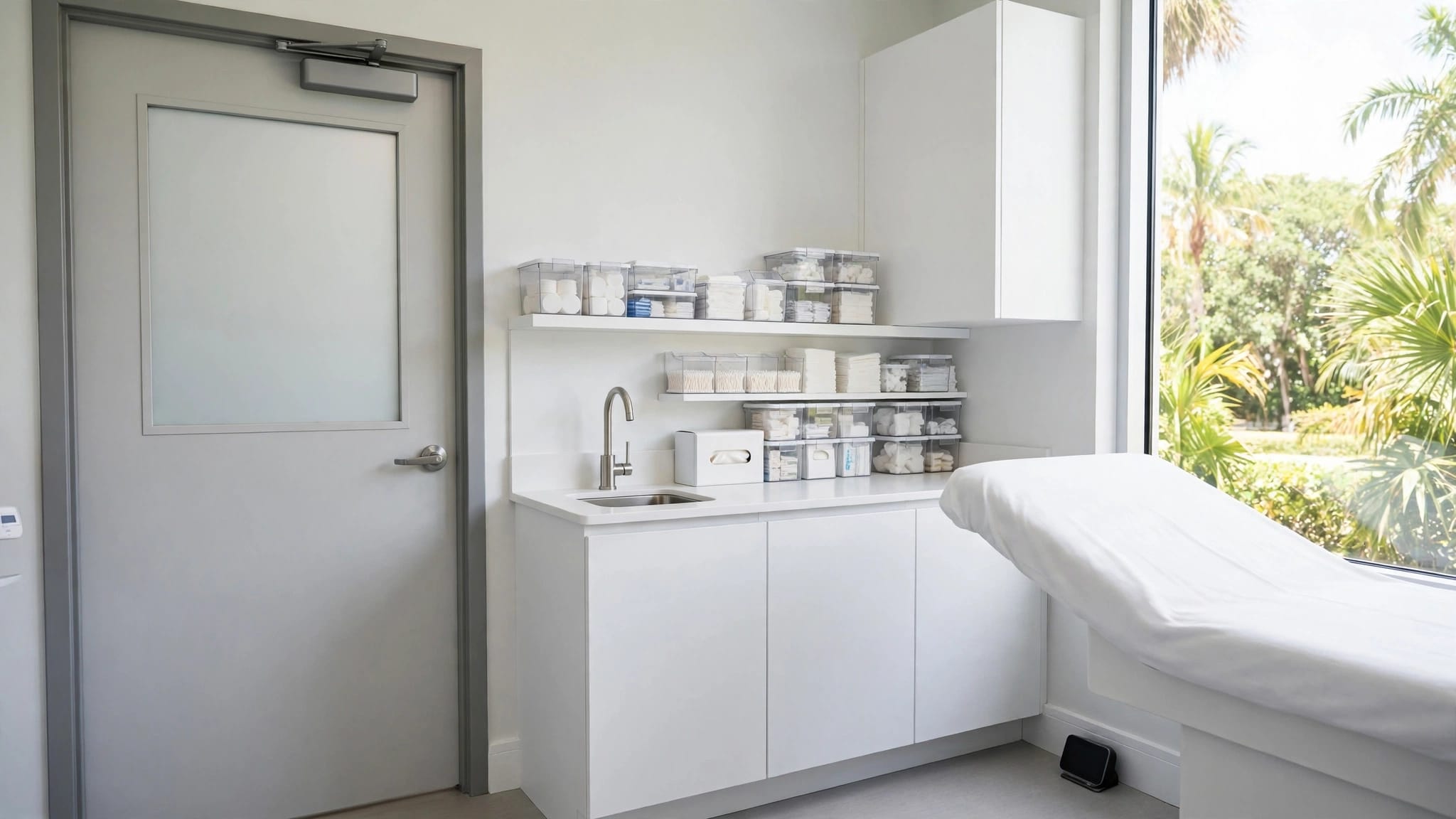
Storage arrangements should protect donated food while leaving enough access for cleaning and inspection. Crowded shelving can hide both spills and pest activity.
Protect food and keep inspection access
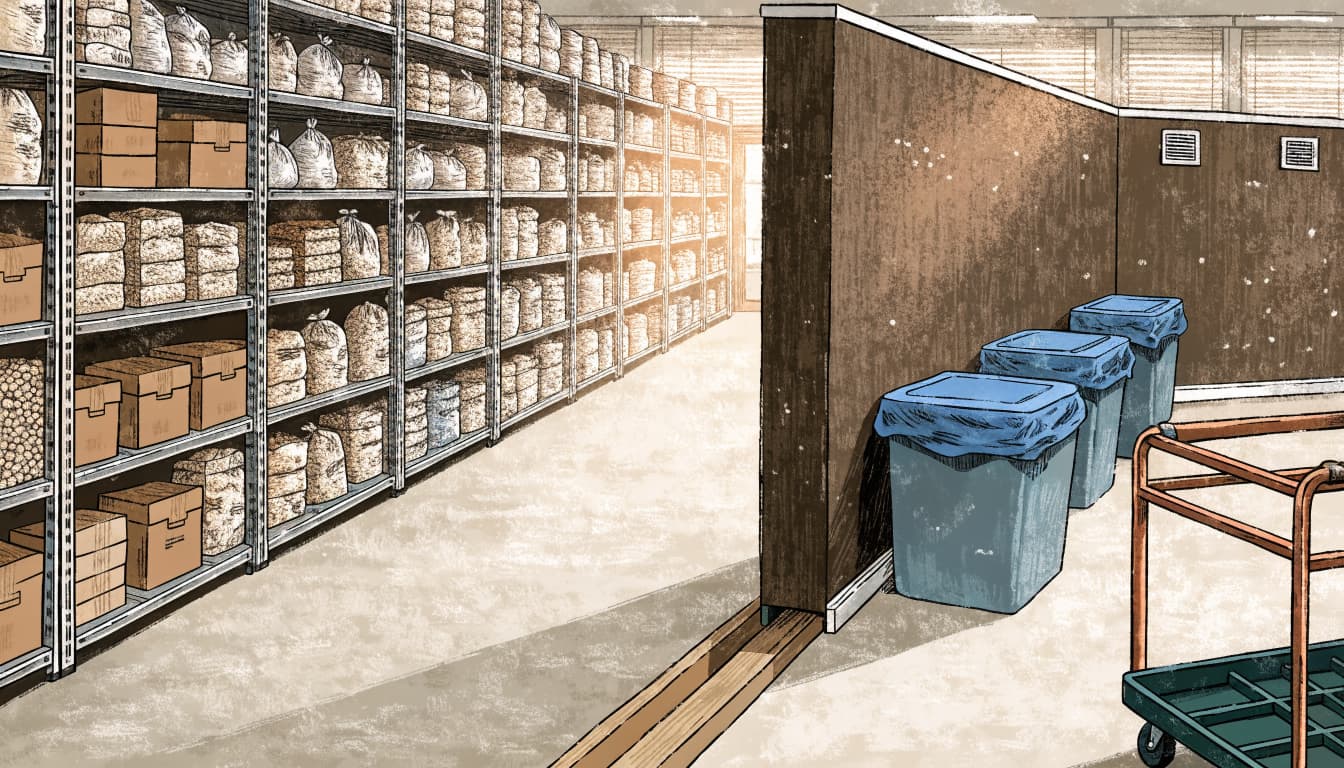
Keep food off the floor on suitable shelving or pallets. Leave accessible space around storage units so staff can inspect wall edges and clean beneath them.
Store opened dry goods in durable, food-grade containers with tight-fitting lids. Preserve product identification and relevant date information when transferring food. Thin bags and damaged cardboard provide little protection against rodents.
Rotate stock so older suitable inventory moves first. At the same time, inspect rarely used ingredients and overflow storage. An unopened package can still contain pantry pests or show signs of rodent damage.
Remove moisture and waste
Clean spills promptly, including beneath mixers, shelving, and refrigeration equipment. Wash waste containers when residue remains after emptying, and keep their lids closed.
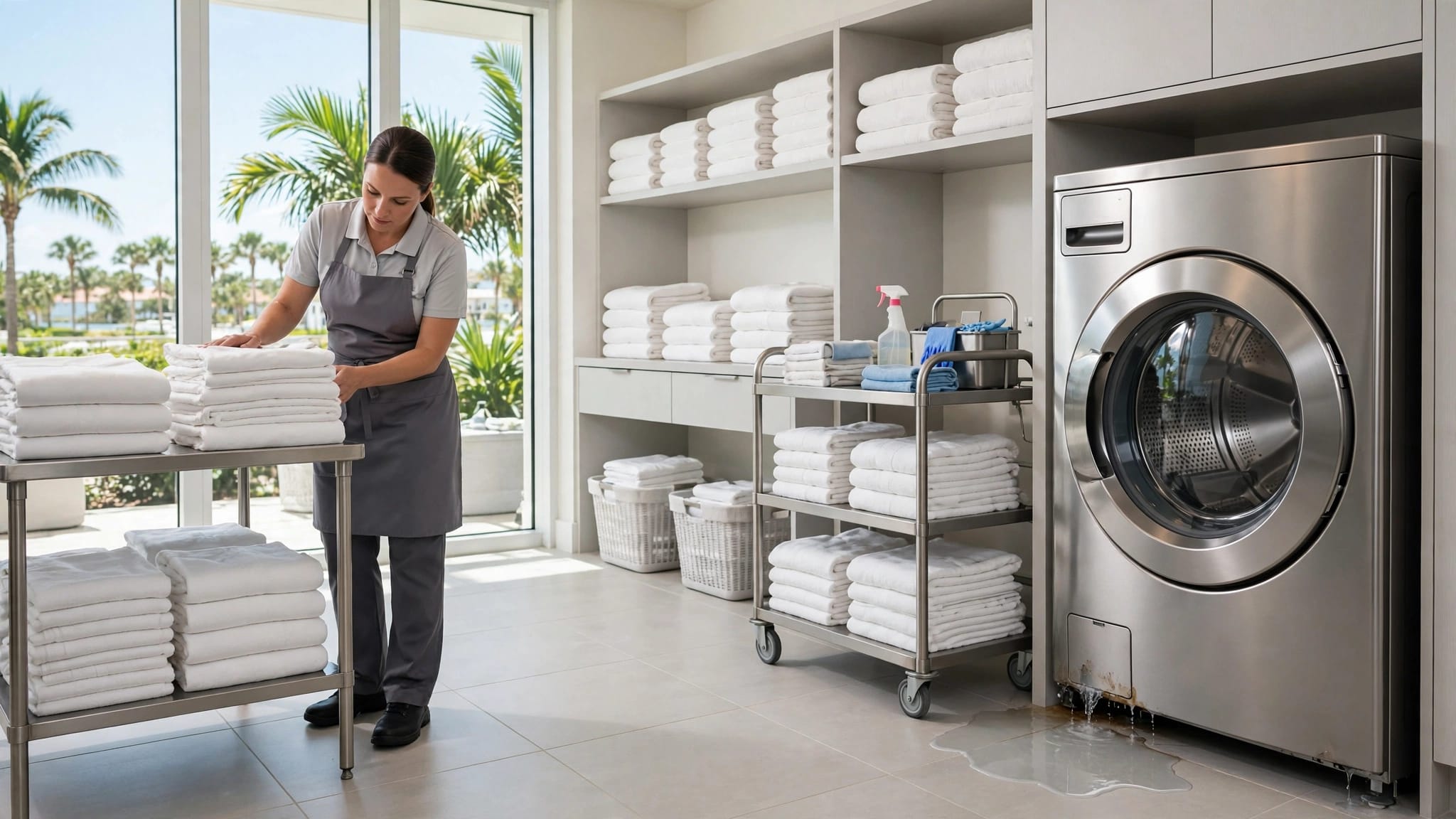
Address dripping faucets, leaking pipes, and persistent condensation rather than relying on surface wiping. Mop storage areas also need attention because damp materials and standing water can support pest activity.
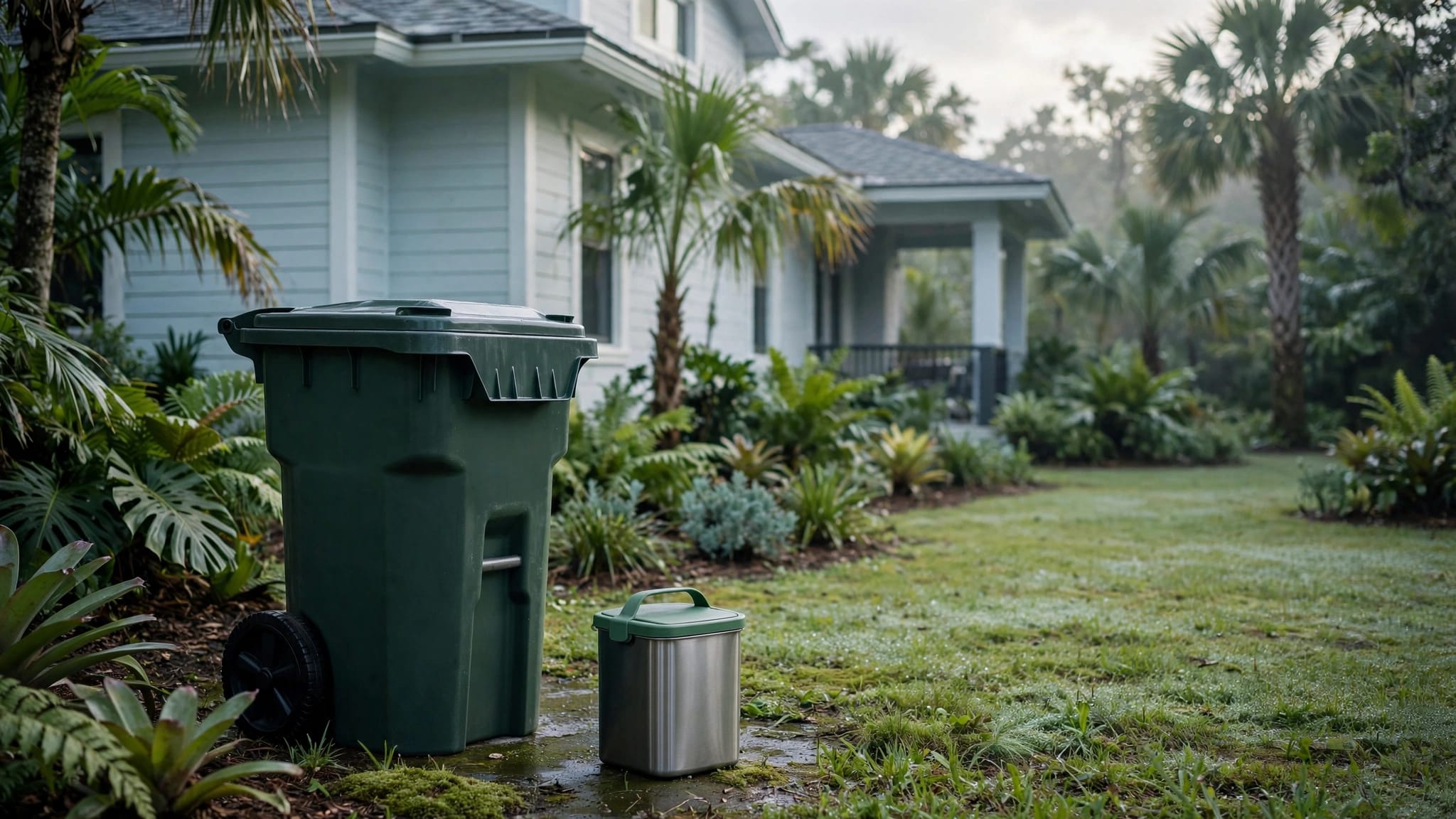
Outside, keep food waste contained and loading areas clear of loose debris. Our guidance on wildlife-proof commercial trash storage covers waste practices that reduce access for rodents and other animals.
Close Entry Routes Into Kitchens and Warehouses
Exclusion means repairing the openings pests use to enter. It should accompany control efforts because removing pests doesn't repair a damaged door sweep or pipe opening.
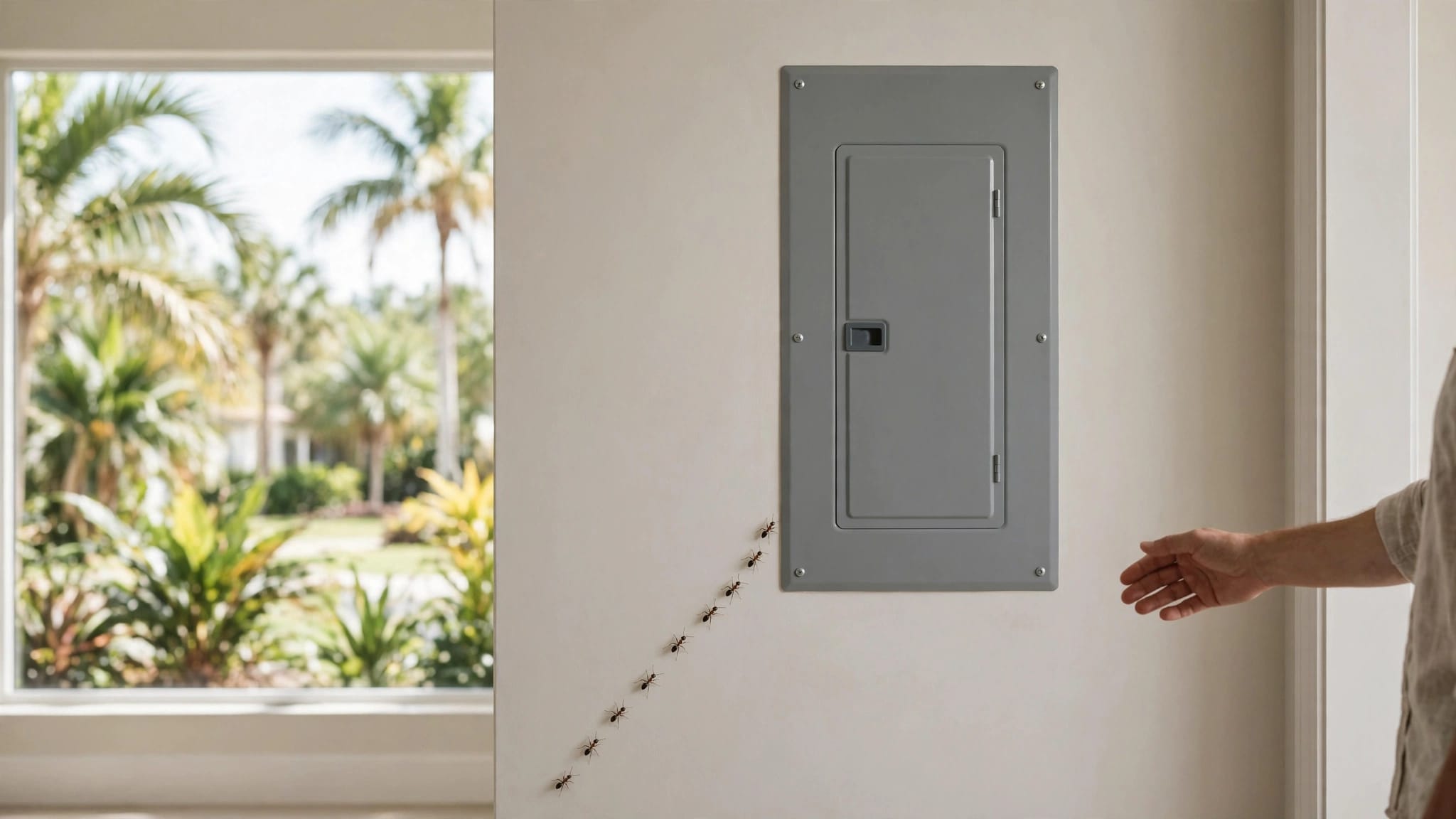
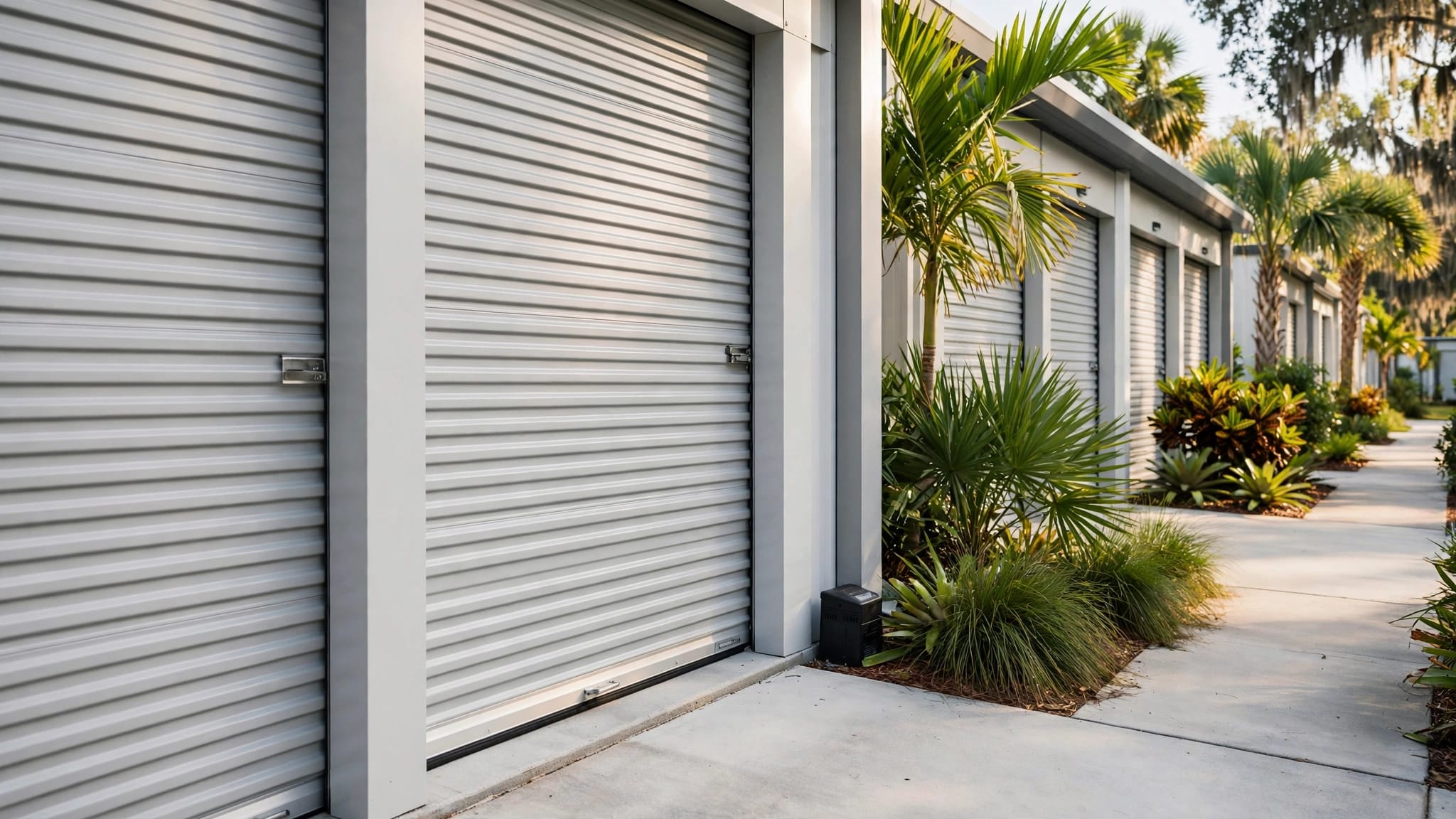
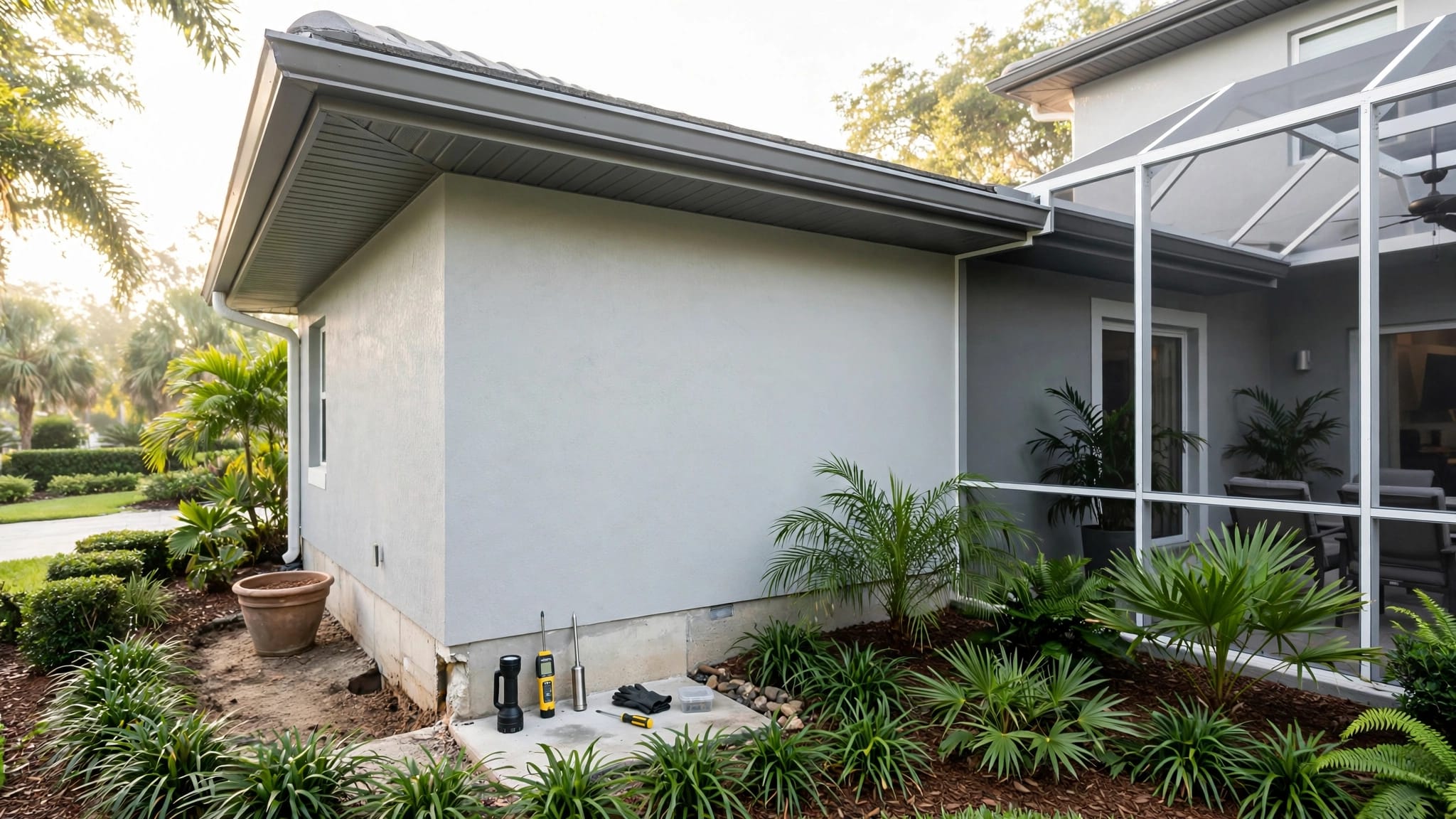
Inspect exterior doors, loading entrances, screens, utility penetrations, and gaps around plumbing. Doors should close properly, and deliveries shouldn't leave entrances propped open longer than necessary.
Use durable repairs suited to the opening. Larger gaps, damaged building materials, and signs of active rodents call for professional assessment rather than a quick cosmetic patch.
Vegetation and stored materials can also obstruct inspection. Keep access clear around exterior walls, utility areas, and the places a technician needs to examine.
The 2022 FDA Food Code describes protective measures for exterior openings, including screens and properly installed air curtains in specified circumstances. It's a model code, rather than an automatic rule for every Florida nonprofit, but its prevention principles provide a useful reference.
Give Staff and Volunteers a Repeatable Routine
A prevention plan works better when volunteers know exactly what to notice and whom to tell. Training should be short enough to repeat before a shift.
Use a simple sequence:
- Inspect incoming donations before moving them into clean storage.
- Report pest evidence with the location, date, and a photograph when practical.
- Clean food residue and remove unnecessary cardboard before leaving.
- Tell the shift leader about leaks, damaged doors, or suspect food rather than attempting pesticide treatment.
Assign one person to review reports and arrange follow-up. Otherwise, several volunteers may notice the same problem without anyone taking responsibility for it.
Keep responsibilities realistic. Volunteers can identify spills, damaged packages, and open doors. They shouldn't handle rodent contamination, move monitoring devices, or improvise chemical treatments.
Also schedule periodic inspections when the facility is less crowded. A quiet walk-through makes it easier to access areas blocked during distribution. This gives the manager time to document findings without slowing food pickup or meal service.
Respond Safely and Involve a Licensed Professional
Call a licensed pest professional when you find rodents, repeated cockroach activity, widespread pantry insects, or evidence near exposed food. These conditions need more than ordinary housekeeping.
Protect food before treatment
Stop using the affected area when activity threatens food or food-contact surfaces. Isolate suspect stock and prevent volunteers from carrying contaminated items into clean spaces.
Don't spray shelves, food packages, preparation counters, or utensils with household insecticides. Foggers and improvised treatments can create contamination risks without reaching the source.
Pesticide labels govern where and how products may be applied. For food establishments, the FDA Food Code also addresses preventing pesticide contamination and cleaning and sanitizing equipment and utensils after application.
Share receiving schedules, meal preparation times, and storage locations with the technician. Treatment planning should account for food protection, access restrictions, and any required cleaning before work resumes.
Combine rodent control with exclusion and follow-up
Rodent work needs an inspection of activity, entry routes, hiding places, and nearby food sources. Professional removal or trapping should connect with repairs and monitoring.
Don't sweep or vacuum rodent droppings. Keep people away from contaminated areas and arrange appropriate cleanup guidance.
Our commercial pest control for kitchens covers commercial interior and exterior pest concerns. We also offer the ECO Rodent Shield service, which provides professional rodent control without traditional poisons.
Whatever method fits the facility, follow-up matters. Continued sightings, fresh damage, or new droppings require reassessment rather than an assumption that one treatment finished the job.
Understand Florida Food-Safety Requirements
Food donations still require protection against contamination. Florida Statute 768.136(5) makes clear that charitable-food liability provisions don't remove agency regulatory authority or sanitation obligations.
Florida Department of Health rule chapter 64E-11 requires food protection against flies, rodents, other vermin, and contamination at establishments within its scope. Its vermin-control provisions also address pesticide compliance with chapter 5E-14 .
The FDA Food Code offers another reference. Section 6-501.111 addresses inspections of incoming shipments and premises, authorized pest controls, and removal of pest hiding places. Section 7-202.12 addresses lawful pesticide use and label directions allowing application in food establishments.
These provisions support a practical approach: inspect deliveries, remove pest-supporting conditions, and protect food during control work. Neither nonprofit status nor a clean dining room replaces those safeguards.
Protect Donated Food With Consistent Prevention
Florida food banks and community kitchens need consistent prevention before, during, and after pest treatment. Receiving inspections, protected storage, moisture repairs, and exclusion reduce the conditions that allow problems to return.
Give volunteers clear reporting duties and involve a licensed professional when activity threatens food safety. A documented routine helps protect donated inventory and keeps pest prevention working between busy service days.
Schedule a Free Inspection: