Florida Hotel Pest Prevention: Housekeeping & Laundry
Florida Hotel Pest Prevention: Housekeeping & Laundry
A leaking washer or an unreported insect can turn a routine hotel shift into a guest-service problem. Florida hotel pest prevention depends on daily follow-through , especially where housekeeping carts, damp towels, and shared laundry connect different rooms.
Your team can reduce risk through moisture checks, controlled linen handling, and prompt reporting, while licensed professionals handle identification and treatment decisions. Start with clear responsibilities so every concern reaches someone who can act.
Coordinate hotel pest prevention through IPM
Integrated pest management, or IPM, combines inspection, monitoring, sanitation, entry-point repairs, and targeted treatment. For hotels, those tasks belong to several departments.
Housekeeping notices spotting behind a headboard. Laundry finds insects near a cart. Maintenance repairs a leaking supply line. Meanwhile, the pest-control provider identifies the pest and determines whether treatment is necessary.
Assign one management contact to coordinate reports, work orders, and professional visits. Each shift should know that contact and the backup person. Include overnight staff, temporary cleaners, and outside laundry contractors.
A written plan should explain how teams isolate suspect items, protect unaffected areas, and obtain handling instructions. However, housekeeping shouldn't improvise pesticide applications or relocate bait stations.
For local properties, commercial pest prevention and treatment should cover interior work areas and exterior access points. Ask your provider to include laundry rooms, linen storage, utility spaces, and housekeeping staging areas in the inspection scope.
Find moisture problems before pests settle in
Florida's humidity makes drying and ventilation important throughout the hotel. Although humidity doesn't cause bed bugs, damp areas can support other pests and interfere with linen storage.
Check bathrooms during room service
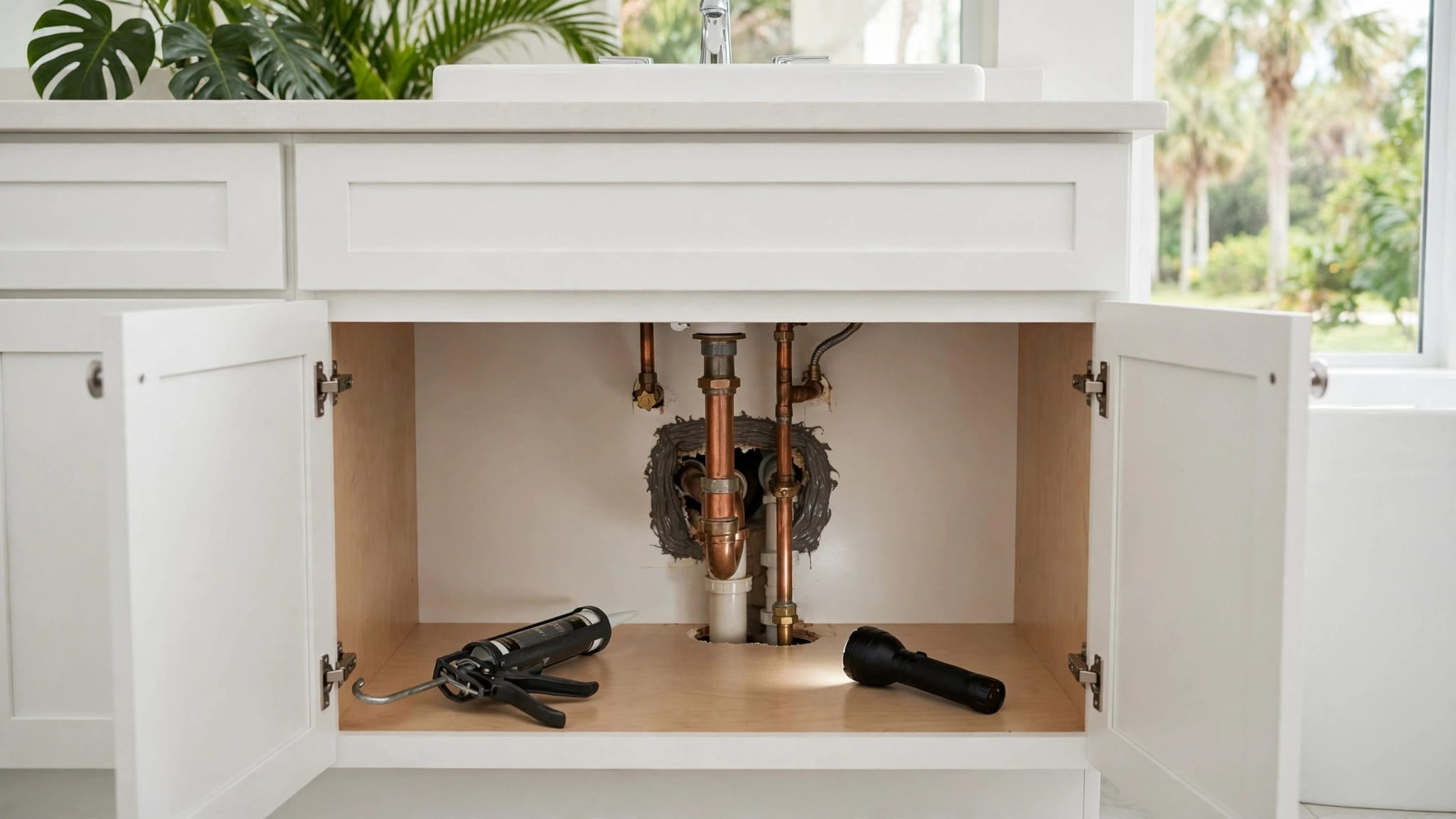
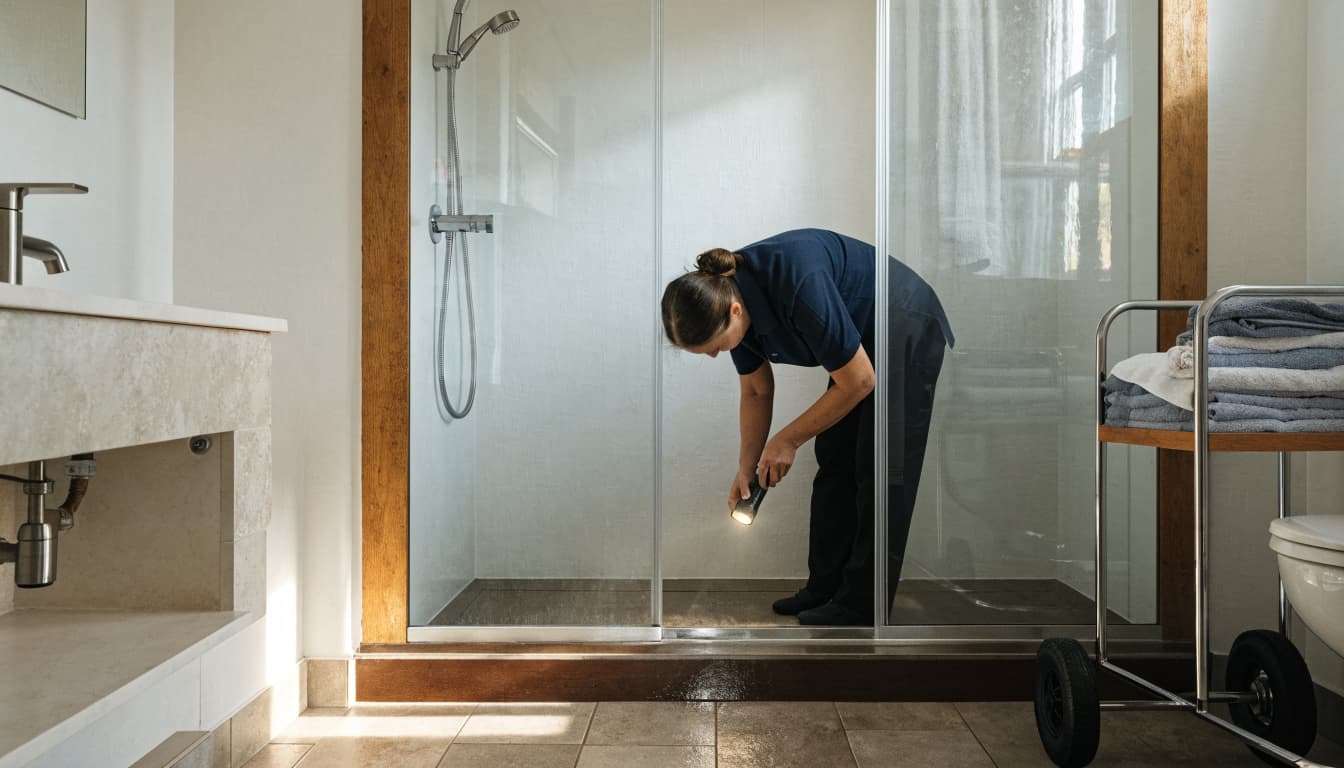
Look under accessible sink cabinets and around toilets, shower thresholds, and plumbing connections. Report drips, wet cabinet bases, damaged caulk, and persistent dampness.
Drying the surface won't fix a continuing leak. Therefore, record the location and send a maintenance request instead of repeatedly wiping away the evidence.
Shield's vacation home pest prevention checklist highlights dripping faucets, damp rugs, and laundry-area lint. Those same conditions deserve attention during hotel cleaning rounds.
Keep laundry and storage areas dry
Check washer connections, utility sinks, and accessible drain areas for leaks. Also report condensation or standing water that returns after cleaning.
Keep air conditioning and dehumidification operating according to the hotel's facilities plan. Don't change settings without authorization.
Store clean textiles only after they're fully dry, and avoid packing shelves so tightly that staff can't inspect them. If a closet smells musty, investigate moisture rather than masking the odor.
Remove food, clutter, and rodent access
Sanitation should extend beyond guest rooms. Break areas, trash staging points, supply closets, and service corridors can provide food and shelter near laundry operations.
Clean carts and hidden edges
Remove food wrappers and spilled drinks from housekeeping carts before returning them to storage. Clean cart shelves and wheels, then inspect seams and undersides during scheduled equipment checks.
In laundry rooms, clear lint from accessible surfaces and follow equipment instructions for lint traps. Leave internal dryer servicing and duct work to trained personnel.
Keep supplies organized so staff can see corners and wall edges. Also unpack deliveries promptly, inspect packaging, and remove unnecessary cardboard instead of accumulating it behind shelves.
Check the route between trash and laundry
Keep waste containers closed and clean spills around collection points. Don't prop service doors open during linen deliveries.
Report damaged door sweeps, loose vent screens, and gaps around utility penetrations. These checks support rodent prevention around dumpster areas, particularly where trash routes pass building entrances.
If staff find suspected rodent droppings, stop routine sweeping or vacuuming. Restrict access and obtain approved cleanup instructions before work resumes.
Control linen movement through shared laundry
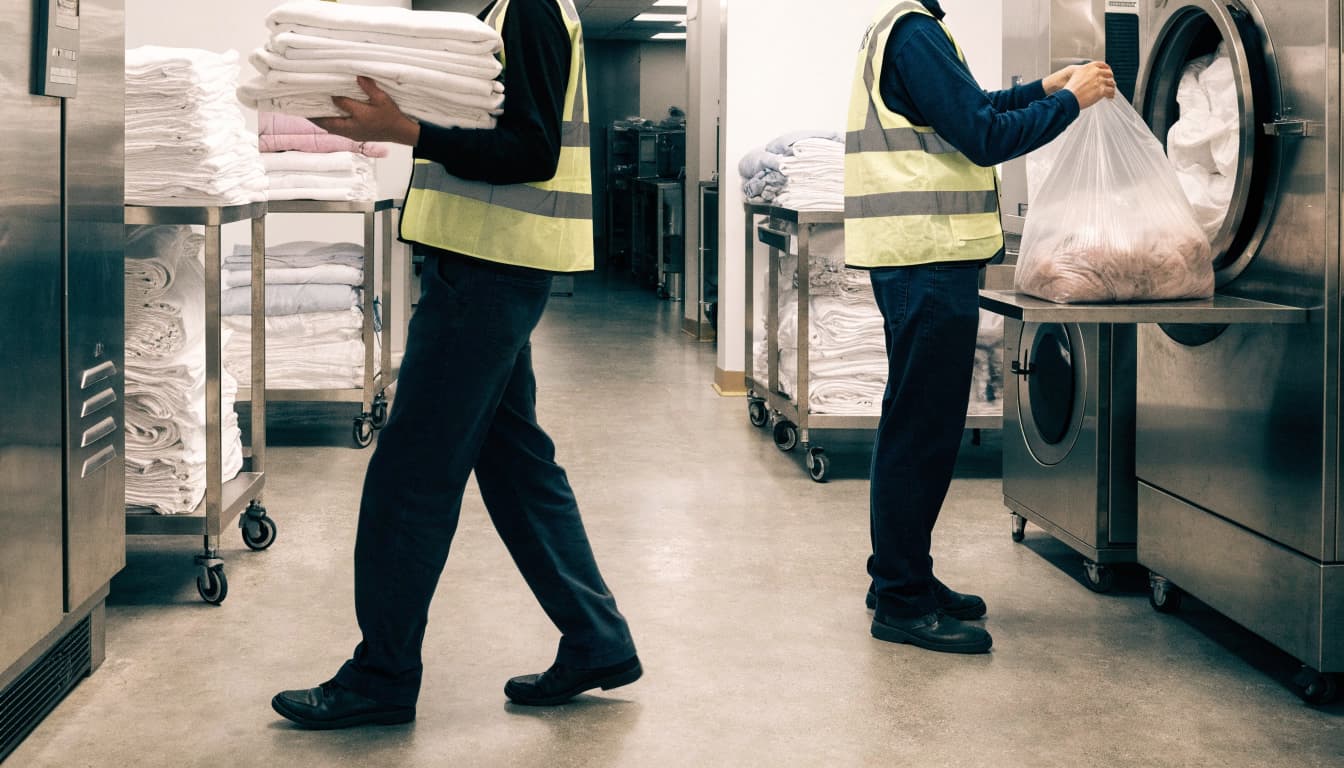
A busy laundry room connects many guest rooms. Clear separation helps prevent suspect textiles from contacting clean supplies or traveling unnoticed through the property.
Separate clean and soiled textiles
Use designated carts or containers for clean and used linens. Keep folded sheets off floors, upholstered furniture, and unclean work surfaces.
Bring used textiles directly to the assigned collection area instead of staging them in corridors. Also clean reusable carts according to the hotel's procedure before switching their purpose.
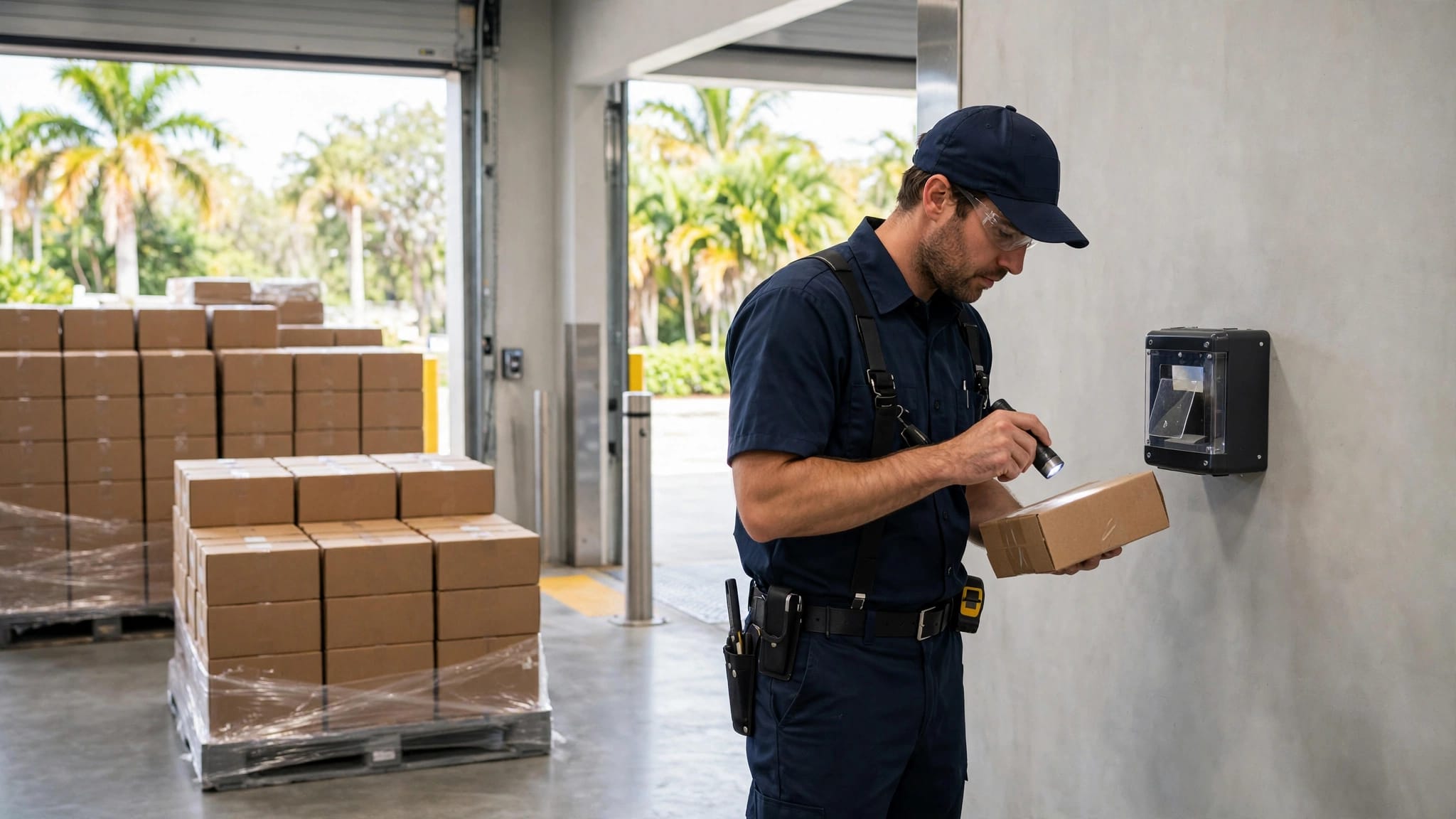
Inspect incoming linen deliveries and storage carts for insects, unusual spotting, or damaged packaging. If an outside laundry handles your textiles, establish a contact for reporting concerns and arranging contained transport. Don't send suspect items without notifying that vendor.
Contain linens when bed bugs are suspected
Bag suspect linens inside the affected room before moving them. Use sturdy bags that close securely, and don't shake sheets or blankets.
Keep these items separate from routine loads until management and the pest professional provide instructions. Identify the originating room through the hotel's internal tracking process.
Follow a professionally approved laundering procedure that accounts for the textile and equipment. Don't assume an ordinary wash cycle resolves a bed bug concern.
Items that can't undergo the approved process should remain contained while the provider determines their handling.
Inspect guest rooms before fresh linens go on
Turnover gives housekeeping a useful inspection window because beds and nearby furniture are accessible. Build a consistent visual check into the workflow before covering the mattress.
Follow the same inspection route
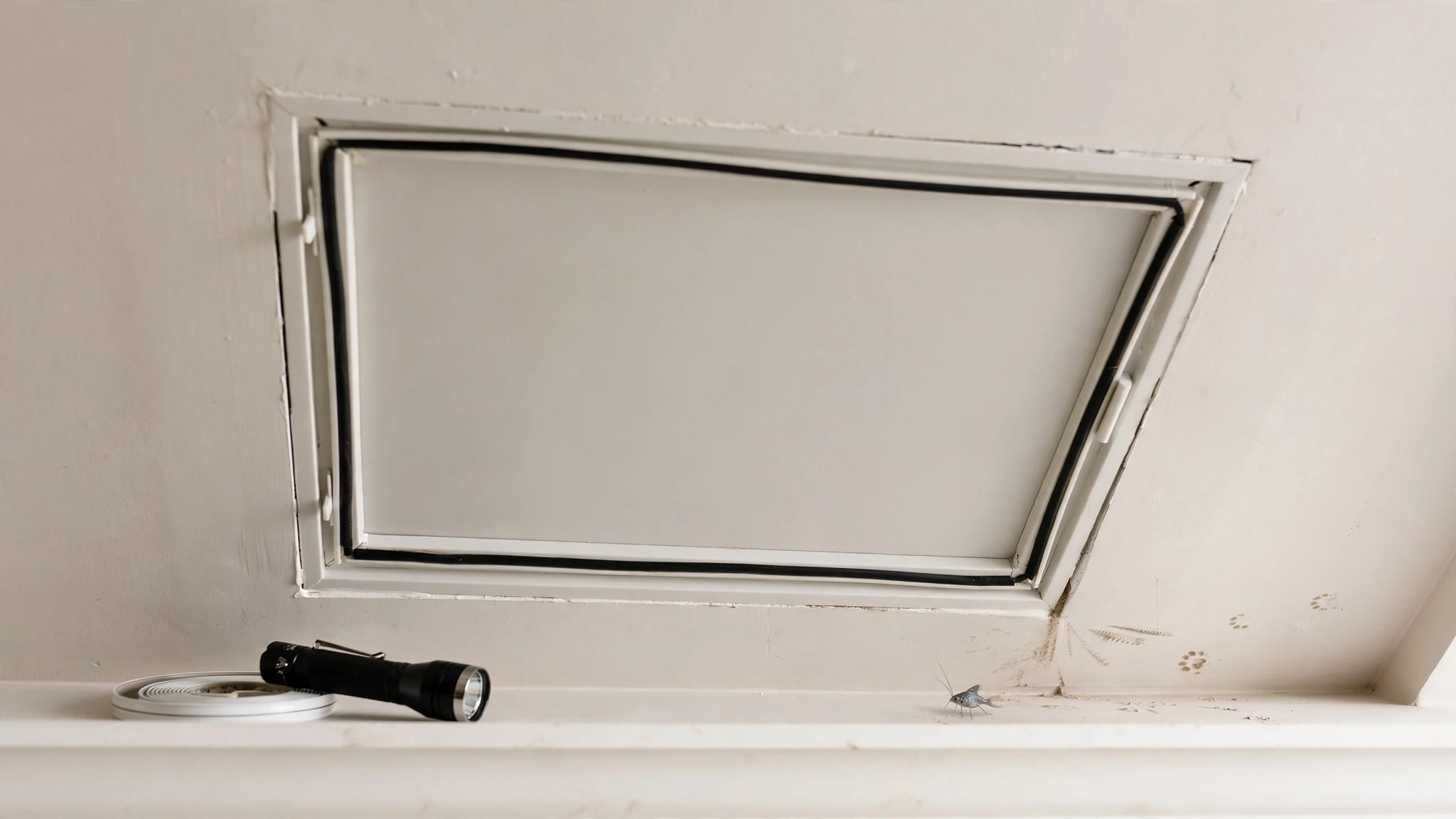
Use a flashlight to check mattress seams, accessible bed-frame joints, headboard edges, nightstands, and nearby upholstered furniture. Don't require cleaners to dismantle heavy furniture or reach unsafe locations.
Look for insects, shed skins, and unusual dark spotting. Because identification matters, describe what staff observed without declaring an infestation.
Shield's bed bug checks during guest turnover describe common hiding places and the value of repeatable inspections. Adapt those checks to the hotel's furnishings and professional recommendations.
Check encasements and report guest concerns
Where the property uses bed-bug-rated mattress or box spring encasements, check for tears, zipper openings, and gaps. Report damage so management can arrange replacement or obtain advice.
Guest reports of bites also need attention, even when housekeeping sees no insects. However, skin reactions alone can't identify bed bugs.
A bite complaint should trigger an inspection, but treatment decisions need identification and an assessment of the affected area.
Bed bugs feed on blood, so a clean room can still receive an introduction through luggage or belongings. Avoid blaming guests or staff.
Report incidents promptly and preserve useful details
A vague note such as "bug found" leaves the next shift guessing. Useful reporting records the room or work area, the precise location, and what happened before discovery.
Train staff to follow a simple response:
- Stop the affected task and notify the designated supervisor immediately.
- Record the time, location, and visible evidence, taking a clear photo when safe.
- Keep suspect linens and equipment contained, and prevent unnecessary movement.
- Follow management and pest-professional instructions for inspection, cleanup, and reopening.
For suspected bed bugs, management should pause use of the room pending assessment. Avoid moving loose bedding or furnishings into another guest room. The provider should decide whether adjoining rooms or shared work areas need inspection.
Front-desk staff need an approved response that acknowledges the concern without making an unconfirmed diagnosis. Keep guest communication factual and coordinate any relocation with management.
Retain inspection findings, photos, work orders, treatment records, and follow-up notes together. Then confirm that repairs and handling instructions reached every affected shift. An incident remains open until someone verifies completion, rather than assuming the next department handled it.
Choose licensed professionals with hotel experience
Florida regulates structural pest-control businesses through the Florida Department of Agriculture and Consumer Services, commonly called FDACS. Verify the provider's current business licensing information and the credentials appropriate to the work.
Ask who will inspect the hotel, make treatment decisions, and handle follow-up. Hotel experience matters because treatment must account for occupied rooms, guest belongings, shared laundry, and staff access.
Before signing, discuss emergency response, staff training, insurance, and service documentation. Also clarify whether bed bugs, rodents, exclusion repairs, and specialty services fall within the agreement or require separate authorization.
Written service reports support professional pest management and health standards. However, documentation doesn't replace daily sanitation or guarantee an inspection outcome.
The provider should explain preparation, access restrictions, and any re-entry requirements before treatment. Housekeeping can prepare spaces according to those instructions, but licensed professionals should select treatment methods. Review repeat sightings together so the response addresses unresolved moisture, access, or handling problems.
Key takeaways for housekeeping and laundry teams
Daily prevention works best when staff can recognize a concern and follow a clear response.
- Report recurring dampness and route repairs to maintenance.
- Keep clean linens separate and contain suspect textiles before transport.
- Inspect sleeping areas during turnover, then document unusual findings promptly.
- Coordinate identification, treatment, and follow-up with a licensed pest-control provider.
Supervisors should reinforce these procedures during onboarding and shift handoffs, especially when temporary staff join the team.
Frequently asked questions
How often should housekeepers check for bed bugs?
Include a consistent visual inspection during guest-room turnover, before fresh bedding covers the mattress. Also inspect when a guest reports a concern or staff find suspect evidence. Let the pest professional recommend additional monitoring based on the property's history and findings.
Should laundry staff treat insects themselves?
Laundry employees should report findings and follow approved containment procedures. They shouldn't choose pesticides or assume washing alone resolves an infestation. A licensed provider should identify the pest and establish treatment and textile-handling instructions with hotel management.
Can a spotless hotel still have pests?
Yes. Bed bugs can arrive with belongings, while other pests may enter through damaged doors or utility openings. Cleaning reduces attractants, but inspection, moisture control, exclusion, and professional follow-up remain necessary.
Make daily prevention part of every shift
Florida hotel pest prevention depends on consistent routines and clear handoffs. Housekeeping and laundry teams notice conditions that scheduled service visits may miss.
Give staff a reliable reporting route, protect clean linens, and close maintenance requests with verified repairs. When evidence appears, involve a licensed professional promptly so the response follows identification and a coordinated plan.
Schedule a Free Inspection: