What Happens During a Florida Pest Control Inspection?
During a general pest control inspection in a Florida home, a technician looks for pest activity, possible entry points, and conditions that attract pests. The visit typically includes a conversation about what you've noticed, a visual inspection inside and outside, and an explanation of the findings.
You don't need to have a major infestation to schedule an inspection. A few roaches, ants near a sink, or noises in the attic are all useful clues. Here's what to expect and how to prepare.
How a General Pest Inspection Begins
The inspection usually starts with a conversation about your concerns. You can point out where you've seen pests, how often they appear, and whether you notice them at a particular time of day.
Details help direct the search. For example, ants appearing near a kitchen window call for a different look than scratching sounds above a bedroom ceiling. Photos can help when the pest isn't visible during the visit.
The technician may also ask about previous treatments, recurring leaks, or changes around the property. A recent roof repair or a gap around a new utility line may be relevant, particularly if you're concerned about rodents.
An inspection is a visual assessment of accessible areas. A technician can't see every space behind walls or under floors, so the findings depend partly on what can be reached and observed.
How to Prepare Your Home for the Visit
A little preparation helps the technician reach the places where pests hide. You don't need to empty the entire house or move heavy appliances on your own.
Make Problem Areas Accessible
Clear a path to the areas where you've noticed activity. If you've seen roaches under the kitchen sink, for example, moving a few cleaning supplies can make the cabinet easier to inspect.
Access to the garage, exterior doors, and attic entry may also be helpful when those areas are part of the assessment. Keep pets safely contained during the visit so doors can be opened and the technician can move around without startling them.
There's no need to disturb a suspected nest or handle a live pest. Point out the location instead.
Save Useful Clues
Make a note of the rooms involved and when you last saw activity. If you have a clear photo of the insect or evidence, keep it available for the technician.
Also, mention any traps or pesticides you've already used and where you placed them. That information can affect what the technician sees and what comes next.
If you find suspected rodent droppings, don't sweep or vacuum them . Leave the area undisturbed and tell the technician where you found them.
What a Technician Checks Outside
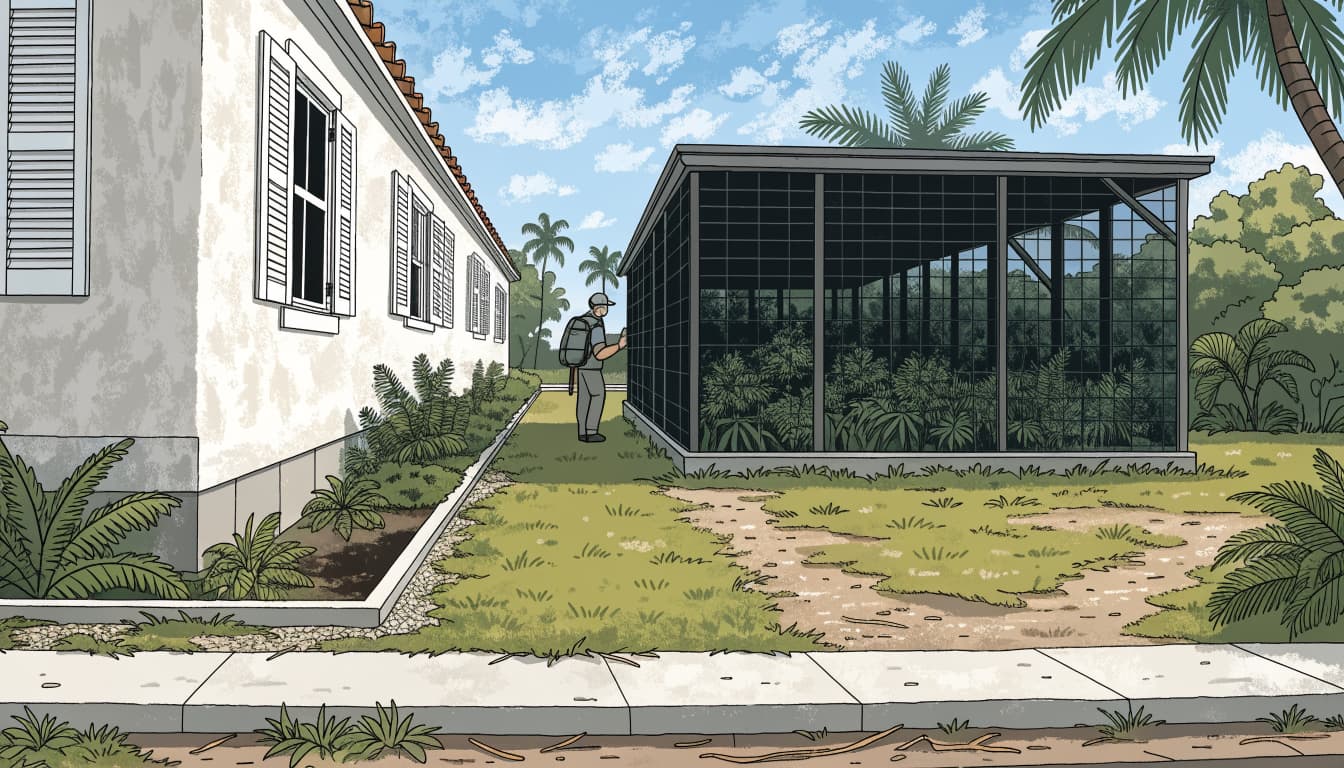
The exterior inspection focuses on places where pests can approach or enter the home. In Southwest Florida, rain and humidity can also leave damp areas around foundations and landscaping.
Gaps Around the Home
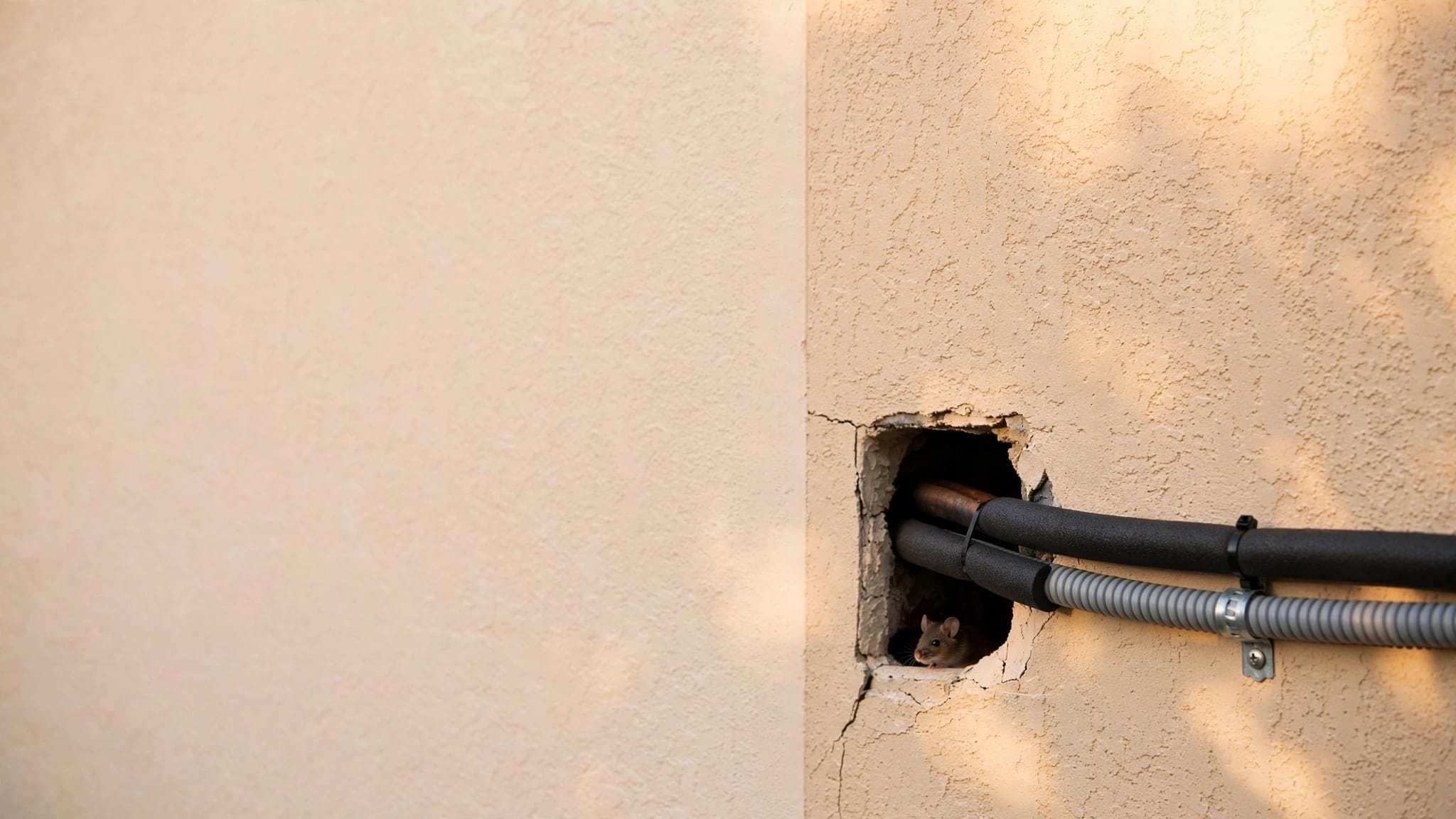
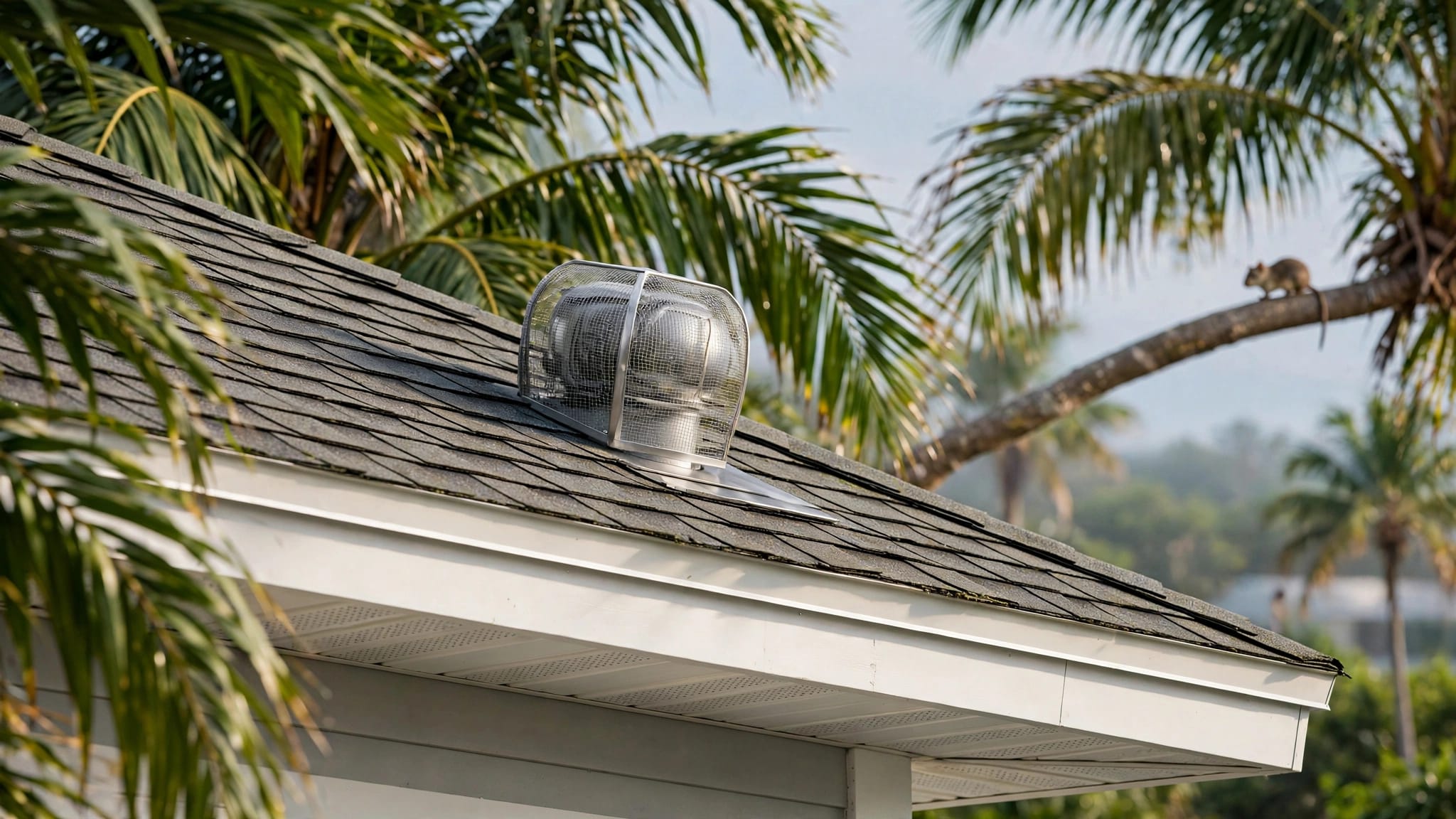
The technician may walk the perimeter and look at the foundation, door thresholds, window frames, and garage openings. Gaps around pipes, cables, vents, or other utility penetrations can provide access for insects or rodents.
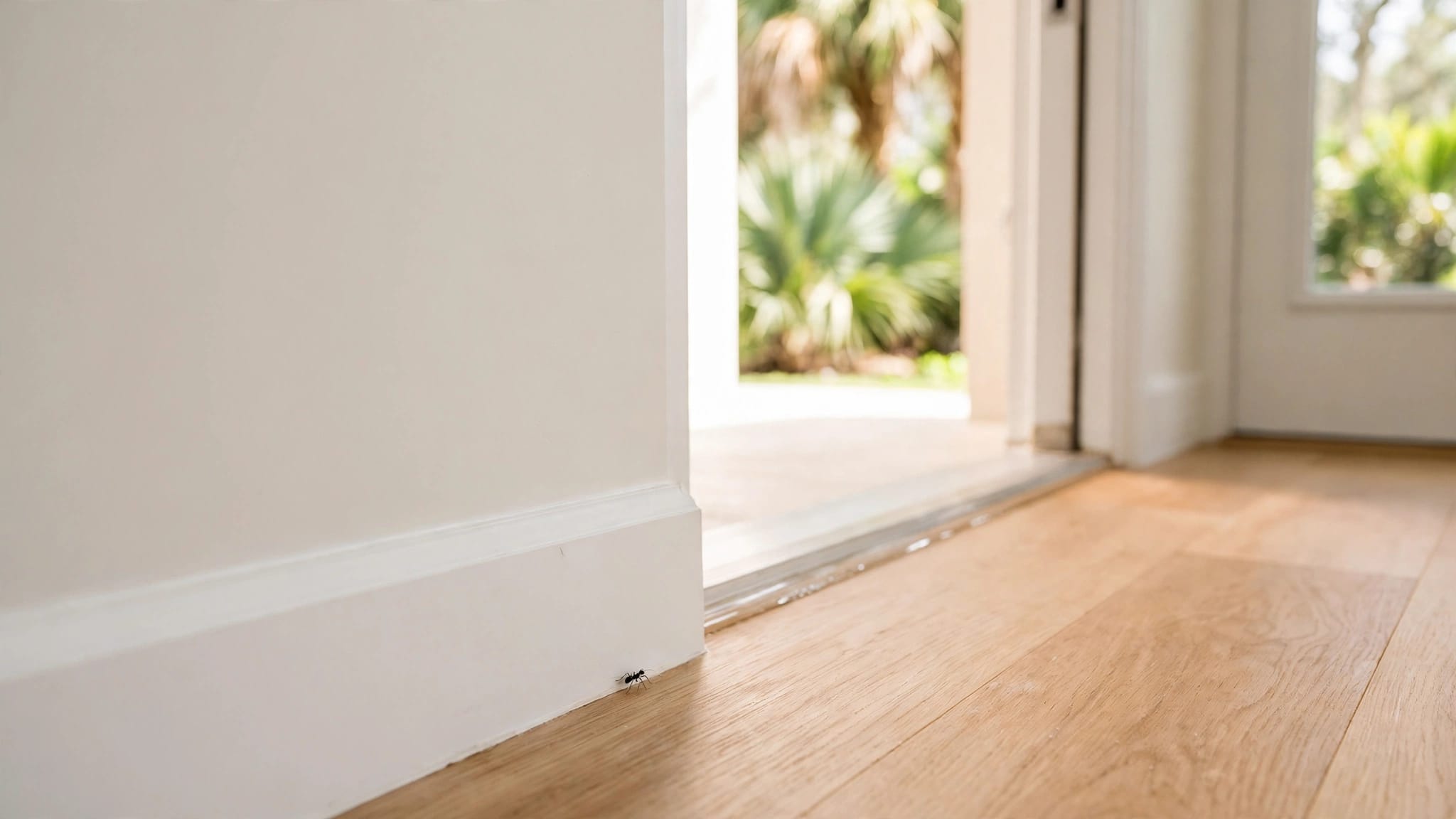
A worn door sweep or damaged screen may be easy to spot. Other openings can be tucked behind stored items or vegetation. The technician may also look for signs near the roofline or attic access when rodent activity is a concern and those areas can be safely assessed.
Finding a gap doesn't prove pests are using it. The technician considers the opening alongside any other evidence.
Moisture, Shelter, and Food Sources
Outdoor conditions matter, too. The inspection may include damp spots near air-conditioning equipment, leaking faucets, standing water, or drainage issues close to the house.
Vegetation touching the building, clutter beside the foundation, and outdoor pet food can also give pests shelter, access, or a reason to stay nearby. A recommendation might involve trimming plants, fixing a leak, or changing how food and trash are stored.
Our residential pest control service covers both interior and exterior areas, including the home's perimeter and outdoor living spaces.
Interior Areas an Inspector May Examine
Inside, the technician looks in areas connected to your concerns and other accessible places that offer pests food, water, or shelter. The inspection doesn't require pests to be visible at the time.
Kitchens, Bathrooms, and Laundry Areas
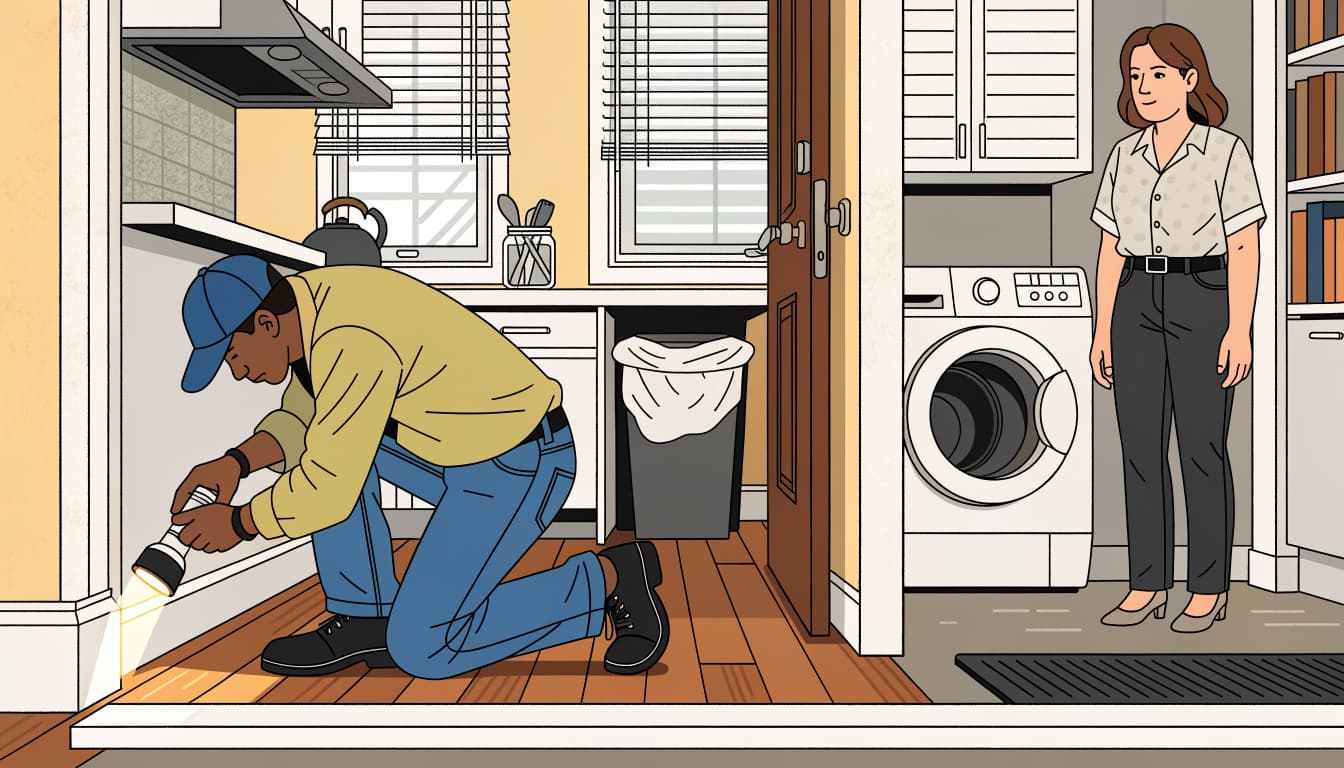
Kitchens often receive attention because food residue and plumbing are close together. A technician may examine cabinet corners, areas under sinks, baseboards, and accessible spaces around appliances.
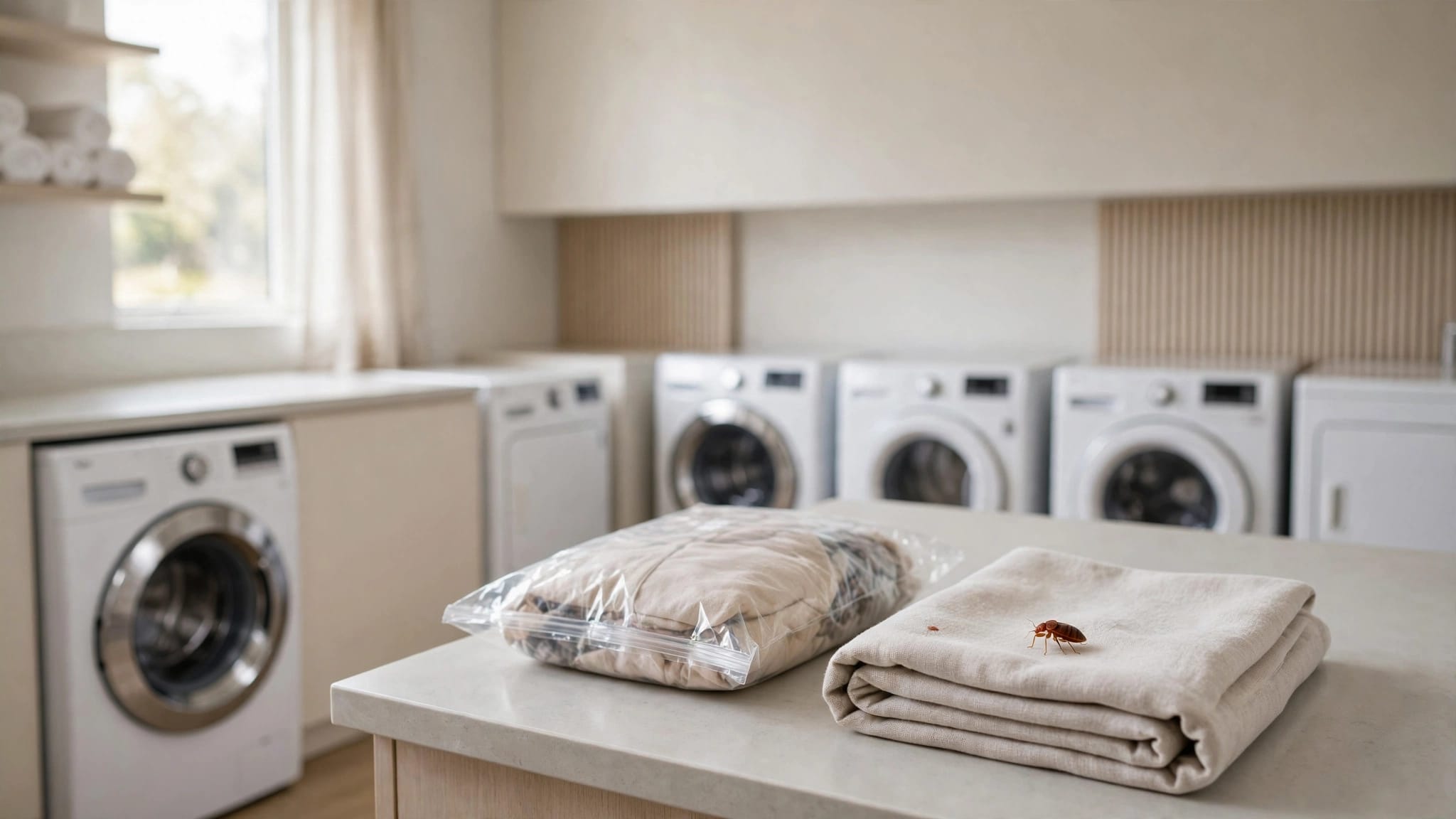
Bathrooms and laundry rooms can reveal leaks, dampness, or openings around pipes. These conditions don't automatically mean there's an infestation, but they can help explain why certain pests keep appearing.
Let the technician know if you've seen insects near a drain, dishwasher, or pet-food station. The exact location can help narrow the search.
Living Areas, Garages, and Attics
Depending on the concern, the inspection may extend to bedrooms, living areas, closets, garages, and accessible attic spaces. The technician may look along walls, near stored items, and around openings that connect different parts of the home.
For suspected rodents, attic evidence can be especially useful. However, access and safety affect what can be inspected. A blocked or inaccessible area may need attention before it can be evaluated.
Point out unusual odors, scratching sounds, or damaged packages, even if you haven't seen an animal.
Signs of Pest Activity During an Inspection
The technician looks at more than live insects or rodents. Pests often leave evidence in places they travel, feed, or shelter.
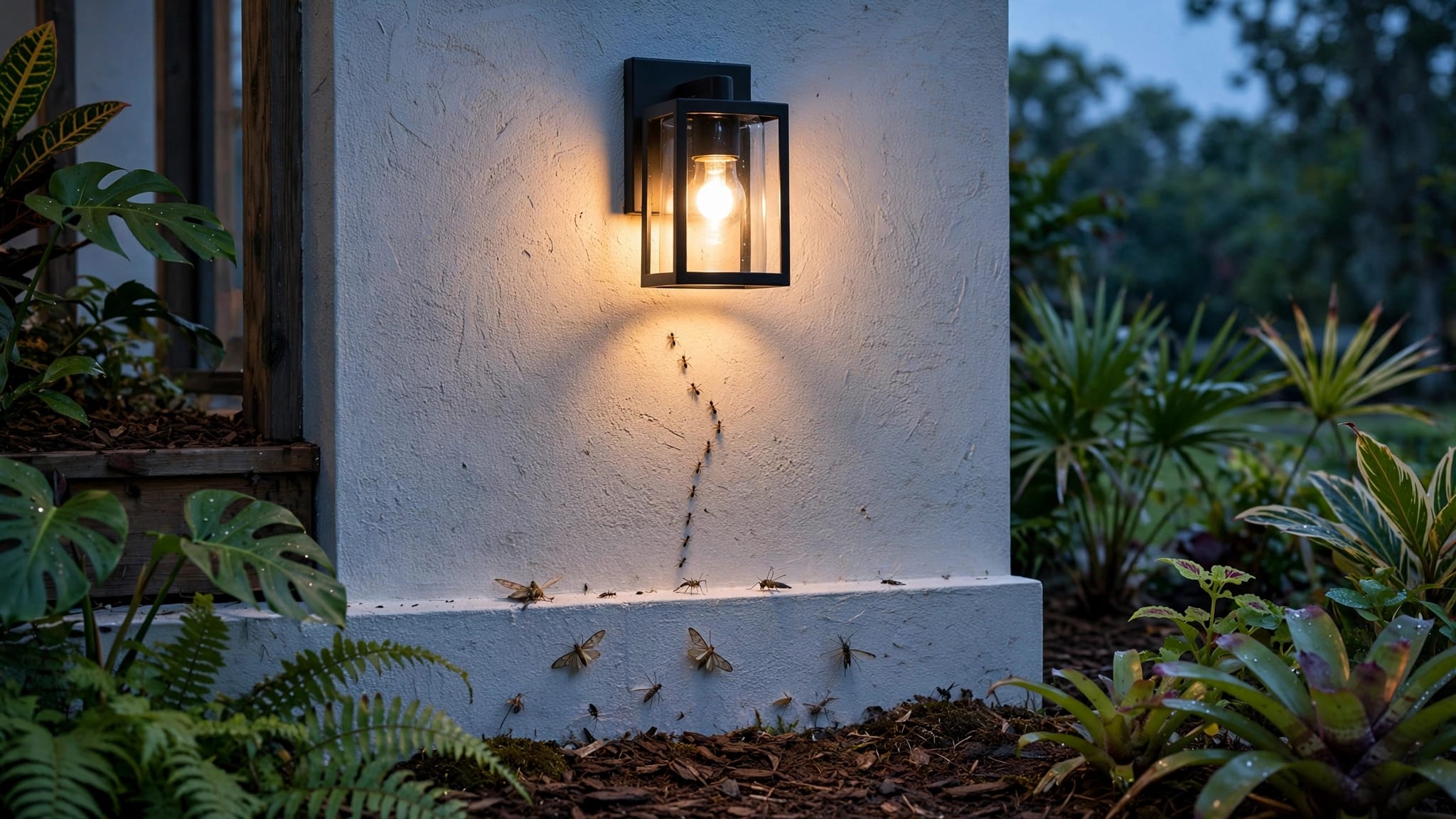
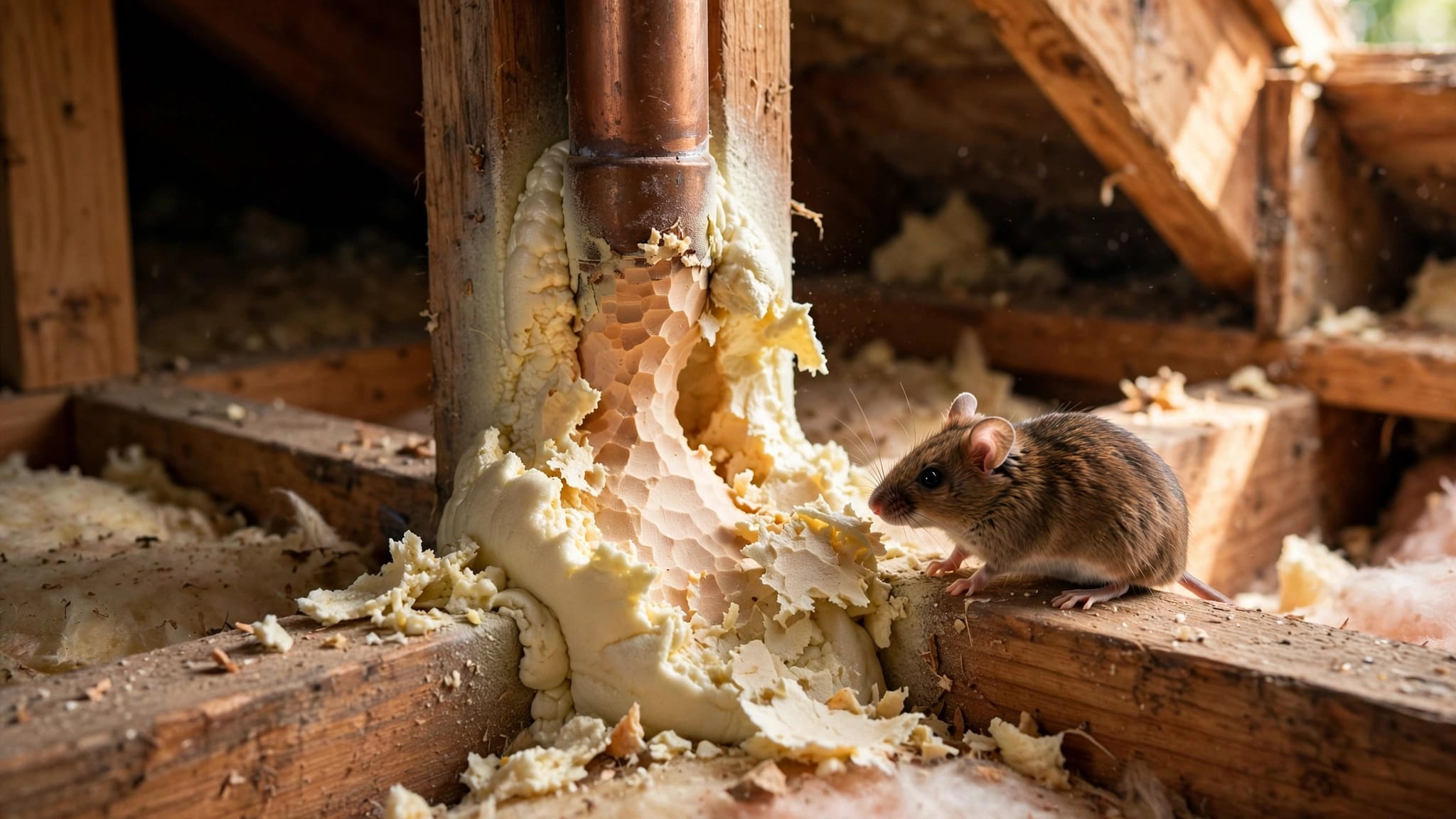
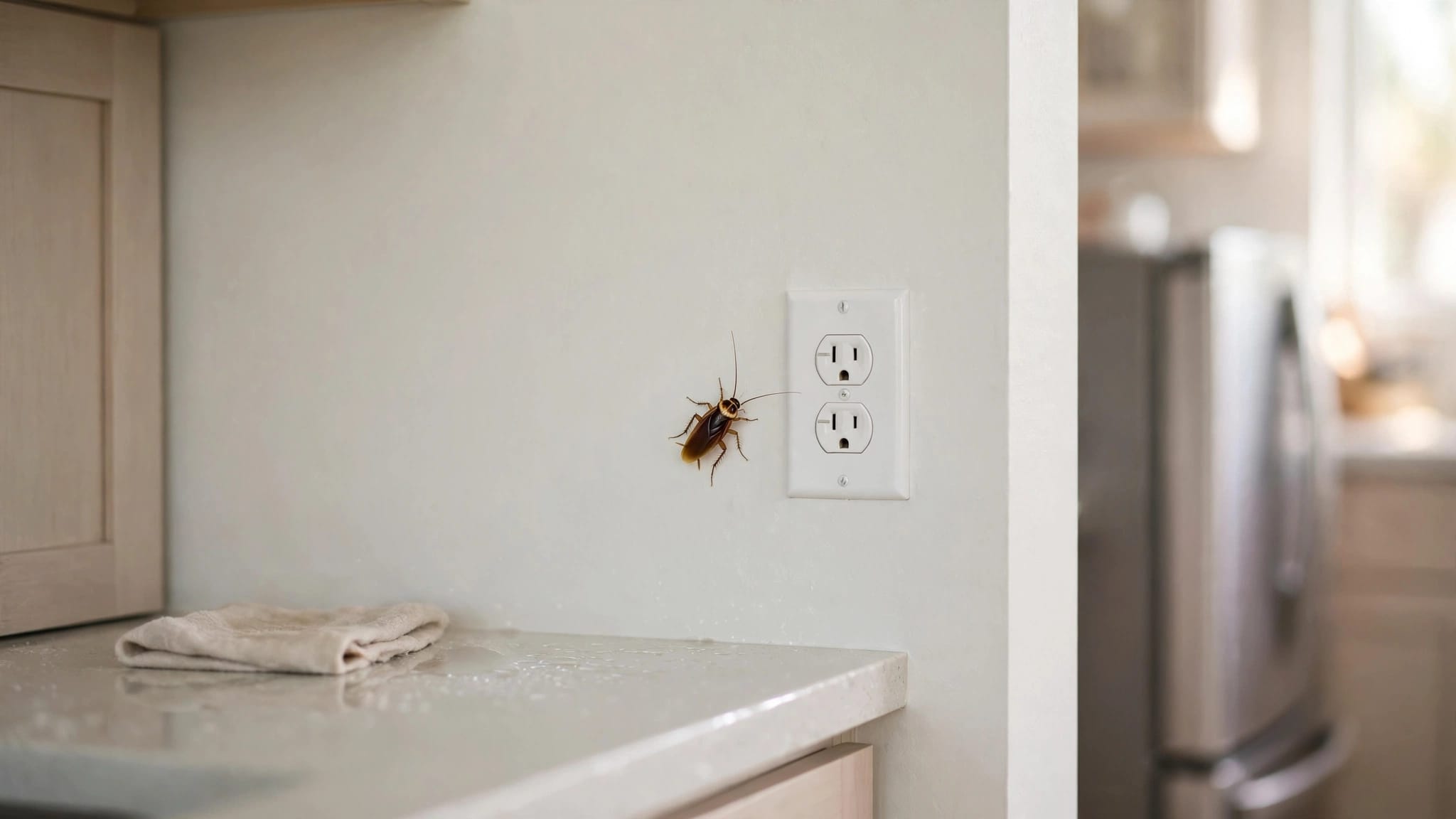
Roaches may leave droppings or shed skins in protected areas, while ants may form visible trails near food or moisture. Rodent clues can include droppings, gnaw marks, disturbed insulation, or rub marks along travel routes. A technician may also notice nesting material or damaged food packaging.
The location and condition of the evidence matter. Droppings in a garage, for example, can help guide a search for nearby access points. Evidence alone doesn't always establish when the activity occurred or how many pests are present.
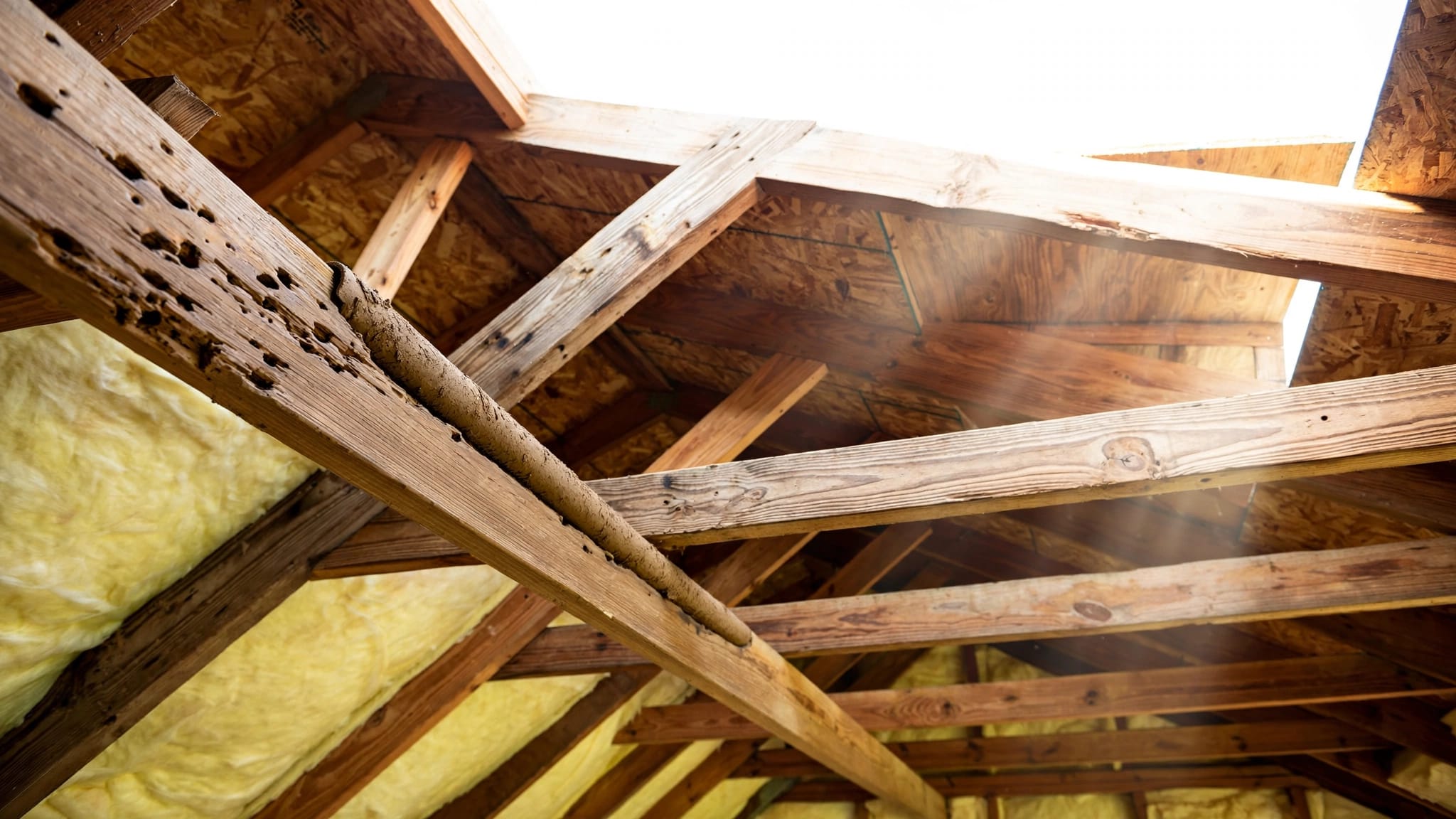
Some signs need a closer look before a pest can be identified. A small pile of debris, discarded wings, or damage to wood can have different causes. Rather than guessing, the technician may recommend a more focused assessment.
How Findings Are Explained
After the walkthrough, the technician should explain what was observed in plain language. That conversation may cover the pest involved when it can be identified, where evidence appeared, and which areas seem most likely to need attention.
A useful explanation separates observed activity from conditions that could invite pests. A leaking pipe may be contributing moisture, for example, while droppings nearby may point to rodent activity. Both matter, but they aren't the same finding.
The technician may also point out areas that couldn't be inspected and explain why that limits the assessment. If evidence suggests a different pest problem, a separate inspection or treatment plan may be appropriate.
Your estimate should give you a basis for understanding the proposed work. Our questions to ask a Florida pest control company can help you understand the scope of an inspection and any recommended service.
What Happens After the Inspection
The next step depends on the pest, the evidence, and the conditions around your home. An inspection may lead to treatment, monitoring, repairs, or a combination of approaches.
Treatment and Monitoring
For an identified insect problem, the technician may recommend a targeted treatment in the areas where activity or access points were found. The plan should account for the pest involved rather than treating every room in the same way.
Rodent work often includes trapping, monitoring, and addressing entry points. Our ECO Rodent Shield approach avoids traditional poisons and blanket baiting.
If treatment is recommended, follow the technician's instructions for keeping people and pets away from treated areas and for returning to them. A follow-up visit may be useful to see whether activity has changed.
Repairs and Ongoing Prevention
Some findings call for work around the home. Fixing a plumbing leak, replacing a damaged door sweep, or closing a suitable exterior gap can reduce conditions that pests use.
For rodent openings, the timing of exclusion matters. A technician can recommend how to address access points as part of the removal plan, rather than sealing an opening without considering animals that may still be inside.
An isolated problem may need a different schedule than repeated activity. Our comparison of quarterly and one-time pest control explains how those options fit different situations.
When You May Need a Separate Termite Inspection
A general visit for ants, roaches, or other household pests has a different purpose than an inspection focused on termites or other wood-destroying organisms.
If you notice mud tubes, discarded wings, swarmers, or damaged wood, tell the technician. Those signs can warrant a termite assessment, and the treatment depends on what the inspection finds.
A Florida wood-destroying organism inspection also differs from a general home inspection. Our guide to WDO inspections and home inspections explains what each type of assessment is designed to cover.
Keep any inspection reports, treatment records, contracts, and repair documents together. They can help you understand what work was completed and what protection applies later.
Get a Clear Picture of Your Pest Problem
A general pest control inspection gives you a starting point: what the technician can see, where pests may be getting in, and which conditions may be helping them stay. The recommendations should follow those findings.
At Shield Home & Pest Control Services, we offer free inspections and estimates for homes in Cape Coral and surrounding Southwest Florida communities. If you've noticed pest activity, schedule an inspection and show us the areas that concern you.
Schedule a Free Inspection: