Quarterly Pest Control Florida Homes: Which Plan Fits?
Florida's warm, humid weather can turn a few ants near the sink into a recurring household problem. For many homeowners, a quarterly pest control Florida plan is a practical middle ground between ignoring routine pressure and paying for visits you may not need.
A one-time treatment can make sense when you find a single wasp nest or ant trail, but it may disappoint when roaches, rodents, mosquitoes, or termites keep returning. Your property, the pest involved, and the season should guide the decision.
Why Florida pest activity changes by property and season
Florida's climate supports pest activity through much of the year. Warm temperatures help insects remain active, while humidity gives roaches, ants, mosquitoes, and other pests access to moisture. Homes in Southwest Florida may also face pressure from nearby canals, preserves, construction, landscaping, and standing water.
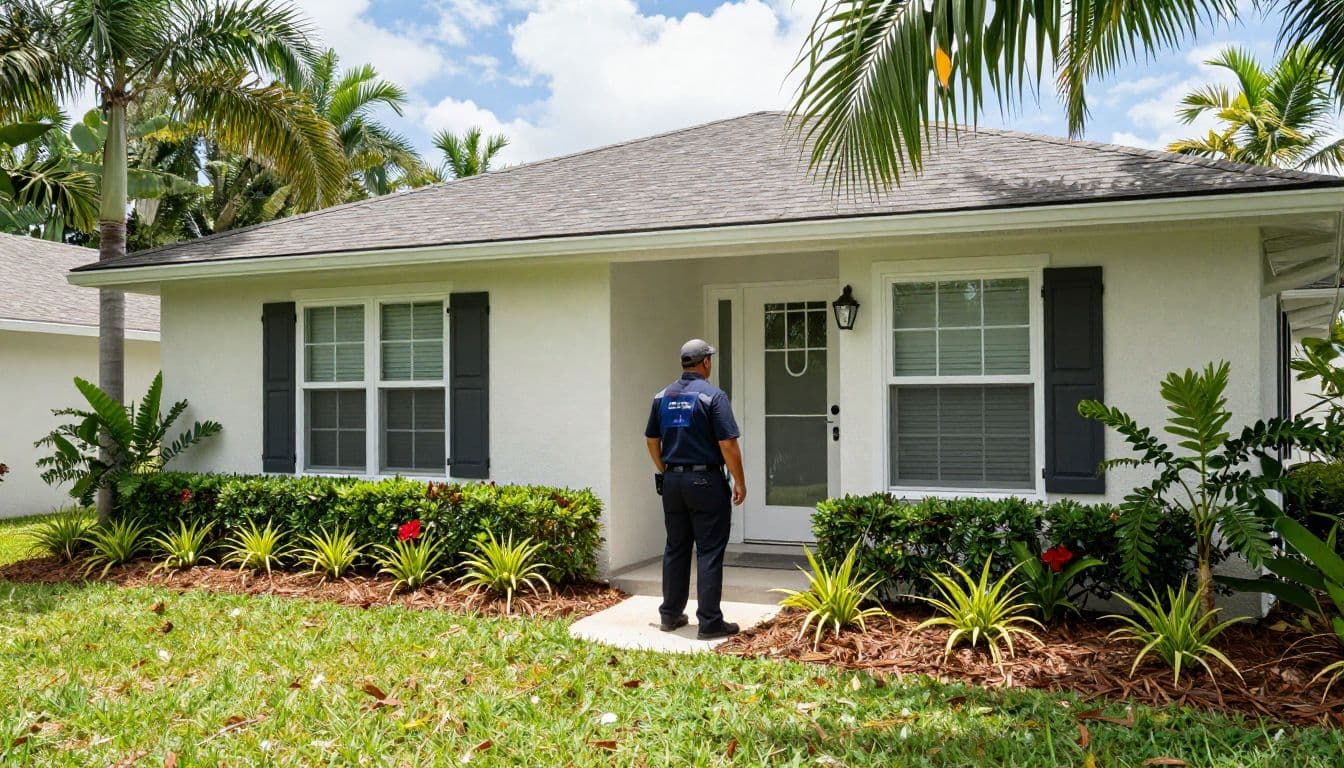
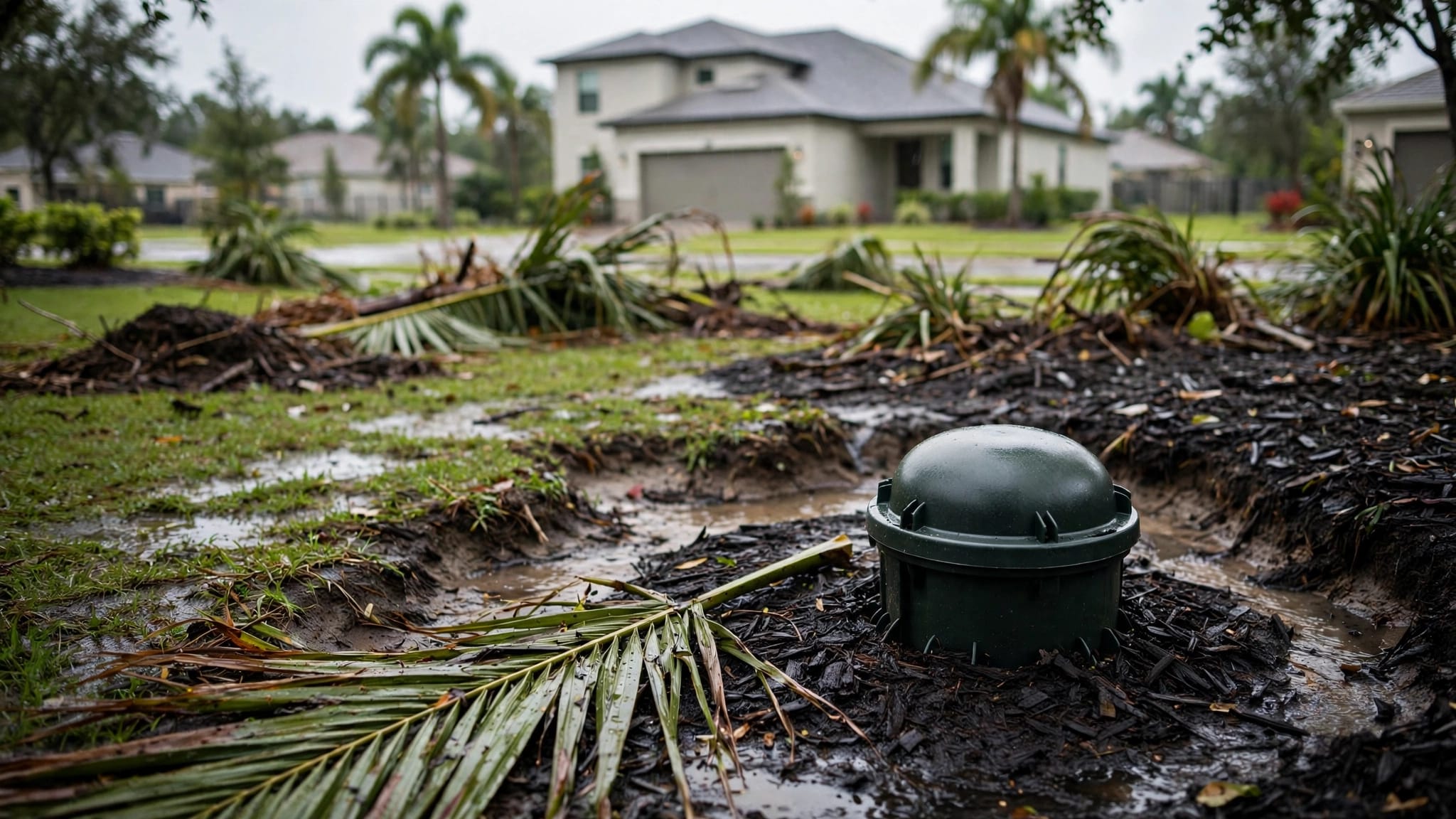
Rain can change pest behavior within days. Heavy weather may push ants and other insects toward doors, windows, garages, and wall openings. Standing water around a patio or pool cage can support mosquitoes. During drier periods, rodents may search more aggressively for food, shelter, and water inside homes.
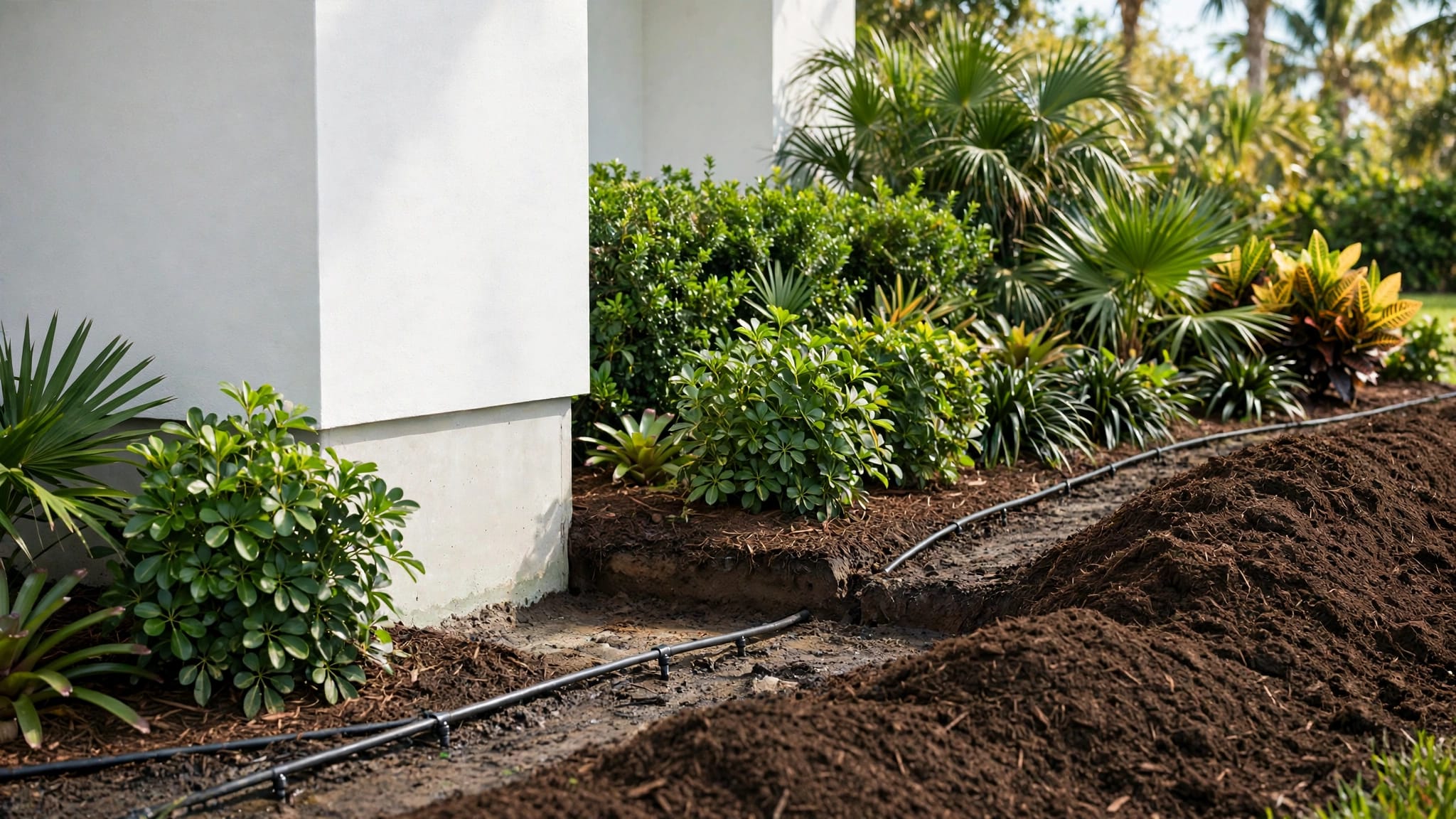
The structure and surroundings matter just as much. A home with dense mulch against the walls, leaking outdoor faucets, clogged gutters, or gaps around utility lines has different needs than a newer, well-sealed property. Homes near wooded areas may see more spiders, palmetto bugs, and rodents than homes surrounded by concrete.
Pest type also changes the treatment schedule. General insect control often benefits from routine exterior maintenance. Termites, bed bugs, fleas, and rodents usually require a more focused plan with inspection, targeted treatment, and follow-up.
A quarterly plan can reduce routine pest pressure, but it can't replace fixing a leaking pipe, removing standing water, or sealing an entry gap.
How quarterly pest control Florida plans usually work
Quarterly service generally means visits about every three months. The goal is to inspect changing conditions and maintain protection around the home, not to apply the same treatment blindly four times a year.
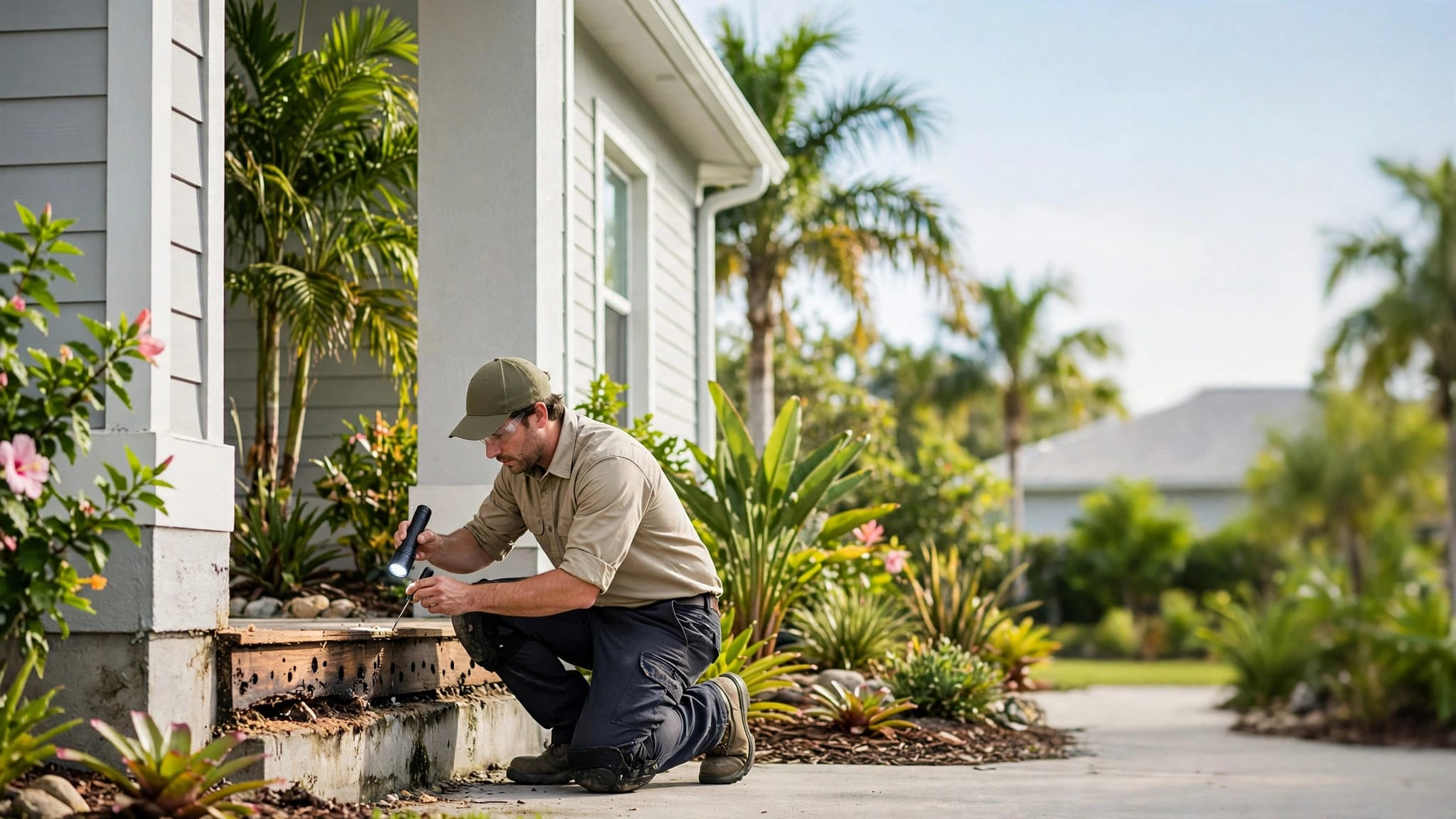
A thorough initial visit should identify pest activity, entry points, moisture sources, harborage areas, and conditions that may attract pests. The technician may inspect the foundation, doors, windows, eaves, garage, lanai, plumbing penetrations, and other vulnerable areas.
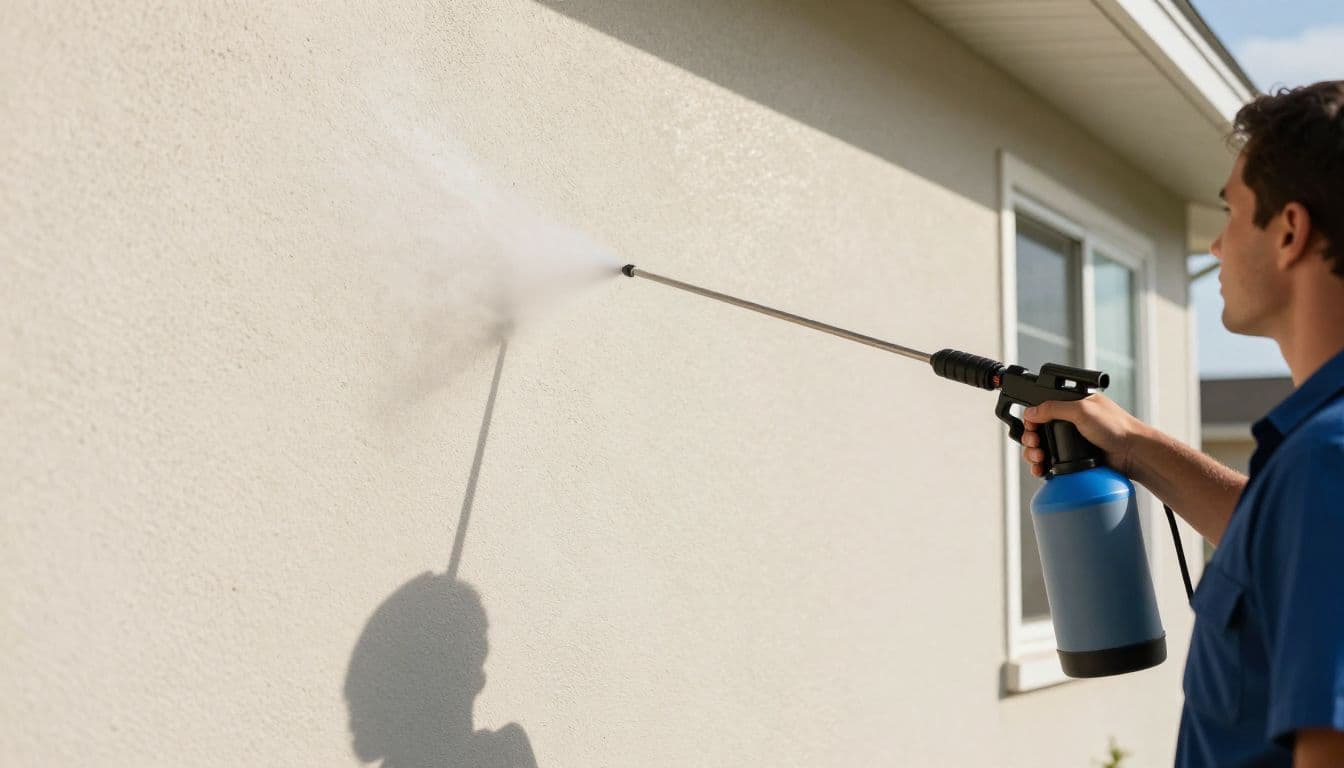
Follow-up visits can then adjust to what the property needs. An effective service may include:
- Inspecting the exterior for new activity, webs, cracks, and conditions that hold moisture.
- Applying targeted exterior treatments around likely entry points and pest harborage areas.
- Checking garages, patios, pool enclosures, and other areas where pests commonly appear.
- Treating interior areas when the inspection shows a need or when the homeowner reports active pests.
- Recommending repairs, sanitation changes, drainage improvements, or exclusion work.
This approach follows integrated pest management , often called IPM. IPM combines monitoring, prevention, exclusion, sanitation, and carefully selected treatments. It focuses on solving the reason pests are present instead of relying on repeated chemical applications alone.
The exact service varies by company and plan. Before signing up, ask whether rodents, termites, mosquitoes, bed bugs, and other specialty pests are included or billed separately. Review the provider's pest control services to see which treatments require a different program.
Quarterly visits also don't guarantee that every pest will disappear after one application. They provide regular opportunities to catch activity early, change the treatment approach, and prevent small issues from becoming harder to control.
When a one-time pest treatment makes sense
One-time treatment is often suitable for a clearly identified, limited problem. A technician may treat a wasp nest, a small ant invasion, or insects that entered after a weather event. The service can also help after a homeowner has corrected the source, such as replacing damaged weatherstripping or repairing a plumbing leak.
A one-time visit may fit a home that has no history of recurring pest activity. It can be useful before moving into a property, after construction work, or before hosting an event when an inspection finds a manageable issue. Still, the treatment should match the pest and its location.
Some problems need more than one visit even when the homeowner first requests a single treatment. Fleas may continue emerging from immature stages after adult fleas are removed. Bed bugs can hide in protected areas and may require follow-up inspections. Rodent removal often involves trapping, monitoring, and sealing entry points, not simply placing bait.
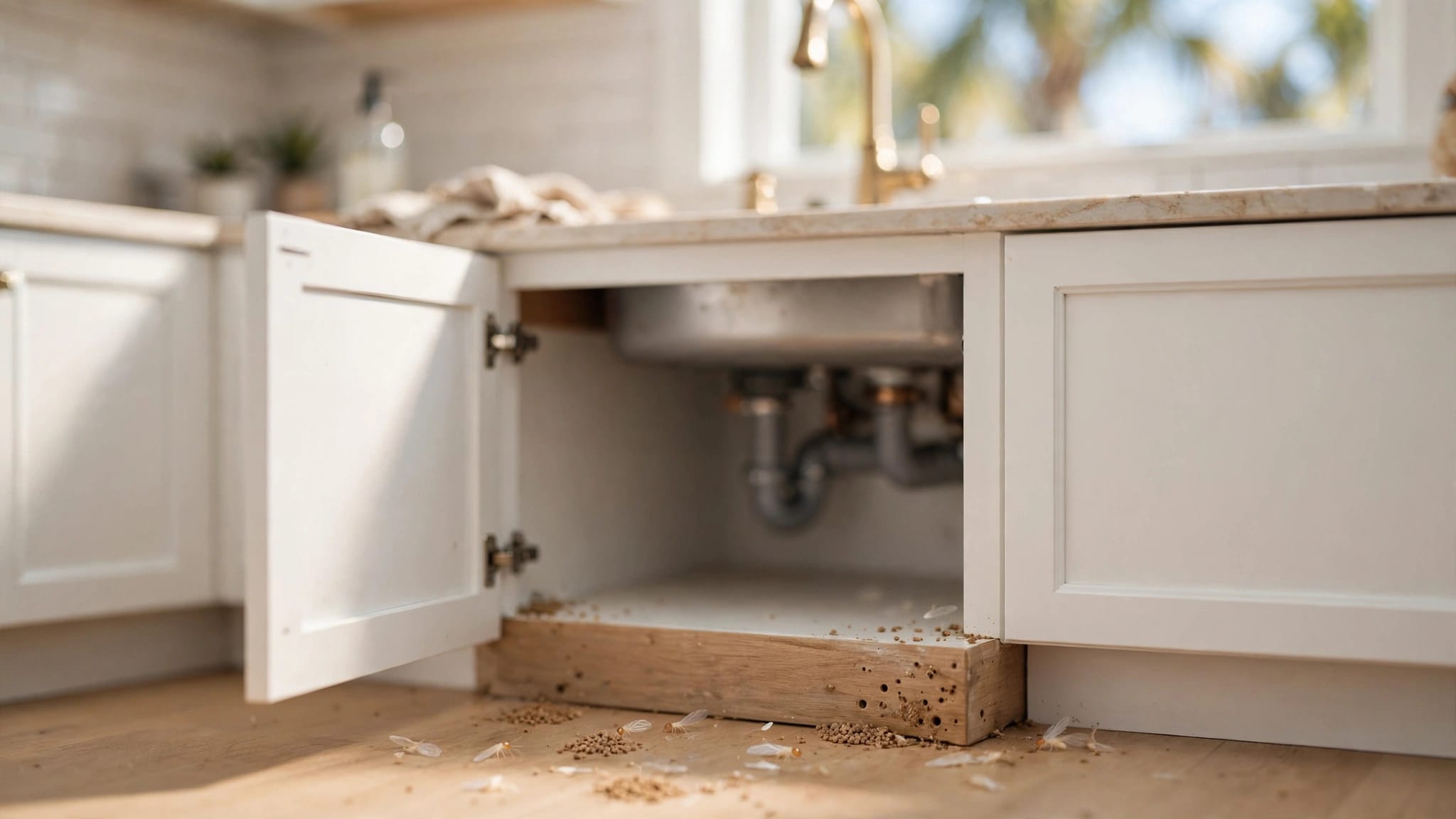
Termites also deserve separate attention. General insect spraying doesn't replace a termite inspection or a termite-specific treatment plan. If you notice discarded wings, mud tubes, damaged wood, or repeated swarmers, ask a licensed professional to identify the species and extent of activity. Treatment choices vary, as shown in this guide to Florida termite control options.
A one-time service can solve an isolated problem. It becomes a poor fit when the property has ongoing moisture, repeated sightings, multiple pest species, or unaddressed entry points.
Quarterly vs. one-time pest control in Florida
The following comparison shows how each option typically fits different household situations.
| Factor | Quarterly service | One-time treatment |
|---|---|---|
| Best fit | Homes with recurring general pest pressure | A limited, identifiable pest problem |
| Timing | Visits scheduled about every three months | One scheduled treatment, with follow-up if needed |
| Main focus | Monitoring, prevention, and routine exterior protection | Correcting a current infestation or pest event |
| Cost pattern | Recurring service cost across the year | One initial charge, with possible added visits |
| Follow-up | Built into the service schedule | Depends on the pest, treatment, and provider policy |
| Limitations | May be unnecessary for low-pressure properties | May not address recurring causes or hidden activity |
Quarterly service usually offers more continuity. You don't have to wait until ants enter the kitchen or roaches appear in the garage before requesting help. On the other hand, a low-activity home may not need a recurring contract.
A one-time treatment has a simpler commitment. However, the initial price doesn't always show the full cost if the pest returns or the problem requires exclusion and follow-up work. Compare the total expected cost, treatment scope, warranty terms, and response policy rather than comparing visit prices alone.
Questions to ask before booking
Ask the provider:
- Which pests does the plan cover, and which ones require specialty service?
- Does the first visit include a full inspection and a written treatment recommendation?
- Are follow-up visits included if activity continues?
- Will technicians treat the interior automatically, or only when you request it?
- What preparation, pet-safety, and re-entry instructions should you follow?
- Does the plan include sealing entry points, or is exclusion separate?
A dependable company should explain what it found, where it plans to treat, and what you can change around the property. Be cautious if a technician recommends a broad treatment without identifying the pest or its likely source.
Choosing the right schedule for your Florida home
For homeowners comparing quarterly pest control Florida services, the schedule should follow the inspection findings rather than a preset calendar. Quarterly treatment often fits homes with repeated ants, roaches, spiders, or exterior insect activity, especially when landscaping and weather create steady pressure.
A recurring plan may also suit seasonal properties and vacation rentals. Regular inspections can catch activity between visits, while consistent service helps prevent small issues from affecting guests or creating emergency calls. The plan still needs to account for occupancy, cleaning, food storage, pool areas, and turnover schedules.
One-time service may be enough when the problem is isolated and the property has few conditions that support reinfestation. Even then, ask what happens if activity continues. A clear retreatment policy can prevent an inexpensive-looking service from becoming several unplanned appointments.
Start with an inspection from a licensed Florida pest control professional. The technician should identify the pest, locate activity, assess moisture and access points, and separate general pest concerns from rodents, termites, bed bugs, or other specialized problems.
Homeowners in Cape Coral and nearby communities can review local residential pest control options when comparing inspection and maintenance plans. A local provider may also understand common issues around screened lanais, slab foundations, tropical landscaping, and Southwest Florida weather patterns.
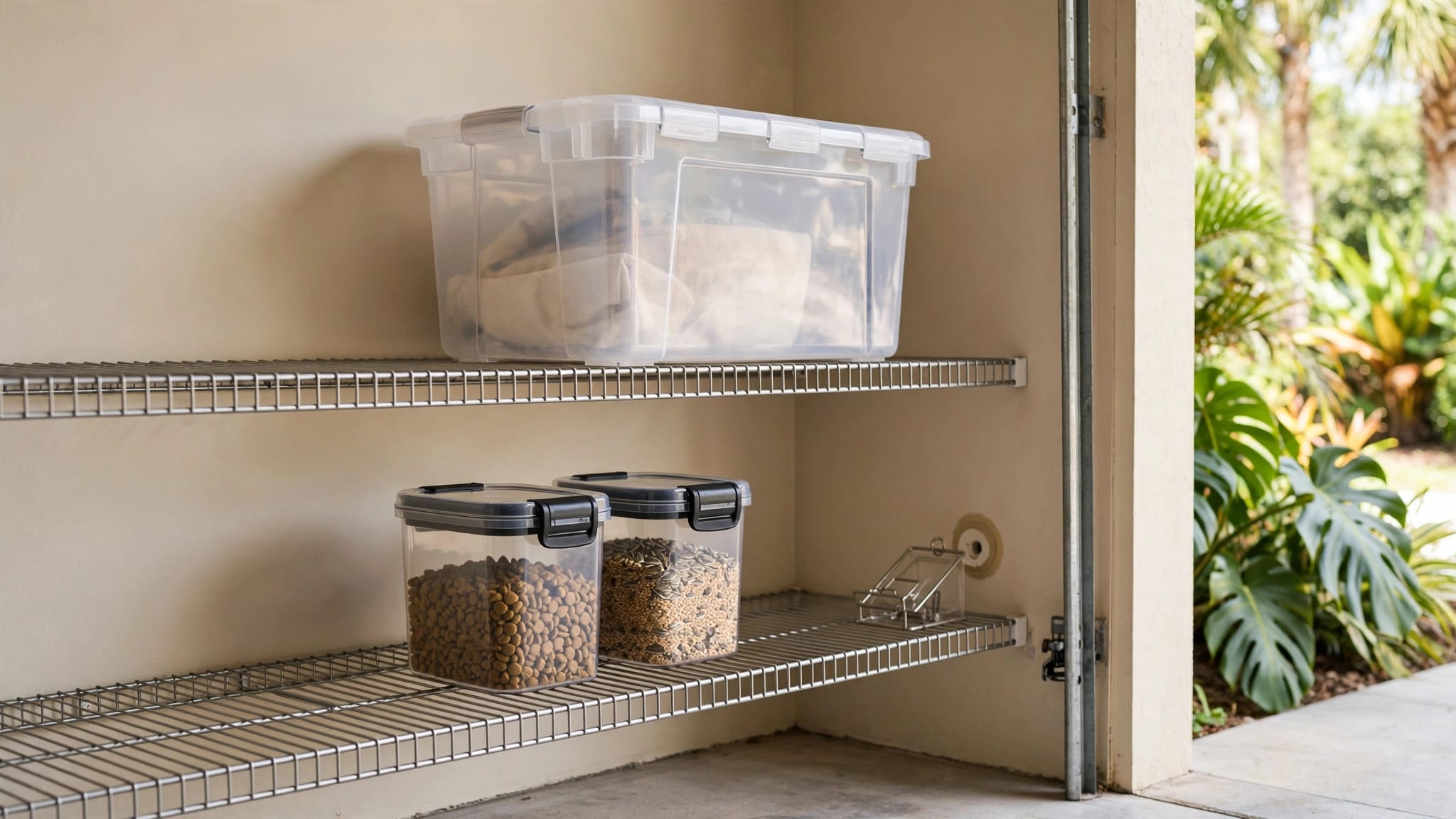
You can support either treatment choice by keeping vegetation trimmed away from walls, storing food in sealed containers, correcting leaks, reducing standing water, maintaining screens, and sealing visible gaps. These steps won't solve every infestation, but they reduce the conditions that bring pests back.
Conclusion
A one-time treatment is a reasonable choice for a contained problem with a clear source. Quarterly service is often a better match for recurring general pest activity, changing weather, and homes that need regular monitoring.
The right decision depends on the property, pest species, season, and treatment plan. A licensed inspection can show whether you need routine prevention, targeted follow-up, exclusion work, or a separate specialty service. In Florida, the most reliable schedule is the one that addresses why pests are getting inside, not only what you see after they arrive.
Schedule a Free Inspection: