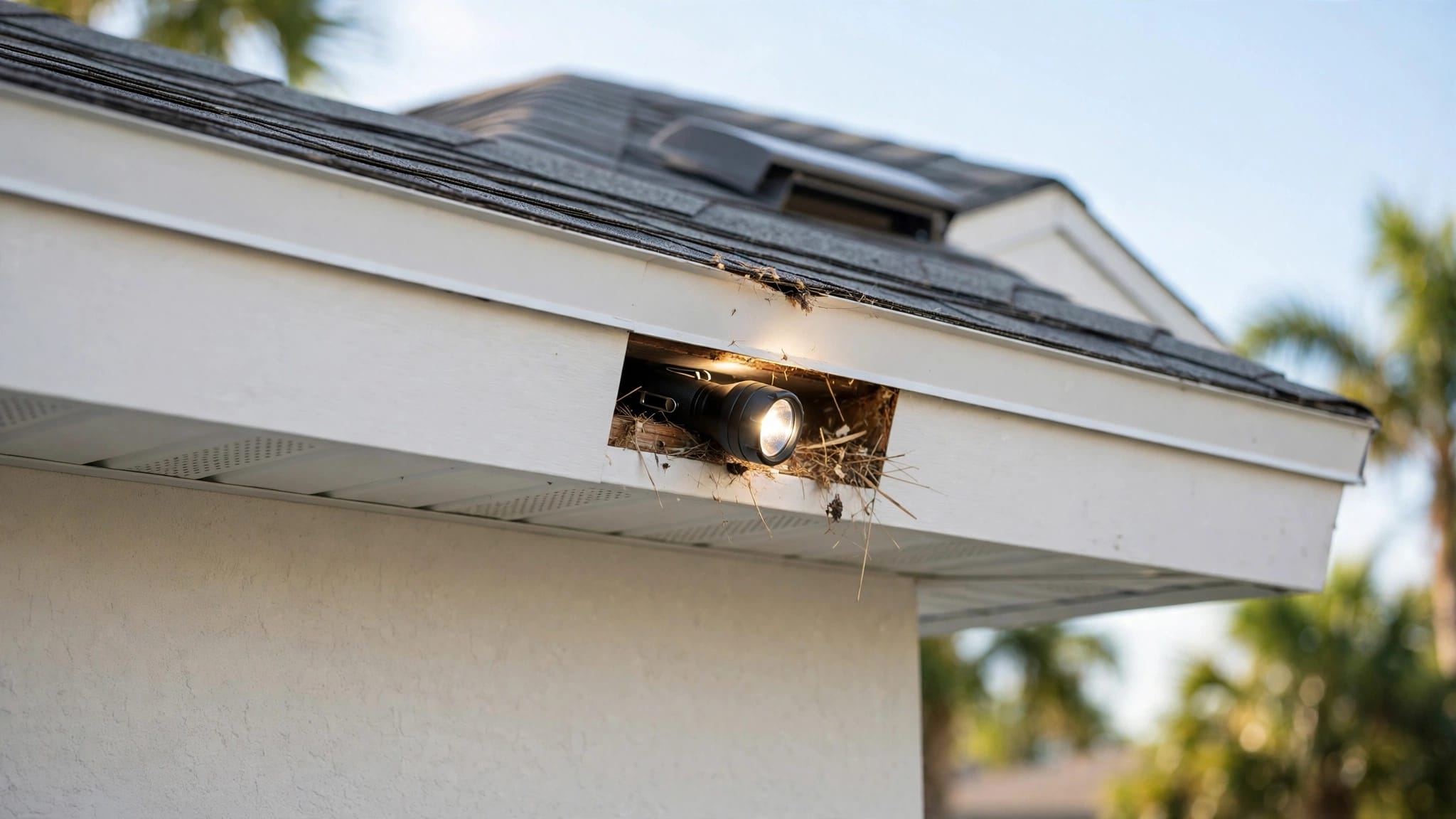
Termites in Florida During Winter: Signs to Watch
Yes, termites can remain active in Florida during winter. Mild conditions can allow colonies to keep feeding inside wood or protected spaces, even when you don't see insects outside.
Activity varies with the termite type and local conditions. A quiet windowsill or a cold morning doesn't tell you whether a colony is present, so it's worth knowing which signs of damage to look for throughout the season.
Key Takeaways
Mud tubes near foundations often point to subterranean termites. Small, hard pellets beneath a hole in wood are more typical of drywood termites.
Discarded wings and hollow-sounding wood also deserve attention, although neither proves that termites are active. An inspection can help identify the cause and locate hidden damage.
Why Termites Can Stay Active During a Florida Winter
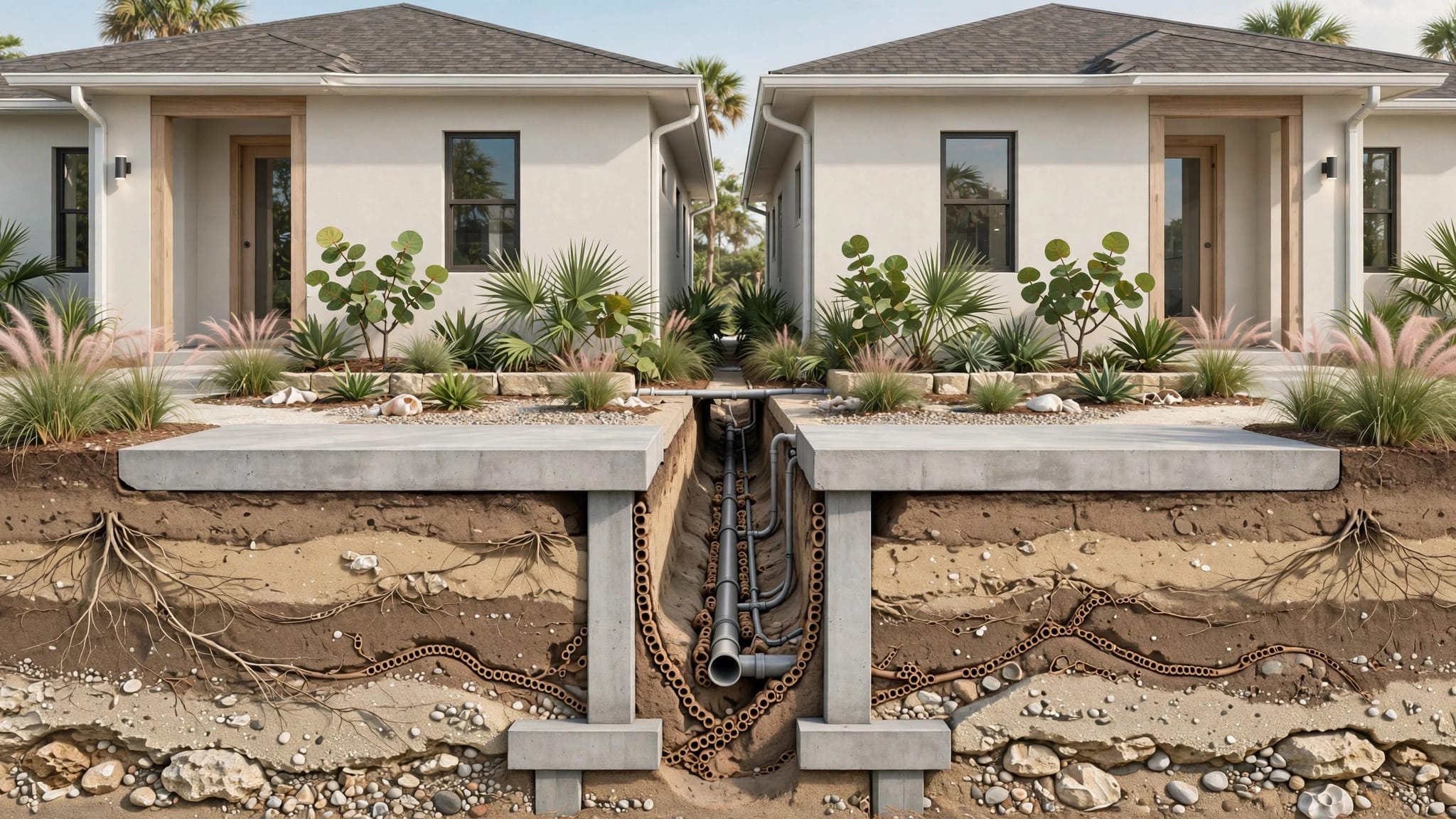
Florida's mild winters give termites more chances to remain active than they have in colder regions. In Southwest Florida, colonies can stay protected in soil, within walls, or inside the wood they feed on.
That doesn't mean every colony behaves the same way. Temperature, moisture, species, and the conditions around a structure can affect what termites do and what you can see. A colony may leave evidence in one area while remaining concealed elsewhere.
You also won't necessarily see flying termites when workers are feeding. Swarms are only one part of a termite's life cycle, and their absence doesn't rule out an infestation.
For homeowners in Cape Coral and nearby communities, winter is a useful time to look around the property rather than assume a seasonal slowdown has solved the problem. Pay particular attention to changes since your last inspection, such as new dirt lines on a foundation or unexplained debris beneath wood trim.
Subterranean vs. Drywood Termites: What to Look For
The most useful distinction is where the termites live and the evidence they tend to leave.
| Clue | Subterranean termites | Drywood termites |
|---|---|---|
| Typical location | Soil and protected routes into wood | Inside the wood they infest |
| Common visible sign | Mud tubes near foundations or walls | Hard pellets below small holes in wood |
| Areas to inspect | Slab edges, garages, plumbing areas | Attics, trim, door frames, furniture |
These clues can point you in the right direction, but hidden infestations don't always produce obvious signs. Our guide to drywood versus subterranean termites in Southwest Florida explains how their habits affect where you may find them.
Mud Tubes Near Foundations and Walls
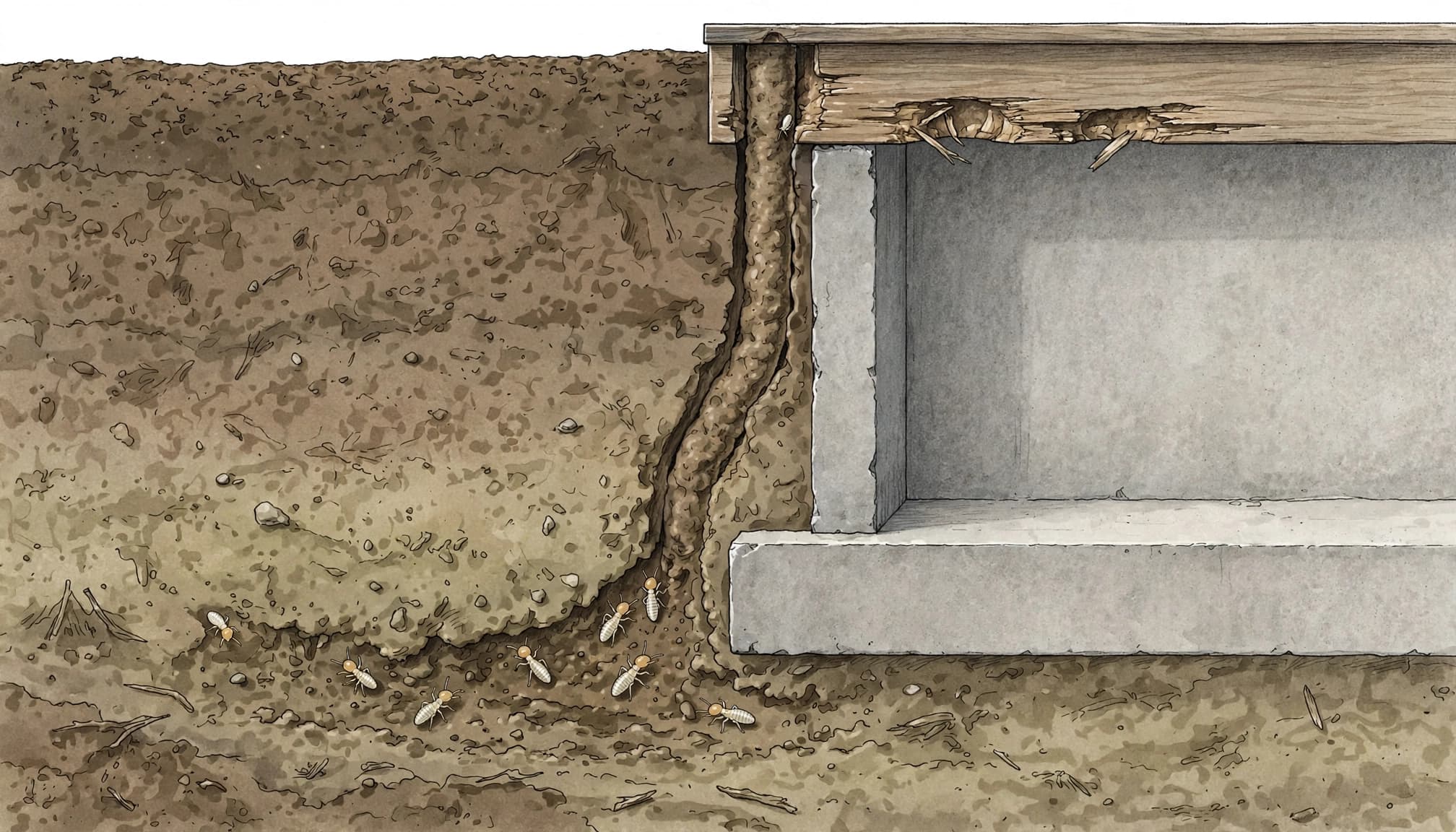
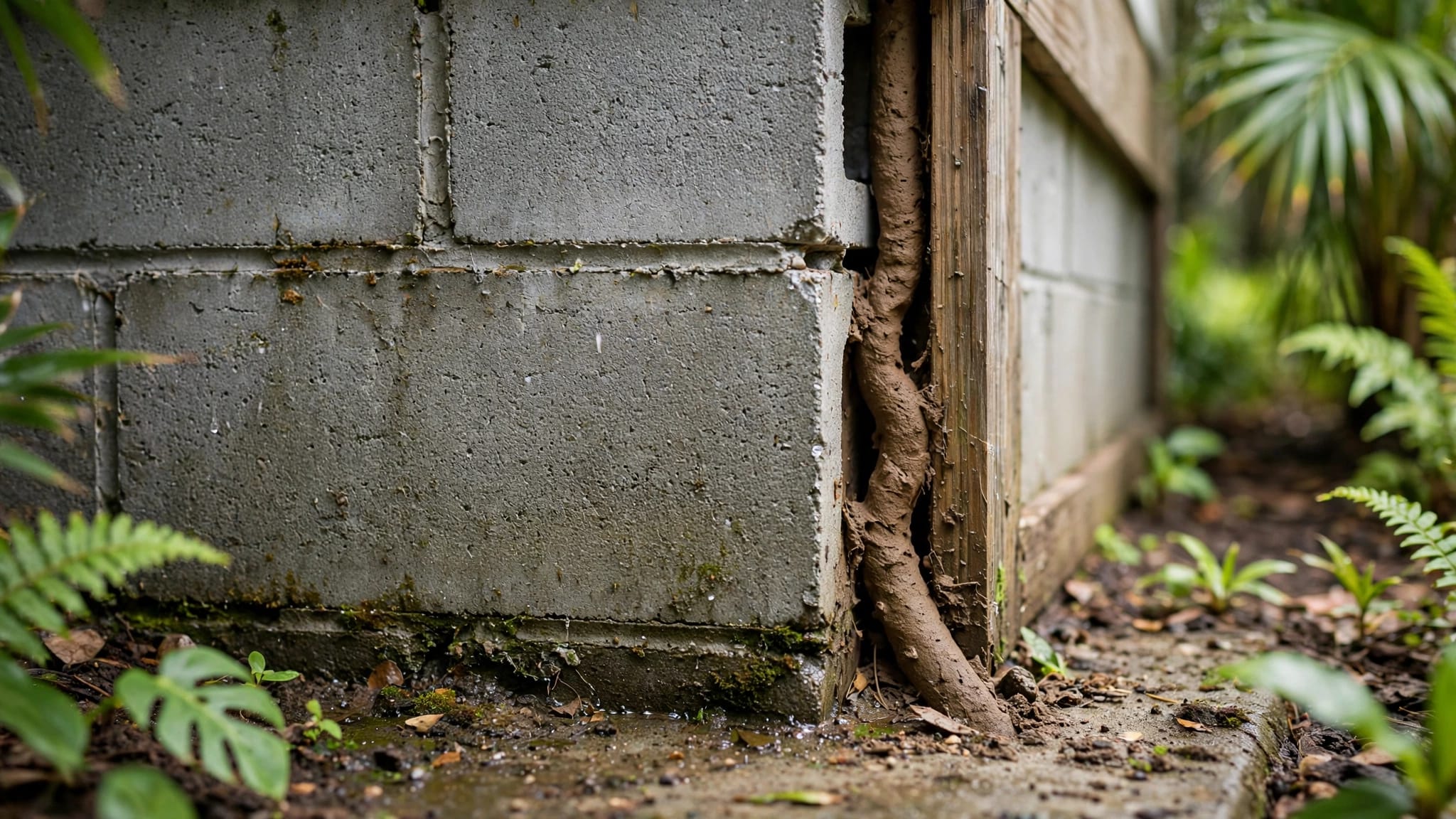
Mud tubes are among the clearest signs associated with subterranean termites. The insects build these covered passages from soil and other material to travel between their colony and a food source while staying protected.
Where Mud Tubes Can Appear
Look for narrow, brown, raised lines along the foundation, especially where soil meets the building. Tubes can also follow cracks, plumbing penetrations, garage walls, and the edges of a lanai.
Some are about the width of a pencil, while others are wider or branch across a surface. They can resemble dried dirt or rough caulk, so use a flashlight in shadowed corners. Our guide to where to look for termite tubes covers more hiding places.
What a Tube Tells You
A tube is evidence that termites used that route, but it may be old or abandoned. Its color and dryness alone can't confirm whether termites are still present.
Avoid scraping away the entire tube or covering it with paint. Photograph it and leave it accessible so a termite professional can examine it along with the surrounding area.
Frass and Small Holes in Dry Wood
Drywood termites live inside the wood they infest and don't need a connection to soil. Their waste, called frass, can be one of the first clues you notice.
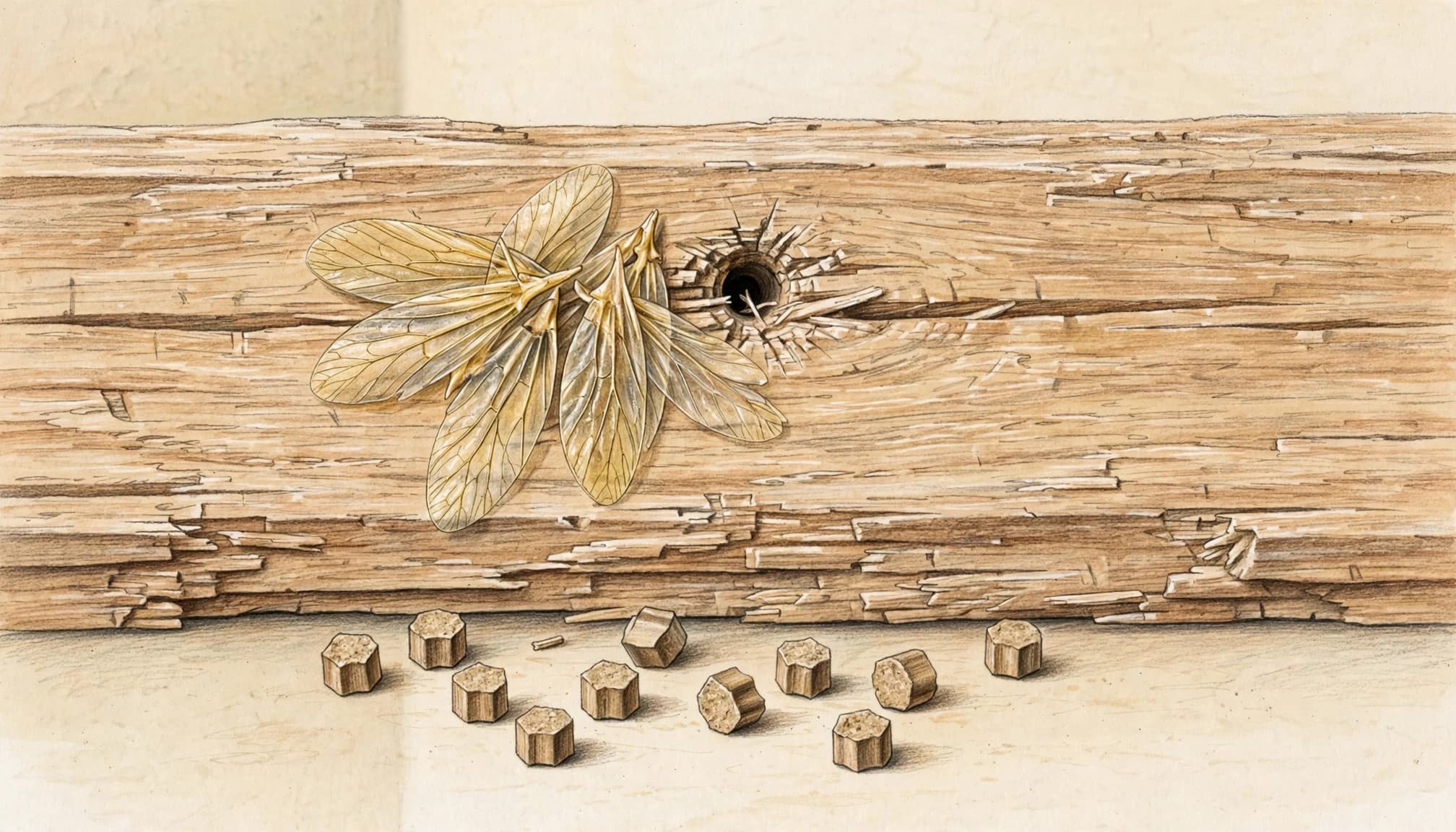
What Termite Frass Looks Like
Drywood termite frass consists of small, hard pellets that can resemble coarse sand or tiny seeds. Pellets may range in color from light tan to dark brown and often collect below a small opening in infested wood.
Look on windowsills, beneath door trim, beside baseboards, and under exposed beams. You may also find pellets near wooden furniture or in a garage. Our article on drywood termite frass on windowsills compares the pellets with other household debris.
Frass Is a Clue, Not a Clock
A pile of pellets suggests termites have been in the wood, but it doesn't tell you exactly when they left it. Pellets can remain after an older infestation, and they may fall from a concealed opening above the spot where you find them.
Before sweeping, photograph the pile and the surrounding wood. A professional can inspect the area and determine whether further action is needed.
Discarded Wings Near Windows and Doors
Both subterranean and drywood termites produce winged reproductive insects. After a swarm, those insects can shed their wings, leaving them near windows, doors, light fixtures, or other openings.
Termite wings are generally similar in length. Flying ants also have wings and can leave them behind, though, so wings by themselves don't confirm a termite infestation. A professional can examine the insects or wings to help identify them.
A pile indoors deserves attention because it may point to a nearby swarm or an infestation in the structure. Save a few wings or insects in a sealed container if you can do so easily, and note where you found them.
Don't dismiss wings because you found them during winter. The discovery date doesn't establish when a swarm occurred, and the evidence may have been hidden or undisturbed for some time.
Hollow-Sounding or Damaged Wood
Termites feed inside wood, so the surface can look intact while damage develops underneath. Wood that sounds hollow when lightly tapped may warrant a closer look, especially near other signs such as mud tubes or pellets.
Changes Around Trim and Floors
Pay attention to soft or crumbling baseboards, blistered paint, and small holes in wood. A door or window frame that has become difficult to use may also deserve inspection.
These changes aren't unique to termites. Water leaks, wood rot, and ordinary building movement can produce similar symptoms. A stain beside a window, for example, may point to water intrusion, while nearby pellets may give the inspector another reason to examine the wood.
When Damage Needs Prompt Attention
If a board feels weak or an area appears to support a load, avoid pressing, cutting, or pulling it apart. Hidden damage can extend beyond the visible spot, and opening the area may make it harder to preserve evidence.
Arrange an inspection before replacing suspicious trim or covering the damage. If you find an active leak, address the water source promptly as well.
Where to Inspect Your Home in Winter
A walk-around can help you notice changes, even when you don't see insects. Focus on accessible areas and leave tight crawl spaces, high rooflines, and other difficult locations to a professional.
Outside and Around the Garage
Start at the foundation and look for dirt lines running upward from the soil. Check where plumbing or other utilities enter, along garage corners, and near porch or lanai connections.
Notice places where sprinklers repeatedly wet the wall or where vegetation blocks your view of the foundation. Subterranean termites can use concealed routes, so a clean-looking exterior doesn't guarantee that every entry point is visible.
Inside the Home
Examine window and door trim, baseboards, and accessible wood around plumbing. Look beneath exposed beams and near attic wood when those areas are safe to reach. A flashlight can help you spot a small pellet pile or a narrow opening.
Keep track of where each clue appears. A photo of a damaged sill, for example, is more useful when you can tell the inspector which room and window it came from.
What to Do If You Find Termite Signs
Document the evidence, then arrange an inspection. You don't need to identify the species yourself before asking for help.
Leave mud tubes and damaged wood in place when possible. Avoid spraying insects or applying household chemicals into holes and wall gaps. A visible spot may be only a small part of the problem, and an inspection can reveal areas that need a different treatment approach.
How Treatment Depends on the Termite
Subterranean termite plans may involve bait stations or liquid treatments, depending on the property and inspection findings. Our comparison of termite bait stations and liquid treatments explains how those options differ.
Drywood termites live within the wood, so treatment depends on where the infestation is and how much of the structure is affected. An inspection can determine whether localized work or a whole-structure approach is appropriate.
Ask About Follow-Up
After treatment, follow-up matters. The inspection findings and treatment method help determine what monitoring or reinspection is appropriate.
At Shield Home & Pest Control Services, we offer free inspections for properties in Cape Coral and surrounding Southwest Florida communities. Call us at (239) 910-1133 if you've found signs you want examined.
Reduce Conditions That Can Hide Termite Activity
Routine maintenance won't make a property termite-proof, but it can make problems easier to spot. Repair plumbing leaks, keep gutters clear, and direct water away from the foundation where possible.
Keep stored firewood and loose wood debris away from the house. Trim back vegetation that blocks your view of the lower walls, and avoid allowing irrigation to soak the foundation repeatedly.
Also remember that concrete block and slab construction don't eliminate the risk. Homes still contain wood in framing, roof structures, trim, and other areas. Termites may reach those materials through concealed openings or infest wood above ground.
Frequently Asked Questions
Do Termites Die When Florida Gets Cold?
A cold spell doesn't reliably eliminate a colony. Termites may remain protected in soil or inside a structure, and their activity depends on local conditions and the type of termite.
Can You Have Termites Without Mud Tubes?
Yes. Drywood termites live inside wood and don't need mud tubes to reach it. Subterranean termite tubes can also be hidden behind finishes or in inaccessible areas.
Are Termite Pellets Always a Sign of an Active Infestation?
No. Pellets can remain after past activity. Their presence is still a reason to inspect the nearby wood and look for other evidence.
Keep Watching for Termites All Year
Termites can be active during a Florida winter, even when there are no obvious insects in sight. Mud tubes, dry pellets, discarded wings, and damaged wood are all worth a closer look.
The most useful next step is to document what you've found and arrange an inspection. Identifying the source can help you choose a treatment that fits the problem.
Schedule a Free Inspection: