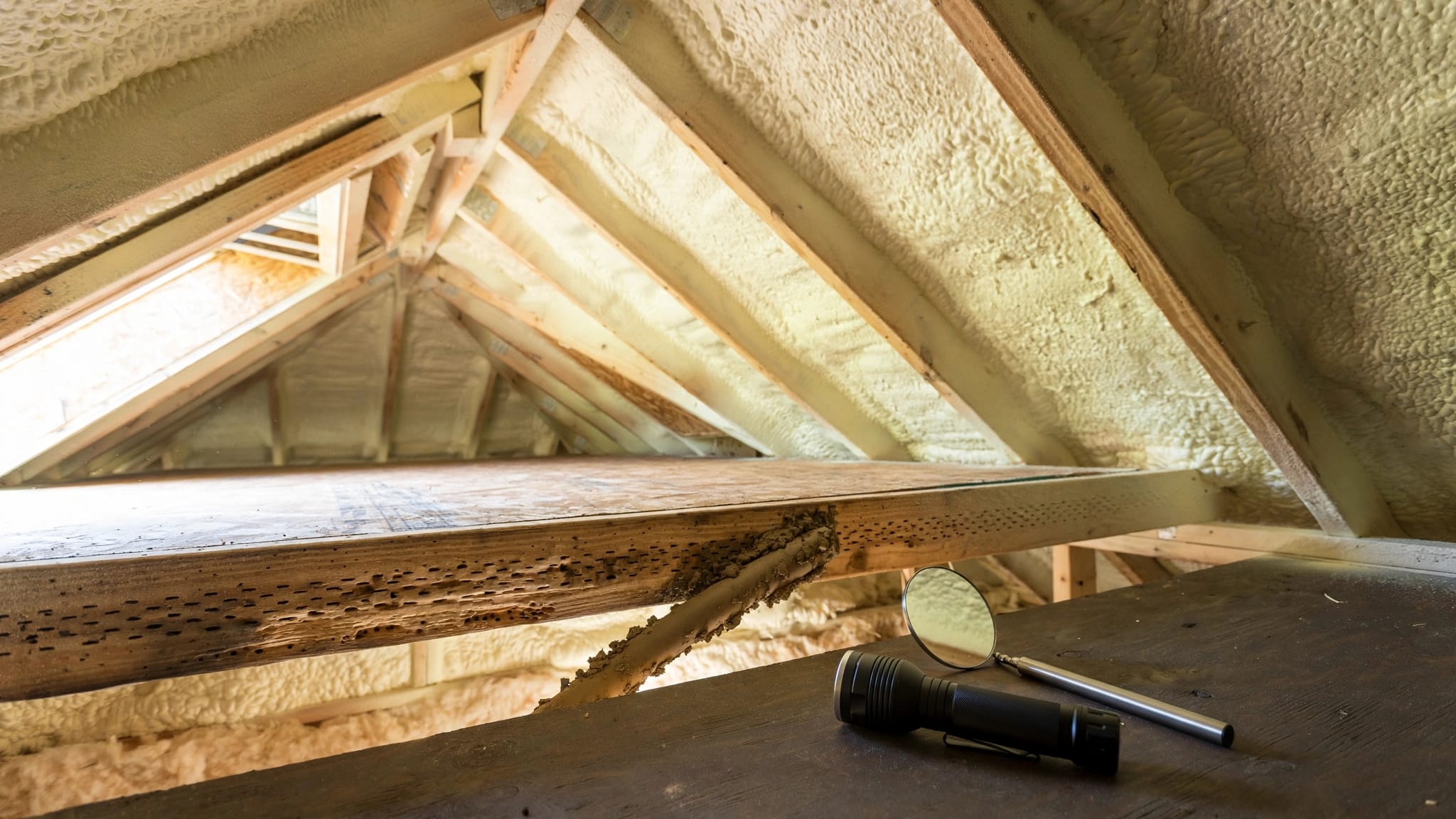
Formosan Termites In Cape Coral How To Spot Mud Tubes Fast
If you've ever seen a thin line of dried "dirt" climbing your wall or foundation, don't shrug it off. In Cape Coral, that line can be a warning sign of Formosan termites Cape Coral homeowners worry about for a reason.
These termites don't nibble. They can build massive colonies, stay active for long stretches in our warm weather, and damage wood fast while staying out of sight. The good news is that one of their clearest clues, mud tubes, is something you can spot quickly if you know where to look and what "active" really looks like.
Why Formosan termites are a high-risk problem in Cape Coral
Formosan subterranean termites are often called "super termites," and not because they look scary. It's because they can form very large colonies and feed aggressively. That combination raises the odds of serious structural damage if you catch them late.
Cape Coral conditions also help them thrive. Our humidity, rainy stretches, and irrigated landscaping can keep soil damp around foundations. Termites need moisture to travel and survive, so damp soil plus easy entry points (tiny cracks, expansion joints, pipe penetrations) is a perfect setup.
Another reason they're so risky is how well they hide. Besides underground colonies, Formosan termites can build carton nests (a mix of soil, chewed wood, and termite waste) inside wall voids or other sheltered spots. That can trap moisture and speed up wood decay, all while the outer surface looks fine.
Swarm season adds to the concern. Winged swarmers (alates) can appear around lights and windows, then drop their wings after landing. If you see piles of equal-sized wings indoors, that's not "just a few bugs." It's a sign you might have an active colony nearby.
Treat any mud tube like it's active until a licensed termite pro confirms otherwise.
How to spot mud tubes fast (what to look for, and where they hide)
Mud tubes are termite "tunnels" made from soil, saliva, and droppings. They protect termites from dry air and light while they travel from soil to wood. Many people miss them because they look like messy caulk or a thin line of dirt.
What mud tubes usually look like
Most tubes are pencil-thin to about the width of a finger. Color ranges from tan to dark brown. Some are straight, while others branch like tiny roots. You might also see:
- Exploratory tubes : thin, dry, and sometimes abandoned.
- Working tubes : darker, slightly moist, and more solid-looking.
- Drop tubes : hanging from a seam, sill, or wood member like a small "icicle" of mud.
Formosan tubes can show up higher than people expect. Native subterranean termites often stay close to the ground, but Formosans may run tubes up interior walls, garages, or even toward upper areas if moisture and access allow it.
The fastest places to check in Cape Coral homes
Start where wood meets concrete, and where moisture hangs around. A quick sweep usually pays off in these spots:
Outside:
- Foundation line, stem wall, and slab edges
- Garage entry, especially around the door frame and corners
- Porch posts, lanais, and any wood columns near soil
- Hose bibs, AC pads, and irrigation areas that keep soil wet
- Behind dense shrubs that block airflow and hide the slab edge
Inside:
- Baseboards on exterior walls, especially near a sliding door or front entry
- Garage drywall edges, behind stored items, and around the water heater
- Under sinks, behind toilets, and near any known plumbing leak
- Window sills and door frames where wings may collect
If you want a broader view of local termite risks and early warning signs, this Cape Coral termite prevention guide breaks down what homeowners should watch for year-round.
A safe way to confirm "active" without making it worse
Active tubes often look darker and may feel slightly soft or damp. Still, don't peel long sections off.
If you need to confirm activity, open a very small window in the tube (about an inch) in an out-of-the-way spot, then watch briefly. Live termites are pale and quick to retreat. Take a clear photo and stop there. Leave the rest intact for the inspection.
10-minute mud tube checklist for Cape Coral homeowners
Use this quick sweep when you get home, after heavy rain, or before hosting guests (when you'll notice things you usually ignore).
- Walk the full foundation line with a flashlight, even in daylight.
- Check garage corners and the garage-to-house doorway trim.
- Scan porch posts and lanai frames for vertical "dirt lines."
- Look near irrigation spray zones where soil stays wet.
- Inspect slab cracks and expansion joints for tube starts.
- Peek behind shrubs that touch the house or trap moisture.
- Inside, check baseboards on exterior walls for raised mud lines.
- Watch for shed wings on window sills and near door thresholds.
- Tap suspicious trim ; hollow or papery sounds can mean hidden damage.
- Photograph anything suspicious (close-up and wide shot) for a pro.
The goal is speed and consistency, not perfection. A fast monthly sweep beats a detailed check you never do.
Prevention and next steps (plus what not to do)
Mud tubes are a sign you're already in the danger zone, so prevention matters most before you see them. In Cape Coral, moisture control is your best friend because it removes what subterranean termites rely on.
Practical prevention tips that fit Cape Coral yards
Focus on a few habits that reduce moisture and access:
Keep moisture down:
- Fix leaks quickly (hose bibs, AC drains, under-sink drips).
- Make sure gutters (if you have them) and downspouts move water away.
- Don't let sprinklers hit the foundation, adjust heads and timing.
Improve drainage and grading:
- Keep soil sloping away from the home where possible.
- Fill low spots that hold water near the slab edge.
Reduce wood-to-soil contact:
- Keep siding, stucco weep screed, and trim clear of mulch and soil.
- Avoid letting fence boards, lattice, or deck steps touch the ground near the house.
Use mulch wisely:
- Pull mulch back from the foundation (a visible gap helps).
- Keep mulch thin near the home, heavy mulch can hold moisture.
Store materials the right way:
- Keep lumber, cardboard, and firewood off the ground and away from the house.
- Don't stack "project wood" against the garage wall for months.
What not to do when you find a mud tube
It's tempting to go into cleanup mode. That can backfire.
- Don't spray store-bought insect killer on the tube and assume it's handled.
- Don't knock down tubes and throw them away, you may remove the evidence a pro needs.
- Don't seal entry points before an inspection, you can hide activity patterns.
- Don't rely on a single "spot treatment" idea without confirming the colony and travel paths.
Breaking tubes doesn't solve termites. It only hides the problem for a while.
When to seek immediate help
Call a licensed Florida termite professional right away if you notice any of these:
- Active-looking mud tubes (dark, solid, rebuilt quickly)
- Swarmers indoors or piles of equal-length wings
- Hollow-sounding wood on sills, frames, or baseboards
- Widespread tubes across multiple walls, corners, or the garage
- Soft or damaged door frames and window sills , especially near exterior doors
You can also use Florida resources for ID guidance and treatment basics, including UF/IFAS Extension publications and FDACS licensing information for pest control operators. For budgeting and planning, this breakdown of termite treatment costs in Cape Coral helps you understand what affects price and what questions to ask.
Conclusion
Mud tubes are one of the fastest ways to catch Formosan termites Cape Coral homeowners face year-round. Once you know the hot spots, a 10-minute sweep can reveal problems early, when repairs are still avoidable. If you find tubes, don't cover them up or spray and hope. Take photos, reduce moisture, and get a licensed termite inspection scheduled as soon as you can, your home's framing won't wait.
Schedule a Free Inspection: