Pharaoh Ants In Cape Coral Homes How To Find Hidden Nests
You wipe the counter, you take out the trash, and still, tiny ants keep showing up like they own the place. If the ants are very small and keep popping up in new rooms, you may be dealing with pharaoh ants .
In Cape Coral, these ants don't "go away with the weather." Our warmth and humidity keep them active all year. The tricky part is that the nest is often hidden, and the wrong treatment can make the problem spread.
This guide explains how pharaoh ants behave, where they hide, and a simple workflow to track nests without making the infestation worse.
Why pharaoh ants are so hard to eliminate in Cape Coral
Pharaoh ants are built for indoor living. They like stable temperatures, easy water, and quick access to food. That's why they often set up in wall voids, cabinets, and utility spaces instead of outdoors.
The biggest reason they're difficult is something called budding . When a colony feels threatened (often by sprays or strong repellents), it can split into multiple smaller colonies. Think of it like bumping a dandelion puff, it doesn't solve the problem, it spreads it. In a home, budding can turn one hidden nest into several, sometimes in different rooms.
Cape Coral homes also have a lot of "perfect hiding spots" that stay warm:
- A/C closets and air handler areas
- Plumbing chases behind showers and tubs
- Kitchen voids behind cabinets
- Attics above bathrooms (especially near vent fans)
Another challenge is that pharaoh ants don't always march in a single obvious line. Trails can be thin, and they may switch routes often. That's why killing the ants you see usually doesn't change anything long-term.
For a deeper species profile and behavior notes, UF/IFAS has a solid reference on pharaoh ant identification and habits.
If you're seeing ants in multiple rooms, spraying is often the fastest way to create "more nests," not fewer.
How to confirm you're dealing with pharaoh ants (not another tiny ant)
Many ants in Southwest Florida are small. Size alone isn't enough. Pharaoh ants are usually light yellow to light brown and very tiny (often around 1/16 inch). They tend to show up in kitchens and bathrooms first, then spread to bedrooms and living areas as they search for food.
A few clues that point toward pharaoh ants:
- Activity near warm appliances (coffee maker, microwave, fridge compressor area)
- Ants showing up near water (under sinks, shower edges, toilet base)
- Trails that seem to "reset" after you clean, then reappear elsewhere
- Multiple small trails instead of one heavy highway
It's also smart to rule out bigger structural pests. For example, carpenter ants are much larger and can signal moisture-damaged wood. If you're unsure what you're seeing, compare your signs with signs of a carpenter ant infestation in your Cape Coral home.
When homeowners ask, "Where's the nest?" the honest answer is usually: it's nearby, but it's hidden in a void. Your job is to track where the workers are going, because workers will lead you to the colony's core areas over time.
UF/IFAS also shares practical, Florida-friendly guidance in controlling ants in the home and landscape, which matches what works best for pharaoh ants indoors: baiting and patience.
A simple find-the-nest workflow (without triggering budding)
You don't need to rip open walls to make progress. You need a repeatable process that helps you map trails and narrow down likely nest zones.
Step-by-step: observe, bait, mark, confirm
- Observe for 10 minutes (no cleaning first). Pick a time when you see activity. Early morning and evening often work.
- Place a tiny monitoring bait near, not on, the trail. Use a small dab of sweet gel bait or a drop of honey on a piece of wax paper. Keep it out of reach of kids and pets.
- Mark the trail path. Use painter's tape on the floor or baseboard, or jot a quick note on your phone: "trail from sink to pantry."
- Follow the ants to "decision points." Watch where they disappear: under toe-kicks, behind outlets, into a cabinet seam, under a baseboard gap.
- Check warm, moist voids closest to that point. That usually means under sinks, behind the dishwasher, inside the vanity, around the water heater, or near the air handler closet.
- Re-bait and relocate if traffic changes. If ants ignore the bait, move it 1 to 2 feet, or switch bait type (sweet vs protein).
- Repeat daily for several days. Your goal is a map of consistent routes, not a one-time sighting.
Here are common "hidden nest" zones in Cape Coral homes and what to look for:
| Likely hiding spot | What to look for | Why it matters |
|---|---|---|
| Under-sink cabinet voids | Ants disappearing behind the back wall | Plumbing moisture and warmth attract them |
| Behind dishwasher or fridge | Trails along the wall edge | Heat from motors creates a stable micro-climate |
| A/C closet and condensate line area | Ants near the drain line or shelf corners | Water source plus warmth equals high traffic |
| Bathroom vanity and wall voids | Ants around pipe penetrations | Easy access to moisture and hidden spaces |
| Electrical outlets and switch plates | Ants entering tiny gaps | Wall void travel often starts here |
The takeaway: don't hunt for a single "ant hill." With pharaoh ants, the nest can be inside a wall void the size of a shoe box.
How to control pharaoh ants safely (and keep them from coming back)
For pharaoh ants, slow-acting baits are the main tool. Worker ants carry bait back and share it. That's how you reach queens and developing brood. In contrast, sprays and harsh repellents can break trails and push colonies to bud.
What to do (and what to avoid) while baiting
Keep it simple while you're trying to get control:
- Do use bait and refresh it as needed. Give it time, you're aiming for colony collapse, not quick kills.
- Do keep trails intact while baiting. If you erase the trail daily, you slow down the bait transfer.
- Don't spray ant trails with aerosol killers or strong repellents. This is where budding often starts.
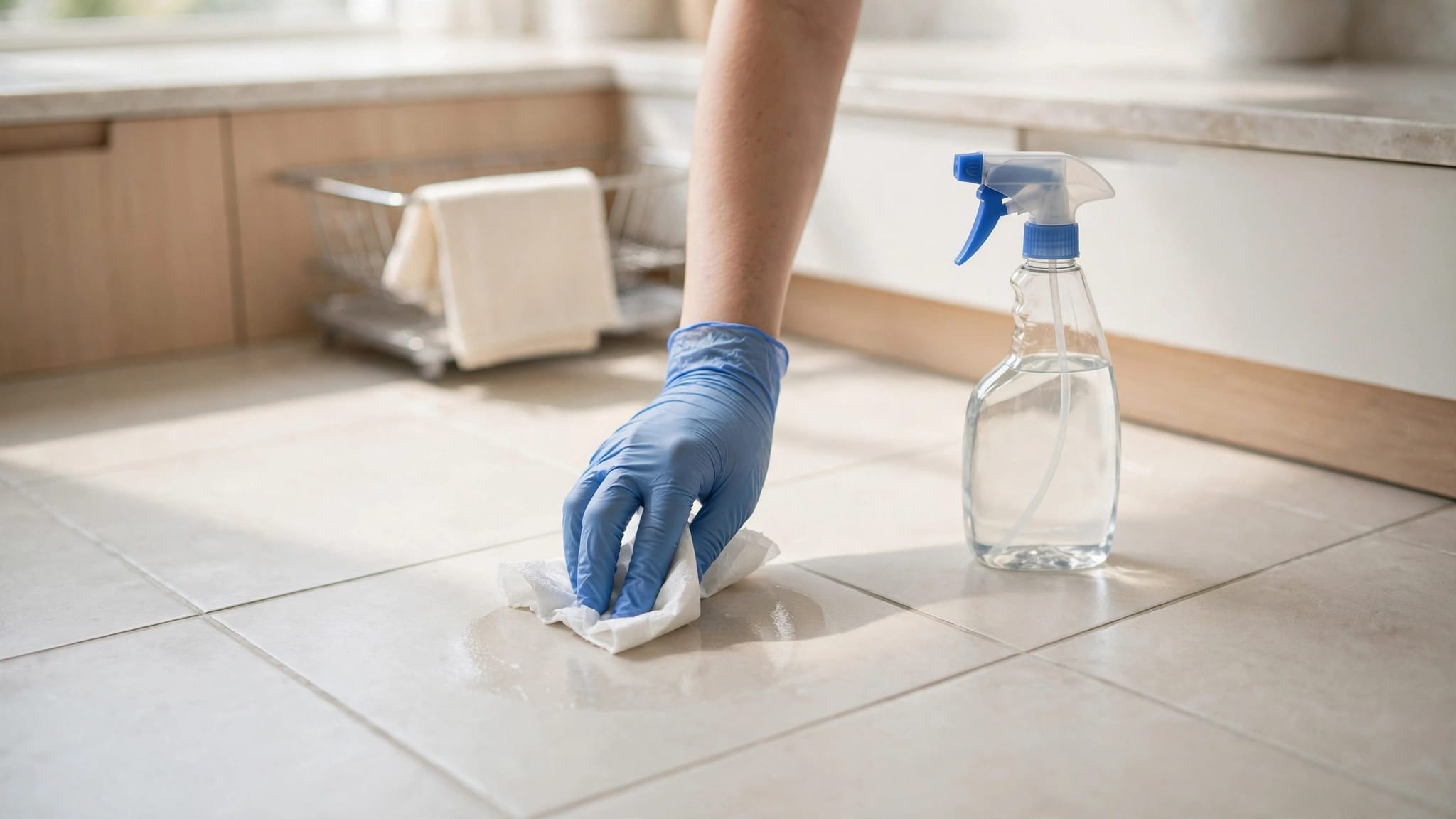
- Don't mop trails with bleach or strong ammonia cleaners during active baiting. Use mild soap and water away from bait placements instead.
- Don't place bait in the middle of a wet area. Bait breaks down faster and can get ignored.
If you want general home ant strategy that supports bait-first control, see top tips for getting rid of ants in your home.
Safety notes for kids, pets, and food-prep areas
Baits work best when they stay in place. They also need smart placement.
- Put bait in tamper-resistant stations when possible, especially with toddlers or curious pets.
- Avoid bait directly on food prep surfaces. Place stations along baseboards, under appliances, or inside cabinets away from dishes.
- Wash hands after handling bait and keep packaging stored up high.
Cape Coral prevention that actually matters
Once activity drops, prevention keeps new trails from forming:
- Fix drips fast, especially under sinks and at the A/C condensate line.
- Seal gaps at pipe penetrations under sinks and behind toilets with caulk or foam made for pest gaps.
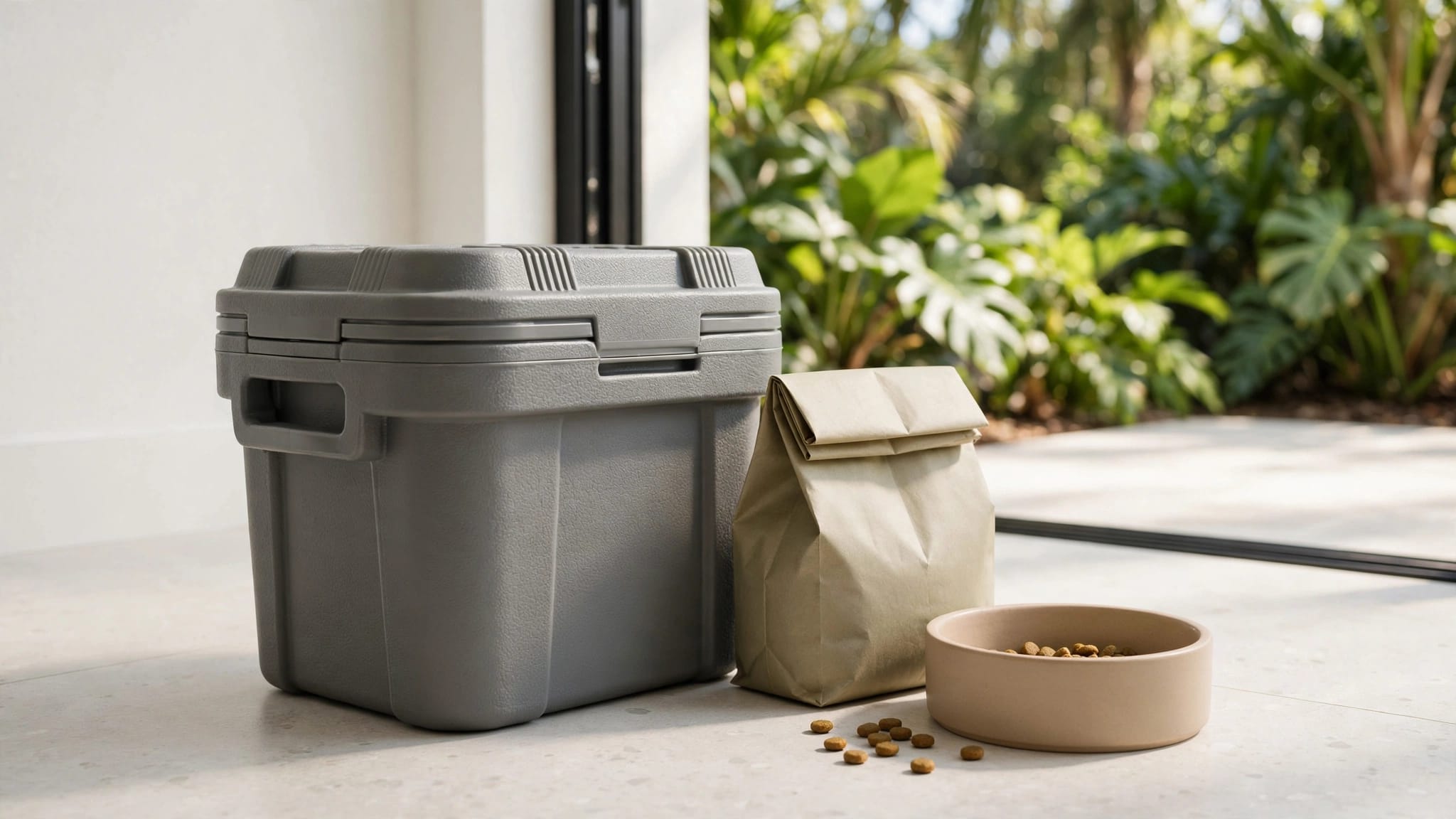
- Store sweets and pet food in sealed containers, and rinse recycling.
- Reduce "competing food" like crumbs under the toaster, grease under the stove, and pet bowls left out overnight.
For broader ant basics in Florida homes, UF/IFAS also provides an overview in their ants information sheet.
Conclusion
Pharaoh ants don't usually respond to quick sprays, because the real problem is the hidden nest. When you use slow baits, keep trails undisturbed, and follow a simple observe-to-confirm workflow, you can narrow down where colonies are forming and stop the cycle.
If the ants keep reappearing in new rooms, assume budding is in play and switch to a bait-first plan. The sooner you stop spraying and start tracking, the faster you get your home back.
Schedule a Free Inspection: