Greenhouse Frogs in Cape Coral Potted Plants and Entryways
Tiny frogs around your lanai can turn a calm evening into a noisy one fast. If you keep spotting greenhouse frogs in Cape Coral around potted plants, front doors, or patio corners, the problem usually starts with moisture and shelter.
These frogs are small, but they're persistent. They hide in damp soil, plant saucers, mulch, and narrow cracks near doors, then chirp once the sun goes down. The good news is that most infestations ease up when you remove the conditions they like most.
Why greenhouse frogs keep turning up around Cape Coral homes
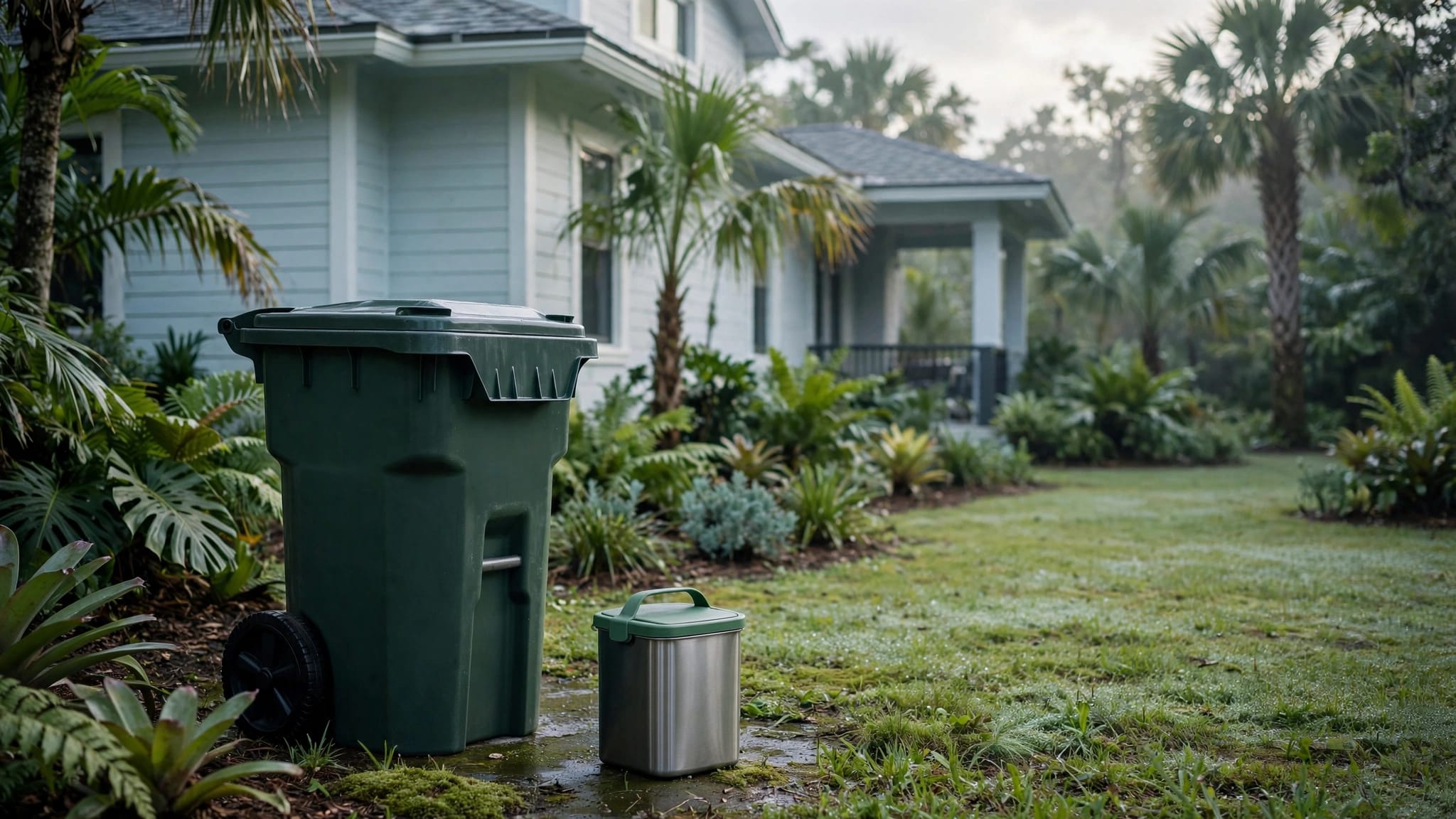
Cape Coral gives these frogs plenty of what they want. Warm weather, humid air, dense landscaping, and frequent watering create the perfect mix. Potted plants hold moisture longer than ground beds, so they become easy hiding spots.
Light also plays a part. Porch lights and lanai lights attract insects, and insects attract frogs. If your entryway stays busy at night, frogs often follow the food.
They're not trying to damage your home. They're looking for cool shade, wet soil, and a place to wait for food. That still makes them a nuisance, especially when they gather near doors or chirp through the night.
A few things make them more noticeable in Southwest Florida:
- Moist potting mix that stays damp for days
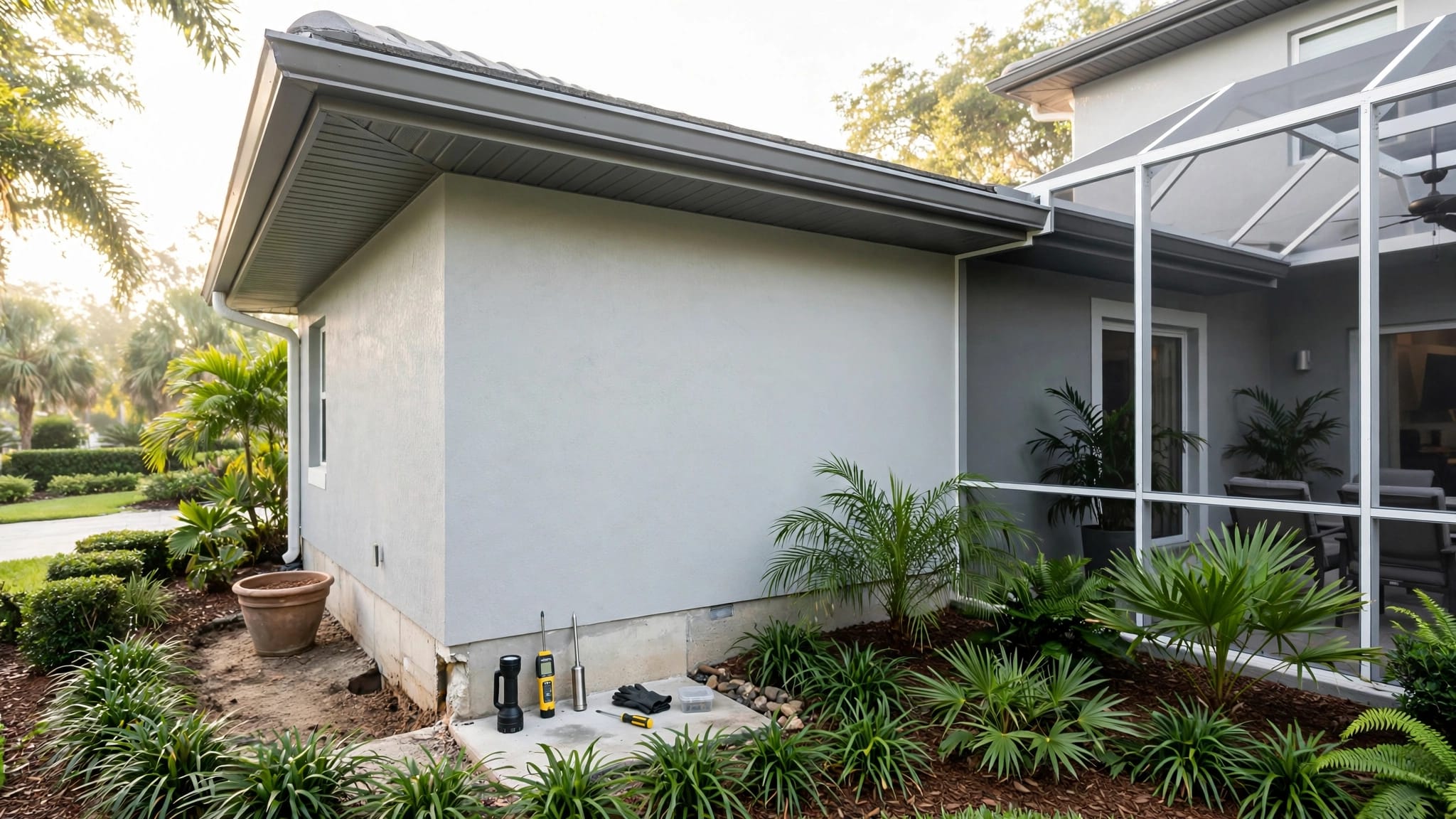
- Mulch packed close to the foundation
- Standing water in saucers, trays, or planters
- Small gaps around door thresholds, screens, and utility openings
- Dense plants that hold shade and humidity
When those conditions line up, frogs settle in and keep coming back.
How to spot them in potted plants and entryways
Most homeowners notice them by sound before they see them. The chirping is sharp and repetitive, and it often comes from one corner of the patio or from near a front step. During the day, the frogs stay still and blend in well.
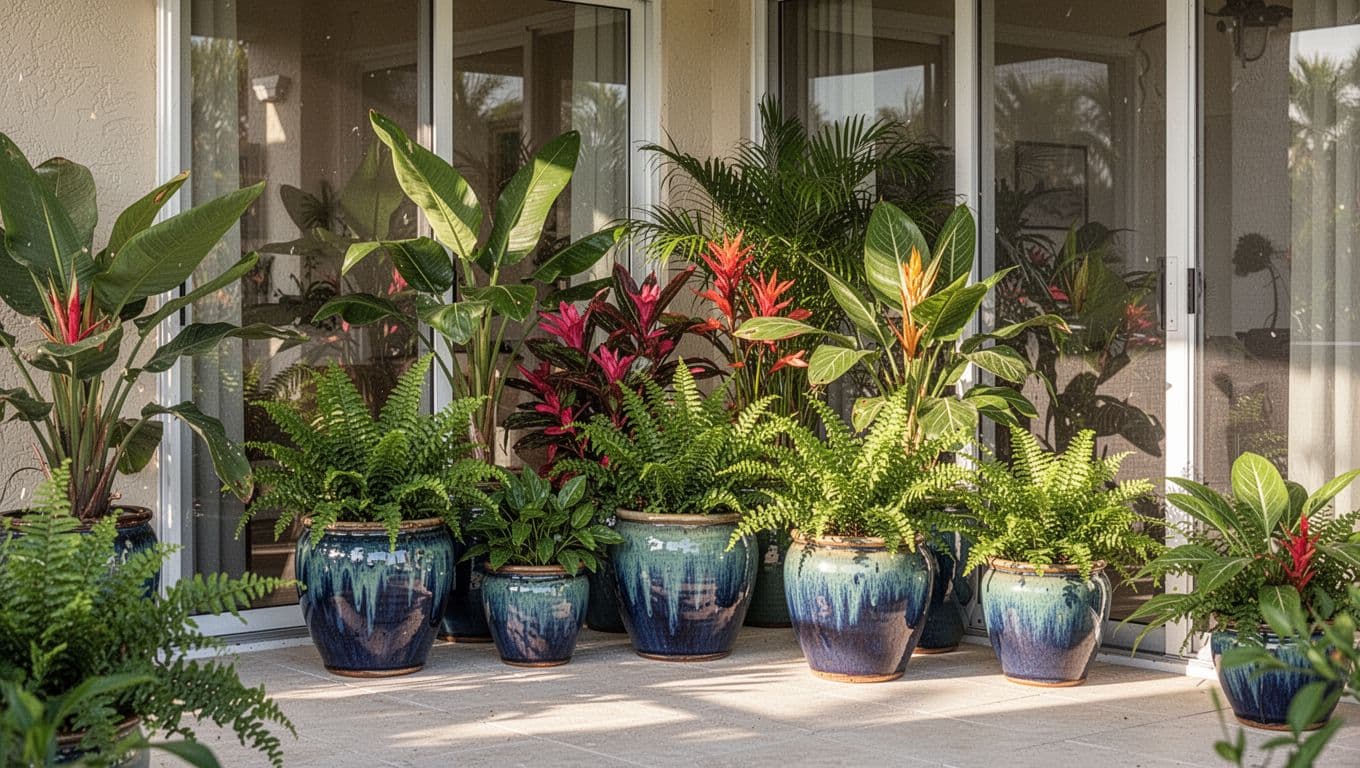
Look closely around places that stay shaded and damp. Greenhouse frogs often hide in:
- the top inch of potting soil
- saucers under decorative pots
- mulch pressed against the house
- the fold of a doormat
- the edge of a screen door
- the seam where a threshold meets the floor
- small pockets behind planters and patio furniture
They also like spots that trap moisture after watering or rain. A plant tray with standing water can hold a frog all day. So can a tight cluster of pots against a wall.
If you lift a pot and see no frog, that doesn't mean the area is clear. These frogs move fast when disturbed, then tuck into the nearest shaded gap.
Moisture control that helps most
The quickest way to make your patio less friendly is to cut back on excess water. That starts with your watering schedule. Many potted plants need less water than homeowners expect, especially during humid stretches in Cape Coral.
Water only when the soil needs it, not on a fixed schedule. Check the top layer first. If it still feels damp, wait. When you do water, do it early in the day so the soil has time to dry before nightfall.
Empty saucers after watering. Better yet, use them only when needed. Standing water under pots gives frogs a damp landing spot and keeps roots soggy too.
If the soil stays wet, the frogs stay interested.
Drainage matters as much as watering. Pots should not sit in a low spot that traps runoff. Raise them with feet or small risers if water collects underneath. Also check for hidden leaks from irrigation lines, hose bibs, or air-conditioning condensate.
For larger planting areas, keep mulch thinner near the house and avoid piling it high against walls. Thick, wet mulch is a frog magnet. A lighter layer dries faster and leaves fewer hiding spots.
A few simple habits help a lot:
- water in the morning
- empty trays and saucers
- fix leaks quickly
- move pots so air can circulate
- let surfaces dry after rain or cleaning
These changes won't harm your plants when done carefully. They simply make the area less hospitable for frogs.
Cleaning up hiding places around lanais and front doors
Drying things out works best when you also remove cover. Frogs like places where they can stay hidden during the day. That means cluttered corners, packed planters, and small gaps near the door all deserve attention.
Start with the immediate entry zone. Sweep away leaves, fallen flowers, and spilled potting mix. Then move anything that blocks airflow, such as stacked pots, unused trays, or outdoor decor that traps moisture underneath.
Pay close attention to screens and weather stripping. A worn door sweep or loose screen edge creates a tiny shelter point. Even if a frog isn't entering the house, it may rest there every night.
Trim back dense plants that touch the wall or crowd the lanai. Better airflow dries the area faster, and frogs lose the damp cover they like. Keep vines and groundcover from pressing directly against the house.
If insects gather near your entry lights, frogs often follow. Swapping to lower-wattage lighting or moving lights farther from the door can reduce that pull. You don't need a big change. A small shift in light placement can make the entryway less active after dark.
This is also where sanitation helps. Wipe up water spills, clean plant stands, and remove any container that holds rainwater. Less moisture, less clutter, and fewer cracks create a much less welcoming space.
Nursery plants and repeat visitors need extra attention
New plants often bring the problem in with them. Nursery pots can hide small frogs in the soil, under the lip of the container, or inside the outer folds of the plant package. That's why every new plant deserves a careful look before it goes on the patio.
Inspect the pot, the saucer, and the soil surface. Shake out excess water if the plant is saturated. Then place new arrivals away from the front door and lanai for a few days. A simple isolation period gives you time to see whether anything is hiding in the pot.
If you keep seeing the same frogs, think in layers. A single pot may be part of the issue, but the bigger problem may be nearby irrigation, thick mulch, or a small gap that gives them shelter. When that happens, drying the area and closing off entry points matters more than chasing frogs one by one.
For homeowners who want a deeper fix, a thorough inspection can help find the source of the repeat visits. A Cape Coral home pest protection service can help identify moisture pockets, access points, and problem areas around patios and entries. That kind of check is useful when the frogs keep returning after you've already cleaned up the obvious spots.
Stronger control options should always stay targeted and safe for residential use. Broad spraying around pots or doorways usually misses the real cause. The best results come from exclusion, cleanup, and moisture control first.
Conclusion
Greenhouse frogs around Cape Coral patios and entryways usually point to one thing, too much moisture and too many hiding spots. Once you reduce damp soil, empty saucers, clean up clutter, and inspect new plants, the chirping often drops off fast.
The most useful fix is also the simplest. Keep the area drier, cleaner, and less sheltered, and your potted plants and doorways stop feeling like frog habitat.
Schedule a Free Inspection: