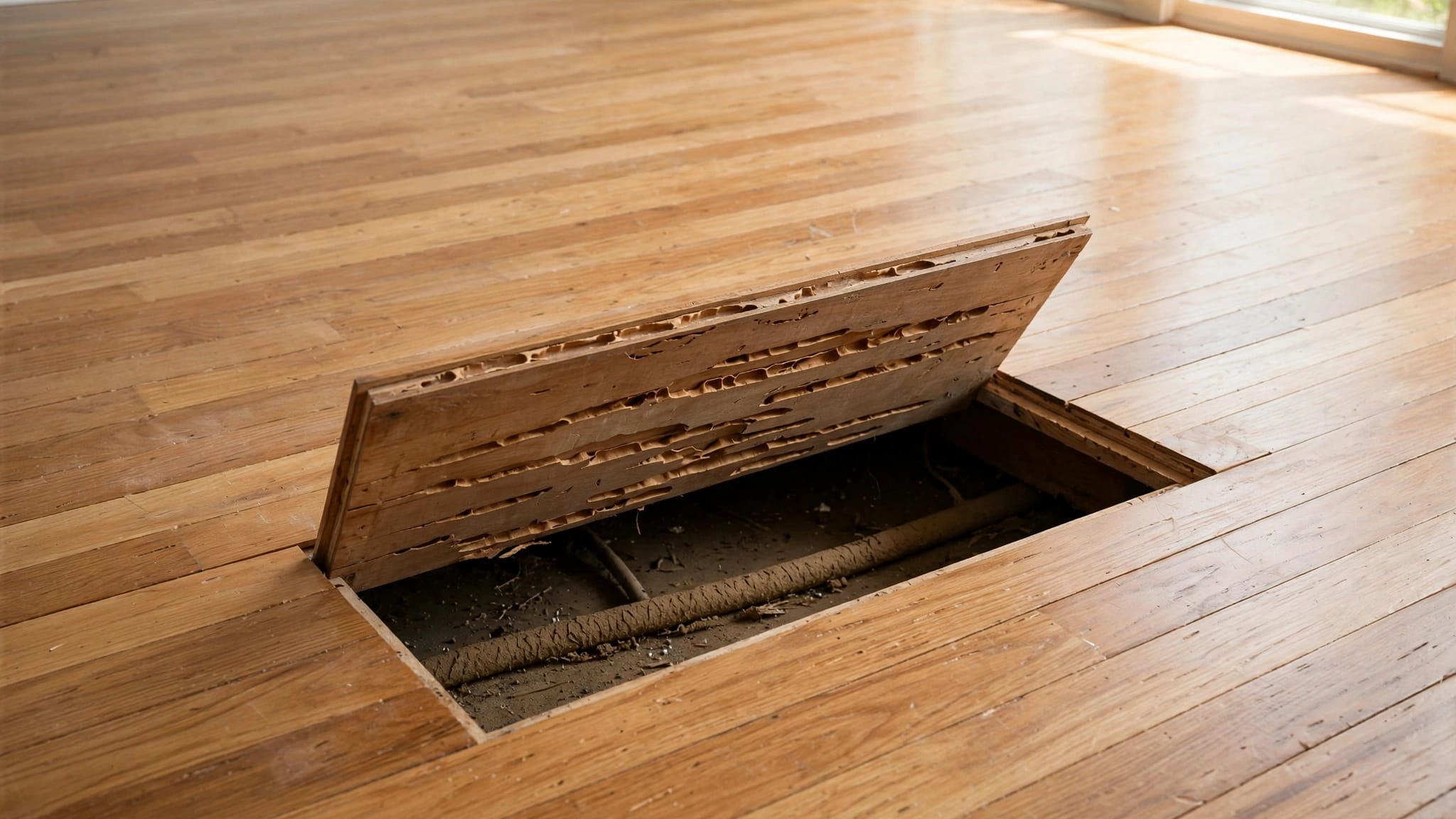
Hurricane Pest Prep for Southwest Florida Homes
Storm prep in Southwest Florida usually starts with batteries, water, and plywood. It should also include hurricane pest prep , because heavy rain and wind push pests into the same spaces you're trying to protect.
A wet yard, a cluttered garage, or a torn lanai screen can turn into an easy entry point overnight. A few smart steps now can keep ants, roaches, rodents, and mosquitoes from turning a storm cleanup into a pest cleanup.
Key Takeaways
- Heavy rain, flooding, and high humidity push pests into garages, lanais, attics, and kitchens.
- Small gaps around doors, screens, pipes, and garage seals are easy entry points.
- Yard cleanup matters because standing water and debris give pests shelter and breeding spots.
- Garages, sheds, and screened lanais need the same attention as the main living space.
- After the storm, look for droppings, chew marks, torn screens, and new moisture problems fast.
Why Storms Push Pests Toward Southwest Florida Homes
Southwest Florida weather gives pests a head start. When rain comes in hard and fast, ants move higher, roaches look for dry shelter, and rodents head for rooflines, attics, and stored items in the garage. Mosquitoes also take advantage of any water that sits for more than a short time.
Hurricanes make the problem worse because wind and debris open new paths into the house. A loose soffit, a worn garage seal, or a gap around a pipe may not seem like much on a calm day. During a storm, it becomes a welcome mat.
Lanais and pool cages add another layer. They keep your outdoor space usable, but they also collect wet leaves, screen tears, and hidden corners where pests can wait out the weather. In a humid climate, that cover is enough.
Seal the Weak Spots Before the Weather Turns
The best time to close off pest entry points is before the first storm watch. Once the rain starts, you'll have enough to deal with already. Focus on the places pests use most often, then move room by room.
- Check door sweeps and weather stripping on front doors, garage doors, and back entries. If light shows through, pests can usually slip through too.
- Inspect lanai screens, screen-door frames, and corners near pool cages. Small tears and loose edges matter more than people expect.
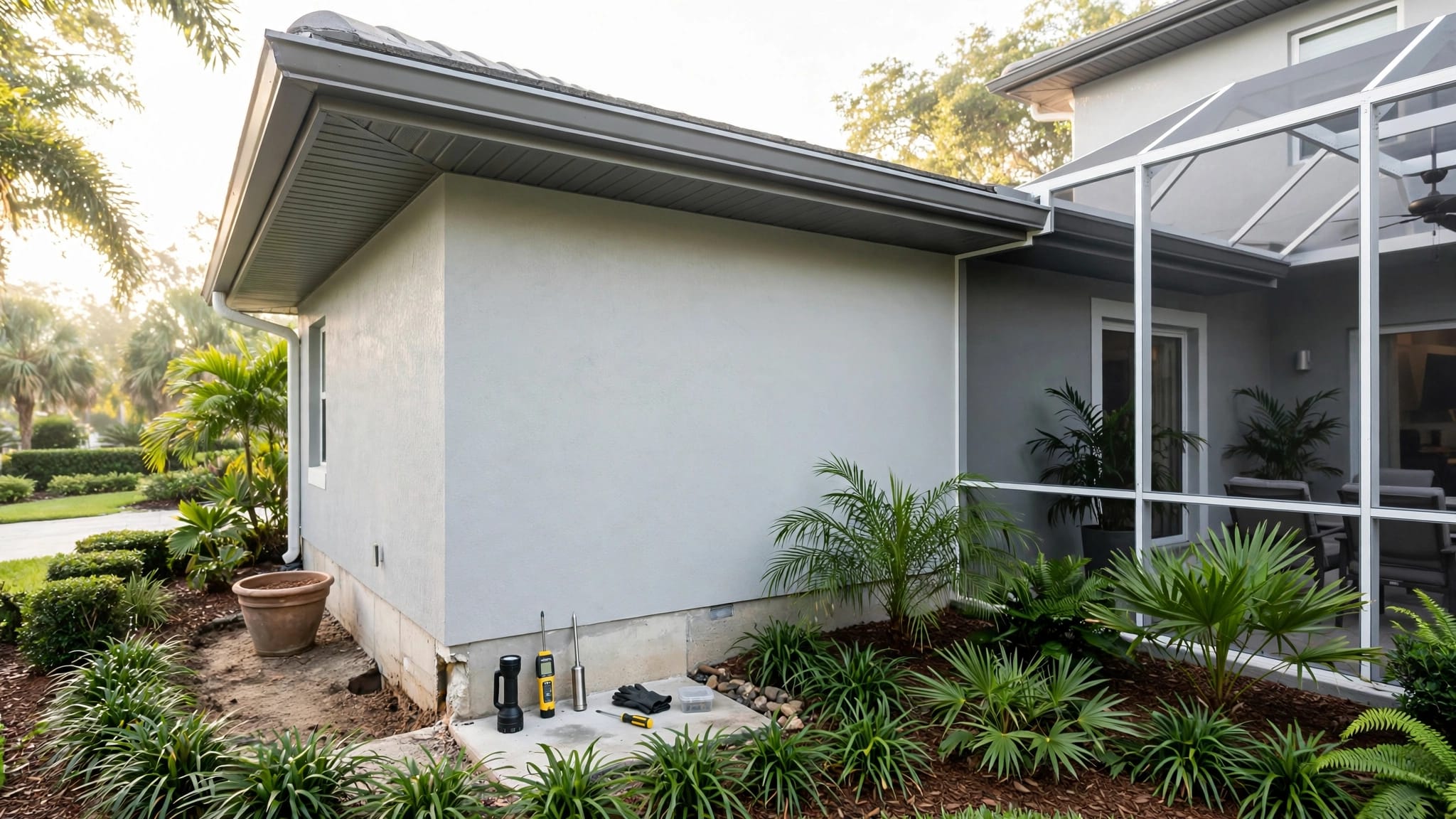
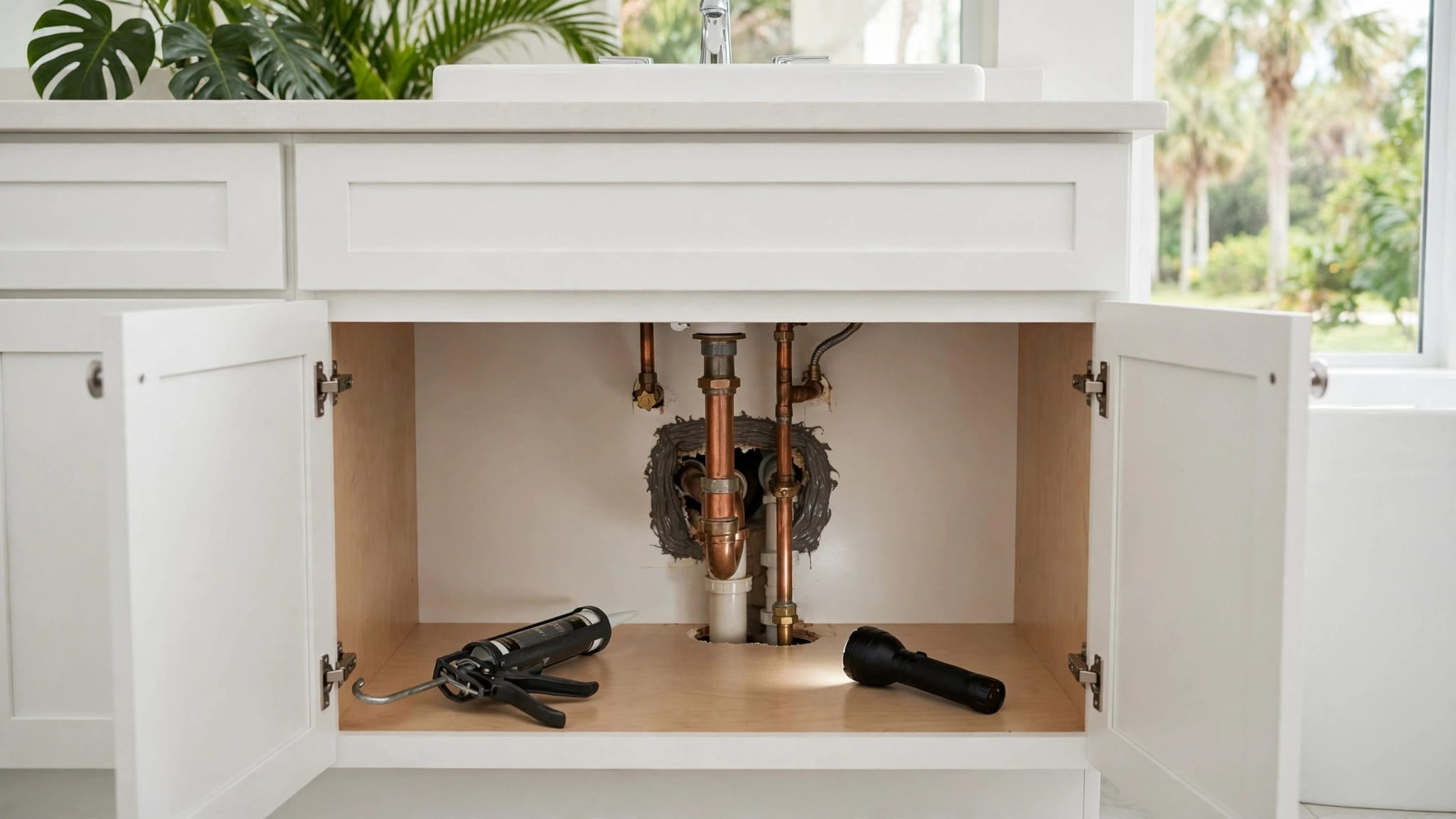
- Look at utility openings around AC lines, hose bibs, cable lines, and pipes. Seal obvious gaps with the right exterior products.
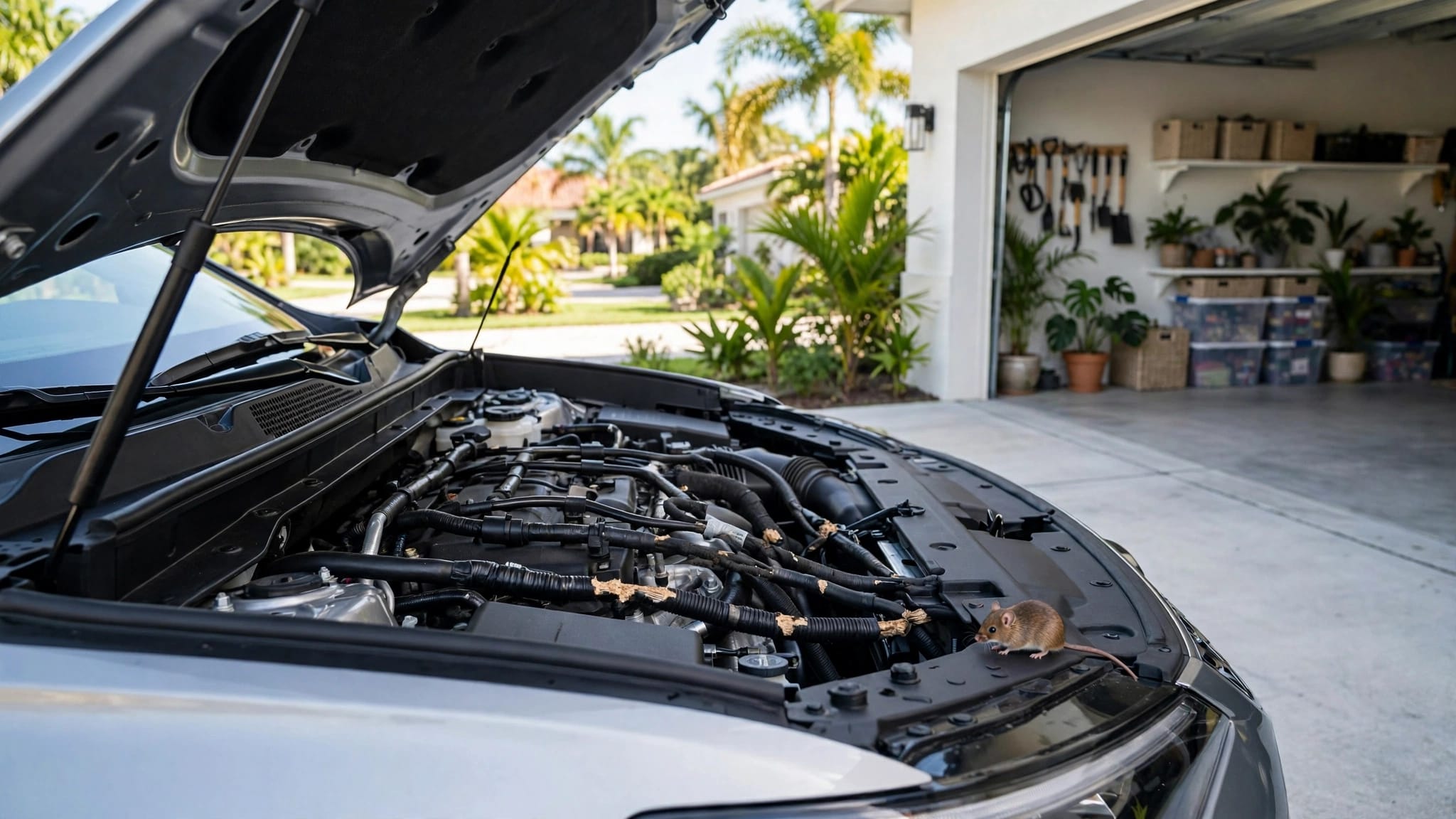
- Clear cardboard, paper bags, and unused storage off the garage floor. Rodents love soft nesting material and hidden corners.
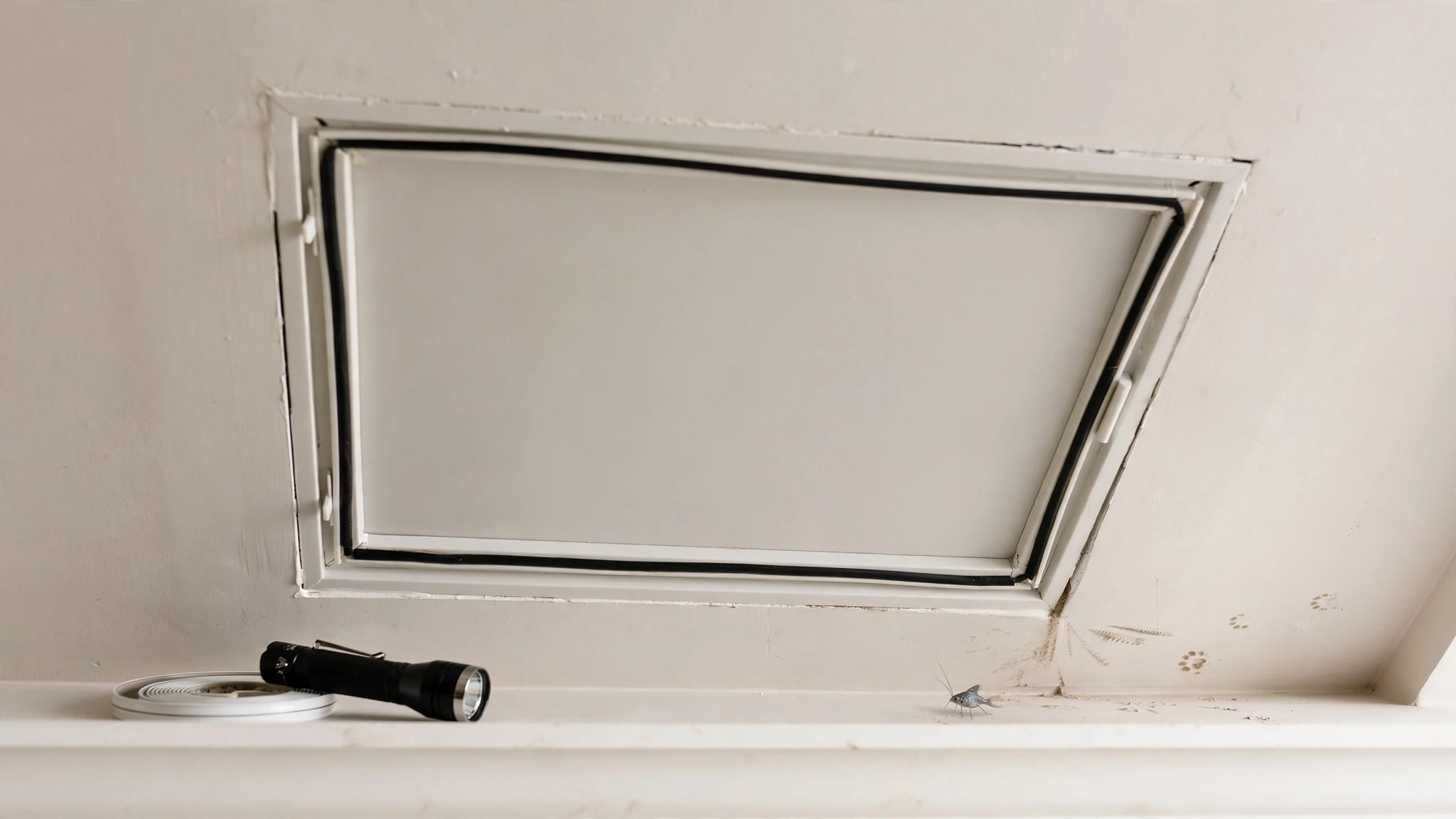
- Scan the attic access, soffits, and vents for damage. A storm can widen a weak point fast.
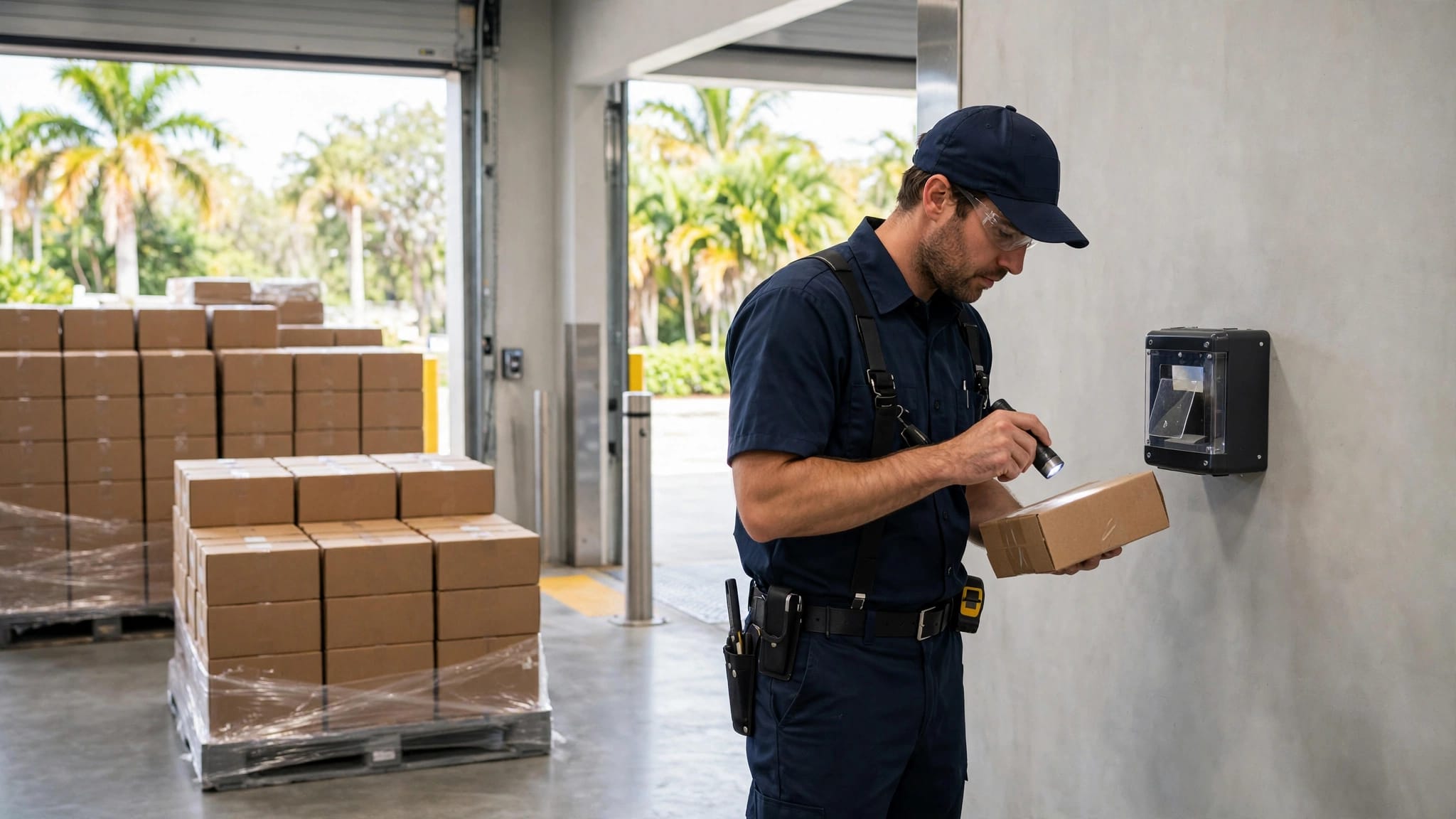
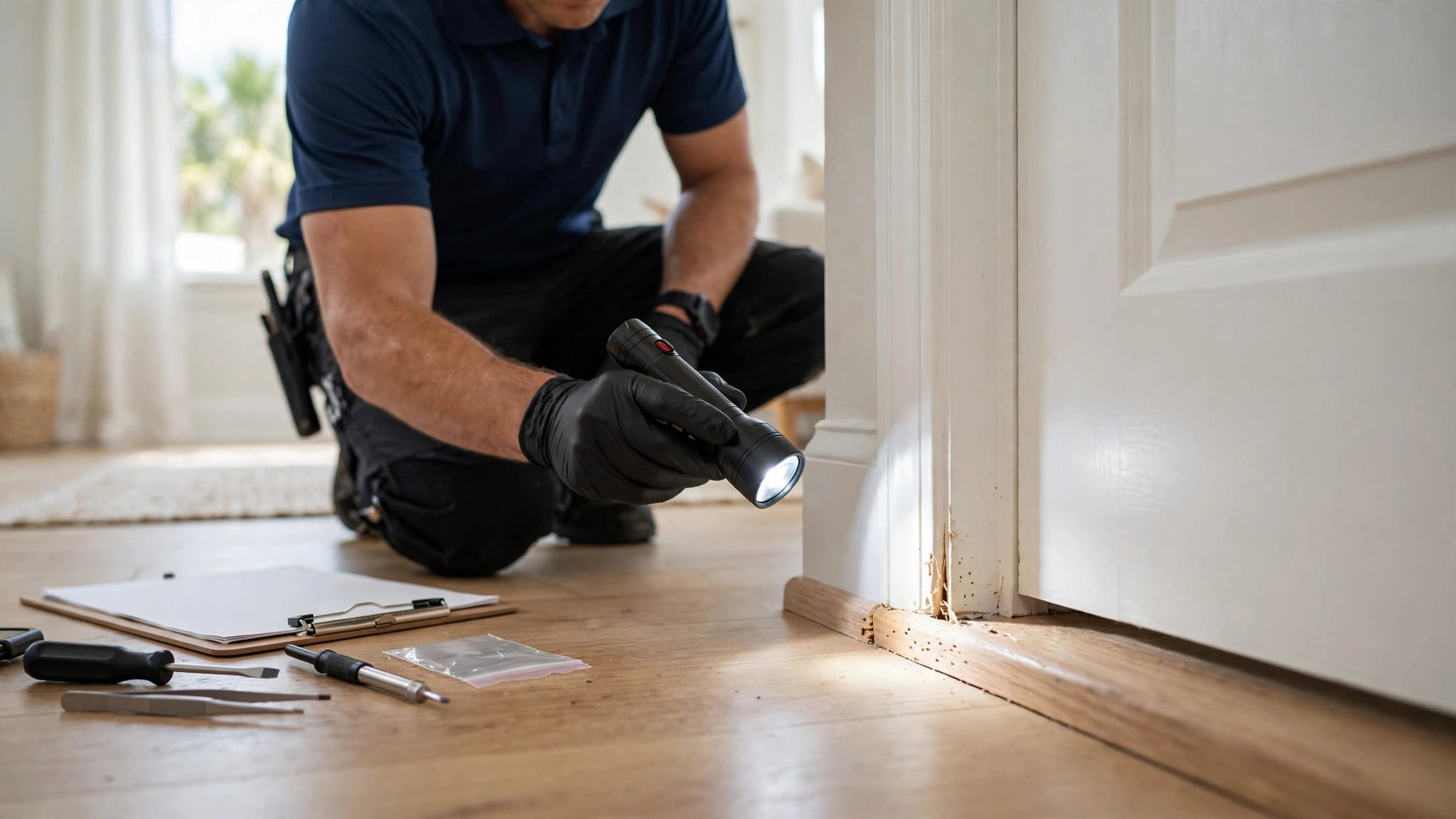
If you already know pests are active, a pre-storm visit from professional pest control services can reveal gaps, nesting spots, and moisture issues before they get worse.
For Cape Coral homeowners, residential pest control in Cape Coral is worth lining up before the season peaks if you've had recurring ants, roaches, or rodents.
A few fixes here can save you from chasing the same problem after every heavy rain.
Clear the Yard and Drainage Areas Pests Use First
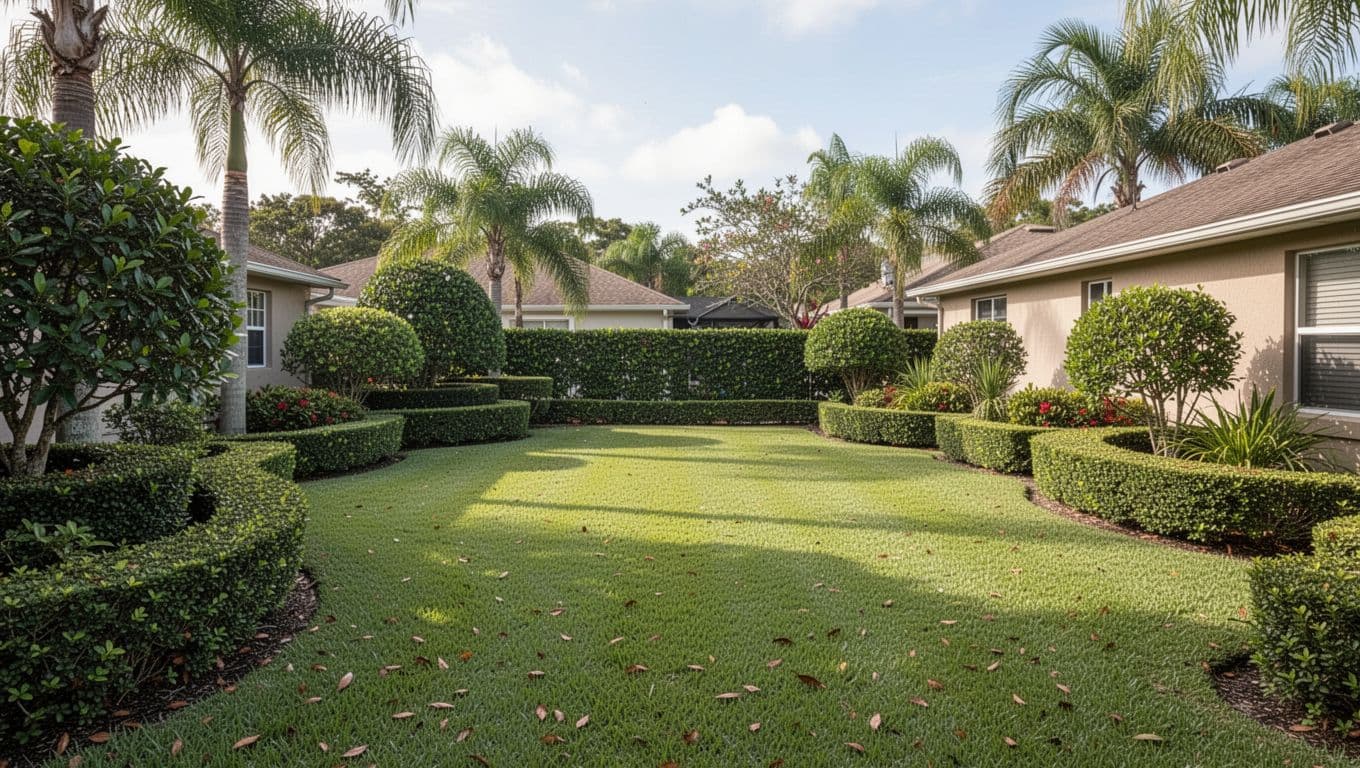
Outside, pests look for cover before they look for food. Tall grass, piles of palm fronds, stacked mulch bags, and damp debris all create the kind of shelter that helps them survive a storm.
Trim shrubs away from the house, especially near windows, AC units, and fence lines. Pull leaf litter out of corners where water can pool, and move firewood or planters off the ground if possible. In Southwest Florida, even a small cluttered area can stay wet long enough to attract roaches, ants, and mosquitoes.
Drainage matters too. Walk the yard and check for buckets, toys, bird baths, clogged gutters, and low spots that hold water. Empty anything that can collect rain, because mosquitoes breed fast in standing water. Also check downspouts and drainage channels near patios, lanais, and side yards.
If you keep a shed or outdoor storage area, treat it like part of the house. A tidy yard gives pests fewer places to wait out the storm and fewer hiding spots once the wind dies down.
Make Garages, Sheds, and Lanais Less Welcoming
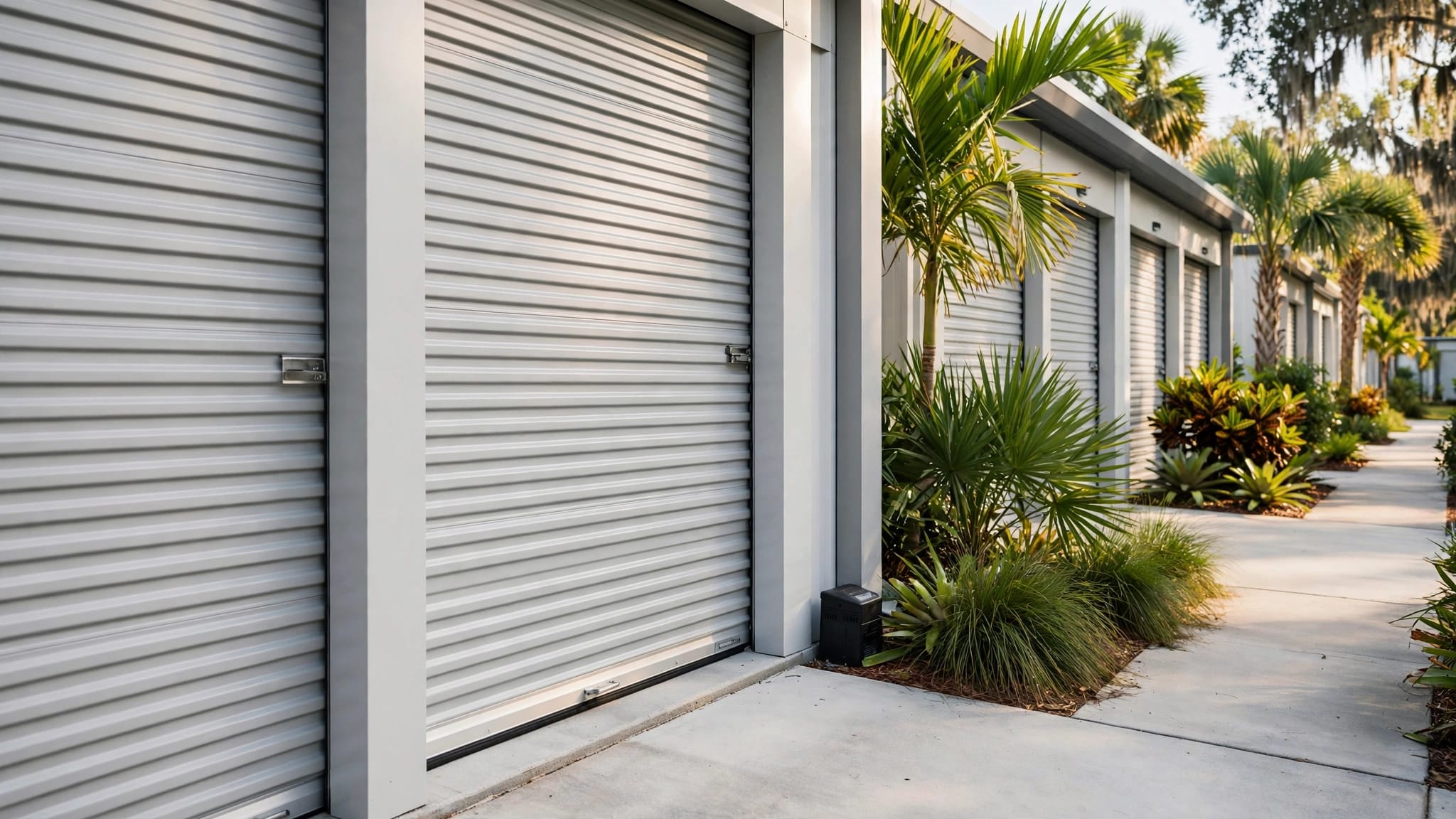
Garages often become the first place pests settle after a storm. They're cool, dark, and full of things to hide behind. In Southwest Florida, that can mean boxes, holiday décor, pet supplies, tools, and wet shoes all sitting in one room.
Keep items in sealed plastic bins instead of open cardboard. Cardboard absorbs moisture, and moisture draws pests. Raise storage off the floor when you can, because water intrusion after a storm usually starts low.
Sheds need the same attention. Close gaps, lock containers, and keep lawn chemicals, seed, and pet food sealed tight. If a shed floods or shifts in the wind, pests can move in before you've even finished cleanup.
Lanais deserve a close look too. Sweep up crumbs, move cushions inside if the forecast is ugly, and check for torn screens or loose door latches. If your lanai connects to a pool area, clear out toys, floaters, and anything that can trap water. Those small puddles become mosquito spots fast.
A clean, dry storage area sends a simple message: there's nothing here for pests to use.
Food, Trash, and Standing Water Need Early Attention
Food smells can pull pests in quickly after a storm, especially if power goes out. That's why kitchen and trash prep should happen before the weather turns rough.
Store dry goods in sealed containers, not loose bags. Wipe pantry shelves, clean pet bowls, and move anything fragrant, like fruit, cereal, or treats, away from open counters. If the refrigerator shuts off during an outage, toss spoiled food as soon as it's safe to do so.
Trash needs the same care. Tie bags securely, keep lids closed, and move outdoor bins away from doors and garage openings. Also rinse recyclables if they may sit for days in heat and humidity.
A quick storm checklist helps:
- Empty buckets, toys, and plant saucers before the rain starts.
- Put away outdoor pet bowls and refill them only when needed.
- Check under sinks for slow leaks that can get worse during a storm.
- Clear gutters and downspouts so water moves away from the house.
Every puddle you remove helps. Every sealed container helps too. The goal is to remove easy food, water, and shelter before pests get a chance to use them.
Inspect the House Soon After the Storm
Once the weather clears, walk the property before you unpack everything. Start outside, then move inside. Look for torn screens, displaced mulch, broken soffits, and water near the foundation.
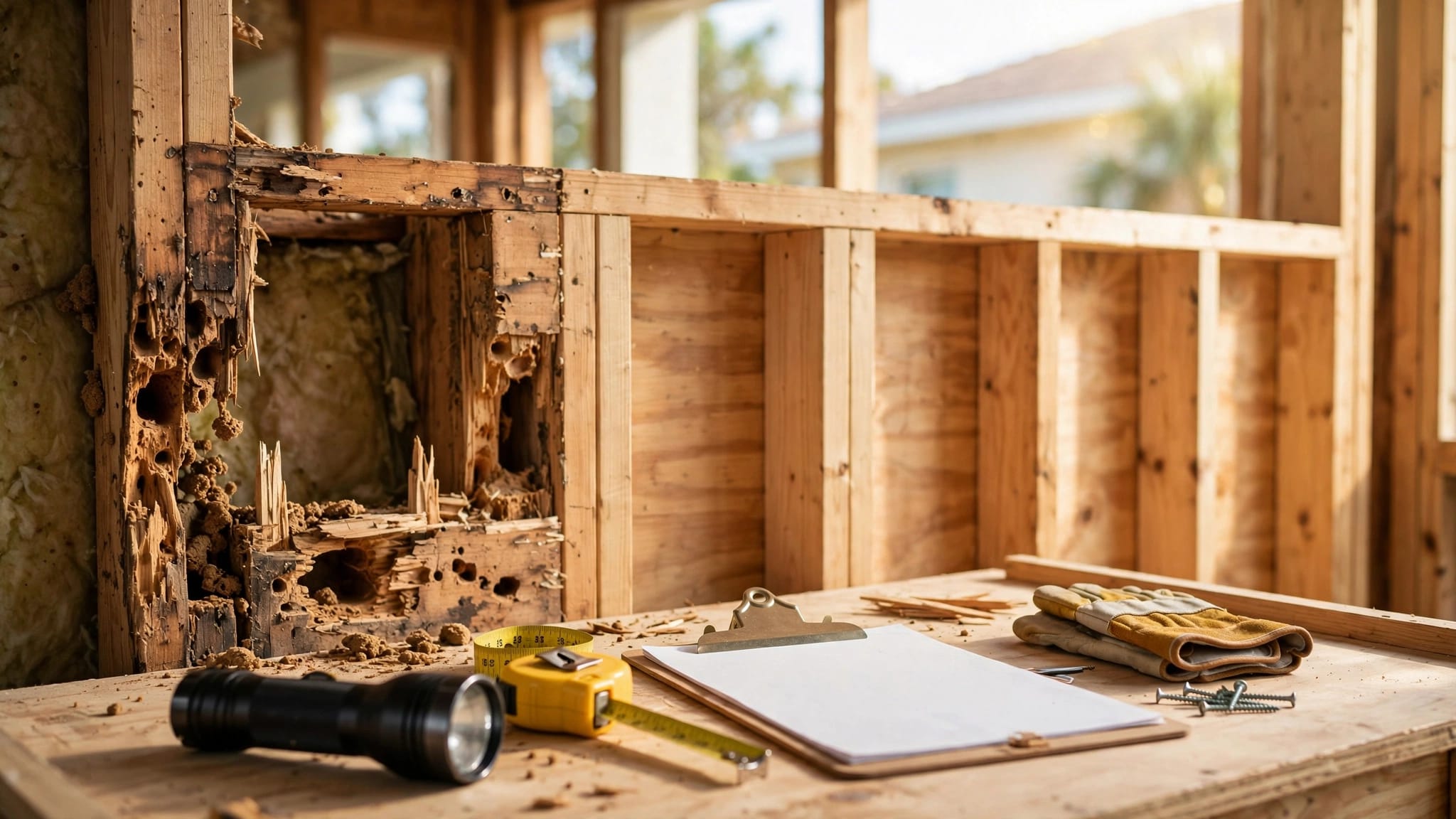
Inside, check the kitchen, pantry, laundry room, attic access, and garage. Pay attention to droppings, scratching sounds, chew marks, and damp spots. If a storm opened a gap or flooded a storage area, pests often show up in the first few days afterward.
Rodents leave signs behind quickly. So do ants and roaches. When you see repeated activity in the same room, don't keep waiting for it to fade. Moisture and debris give pests a reason to stay.
After a storm, a small mess can turn into a shelter fast. Catch it early, and the cleanup stays manageable.
For homes in Cape Coral, Fort Myers, Bonita Springs, Punta Gorda, and nearby communities, a post-storm inspection can be the difference between a temporary issue and a recurring one. If the same pests keep coming back after every storm, the problem usually starts with hidden entry points, damp materials, or leftover nesting spots.
Conclusion
Storm prep in Southwest Florida works best when it covers more than windows and flashlights. Hurricane pest prep protects the spaces pests use first, including lanais, garages, sheds, gutters, and damp corners around the house.
If you seal entry points, clear standing water, and inspect early after the storm, you cut off most of the problems before they spread. A little preparation now keeps the cleanup simpler later, and that matters when the weather is already doing enough damage on its own.
Schedule a Free Inspection: