Florida Marina Mosquito Control for Safer Dock Areas
A few inches of water in a boat cover, dock box, or clogged drain can support mosquitoes around an entire marina. A practical Florida marina mosquito control plan starts by finding those small water sources before relying on adult mosquito treatments.
Marina staff and property managers need separate solutions for three different problems: water that can be removed, larval habitats that need labeled treatment, and adult mosquitoes resting near people. Routine inspections after rain and high tides help keep those problems from becoming harder to manage.
What Florida marina mosquito control should address
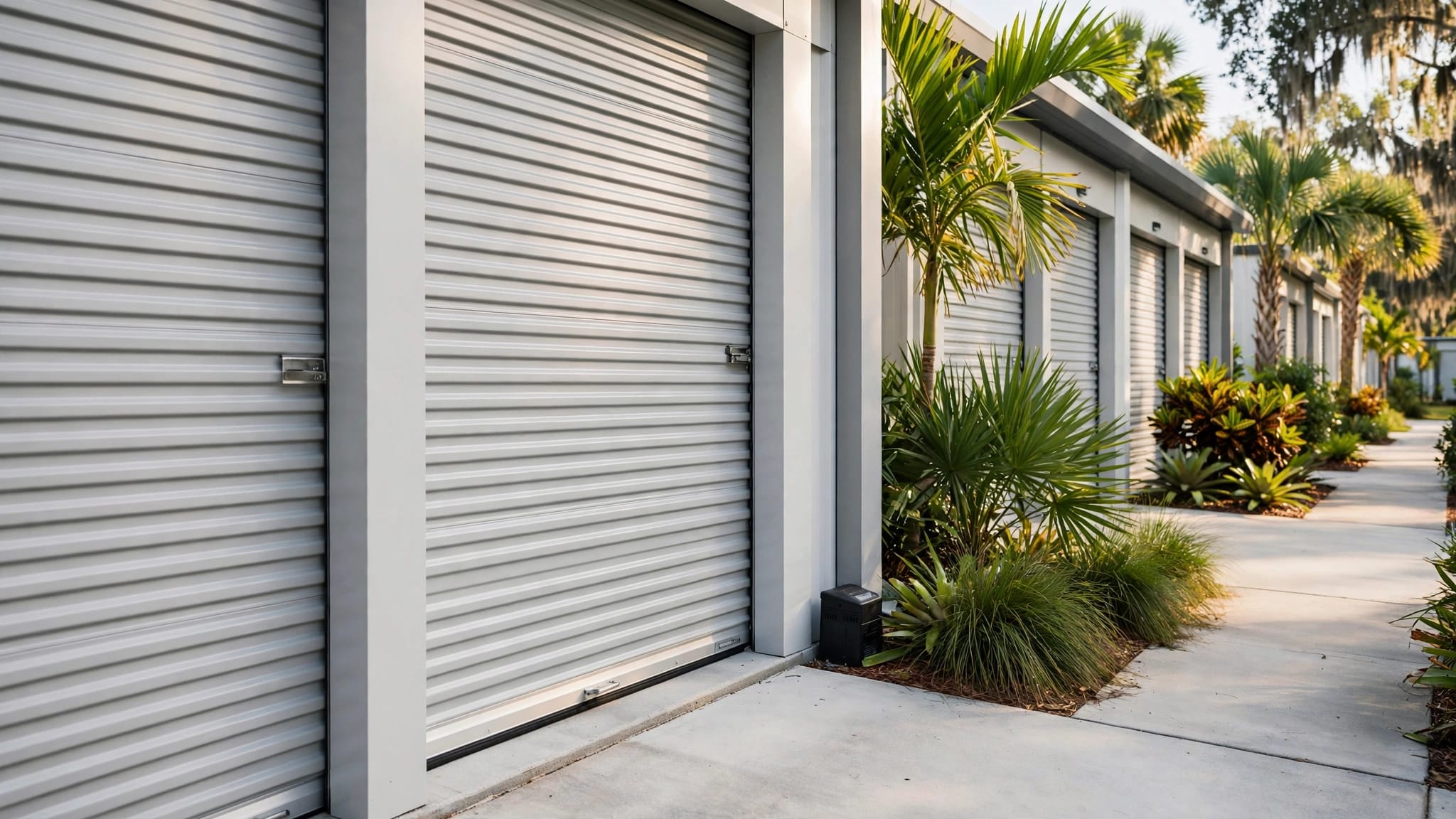
Marinas combine many mosquito-friendly conditions. Boats, floating docks, seawalls, landscaping, storm drains, storage areas, and shoreline vegetation can all hold water or create shaded resting places.
Mosquito pressure also changes quickly. A marina may feel comfortable one week, then experience heavy activity after a tropical storm, afternoon downpours, or an unusually high tide. The most useful plan follows those changes instead of treating the property as if conditions stay the same.
Water collects in overlooked places
Some breeding sites are obvious, such as buckets, discarded containers, and uncovered trash cans. Others are easy to miss because they sit above the waterline or inside equipment.
Staff should inspect:
- Boat covers, tarps, and loose straps that form low pockets
- Dock boxes, coolers, and unused containers
- Planters, decorative features, and irrigation catch basins
- Roof gutters, downspouts, and drainage grates
- Kayaks, dinghies, and maintenance equipment stored outdoors
- Low spots near seawalls, ramps, and parking areas
A small amount of stagnant water can matter if it remains in place long enough for larvae to develop. Staff should empty, turn over, cover, or remove containers whenever possible. For more detail on a common waterfront source, review these tips for mosquitoes breeding in boat covers.
Shoreline vegetation can support mosquito activity
Dense vegetation gives adult mosquitoes cool, protected places to rest during the day. Floating plant mats and rooted aquatic vegetation can also affect water movement along canal edges and seawalls.
Mansonia mosquitoes are associated with aquatic vegetation because their larvae use plant structures in the water. That doesn't mean every patch of shoreline plants needs removal. However, overgrown edges, trapped debris, and stagnant pockets deserve attention during inspections.
Trim vegetation where maintenance rules allow it, clear plant debris from dock corners, and keep drainage paths open. Marina operators should coordinate any shoreline work with applicable local, state, and environmental requirements. Managing mosquitoes in canal vegetation can help property managers identify shoreline sources that routine yard checks miss.
Remove standing water before treating anything
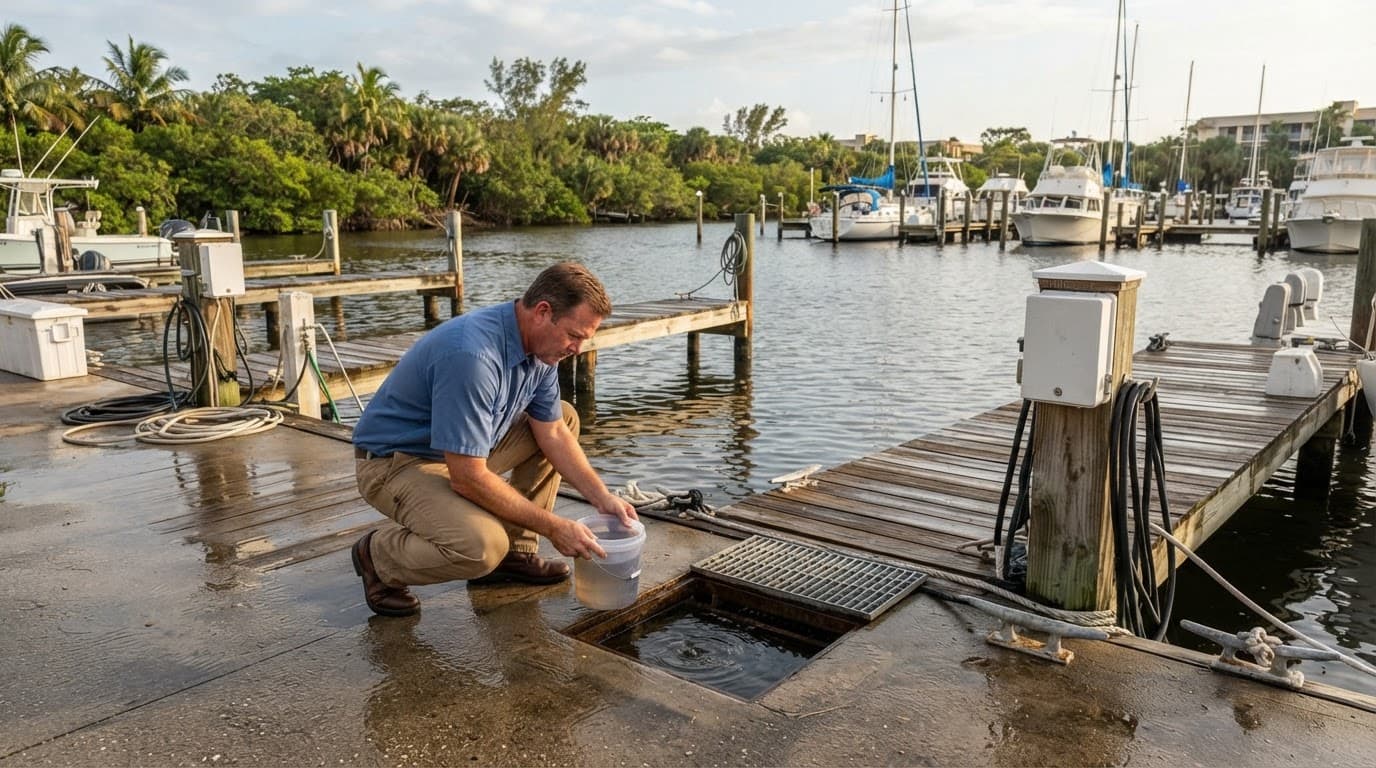
Standing-water reduction is usually the first step because it removes the place where mosquitoes reproduce. It also reduces the need for repeated pesticide applications.
The correct response depends on why the water remains. A tipped bucket can be emptied immediately. A blocked drain may require maintenance. A low area near a seawall may need grading, drainage work, or a professional assessment.
Eliminate water staff can control
During each inspection, employees should handle simple sources right away. Empty containers, drain water from covers, remove debris, and store equipment so rain can't collect inside it.
Boat owners also need clear instructions. Marina management can include water prevention in slip agreements, maintenance notices, or storm preparation reminders. Staff should explain that covers must stay tight and drain properly. Loose covers can create several shallow pockets that are difficult to see from the dock.
When possible, use screened or tightly fitted lids on permanent containers. Keep trash receptacles closed, and don't leave buckets or cleaning tools outdoors after use. A few consistent changes can remove more breeding habitat than a broad adult spray.
Fix drainage and storage problems
Some sites keep collecting water because of a maintenance defect. Clogged gutters, blocked drain openings, damaged dock boxes, and leaking irrigation lines can create repeated breeding sites even after staff empties them.
Record the location and cause of each problem. Then assign the repair to the appropriate team. A simple log can show whether the same area fills after every storm, which helps managers prioritize drainage work.
Don't fill or alter stormwater structures without proper guidance. Retention areas and drainage features may have a designed purpose, even when they appear stagnant. If water cannot be drained safely, a licensed pest professional can assess whether a labeled larval control option is appropriate.
Treat mosquito larvae without harming waterways
Larval control targets mosquitoes before they become flying adults. It can help when water cannot be removed, but the product and application method must match the site.
Marina operators should never assume that a product suitable for a lawn is suitable for a drain, retention feature, canal edge, or other aquatic location. Labels define where a product may be used, how much may be applied, and what precautions are required.
Use larval treatment only in suitable habitats
A qualified provider may recommend a larvicide for a non-drainable site that regularly supports larvae. The provider should inspect the water, identify the target mosquito stage, check the product label, and document the treatment area.
Treatment may be considered for certain catch basins, abandoned containers, or isolated water-holding structures. The decision still depends on the label, water movement, access, nearby wildlife, and local requirements.
Larval control addresses a mosquito breeding site. It doesn't authorize pesticide application to navigable or natural water.
Some water features connect directly to canals, bays, rivers, or tidal systems. Those areas require extra caution because products can move beyond the original location. Never add a chemical to open water unless the label expressly allows that use and the application complies with all applicable rules.
Keep products away from open water
Do not spray pesticides directly into navigable waterways, natural canals, tidal water, or open marina basins. Avoid applications that could drift or run off from a dock into the water.
Professionals should use equipment and techniques suited to the site. They should also discuss wind, tide, weather, nearby boats, people, pets, fish, and wildlife before treatment. Marina staff need to follow any posted re-entry or access instructions and keep products secured.
A sound Florida marina mosquito control program uses habitat reduction first, then applies larval products only where they are allowed and needed. That approach protects the property without treating areas that don't require it.
Control adult mosquitoes around people
Adult mosquito control focuses on places where mosquitoes rest and where people spend time. These areas can include shaded vegetation, fence lines, service paths, gathering spaces, and the edges of buildings.
Adult treatment can reduce current activity, but it won't remove larvae developing in a boat cover or drain. Without source reduction, the problem can return after the next rain.
Target resting areas, not the entire marina
Mosquitoes often rest in cool, humid vegetation during the day. Overgrown shrubs, dense groundcover, and shaded corners may hold more adults than open, sunny pavement.
A professional can inspect the property and identify areas that deserve targeted attention. Treatments should follow the product label and avoid unnecessary coverage. Broad applications across docks, boats, or open water can create added exposure without solving the breeding source.
Marina managers should also consider how people use the property. A service path used by employees may need a different plan than a private storage area. Seating, fish-cleaning stations, boat ramps, and event spaces deserve attention because people remain there longer.
Reduce exposure for staff and visitors
Physical protection still matters. Encourage employees to wear long sleeves and use an EPA-registered repellent according to its label when working in mosquito-heavy areas. Keep doors closed on marina offices, repair rooms, and storage buildings when possible.
Fans can help in some outdoor gathering areas because moving air makes it harder for mosquitoes to land. Screened enclosures and well-maintained door seals also reduce indoor exposure.
Post clear service notices when treatment occurs, but keep the message practical. Staff should know which areas are restricted, when access resumes, and whom to contact if they see standing water after service.
Monitor after rain and high tides
Routine monitoring is what keeps a marina plan current. Florida weather can create new breeding sites faster than a monthly inspection can find them.
A property manager should schedule checks after heavy rain, tropical weather, irrigation changes, and high tides. The inspection doesn't need to wait for visible adult mosquitoes. Water conditions often reveal the problem earlier.
Use a post-rain inspection routine
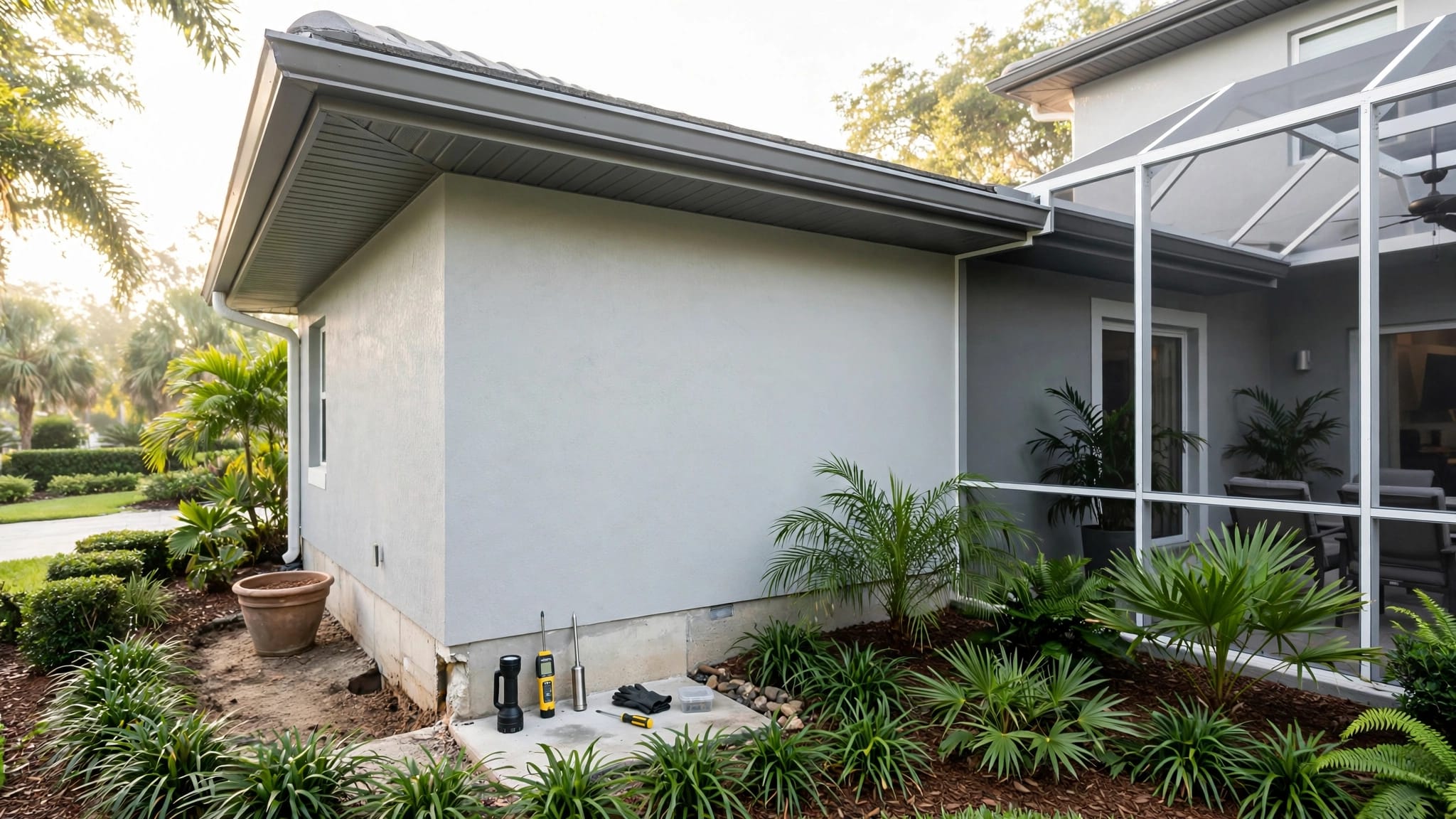
Inspect low areas and equipment within a reasonable period after rainfall. Look for water that remains after nearby pavement dries. Check boat covers, dock boxes, gutters, drains, planters, trash containers, and stored gear.
Staff should record:
- The inspection date and recent weather
- The exact location of standing water
- Whether larvae were visible
- The action taken, such as emptying or repairing the source
- Any area that needs professional follow-up
Photos can help maintenance teams identify recurring trouble spots. If the same drain or cover fills repeatedly, the permanent fix may matter more than another short-term treatment.
Recheck after high tides and storms
High tides can push water into low drainage points and seawall pockets. Storm tides may also leave brackish water behind in areas that normally stay dry. Salt marsh mosquitoes can become a concern after coastal flooding, especially where water remains trapped near vegetation or debris.
After a storm, inspect when conditions are safe. Clear debris from drains, check low sections of the property, and look for water behind storage structures. Don't enter flooded areas or handle contaminated water without the right safety procedures.
The marina should also communicate with boat owners after severe weather. A single covered vessel, overturned container, or blocked drain can create a new source that wasn't present during the previous inspection. Post-storm tide mosquito prevention offers related guidance for coastal properties.
When to hire a licensed mosquito professional
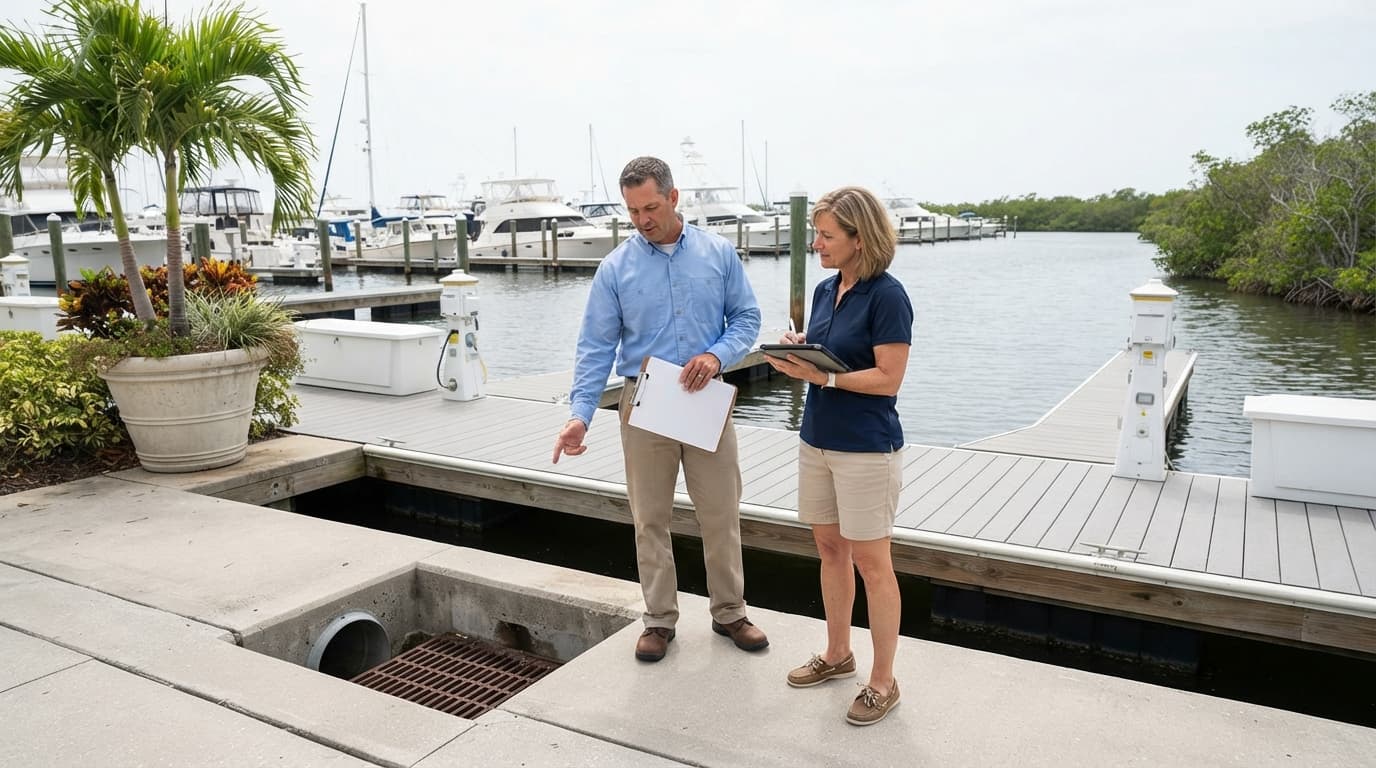
Professional service makes sense when mosquito activity continues after staff removes obvious water, when breeding sites are difficult to access, or when treatments may occur near sensitive waterways.
A qualified provider can separate adult activity from larval production and identify conditions that a quick visual check may miss. For commercial marinas, the provider can also help create a written service schedule and inspection record.
Choose a provider who understands waterfront sites
Ask whether the company has experience with marinas, docks, canals, seawalls, and commercial properties. The provider should discuss source reduction before recommending routine adulticide applications.
A useful service plan may include:
- An inspection of docks, shoreline edges, drainage areas, and storage zones
- Identification of water that staff can remove or repair
- Recommendations for water that cannot be drained
- Targeted adult mosquito treatment around approved resting areas
- Follow-up monitoring after rain or high tides
- Clear records of products, locations, dates, and precautions
For marinas in Cape Coral, Fort Myers, Punta Gorda, Bonita Springs, or Sanibel, a local company such as Shield Home & Pest Control can assess the property and recommend service based on its actual conditions.
Ask about labels, waterways, and follow-up
Before treatment, ask which areas the company plans to treat and which areas it will leave untreated. The answer should clearly exclude direct pesticide spraying into navigable or natural waters.
Also ask how the provider handles larval habitats, what weather conditions could delay service, and what staff must do before and after treatment. A responsible company won't promise permanent control because rain, tides, vegetation, and nearby properties can change mosquito pressure.
The goal is a plan that can be adjusted. If inspections show that a drain keeps filling, the provider and marina team should address that source instead of repeating the same adult treatment without correction.
Conclusion
Effective Florida marina mosquito control begins with water management. Remove standing water where possible, repair recurring drainage problems, and inspect shoreline vegetation and equipment after weather changes.
Larval treatment may help in approved, non-drainable habitats, while adult control can reduce activity around people. Every application near a marina must follow the product label and use an appropriately licensed professional. When staff and pest technicians monitor the property together, they can respond to mosquito sources before a few wet spots turn into a larger dock-area problem.
Schedule a Free Inspection: