Salt Marsh Mosquitoes Swarm Cape Coral Yards After Storm Tides
Storm tides hit Cape Coral hard this April 2026. High waters flooded coastal marshes. Now, Cape Coral mosquitoes pour into backyards in huge numbers. Homeowners face relentless swarms at dusk.
These are salt marsh mosquitoes. They differ from the usual backyard biters. You need specific steps to fight them. Local efforts help, but yard care makes a big difference.
Lee County Mosquito Control District treats outbreaks. Still, your property plays a key role. Let's break down why they show up and how to push back.
Why Salt Marsh Mosquitoes Flood Cape Coral Yards After Storms
Salt marsh mosquitoes hatch from eggs laid in dry coastal marshes. High tides or storms soak those spots. Eggs burst open all at once. Billions emerge from small areas.
In Cape Coral, Aedes taeniorhynchus leads the charge. They fly up to 40 miles inland. Storm tides push brackish water into yards. Swarms peak right after.
A dry winter built up eggs. April's high tides triggered the hatch. These pests bite hard. They target exposed skin fast.
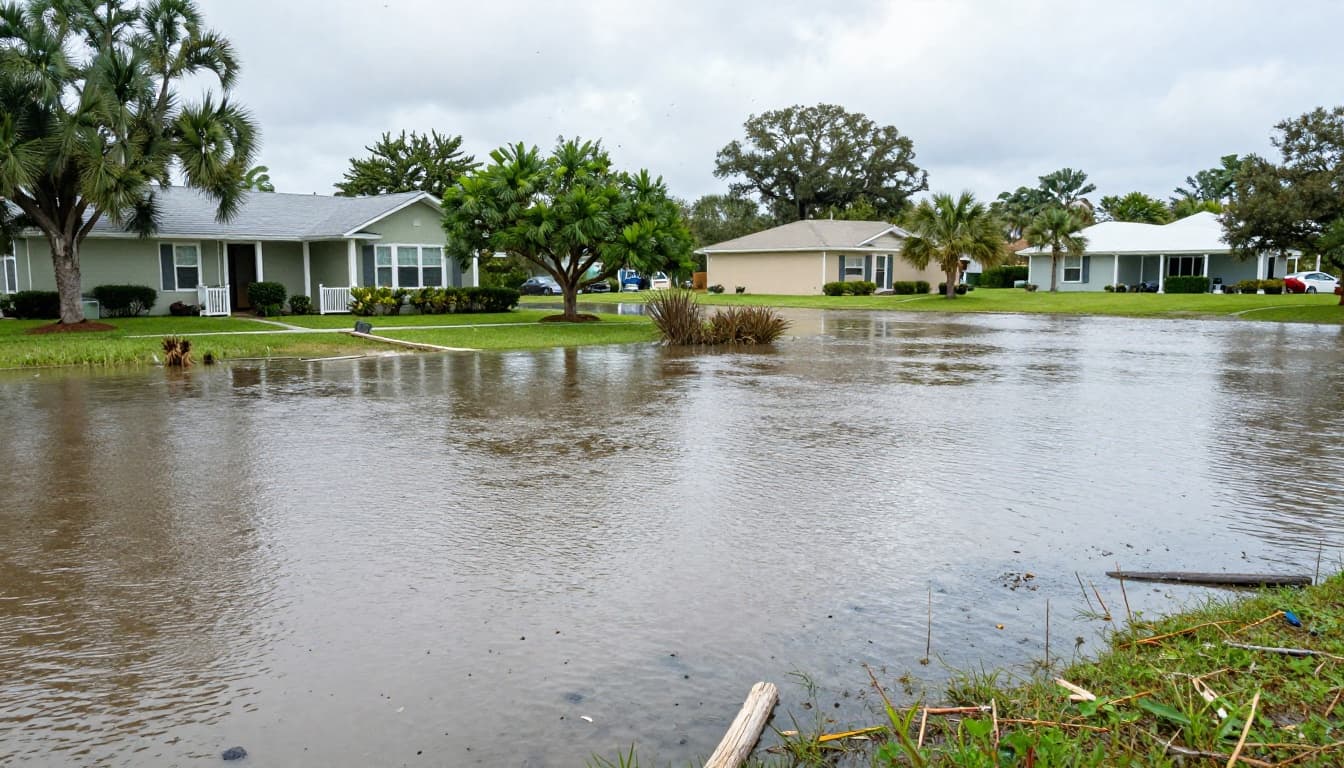
Yards near canals see the worst. Debris from tides creates shade. Mosquitoes rest there by day. They attack at dawn and dusk. Swarms fade in a week or two with treatments. But they return with each big tide.
Lee County Mosquito Control District uses helicopters for larvicide. They spray Bti on mangroves. It kills larvae safely. Report bad spots to them. Your yard cleanup supports their work.
Key Differences from Backyard Mosquitoes
Cape Coral mosquitoes come in types. Salt marsh ones breed far off. They ride tides into town. Backyard pests breed right in your yard.
Common local breeders need fresh standing water. Think clogged gutters or plant saucers. They hatch over weeks. Numbers build slow.
Salt marsh types need brackish floodwater. Eggs survive months dry. One tide hatches masses. They don't stay local. Winds carry them miles.
For more on common mosquito breeding grounds around your Cape Coral home, check local guides. Fresh water tips help both. But salt marsh surges overwhelm DIY alone.
Local ones bite anytime. Salt marsh pests peak evenings. They ignore screens better. Gaps let them in. Understand this split. It shapes your plan.
Backyard control cuts fresh breeders. Storm invaders need broader steps. Combine both for full coverage.
Yard Prevention Steps That Work After Storms
Act fast post-storm. Clear tidal debris first. It holds brackish puddles. Mosquitoes love that.
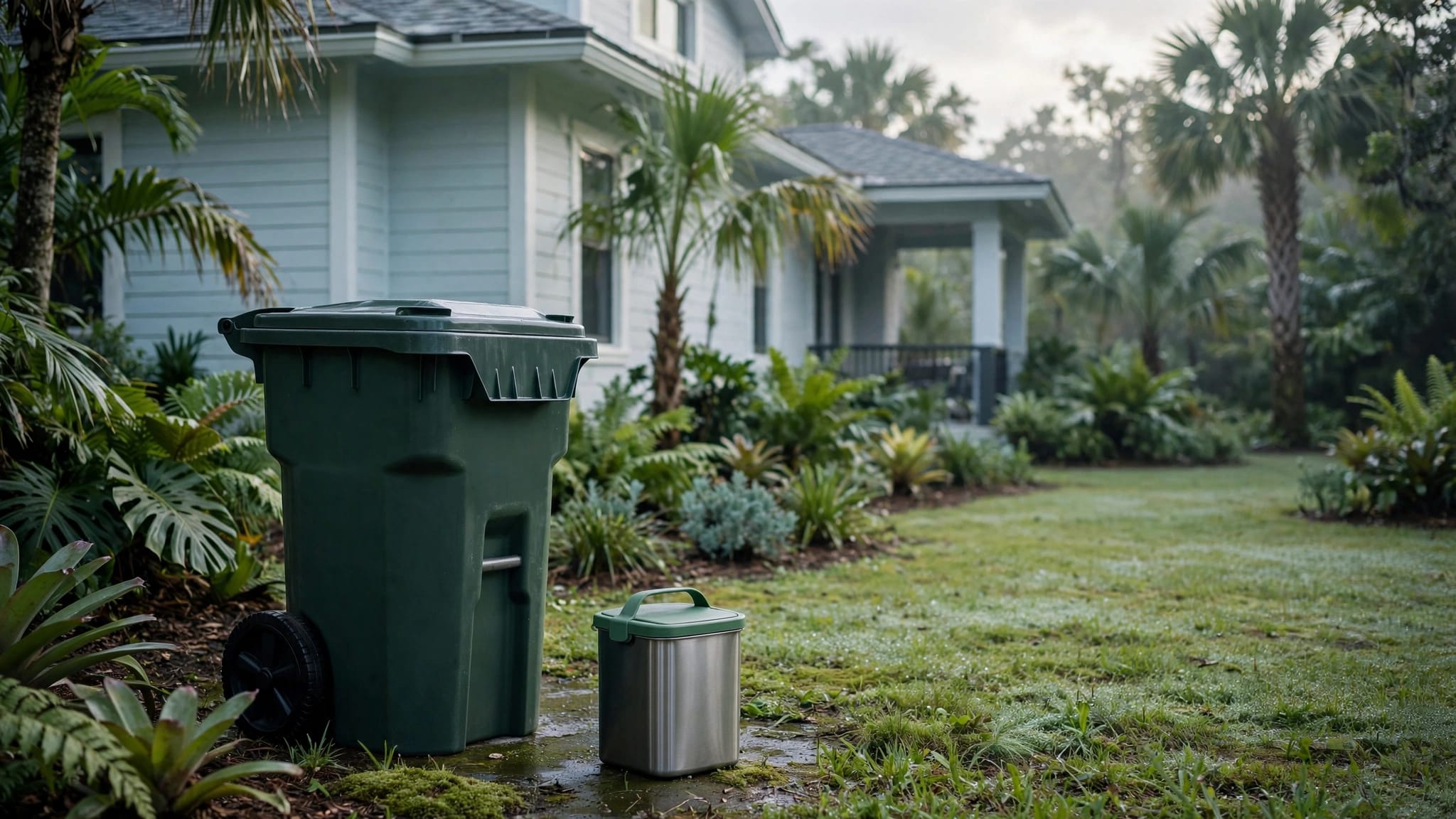
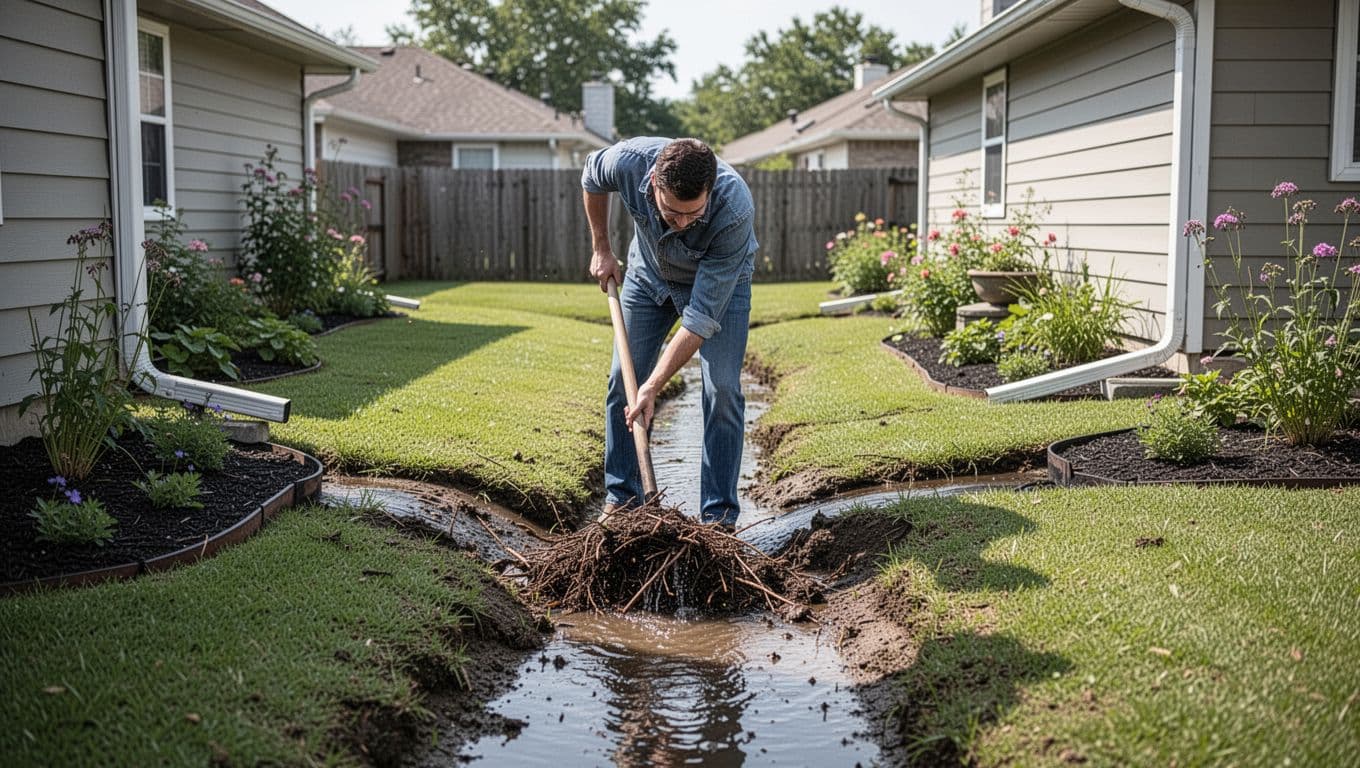
Check gutters and downspouts. Tides clog them with salt grass. Clean weekly. Water flows free then.
Fix low spots in your yard. They trap floodwater. Fill with sand or dirt. Grade slopes away from house.
Remove water-holders. Old tires, buckets, tarps. Tip them over. Store under cover.
Trim mangroves or salt bushes near edges. They shade breeding spots. Keep grass short. Mow often.
Time your yard time. Avoid dusk walks. Mosquitoes hunt then. Use fans on patios. They hate wind.
For a full homeowner's guide to mosquito control in Cape Coral, see proven strategies. These steps cut invaders by half. They starve local breeders too.
When DIY Falls Short: Call the Pros
DIY works for light issues. Clear water weekly. Use fans and repellents. But salt marsh swarms overwhelm.
Pros spot hidden spots. They treat with safe larvicides. Barrier sprays kill adults. Misting systems run automatic.
In Cape Coral, big tides mean big hatches. If bites persist after cleanup, get help. Pros know local patterns.
Lee County handles marshes. But yard treatments need experts. Schedule inspections. They prevent repeats.
Check mosquito control for pools and screened lanais in Cape Coral if you have those. Pros save time. They use targeted tools.
Salt marsh mosquitoes test every yard. Quick cleanup helps. But pros ensure relief.
Cape Coral faces these surges each storm season. Salt marsh mosquitoes hit hard but fade fast. Your yard steps block most. Clear debris. Fix drainage. Time activities smart.
Combine with county sprays. You'll reclaim your outdoor space. Stay vigilant. Tides rise again soon. Act now for dry evenings ahead.
Schedule a Free Inspection: