Mosquito Control In Cape Coral For Pools And Screened Lanais
If your pool is clean and your lanai is screened, getting bitten feels unfair. Yet in Cape Coral, mosquitoes still find ways to crash the party.
The good news is you don't need to "spray everything" to get relief. The fastest results come from prevention-first mosquito control in Cape Coral , using a simple IPM plan (Integrated Pest Management): remove breeding spots, block entry, then treat only where it counts.
If you want a broader, whole-home approach, this guide pairs well with these home mosquito prevention strategies.
Why mosquitoes show up around pools and inside screened lanais
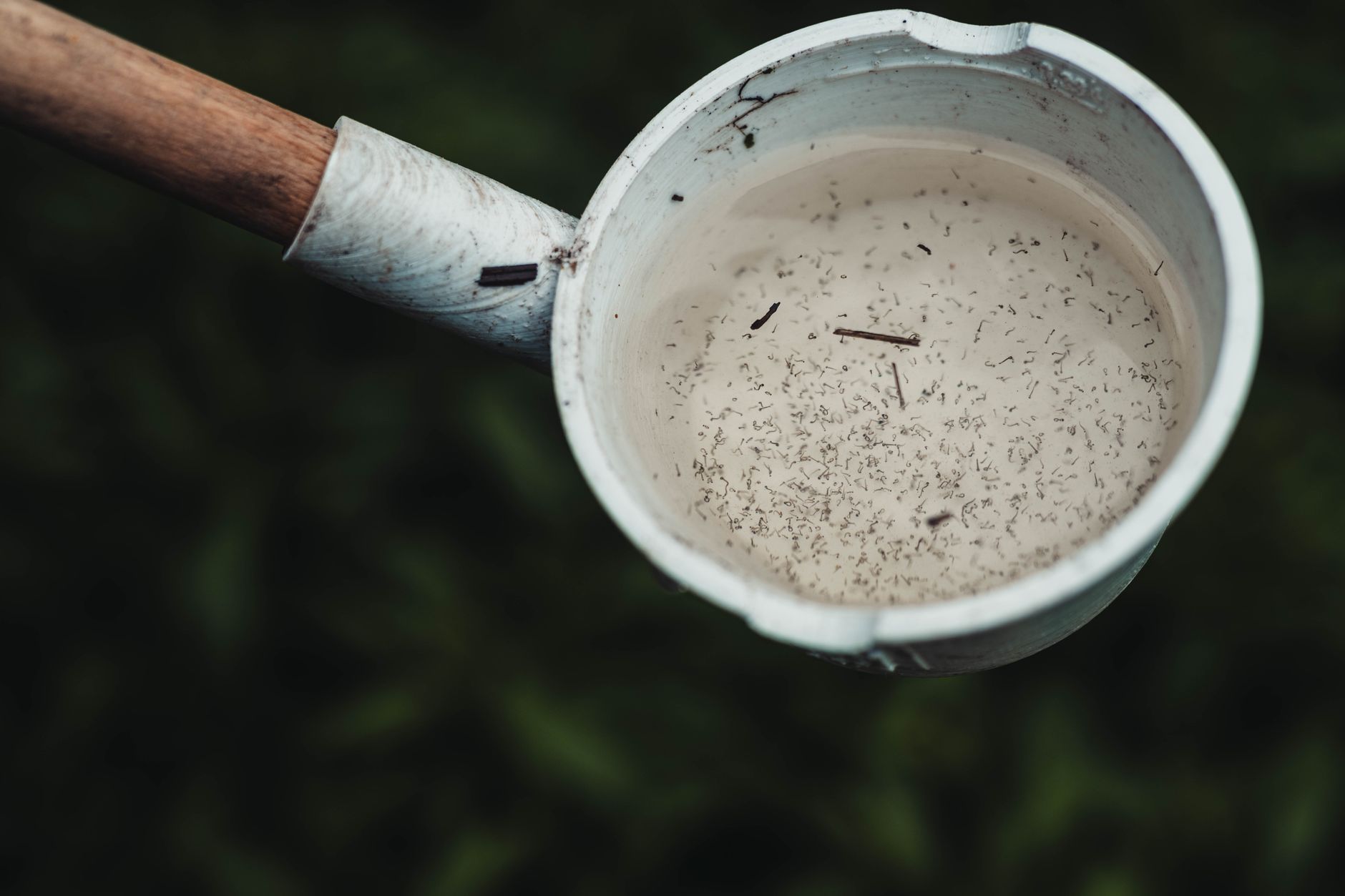 Photo by Helena Jankovičová Kováčová
Most mosquitoes don't come from your pool water. A balanced, circulating pool isn't a great nursery. The real issue is all the "bonus water" around the pool that's easy to miss.
Think like a mosquito for a minute. It doesn't need a pond. It needs a bottle-cap amount of water that sits for a few days. In a pool area, that often means:
- Puddles on the deck after rain or irrigation
- Water trapped in lanai screen tracks
- Planter saucers, toys, pool covers, or folded tarps
- Clogged gutters dripping near the cage line
- Low spots where the pool cage door threshold holds water
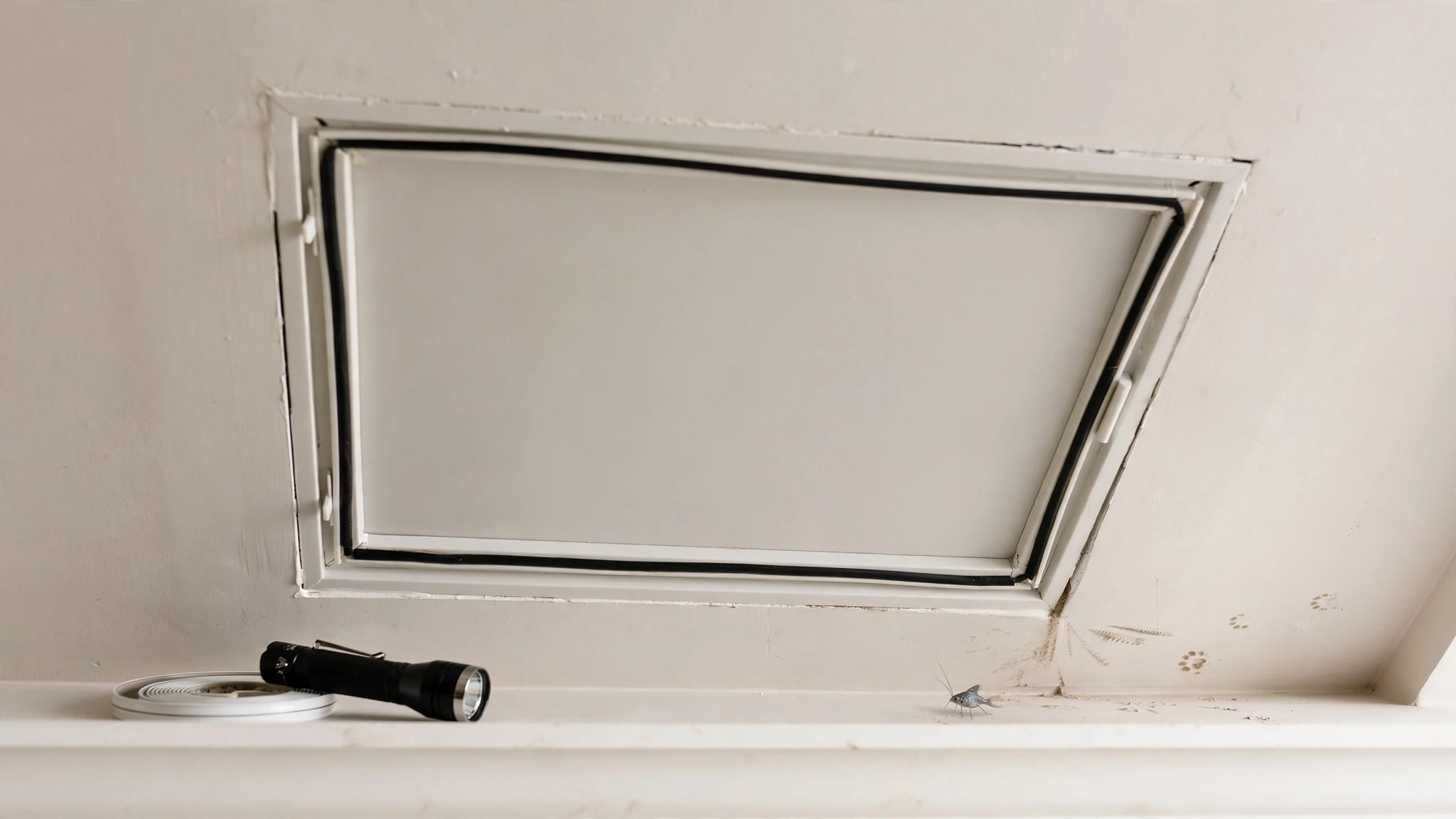
Also, screened lanais aren't airtight. Tiny gaps add up, especially around doors, kick plates, and where the screen frame meets the house. Once mosquitoes get inside, they rest in shade and wait, like thieves hiding in a closet.
If water can sit for 3 to 5 days, assume mosquitoes can use it.
Pool-focused IPM: remove breeding sites and bite zones
A pool cage can feel like a safe bubble, but it can also trap humidity and shade. That's comfort for mosquitoes, too. Start with source control, because it's the step that makes every other step work better.
A weekly 15-minute checklist (simple, but effective)
Walk the pool area with a critical eye once a week, and again after heavy rain.
- Empty and scrub any item that holds water (even if it "only has a little").
- Blow out screen tracks with a leaf blower, then rinse so they drain.
- Fix puddles fast : sweep standing water off the deck, and adjust sprinklers.
- Check the skimmer and pump area : clean baskets, remove leaves, and look for soggy corners.
- Look for "hidden cups" : umbrella bases, folded covers, pool toys, and planter saucers.
Here's a quick way to match common pool-area water traps with the right fix:
| Pool area problem spot | Why it breeds mosquitoes | Best homeowner fix |
|---|---|---|
| Screen door track | Holds water and algae | Blow out weekly, rinse, keep it draining |
| Deck puddles | Stays warm and still | Sweep off, adjust irrigation, add drainage if needed |
| Skimmer/pump corner clutter | Shade plus moisture | Remove items, keep area dry and clean |
| Planter saucers | Re-fills after every rain | Remove saucers, use self-watering planters carefully |
After you remove breeding sites, reduce "bite zones." Mosquitoes prefer calm air and shade. If one side of the cage stays damp and shaded, that's where they'll hang out.
Pool pump run time, what matters and what doesn't
Your pump helps water quality, but it won't fix mosquitoes if the breeding is outside the pool. Still, steady circulation helps you avoid stagnation problems, and that keeps the pool from becoming attractive to other pests.
If you're adjusting pump run time to save money, focus mosquito effort elsewhere first: drainage, cleanup, and sealing gaps. Those changes usually pay off faster.
Screened lanai mosquito control: seal, move air, and change habits
Screened lanais reduce bugs, but they don't block them like a sealed room. For strong mosquito control in a pool cage, treat the lanai like a boat. One small leak can still sink comfort.
Stop the sneaky entry points
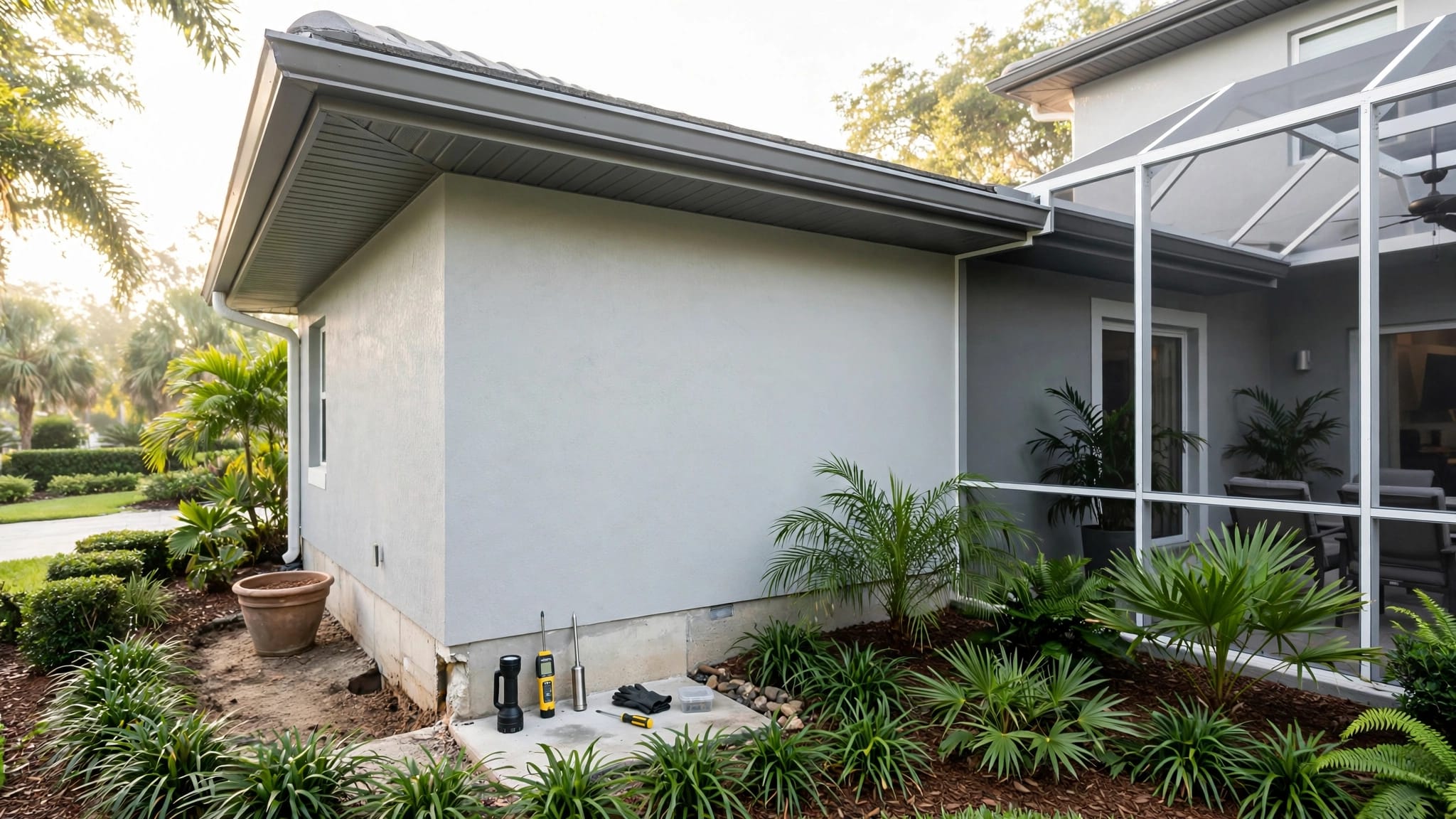
Start with a slow "perimeter scan" during daylight. Look closely at:
- Door sweeps and weather stripping (daylight under the door means gaps)
- Screen frame corners where fasteners loosen over time
- Pet doors and worn flap edges
- Cable and pipe penetrations where the cage meets the wall
- Torn screens near the bottom, where pets and mowers do damage
Good door habits matter more than people think. Don't prop lanai doors open at dusk. If you go in and out often, try a quick "in, shut, latch" routine. Mosquitoes follow you inside like smoke follows a draft.
Use airflow and lighting to make the space less inviting
Mosquitoes struggle in moving air. That's why a lanai fan can feel like a force field.
- Run ceiling fans when you're outside, especially at sunrise and sunset.
- Add a box fan aimed across seating areas if bites persist.
- Switch bright white bulbs near doors to warm, amber-toned lighting when possible. Bright lights attract insects, and that can draw predators and "biters" closer to your lanai traffic zones.
Also, trim plants that press against the cage. Dense landscaping holds moisture and creates shaded resting spots right beside your screened space.
Targeted treatments when prevention isn't enough
After you drain, seal, and improve airflow, you can add targeted control. This is the "small hammer" part of IPM, not the first move.
Larvicides for standing water you can't dump
Some water can't be removed easily, like certain drains or low spots that re-fill. In those cases, larvicides can help when used exactly as the label directs.
Homeowners often ask about products containing Bti (a bacteria used to target mosquito larvae) or insect growth regulators like methoprene. These are typically used in non-pool standing water, not poured into a maintained swimming pool. Keep treatments out of pool water unless the product label clearly allows it.
When adult mosquitoes spike (after storms, for example), short-term relief may require professional help. For event-focused knockdown or temporary relief, consider professional fogging for flying pests.
If mosquitoes keep returning, pair outdoor control with a full-home plan like residential pest control in Cape Coral, since entry points and indoor resting spots can play a role.
Quick FAQ for Cape Coral homeowners
Why do I still get bitten in a screened lanai?
Small gaps, torn screens, and door habits usually explain it. Also, mosquitoes that get inside can survive for days in shaded corners. Improve seals, run fans, and reduce nearby landscaping density.
Are mosquito misting systems worth it?
They can reduce adults, but they don't replace drainage and exclusion. If you skip prevention, a misting system becomes an expensive bandage. Also, any system needs careful placement and upkeep to avoid wasted product and poor coverage.
What larvicides are safe around pools?
Focus larvicide use on standing water near the pool , like drains or low spots, and follow the label. For the pool itself, good chemistry and circulation are the main safety baseline. When in doubt, get a pro's recommendation for your exact setup.
The takeaway
Mosquito relief around pools and screened lanais isn't about one magic spray. It's about stacking small wins: drain water , seal gaps , move air , and use targeted treatments only where they fit. Once you build that routine, your lanai starts feeling like an escape again, not a buffet.
Schedule a Free Inspection: