Little Black Ants in Fort Myers Kitchens and Window Frames
Little black ants in a Fort Myers kitchen can show up overnight and seem to ignore every quick fix. You wipe the counter, trap a few, and the line comes back near the sink or along a window frame by morning.
That pattern is common in Southwest Florida. Heat, humidity, rain, and small openings around the home give ants an easy way in, especially when food crumbs and moisture are nearby.
The good news is that these pests leave clues. Once you know what attracts them, you can cut off their path and make your home a far less inviting stop.
Why kitchens and window frames attract little black ants
Kitchens are full of rewards for ants. A few crumbs under the toaster, a sticky drip near the coffee maker, or a bowl of pet food can keep a trail active for days. Even a thin film of sugar or grease gives them enough to follow.
Ants are also good at sharing information. When one scout finds food, it leaves a scent trail for others. That is why you may see a steady line instead of a random scatter. The trail is organized, even when it looks small.
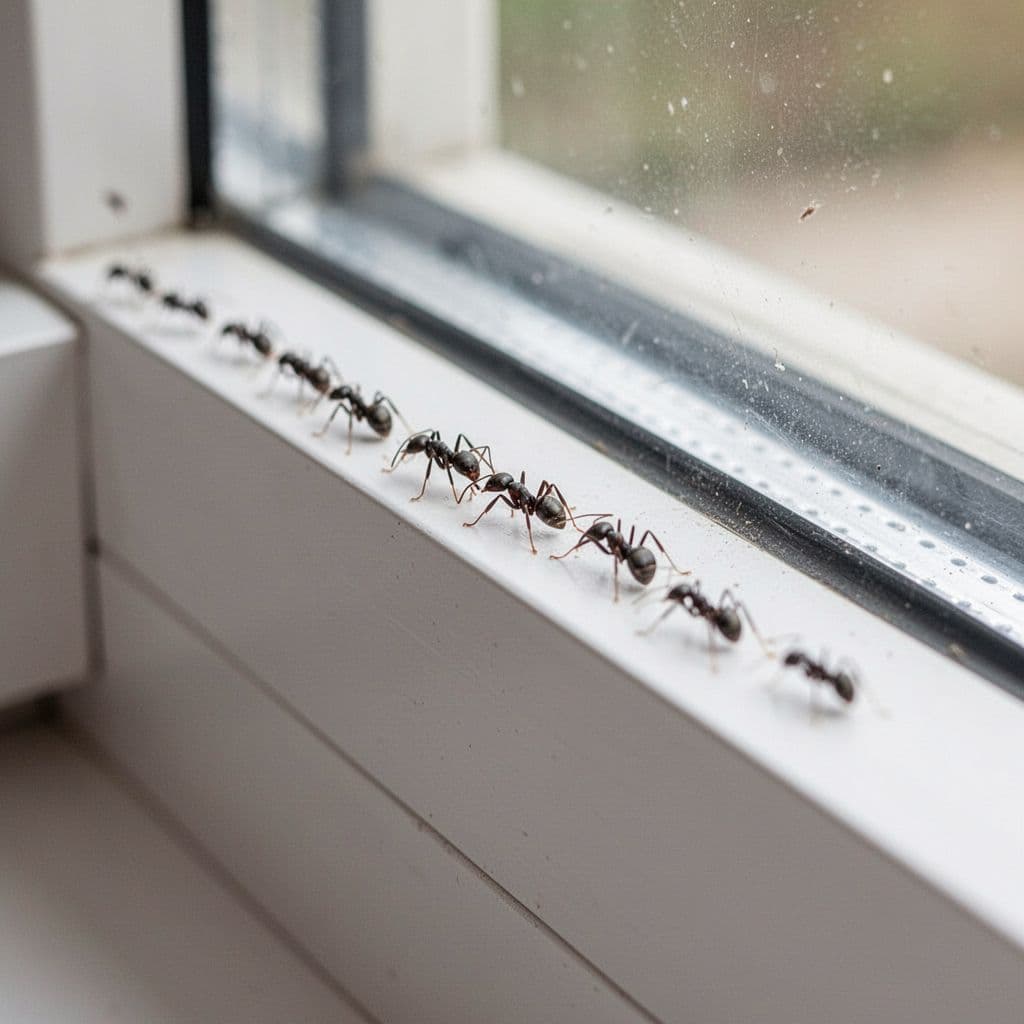
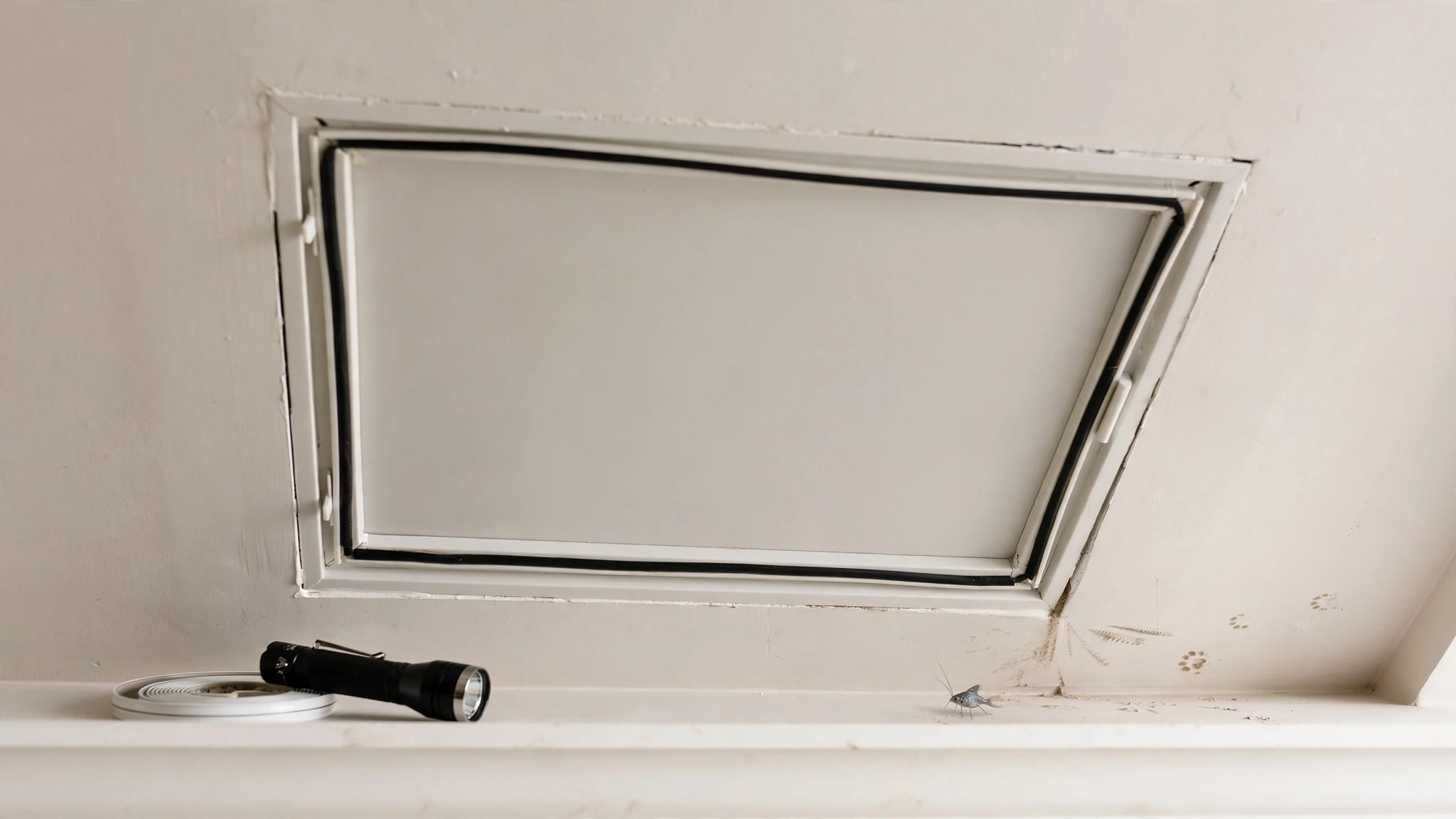
Window frames attract them for a different reason. Tiny gaps in caulk, worn weatherstripping, and screen edges make it easy to get inside. Windows also collect moisture from condensation and daily temperature shifts. That gives ants both access and water.
If the ants keep showing up in the same spot, the frame may be acting like a highway. They often move along trim, corners, and edges where the path is hidden from view.
How Fort Myers weather makes the problem worse
Fort Myers weather gives ants plenty of reasons to leave the yard. Heavy rain can flood nests, soak soil, and push insects toward dry shelter. Hot weather also drives homes to use more air conditioning, which can create cool surfaces and condensation near windows.
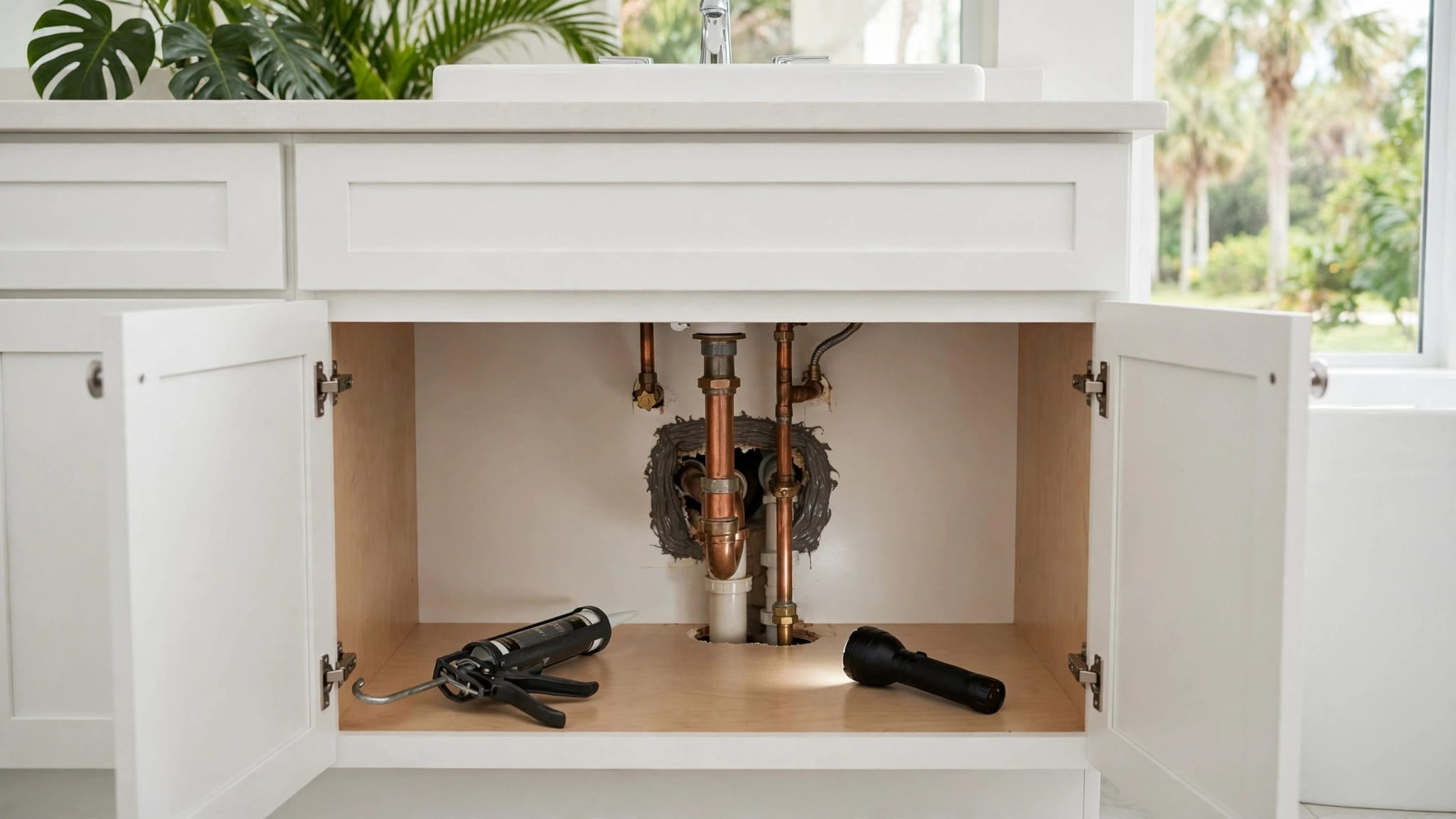
Humidity matters too. Damp areas around sinks, doors, and windows stay attractive for longer than many homeowners expect. A small leak under a cabinet or a bit of sweating around glass can be enough to keep ants coming back.
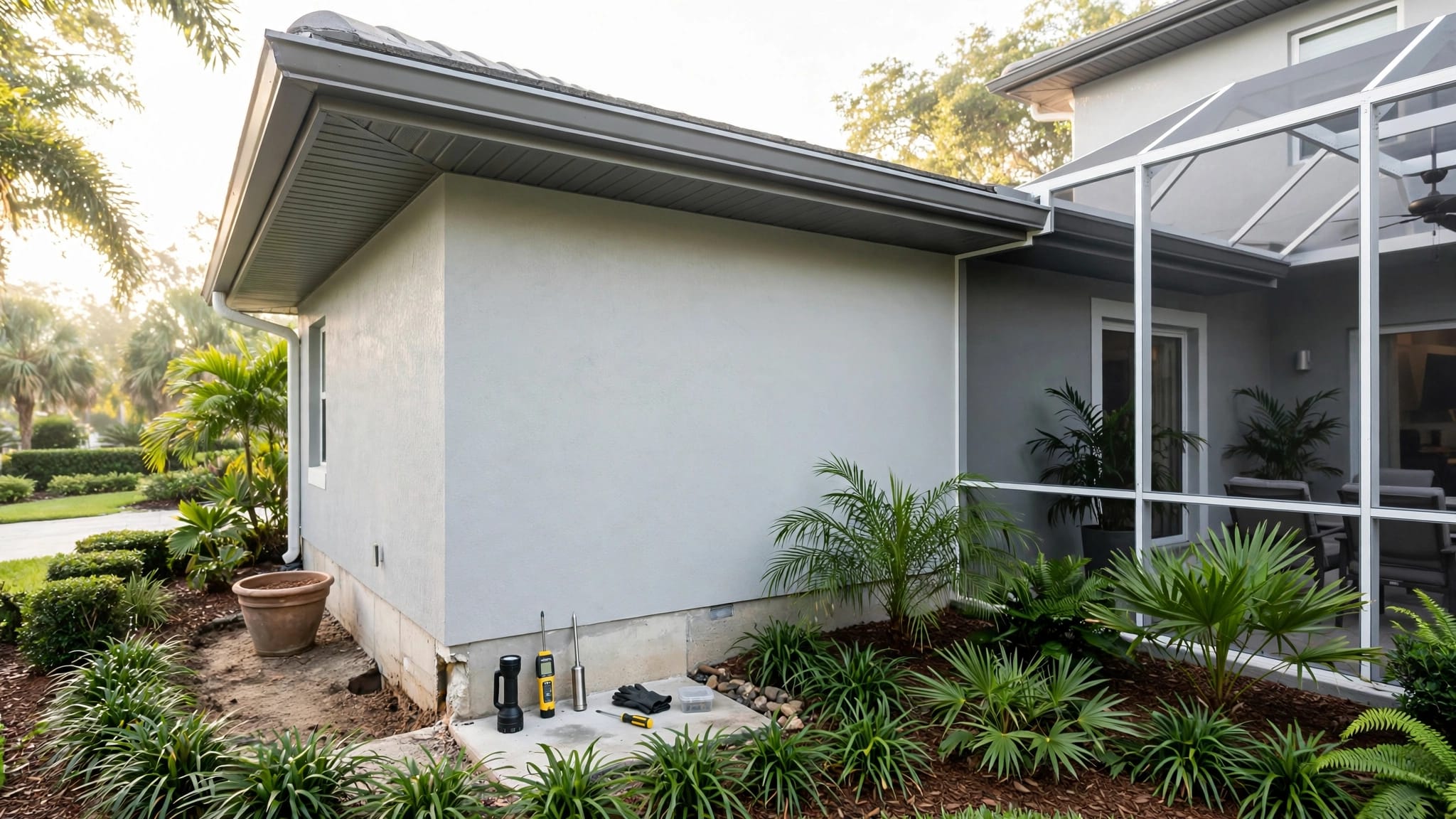
Landscaping can add another layer of trouble. Shrubs, palm fronds, mulch, and tree branches near the house create bridges. Ants use those bridges to reach walls, rooflines, and window frames without crossing open ground.
Mulch piled too high against the foundation keeps the soil damp. Irrigation that hits the house does the same. After a storm, even a neat yard can become a short path from the nest to the kitchen.
In Fort Myers, that means the issue is often indoors and outdoors at the same time. A clean counter helps, but it won't solve a wet bed of mulch or a branch brushing the roof.
What to inspect inside your kitchen and around windows
Start with the places ants use most often. A quick scan can show you where the problem begins and where the trail enters the home.
Look closely at these spots:
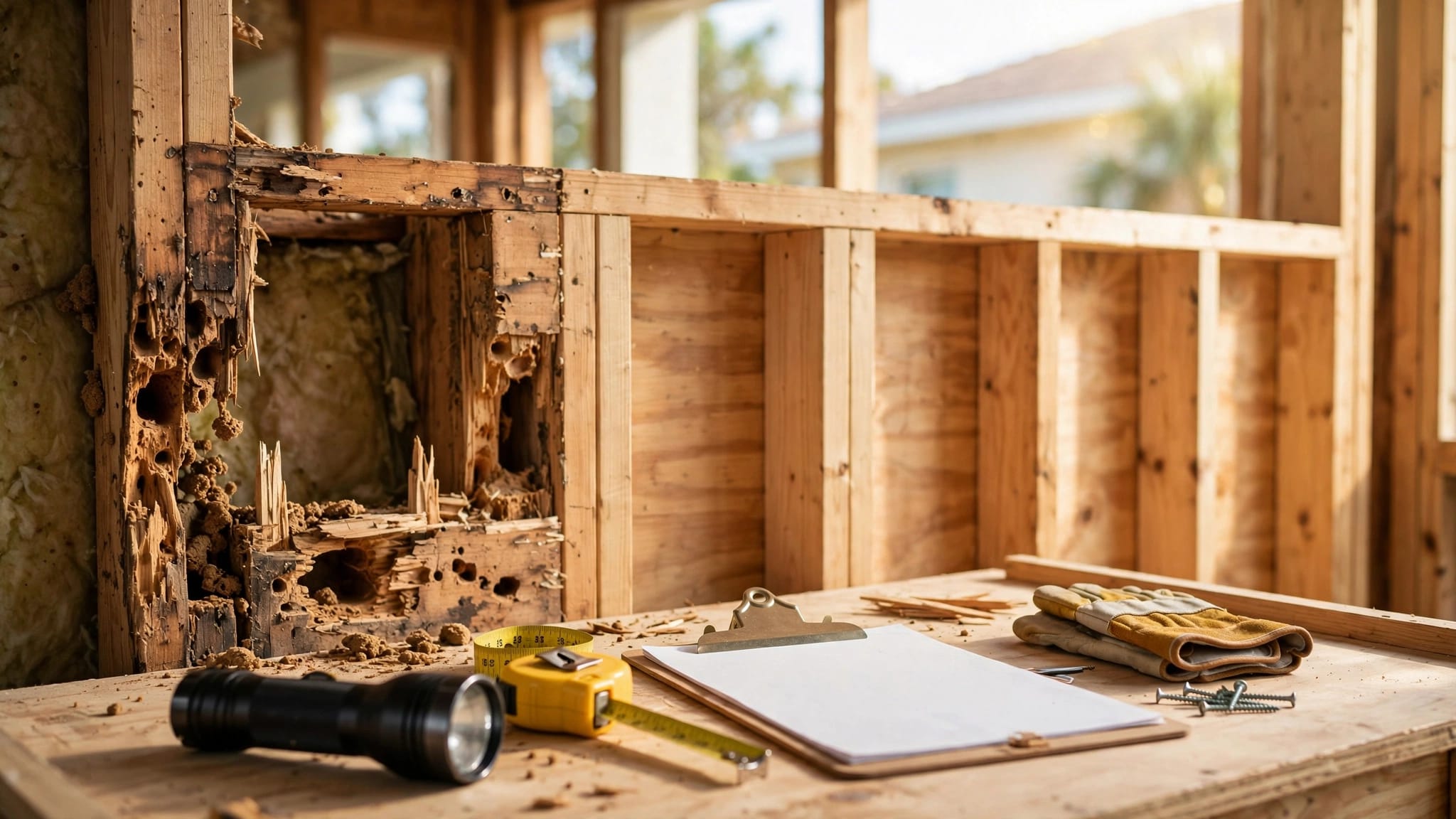
- Under the sink, around pipes, and near the dishwasher for slow leaks or damp wood.
- Behind appliances, especially the toaster, coffee maker, and refrigerator.
- Around pet bowls, trash cans, and recycling bins where crumbs or residue collect.
- Along window sills, lower corners, and the joints where caulk may have split.
- At screen edges, weatherstripping, and the outer trim around each window.
A small trail may appear harmless, but it often points to a bigger route. Wipe the area with soapy water, then check again later. If the ants return from the same place, you are likely seeing a scent trail, not a one-time visit.
The kitchen is also worth checking at night or early in the morning. Ant activity often becomes easier to spot when the house is quiet and lights are off. That is when you may notice the line between a crack and the nearest food source.
Prevention steps that cut off food, water, and access
Good prevention starts with the basics. Little black ants do not need much, so small habits matter.
First, seal the places they use to enter. Fresh caulk around window frames, baseboards, and utility openings can close off easy access. Replace worn weatherstripping when it starts to peel or gap. If you see cracked window caulking, fix it sooner rather than later.
Second, clean food residue right away. Crumbs under cutting boards, syrup on the counter, and sticky spots near appliances all feed a trail. Wipe counters, sweep floors, and clean under small appliances where sugar and grease often collect.
Third, reduce moisture. Fix leaks under sinks, dry wet spots fast, and check for condensation around windows. If a window frame stays damp, ants will notice. So will other pests.
A few habits make a real difference:
- Store dry food in sealed containers.
- Rinse dishes instead of letting food dry on them.
- Empty trash often and keep the lid closed.
- Wipe pet feeding areas each day.
- Trim shrubs, vines, and branches away from the home.
- Keep mulch back from the foundation.
If the same trail returns after cleaning, the ants are telling you the entry point is still open.
Outdoor maintenance matters just as much as indoor cleaning. Keep vegetation off the walls, and do not let lawn irrigation soak the siding or window frames. A small gap plus steady moisture is often enough to keep an infestation going.
When recurring ants point to a hidden nest
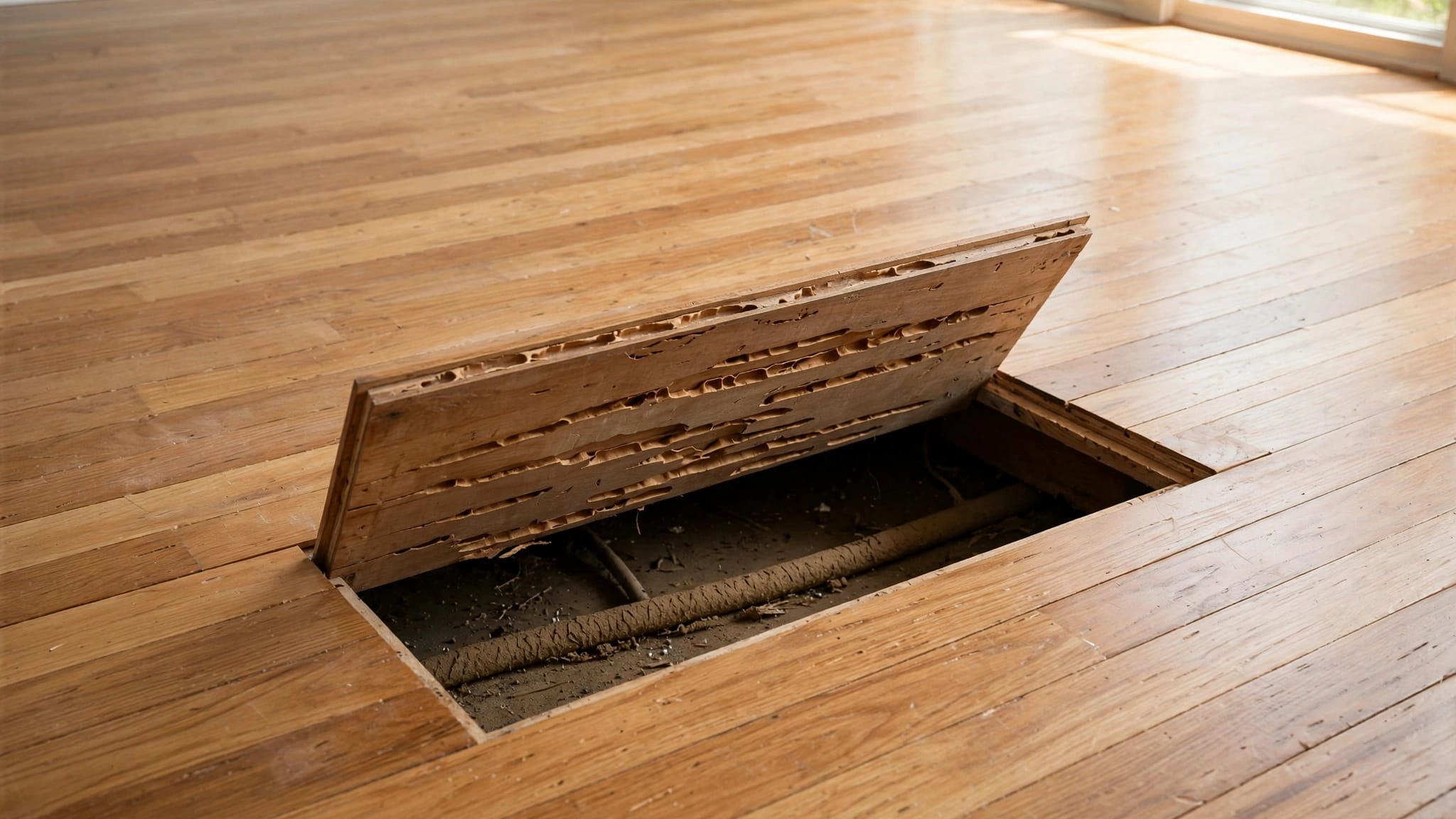
If the ants keep returning after you clean and seal, the source may be hidden. Nests can sit in wall voids, behind cabinets, under flooring, or outside near the foundation. In some cases, the trail you see in the kitchen is only one branch of a larger colony path.
Visible ants are only the workers. The nest itself can stay out of sight while the trail keeps growing. That is why the problem can seem to pause and then come right back after rain or yard work.
For homeowners who want a more complete inspection, professional pest removal for homes can help locate the source and treat the active entry points. A careful inspection matters because the nest is often easier to miss than the path.
Recurring activity in window frames is also a warning sign. If ants keep using the same frame after caulk repairs and cleanup, they may be nesting nearby or traveling from an exterior source that keeps feeding the trail.
The sooner that pattern is checked, the less likely it is to spread into other rooms. Kitchens, bathrooms, laundry rooms, and window lines often connect through the same hidden spaces.
Conclusion
Little black ants are usually a sign that your home offers food, water, or easy access . In Fort Myers, heat, humidity, and rain make those conditions more common than many homeowners expect.
The strongest defense is simple. Clean up crumbs and sugary residue, manage moisture, seal gaps, and keep vegetation away from the house. If the trails keep returning, the ants are probably coming from a hidden nesting site, and that usually calls for a closer professional look.
A small trail in the kitchen or a line along the window frame can tell you a lot. The faster you act on it, the easier it is to keep the whole home clear.
Schedule a Free Inspection: