Kissing Bugs in Southwest Florida: Porch Lights, Dog Beds, and Pet Safety
Kissing bugs can hide in plain sight, especially around porch lights and pet beds. In Southwest Florida, that makes them easy to miss until you find one on a wall, under a lanai chair, or near a dog bed.
For homeowners sorting through kissing bugs Florida concerns, the hardest part is identification. Many harmless bugs look similar, and the right response depends on what you actually found. The good news is that a few simple checks can tell you a lot.
Start with the body shape, color, and where the bug showed up.
How to spot a kissing bug, and what it gets mistaken for
Kissing bugs are triatomine insects. They have an elongated body, a narrow head that points forward, and a cone-like snout for feeding. Many are brown or dark with lighter edges, and some show orange or red markings.
They are not the same as shield-shaped stink bugs, and they do not have the round, flattened look most people picture when they think of garden pests. They also tend to hide in cracks, wall gaps, and sheltered outdoor spaces during the day.
A quick comparison helps when you are staring at a bug on a porch wall at 10 p.m.
| Bug | What you notice | Why people confuse it |
|---|---|---|
| Kissing bug | Long, narrow head, slim body, often brown with light edge markings | It shows up near lights and can look like other brown insects |
| Stink bug | Broad, shield-shaped body | Color and size can seem similar at a glance |
| Leaf-footed bug | Long legs, leaf-like back legs on some species | It is also common around homes and gardens |
| Assassin bug | Slender body, strong mouthpart, some species look close to triatomines | It can share the same general shape, but details differ |
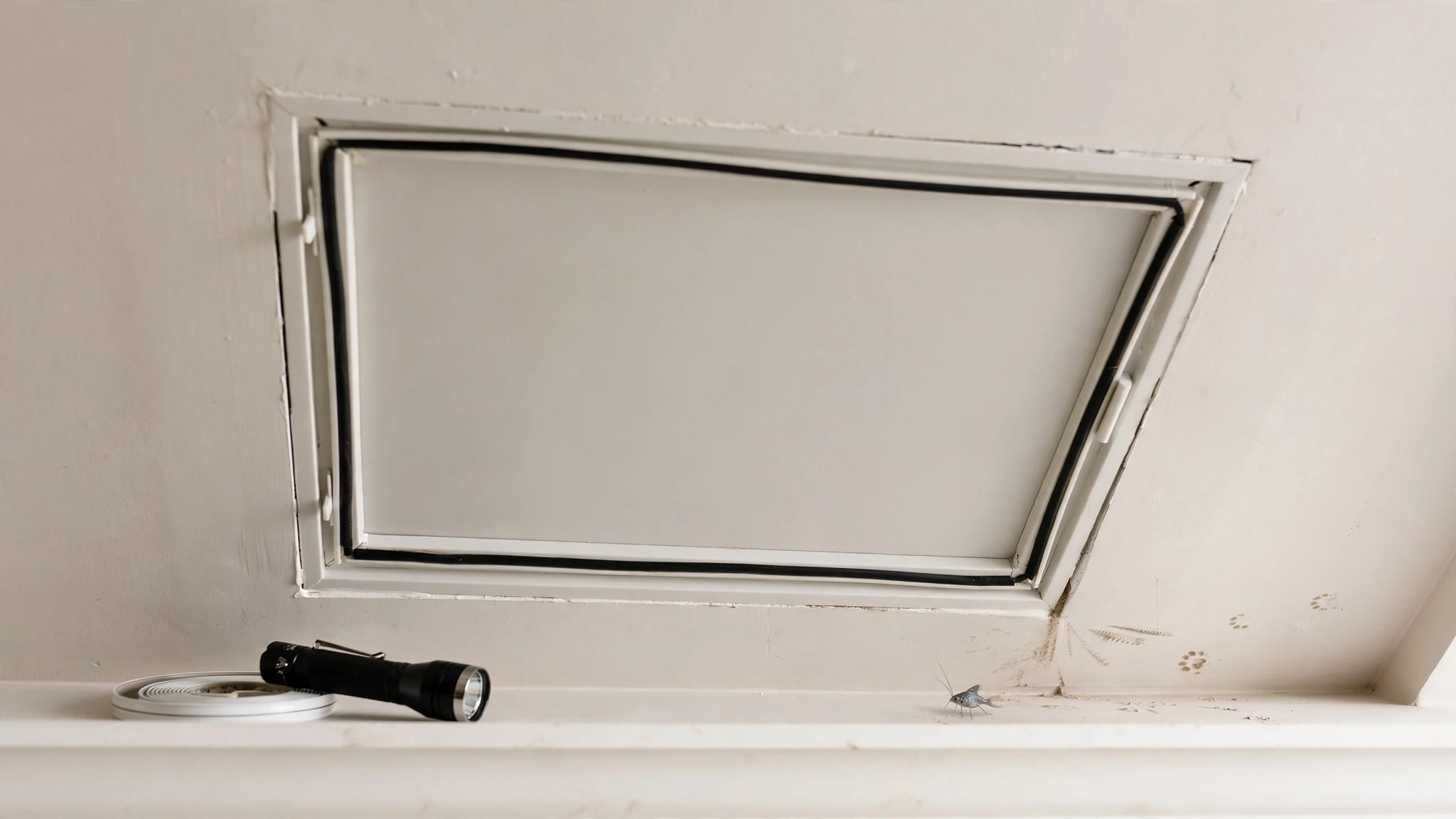
If the insect has a long, narrow head and you found it near a crack, pet bed, or porch light, treat it as suspicious until you get an ID. Don't crush it with bare fingers. Use a cup, tape, or a sealed jar instead, and take a clear photo.
A blurry bug photo is still useful if it shows the body shape and where you found it.
Porch lights can turn a quiet patio into a bug check point
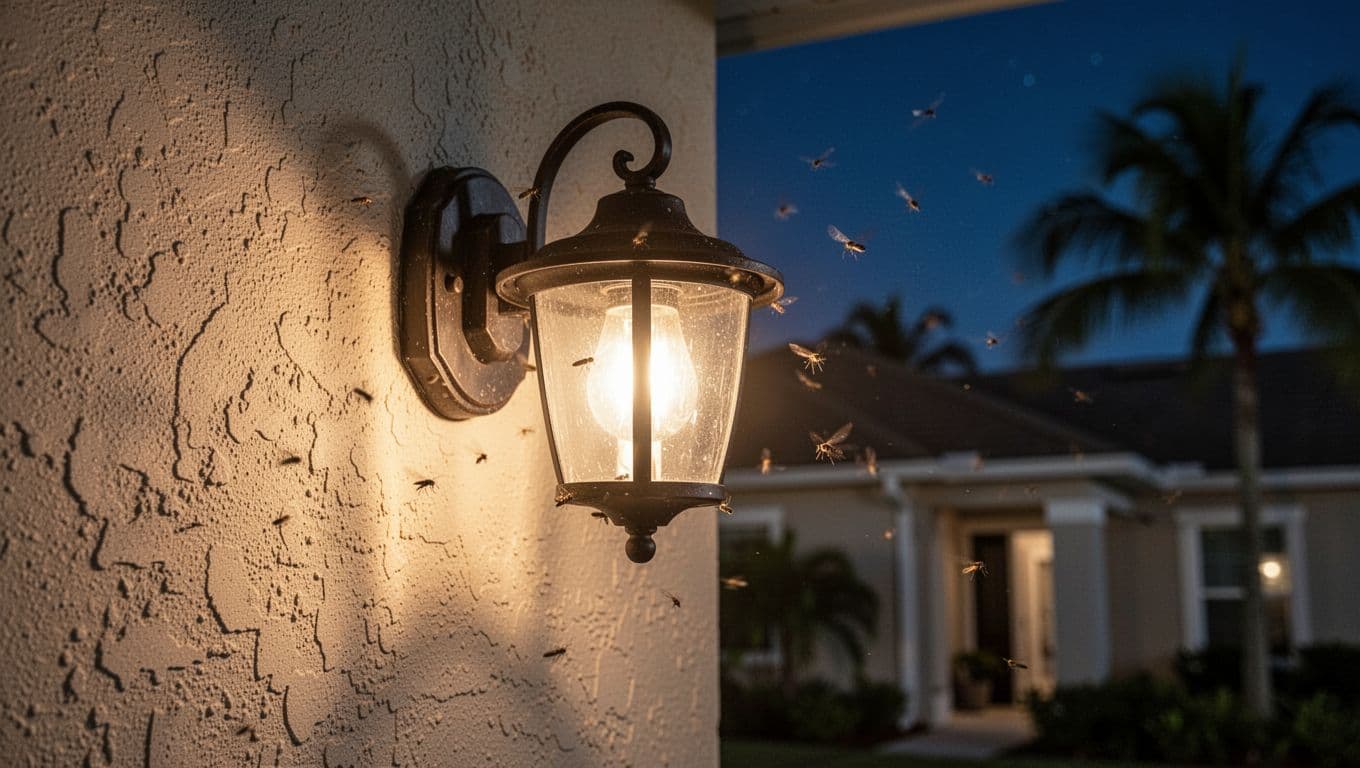
Porch lights do not cause kissing bugs, but they can make it easier to notice insects near the house. In Southwest Florida, bright white bulbs, lanterns, and late-night exterior lighting can keep walls and screens busy with movement.
Kissing bugs usually move along edges. They use wall seams, screen corners, soffits, door frames, and gaps under thresholds. A lit porch gives you a better chance to spot them, but it also shows how many places a bug can hide nearby.
Small changes can help. Swap to warm amber bulbs where practical. Use motion lighting instead of all-night fixtures. Clean spider webs and insect buildup around lights, because clutter near a fixture gives bugs more cover. Tight screens and good door sweeps matter more than a brighter bulb.
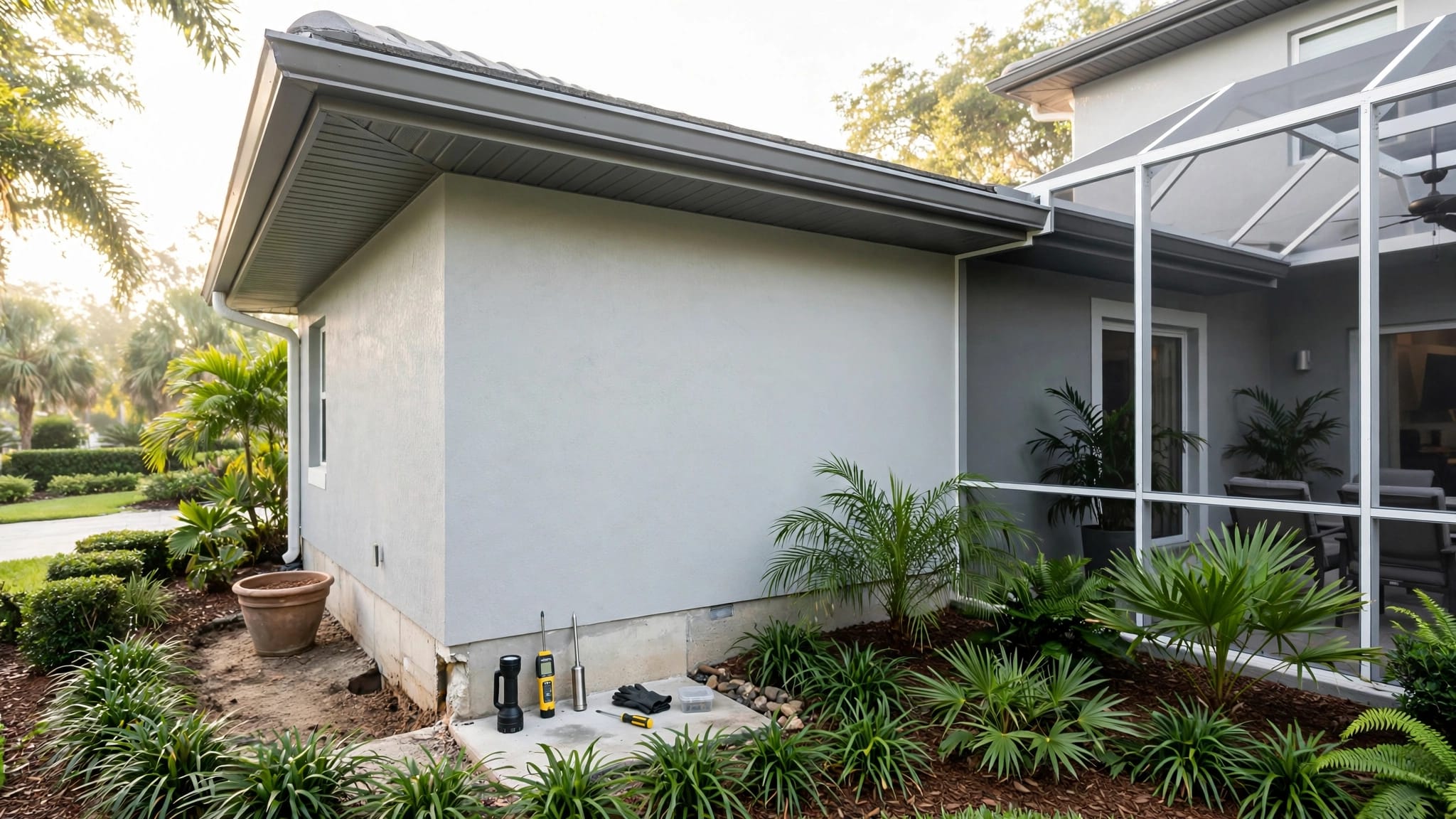
Porches, lanais, and pool cages deserve the same attention. In Cape Coral, Fort Myers, and nearby coastal areas, those spaces often have tiny openings that are easy to miss. If the same bug keeps showing up near one light, a residential pest control in Cape Coral inspection can help trace the entry point.
Why dog beds, kennels, and pet corners need a close look
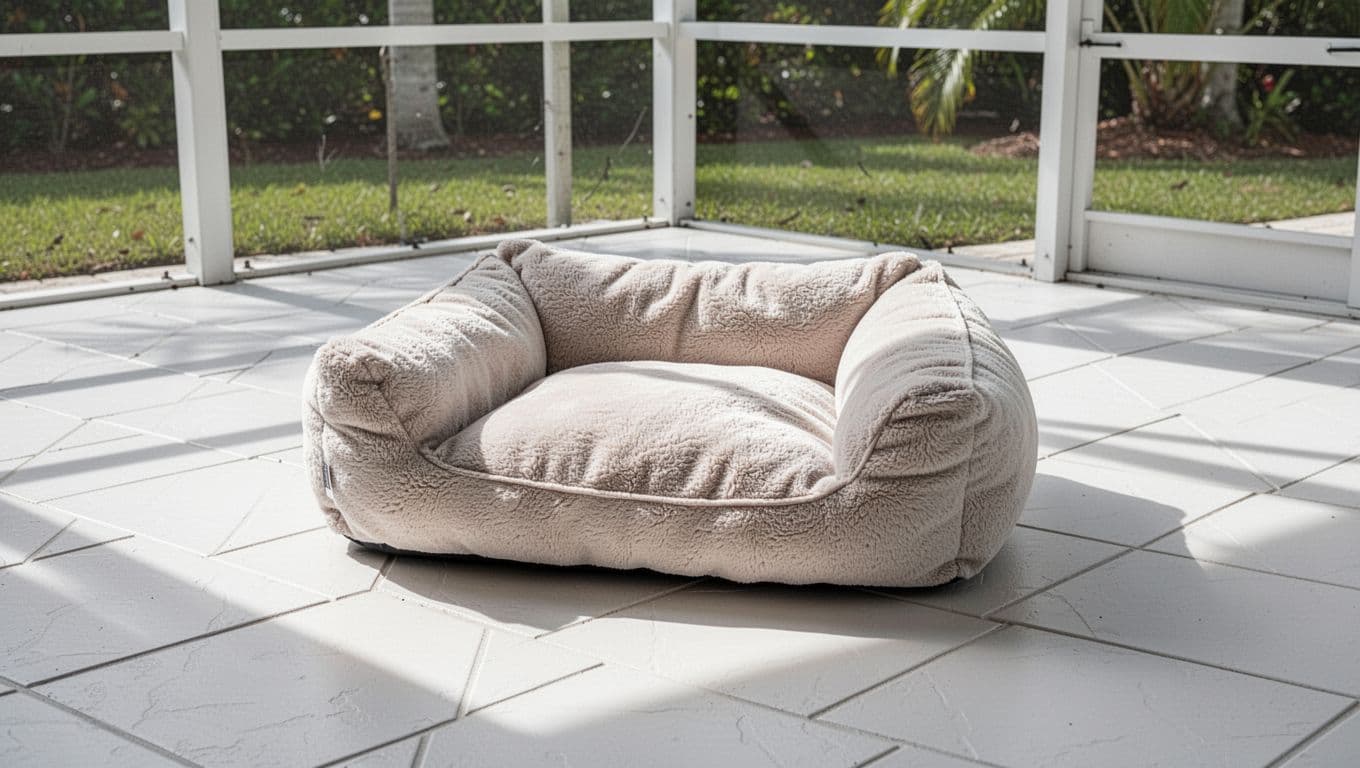
Dog beds give kissing bugs a soft place to hide, especially when the bed sits near a wall, lanai door, or cluttered corner. In screened patios and outdoor kennels, seams, folds, and stitched edges can trap insects where a quick glance won't catch them.
Check under the bed, along zippers, inside cushion seams, and beneath nearby furniture. Shake bedding outside, vacuum the area slowly, and wash covers on the hottest safe setting. Move the bed away from baseboards or crate corners if you can, because a few inches of open space makes inspection easier.
Outdoor pet zones need the same routine. Sweep under raised beds, rinse food spills, and keep toys from piling up in one spot. If you use a kennel, inspect the frame and the shaded ground under it. Cracks in patio floors, loose screen edges, and stacked items nearby all give pests a place to rest.
Rodent control matters too. Rodents can leave behind nesting spots and food sources that attract other pests. If pet food, trash, or clutter sits out overnight, the whole area becomes more attractive than it should be.
What to do if your dog may have been bitten
Most insect encounters end without serious trouble, but a dog bite near the face deserves attention. Watch for swelling around the muzzle or eyes, hives, scratching, drooling, vomiting, weakness, or trouble breathing. A dog that seems off after night-time exposure should be checked.
Wash the spot with mild soap and water if the skin is exposed. Save the bug in a sealed container or zip bag for identification, and keep your hands away from it. Call your vet if the dog has swelling, breathing issues, or a sudden change in behavior.
Chagas disease is one reason kissing bugs matter, but confirmed local transmission in Florida is uncommon. The bigger concern is a bite reaction, the chance of infection, and making sure the insect is identified correctly. If the dog looks normal, keep watching for the next 24 hours and note what you saw.
If your dog sleeps outdoors or on a lanai bed, move the bedding inside until you've checked the area. That simple step can keep the same bug from turning up again.
Simple prevention that works in Southwest Florida
The best prevention is boring, and that is a good thing. Keep porch lights from drawing extra attention, seal entry points, and make pet spaces easy to inspect. In Southwest Florida, that approach works well because many homes have screened outdoor areas, lanais, and sheltered corners that pests can use.
A few habits make the biggest difference:
- Use warm bulbs, motion lights, or fewer fixtures near doors and lanais.
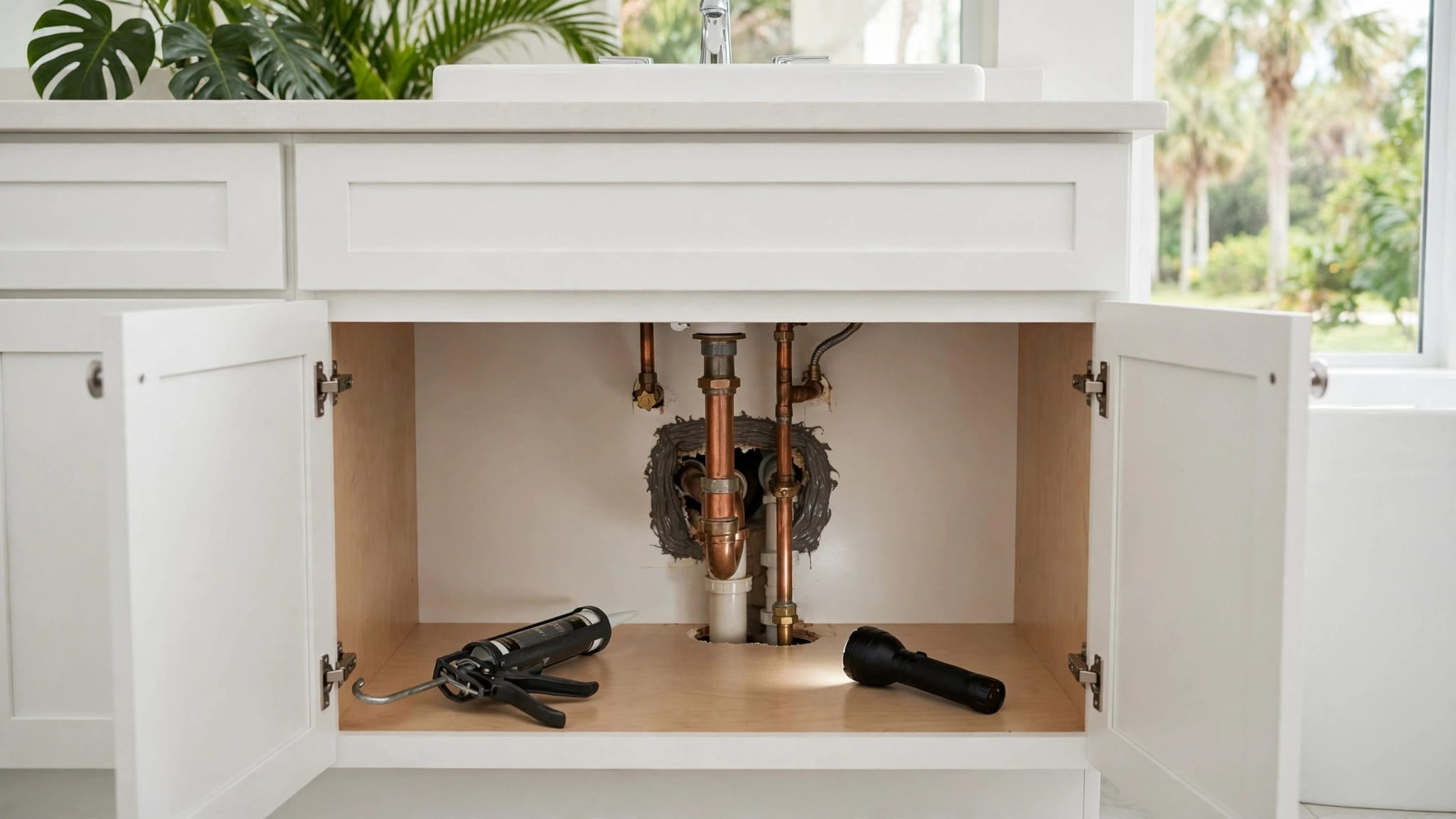
- Seal gaps around screens, soffits, pipes, and thresholds.
- Keep outdoor seating, dog beds, and kennel areas uncluttered.
- Wash pet bedding often and inspect seams after it dries.
- Reduce rodent access by storing food, closing trash, and trimming plants that touch the house.
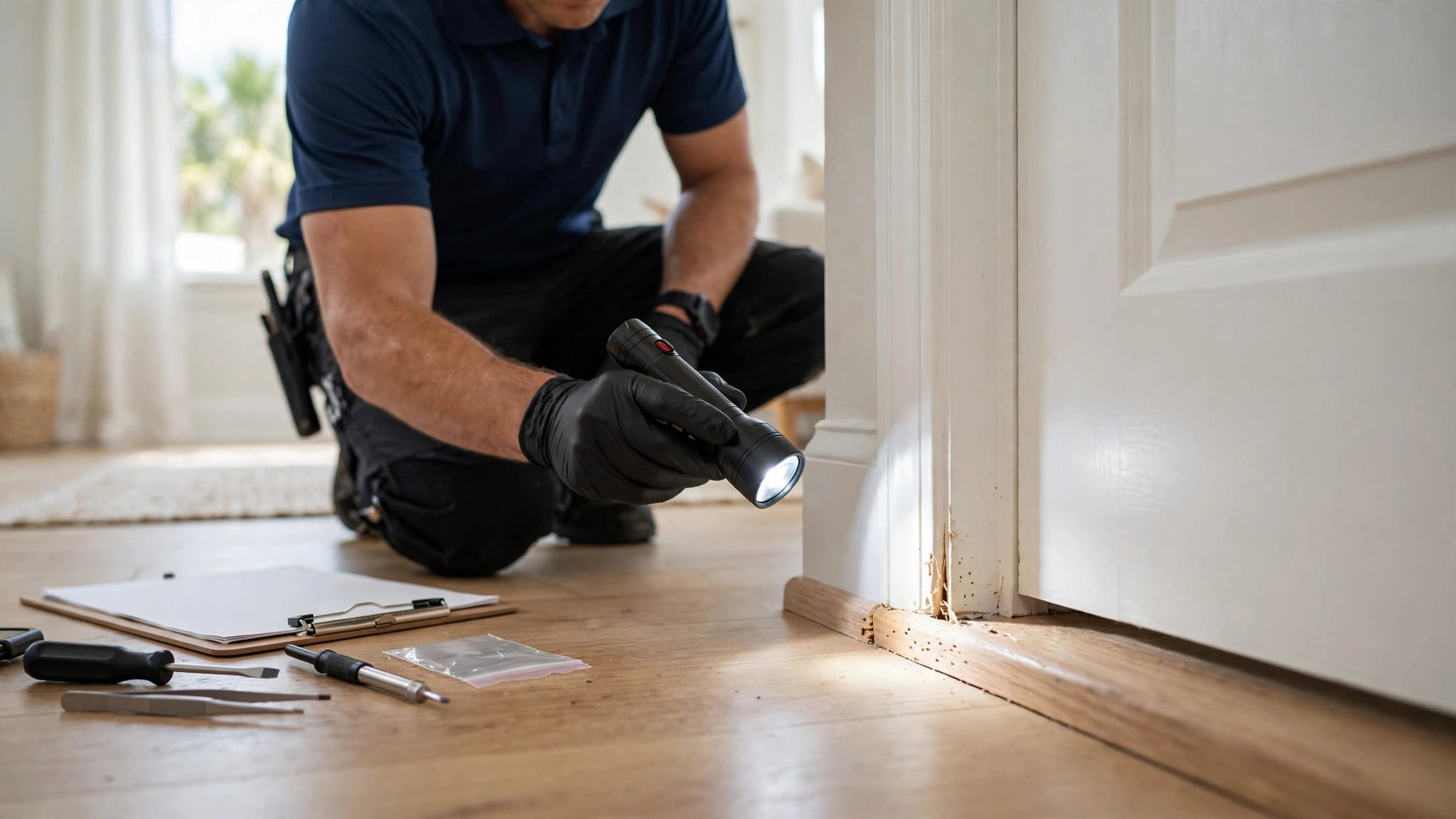
If you keep finding the same bug after cleaning and sealing, professional pest control services can help trace the source and treat the areas where pests enter and rest. A careful inspection beats guessing, especially when porch lights, pet beds, and wall gaps all seem to play a part.
Conclusion
Porch lights and dog beds are two of the first places homeowners notice kissing bugs in Southwest Florida. That is no accident. Those spots give insects light, shelter, and easy access to pets.
Good identification comes first, then cleanup and exclusion. Watch screens, thresholds, bedding seams, and shaded corners, and don't ignore a bug that keeps returning.
If your dog seems unwell after contact, or the same insects keep showing up, act fast. A calm inspection now is easier than chasing a bigger problem later.
Schedule a Free Inspection: