House Crickets in Fort Myers Garages and Laundry Rooms
If you're hearing light chirps in a Fort Myers garage after dark, you're probably not imagining things. House crickets often settle into warm, damp corners where people don't look twice.
Garages and laundry rooms give them shelter, moisture, and clutter. In Southwest Florida, long humid stretches and frequent rain make those spaces even more attractive.
The good news is that you can usually push them out with a few focused changes. Start with the signs, then work backward to the entry points.
Why Fort Myers garages and laundry rooms draw crickets
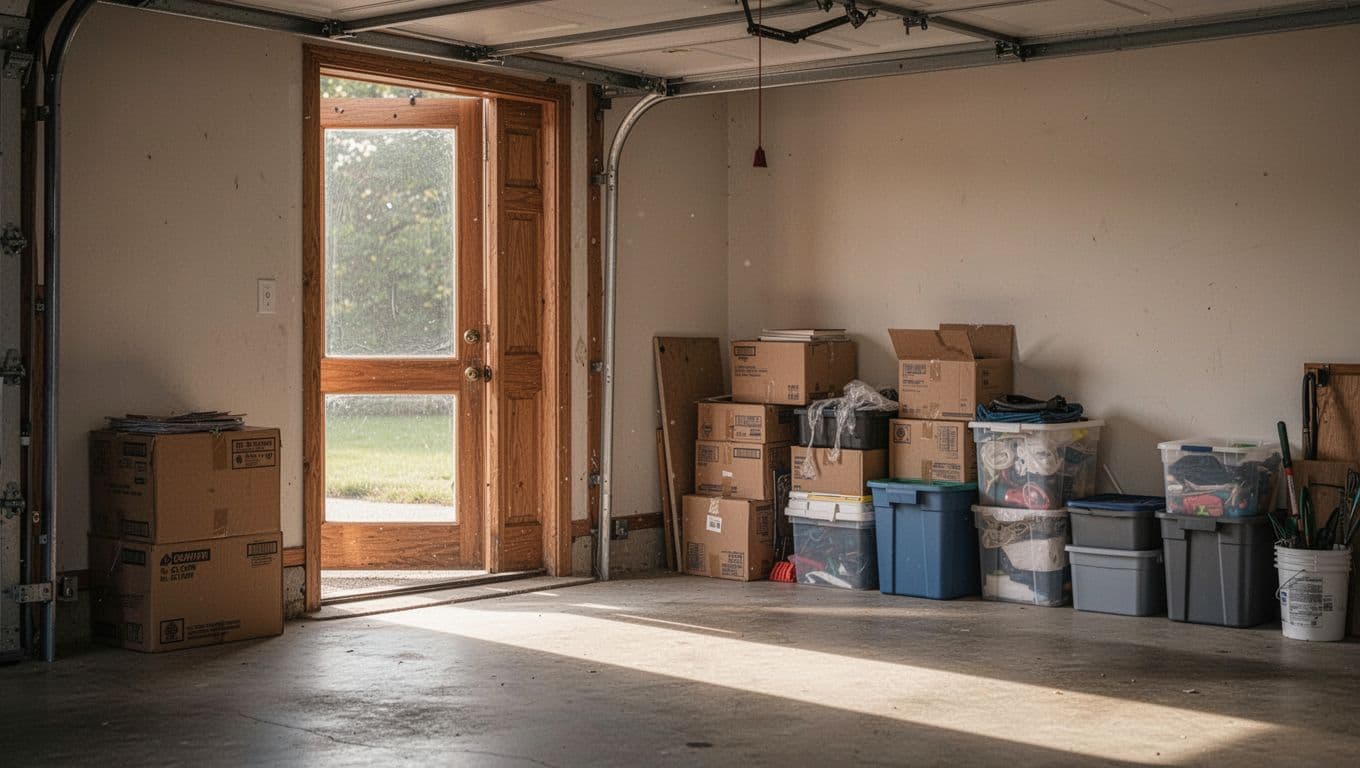
Garages and laundry rooms check a lot of boxes for crickets. They stay warmer than outdoor air, they hold moisture, and they often stay undisturbed for long stretches.
That matters because crickets do not need much. A box of holiday decorations, a damp towel on the floor, or a thin gap under the garage door can give them cover.
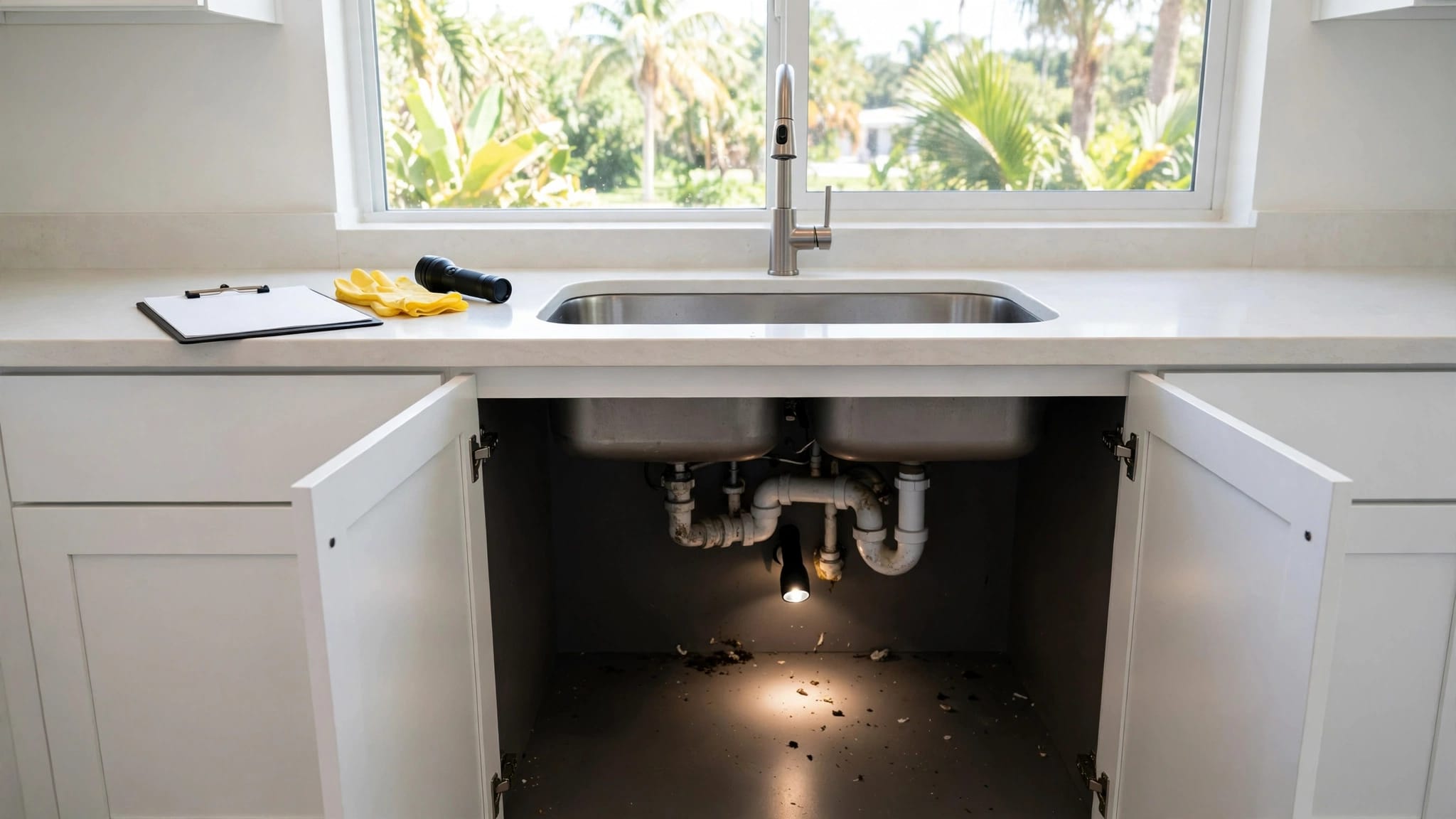
Laundry rooms add a few more draws. Washer hoses can leak. Dryer vents can leave lint behind. Water heaters, utility sinks, and floor drains can all raise humidity.
Here is a quick look at the most common attractants.
| Feature | Why it draws crickets | What to check |
|---|---|---|
| Damp floors or leaks | Crickets need moisture to survive | Washer hose, utility sink, water heater, AC drain |
| Cardboard and stored clutter | Gives them dark hiding spots | Boxes, paper bags, holiday bins |
| Door gaps and wall cracks | Easy way indoors | Garage door sweep, baseboards, pipe openings |
| Exterior lighting | Brings in other insects they feed on | Porch lights, garage lights, laundry room windows |
The pattern is simple. Where there is water, cover, and food nearby, crickets settle in. That is why a clean-looking room can still hold a cricket problem if the air stays damp.
How to tell house crickets from similar jumping insects
A quick jump does not always mean the insect is a house cricket. Field crickets and camel crickets can look similar at a glance, especially when they move fast.
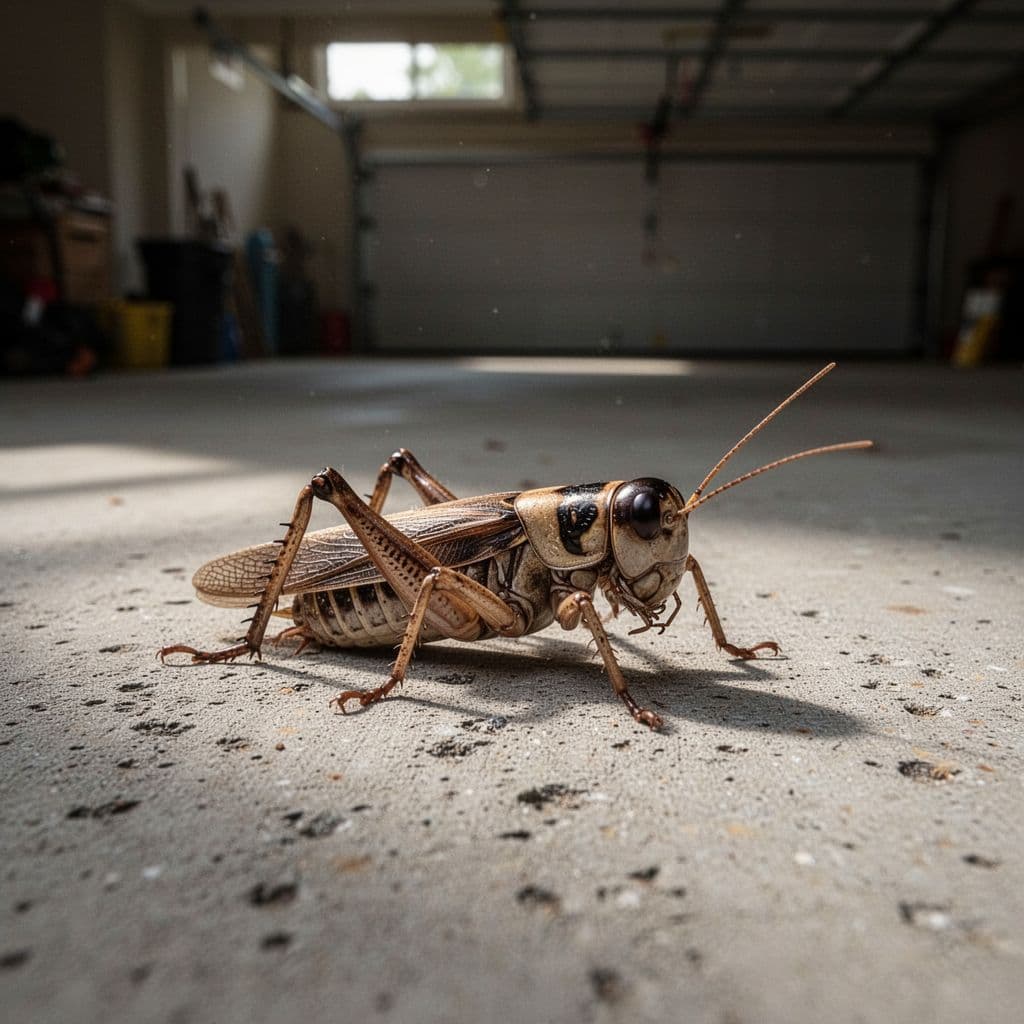
House crickets are usually light brown or tan. They have long antennae and a slimmer body than many people expect. Field crickets are often darker and live closer to doors, mulch, and outdoor edges. Camel crickets have a humpbacked shape and usually stay quiet, which makes them stand out less in a dark garage.
The table below can help, but it is not a perfect test. Lighting, age, and wear can change how each insect looks.
| Insect | Usual look | Sound | Common clue |
|---|---|---|---|
| House cricket | Tan or light brown, long antennae | Regular chirping at night | Often found indoors near warm, damp spots |
| Field cricket | Darker, thicker body | Louder outdoor chirp | Common near garage doors and outside walls |
| Camel cricket | Humpbacked, spider-like shape | Usually silent | Found in damp corners and storage areas |
Chirping is often the first clue, but it is not the whole story. Tiny droppings, chewed paper, and hidden moisture usually tell you more.
If you are unsure, that is normal. A fast-moving cricket in a dim room can fool even a careful homeowner. The real goal is not a perfect ID, it is finding where the insects are getting in and why they stay.
Signs that house crickets are already inside
The most obvious sign is sound. A single cricket can chirp at night and still be hard to spot, especially if the garage is quiet.
That sound often gets louder after the sun goes down. Crickets are more active in the dark, so the chirping may stop when you turn on the light and walk in.
Tiny droppings are another clue. They look like dark grains of pepper or coffee grounds. You may find them along baseboards, under storage shelves, near pet food, or beside the washer.
Damage can show up too, although it is usually mild at first. Crickets may chew on paper, cardboard, clothing labels, or soft fabrics. They also leave behind a mess in stored bins and paper bags.
Look for these common signs:
- Chirping from a garage corner, storage shelf, or laundry nook
- Small black droppings near boxes or baseboards
- Chewed cardboard, paper, or fabric
- Crickets that scatter when you open a door at night
- Repeated sightings in the same damp spot
If you also notice spiders, it can mean the area is supporting more than one pest. Crickets attract predators, so one bug problem can hint at another.
Prevention steps that work in Southwest Florida
Moisture control is the first step. If a laundry room or garage feels damp, crickets will keep treating it like a shelter.
Start with the easy fixes. Dry up standing water. Repair leaks. Clean lint from the laundry area. Run a dehumidifier if the space stays sticky after rain.
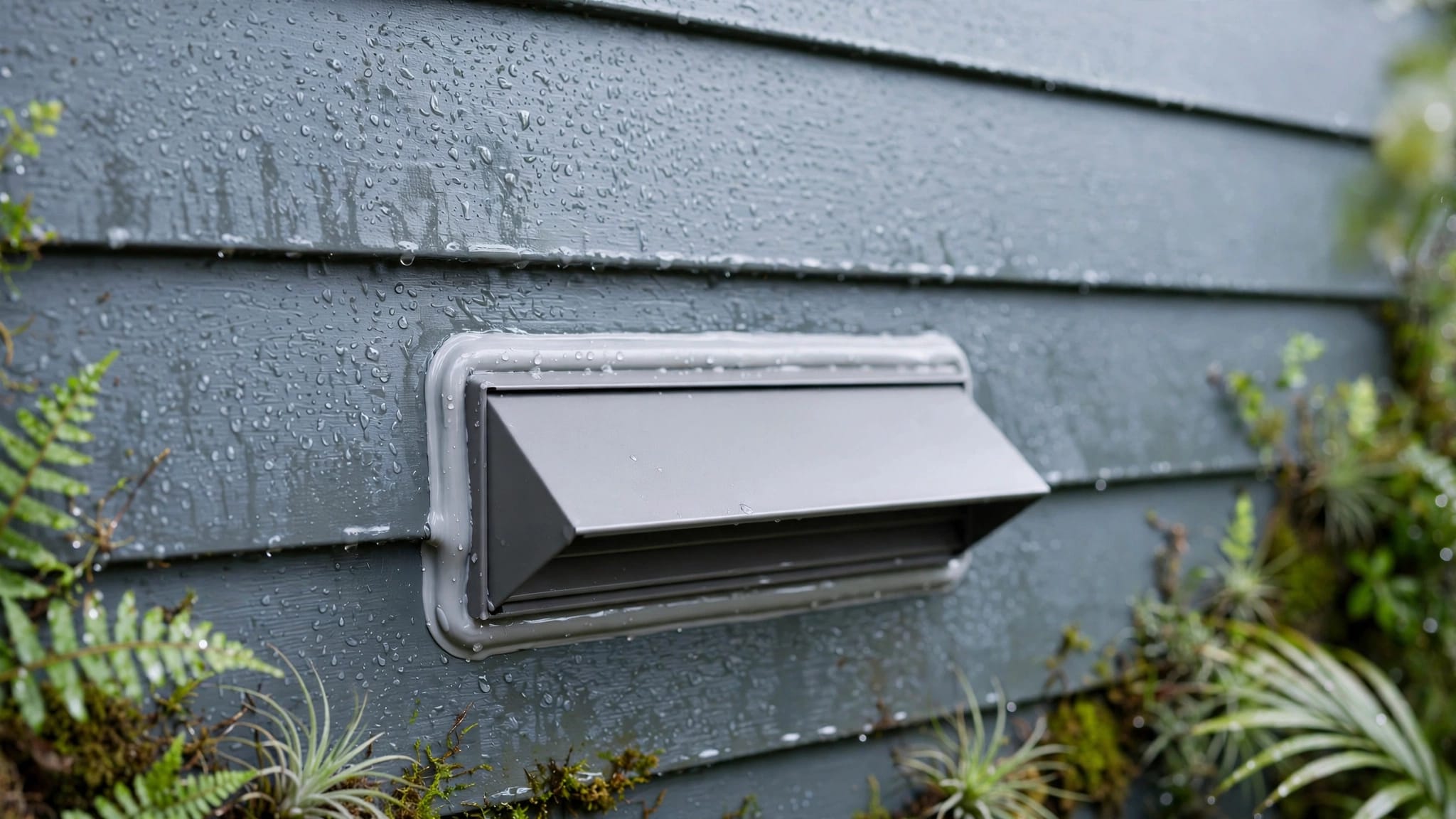
Then seal the access points. A tight garage door sweep helps a lot. So do weatherstripped doors, sealed pipe openings, and caulked cracks along the baseboards. In Fort Myers homes, even small gaps can let insects slip in.
Storage habits matter too. Cardboard breaks down fast in humidity, and it gives crickets a place to hide. Plastic bins with tight lids work better. Keep boxes off the floor when you can, and leave space between the wall and stored items.
This is where clutter becomes a pest problem. Stacked bins, old shoes, and folded tarps create dark pockets that crickets love. The more open the floor stays, the easier it is to spot activity early.
Exterior lighting deserves attention as well. Bright white lights near doors and garage entries can pull in moths, beetles, and other insects. That gives crickets food nearby. Motion lights or warmer bulbs are often a better fit for entry areas.
A few simple habits go a long way:
- Keep the garage door closed when you are not using it
- Vacuum lint and debris in the laundry room
- Move pet food into sealed containers
- Fix drip pans, hose leaks, and slow plumbing leaks
- Trim back plants and mulch piles near garage doors
The goal is not to make the space sterile. It is to remove the damp, dim corners that let crickets settle in.
When DIY control stops working
DIY steps can help when the problem is small and fresh. If you hear one cricket now and then, sealing gaps and reducing moisture may be enough.
The picture changes when the chirping keeps coming back. Recurring activity usually means there is an outdoor source, a hidden entry point, or a moisture issue you have not found yet.
That is when a fuller inspection matters. A service visit from professional pest control services can help sort out whether the crickets are living near the home, entering through the garage, or hiding in utility areas.
If you are seeing insects in more than one room, or you keep finding them after cleaning and sealing, the problem is likely bigger than a few strays. A targeted plan from expert house pest control services can help stop the cycle before it spreads further.
DIY control also has limits in Southwest Florida because weather keeps changing the conditions. Heavy rain, warm nights, and humid air can undo a quick fix. A short-term drop in chirping does not always mean the source is gone.
Conclusion
House crickets in Fort Myers garages and laundry rooms usually point to the same mix of issues: moisture, clutter, and easy entry. Once those spaces stay warm and damp, crickets treat them like a resting spot.
If you focus on sealing gaps, drying out the room, and cutting back storage clutter, you can often reduce activity fast. When the chirping keeps returning, a deeper inspection is the smarter move. A dry, sealed, low-clutter garage or laundry room gives crickets far fewer reasons to stay.
Schedule a Free Inspection: