Citronella Ants in Cape Coral Bathrooms and Window Tracks
A few tiny ants in a bathroom can point to a bigger moisture problem. In Cape Coral, citronella ants often show up where water lingers, like window tracks, tub edges, and damp wall gaps.
That pattern catches people off guard because the ants seem to appear out of nowhere. They usually don't. Hidden moisture, a small opening, or a nearby nest can turn one damp corner into a repeat stop.
The good news is that this kind of activity usually leaves clues. Once you know what to look for, you can narrow the cause and decide whether it's a cleanup job, a sealing job, or a hidden colony.
Why bathrooms and window tracks draw them in
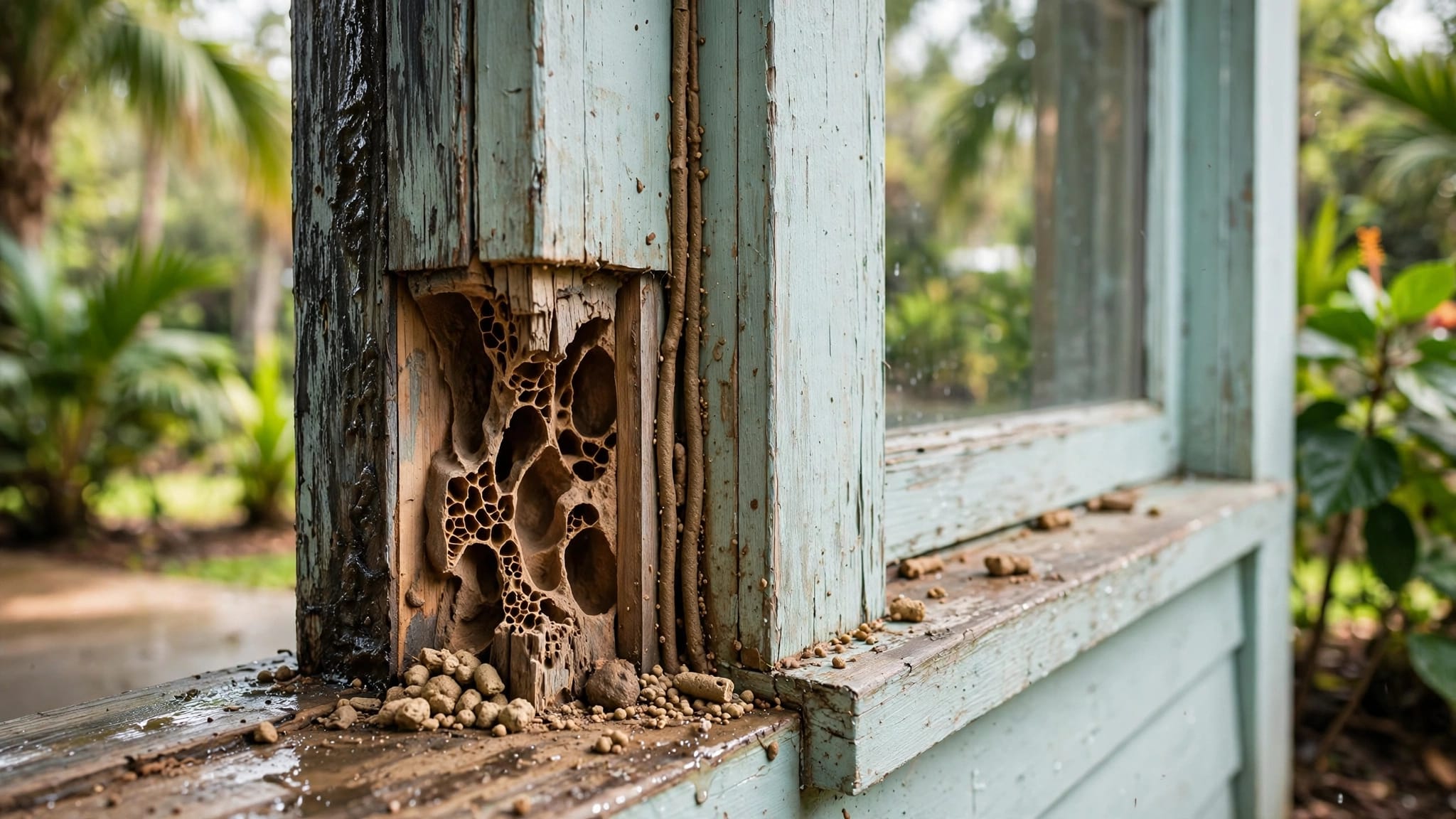
Bathrooms give ants three things they like: moisture, shelter, and tiny entry points. Window tracks add a fourth, trapped debris that holds water after rain, showers, or a quick wipe-down that never fully dries.
In Cape Coral homes, humidity makes those spots stay damp longer. Caulk cracks, loose trim, and worn window seals can also open a path from the outside to the inside. That's why a few ants on a track can be more than a nuisance. They may be following a hidden route.
If you're sorting through different ant types, a guide to common ants in Cape Coral can help you compare the basics before you treat the wrong pest.
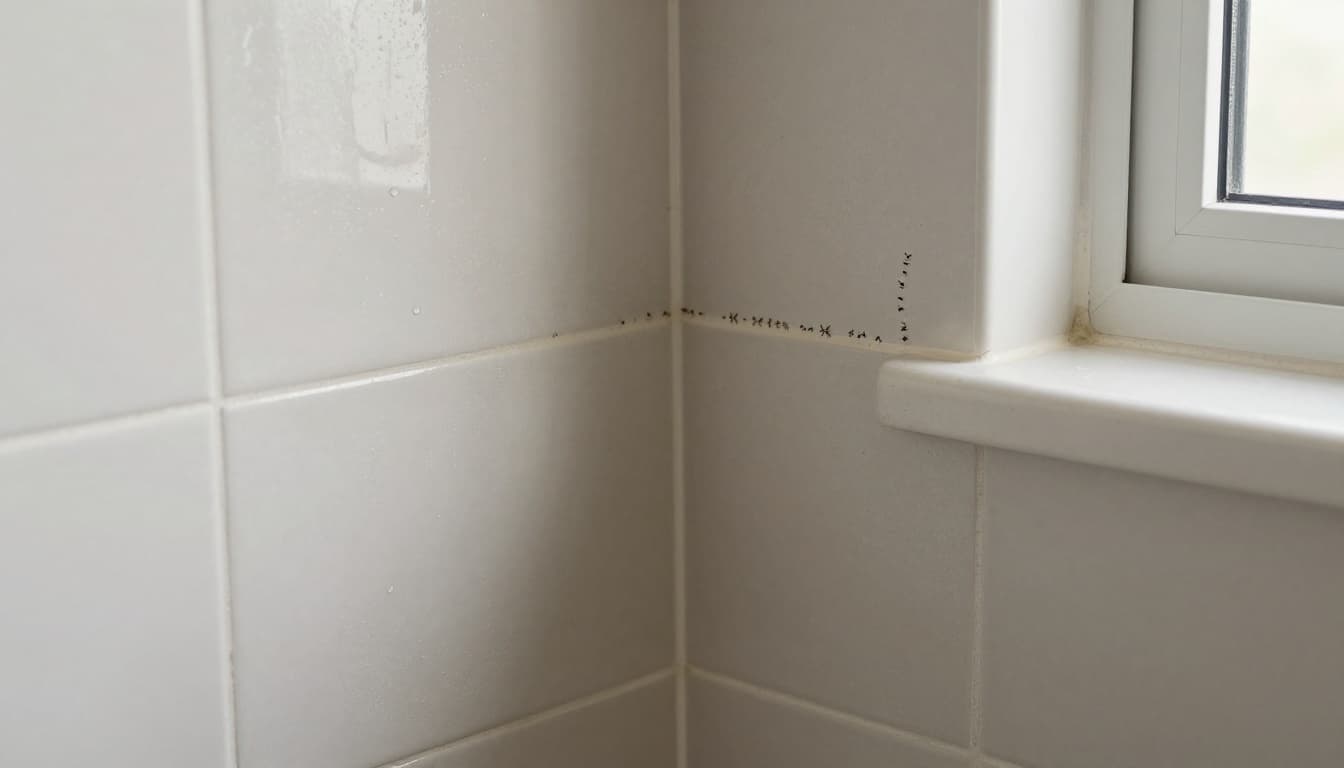
Citronella ants are also tied to moist soil near foundations. That means the indoor sighting may start outside and move in through a gap around the slab, plumbing line, or window frame. The bathroom becomes the last stop, not the first one.
The University of Wisconsin's citronella ant guide explains that these ants are linked to damp nesting sites and can give off a citronella-like odor when crushed. That smell is a clue, but it's not the whole story.
How to tell them from termite swarmers without guessing
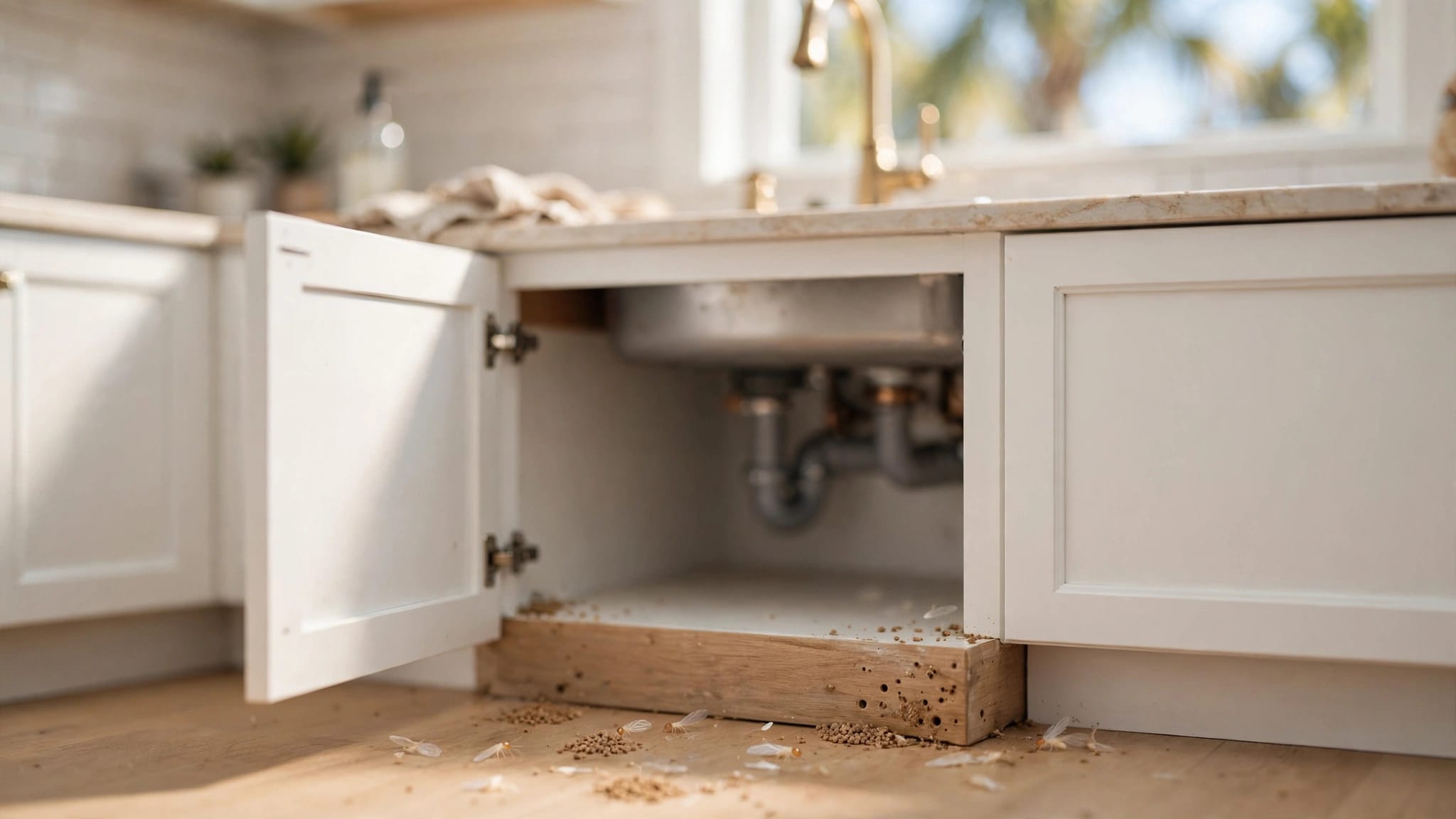
Cape Coral homeowners often confuse citronella ant swarmers with termites because both can show up near windows. That confusion is understandable, especially when the insects are winged and moving fast.
A close look helps, but it still may not give you a final answer. These clues are useful for sorting one from the other:
| Feature | Citronella ants | Termite swarmers |
|---|---|---|
| Waist | Narrow and pinched | Thicker and more even |
| Antennae | Bent | Straight |
| Wings | Front wings are usually longer | Wings tend to look the same length |
| Smell when crushed | May smell lemony or citronella-like | No citronella smell |
The table gives you a starting point, not a lab result. Damaged wings, poor light, and fast movement can blur the picture.
The smell is a clue, not a diagnosis. If the insects keep returning, the source matters more than the label.
Another difference is behavior. Citronella ant activity often stays close to damp areas, while termite swarmers are more tied to mating flights and exit points. If you see winged insects near a window at the same time each year, that pattern deserves a closer look.
What hidden nests and slab edges mean in Cape Coral
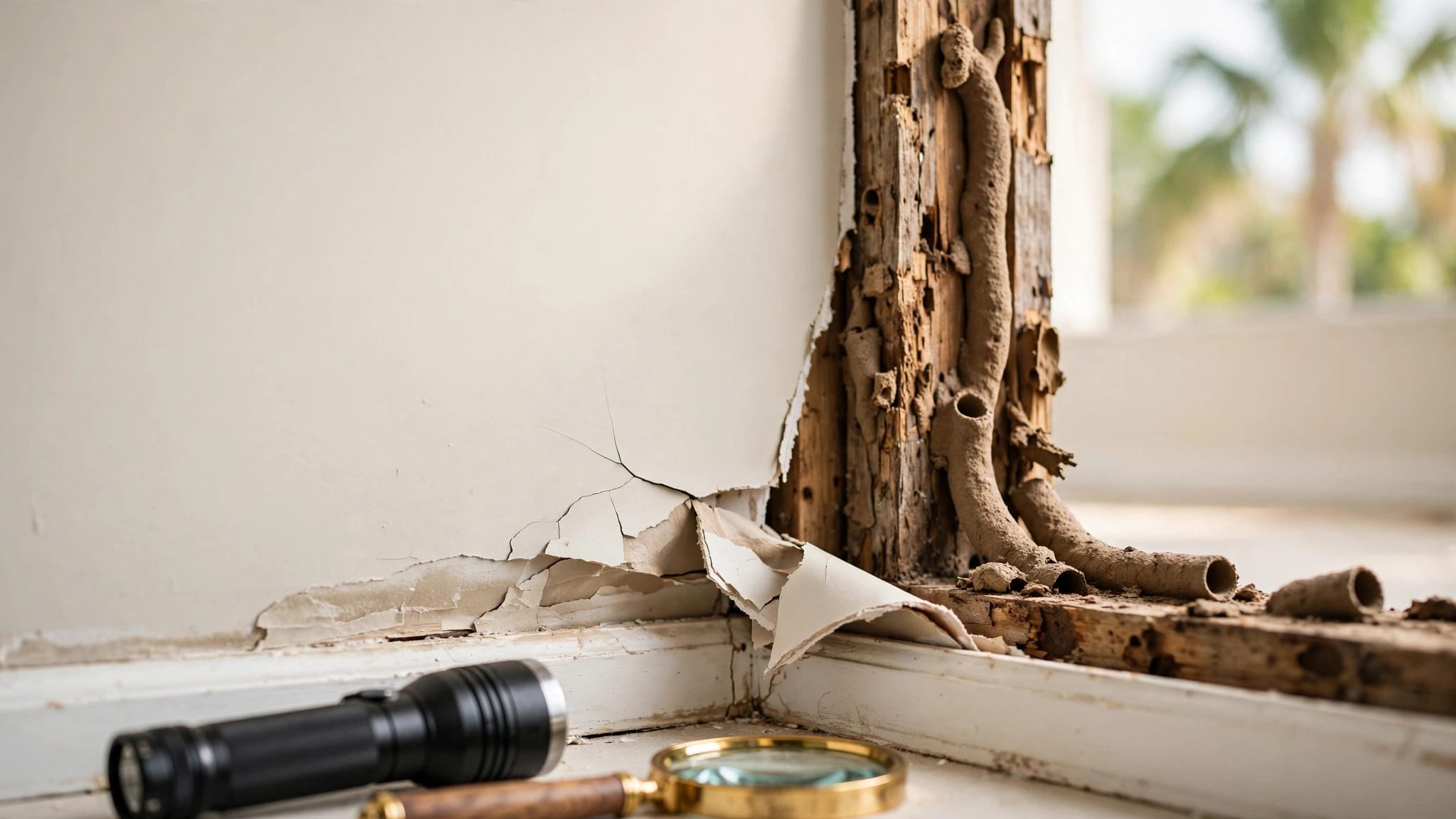
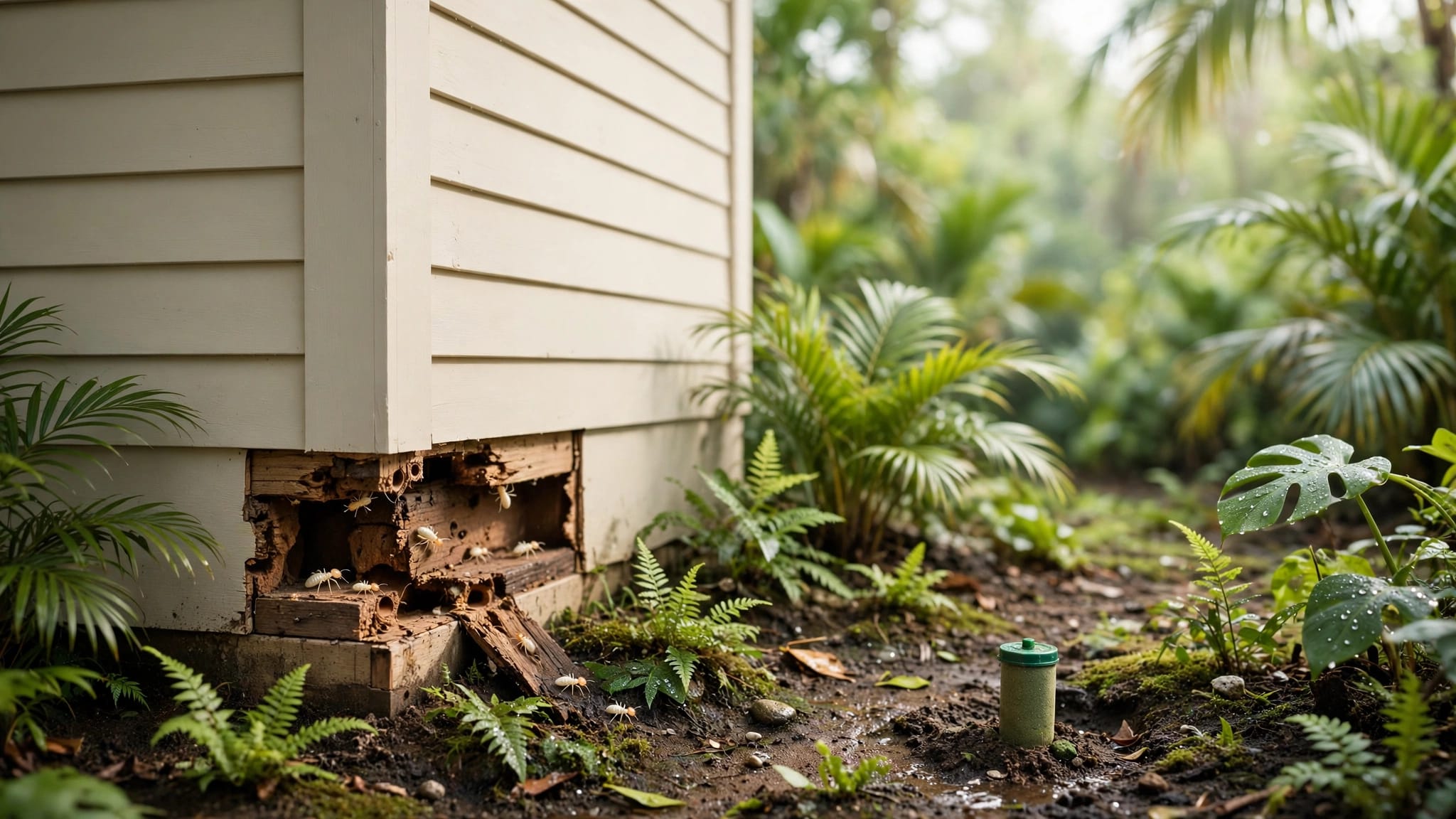
Recurring bathroom ants often point to a nest you can't see yet. In this area, that may mean damp soil beside the slab, mulch pressed against the house, or a moisture pocket under a tub wall or window line.
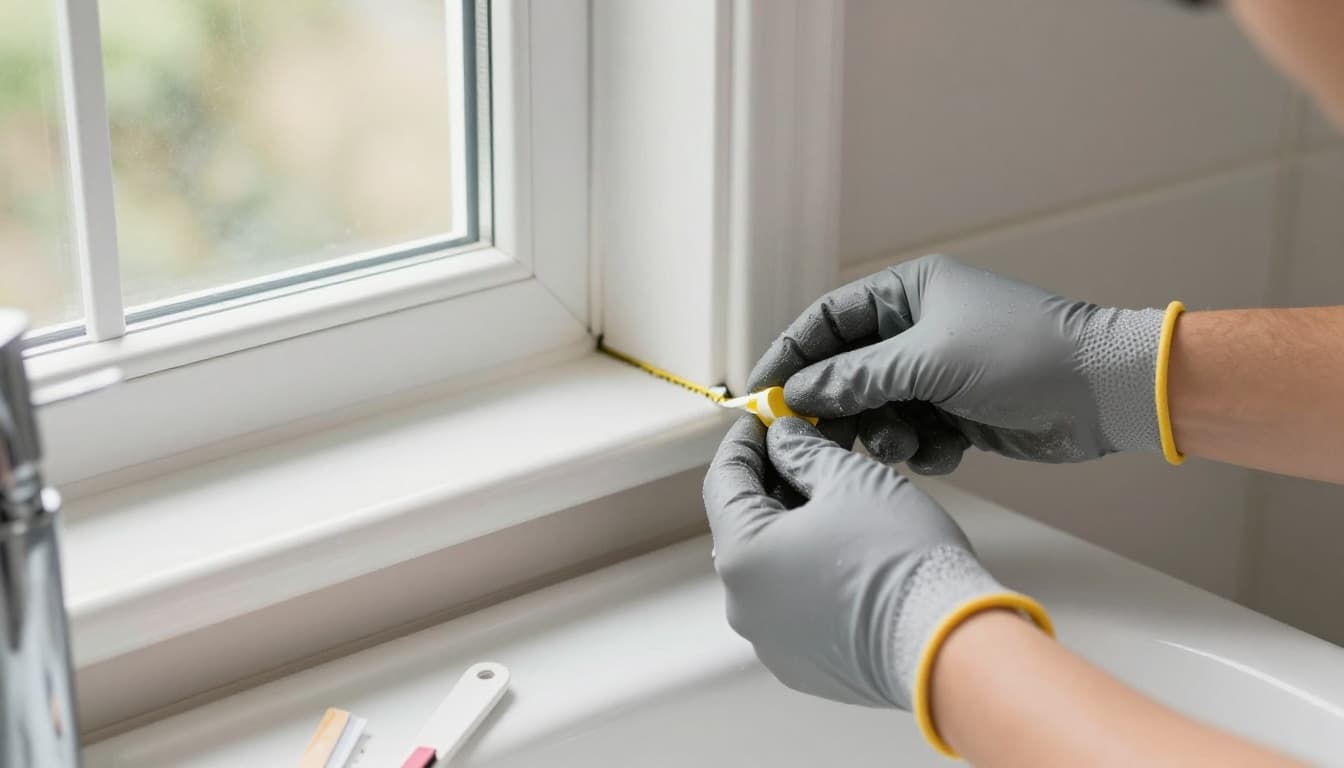
The location matters because ants don't need a dramatic opening. A thin crack, a loose seal, or a wet void can be enough. Once they find that spot, they may keep using it until the moisture changes or the colony is disturbed.
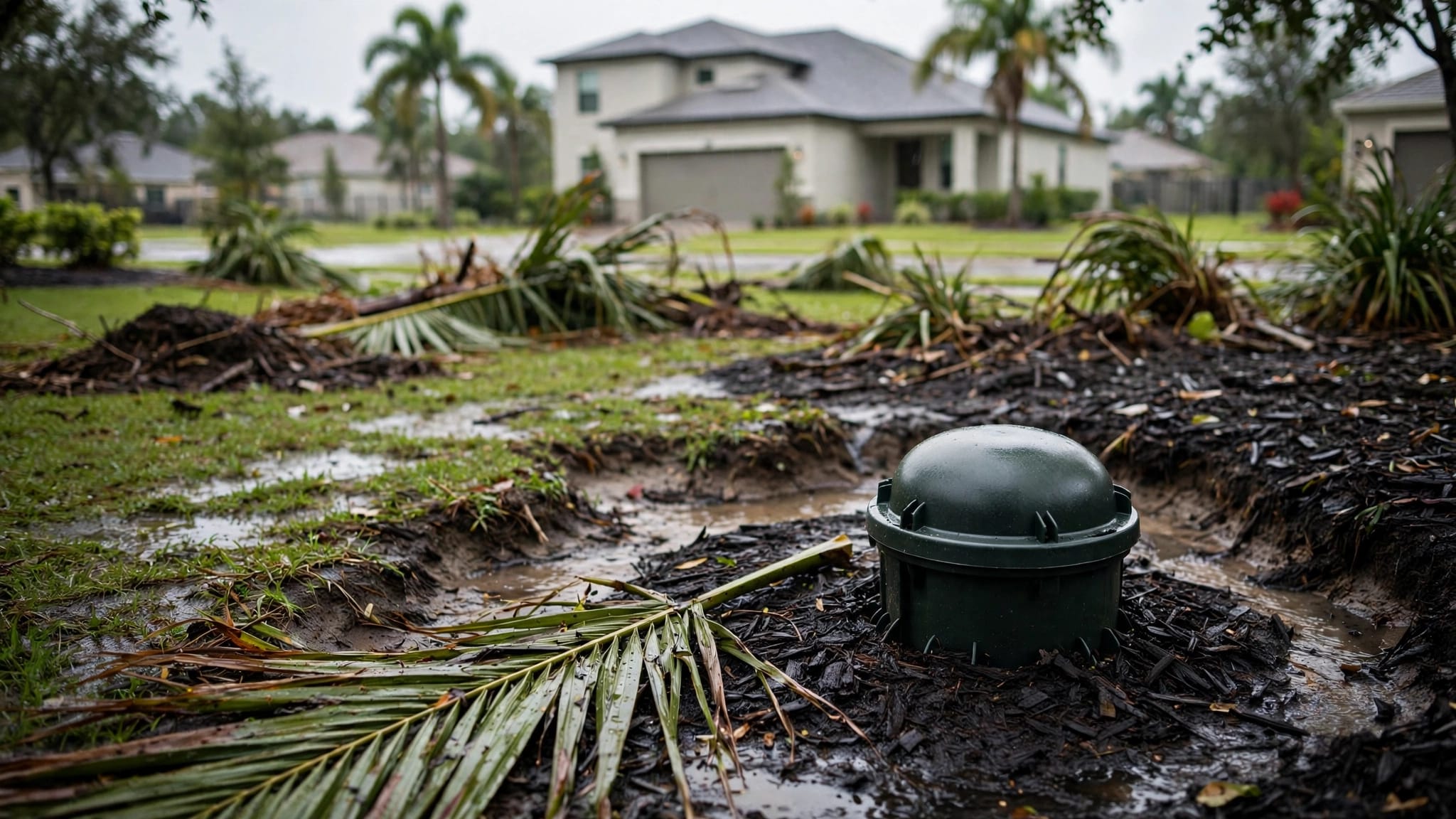
Landscape conditions can feed the problem too. Dense mulch, irrigation that hits the foundation, and soil packed against the slab all keep the edge of the home damp. That's one reason a bathroom sighting can start outside long before you notice anything indoors.
The issue is often easier to understand if you think in terms of moisture first and insects second. If the home keeps giving them a wet place to nest or travel, they'll keep coming back. For a simple outside perspective, moisture-linked ant advice from Ask Extension points back to the same pattern, long-term wet spots create repeat ant pressure.
Prevention that works around bathrooms and windows
The best fixes are plain and boring, which is good news. You don't need a dozen products. You need fewer damp spots, tighter seals, and cleaner tracks.
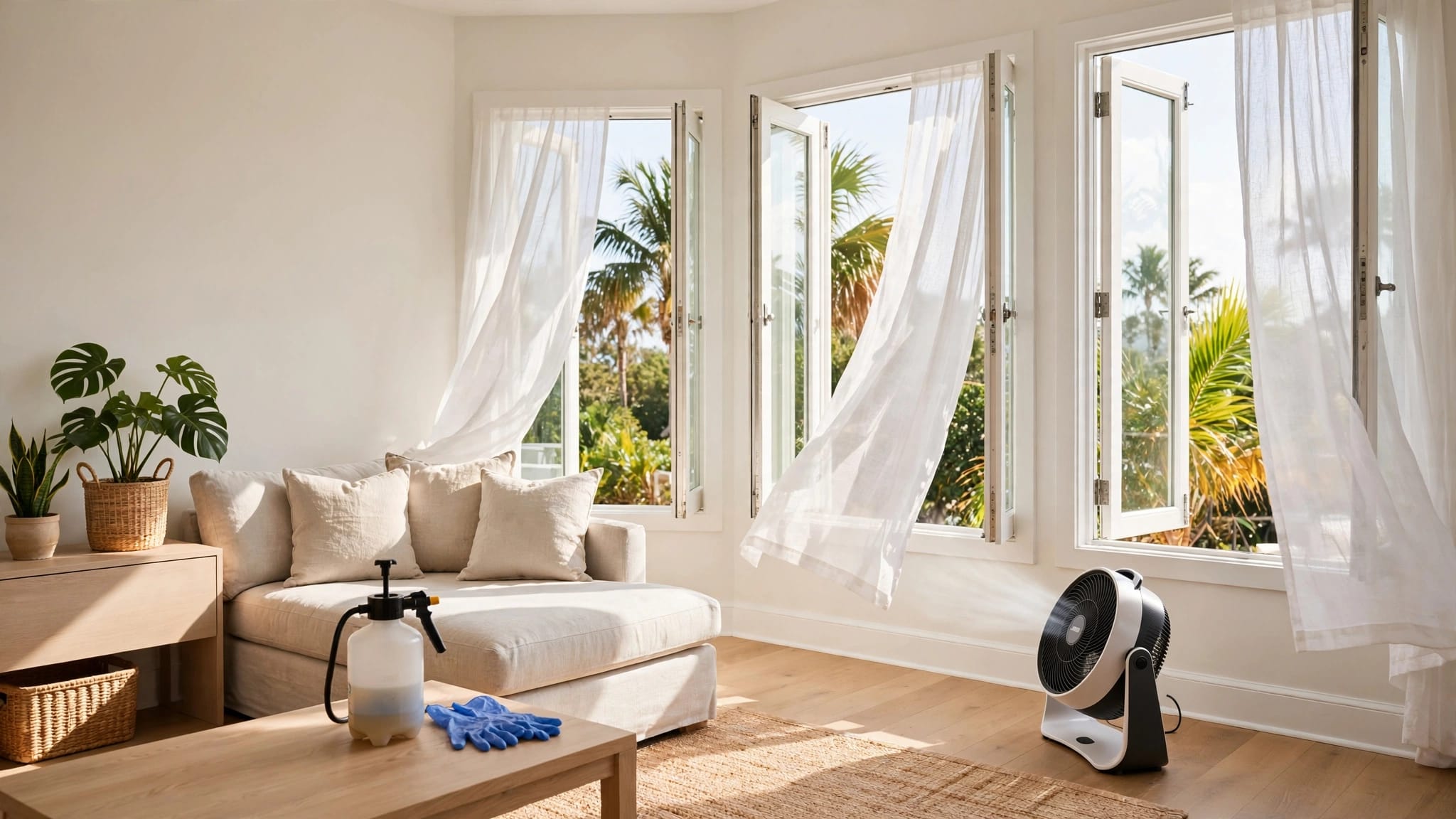
Start with the bathroom. Run the fan during showers and for a bit after them. Repair dripping faucets, loose supply lines, and any leak under the sink. If the room stays humid, wipe down standing water on tile, trim, and baseboards.
Window tracks need the same care. Vacuum dirt, dead insects, and sand from the channels first. Then wipe the tracks dry, not just clean. If water sits there after a storm or shower steam, that track turns into a small ant shelter.
A few more habits help a lot:
- Seal gaps around windows and trim with fresh caulk where old lines have cracked or pulled away.
- Keep mulch and soil off the slab so the foundation edge can dry out.
- Check irrigation aim and timing so sprinklers don't keep the same wall wet.
- Inspect slab-adjacent spots near hose bibs, plumbing entries, and porch edges for ants or soil movement.
- Clear window screens and track corners because small debris piles hold moisture longer than clean surfaces.
These steps won't fix a hidden colony by themselves, but they remove the conditions that keep feeding it. That matters because ants usually stay where the setup works.
If you want help with the bigger picture, residential pest control Cape Coral can be a better fit than repeated spot sprays. A good inspection looks at the damp areas, the entry points, and the outdoor conditions that keep the problem alive.
When recurring sightings mean there's a hidden colony
One ant sighting after a storm can be a fluke. Repeated sightings after cleaning are different. If ants keep showing up in the same bathroom, along the same track, or near the same window, there's probably a nest or travel route nearby.
That becomes more likely when the ants return after you dry the area, recaulk a gap, or remove what you can see. It also matters if you notice activity in more than one room. A hidden colony can shift between wall voids, slab edges, and moist soil around the house.
In that case, a professional inspection is worth it. A trained technician can trace moisture, inspect likely nesting spots, and decide whether the issue is inside, outside, or both. If you want to know how that process usually goes, what to expect when hiring an exterminator in Cape Coral gives a clear picture of the visit.
Conclusion
Citronella ants in Cape Coral bathrooms and window tracks usually point to moisture, hidden gaps, or a nest close to the structure. The ants are small, but the pattern they leave is useful.
Dry the area, clean the track, seal the opening, and check the slab and landscape edge. If they keep coming back, the home is telling you there's a deeper source nearby.
Schedule a Free Inspection: