Pill Bugs in Cape Coral After Rain and Around Slabs
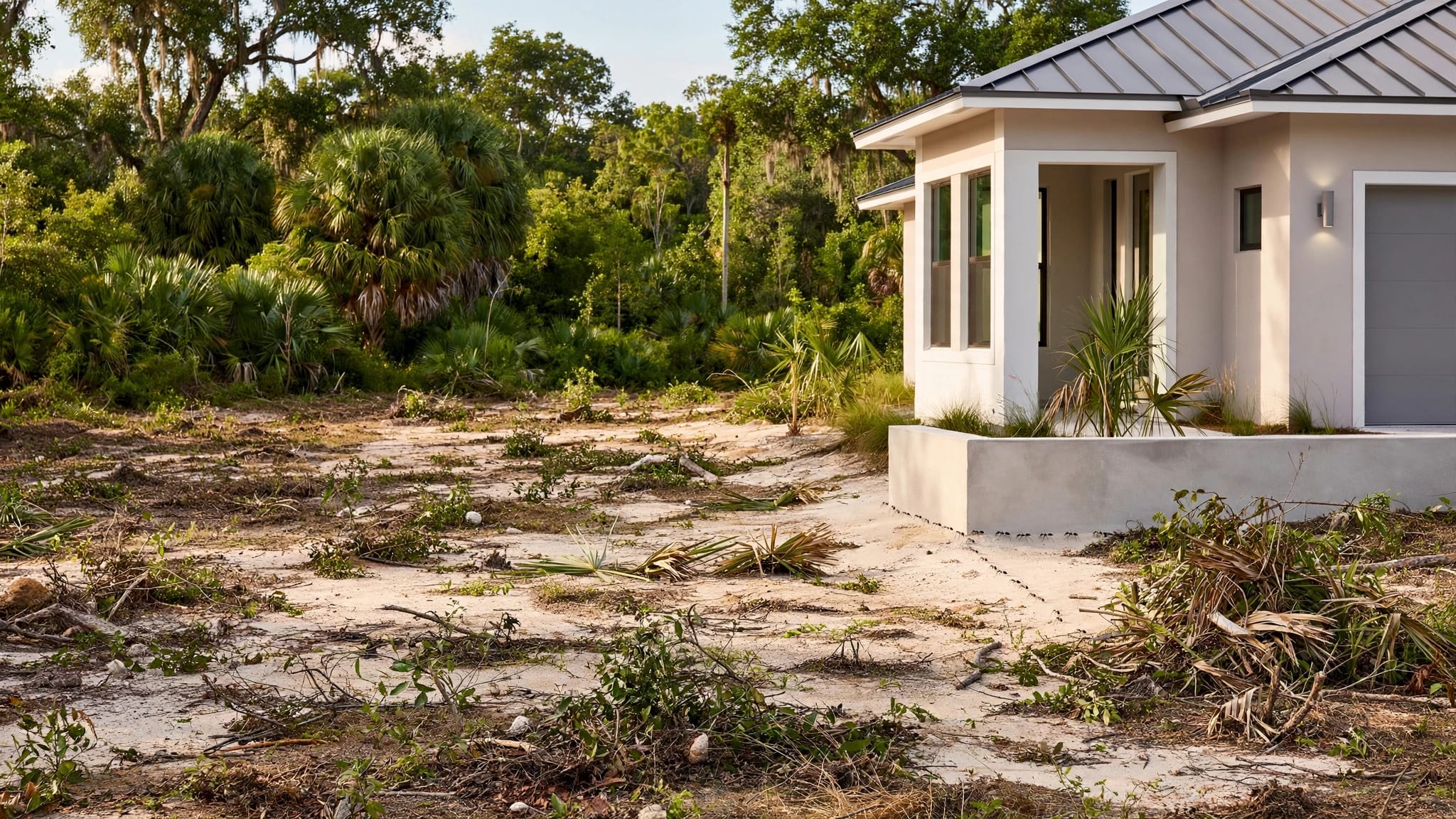
After a hard rain, pill bugs often show up in Cape Coral in the same places: along slabs, beside mulch, and near damp garage edges. That sudden wave of little gray bugs can look worse than it is.
For most homes, pill bugs are a moisture clue . They gather where water hangs around, especially in Southwest Florida yards that stay wet after rain or irrigation. The good news is that their presence usually points to a fixable condition, not a serious pest problem.
Why pill bugs show up after rain in Cape Coral
Pill bugs, also called roly-polies, need damp areas to survive. When rain soaks the yard, they move toward places that hold moisture longer, like the edge of a slab, a crack near the foundation, or a strip of mulch that stays wet.
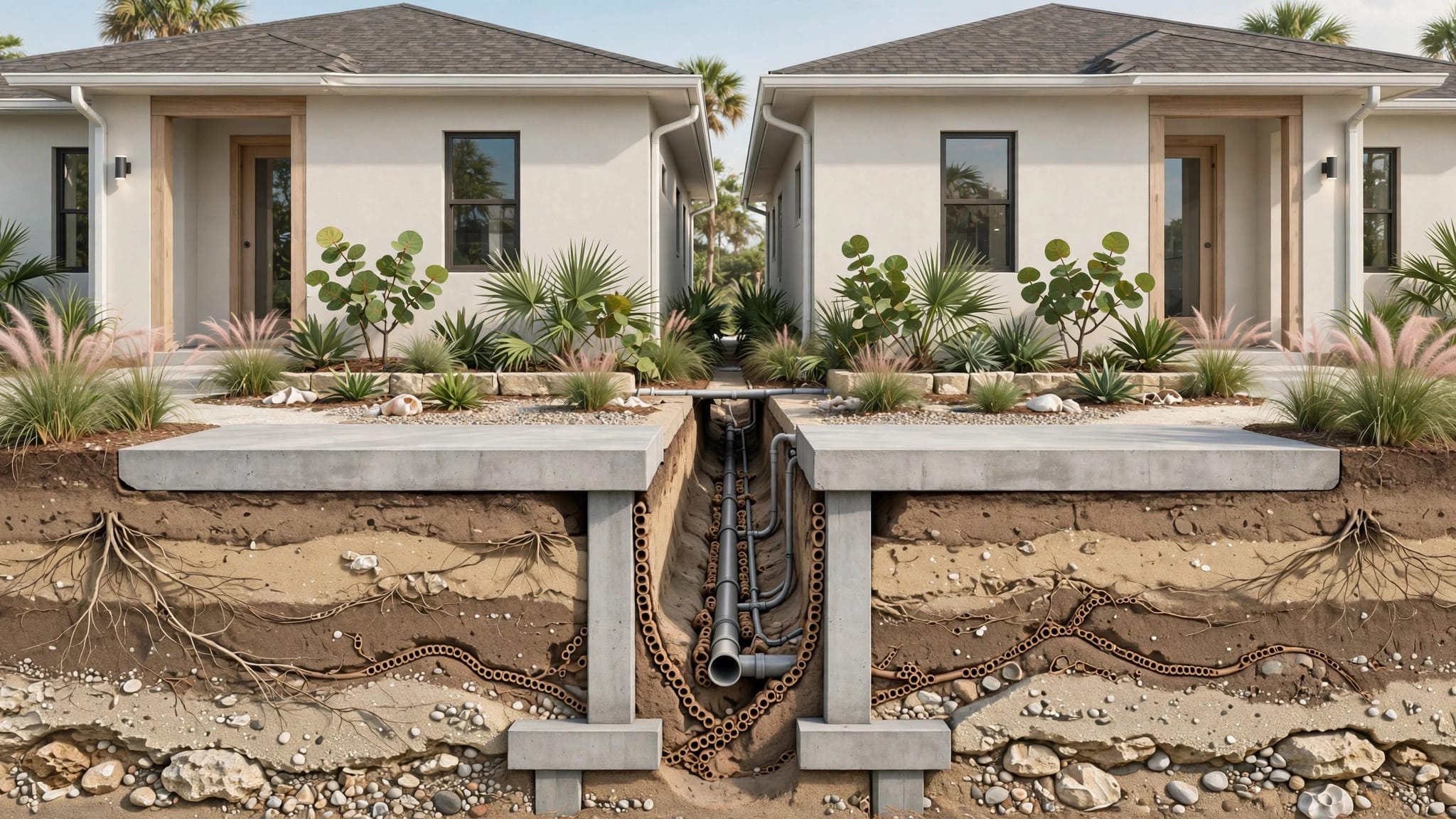
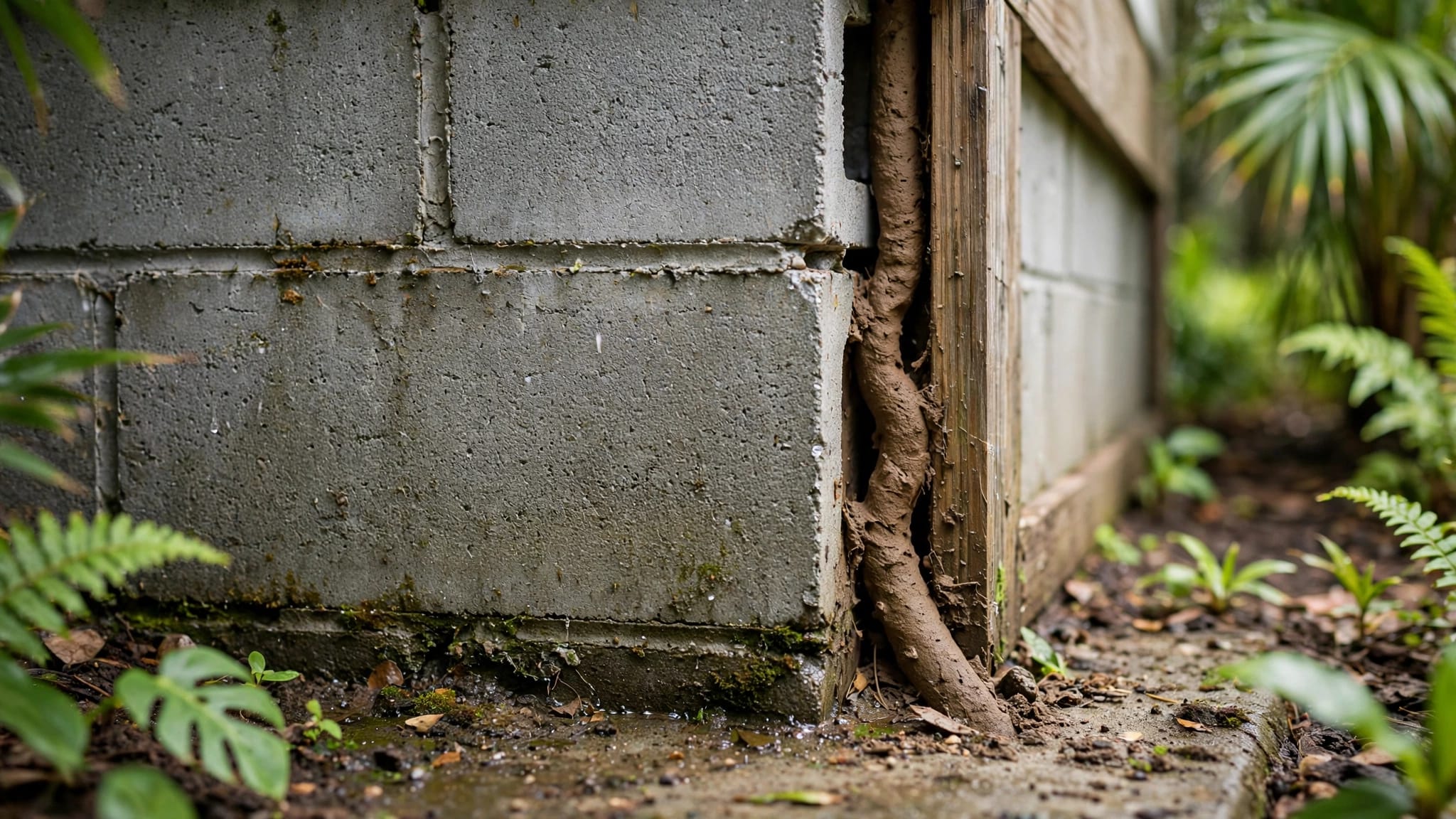
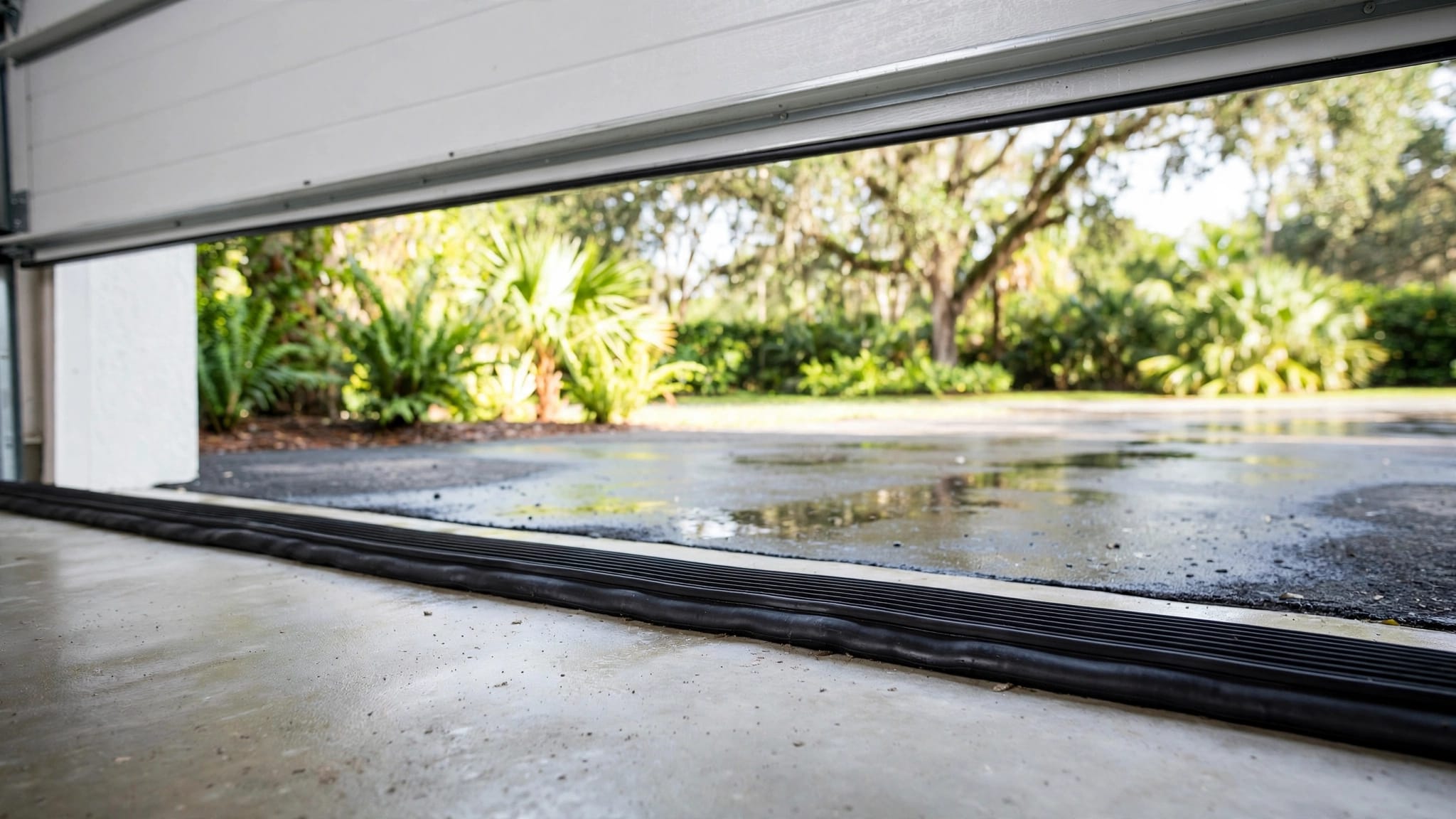
That is why homeowners often see them around expansion joints, garage thresholds, lanais, and low spots in the landscape. Concrete dries faster than soil, but the thin gap where concrete meets the ground can stay cool and moist. For a pill bug, that edge feels like shelter.
Heavy watering can create the same pattern. If sprinklers hit the slab or pool water near the house, pill bugs may gather there even on dry days. In other words, the bugs are following the water, not the house itself.

A few pill bugs after rain usually mean one thing, moisture is sitting where it shouldn't.
What pill bugs do and don't mean for your home
Pill bugs are nuisance pests. They can be annoying in garages, under planters, and along slab edges, but they are not the same kind of threat as termites or carpenter ants. They don't damage wood like structural pests do, and they don't chew through a foundation.
Still, their behavior tells you something useful. If pill bugs keep turning up in the same spot, that spot is probably staying damp longer than it should. That extra moisture can also attract other pests that prefer wet conditions.
Cape Coral homes deal with rain, irrigation, and warm weather for much of the year. Because of that, a small pill bug problem can be a sign that drainage, grading, or yard contact needs a closer look. If the bugs keep showing up inside or around the slab, a Cape Coral residential pest control visit can help sort out whether you have a simple moisture issue or a larger pest pattern.
How to keep pill bugs away from slabs, lanais, and garages
The best control starts with drying out the spots they like most. One spray may knock down what you see, but it won't fix the condition that brought them there.

Start with the easy changes first:
- Improve drainage so water moves away from the foundation instead of pooling beside it.
- Pull mulch back from the slab . Mulch that touches concrete holds moisture and gives pill bugs a hiding spot.
- Seal gaps and cracks around expansion joints, slab edges, and garage thresholds.
- Trim plants and groundcover that press against the home and trap shade and dampness.
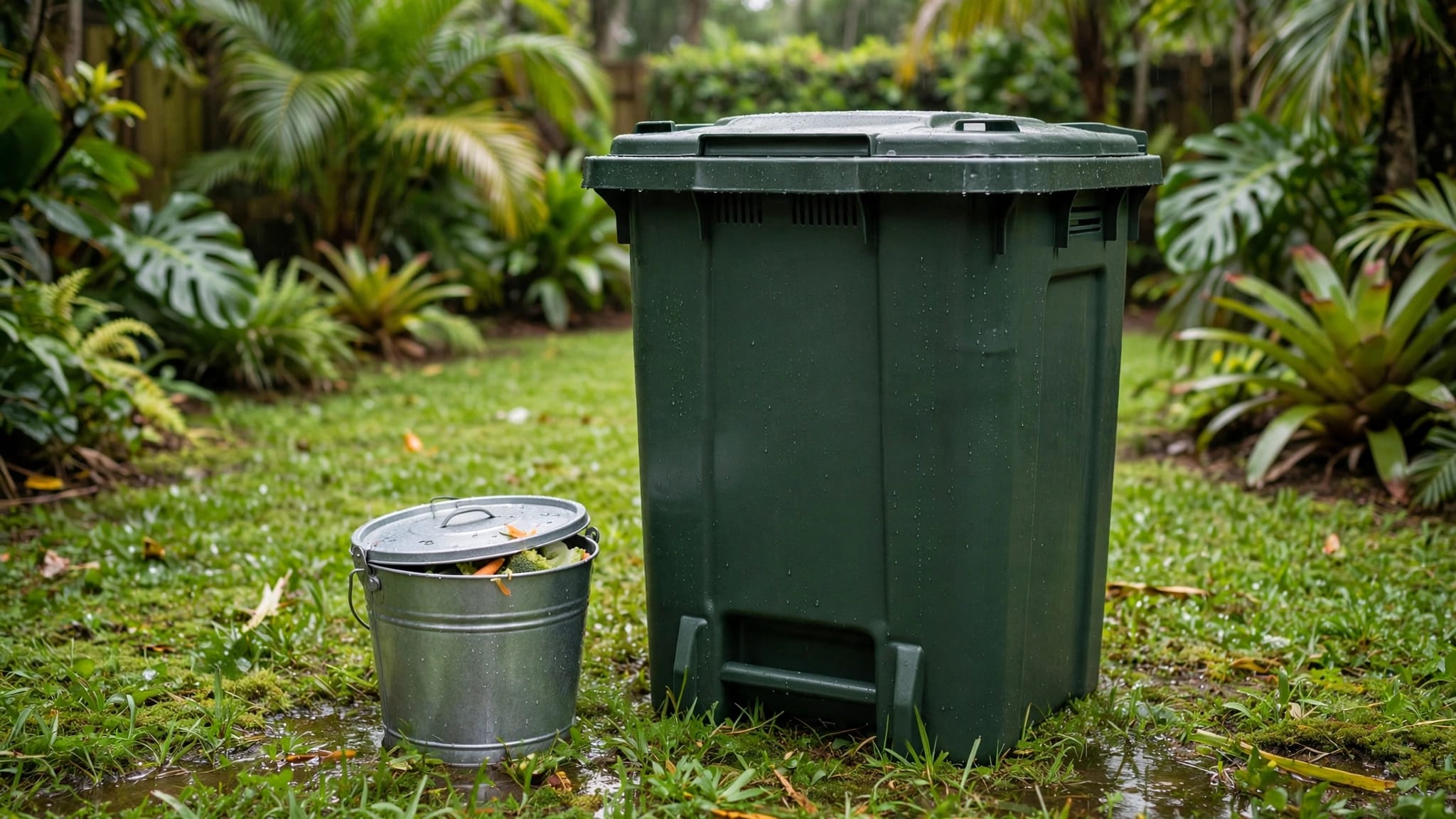
- Remove leaf litter, boards, and debris near the house because these hide pests and hold water.
- Reduce excess irrigation near the foundation, especially after rain or during cooler, wetter stretches.
- Check lanais and garage edges for standing water, clogged drains, or wet mats that stay damp too long.
A small change can make a big difference. For example, moving mulch back a few inches can dry out a slab edge faster after rain. That alone may cut down the number of pill bugs you see.
If you use an irrigation timer, adjust it for the season. Southwest Florida lawns often need less water than homeowners expect, especially when afternoon storms keep the soil wet. The goal is steady growth, not soggy edges around the home.
When the problem keeps coming back
If pill bugs keep returning after rain, the issue is often hidden moisture. It may be a downspout that dumps too close to the house, a low spot near the slab, or a gap that stays damp under a lanai or garage lip.
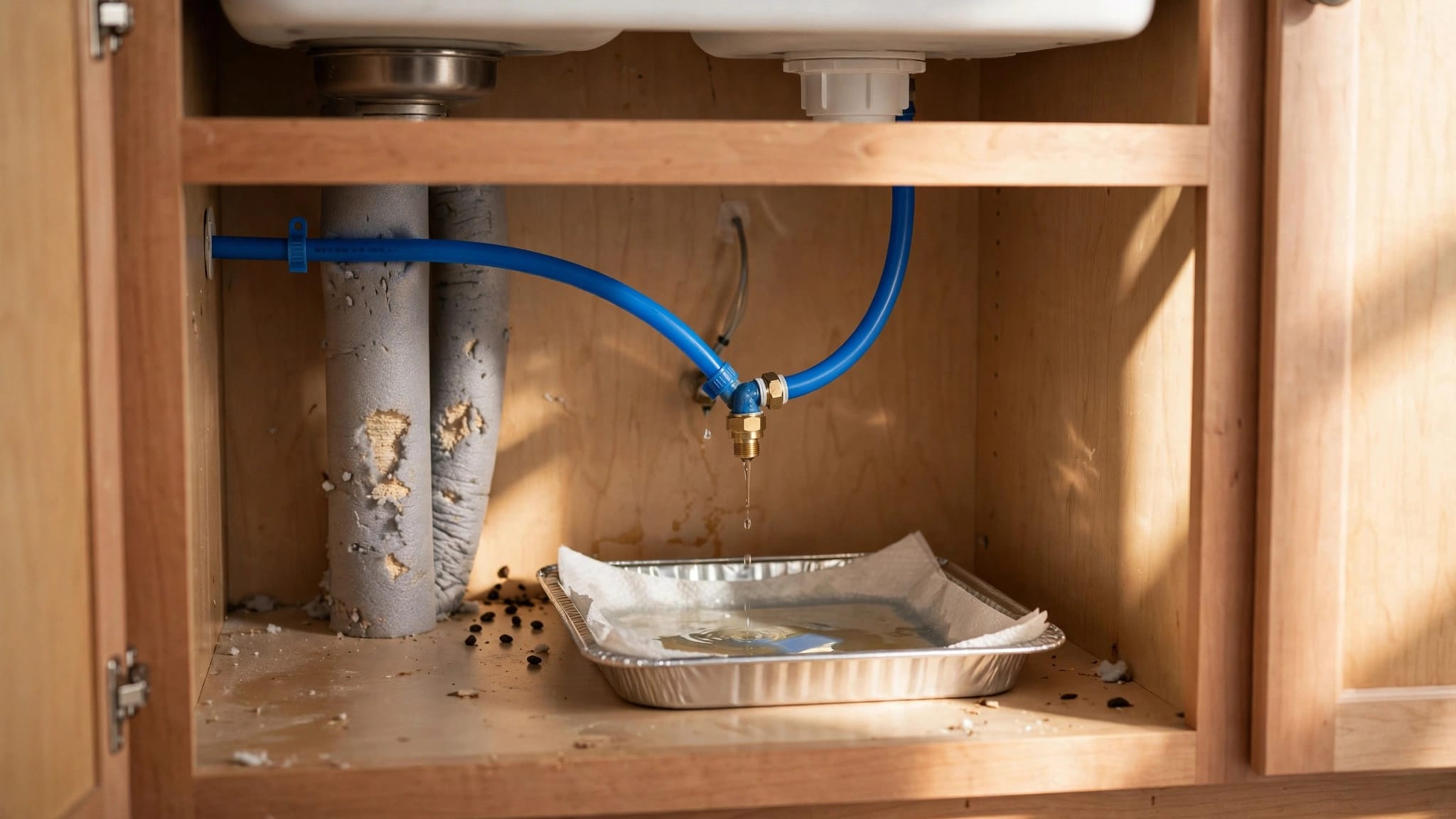
Persistent activity indoors deserves attention too. Pill bugs do not belong in large numbers around baseboards, laundry areas, or kitchen thresholds. When they keep crossing from the yard into the home, it makes sense to inspect the entry points and the moisture source together.
A broader inspection can help if you see other pests at the same time. For homes with repeated activity near the slab, a check from professional pest control services can identify whether the issue is limited to pill bugs or tied to a larger moisture pattern.
Keeping the problem small in Cape Coral weather
After rain, pill bugs are often the first sign that your home has a damp edge that needs attention. They like mulch, cracks, expansion joints, garage edges, and shady spots near the slab because those places stay wet longer.
Once you dry out those areas, the pressure usually drops fast. The main goal is simple, reduce moisture, close gaps, and keep organic debris away from the foundation. That approach fits Cape Coral weather better than waiting for the next storm to bring the bugs back.
Schedule a Free Inspection: