Pavement Ants in Cape Coral Driveways and Garage Slabs
You park your car and notice tiny dirt piles near the driveway edge. A closer look reveals a steady stream of small ants marching from a crack. In Cape Coral, pavement ants turn quiet slabs into busy highways, especially after our frequent rains.
These pests nest under concrete and slip indoors through garages. They don't sting like fire ants, but their trails frustrate homeowners. You can spot them early and stop the spread with simple steps.
Let's break down how to identify pavement ants in your Cape Coral driveway or garage, then cover prevention that fits our humid climate.
What Makes Pavement Ants Different from Other Local Ants
Pavement ants stay close to the ground. They measure about one-eighth inch long with dark brown bodies and lighter legs. Workers form neat trails to food sources.
Unlike Argentine ants in Cape Coral paver joints, pavement ants create small soil mounds at nest entrances. Argentine ants trail in thin lines without piles. Pavement ants also differ from little fire ants in Cape Coral paver joints, which sting and hide deeper in mulch.
You won't confuse them with big-headed ants in Cape Coral sidewalk cracks. Those have oversized heads and nest in lawns. Pavement ants prefer cracks under slabs.
In short, look for the dirt excavate and uniform size. This helps you act fast before colonies grow.
How to Spot Pavement Ants Around Driveways and Garages
Check your driveway after sunset. Pavement ants forage then, when heat fades. Trails often run along expansion joints or edges near the street.
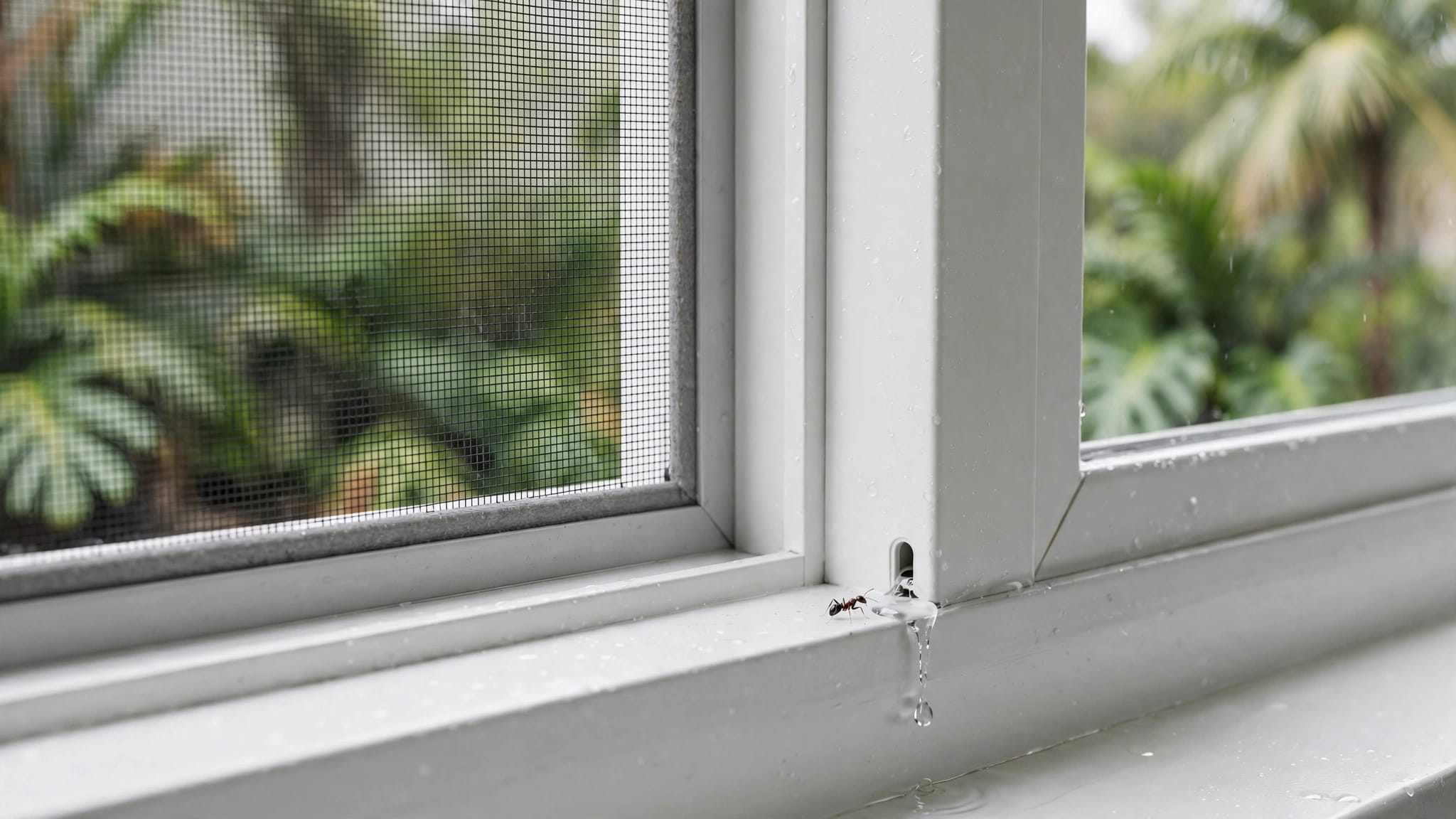
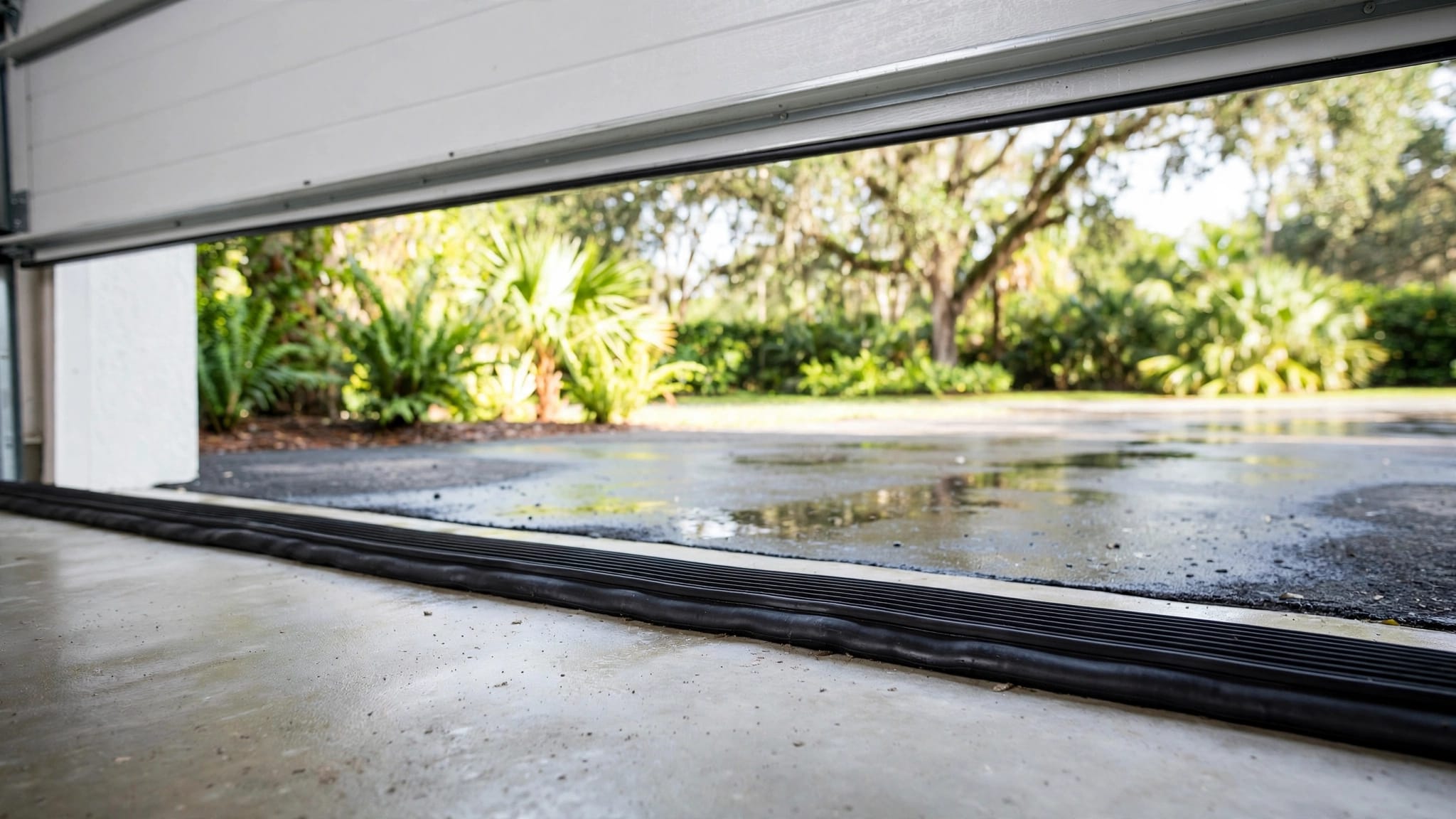
Examine garage slabs too. Ants enter homes through gaps under doors or along walls. Fine sand piles signal nests below the surface.
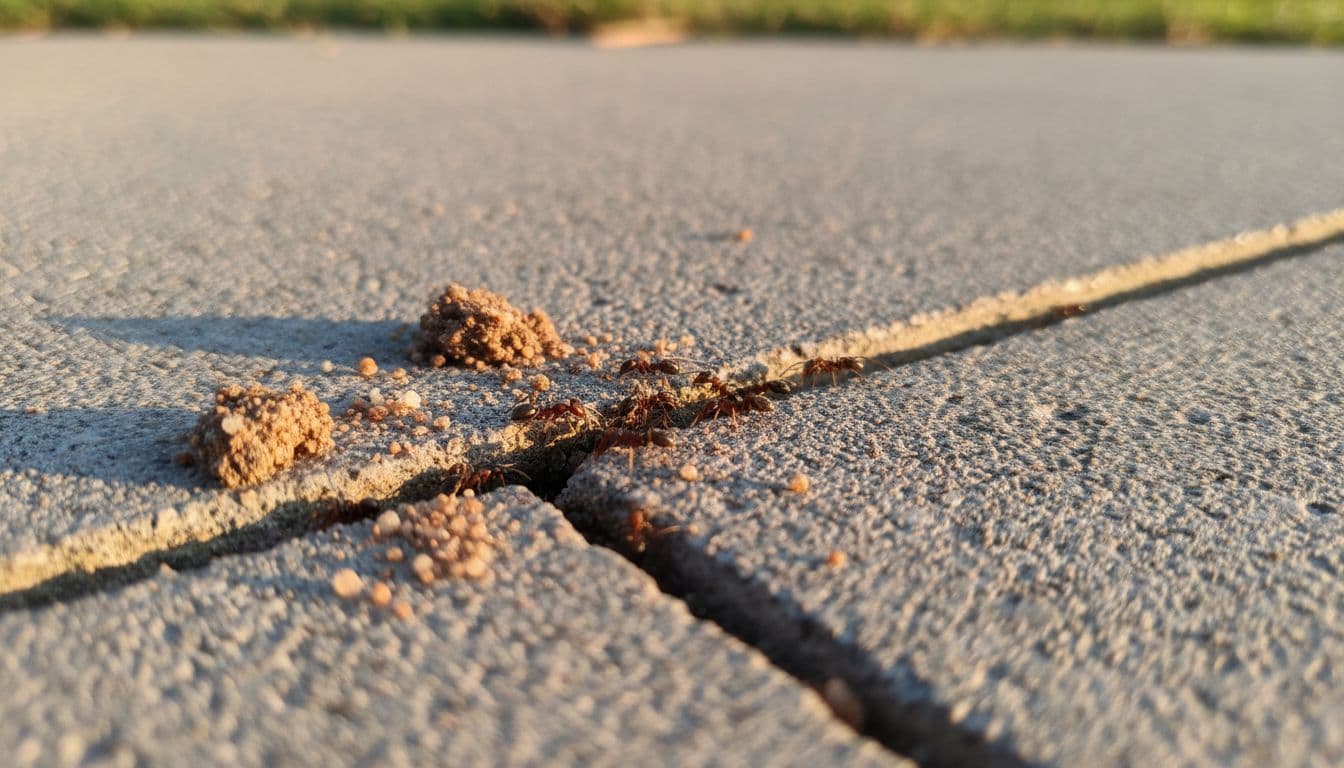
Cracks wider than a pencil lead invite them. Nearby pavers or sidewalks offer extra paths. Our sandy soil makes tunnels easy.
Follow trails backward. They lead to nests under concrete or in soil pockets. Poke gently with a stick; disturbed ants scatter then regroup.
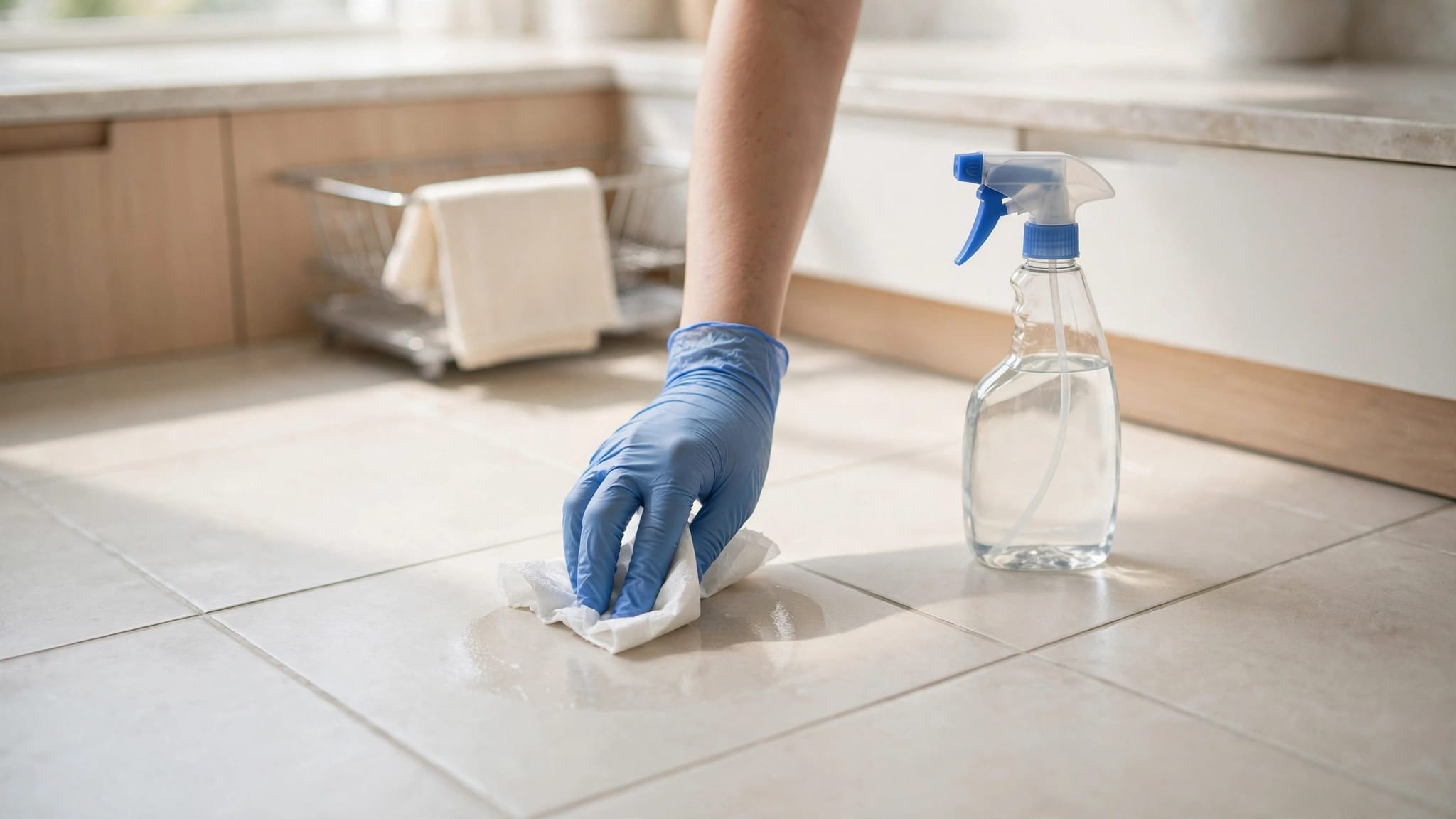
Inspect entry points weekly. Wipe away food spills in garages right away. Ants target grease from tools or pet food.
If you see wings in spring, colonies swarm. That's prime time to treat.
Why Pavement Ants Love Cape Coral Driveways and Slabs
Our warm, wet weather suits them perfectly. Heavy rains push ants from soil into cracks. They seek dry shelter under driveways.
Cape Coral's concrete slabs hold heat. This keeps nests active year-round. Expansion joints collect moisture from poor drainage.
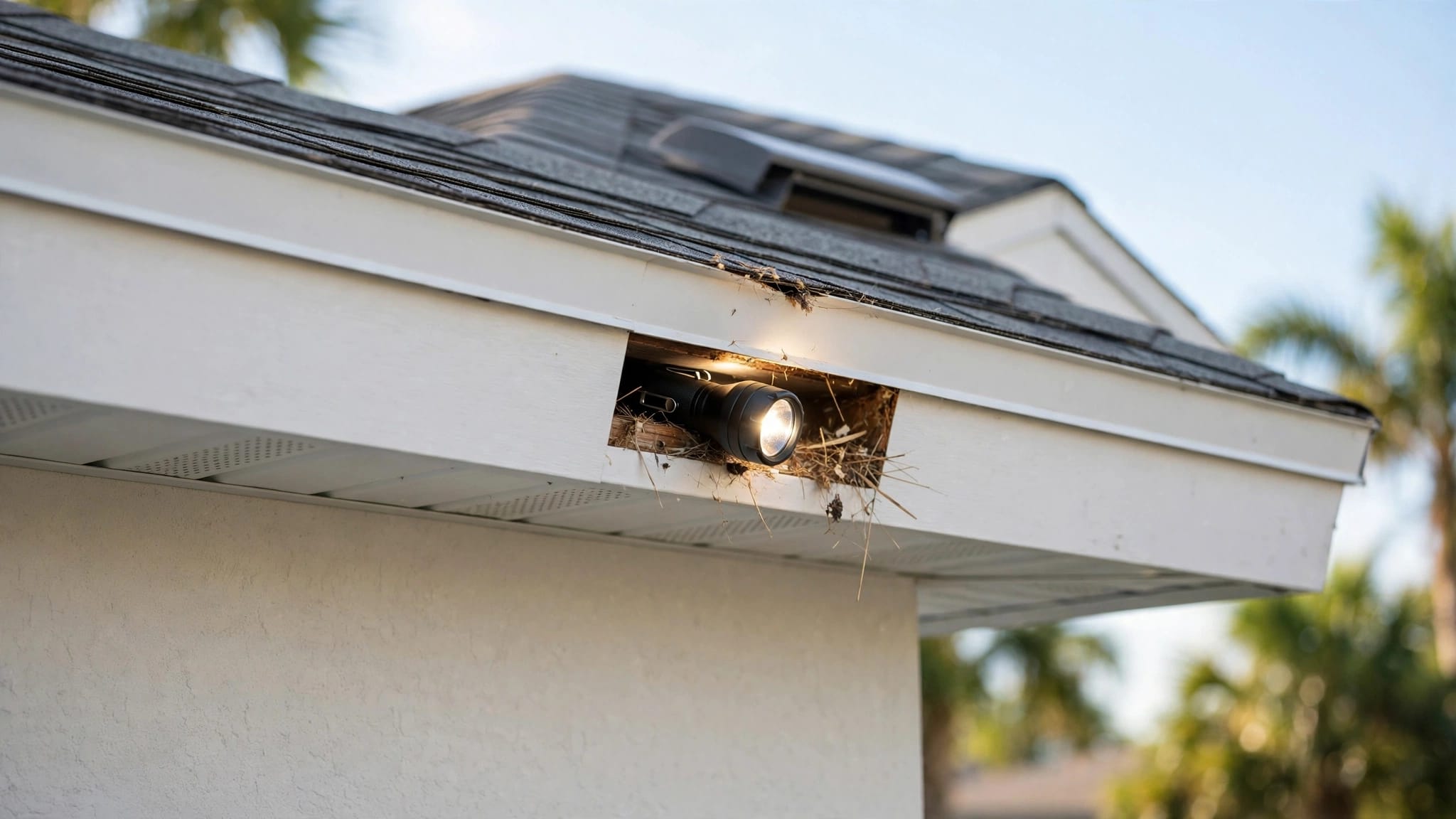
Vegetation adds to the problem. Palms or shrubs drop debris into cracks. Roots lift slabs, widening gaps.
Garages stay humid with AC runoff or car washes. Food scraps draw foragers inside. One nest supports thousands.
Local construction disturbs soil too. New driveways shift ants nearby. They rebuild fast in our climate.
Prevention Steps for Driveways and Garage Slabs
Start with moisture control. Fix sprinklers that hit concrete. Slope garage floors for runoff.
Seal cracks promptly. Use flexible caulk for joints; it moves with slabs. Polymeric sand works for pavers.
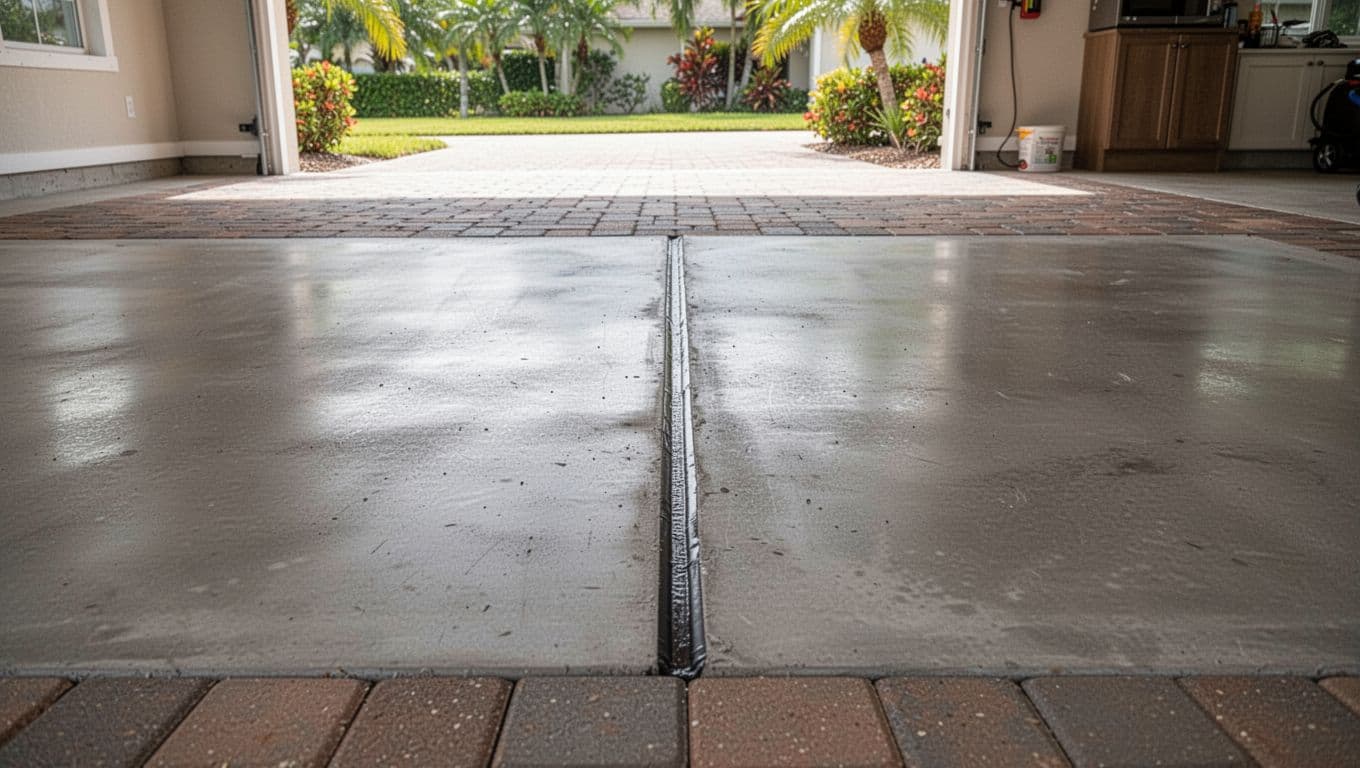
Trim plants back 12 inches from edges. Keep grass short to cut shade. Rake leaves from joints often.
Store garage items off the floor. Sweep crumbs daily. Avoid leaving oily rags out.
Bait stations help. Place near trails, not nests. They carry poison back to queens.
Reinspect monthly. Our rains wash out seals, so touch up as needed.
Safe Removal Options for Stubborn Colonies
Baits outperform sprays here. Ants take them underground, killing the source.
Dust treatments fill voids under slabs. Pros apply them right.
Avoid floods of liquid. They scatter colonies without full control.
For garages, vacuum trails first. Then bait along walls.
If nests span yard areas, combine methods. Test baits on a small spot.
Conclusion
Pavement ants in Cape Coral target driveways and garages because our climate favors them. Spot the dirt piles and trails early, seal cracks, and cut moisture to keep slabs clear.
You gain peace with these habits. Act now, and your home stays ant-free.
(Word count: 982)
Schedule a Free Inspection: