Little Fire Ants In Cape Coral Paver Joints And Landscape Beds
A sting from a patio joint feels almost impossible, until you spot the ants. In Cape Coral, little fire ants are easy to miss because they're tiny and often stay hidden.
When people search little fire ants Cape Coral, they're usually trying to explain sudden stings near pavers, mulch, walkways, or pool decks. The key is accurate ID, then a treatment plan that covers the whole yard, not one trouble spot.
How to tell little fire ants from other ants in Cape Coral
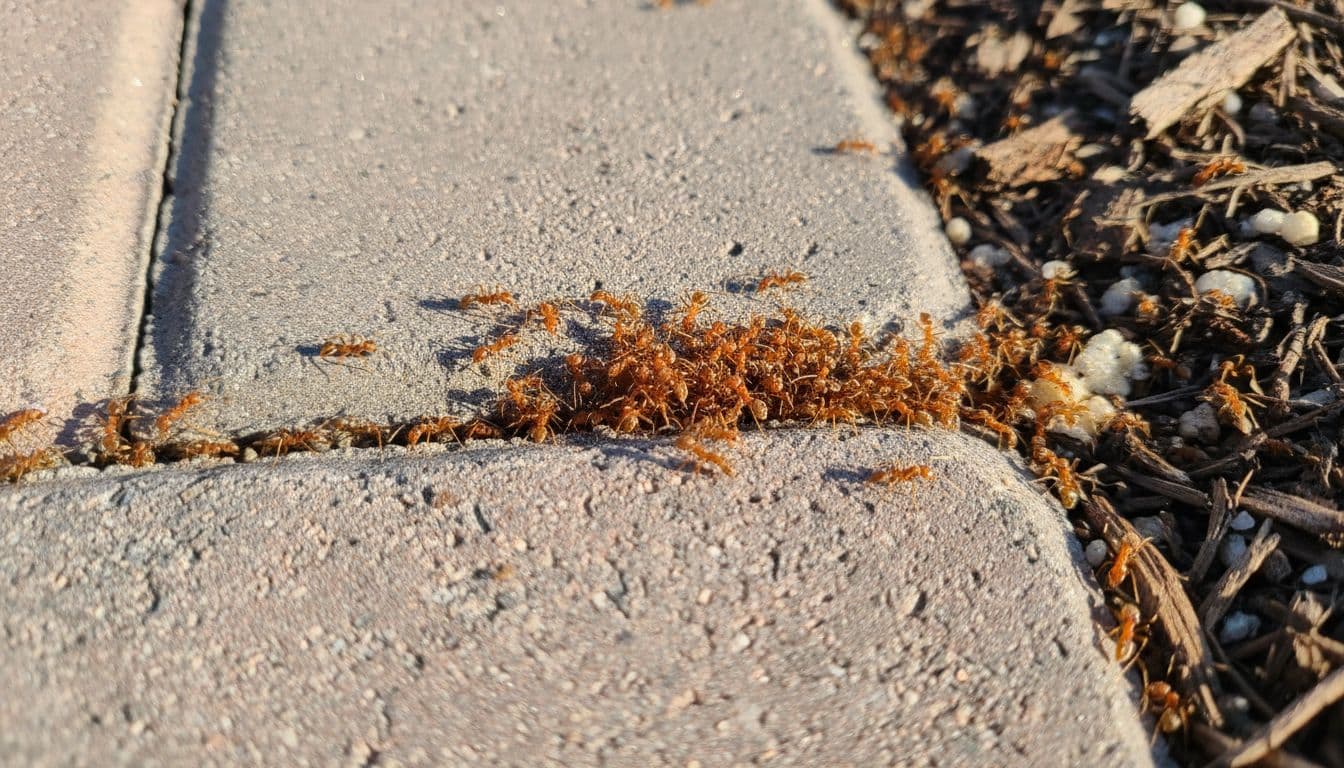
Little fire ants, Wasmannia auropunctata , are tiny, about 1/16 inch long, and usually yellow to reddish. You may notice the sting before you notice the ant. That alone makes them different from many nuisance ants.
They also behave differently than red imported fire ants. You usually won't see the large, loose soil mounds many homeowners expect. Instead, these ants often nest in paver joints, mulch, potted plants, palm debris, leaf litter, and protected voids around the home.
In Cape Coral, that matters because so many yards have irrigated beds, decorative pavers, and shaded edges. Also, as of March 2026, public web results don't show a Cape Coral-specific little fire ant map, so on-site inspection still matters more than waiting for a neighborhood alert.
This quick comparison helps sort out the main suspects:
| Feature | Little fire ants | Imported fire ants | Big-headed ants |
|---|---|---|---|
| Size and color | Tiny, yellow-red | Larger, red-brown | Small tan-brown, often two worker sizes |
| Nest clue | Hidden in joints, mulch, plants, voids | Visible yard mounds | Cracks, soil edges, mulch beds |
| Main problem | Painful surprise stings | Aggressive mound swarms | Nuisance trails, usually not stings |
| Common hot spots | Pool decks, planters, shrubs, pavers | Open sunny lawn areas | Sidewalk seams, lawn edges |
The short version is simple. If you see clear mounds, start by ruling out imported fire ants with this Cape Coral homeowner's guide to fire ants. If ants are using seams and cracks but don't seem to sting, this guide on handling ants in paver joints can help separate the look-alikes.
Why paver joints, mulch, and moist beds hide colonies so well
Paver joints work like narrow covered tunnels. They hold sand, trap moisture, and stay protected from sun and foot traffic. For ants, that's a ready-made shelter.
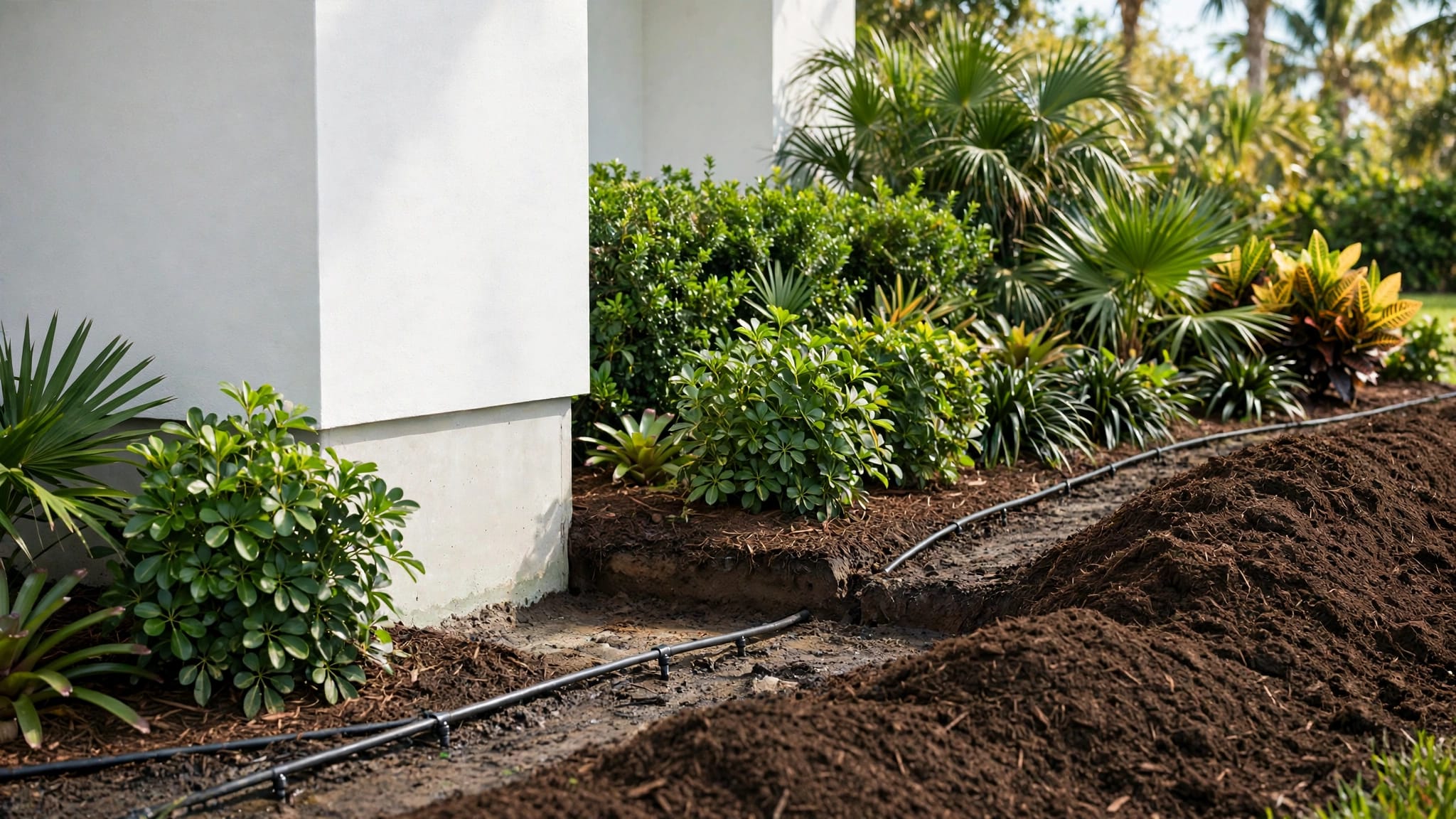
Landscape beds add even more cover. Mulch stays damp after rain and irrigation. Groundcover, edging, and plant roots create small pockets where colonies can spread without leaving an obvious sign.
Little fire ants are hard to manage because the colony may not stay in one neat spot. They can use several nesting pockets at once, and multiple queens can keep the population going. That's why a patio may look quiet one day, then sting activity shows up along the driveway or pool deck the next.
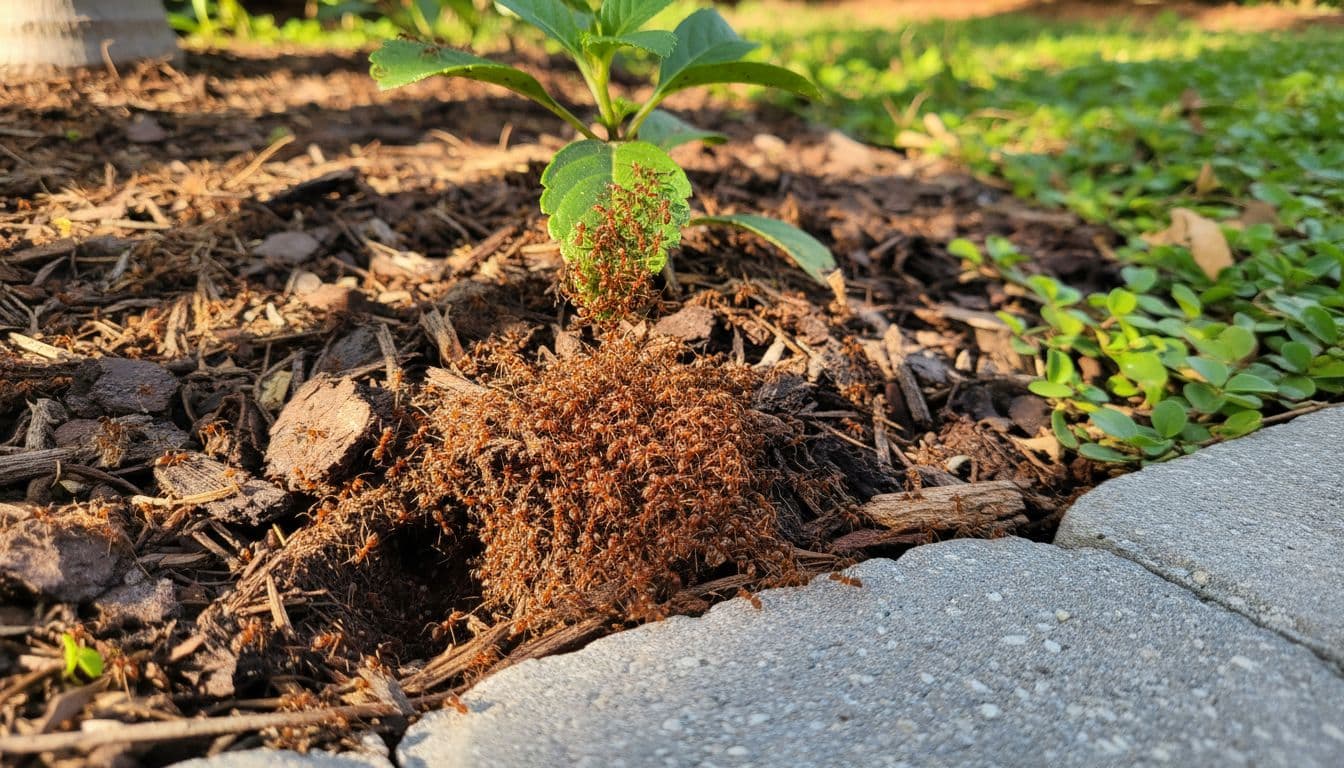
Cape Coral's warm, humid weather makes that pattern worse. Mild winters don't shut activity down for long. Ants may stay active year-round, then shift closer to homes when moisture, cover, and food line up.
Watch where stings happen. Ankles getting hit near a walkway, pets reacting near planters, or sudden activity around patio furniture all suggest the nest may be in the hardscape or nearby bed, not out in the open lawn.
If stings spike after irrigation or rain, the colony may be under the paver field or deep in a moist bed edge, not beside it.
That hidden setup is why random spot spraying often disappoints. You may kill the ants on top while the main colony keeps running below.
The best treatment plan targets hidden colonies and keeps monitoring
The hard part isn't killing the ants you see. It's finding the hidden colonies you don't.
A good plan starts with inspection. That means checking paver seams, landscape beds, tree bases, pots, edging, mulch pockets, and moisture-prone areas around patios, walkways, driveways, and pool decks. If stings happen in more than one zone, the problem usually reaches farther than the first hot spot.
From there, integrated treatment works better than chasing trails. In plain terms, that means combining colony-targeting bait, careful spot treatment where ants are nesting, moisture correction, and follow-up checks. Little fire ants can rebound if only one pocket gets treated.
Follow-up matters just as much as the first visit. Rain, irrigation, and shifting colonies can change activity fast. Rechecks after treatment, and again after weather changes, help catch the spots that reopen.
Homeowners and property managers can also lower the risk without unsafe DIY pesticide use:
- Keep mulch light and off stems, walls, and paver edges.
- Fix leaking irrigation heads, soggy corners, and areas that stay wet.
- Trim shrubs and groundcover back from patios, pool decks, and walkways.
- Reduce clutter such as stacked pots, leaf piles, and stored yard items near the house.
- Track sting locations and ant activity so recurring spots don't get missed.
Those small steps don't replace treatment, but they do make the yard less inviting and make future monitoring easier.
Little fire ants win by staying out of sight. You beat them by treating the whole pattern, then checking back.
If stings keep showing up around pavers or beds, get the species confirmed before the problem spreads. The sooner you act, the easier it is to protect the spaces you actually use.
Schedule a Free Inspection: