A Homeowner's Guide to Fire Ant Control in Cape Coral
A Homeowner's Guide to Fire Ant Control in Cape Coral
Understanding Fire Ants in Cape Coral
Fire ants are small, reddish-brown insects known for their aggressive behavior and painful stings. These ants build large, dome-shaped mounds in open areas and are highly adaptable, thriving in warm and humid climates like Cape Coral’s. Their colonies can contain thousands of ants, with a single queen producing hundreds of eggs daily. Because they are resilient and fast-spreading, fire ants have become a common problem for homeowners in the region. Understanding their characteristics is the first step toward effective control.
Cape Coral’s subtropical climate provides an ideal environment for fire ants to flourish. The area’s sandy soil and frequent rainfall create perfect conditions for mound-building and colony growth. Additionally, the lack of harsh winters means fire ants can remain active year-round, making infestations more persistent. For Cape Coral residents, this means that vigilance and proactive measures are essential to keep these pests at bay. Addressing the issue early can save time, money, and frustration down the road.
Common Signs of a Fire Ant Infestation
The most obvious sign of a fire ant infestation is the presence of their mounds, which are typically found in sunny, open areas of your yard. These mounds are often dome-shaped and lack a visible entry point, distinguishing them from other types of ant nests. Fire ants are also highly aggressive; they will swarm and sting if their mound is disturbed, leaving behind painful welts. If you notice these signs, it’s likely you’re dealing with a fire ant problem.
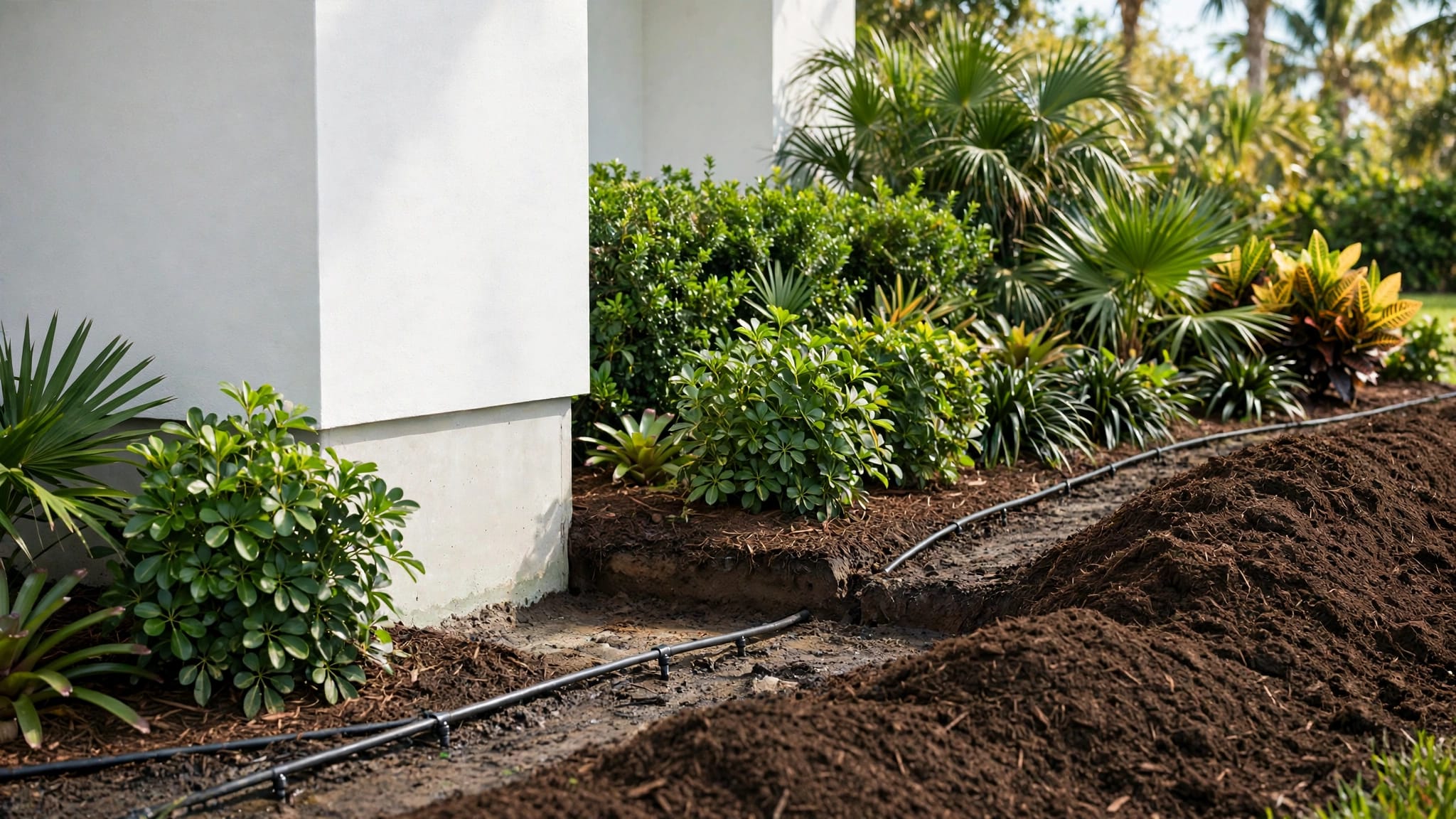
Beyond visible mounds, there are less obvious indicators of an infestation. Fire ants can damage plants by feeding on seeds, roots, and young shoots, leading to wilting or stunted growth. You might also observe unusual ant activity near your home’s foundation or even indoors if the infestation has spread. Paying attention to these subtle signs can help you catch an infestation early before it becomes unmanageable.
Why Fire Ants are a Problem for Homeowners
Fire ants pose significant health risks to both humans and pets due to their venomous stings. A single sting can cause intense burning, swelling, and itching, while multiple stings can lead to severe allergic reactions, especially in sensitive individuals. Pets are also vulnerable, as they may accidentally disturb a mound during play. In extreme cases, untreated allergic reactions can result in hospitalization, making fire ants a serious concern for families.
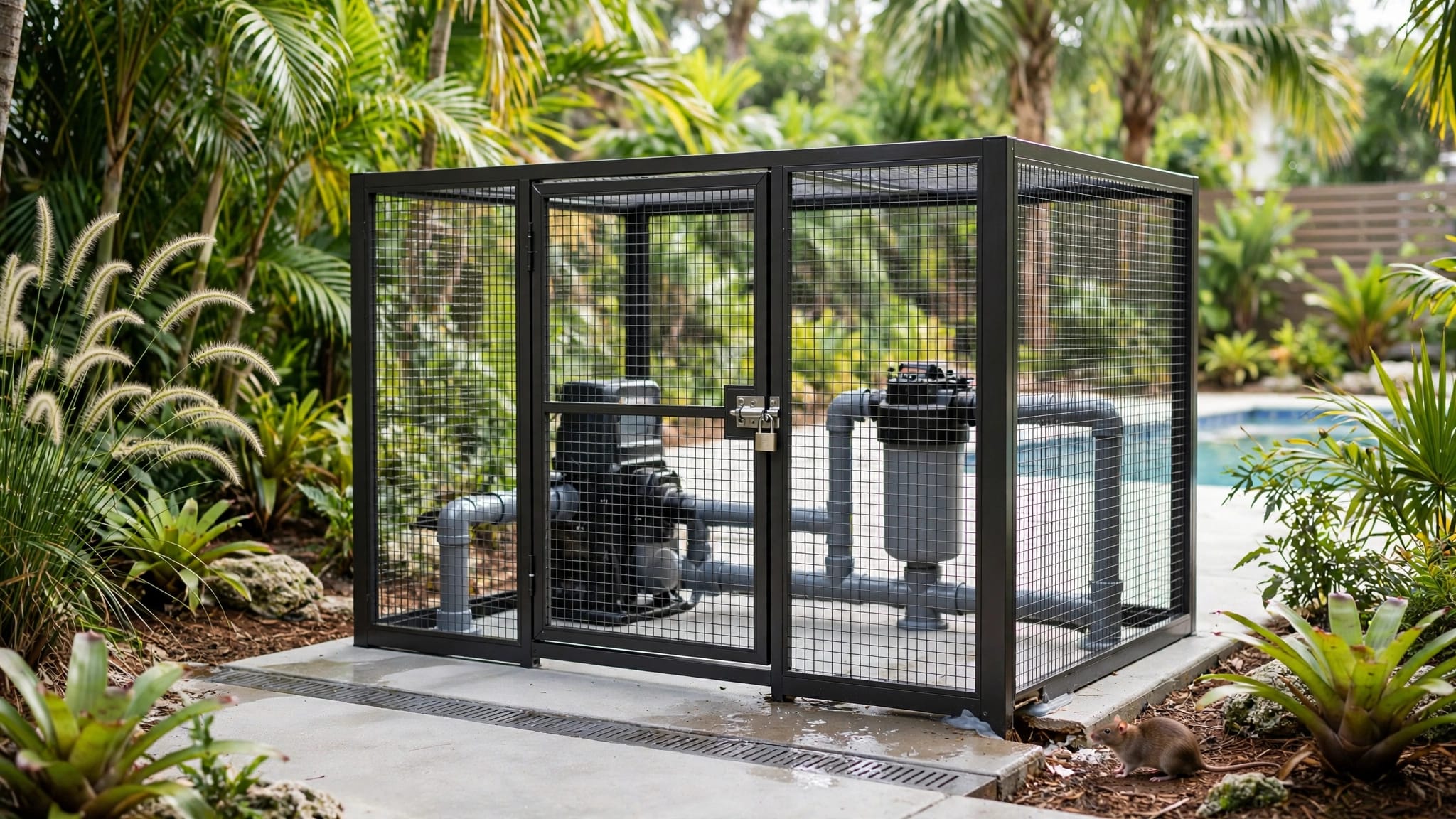
In addition to health risks, fire ants can wreak havoc on your property. Their mounds disrupt lawns and gardens, making outdoor spaces unsightly and unusable. They can also damage irrigation systems and electrical equipment by nesting nearby. For homeowners who take pride in their yards or enjoy spending time outdoors, fire ants can be a major nuisance. Tackling the problem promptly is crucial to restoring peace and functionality to your property.
DIY Fire Ant Control: What Works and What Doesn’t
Many homeowners try DIY methods to control fire ants, such as pouring boiling water over mounds, spraying vinegar solutions, or sprinkling cayenne pepper. While these remedies may temporarily reduce ant activity, they rarely eliminate the entire colony. Boiling water, for example, can kill ants on contact but often misses the queen, allowing the colony to rebuild. Similarly, natural deterrents like cayenne pepper may repel ants temporarily but aren’t a long-term solution.
One major limitation of DIY methods is their inability to target the queen, which is essential for complete colony elimination. Without addressing the source, the ants will continue to thrive. Additionally, some DIY treatments can harm plants, pets, or beneficial insects if not applied carefully. It’s important to weigh these risks before attempting home remedies. Monitoring results is key—if the infestation persists, professional intervention may be necessary.
That said, DIY methods can be worth trying for minor infestations or as a preventive measure. For instance, using food-grade diatomaceous earth around mounds can deter ants without posing significant risks. However, homeowners should set realistic expectations and recognize when a problem requires expert assistance. Companies like Shield Pest Control Solutions (https://www.shieldpcs.com) specialize in tackling stubborn fire ant issues, ensuring thorough and lasting results.
Professional Fire Ant Treatments in Cape Coral
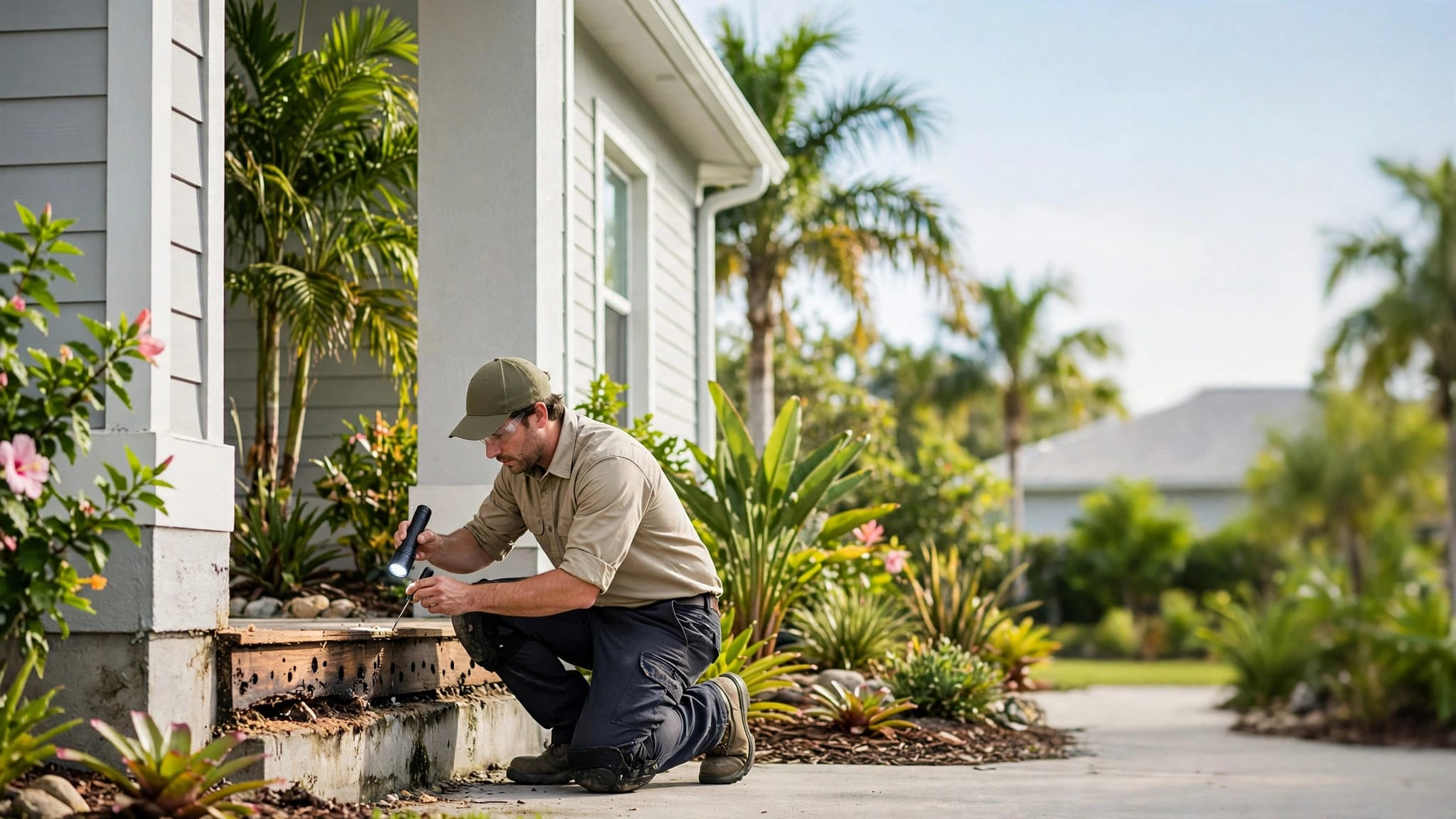
Professional fire ant control services in Cape Coral typically involve a multi-step process designed to eliminate colonies effectively. Technicians begin with a thorough inspection to identify all active mounds and assess the extent of the infestation. Next, they apply specialized baits that worker ants carry back to the colony, targeting the queen and disrupting reproduction. This method ensures comprehensive treatment rather than just surface-level fixes.
Targeting the queen is critical because she is the heart of the colony. Without her, the colony cannot sustain itself, significantly reducing the likelihood of regrowth. Professional treatments also use advanced products that are more effective than store-bought options, minimizing the need for repeated applications. This precision makes hiring a professional a worthwhile investment for long-term control.
Ongoing maintenance is another benefit of professional services. Many providers offer follow-up visits to monitor progress and reapply treatments as needed. This proactive approach helps prevent new infestations and keeps your property fire-ant-free year-round. For Cape Coral residents seeking reliable pest management, companies like Shield Pest Control Solutions provide tailored plans to meet specific needs.
Safe and Sustainable Approaches to Fire Ant Control
For those concerned about environmental impact, low-pesticide and natural treatments offer viable alternatives. Options like citrus oil drenches, physical mound removal, and hot water applications can reduce reliance on harsh chemicals. Citrus oil, for example, breaks down the exoskeletons of ants, killing them naturally. Physical removal involves digging up mounds and relocating them far from your property, though this method requires caution to avoid stings.
While these sustainable methods are appealing, they come with trade-offs. Natural treatments may take longer to show results and require more effort compared to chemical solutions. Additionally, some methods, like hot water, can harm surrounding vegetation if not applied carefully. On the upside, these approaches are generally safer for children and pets, making them a popular choice for eco-conscious homeowners. Balancing effectiveness with safety is key when choosing a treatment strategy.
Prevention Tips: How to Keep Fire Ants Away
Preventing fire ants starts with eliminating attractants and sealing entry points. Keep food sources secured, including pet food and trash bins, to avoid drawing ants onto your property. Regularly inspect your yard for cracks or gaps where ants might enter, and seal them promptly. Maintaining a tidy landscape by trimming vegetation and removing debris can also discourage fire ants from settling in.
Seasonal timing is another factor to consider. Applying preventive treatments in early spring can stop colonies from growing before they become problematic. Regular inspections throughout the year help catch infestations early, reducing the need for extensive interventions later. By staying proactive, you can protect your home and yard from the persistent threat of fire ants.
How to Choose a Fire Ant Control Service in Cape Coral
When selecting a fire ant control service, look for providers with local experience and expertise. A company familiar with Cape Coral’s unique challenges, such as its climate and soil conditions, will be better equipped to handle infestations effectively. Ask about their treatment methods—are they safe for pets and children? Do they offer guarantees or follow-up visits? Customer reviews and testimonials can also provide insight into reliability and quality of service.
During a service visit, expect a detailed inspection followed by a customized treatment plan. Professionals will explain their approach, including how they’ll target the queen and monitor progress. Follow-up visits ensure the problem is fully resolved and help prevent future infestations. Choosing the right provider, like Shield Pest Control Solutions, can make all the difference in achieving lasting results.
Fire Ant Treatment Costs and What to Expect
The cost of fire ant control varies depending on whether you opt for DIY or professional solutions. Store-bought baits and sprays are relatively inexpensive but may require frequent reapplication, adding up over time. Professional services, while more costly upfront, often include comprehensive packages with inspections, treatments, and guarantees. These packages provide better value for homeowners seeking long-term relief from fire ants.
Professional packages typically cover initial treatments, follow-up visits, and reapplications as needed. Some providers also offer seasonal maintenance plans to keep infestations under control year-round. While costs vary based on property size and severity of the infestation, investing in professional services can save money and frustration in the long run. For Cape Coral residents, companies like Shield Pest Control Solutions offer competitive pricing and tailored solutions.
Risks and Precautions for Families and Pets
Protecting your family and pets during and after fire ant treatments is essential. If using chemical treatments, follow label instructions carefully and keep children and pets away from treated areas until the product dries or settles. Natural methods like boiling water or citrus oils still require caution, as they can cause burns or irritation if mishandled. Always prioritize safety when applying any treatment.
After exposure to fire ants, watch for warning signs such as excessive swelling, difficulty breathing, or dizziness, which could indicate an allergic reaction. Seek medical attention immediately if symptoms worsen. Educating your family about avoiding mounds and recognizing the signs of stings can further reduce risks. Taking these precautions ensures a safer environment for everyone.
What to Do After a Fire Ant Treatment
After a fire ant treatment, it’s important to monitor the treated areas for signs of recurring activity. Avoid disturbing mounds or walking on treated spots to allow the product to work effectively. If you notice new mounds or increased ant activity, report it to your pest control provider promptly. Timely communication ensures any remaining issues are addressed quickly.
Post-treatment practices also include maintaining a clean and clutter-free yard to discourage future infestations. Regular inspections and preventive measures, such as reapplying bait or scheduling follow-up visits, can help keep fire ants at bay. By staying vigilant, you can enjoy a pest-free outdoor space and minimize the risk of reinfestation.
Long-Term Fire Ant Management in Cape Coral
For sustained fire ant control, setting up a maintenance schedule with a trusted pest control provider is highly recommended. Regular monitoring and treatments, especially after heavy rains or during peak seasons, can prevent colonies from re-establishing. Providers like Shield Pest Control Solutions offer ongoing plans tailored to your property’s needs, ensuring consistent protection against fire ants.
Community-wide efforts can also enhance long-term management. Encouraging neighbors to participate in cooperative treatments reduces the chances of fire ants migrating from one property to another. Sharing tips and resources fosters a neighborhood-wide commitment to keeping fire ants under control. Together, residents can create a safer and more enjoyable environment for everyone.
Frequently Asked Questions (FAQ)
How do I know if I have fire ants or another type of ant?
Fire ants are easily identified by their reddish-brown color, aggressive behavior, and dome-shaped mounds. Unlike other ants, they swarm and sting when disturbed, leaving behind painful welts. If you’re unsure, consult a pest control professional for accurate identification.
Is it possible to permanently get rid of fire ants?
No method offers permanent elimination, but ongoing treatments can suppress populations and minimize re-infestations. Consistent monitoring and preventive measures are key to managing fire ants effectively over time.
Are DIY treatments safe for children and pets?
Some DIY treatments, including certain chemicals and home remedies, can pose risks to children and pets if not used properly. Always read labels carefully and consider consulting a professional for safer options.
What should I do if I get stung by a fire ant?
Wash the affected area with soap and water, then apply a cold compress to reduce swelling. Monitor for signs of an allergic reaction, such as difficulty breathing, and seek medical attention if symptoms persist or worsen.
How often should professional fire ant treatments be applied?
Professional treatments should be reapplied several times per year, depending on factors like weather and infestation severity. Regular monitoring and follow-up visits ensure long-term success.
Conclusion
Managing fire ants in Cape Coral requires a combination of knowledge, effort, and sometimes professional assistance. These resilient pests thrive in the area’s warm climate, making them a persistent challenge for homeowners. By understanding their behavior and implementing effective control strategies, you can protect your family, pets, and property from their harmful effects.
Don’t wait until a fire ant infestation spirals out of control—act now to safeguard your home. Whether you choose DIY solutions or enlist the expertise of professionals like Shield Pest Control Solutions, being proactive is essential. With ongoing monitoring, proper prevention, and expert guidance, you can achieve long-term success and enjoy a fire-ant-free environment.
For personalized advice and reliable fire ant control services in Cape Coral, visit Shield Pest Control Solutions. Their team is ready to help you reclaim your yard and live comfortably again.
Schedule a Free Inspection: