Big-Headed Ants In Cape Coral Lawns And Sidewalk Cracks: What To Do
You step outside, and there they are, a steady line of big headed ants marching along the sidewalk seam like they own the place. A few days later, the trail shifts to a paver joint. Then it pops up again near the lawn edge.
In Cape Coral, that pattern is common because these ants love disturbed soil, warm concrete, and tiny gaps that hold moisture. The good news is you can usually get control without soaking your property in spray or washing chemicals toward a canal.
This guide covers quick ID tips, why they show up in cracks, and an IPM-first plan that actually works.
How to identify big headed ants (and why the "big head" matters)
Big headed ants (often seen in long trails) are easy to misread at first glance. The colony has two main worker types, so you may see "two sizes" traveling together. That's your biggest clue.
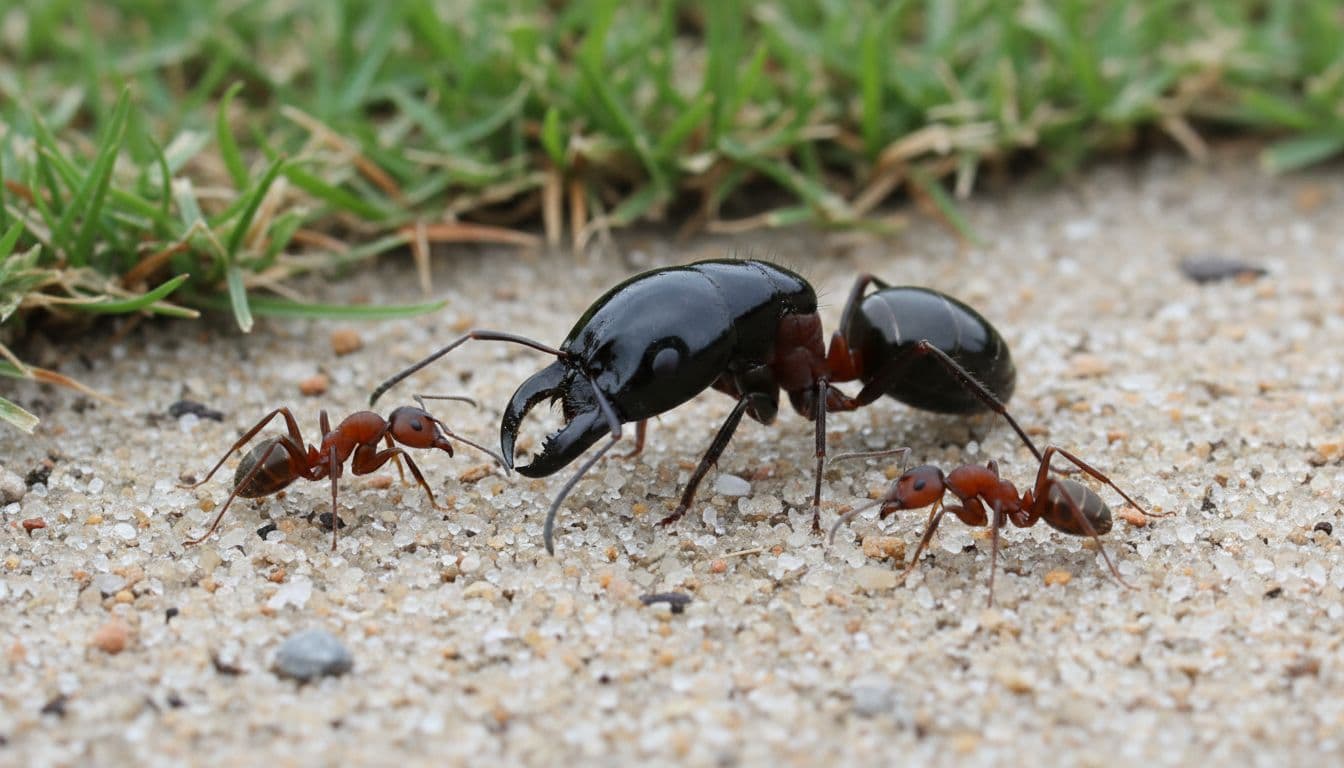
Quick ID section: majors vs minors, head shape, and nest locations
Here's what to look for when you're crouched over a trail with your phone flashlight on:
- Major workers (soldiers) : noticeably larger ants with an oversized, blocky head. The head can look almost "too big" for the body.
- Minor workers : smaller ants with normal proportions. These do most of the foraging.
- Head shape : majors often have a squared-off, chunky head, built for defense and carrying.
- Typical nest spots : soil at lawn edges, under mulch, under pavers , along driveway seams, and inside sidewalk cracks where sand collects.
Color can vary from light brown to darker brown. Also, the majors may be less common in the trail, so don't rule them out if you only see a few.
Big headed ants can get confused with other "big ant" problems. If you're seeing large ants indoors near moisture or wood, it may be worth comparing signs with identifying carpenter ants in Cape Coral homes.
A helpful rule: if you see two worker sizes in the same trail, big headed ants jump higher on the suspect list.
Why Cape Coral sidewalks and pavers attract them
Concrete and pavers act like a sun-warmed roof over sandy soil. Add irrigation, summer rain, and fine sand that settles into joints, and you've got a ready-made ant neighborhood.
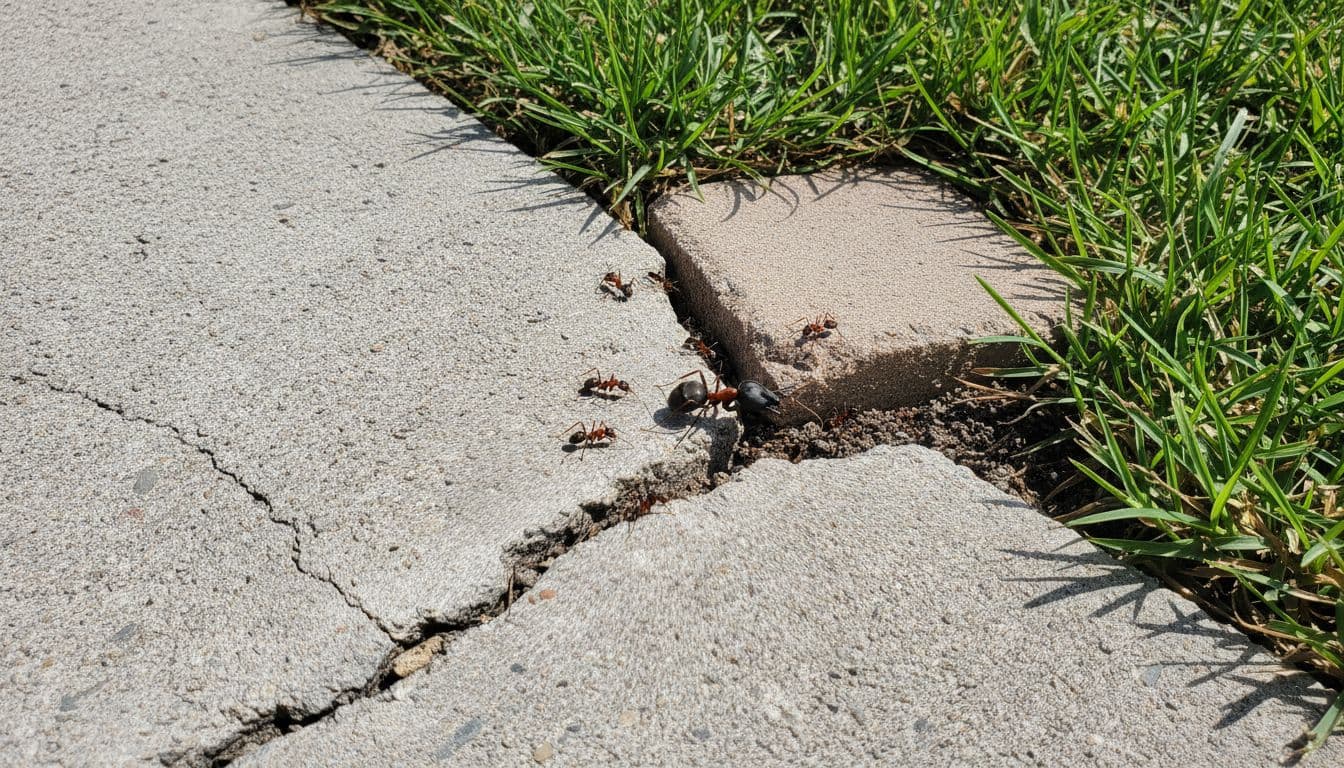
What you'll notice in lawns and crack lines
Most homeowners in Cape Coral report the same handful of signs:
You'll see tight trails that follow edges, seams, and landscaping borders. You may also spot small amounts of gritty soil pushed up from cracks or paver joints. After a heavy rain, activity can spike, then shift to higher, drier seams.
Big headed ants don't usually make tall, obvious mounds like fire ants. Still, their constant tunneling can loosen joint sand and add to paver wobble over time. On sidewalks, the main issue is nuisance trails, especially near entry doors or garage edges.
Why DIY sprays often make it worse
A fast knockdown spray can feel satisfying, but it often doesn't solve the colony. In some ant species, disturbance can cause the colony to split and re-form nearby (homeowners call it "they moved two feet and came back"). That's why an IPM-first plan matters.
If you're also dealing with stinging ants in the lawn, keep those problems separate. Fire ants need a different approach, and this resource helps: fire ant control for Cape Coral homeowners.
An IPM-first plan that works (baiting plus crack and paver joint management)
IPM means you combine smart habitat changes with targeted products, instead of chasing ants with broad sprays. For big headed ants in Cape Coral, that usually looks like trail mapping, baiting, and fixing the "real estate" in the cracks.
Step 1: Confirm trails and reduce what they want
Spend 5 minutes watching where the trail goes. Then do a quick tune-up:
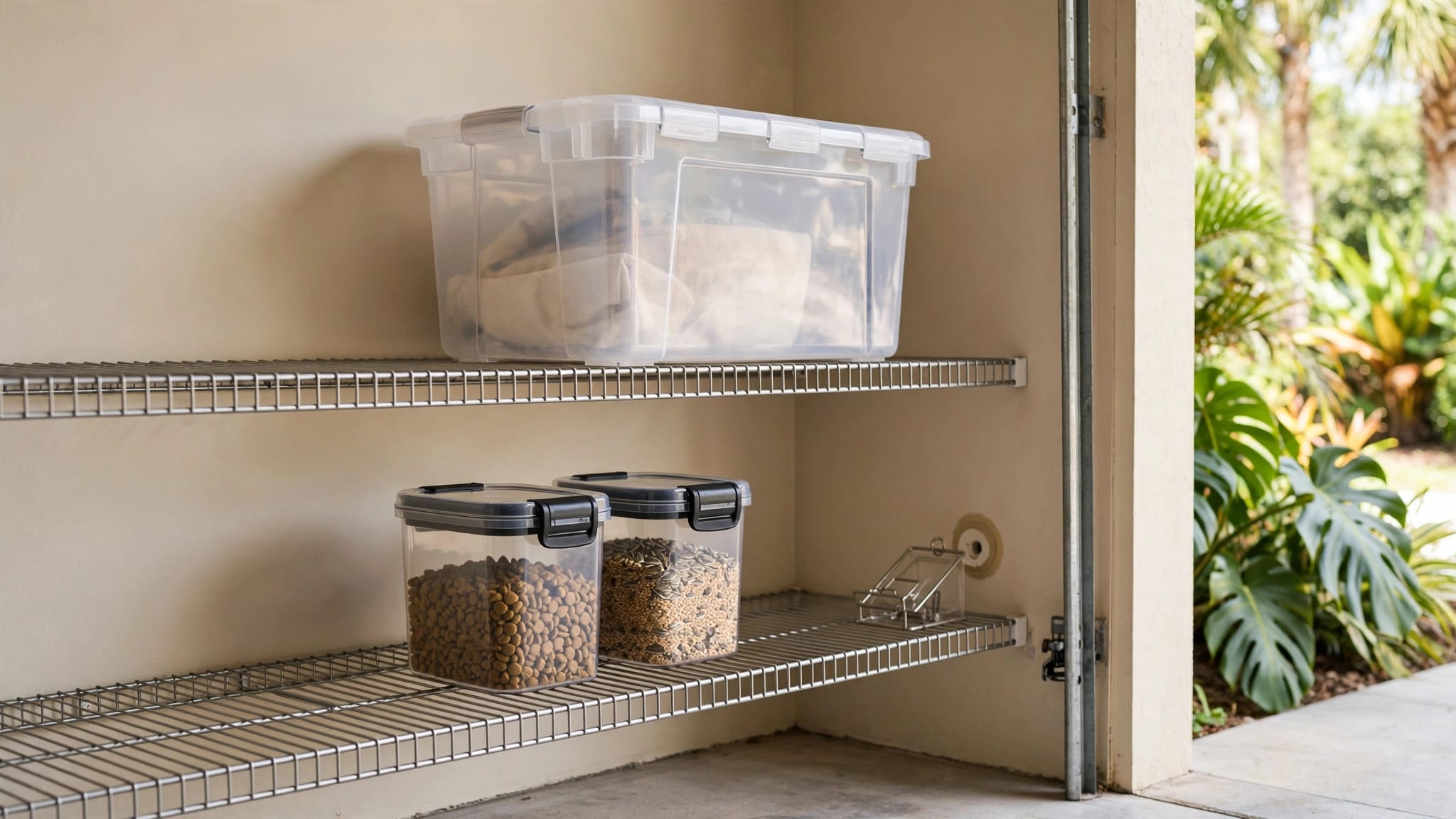
- Sweep or blow crumbs, pet food, and seed off patios and driveways.
- Trim groundcover back from the hard edge so trails aren't hidden.
- Fix constant damp spots (misaligned sprinklers, dripping spigots, soggy mulch).
Keep it Florida-friendly. Don't scalp turf or strip all mulch. Aim for balance so your yard still supports beneficial insects.
Step 2: Use baits correctly (placement is everything)
Baits beat contact sprays because workers carry the food back to the colony. That's the whole point.
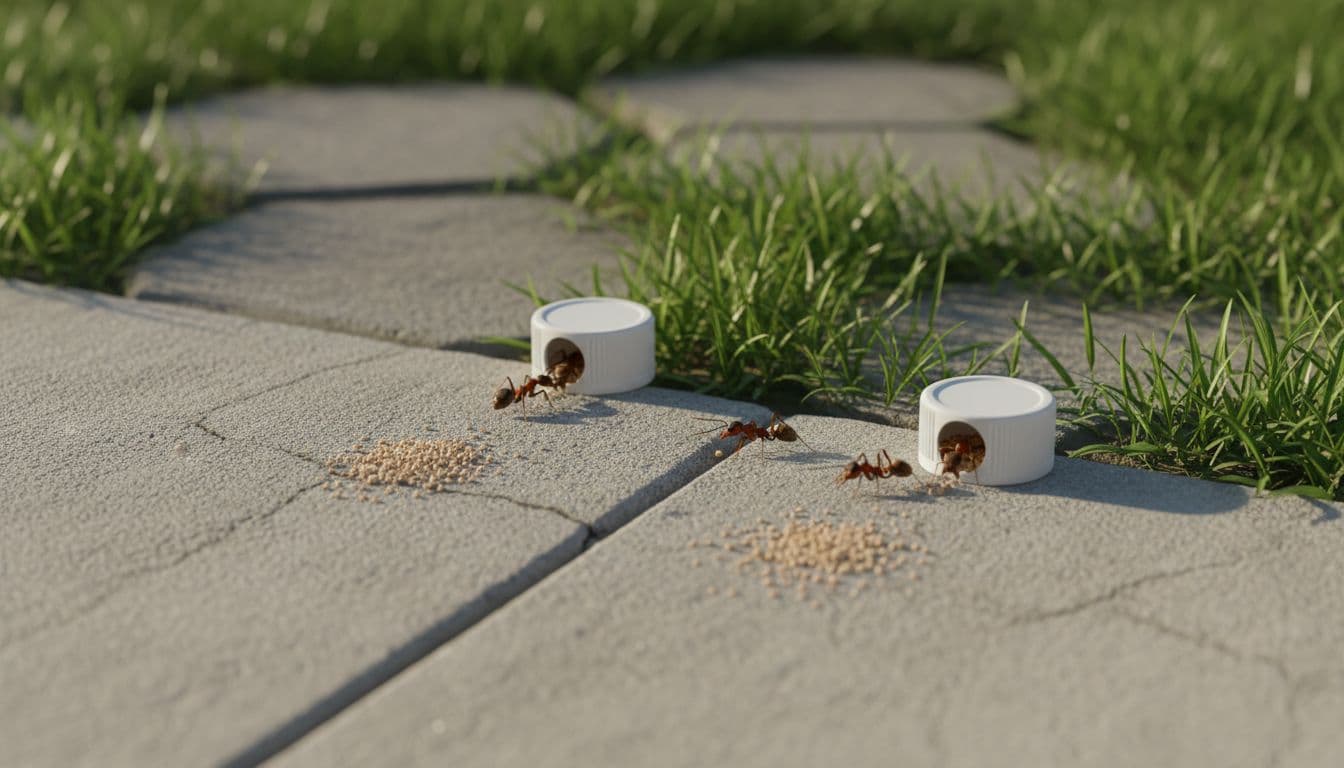
Use slow-acting ant baits labeled for outdoor ant trails. Common active ingredients you'll see include fipronil, hydramethylnon, indoxacarb, spinosad, or borates (the "best" option depends on the label and where you're applying it). Rotate methods only if results stall.
Key placement rules:
- Place bait next to trails , not on top of the heaviest traffic. Give them a calm pickup zone.
- Keep bait dry . Apply when no rain is expected, and avoid watering that area for at least a day (follow the label).
- Don't contaminate bait with spray. If you use a contact insecticide near the trail, the ants may stop feeding and ignore the bait.
Gotcha: if you spray the cracks first, bait often fails because the foragers don't bring food back.
Give it time. You should see trail changes in a few days, with stronger decline over 1 to 2 weeks.
For more indoor and outdoor ant basics, this guide pairs well with baiting: tips for getting rid of ants at home.
Step 3: Manage sidewalk cracks and paver joints so ants can't "rent" them
Think of cracks like open doors. Close them and colonies have fewer safe spots.
Start with cleaning:
- Push debris out with a stiff brush.
- Rinse lightly (don't blast soil out of joints).
- Let joints dry before you add sand or sealant.
Then choose the right filler:
- Polymeric sand works well for many paver joints because it hardens and resists washout (follow install instructions and curing time).
- For non-moving concrete cracks , an outdoor-rated flexible concrete crack sealant can help.
- Around expansion joints or areas that flex, use a flexible sealant designed for that joint type.
If pavers keep opening up, look deeper:
- Reset settled areas and add base material where needed.
- Improve drainage so water doesn't pump sand out during storms.
- Avoid sending rinse water toward storm drains. In Cape Coral, runoff can move fast to canals.
Step 4: Know when it's time for a pro
If trails keep reappearing across multiple areas, the colony network may be spread out under hardscape. A professional can identify active nest zones, choose the right bait type, and apply targeted treatments that fit Florida-friendly goals.
Conclusion: Stop the trails, fix the cracks, protect the yard
Big headed ants in Cape Coral usually aren't a mystery, they're a sign that cracks, joints, and moist edges are giving them shelter. Start with accurate ID , then use baits the right way, and tighten up the paver and sidewalk gaps that keep re-inviting them. With a steady IPM approach, you can cut activity fast and keep your lawn and waterways in better shape.
Schedule a Free Inspection: