Bigheaded Ants in Cape Coral Mulch Beds: How to Stop Yard Trails
Seeing thick ant trails weaving through your mulch beds can make your yard feel "taken over" overnight. In Cape Coral, those trails are often caused by bigheaded ants , a tough, soil-nesting ant that thrives in warm, irrigated landscapes.
The good news is you can usually break the trails without turning your yard into a chemical zone. The key is using the right bait, placing it correctly, and letting it work before you spray anything.
Why Cape Coral mulch beds turn into ant highways
Mulch beds are like a shaded rest stop for ants. They hold moisture, buffer heat, and hide nests from view. In Southwest Florida, that's a big deal because the ground rarely stays cool or dry for long.
Bigheaded ants love this setup for a few reasons:
First, mulch stays damp from irrigation and frequent rain. Ants need moisture to keep colonies stable, especially during hot stretches.
Next, mulch beds often border pavers, pool decks, and foundations . Those edges create cracks and sheltered voids where colonies can spread out. Bigheaded ants don't need one obvious mound. They can nest in many small pockets at once.
Also, landscaping can provide food even when your trash cans are spotless. Bigheaded ants feed on sweets and proteins, but they're especially drawn to honeydew , the sugary liquid produced by sap-feeding insects like aphids, mealybugs, and scale on shrubs and ornamentals. If you've got sticky leaves or sooty mold, ants may be "farming" those insects.
One more twist: bigheaded ants can form networks with multiple queens . That means colonies can rebound fast if you only kill what you see on the surface.
So if you keep chasing trails with a spray, it can feel like mowing weeds without pulling roots. The trail disappears, then pops up nearby.
How to tell you're dealing with bigheaded ants (and where they're nesting)
Bigheaded ants are small, usually light brown to tan. The giveaway is that the colony has two worker sizes. Some are tiny, while others have oversized heads compared to their bodies.
In Cape Coral yards, you'll often notice:
- Narrow, steady trails across mulch, edging, or pavers
- Activity around plant bases, drip lines, and landscape borders
- Ants slipping under paver joints or along the slab edge
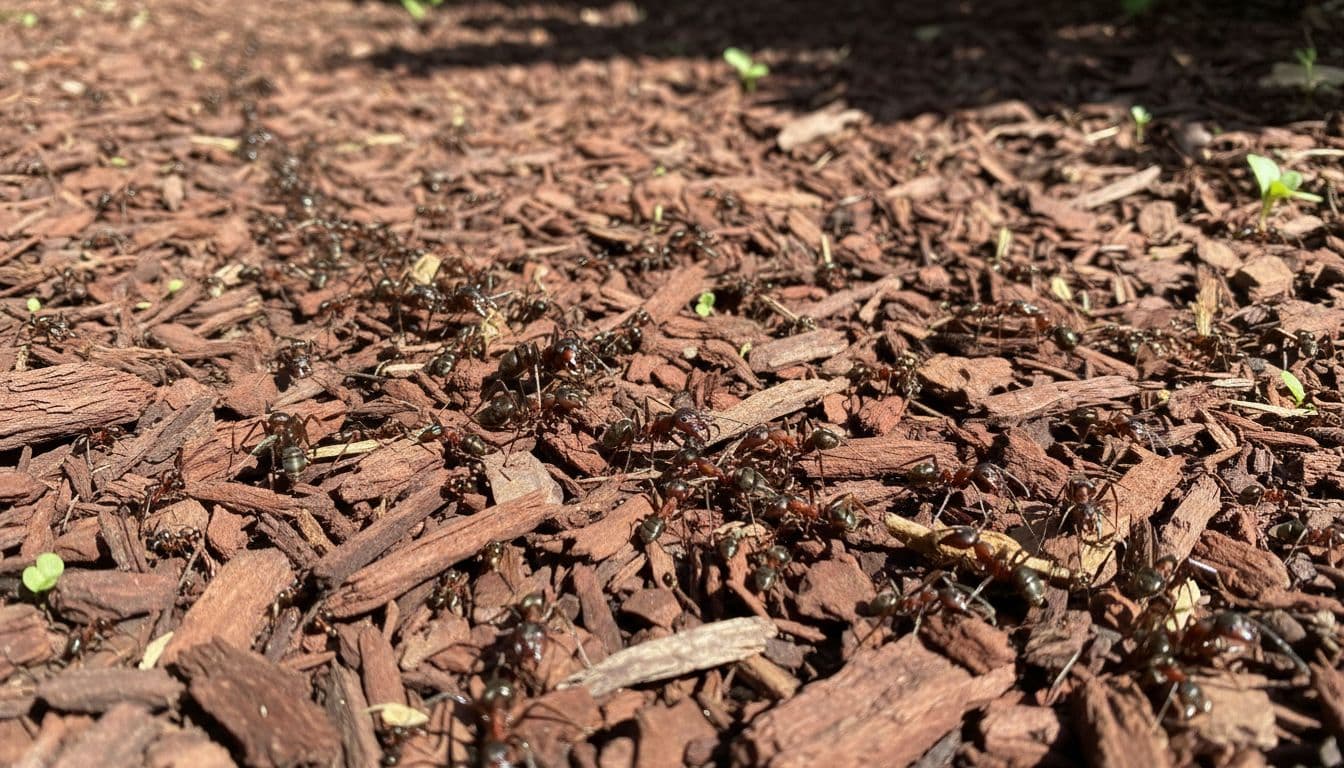
To focus your effort, spend five minutes "reading" the trail instead of rushing to treat it. Follow the line back toward cover. Look for spots where ants disappear into:
- Mulch piled against a stem or rock
- A gap under edging
- Paver cracks
- The soil line along the foundation
It also helps to rule out common look-alikes. Fire ants usually build visible mounds and react aggressively when disturbed (for that issue, see this Cape Coral fire ant control guide). Carpenter ants are larger and tend to point to moisture-damaged wood indoors (these signs of carpenter ants in Cape Coral homes can help you compare).
If the ants are mostly outdoors, trailing in mulch and pavers, bigheaded ants are a strong suspect.
Bigheaded ant control that holds up in Florida heat, rain, and irrigation
For bigheaded ant control, bait comes first . Sprays can kill foragers, but bait targets the colony. Think of bait like a "delivery meal" the workers bring home.
Choose baits by what the ants want that week. Their food preference can shift fast in warm weather.
Here's a simple way to match bait type to the moment:
| What you see | What it suggests | Bait type to try | Notes for Cape Coral yards |
|---|---|---|---|
| Ants ignore sweet bait | They want protein or oil | Protein or grease-based bait | Try near active trails, not on top of them |
| Ants swarm syrupy spills | They want carbs | Sugar-based bait | Keep it dry, irrigation can ruin it |
| Heavy yard activity, many trails | Multiple nests, multiple queens | Combination approach | Use bait broadly across mulch edges |
When picking products, look for active ingredients commonly used in ant baits, such as indoxacarb , hydramethylnon , abamectin , spinosad , or boric acid/borates . Some baits also include an IGR (insect growth regulator) like pyriproxyfen or methoprene to slow colony recovery. Always read the label for outdoor use sites, watering restrictions, and pet safety.
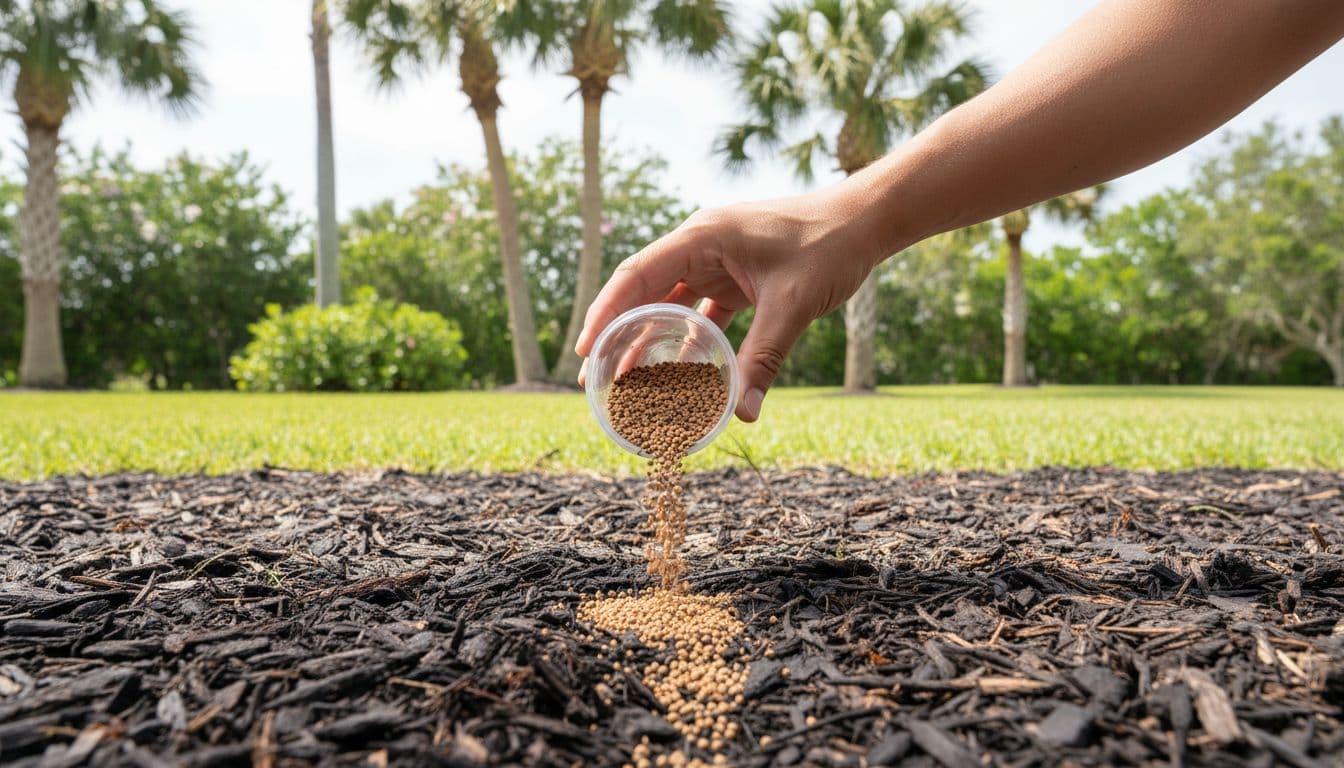
Placement matters as much as the ingredient. Apply bait beside trails, along edges, and near where ants disappear, but don't bury it. Granular baits work well around mulch borders, while gel baits can help on hardscape edges if the label allows outdoor placement.
Bait is slow on purpose. If ants feed, let them work for a few days before changing tactics.
After baiting, you can add a non-repellent exterior treatment (if the label lists ants and your application site). Non-repellent actives often used by professionals include fipronil or certain neonicotinoids (follow label directions closely). The goal is to create a treated zone where ants travel, without "spooking" them away from the bait.
For indoor spillover or kitchen scouts, these tips for getting rid of ants in your home pair well with the outdoor plan.
Troubleshooting moving trails, ignored bait, and ants in pavers (plus a 30-day plan)
Bigheaded ants rarely play fair. Trails can move, bait can get snubbed, and pavers can hide nests. Use this section like a quick diagnostic.
If bait is ignored
Competing food is common in mulch beds. Honeydew from scale or aphids can make bait less attractive. Check plants for sticky residue and consider treating those plant pests (label-safe options include horticultural oils or insecticidal soaps).
Also, make sure the bait stayed fresh. Rain, heavy dew, and sprinklers can turn bait into mush fast. Apply when you expect at least 24 hours dry , and pause irrigation if you can.
If the trail "disappears" but returns nearby
That often means the colony shifted routes, not that it died. Keep baiting a wider zone, focusing on edges and travel corridors. Avoid blasting the area with repellent sprays, because you can scatter the colony into more nests.
Don't spray repellents over baited trails. You'll break the bait cycle and may spread the problem.
If ants are coming up through pavers
They may be nesting under the sand base. Use bait along joints and borders, then consider a labeled non-repellent treatment along seams. Avoid flooding paver joints with water, it can push ants into new voids.
Quick Do and Don't list
- Do apply bait when it's dry and calm outside.
- Do spread bait placements out, instead of piling it in one spot.
- Don't spray strong-smelling repellents on top of active trails.
- Don't water the area right after baiting.
- Don't expect one treatment to fix multi-queen colonies.
A simple timeline keeps you from overreacting and overapplying:
| Timeframe | What to do | What "success" looks like |
|---|---|---|
| First 24 hours | Identify trails, place the right bait, keep it dry | Ants begin feeding, trails may stay active |
| First week | Re-bait if washed out, treat honeydew pests, add non-repellent barrier if needed | Trails thin out, fewer new lines appear |
| 30 days | Monitor after rain, refresh bait as needed, keep mulch from staying soggy | No steady trails, only occasional scouts |
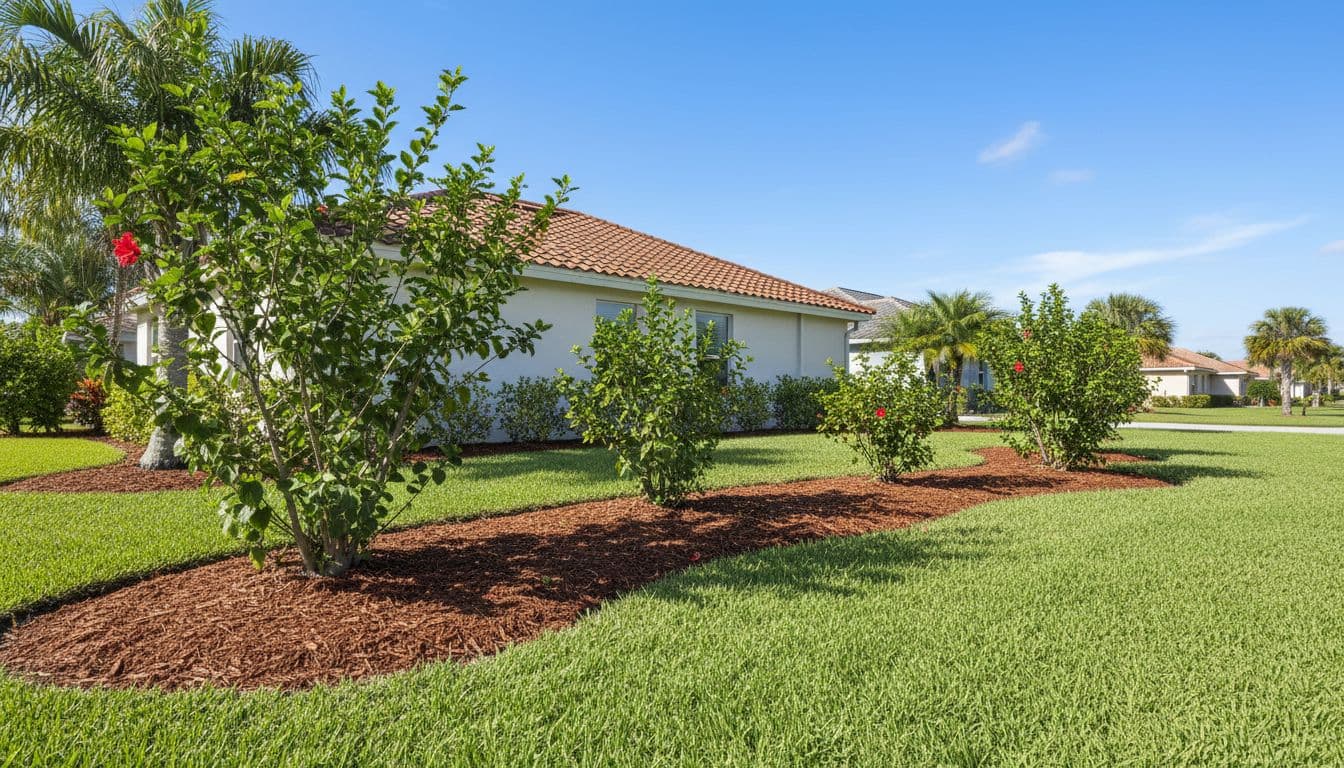
If you've baited correctly and trails keep exploding across multiple areas, it may be time for a professional inspection. Multi-colony yard infestations often need a coordinated bait and barrier approach across the whole exterior. Local help is available through residential pest control in Cape Coral.
Conclusion
Bigheaded ants in Cape Coral mulch beds don't quit just because you killed a trail. You'll get better results by leading with bigheaded ant control baiting, keeping treatments dry, and avoiding repellent sprays that scatter the colony. Stick to the 30-day plan, watch what changes after rain, and treat the yard like a system, not a single spot.
Schedule a Free Inspection: