Odorous House Ants in Cape Coral: How to Identify and Control Them
Tiny ant trails by the sink can feel like they appeared out of nowhere. In Cape Coral, that happens a lot because warmth, humidity, and easy access to water keep ants active for much of the year.
The good news is that odorous house ants are usually a nuisance, not a dangerous pest. Still, the wrong fix can drag the problem out. Accurate identification, less moisture, cleaner surfaces, and smart bait use usually make the biggest difference.
How to tell if you have odorous house ants
Odorous house ants are small, usually dark brown to black, and often about the size of a crumb. Homeowners usually spot them in kitchens, baths, around dishwashers, and near window sills. They tend to form trails, but those trails can shift fast when food or moisture changes.
Their clearest giveaway is the smell. Crush one, and it gives off a rotten-coconut odor . That odd smell is why they got their name.
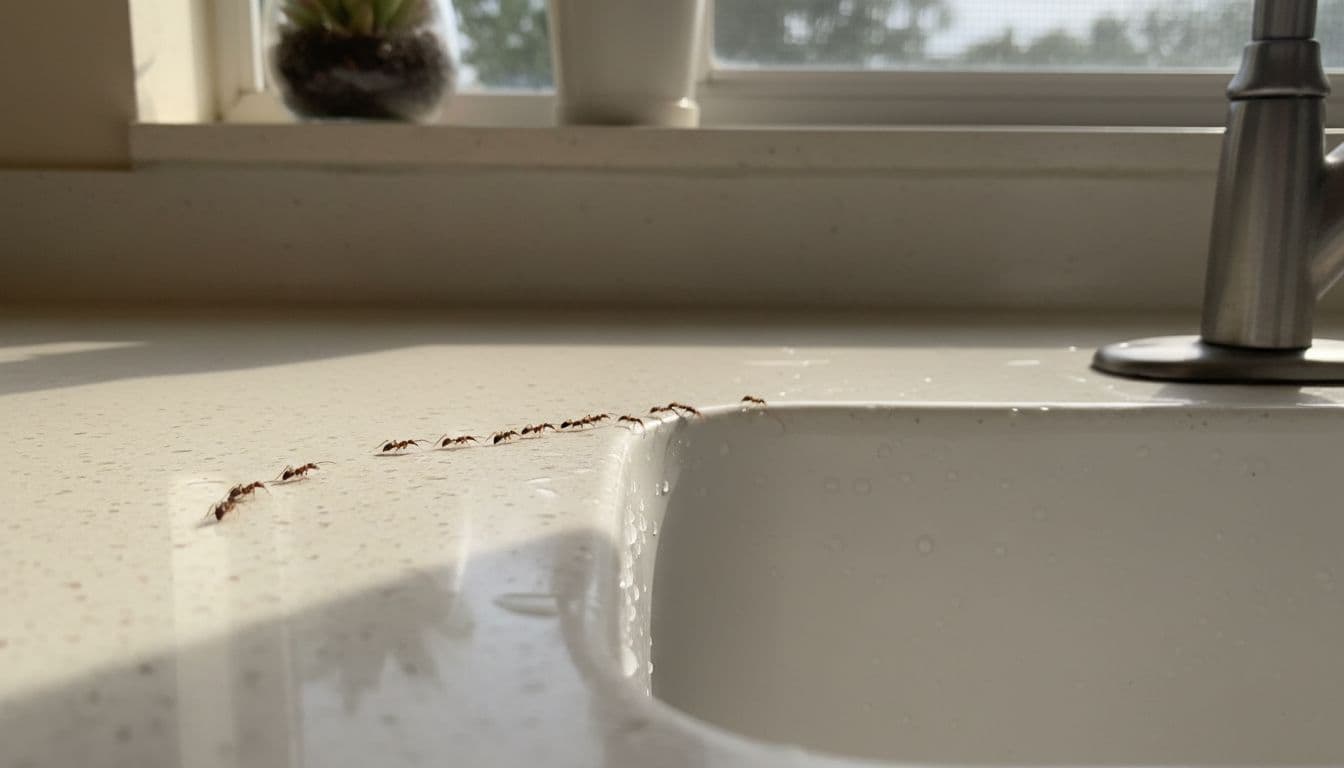
In Florida, these ants can stay active year-round. Even so, activity often ramps up in spring, summer, and after rain. When outdoor conditions get too wet or food washes away, colonies may push indoors. That is why Cape Coral homeowners often notice them after humid stretches, irrigation changes, or storms.
This quick comparison helps if you're not sure what you're seeing:
| Ant type | What homeowners notice | Common clue |
|---|---|---|
| Odorous house ants | Small dark ants trailing indoors | Rotten-coconut smell when crushed |
| Rover ants | Very tiny ants, scattered movement | Moisture-heavy kitchen swarms |
| Pharaoh ants | Tiny light-colored ants in many rooms | Hidden indoor nests and shifting trails |
If your ants are extra tiny and seem to explode around sink areas, compare them with Cape Coral rover ant identification and control. A correct ID matters because different ants respond to treatment in different ways.
Why odorous house ants keep showing up, and what actually works
These ants usually come inside for two reasons, moisture and food . A slow leak under the sink, condensation near a fridge line, sticky residue on a counter, or pet food left overnight can all invite them in. Outdoors, they may nest under mulch, stones, potted plants, or debris, then forage inside through tiny gaps.
Think of them like hikers following the easiest trail. If your home offers water, snacks, and a small opening, they keep coming back.
A simple control plan works better than a quick spray-and-hope approach:
- Dry out problem areas : Fix drips, dry damp cabinets, and wipe up condensation around sinks and appliances.
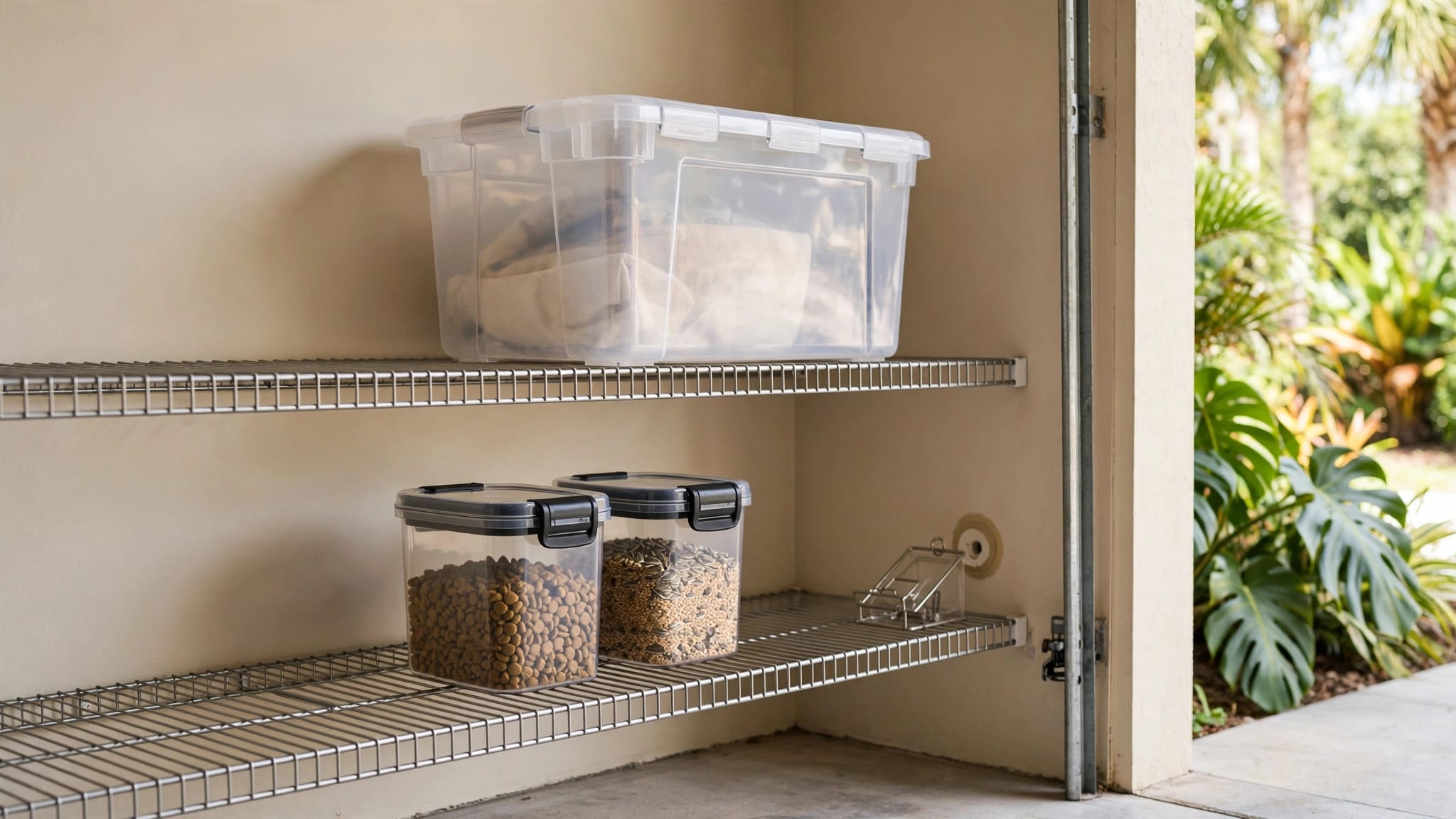
- Remove easy food : Clean crumbs, rinse recyclables, store sweets in sealed containers, and avoid leaving pet food out overnight.
- Use bait near activity : Place ant bait beside trails, baseboards, or entry points, always following the product label.
- Leave the bait alone : Don't spray over it or wipe up the trail right away, because workers need to carry bait back to the colony.
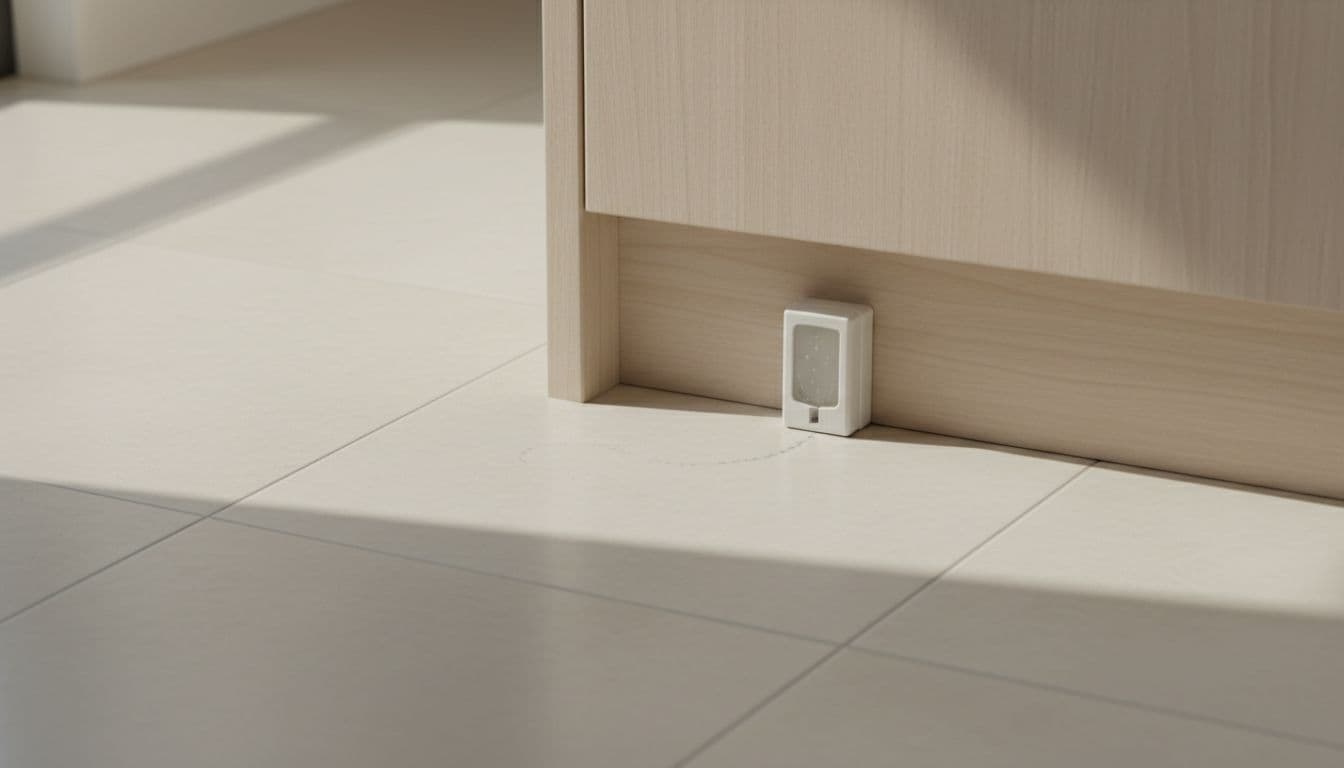
If you see more ants around a bait for a day or two, that can be normal. It often means the bait is attracting foragers, not failing.
Patience matters here. Odorous house ants can switch food tastes, so a bait that works one week may get less attention later. Also, strong repellent sprays may break up visible trails without solving the colony. In some cases, they can push ants into new routes and make the problem feel larger.
For more broad indoor ant help, these effective home ant control strategies pair well with a bait-first plan.
Prevention steps that hold up in Cape Coral weather
Once the activity drops, the next goal is keeping ants from returning after the next rainy spell. Start with the house itself. Seal gaps around pipe entries, cable lines, window frames, and door thresholds. Add weatherstripping where needed, and repair torn screens. Tiny ants don't need much space to get inside.
Then look outside. Trim branches and shrubs so they don't touch the house. Pull mulch and leaf litter away from the foundation. Also, watch irrigation. Soil that stays wet near the home can support nesting and draw foragers closer to entry points.
Indoors, sanitation still matters. Wipe counters, empty trash regularly, clean under small appliances, and keep under-sink areas dry. In Cape Coral homes, humidity adds another layer, so bathroom fans, A/C drain maintenance, and quick leak repair all help.
DIY steps may fall short when ants keep reappearing in several rooms, disappear into wall voids, or return every time the weather turns wet. That's also true when bait gets ignored, or when the ants may not be odorous house ants at all. If trails are showing up in new places, hidden colonies might point to another species, so it helps to review pharaoh ant identification in Southwest Florida homes.
A licensed pest control company can inspect entry points, moisture sources, and nesting areas, then choose products and placements that fit the situation. That usually saves time when the same problem keeps circling back.
Conclusion
Odorous house ants in Cape Coral are annoying, but they usually follow a simple pattern: moisture, food, then easy access. If you confirm the rotten-coconut smell, cut off what attracts them, and use baits correctly, control gets much easier. When DIY steps stop working, a professional inspection can find what the trail on your counter isn't showing you.
Schedule a Free Inspection: