Acrobat Ants In Cape Coral Soffits And Wall Voids
Hearing a faint rustle above the ceiling line, then spotting ants near a soffit gap, can feel unsettling. In many Cape Coral homes, that pattern points to acrobat ants Cape Coral homeowners often find in hidden structural spaces.
These ants usually don't nest out in the open. Instead, they prefer protected areas like soffits, fascia transitions, attic edges, and wall voids, especially where wood stays damp or starts to break down. The good news is that clear identification and a focused inspection can usually narrow the problem fast.
Why acrobat ants like soffits, fascia areas, and wall voids
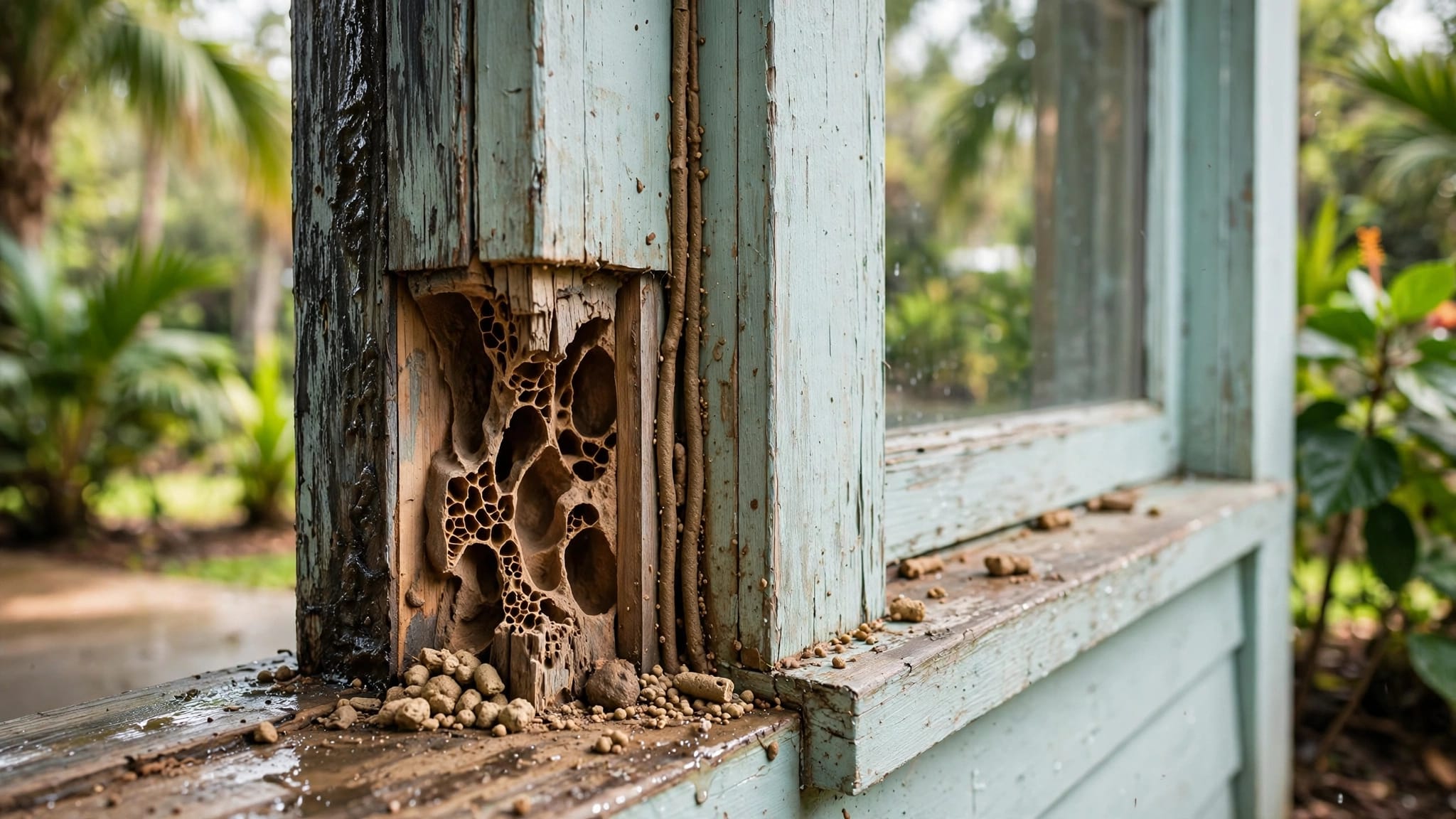
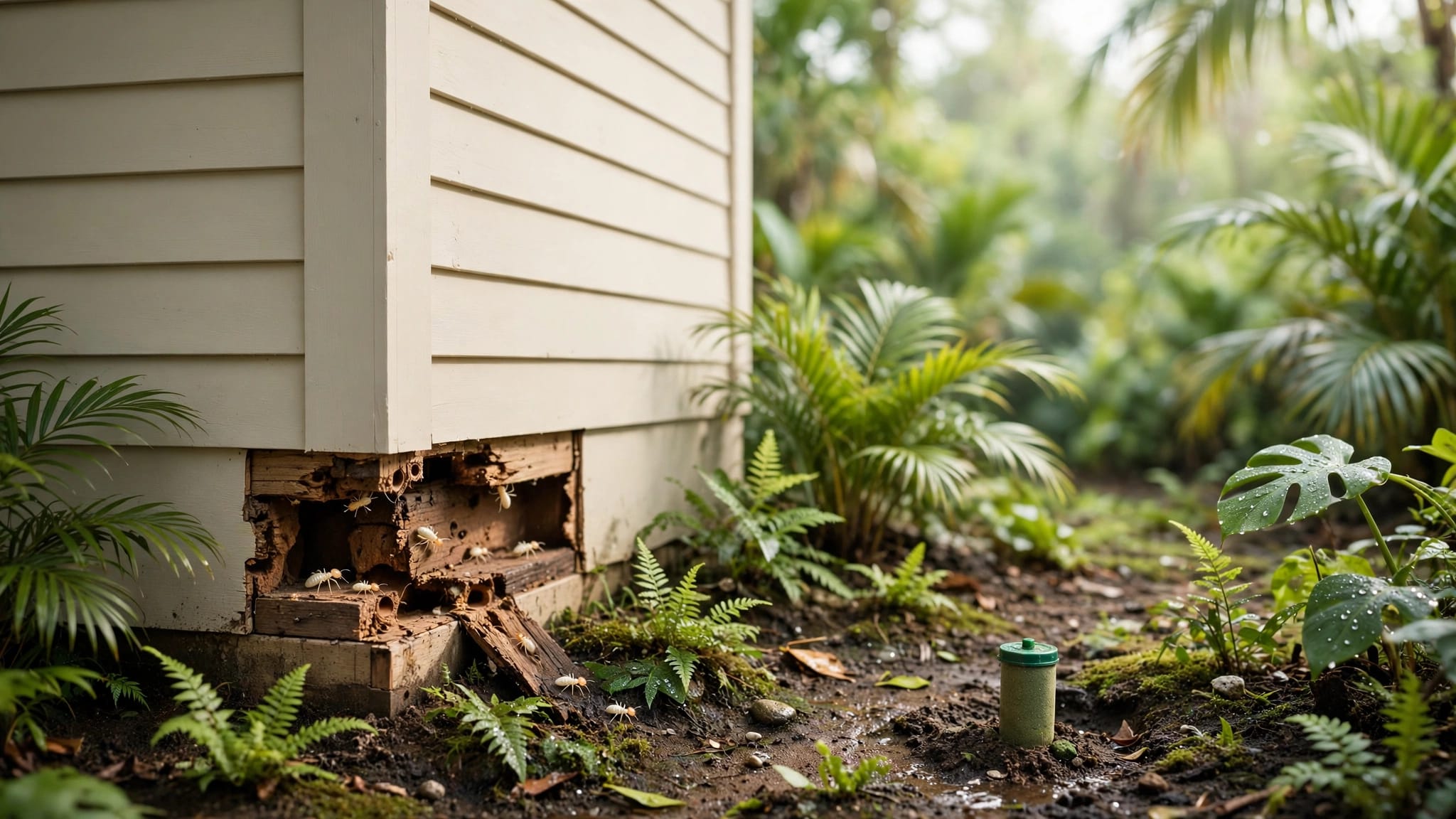
Acrobat ants are small, but their hiding spots make them tricky. They often nest in damp or damaged wood, and roofline areas give them exactly what they want, shade, cover, and quiet spaces that stay humid after rain.
Soffits and fascia boards can become prime nesting zones when water gets behind paint, caulk fails, or a roof edge leaks slowly. Over time, wood softens. That creates ideal shelter for a colony. In other cases, ants use old tunnels left by other insects and expand from there.
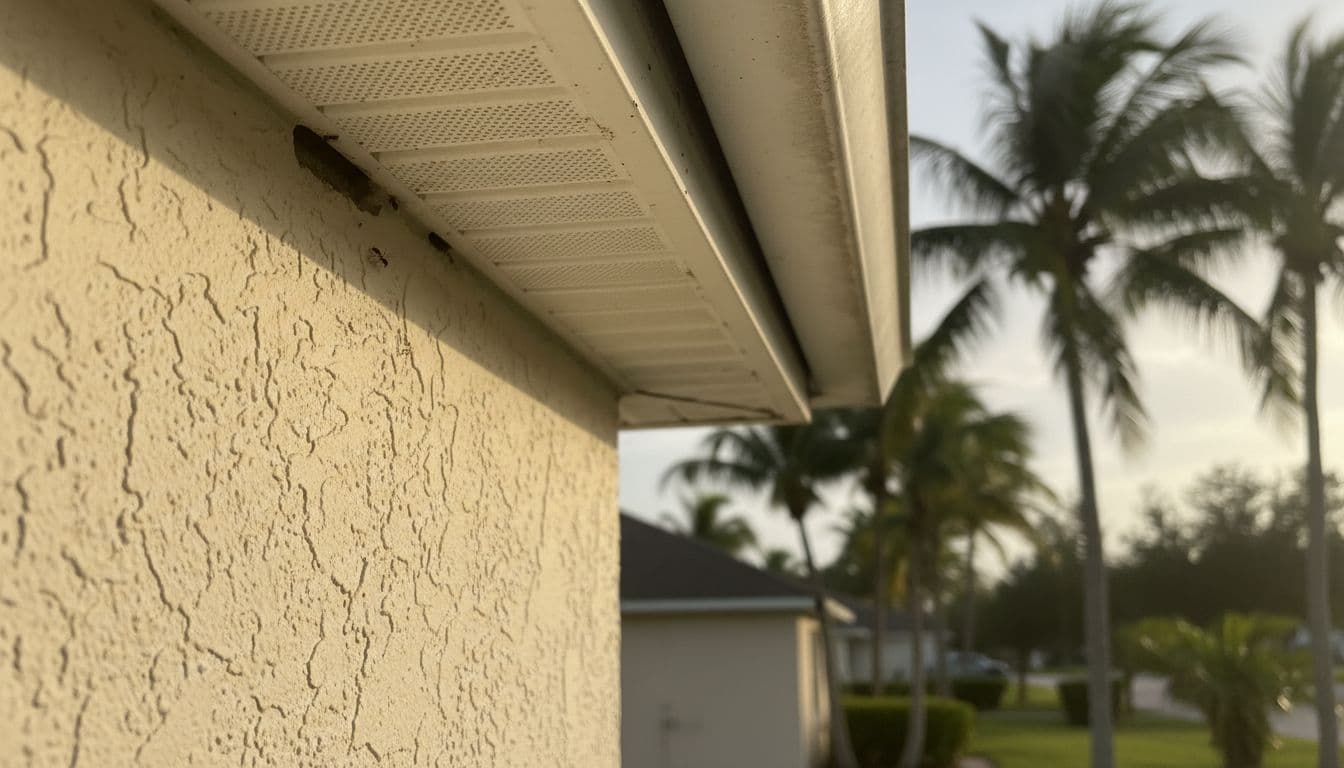
Wall voids work the same way. Think of them like hidden hallways behind drywall. Once ants enter through a soffit seam, utility opening, or roofline crack, they can move between attic transitions and interior walls without being seen much at all.
That hidden movement is why homeowners sometimes notice ants indoors before they find the actual nest. Workers may trail down from above and appear around windows, sinks, baseboards, or light fixtures.
If ants keep showing up near the same soffit gap or ceiling line, the colony is often closer than it looks.
Not every ant near the roofline is an acrobat ant, though. Larger ants with sawdust-like debris may point to a different issue. If you're comparing signs, this guide to warning signs of carpenter ants can help separate one problem from another.
How to identify acrobat ants and spot the warning signs
Acrobat ants get their name from a distinct pose. When disturbed, they raise their abdomen over their body, almost like a tiny gymnast bending backward. That abdomen often looks heart-shaped, which is one of the easiest clues.
They can vary in color, from light brown to darker brown or black. Size alone isn't enough for ID, because several Florida ants look similar at first glance. Behavior and location matter just as much.
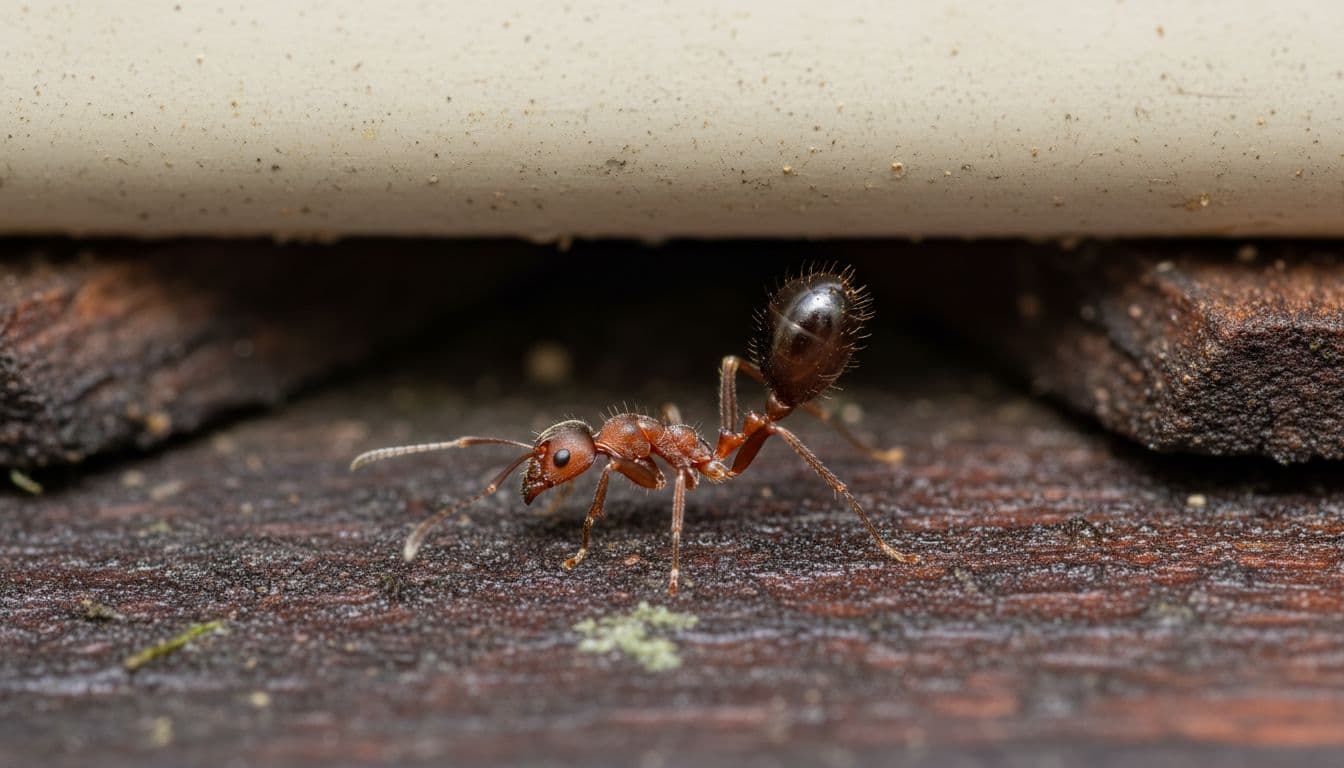
Here are the signs that deserve a closer look:
| Warning sign | What it may suggest |
|---|---|
| Ants near soffit gaps or fascia seams | Entry route into a hidden roofline void |
| Light rustling in walls or ceiling edges | Ant activity inside a structural void |
| Ants appearing indoors after rain | Moisture change pushed foragers inward |
| Ants near vents, cables, or pipe gaps | Travel through utility penetrations |
You may also notice ants trailing from upper walls instead of floor level. That's an important clue. Many indoor ant issues start low, near slabs or kitchens. Acrobat ants often seem to "drop in" from above because the nest sits in a soffit or wall cavity.
If the ants are very tiny and keep appearing in new rooms, another species may be involved. In that case, this article on finding hidden Pharaoh ant nests offers a helpful comparison.
What to inspect around the roofline before the problem grows
Once you suspect acrobat ants, focus on moisture and access. That means looking at the conditions that let them stay hidden in the first place.
Start outside. Check soffits, fascia boards, roof returns, and trim for soft spots, peeling paint, staining, or small gaps. Next, look where wires, pipes, and conduit enter the home. Utility penetrations often leave narrow openings that ants can use like side doors.
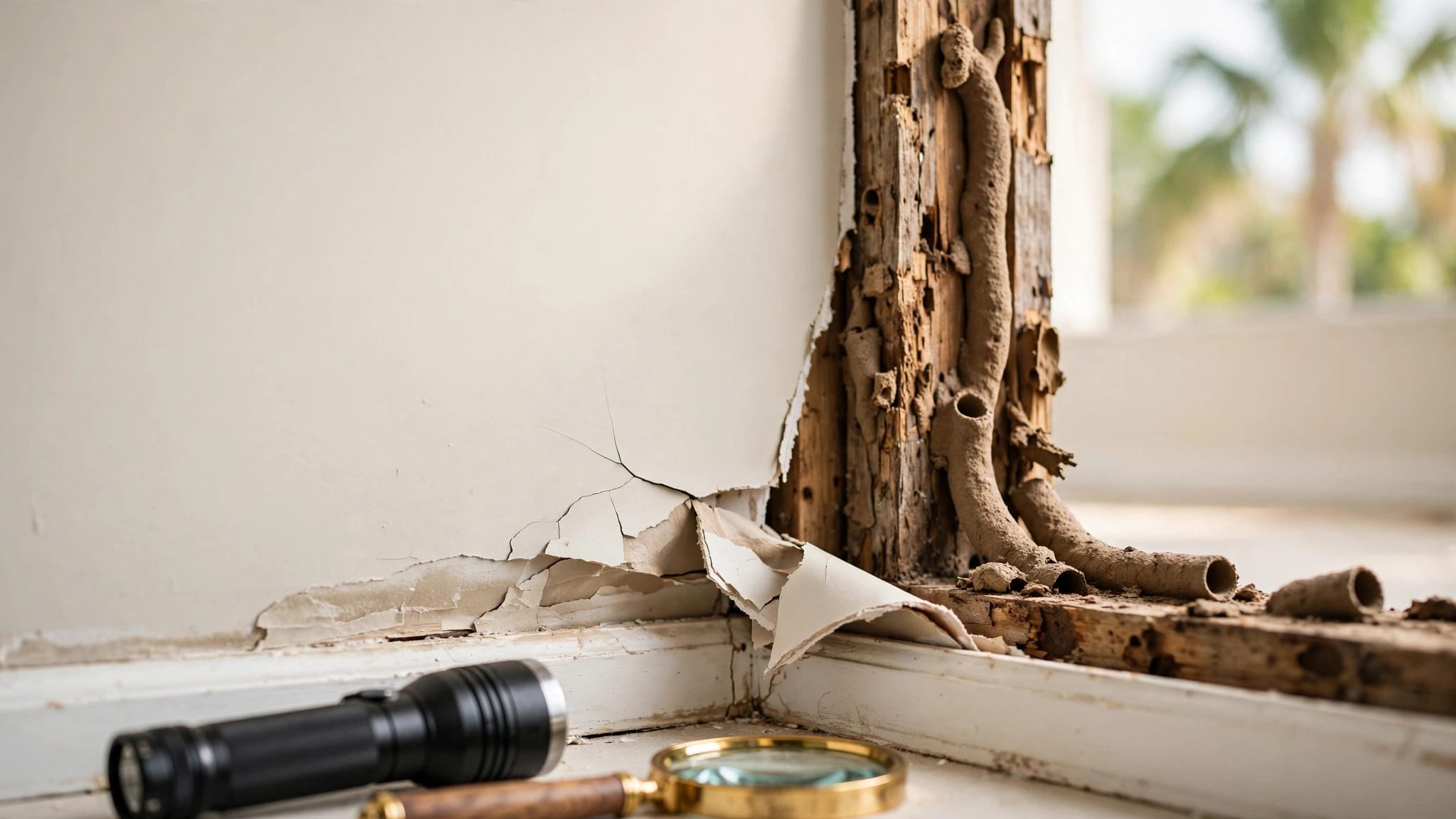
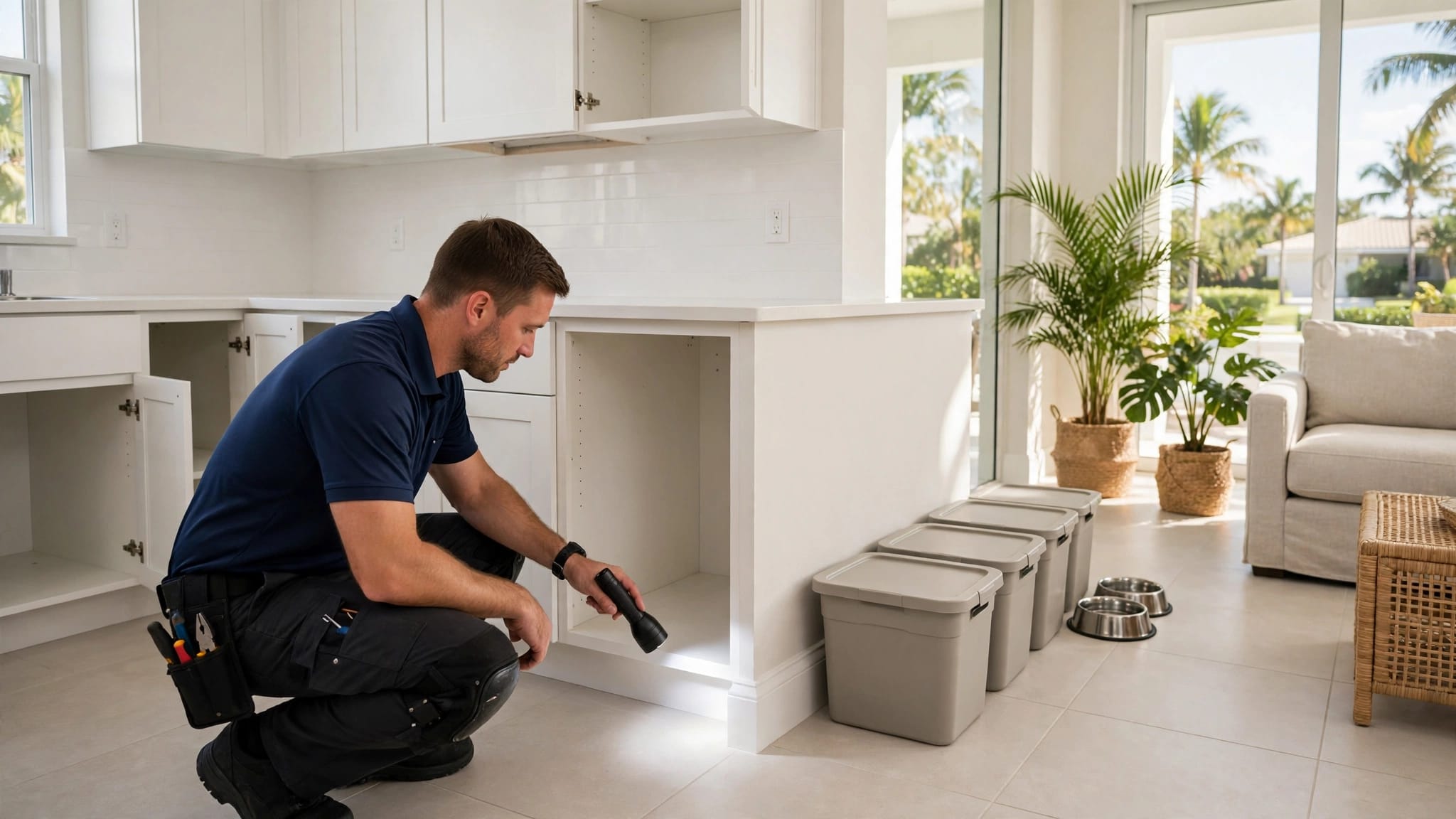
Inside, inspect attic-to-wall transitions if you can do so safely. A flashlight helps. Look for damp wood, staining, insect debris, or live ant trails. In Cape Coral, humidity can keep these spaces attractive much longer than homeowners expect.
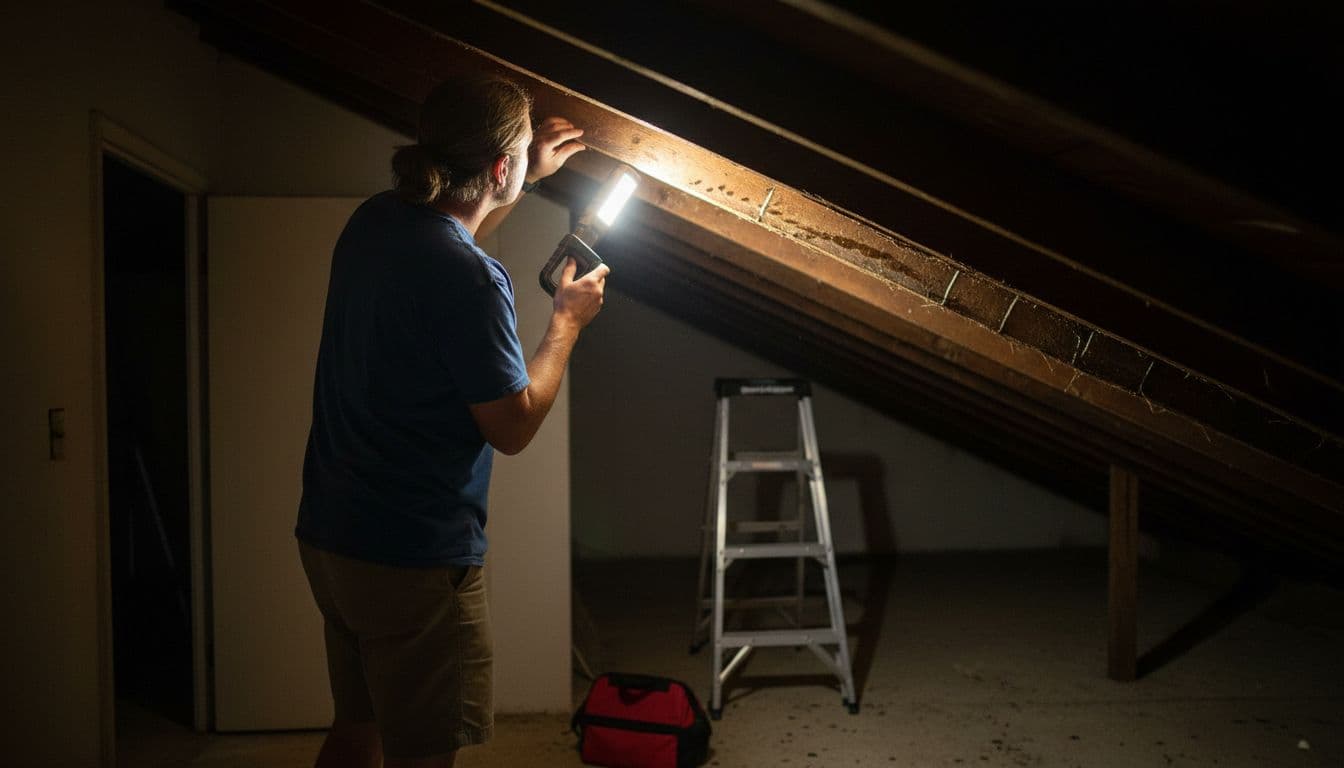
A few prevention steps go a long way:
- Fix moisture first : Repair leaks, replace wet wood, and improve ventilation where air gets trapped.
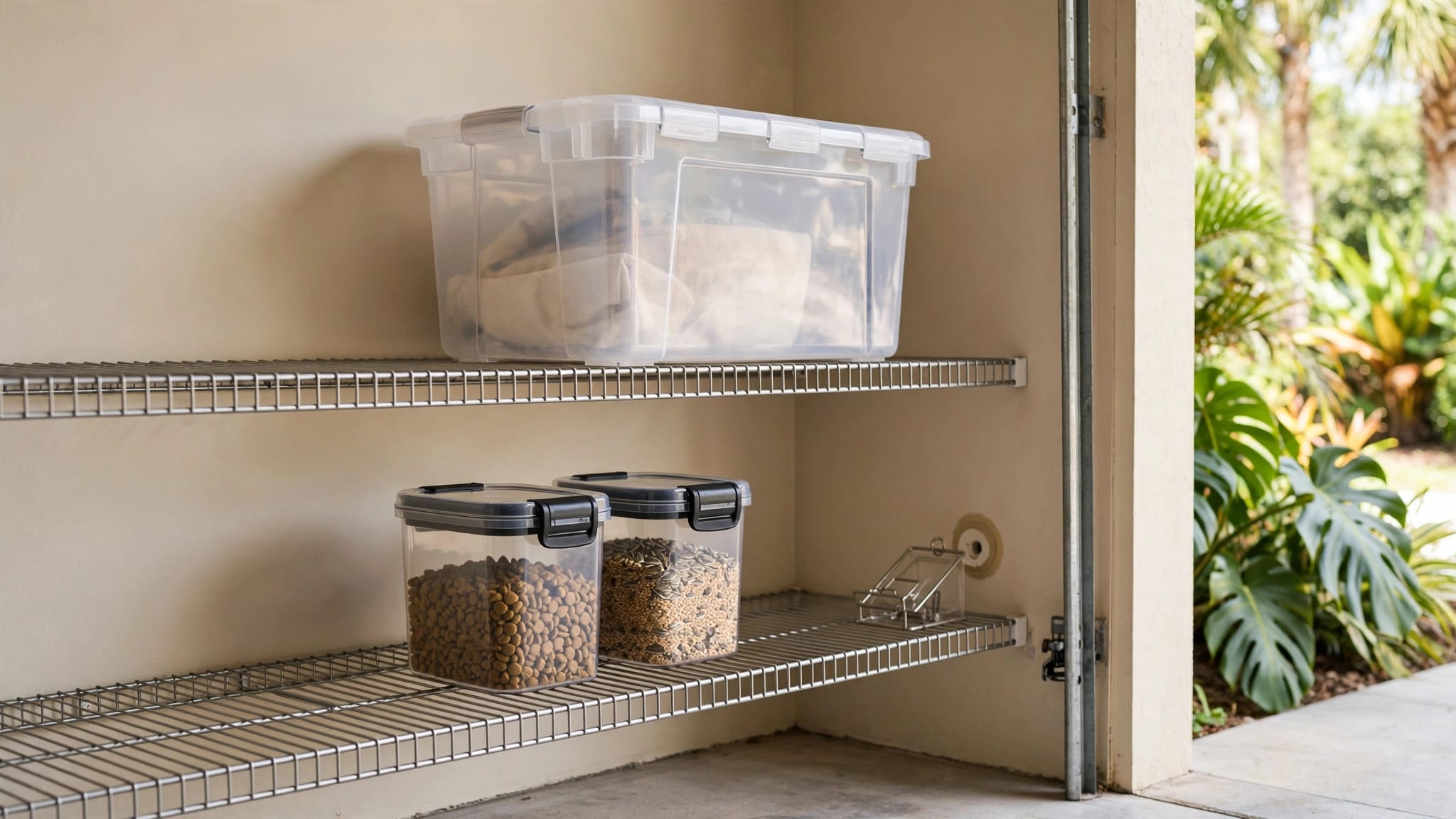
- Seal exterior gaps : Close openings around soffits, fascia joints, vents, and utility lines.
- Trim back contact points : Branches touching the roofline can help ants bridge onto the home.
- Watch recurring trails : Repeated sightings in the same upper-wall area usually mean the source remains active.
Avoid spraying blindly into wall voids or attic edges. That rarely solves a hidden nest, and it can scatter activity instead of ending it. When colonies sit deep in inaccessible spaces, the better move is a careful inspection and a treatment plan built around the structure.
For recurring ant issues or hard-to-reach nesting sites, local Cape Coral residential pest control can help confirm the species, find the nesting zone, and address both the ants and the conditions drawing them in.
The bottom line for Cape Coral homeowners
Acrobat ants in soffits and wall voids are often a sign that moisture, damaged wood, or small exterior gaps need attention. The ants you see indoors may only be the tip of the problem, while the colony stays hidden above or behind the wall. If sightings keep repeating, or you hear activity in inaccessible spaces, a professional evaluation is the safest next step. Catch the issue early, and you can protect both your comfort and your home's structure.
Schedule a Free Inspection: