Acrobat Ants In Cape Coral Soffits And Window Frames
Spot ants along your roofline or window trim, and it's easy to shrug them off. In many Cape Coral homes, though, acrobat ants are a warning sign of damp, stressed wood around soffits, fascia, eaves, and window frames.
These ants don't eat wood the way termites do. Still, they like nesting in soft, moisture-damaged areas and old insect galleries. That means acrobat ants in Cape Coral homes can point to a bigger moisture problem. If you know the signs, you can act before small trim issues turn into repairs. Here's what to watch for, how to tell them apart, and when professional treatment makes the most sense.
Why soffits and window frames are prime targets
Exterior trim works like a sheltered hallway for ants. Soffits, fascia, and eaves stay shaded, and they often trap humidity. Add a small roof leak, failed caulk, or overspray from irrigation, and the wood can stay damp far longer than it should.
Acrobat ants like that setup because they prefer voids and weakened wood, not open sunlight. They may move into old termite or carpenter ant galleries, then spread along the trim line. In other words, the ants aren't usually the first thing to arrive. Moisture gets there first.
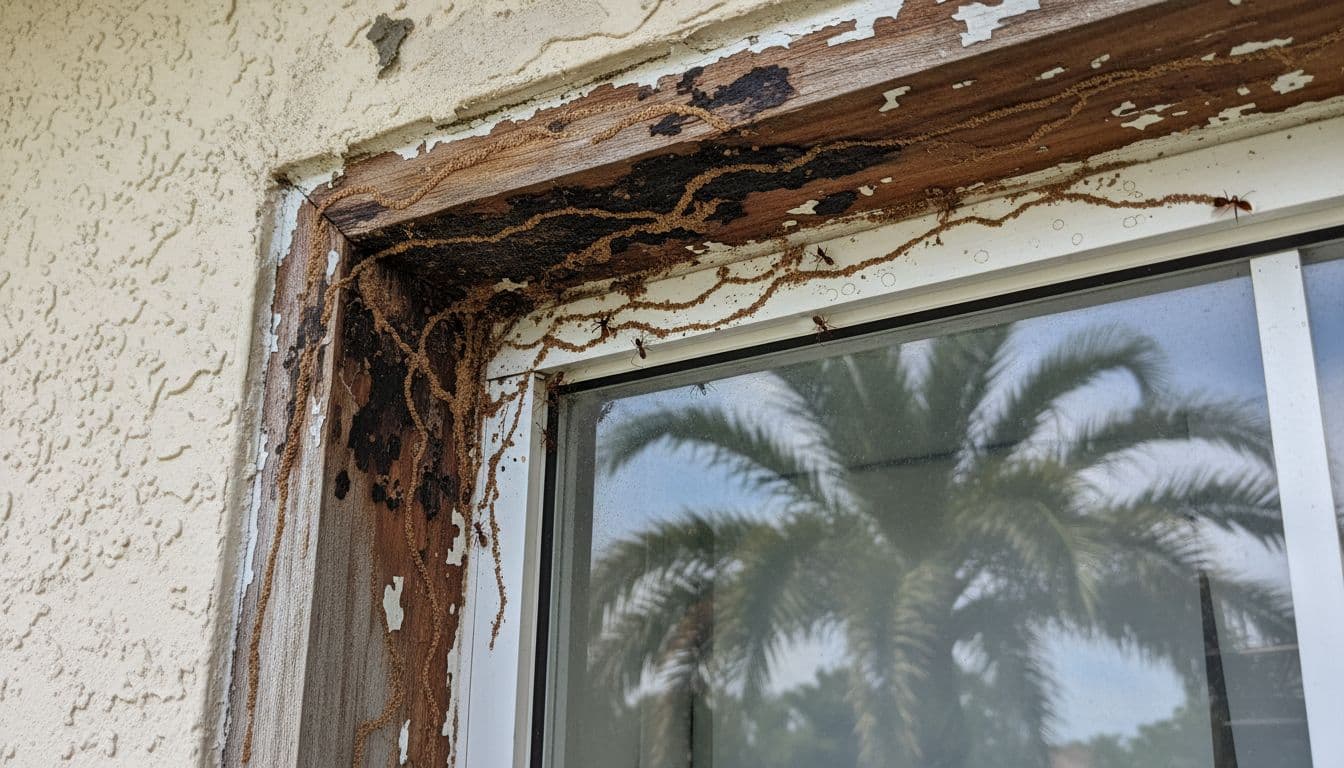
Around windows, the same pattern shows up. Worn sealant, hairline gaps, and soft wood give workers a hidden entry route. Then they travel behind casings, under soffit seams, and around exterior corners where you rarely look up close. In Cape Coral's heat, those spots can stay active for months. That's why homeowners often notice ants high on the wall or near trim before they ever see them indoors.
Signs of acrobat ants around exterior trim
The clearest clue is movement near the roofline or windows. You may see thin trails running along fascia boards, soffit seams, or the outer edge of a window frame. If you tap the trim or disturb a trail, workers often lift their rear end over the body. That raised, heart-shaped abdomen is how acrobat ants got their name.
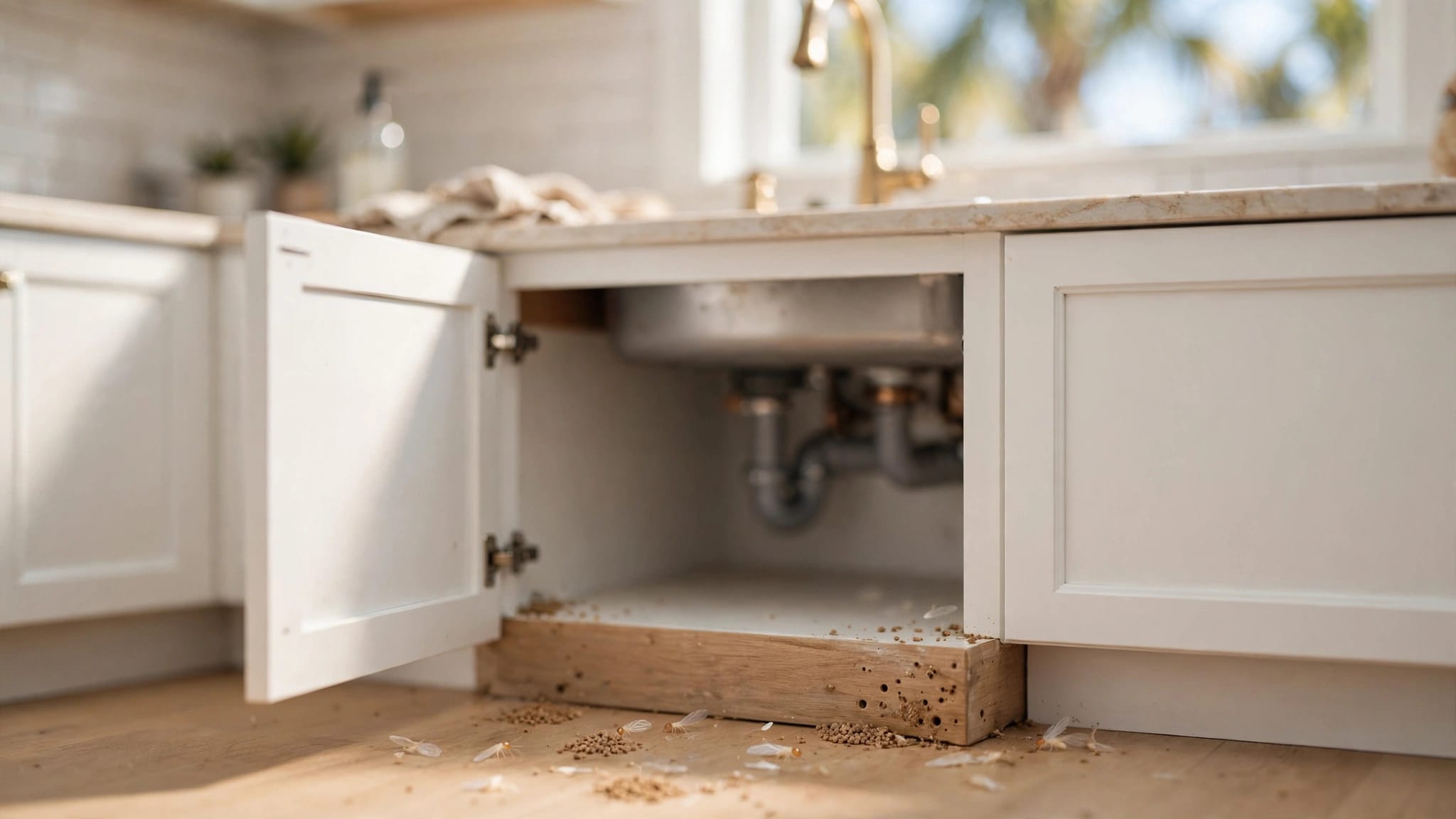
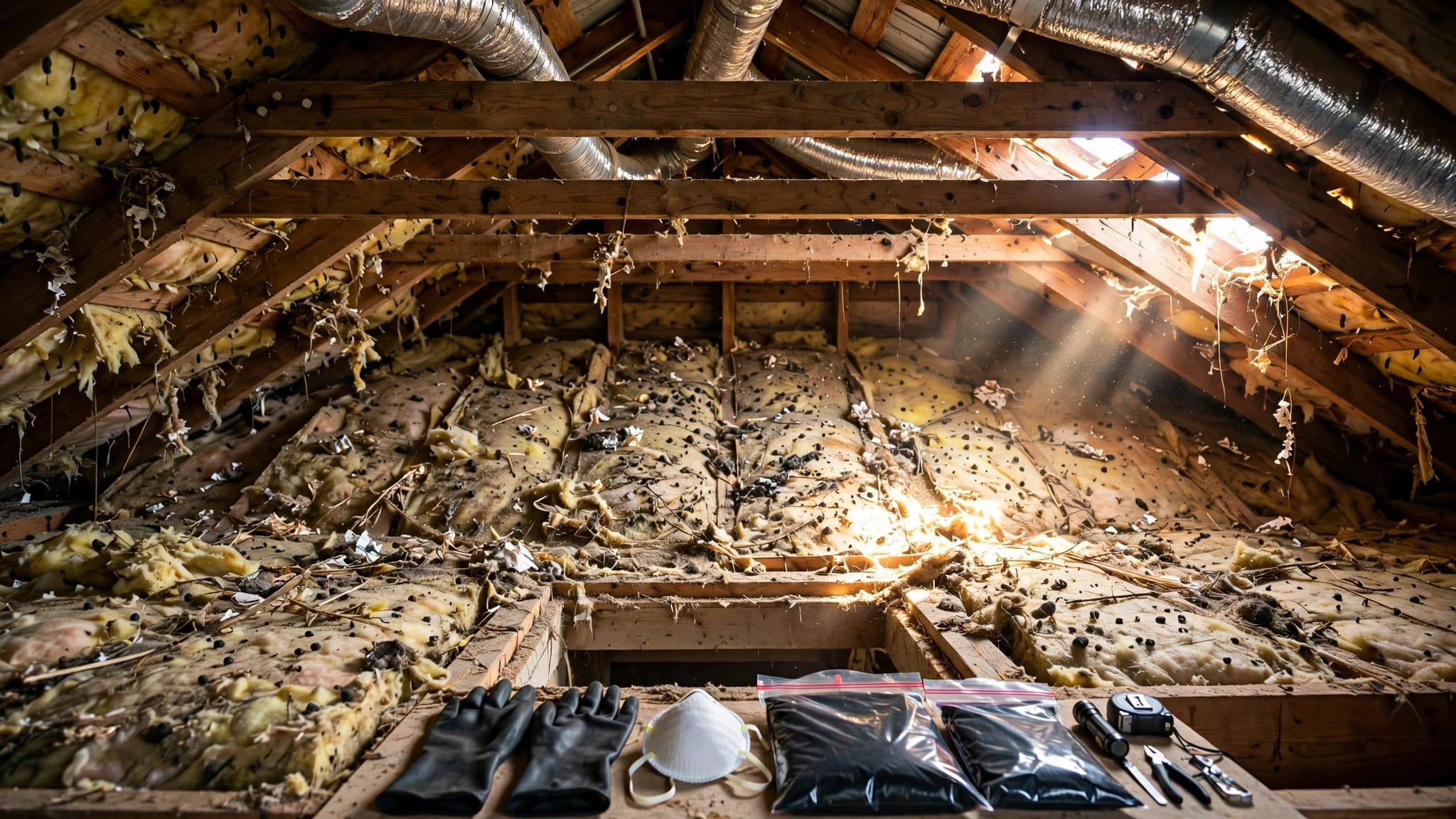
Another common sign is frass-like debris below the activity. Homeowners often describe it as sawdust, pepper, or tiny bits of insulation. Sometimes it's pushed out from nesting areas in the wood. Sometimes it drops from voids behind trim. Either way, debris below soffits or windows deserves a closer look.
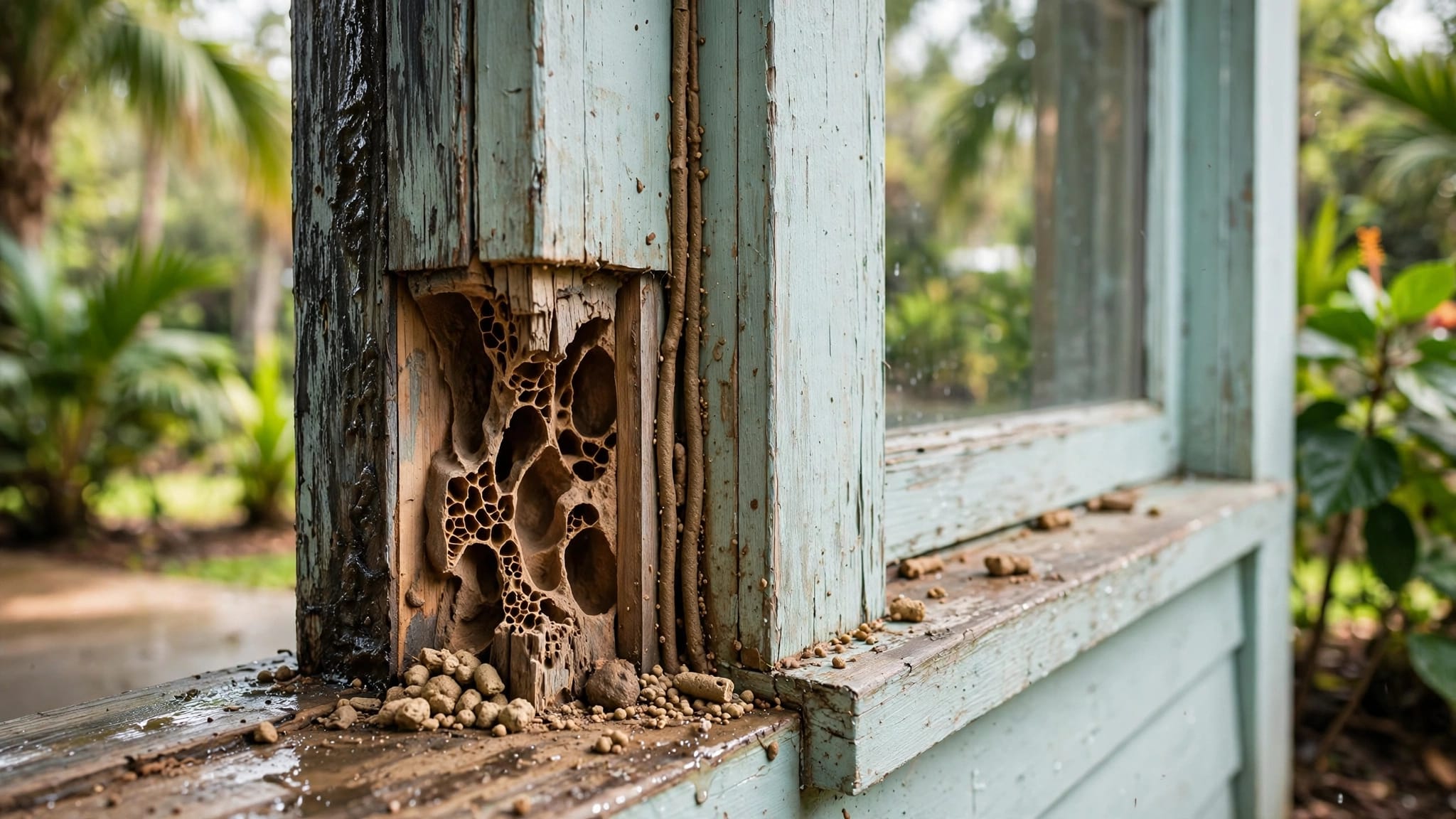
Watch the condition of the wood too. Blistered paint, dark staining, soft spots, and swollen trim all point to moisture. When ants, debris, and damp wood show up together, the problem is rarely random.
Acrobat ants don't eat wood, but they often signal wood that stays wet.
You might also notice winged ants near windows or exterior lights during swarm periods. That doesn't confirm a large infestation by itself. Still, repeated activity near the same trim line means the nest is close.
How acrobat ants differ from termites and carpenter ants
These pests get mixed up all the time because all three can show up near damaged wood. The differences matter, because the treatment plan isn't the same.
A quick side-by-side makes it easier to sort them out:
| Pest | What it does | Common clue near the home |
|---|---|---|
| Acrobat ants | Nest in damp or damaged wood, but don't eat it | Trails near soffits or window frames, frass-like debris, raised abdomen when disturbed |
| Carpenter ants | Excavate smooth galleries in wood | Much larger ants, coarse sawdust piles, activity in damp wood and wall voids |
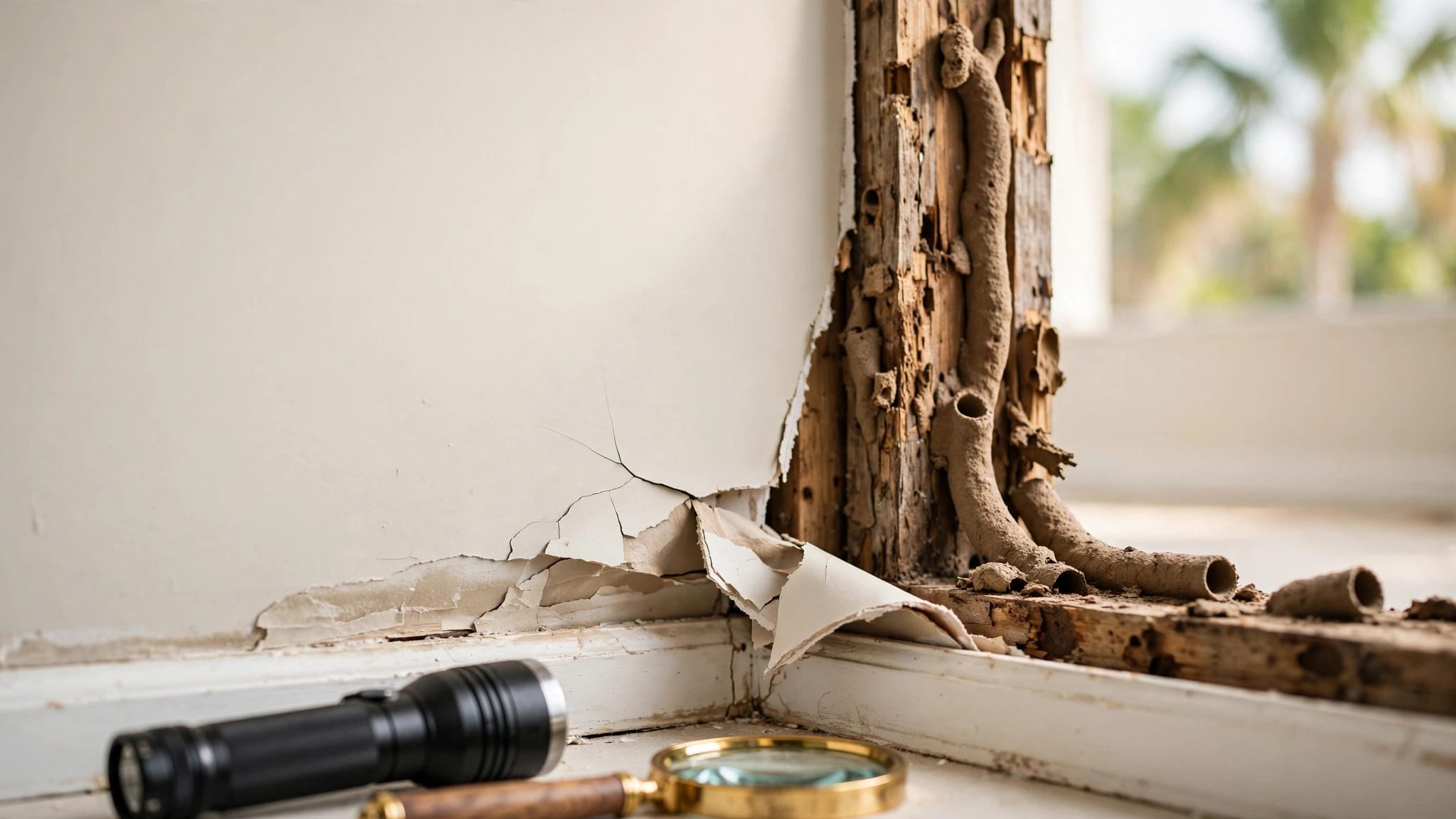
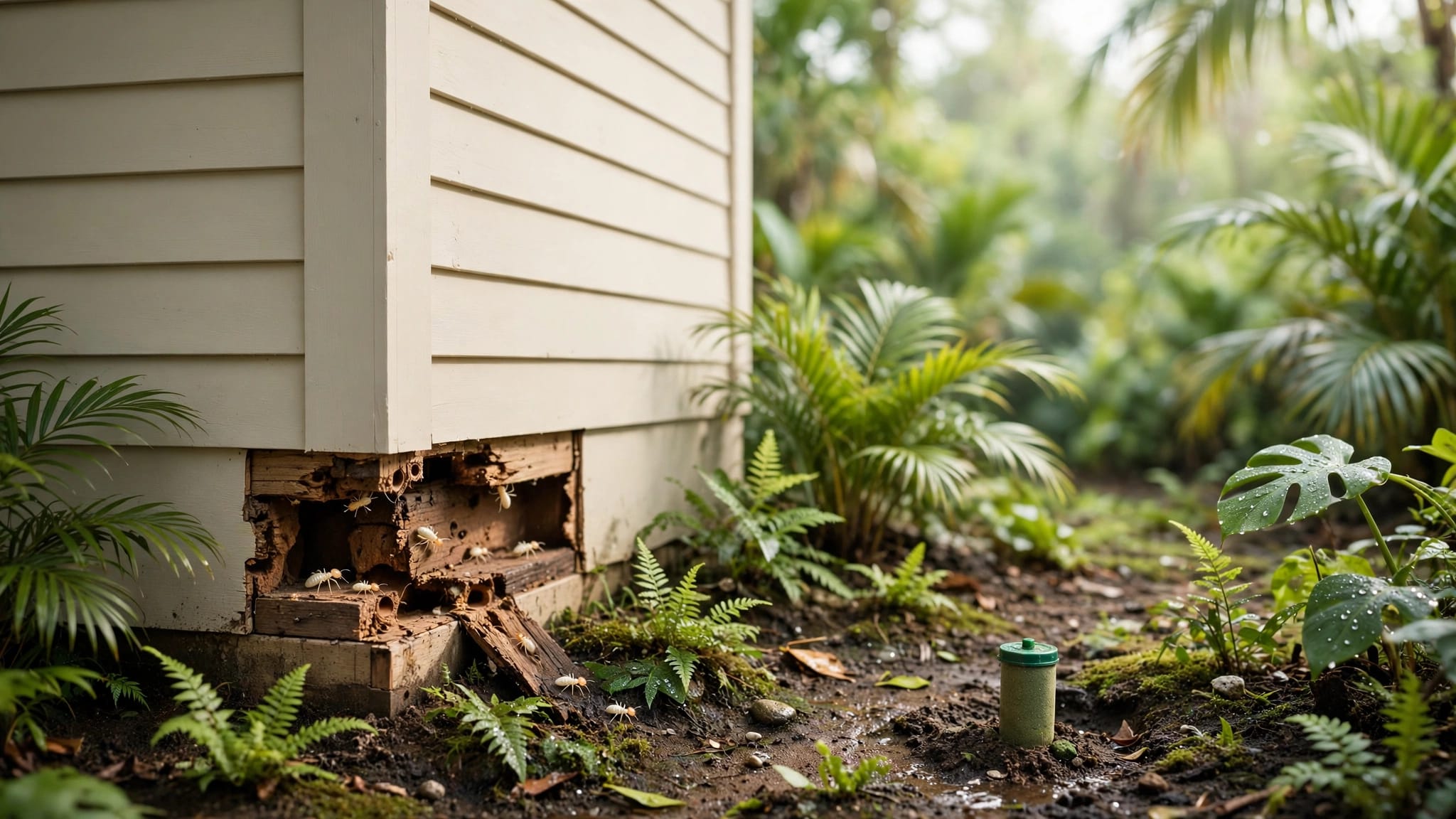
| Termites | Feed on wood and can damage it from the inside | Mud tubes, hollow-sounding wood, shed wings, hidden structural damage |
Carpenter ants are usually larger and darker. Termites look softer-bodied, and subterranean termites often build mud tubes. Acrobat ants are smaller than carpenter ants, quicker on the move, and more likely to use an existing damaged area instead of creating deep structural feeding damage themselves. In some cases, they move into galleries left behind by earlier wood pests.
That said, don't get too comfortable if you think it's "just ants." Because acrobat ants love moisture-damaged trim, they can overlap with the same conditions that attract termites. If you see mud tubes, slab-edge activity, or unexplained wood damage, this Cape Coral termite prevention guide helps explain what to inspect next.
Prevention steps that actually help
The best fix starts with the conditions around the nest. If trim stays damp, ants often come back even after a quick spray. That's why prevention around soffits, fascia, eaves, and window frames matters so much.
Focus on a few practical steps:
- Seal entry gaps around window frames, soffit joints, utility lines, and trim seams.
- Fix moisture sources such as roof leaks, clogged gutters, AC drips, or sprinkler overspray.
- Replace damaged wood instead of covering it with paint or caulk alone.
- Trim back branches that touch the house and give ants a bridge.
- Keep exterior trim inspected after storms, because water intrusion often starts small.
For many homeowners, sealing and drying the area cuts down activity fast. Still, high nests are hard to trace. Colonies can sit behind fascia, inside soffits, or in wall voids near the window header. A good inspection can also tell you whether the ants are only using the wood or whether the wood itself needs repair.
When professional pest control is the better choice
Call a professional when you keep seeing trails in the same area, when frass-like debris returns after cleanup, or when wood feels soft. It also makes sense to get help if you're not sure whether you're seeing ants, termites, or both. In those cases, residential pest control in Cape Coral can help confirm the pest, locate hidden nesting areas, and treat the exterior without guesswork.
Acrobat ants in Cape Coral homes are small, but the message they send is bigger. When ants show up in soffits and window frames, look for moisture, damaged wood, and hidden entry gaps. Fix the wet conditions, seal the openings, and get expert help when the activity keeps returning. The sooner you read the signs, the easier it is to protect both your trim and your peace of mind.
Schedule a Free Inspection: