Drywood Termite Frass in Cape Coral: What Pellet Piles Mean
Tiny pellet piles near a window or door frame can feel easy to brush off. In Cape Coral, though, they often point to drywood termite frass , which is termite waste pushed out of wood through small openings. That doesn't prove an active infestation on its own, but it is a strong clue worth checking.
When people search for drywood termite frass Cape Coral signs, they're usually trying to answer one simple question: is this just debris, or is something living inside the wood? The answer starts with what the pellets look like, where they show up, and whether they keep coming back. Because Southwest Florida stays warm much of the year, termite watchfulness matters more here than in many places.
What drywood termite frass usually looks like
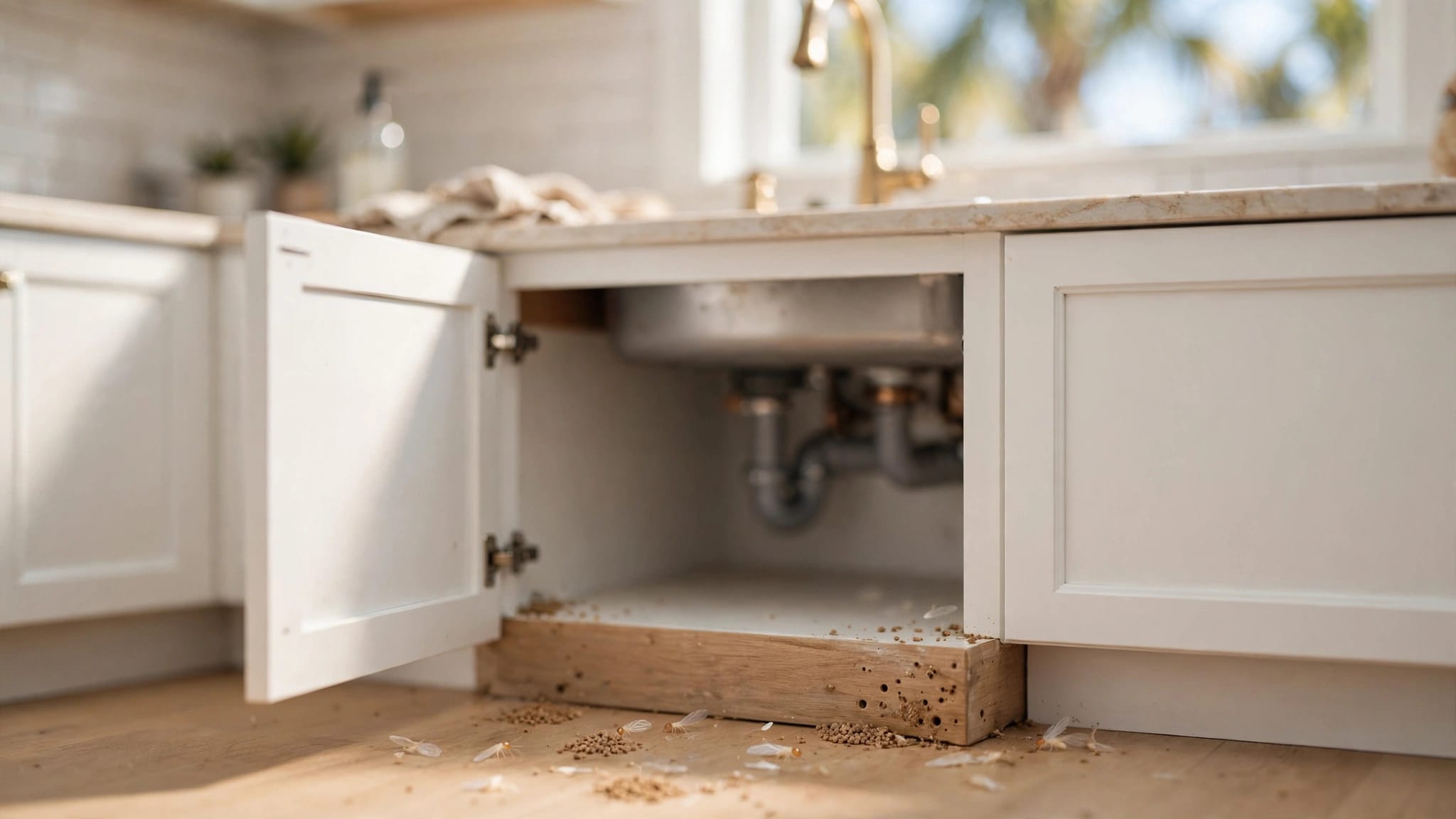
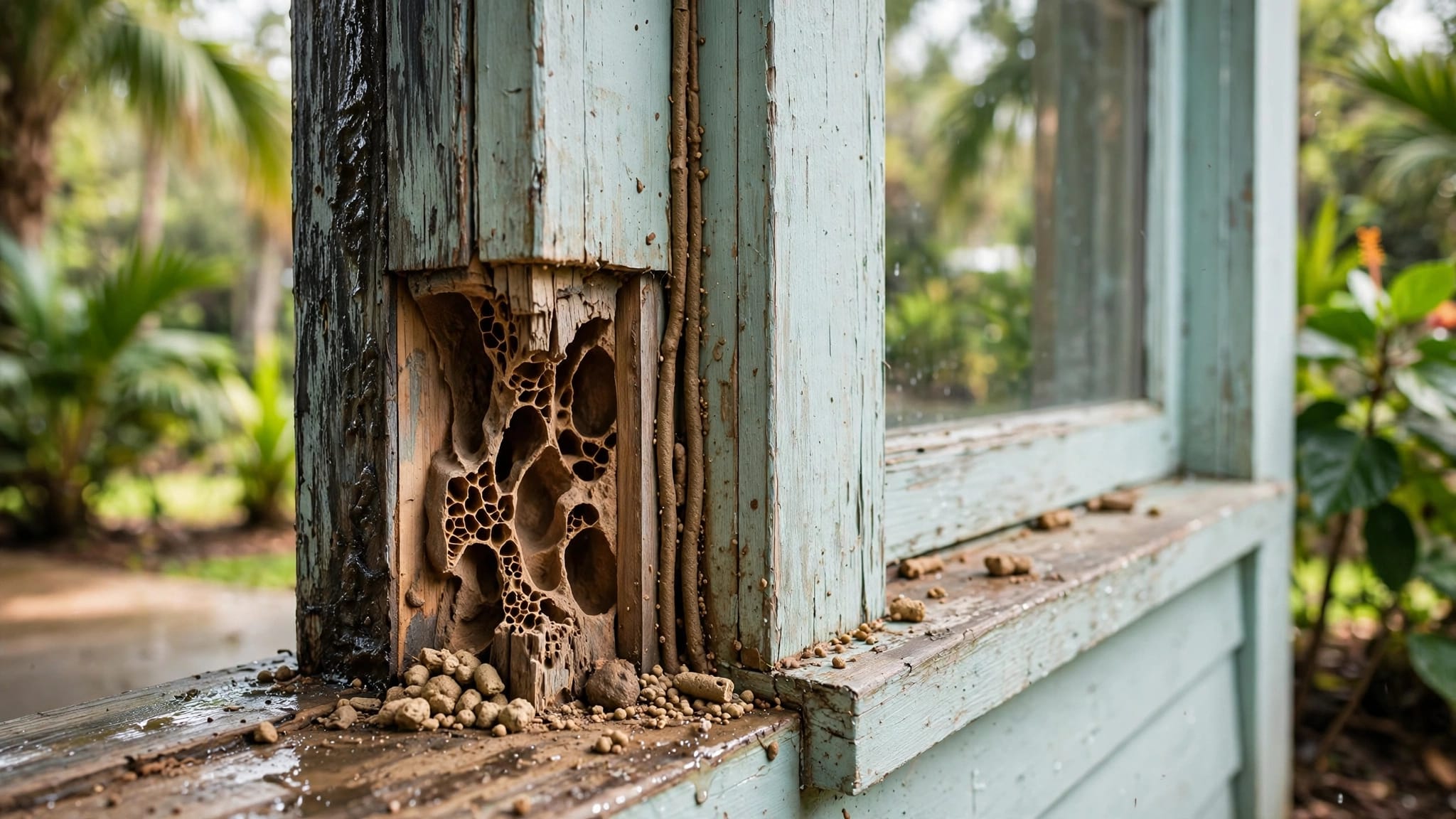
Drywood termite frass is made of small, hard pellets. The piles are often neat and uniform, almost like coarse sand, tiny coffee grounds, or very small seed-like grains. Color can range from light tan to dark brown, depending on the wood the termites have been feeding on.
Unlike fresh sawdust, frass usually looks dry and compact. It also tends to collect right below a tiny hole in wood, often called a kick-out hole . That's because drywood termites live inside the wood and push their waste out as they tunnel.
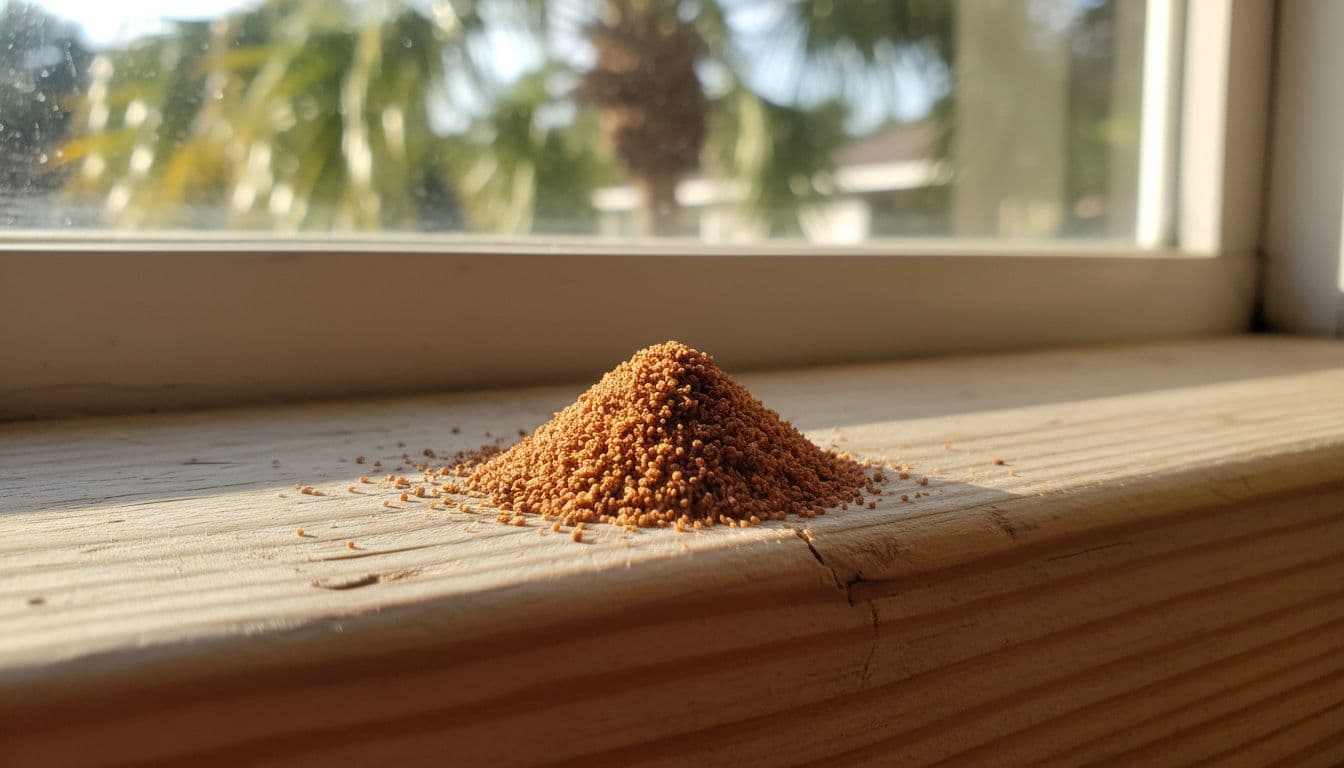
A quick comparison helps:
| What you see | More likely frass | Less likely frass |
|---|---|---|
| Texture | Hard, dry pellets | Fluffy sawdust or lint |
| Size | Small and uniform | Mixed sizes or powdery dust |
| Location | Below wood trim, frames, furniture | Random floor debris away from wood |
| Repeat piles | Yes, if activity continues | Usually no |
Pellet piles are a clue, not a final diagnosis. Old frass can get shaken loose, and other pests or debris can look similar at a glance.
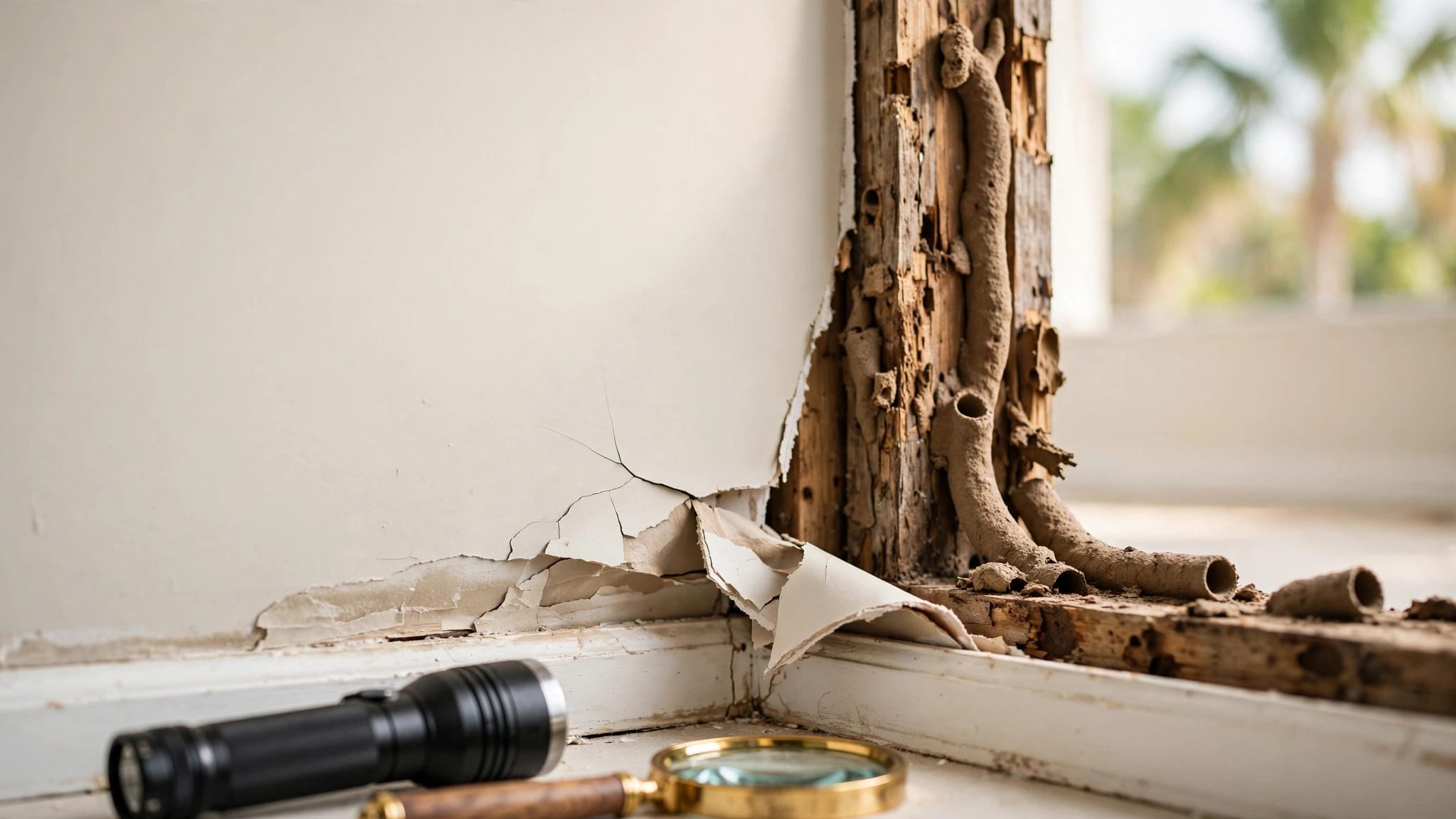
Still, if you clean up the pile and new pellets return in the same spot, that raises concern. At that point, it helps to compare frass with other termite signs, especially mud tubes from ground-based species. This guide to drywood vs subterranean termites in SW Florida can help you sort out the difference.
Where pellet piles tend to show up in Cape Coral homes
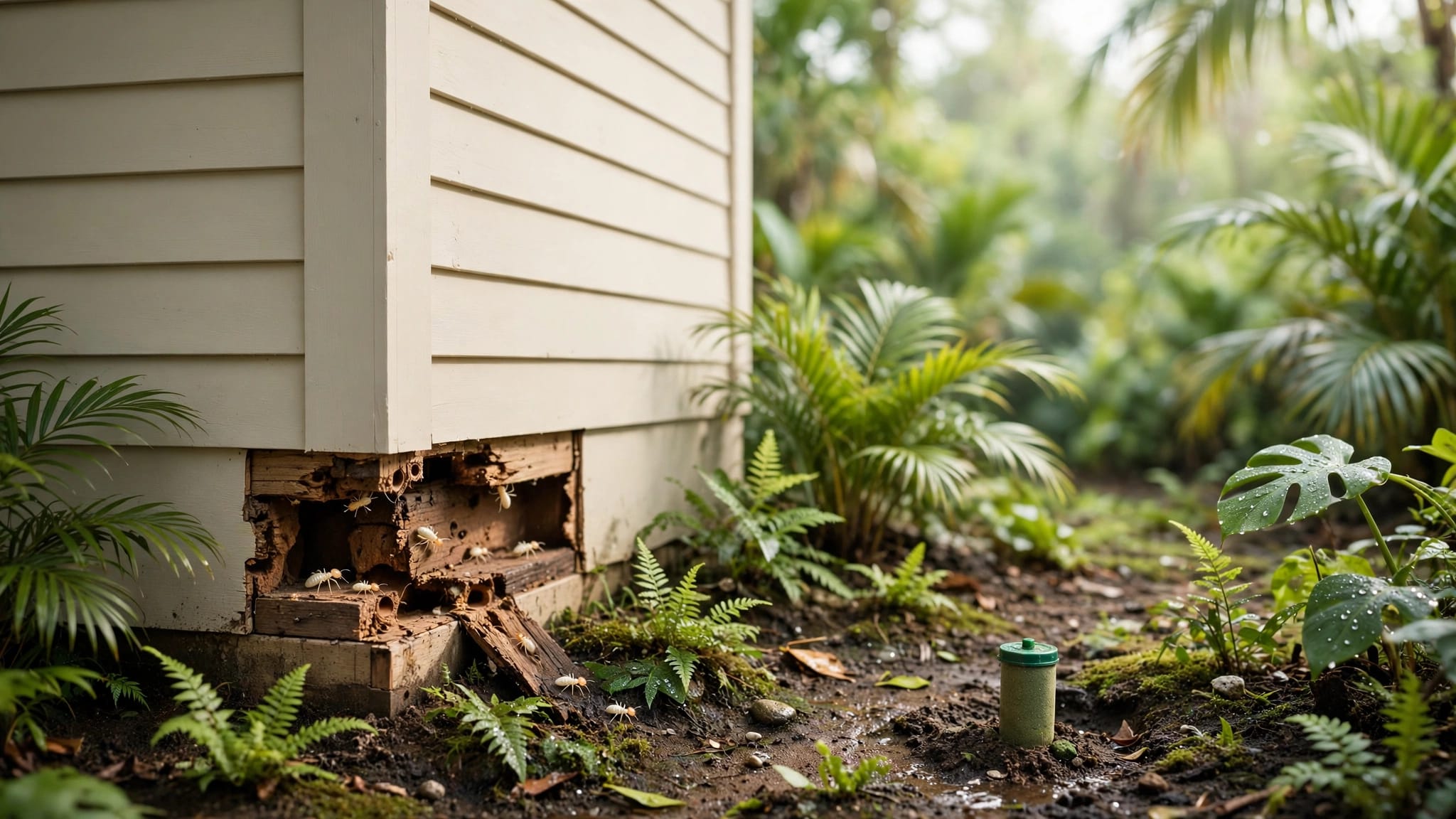
Drywood termites don't need soil contact, so they can show up in places many homeowners don't expect. Think of them like hidden tenants living inside dry wood, staying out of sight while dropping their trash through tiny holes.
In Cape Coral homes, common trouble spots include windows, door frames, attic wood, soffits, fascia, trim, and wooden furniture. Pellet piles often appear on windowsills, under door casings, near baseboards, or on garage floors beneath attic access points.
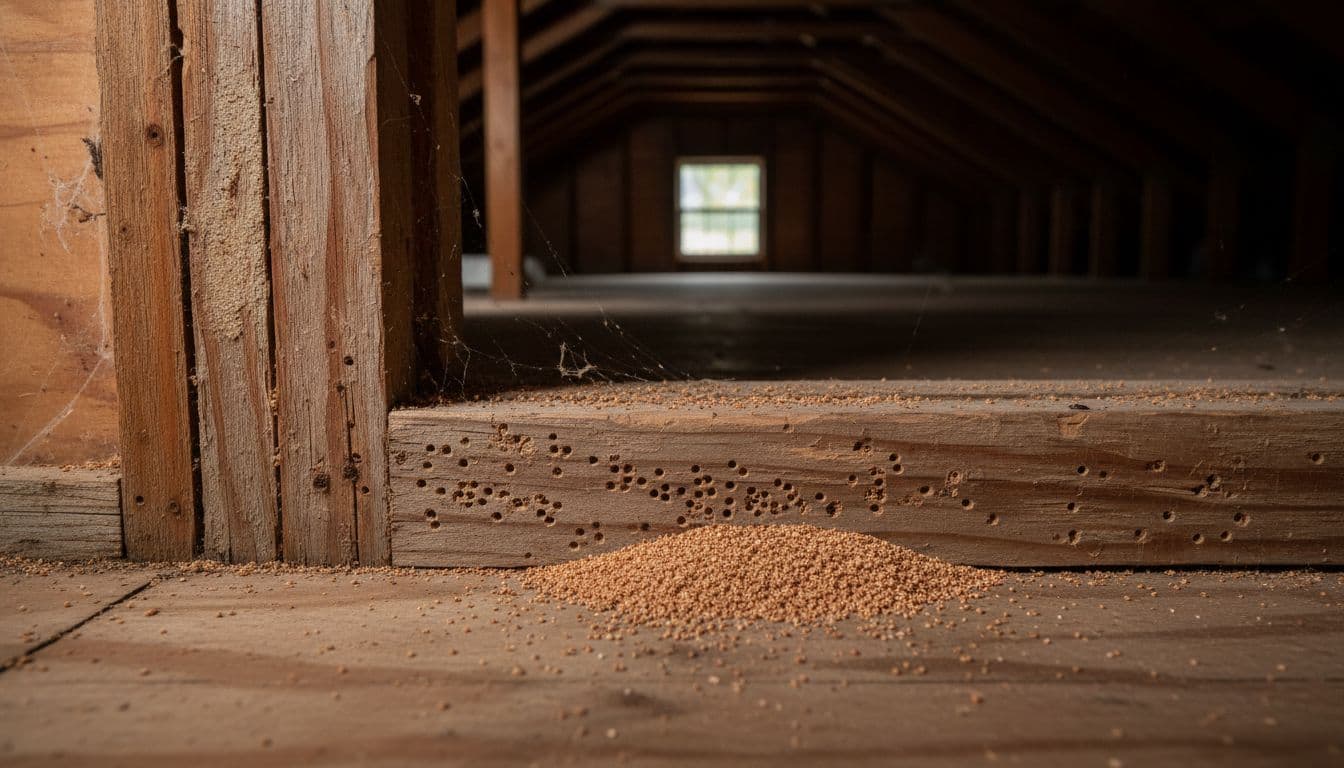
Attics deserve extra attention. So do soffits and upper trim, because drywood termites often settle into wood that stays relatively dry. In a warm, coastal Florida setting, termite pressure never really takes the year off. That doesn't mean every home has a problem, but it does mean small warning signs shouldn't sit ignored for months.
Furniture can fool people, too. A pellet pile under a wood chair, cabinet, or stored dresser might point to an issue in the item itself, not the wall behind it. That's one reason an inspection matters. The source isn't always obvious from the pile alone.
For a broader look at year-round risk, moisture issues, and prevention habits, this termite prevention guide for Cape Coral is a helpful next read.
What to do next if you find frass
The first step is simple: don't ignore it, but don't panic either. A calm, careful response gives you better information.
Start with a few practical moves:
- Take clear photos of the pile, the nearby wood, and any small holes.
- Note the location so you can check whether pellets return.
- Avoid sealing or painting over the area before an inspection.
- Look nearby for more piles around windows, door frames, attic wood, soffits, and furniture.
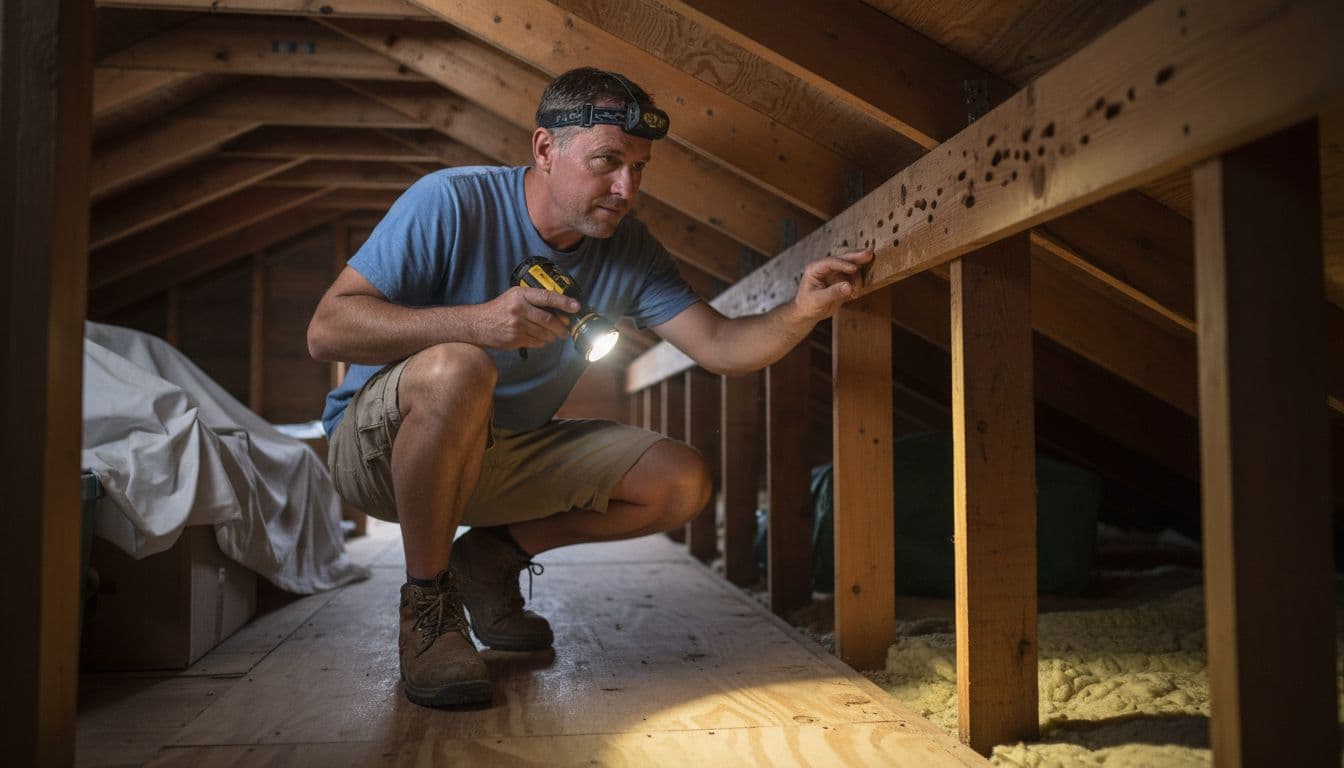
If you want to clean the pellets, that's fine. Just take photos first. Then check the spot again over the next several days. A fresh pile can suggest ongoing activity, while a one-time pile may need a closer look to tell whether it's old evidence or current trouble.
Treatment depends on what the inspection finds
A licensed termite pro can confirm whether the pellets are from drywood termites, another pest, or simple debris. From there, treatment depends on the size and spread of the problem.
In some cases, a localized treatment works well when activity appears limited to one area. In others, wider treatment may make more sense if multiple spots show signs. The best plan depends on access, the type of wood involved, and how far the activity has spread.
Cost varies for the same reasons. If you want a ballpark idea before scheduling service, this breakdown of termite treatment costs in Cape Coral explains what usually affects pricing.
One thing is worth keeping in mind: store-bought sprays rarely solve hidden termite problems inside wood. They may disturb the area without reaching the source. That's why inspection first, then treatment, is the safer path.
The bottom line on pellet piles
If you spot pellet piles around wood in your home, don't treat them like random dust. In many cases, they point to drywood termite frass , and in Cape Coral that's a sign worth taking seriously. A quick photo, a careful recheck, and a professional inspection can turn a vague worry into a clear plan, which is always better than guessing.
Schedule a Free Inspection: