Drywood Termite Frass on Cape Coral Window Sills
That small pile on your window sill might look like dust, but it may be drywood termite frass . The good news is that this sign is easy to describe once you know what to look for.
For Cape Coral homeowners, the key is staying calm and staying observant. Below, you'll learn what frass looks like, why it often shows up on window sills, how to tell it from other debris, and what to do next.
What drywood termite frass looks like on a window sill
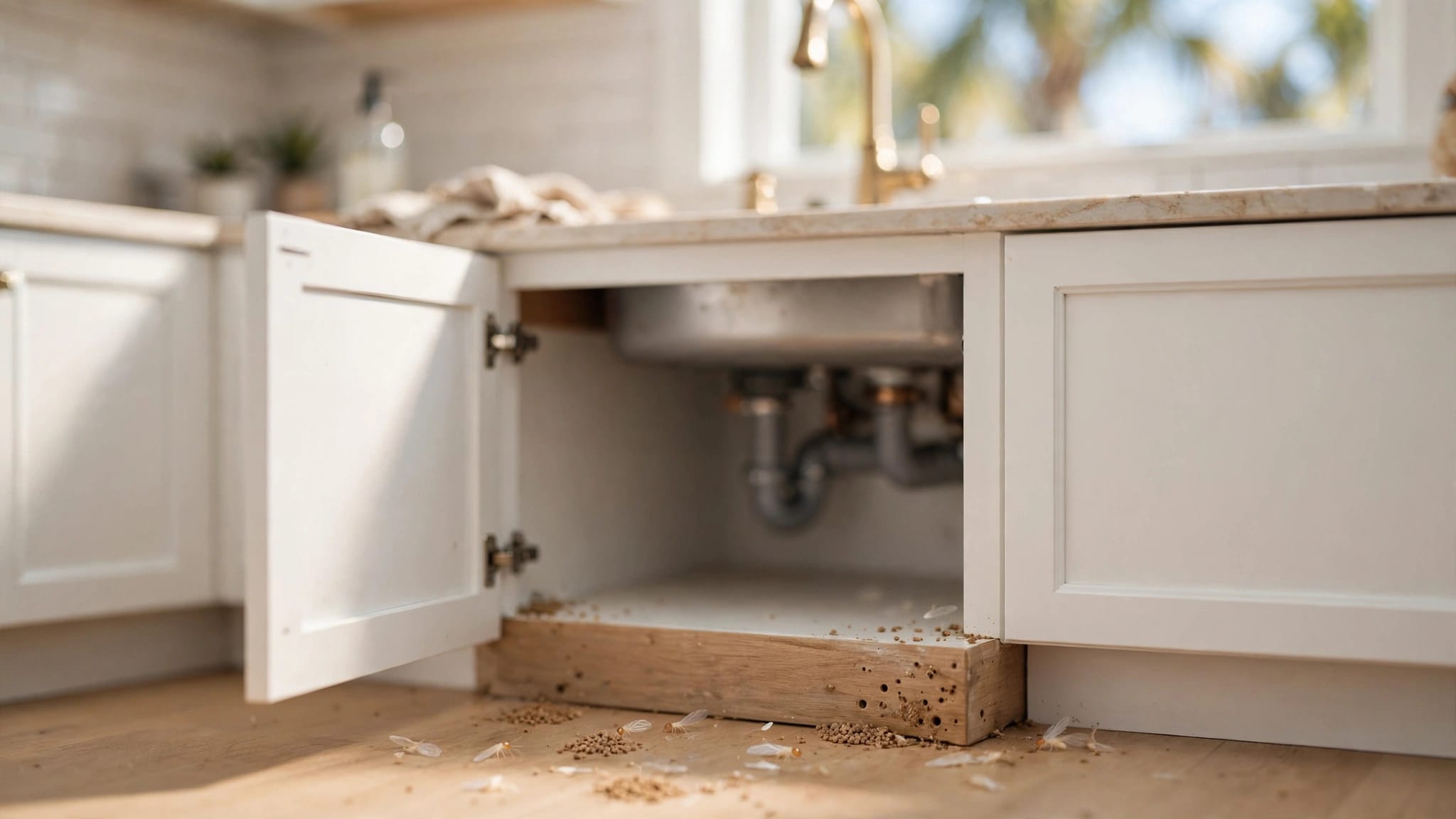
Drywood termite frass is termite droppings. It usually looks like a tiny pile of hard pellets, almost like coarse sand, cracked pepper, or very small grains of rice. The pellets are often uniform in size, with blunt ends and ridged sides. Depending on the wood, they may look tan, brown, or dark brown.
What makes it different from normal dust is its shape. Dust looks soft and random. Frass looks dry, gritty, and oddly consistent, like the termites ran it through a tiny mold.
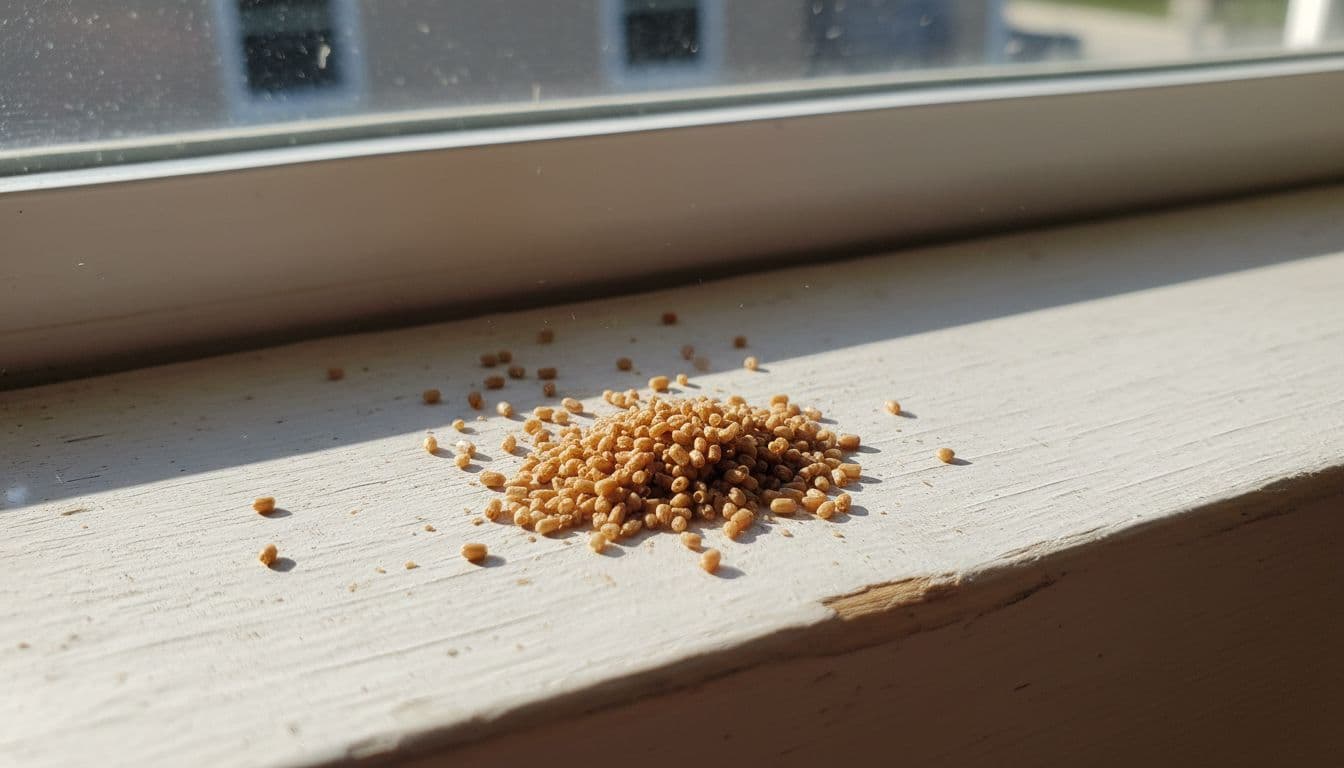
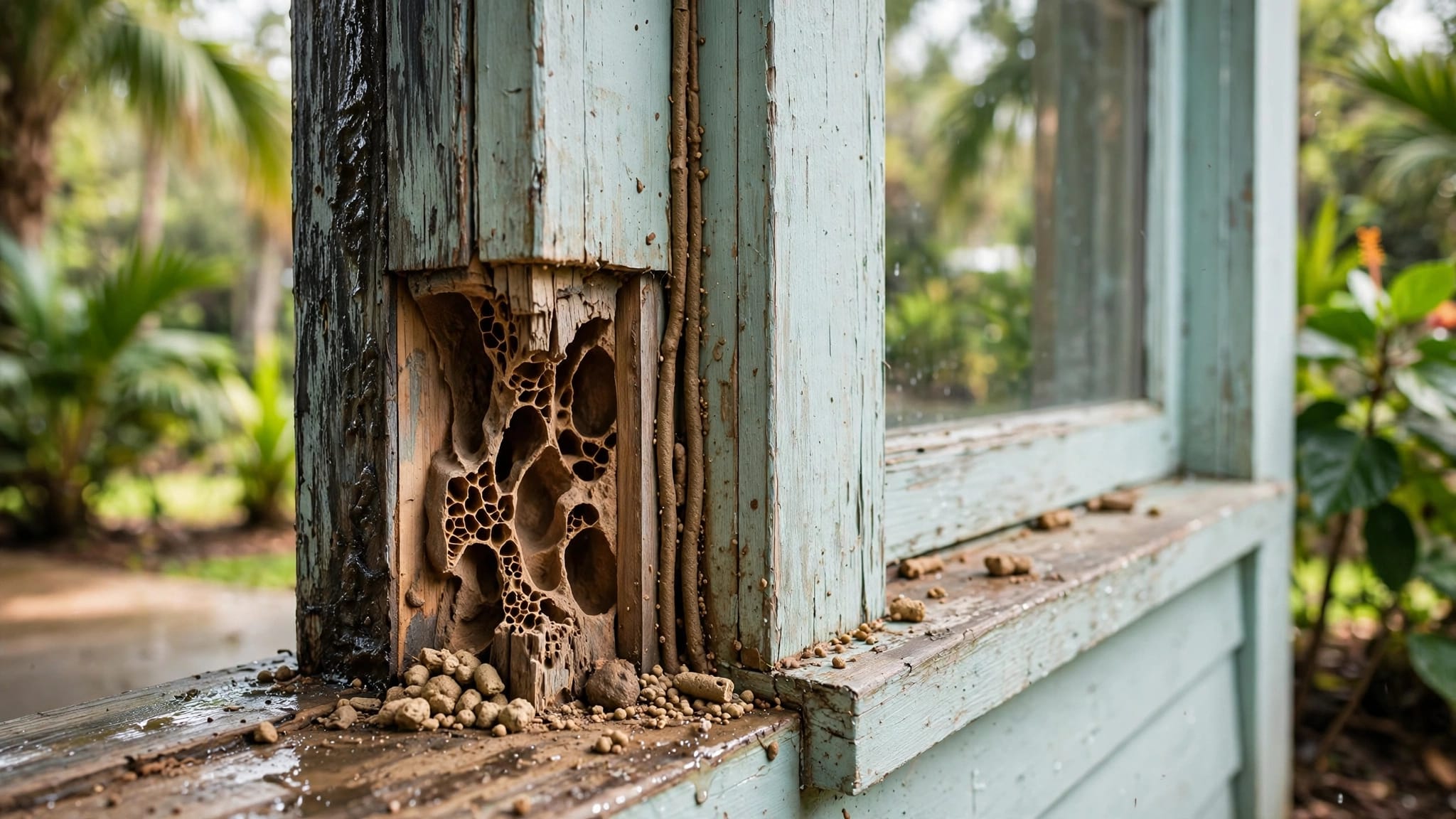
Window sills are common catch points because they act like little shelves. Drywood termites live inside the wood and push waste out through tiny holes, often called kick-out holes. If those holes sit in trim above the sill, the pellets fall and collect below.
In Southwest Florida, warm weather keeps termite activity on the radar for much of the year. That doesn't mean every pile is a crisis. It does mean repeat debris on the same sill deserves a closer look.
Why frass often gathers on Cape Coral window sills
Drywood termites don't need soil contact. They live right inside dry wood, which is why they can show up in window frames, trim, door casings, and even furniture. When they clean out their galleries, the waste has to go somewhere. A flat sill below the opening is the perfect landing spot.
Sometimes the source is obvious. You may spot a tiny pinhole in painted trim or in the wood near the corner of the frame. Other times, the pellets fall from a hidden void above the visible sill. In other words, the pile tells you where the frass lands, not always where the termites started.
If you wipe away the pile and it returns in the same place, that pattern matters.
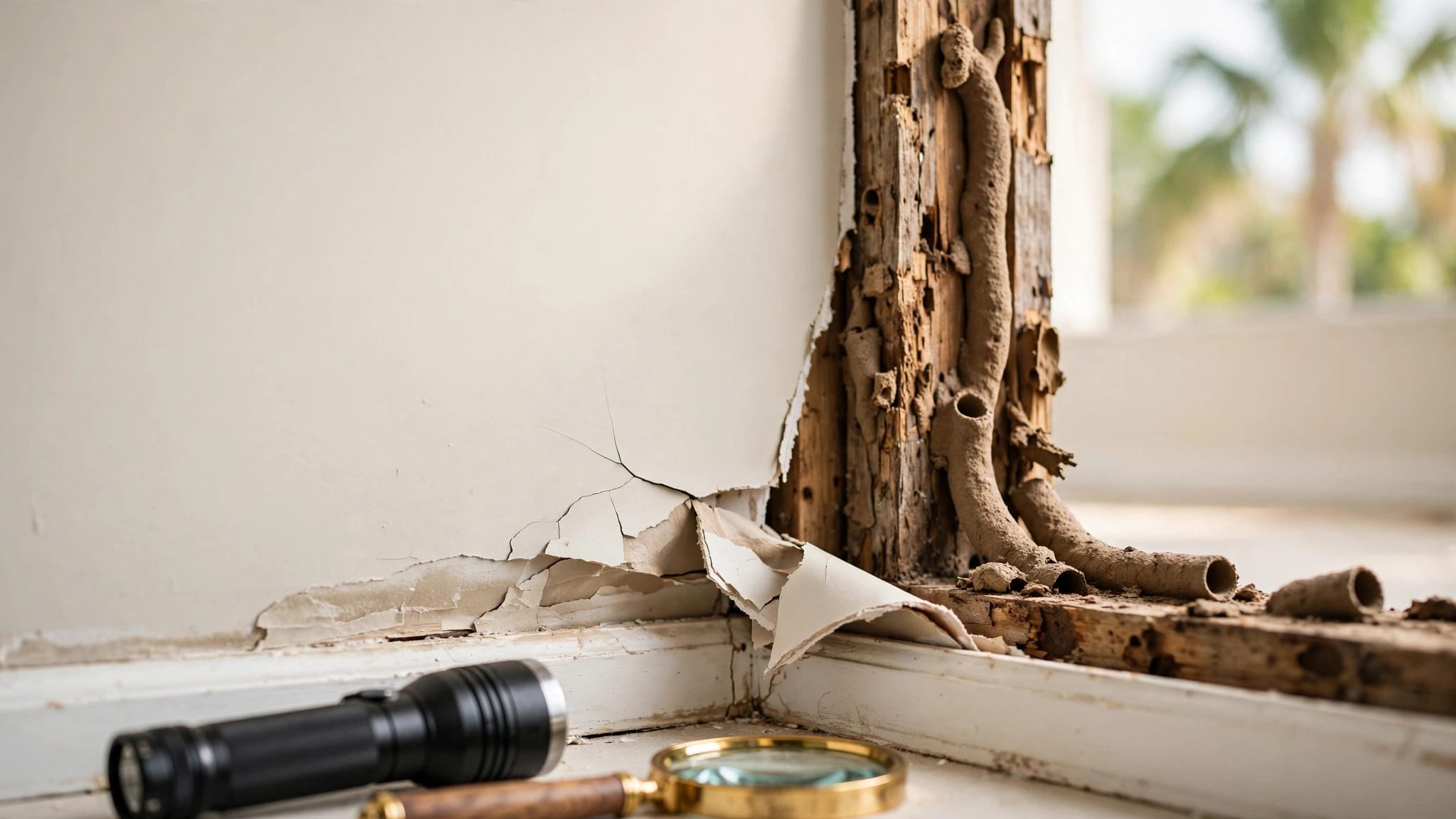
Another clue is what you do not see. Drywood termites don't make mud tubes like subterranean termites. So, if you're seeing dirt-like tunnels on walls, slab edges, or foundations, that's a different sign. This quick mud tube checklist for termites can help with that comparison.
For a broader local view, this Cape Coral termite prevention guide explains how pros look at termite risk around Southwest Florida homes.
How to tell drywood termite frass from other debris
Several things can end up on a window sill, so a side-by-side check helps. Here's a quick way to compare what you're seeing.
| Material | What it usually looks like | Common clue |
|---|---|---|
| Drywood termite frass | Small, hard, uniform pellets | Reappears below tiny holes in wood |
| Carpenter ant debris | Mixed sawdust, insect parts, wing bits | Often near damp wood or ant activity |
| Dust or dirt | Fine, soft, smears easily | Spreads evenly, not pellet-shaped |
| Wood shavings | Larger curls or rough chips | Often linked to drilling, repairs, or damage |
Carpenter ant debris is the one that fools people most often. Ants don't make neat pellets. Their debris looks messy, with bits of insulation, insect parts, and rough sawdust mixed together. It has more of a trash-bin look than a pellet-pile look.
Wood shavings are also larger and lighter. Think of what comes off a drill or a hand plane. Frass is much smaller and more regular.
If you're still not sure, try a simple test. Use a tissue or spoon to pick up a little. Dust smears. Shavings crush. Drywood termite frass tends to stay grainy and separate.
How to inspect safely, and what treatment may involve
A careful check is better than a rushed cleanup. You don't need to tear into the frame. You just need to document the pattern and avoid covering it up before an inspection.
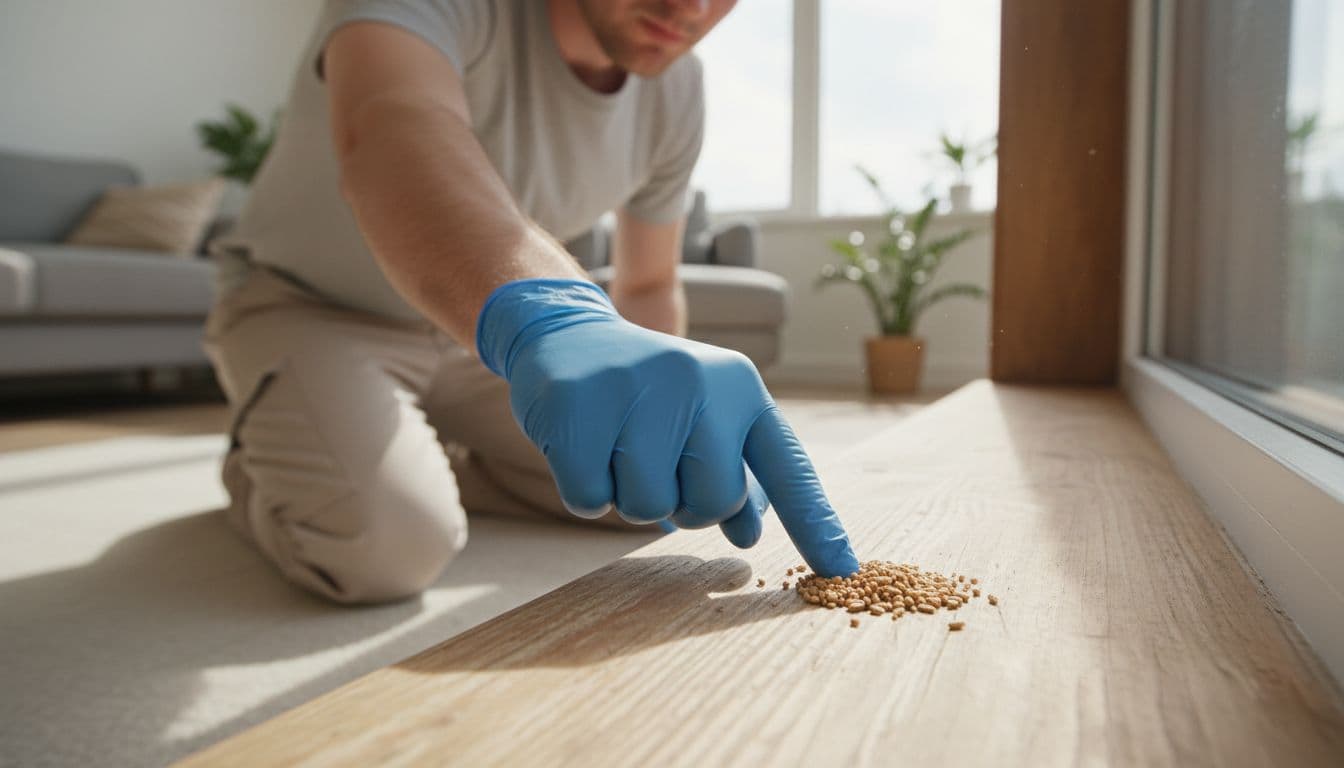
Use this simple process:
- Take clear photos of the pile, the full window, and any tiny holes in the trim.
- Clean the sill once , then check again in a few days to see if pellets return.
- Look around the frame for pinholes, cracked paint, or soft spots, but don't dig into the wood.
- Schedule a professional inspection if the pile comes back or the wood seems damaged.
Avoid spraying store products into holes or sealing cracks right away. That can hide evidence and make the inspection harder. A termite pro will usually check nearby trim, attic spaces, door frames, and other wood members to see whether the issue is limited or more spread out.
Treatment depends on the findings. In some cases, a localized treatment works. In others, whole-structure treatment may make more sense. If you're planning ahead, it's smart to review termite treatment costs in Cape Coral so the options feel less vague.
Conclusion
A small pile on a sill doesn't always mean major damage, but it shouldn't be ignored. Drywood termite frass has a distinct look, and repeat piles in the same spot are one of the clearest clues homeowners can catch early. If the debris keeps coming back, take photos, leave the area alone, and get an inspection. A calm, timely check is usually the best next step.
Schedule a Free Inspection: