Surinam Roaches in Cape Coral Mulch Beds and Potted Plants
Spotting roaches in a flower bed feels unsettling. Still, Surinam roaches Cape Coral homeowners see are usually an outdoor problem, not a sign of a dirty house. These moisture-loving roaches prefer mulch, leaf litter, and potting soil, and they usually stay close to the yard.
That changes how you handle them. If one shows up indoors, it often wandered in from a damp bed, a cluster of potted plants, or a pot that came home from a nursery. The best fix starts outside, where they hide, feed, and breed.
Why Surinam roaches show up in mulch beds and pots
Surinam roaches are not the large flying roaches most people call palmetto bugs. They are smaller, dark, and built for burrowing through damp organic matter. In Cape Coral, they can stay active year-round because the soil rarely stays cool for long. As of March 2026, there haven't been reports of any unusual local surge, but our warm, wet conditions still suit them very well.
Mulch beds make life easy for them. A deep layer of damp mulch holds moisture, blocks sun, and traps decaying plant material. Potted plants do the same thing, especially when saucers hold water or the potting mix stays wet for days. Add fallen leaves, low spots, or thick groundcover, and the bed starts acting like a sponge.
One reason these roaches can hang on is simple biology. Surinam roaches are known for reproducing without males. That means one infested pot or one pocket of damp soil can turn into a larger problem over time. They feed on decaying matter, but they may also nibble fine roots, seedlings, and tender stems.
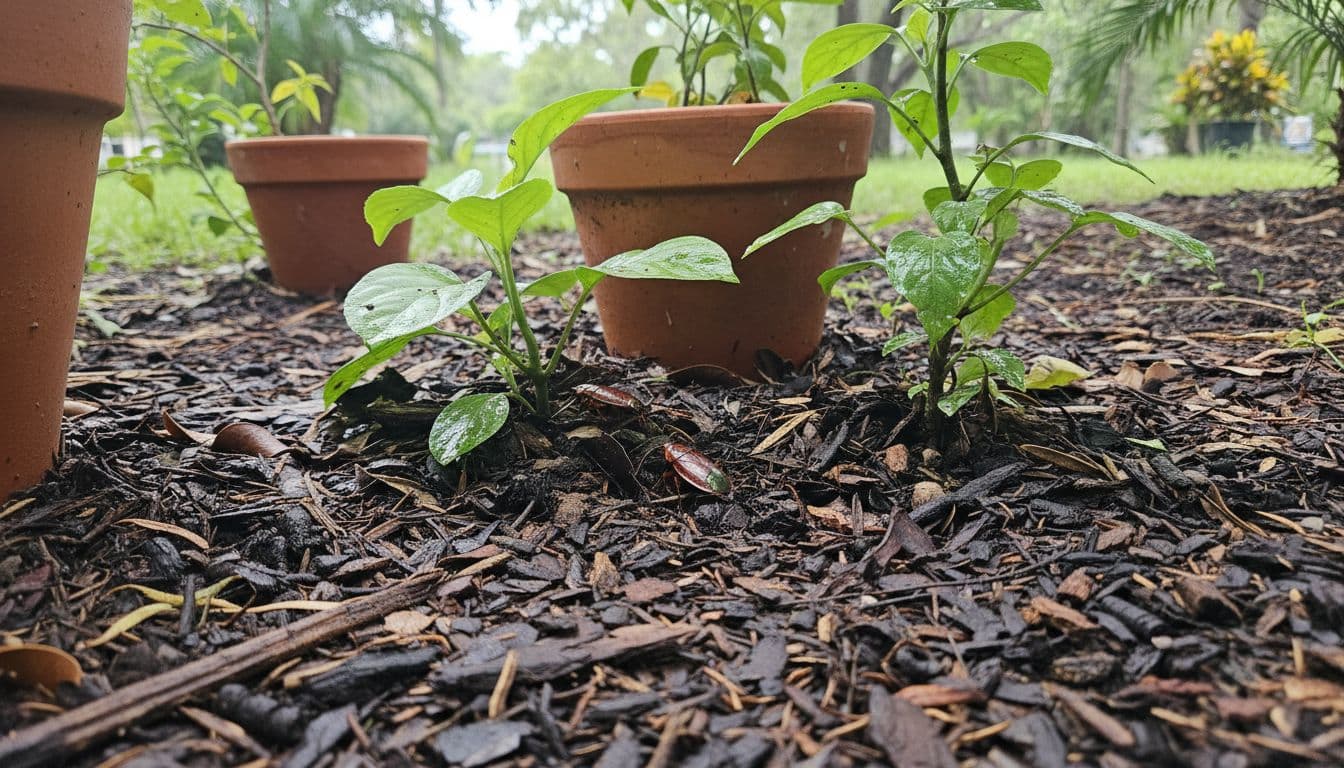
If you mostly see them outside at night, think moisture and hiding spots first, not a kitchen infestation.
How to tell an outdoor harborage from an indoor roach issue
Outdoor activity leaves a pattern. You notice roaches when moving pots, pulling weeds, or watering at dusk. You may find them under plant saucers, beneath loose mulch, or along shady bed edges near the lanai. After rain or heavy irrigation, a few may wander into a garage, bath, or utility area.
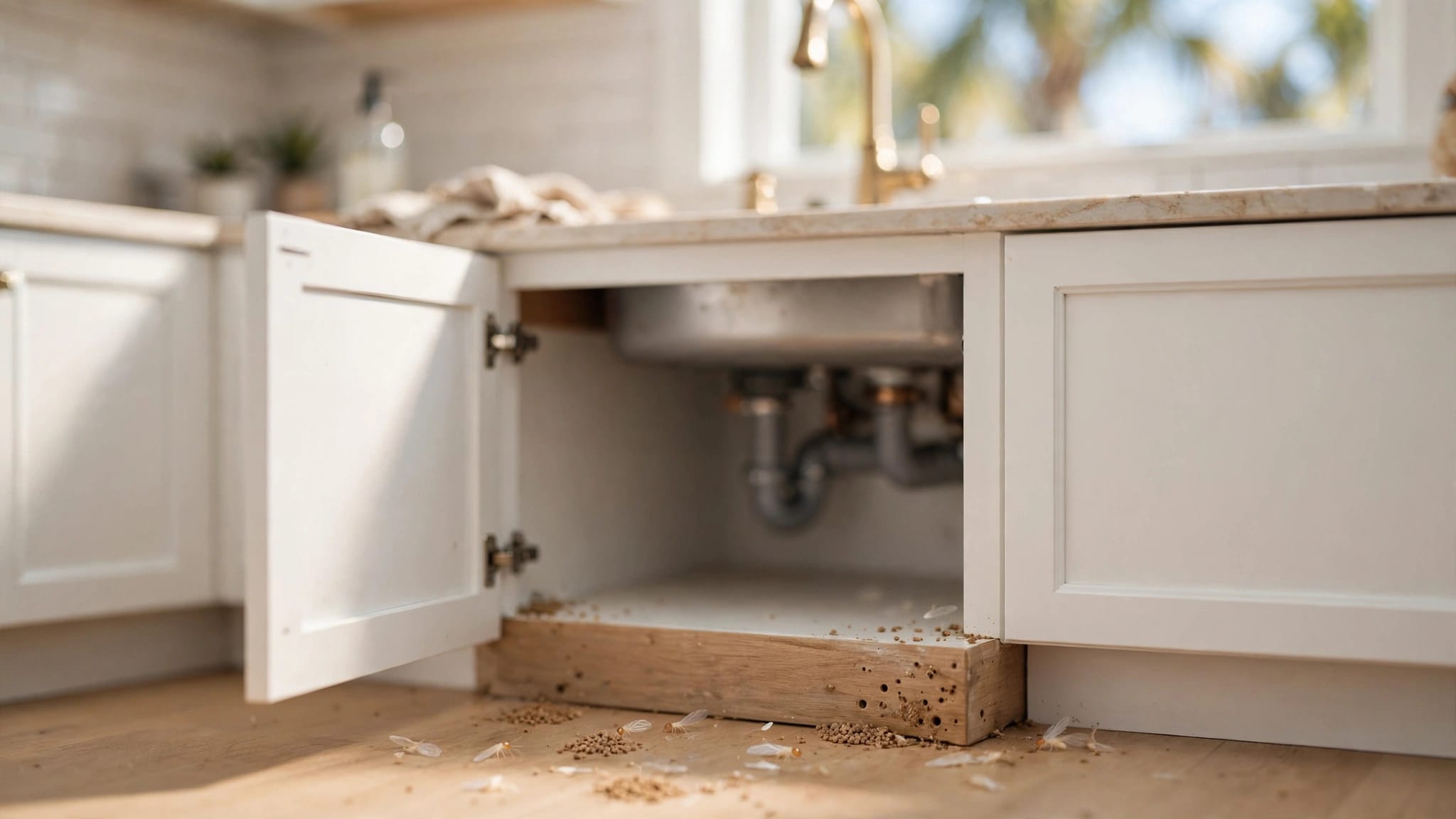
That pattern is different from roaches breeding inside cabinets or around food. Surinam roaches usually don't act like indoor-only pests. They come from exterior harborages, then drift inside through door gaps, sliders, or screened areas, especially when the ground stays soaked. A new plant can also bring them right to the porch.
If sightings start spreading room to room, take a broader look at cockroach control strategies for Cape Coral homes. For most Cape Coral yards, though, the main job is cutting down the wet, protected spots outside.
Practical ways to reduce Surinam roaches in Cape Coral landscapes
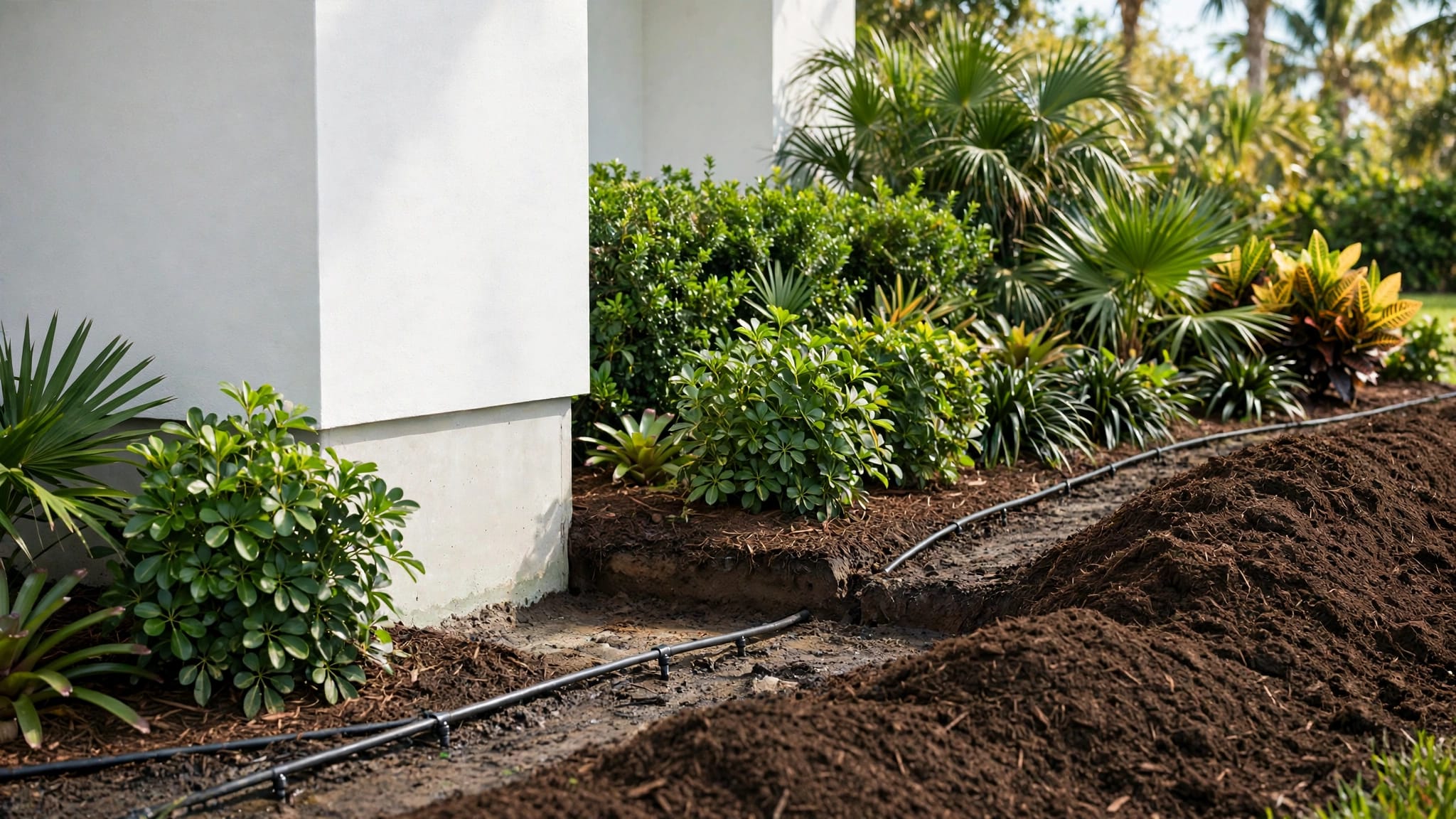
Start with the mulch. If it stays packed, dark, and wet, thin it out and refresh it. You don't need bare soil, but you do want air and light to reach the surface. Rake out old, matted layers, pull mulch back from stems, and clear leaf piles caught under shrubs. Also, keep mulch from sitting tight against the slab and exterior walls.
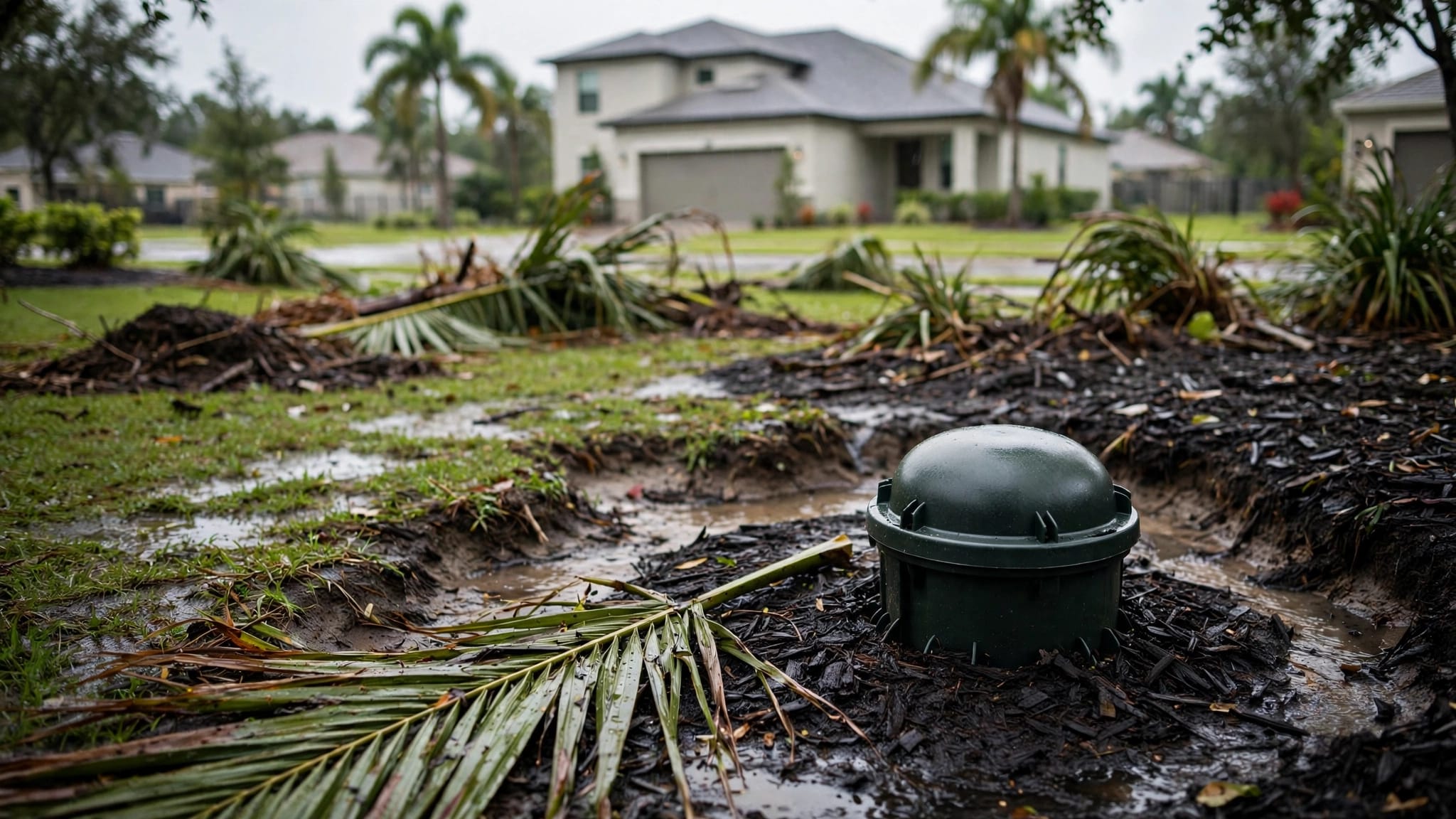
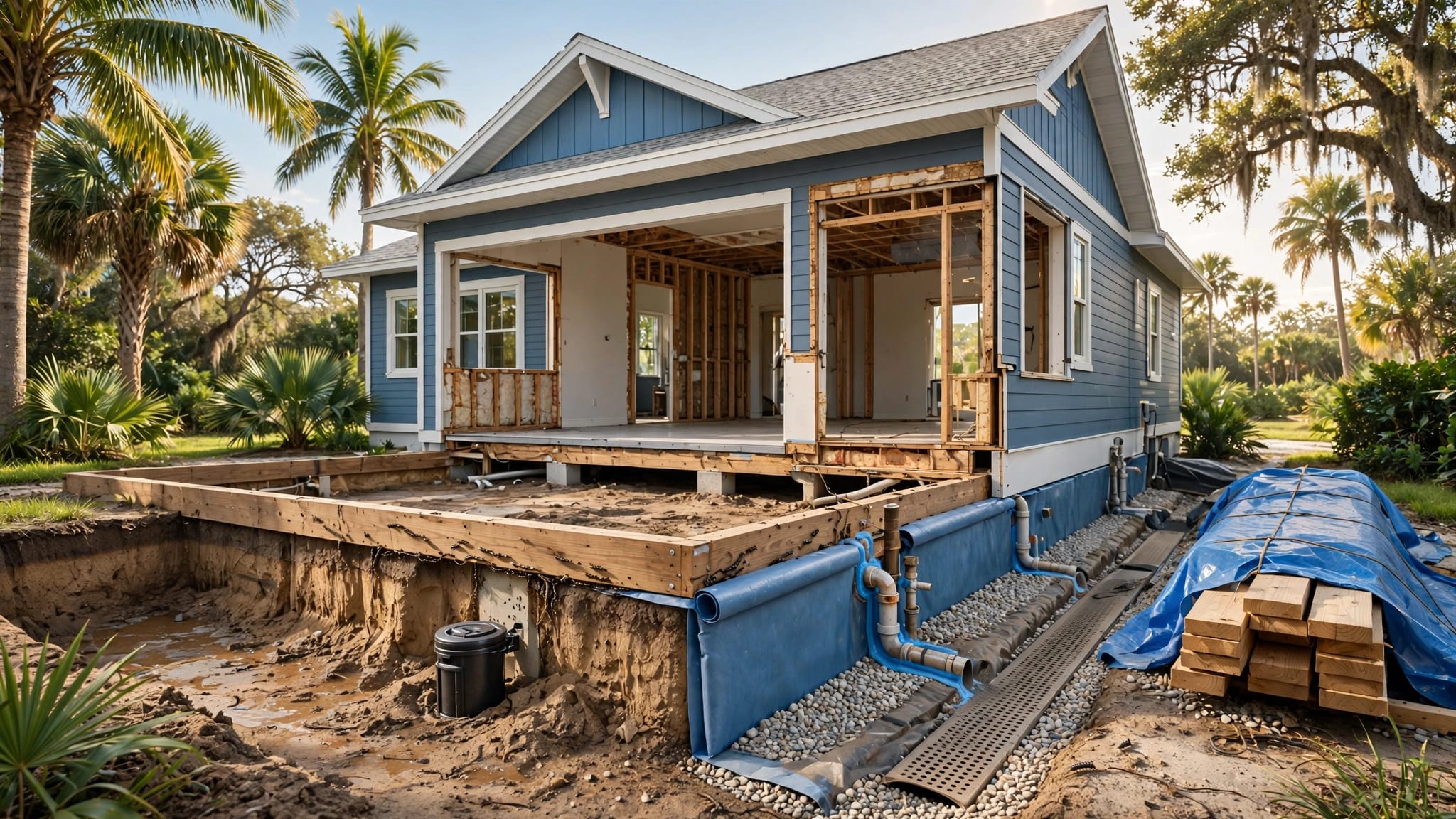
Next, work on drainage. Beds that puddle after rain, or stay wet from sprinkler runoff, give these roaches a long-term shelter. Raise low pots on feet, empty saucers after watering, and check whether irrigation hits the same area too often. If a bed stays soggy, loosen compacted soil or adjust grading so water moves away instead of pooling. That outside-first approach matches the Florida-style IPM advice most pros use, reduce moisture, remove shelter, then treat the hot spots.
When potted plants are involved, slow down and inspect them before moving them closer to the house.
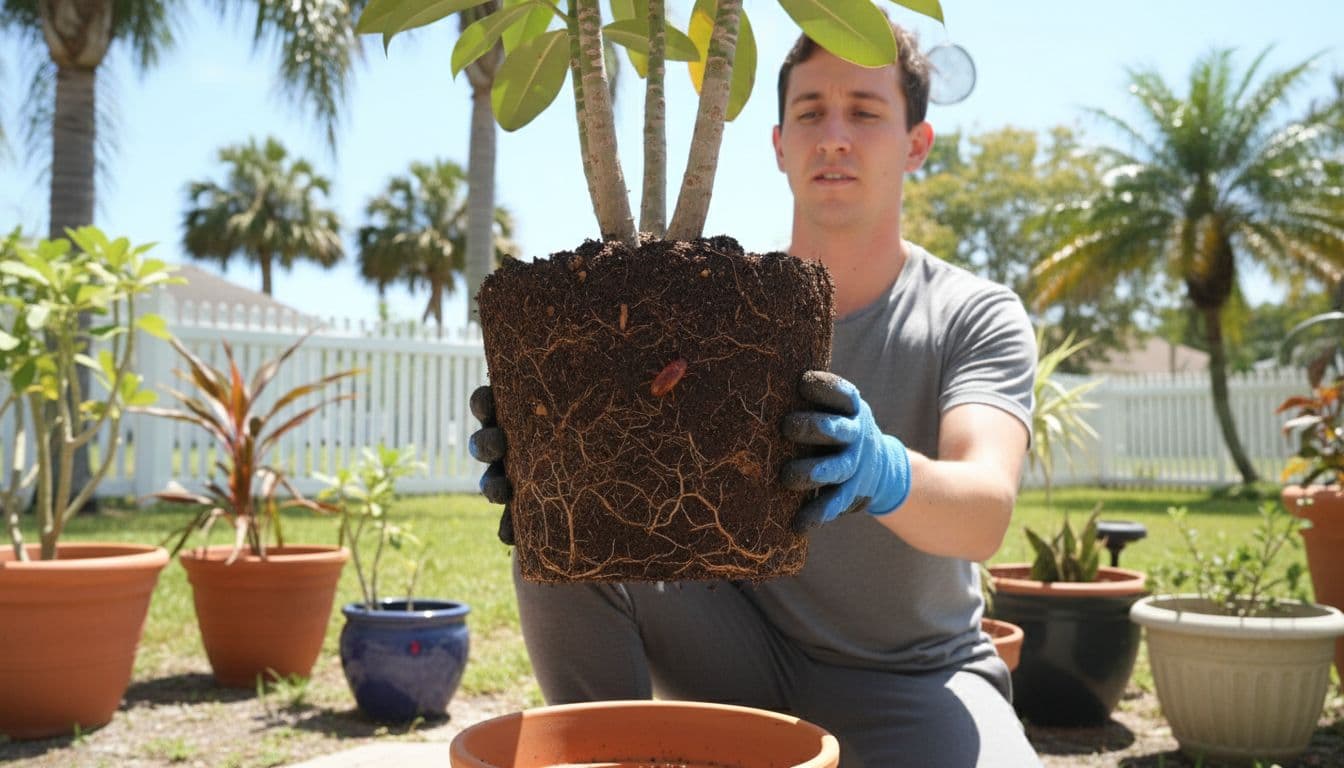
A quick pot check can save a lot of trouble later:
- Lift the root ball and look along the soil line, under the rim, and near drainage holes.
- Replace damp topsoil if it's loaded with debris or stays wet too long.
- Repot badly infested plants with clean mix, then wash the container before reuse.
- Let soil dry a bit between waterings when the plant can handle it.
- Inspect new nursery plants before they join a patio group or come inside.
If you want broader prevention steps for doors, gaps, and moisture around the home, this guide on preventing cockroaches in your Cape Coral home fits well with the landscape work.
Where targeted treatment fits in
If cleanup and moisture control don't bring activity down, targeted treatment around landscape beds can help. The goal is not to spray the whole house. A better plan focuses on mulch edges, potted plant clusters, shaded bed lines, and entry areas where roaches travel from yard to home. Because Cape Coral gets heavy rain and has many canals, product choice and placement matter.
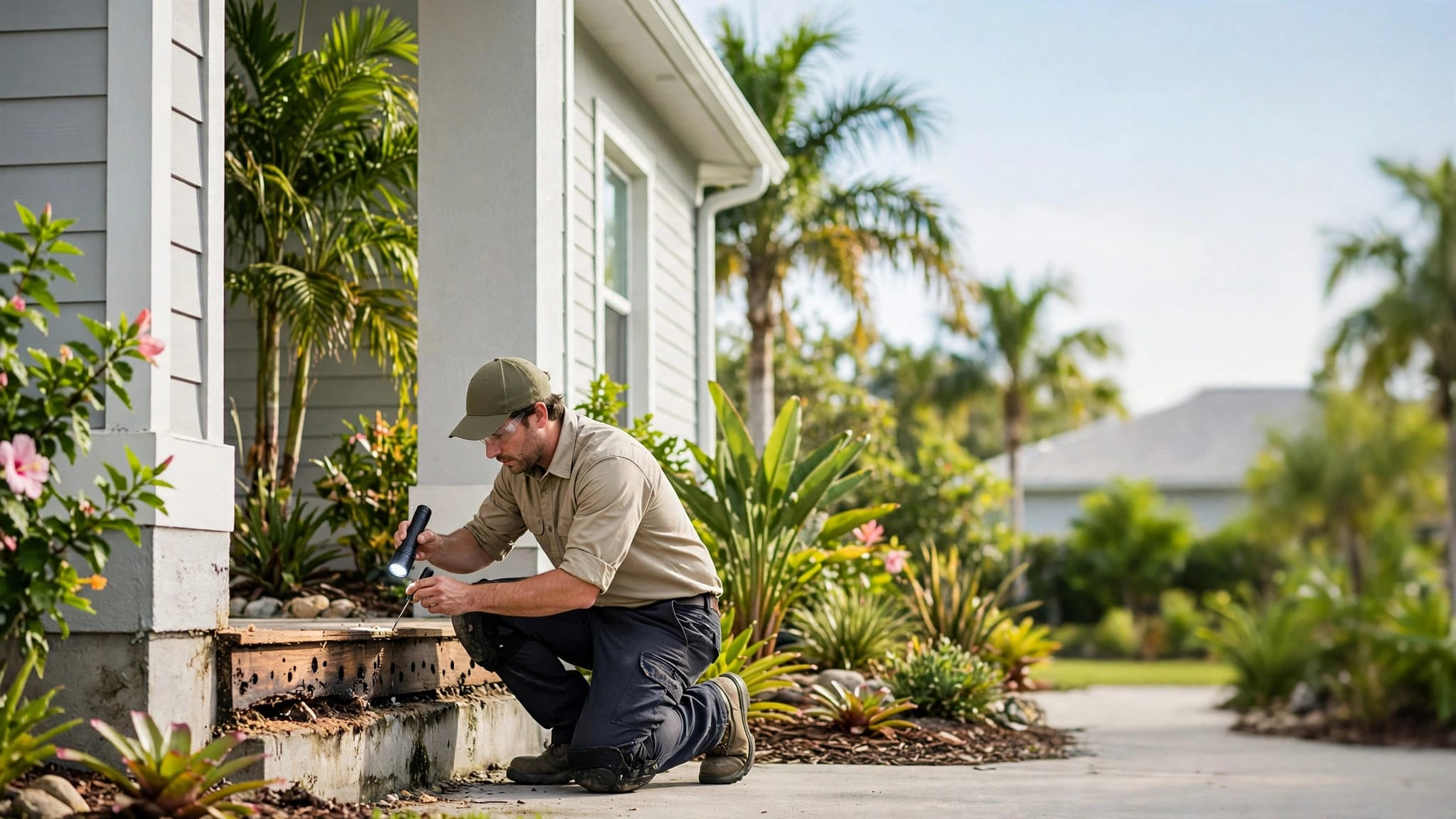
Call for help if you keep finding them in multiple pots, fresh mulch gets active again quickly, or indoor sightings keep returning after you dry the area out. A local provider offering residential pest control Cape Coral can inspect the exterior harborages, confirm the species, and treat the right zones without overdoing the inside.
Surinam roaches usually start in the yard, not the pantry. Thin wet mulch, inspect potted plants, improve drainage, and reduce the damp cover they like most. Stay consistent, and outdoor pressure usually drops fast.
Schedule a Free Inspection: