Surinam Roaches Cape Coral: Why They Show Up In Plant Beds And Bathrooms
If you keep seeing dark roaches under mulch and then spot one near the shower, the problem usually starts outside. Surinam roaches Cape Coral homeowners deal with are strongly tied to damp soil, deep mulch, leaf litter, and overwatered beds. Bathrooms become the next stop when moisture, gaps, and shade line up.
That pattern fits Southwest Florida well. Warm weather, high humidity, spring rain, and frequent irrigation keep soil wet for long stretches. Unlike kitchen roaches, Surinam roaches are mostly outdoor pests, but they won't ignore an easy indoor hiding spot.
Why plant beds attract Surinam roaches first
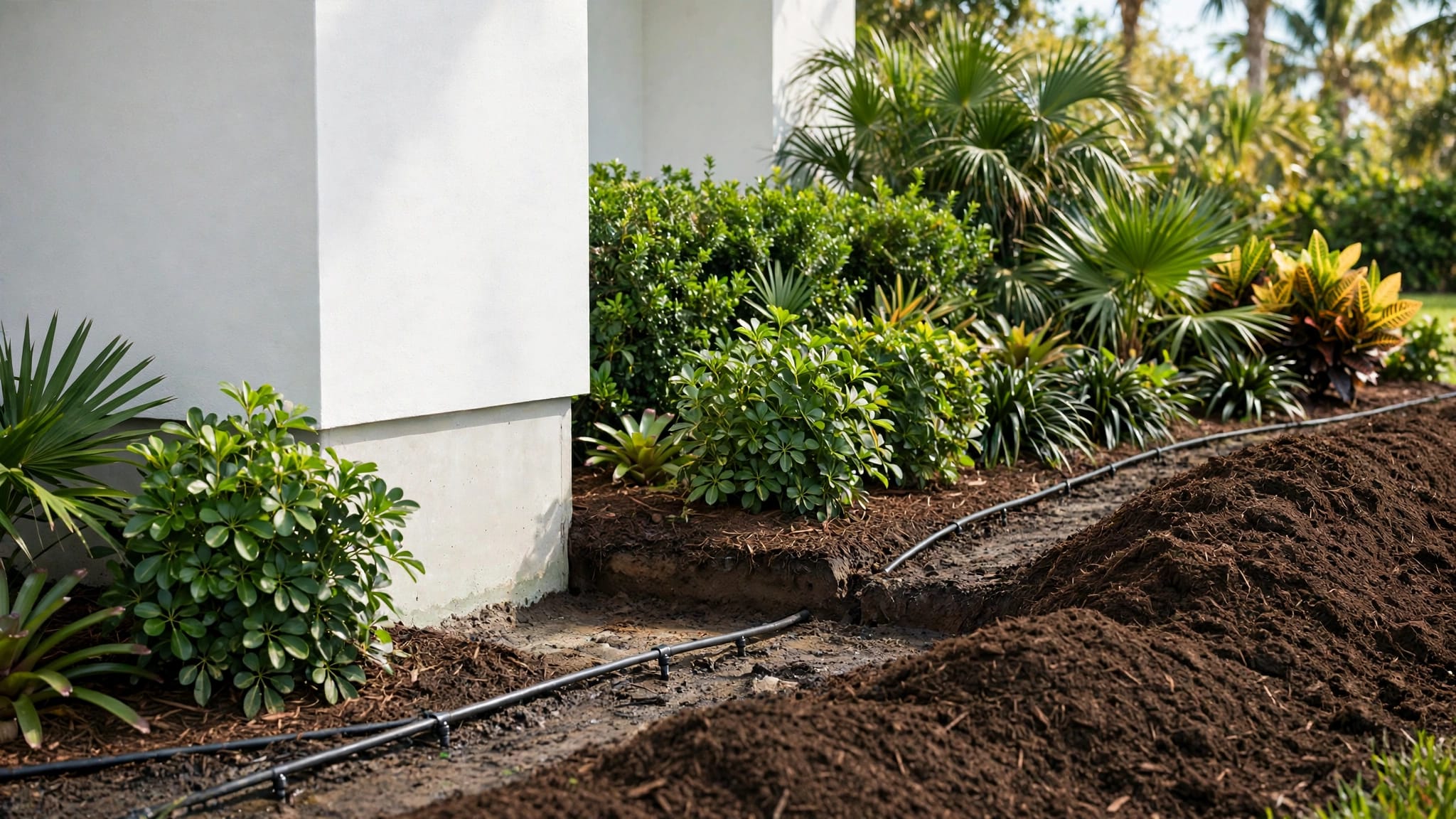
Surinam roaches like loose, damp ground the way fish like water. Mulch, decaying leaves, potted plants, and shaded beds give them cover, food, and steady moisture. In Cape Coral, that setup is common around foundation plantings, palms, and beds that get frequent irrigation.
Adults are dark, glossy, and usually smaller than the big American roaches people see around drains. Many homeowners mistake them for young palmetto bugs. Location helps more than color. If the roach came from mulch, potting soil, or a damp plant bed, Surinam roaches move high on the suspect list.
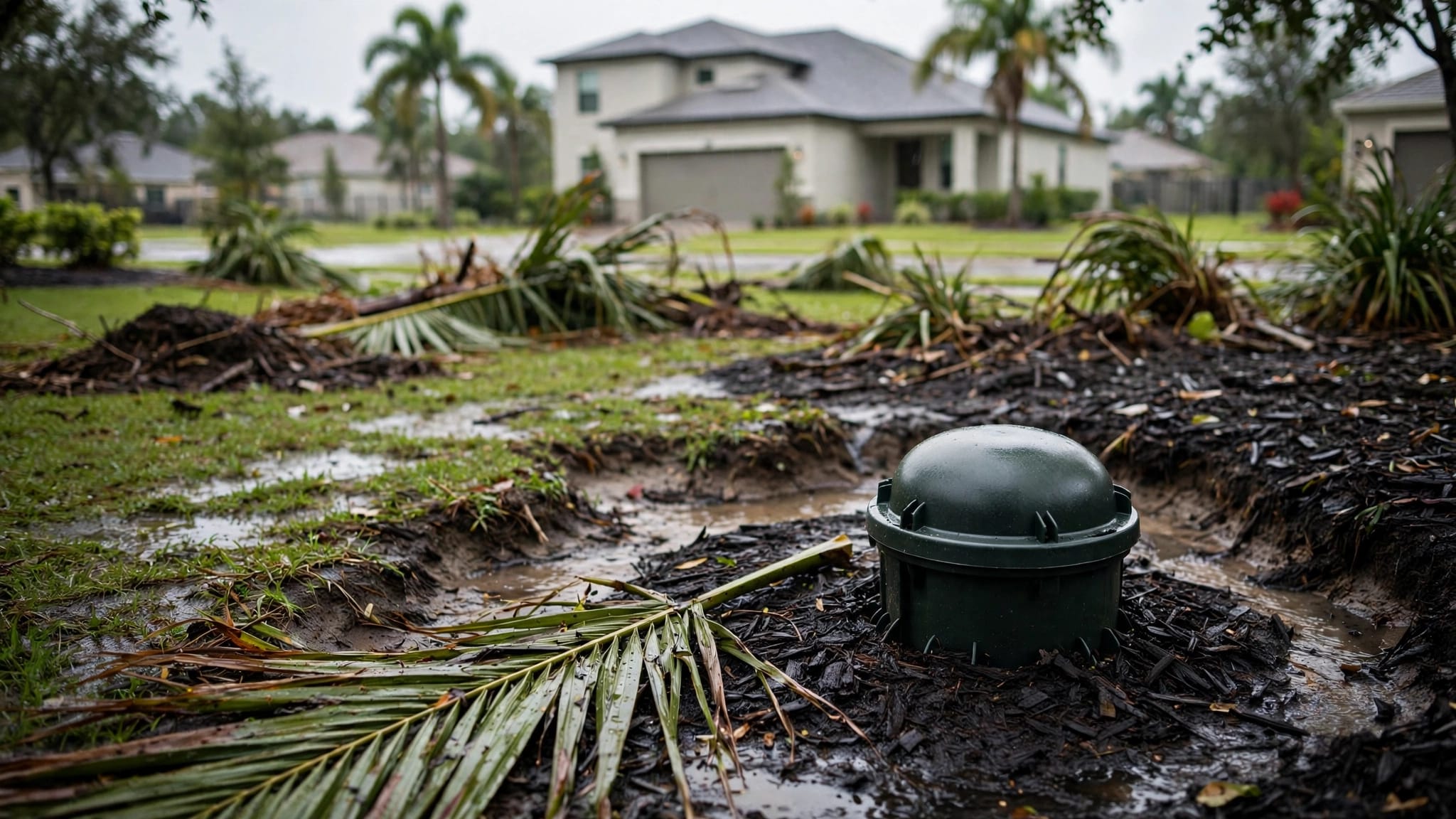
This spring, wet weather across Southwest Florida has kept many landscapes moist for longer. That matters because these roaches build up fast when beds stay wet week after week. Females can reproduce without males, so a small outdoor problem can grow faster than many people expect.
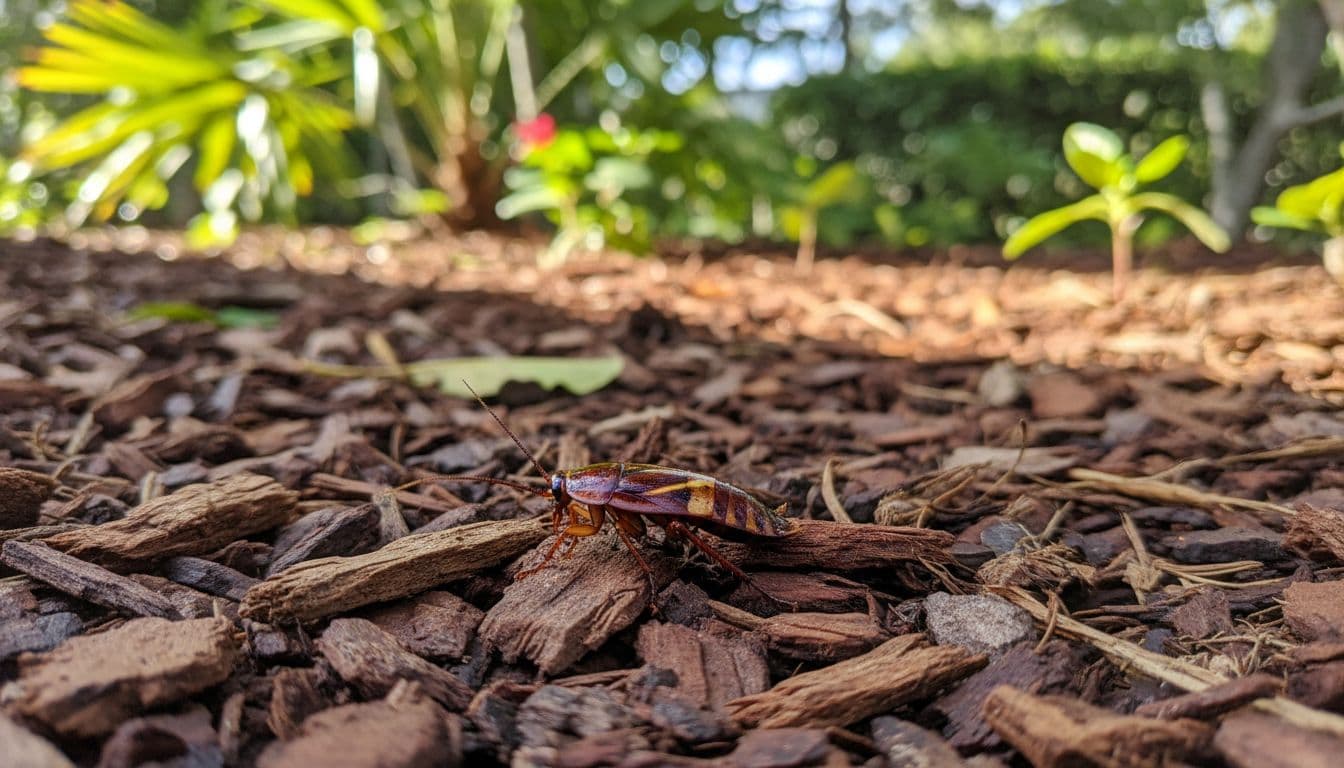
A few landscaping habits make things worse. Thick mulch holds water like a sponge. Leaf litter creates cool pockets under the surface. Overwatering keeps the soil soft, even when the top looks dry. Potted plants can hide roaches too, then carry them closer to the house.
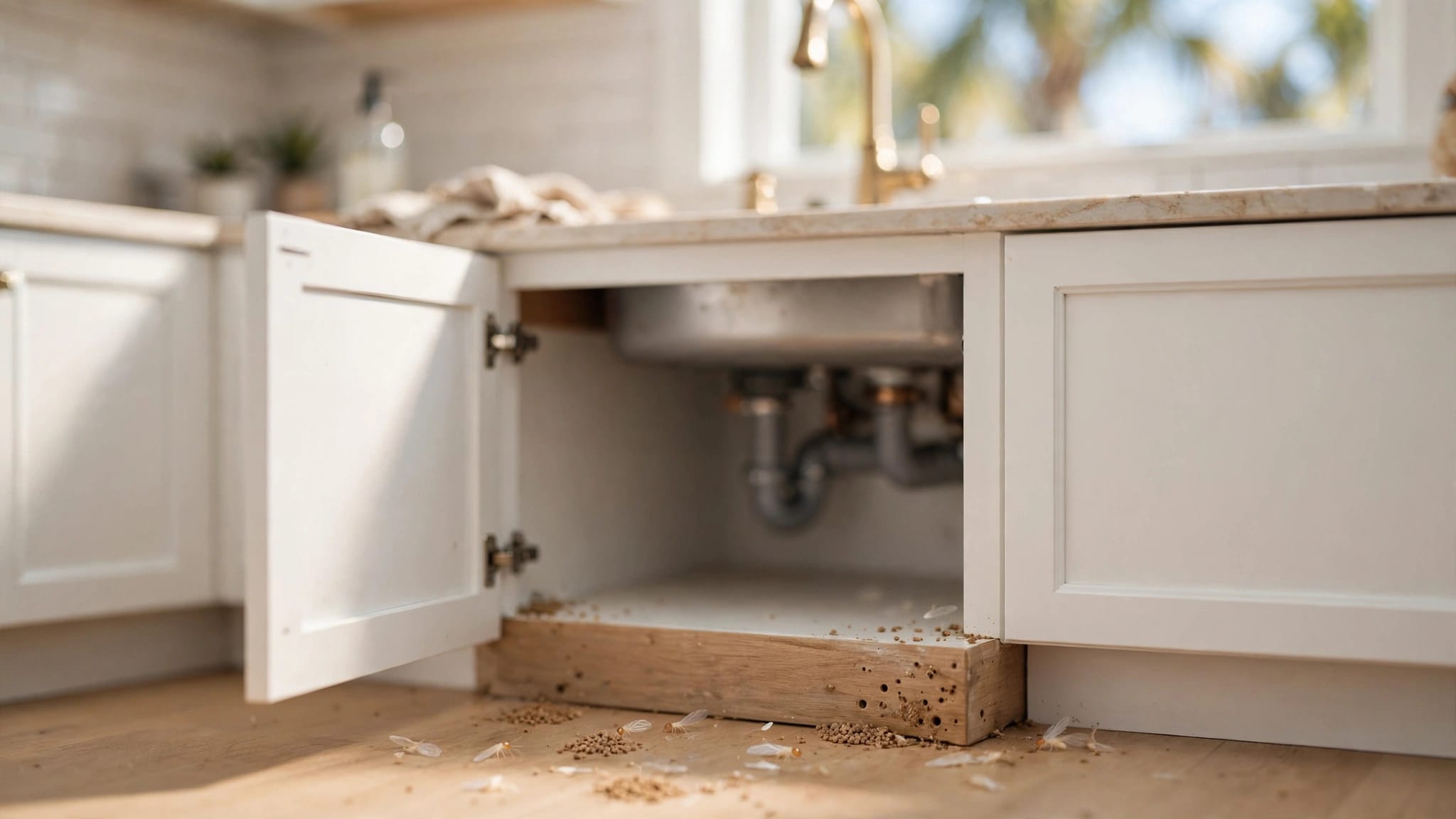
Bathrooms get involved because they offer the same thing in a smaller space, moisture, darkness, and tight hiding spots. A damp bath mat, pipe gap under a vanity, or sweaty toilet supply line can feel like a safe cave.
Here's a quick way to separate the main problem areas:
| Area | What attracts them | What you may notice |
|---|---|---|
| Plant beds | Wet mulch, leaf litter, damp soil | Roaches under mulch, wilted small plants, more activity after rain |
| Bathrooms | Condensation, leaks, plumbing gaps | Night sightings near shower, vanity, toilet base, or floor edges |
The big takeaway is simple. Most Surinam roach issues start in the yard, then spill indoors.
Signs of infestation and the paths they use indoors
You usually won't see Surinam roaches marching across a kitchen counter in daylight. They stay low, hidden, and close to moisture. In plant beds, the first clue is often movement when you rake mulch, pull weeds, or shift a pot. Some homeowners also notice small dark droppings, shed skins, or weak plants with root damage in badly infested beds.
Inside, bathrooms are a common surprise zone. Nighttime sightings near the tub, shower, sink base, or toilet matter most. One sighting can be a wanderer. Repeated sightings in the same wet area mean you should inspect fast.
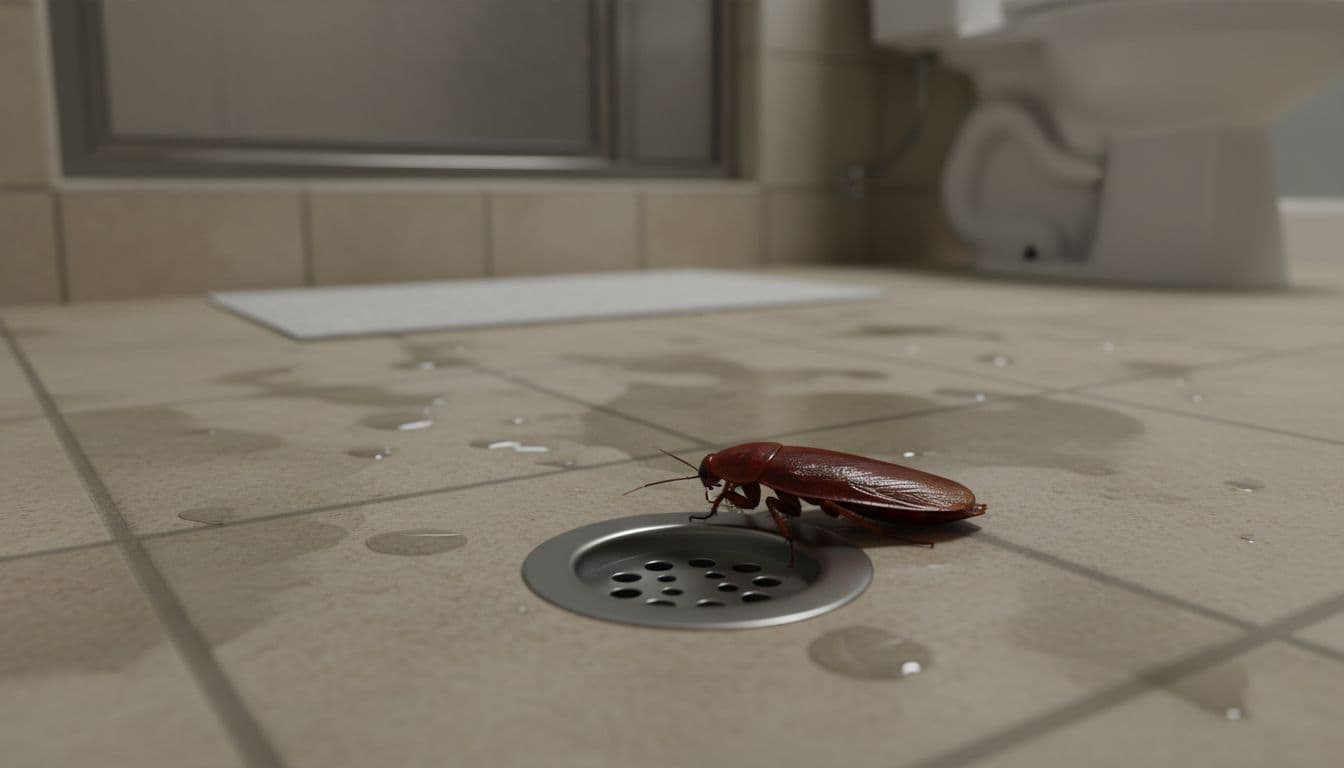
If Surinam roaches keep showing up in one bathroom, treat it as a moisture clue first, not just a bug problem.
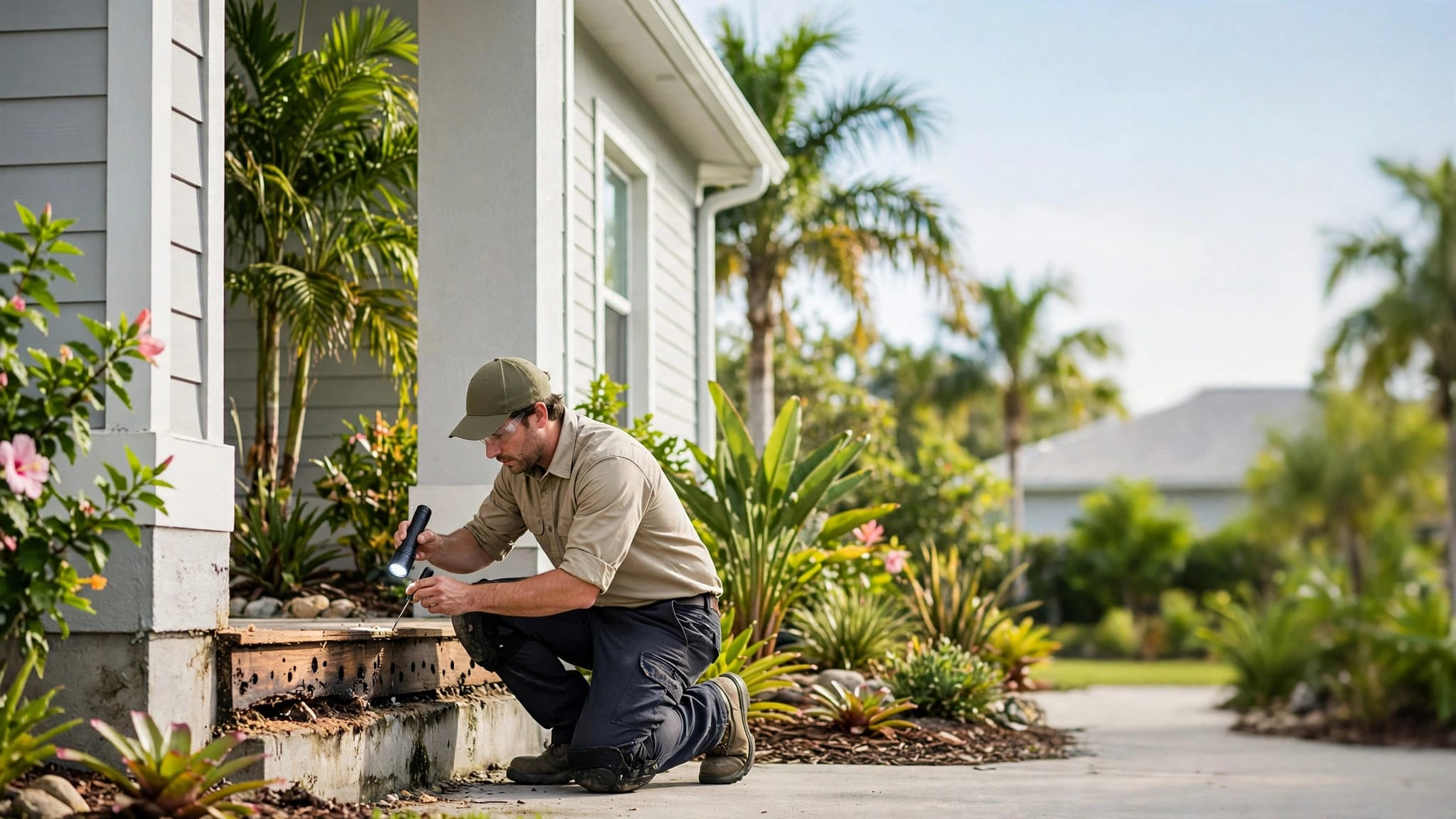
Start outside. Check beds that touch the slab. Look at mulch depth, damp soil, and leaf buildup behind shrubs. Then inspect along doors, garage thresholds, and foundation cracks. Next, move indoors and look under sinks, around toilet supply lines, behind baseboards, and around shower plumbing.
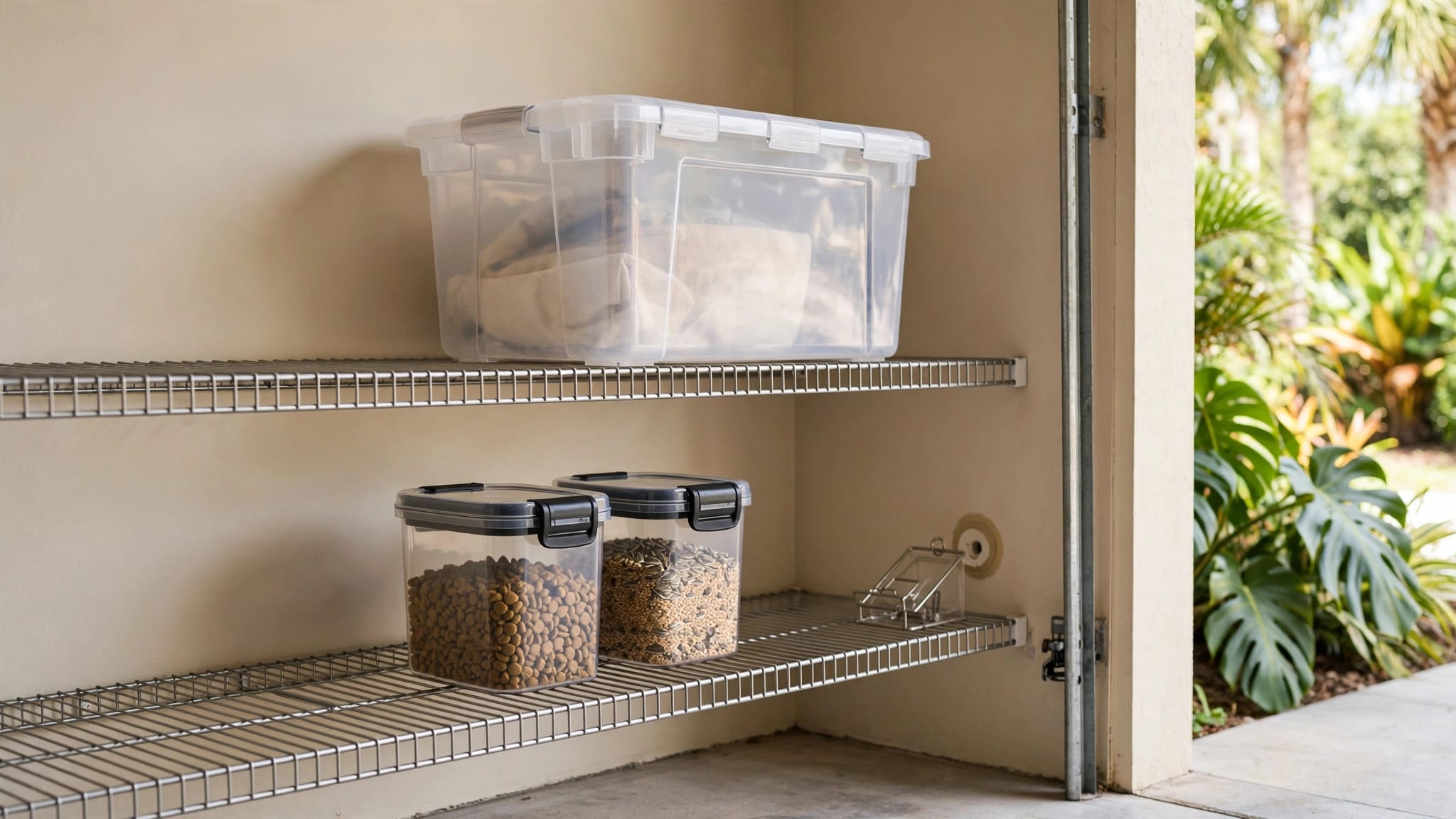
Common entry paths include gaps under exterior doors, unsealed pipe openings, cracks at thresholds, and infested potted plants brought inside. They can also slip in after heavy rain when outdoor hiding spots get flooded. In other words, a bathroom sighting may have started with yesterday's irrigation cycle.
If you're also seeing large roaches near drains, this guide on blocking roaches from bathroom drains helps sort out drain-related activity from wall-gap or moisture issues. For a wider overview, these cockroach control strategies for Cape Coral homes explain how moisture, hiding spots, and exclusion work together.
Prevention and treatment that actually match this roach
A Surinam roach problem rarely ends with one spray and a shrug. Because the source is often outdoors, treatment works best when you fix the habitat first. Think of it like bailing water from a boat while the leak stays open. You may get short-term relief, but the problem returns.
Start with moisture control. Cut back irrigation where soil stays wet all day. Keep mulch around 2 to 3 inches deep, and pull it back from the foundation a bit. Rake out leaf litter, especially behind dense shrubs. If you have decorative pots near entry doors, inspect the soil before bringing them into a bathroom, lanai, or garage.
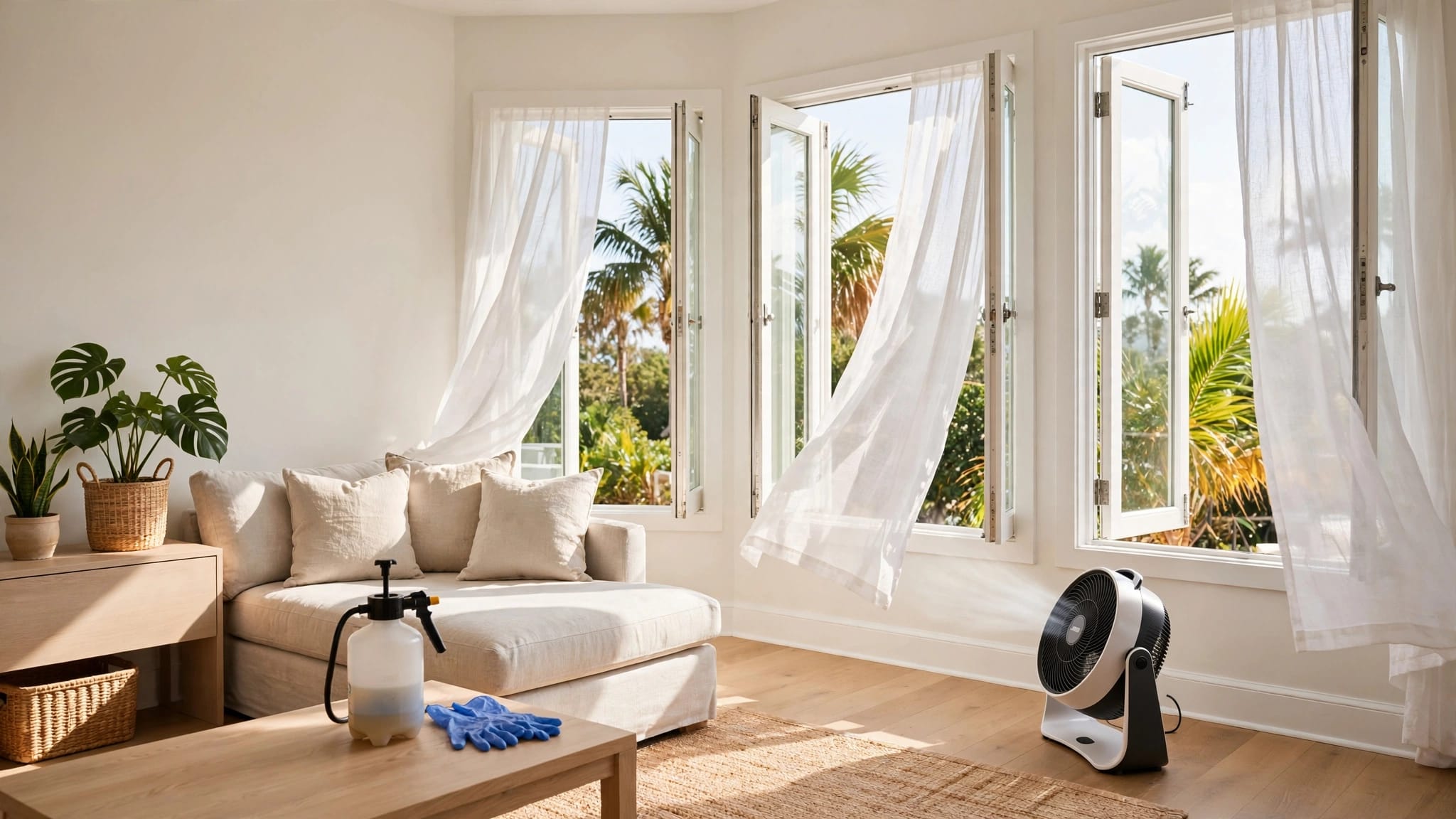
Inside, dry the room down. Run the bath fan during showers and for 20 minutes after. Fix slow drips under sinks and around toilets. Wipe up standing water, and don't leave damp towels piled on the floor. Seal plumbing gaps with the right material, and add door sweeps where light shows underneath.
Sanitation still matters, but not in the usual "dirty house" way. You're not chasing crumbs here. You're removing damp shelter. That's why homes with spotless counters can still get Surinam roaches in bathrooms.
Realistic treatment expectations matter. Outdoor pressure can stay high in Cape Coral because the climate supports these roaches most of the year. A good plan should reduce activity, not promise magic overnight elimination. Most successful jobs combine habitat changes, targeted exterior treatment in mulch and bed zones, indoor crack-and-crevice work where needed, and follow-up if rain or irrigation keeps pressure up.
Call for help if you keep finding them in more than one bathroom, around indoor potted plants, or in beds despite drying them out. A pro can tell whether the problem is mulch, irrigation, a hidden leak, or another roach species. That matters because treatment for outdoor soil roaches is different from treatment for indoor roaches.
If bathroom moisture pests seem to overlap, these signs of phorid flies in Cape Coral bathrooms can help you spot when a hidden drain or leak problem is feeding more than one pest.
The bottom line for Cape Coral homeowners
When Surinam roaches show up in plant beds and bathrooms, the house is usually reacting to moisture , not mess. Dry out the landscape, thin the mulch, inspect entry gaps, and fix wet bathroom corners first. If sightings keep coming after that, a local inspection can pinpoint the outdoor source and build a treatment plan that fits Florida conditions, not wishful thinking.
Schedule a Free Inspection: